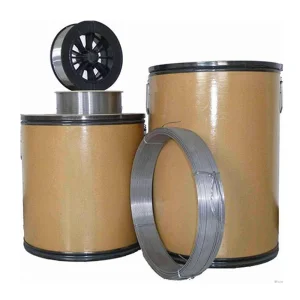
High-chromium alloyed flux-cored welding wires designed specifically for heavy-duty metal reconstruction and severe abrasion mitigation across processing mills.
Learn More >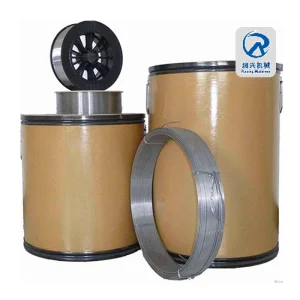
Self-shielded open arc welding wires engineered for on-site machinery refurbishment in open pits and operations without shielding gas dependencies.
Learn More >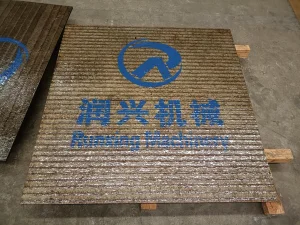
Premium bimetallic composite wear plates designed with dense chromium carbide crystal microstructures to withstand continuous impact and friction.
Learn More >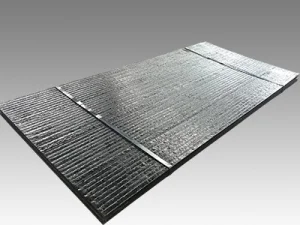
Engineered composite surfacing solution utilizing industrial-grade welding wire alloy cladding. Delivers superior wear life for extreme applications.
Learn More >In heavy industrial sectors such as mining, metallurgy, cement, power generation, and dredging, mechanical wear is a relentless cost driver. Equipment downtime, component degradation, and frequent maintenance operations significantly deplete overall equipment effectiveness (OEE). High-performance wear protection technologies—principally hardfacing welding wires and chromium carbide overlay (CCO) wear plates—serve as critical assets for modern production plants looking to optimize life cycles and drive down cost-per-ton throughput. For industrial complexes operating in the Russian Federation, Siberia, and Central Asia, the demands placed on wear-resistant components are doubly severe due to extreme sub-zero operational environments and complex logistics chains.
Years Industrial Experience
HRC Hardness Ratings
Tons Annual Production
EAC / GOST Compliant
Russia hosts some of the largest mining, processing, and metallurgical complexes in the world. From the coal-producing heartlands of the Kuznetsk Basin (Kuzbass) to the nickel and copper mines of Norilsk, and the extensive iron ore reserves in the Ural Mountains and Belgorod region, heavy equipment operates continuously under extreme mechanical loads. For instance, open-pit excavators, dragline buckets, crusher jaws, and transfer chutes handle thousands of tons of abrasive materials hourly. In these environments, simple structural steel surfaces degrade within days.
Additionally, local weather patterns present unique metallurgical challenges. Temperatures in regions like Siberia routinely drop below -40°C, inducing severe low-temperature brittleness in traditional metal components. Standard hardfacing alloys may suffer from structural micro-cracking propagation or catastrophic spalling under these conditions. Consequently, the Russian market requires specialized wear-resistant welding wires and composite plates designed to retain high toughness and impact resistance without sacrificing surface hardness. Adapting materials to these sub-zero profiles involves strict control of the alloy composition—ensuring a balanced presence of chromium carbides while managing matrix structure ductility (typically via precise levels of manganese, nickel, and micro-alloys like molybdenum or niobium).
Different industrial processes impose distinct wear mechanisms, necessitating customized hardfacing treatments and wear plate integrations:
Hardfacing chemistry has evolved from basic low-alloy weld metals to complex multi-element crystalline structures. The primary objective is to maximize the volume fraction of primary chromium carbides (M7C3 structure) embedded within a tough, supportive eutectic matrix. The classical chemical composition for high-abrasion wear plates and flux-cored wires consists of 3.0% to 5.5% Carbon (C) and 20% to 35% Chromium (Cr).
| Alloy Type | Typical Chemistry (%) | Microstructure | Typical Hardness (HRC) | Primary Application |
|---|---|---|---|---|
| Standard Cr-Carbide | C: 3.5 - 5.0, Cr: 22 - 30 | M7C3 Carbides + Austenite Matrix | 58 - 62 HRC | General chutes, cement hoppers, mining buckets |
| Complex Carbide (Nb/W/V) | C: 4.0 - 5.5, Cr: 20 - 28, Nb: 3 - 6 | Complex Carbides (M7C3 + MC) | 62 - 67 HRC | High temperature sintering, severe fine particle abrasion |
| Impact-Resistant (Austenitic) | C: 0.5 - 1.2, Mn: 12 - 16, Cr: 3 - 5 | Austenite (Work-hardening) | 20 HRC (Work hardens to 50+) | Crusher mantles, railway frogs, heavy impact liners |
Modern technical roadmaps favor the inclusion of niobium (Nb), boron (B), and vanadium (V). Niobium, in particular, forms MC-type carbides that precipitate at higher temperatures than chromium carbides, resulting in a refined grain structure. This refinement suppresses cracking propagation and provides higher resistance to micro-cutting mechanisms. Concurrently, manufacturing techniques for flux-cored wire have advanced: precise dosing of alloy powders within the steel sheath ensures stable arc characteristics, low spatter rates, and uniform penetration profiles during deposition, whether using Gas Metal Arc Welding (GMAW/MIG) or Open-Arc (self-shielded) configurations.
In the contemporary global trade paradigm, supply chain resilience is a core metric for procurement managers. Chinese manufacturers, situated at the center of the global metallurgical supply chain, offer unparalleled advantages in raw material sourcing, automated production scale, and technical R&D speed. Tangshan Runxing Machinery Co., Ltd., located in the prominent industrial hub of Tangshan, Hebei Province, has spent over 14 years refining hardfacing and wear-resistant plate manufacturing processes.
Leveraging Tangshan's robust steel supply infrastructure allows Runxing to source high-grade base plates and alloy powders cost-effectively. With automated flux-cored wire drawing machinery and multiple-gun cladding table installations, Runxing maintains tight quality control and uniform carbide distribution. To simplify export procedures, Runxing's international trade operations are handled exclusively by Hebei Yuwan International Trade Co., Ltd. This dedicated trade partnership handles complex cross-border logistics, financial settlements, export declarations, and multimodal transport options (such as direct China-Europe block trains), ensuring that wear plates and welding consumables arrive at Russian mining sites and factories without logistical delays.
The global heavy industry is undergong a profound shift toward sustainability and carbon footprint reduction. Rebuilding a worn component via weld deposition consumes only a fraction of the energy and raw materials required to cast a completely new part. By choosing hardfacing, companies can reduce their iron ore and manganese consumption, directly lowering their overall carbon output. A worn crushing roll repaired with high-performance flux-cored wire has been proven in field tests to outlast a brand-new carbon steel casting, reducing total consumption cycles and promoting a circular economy within industrial operations.
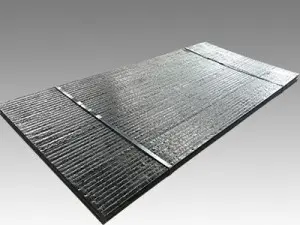
Composite material wear plate made of structural steel backing and hard weld surfacing. Our RX®wp 7600 line is designed for extreme duty cycle demands in Siberian mining chutes.
See Details >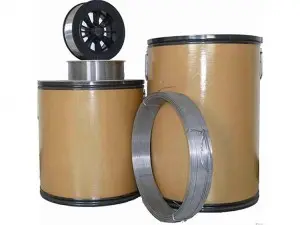
Self-shielded flux cored wire. High chromium alloy designed to resist high-stress grinding abrasion with low impact. Excellent choice for rebuilding wear surfaces.
See Details >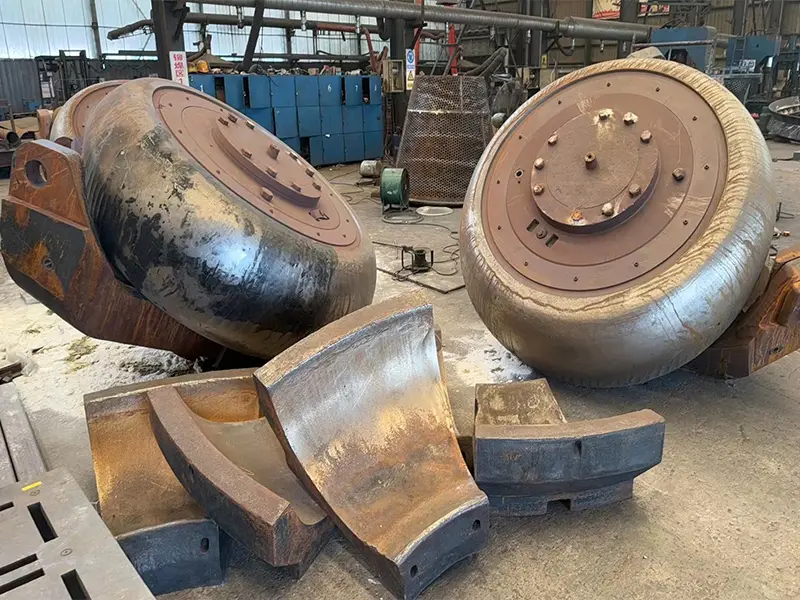
Advanced PTA (Plasma Transferred Arc) and alloy options for precision welding cladding, minimizing heat-affected zones and dilution rates on high-stress components.
See Details >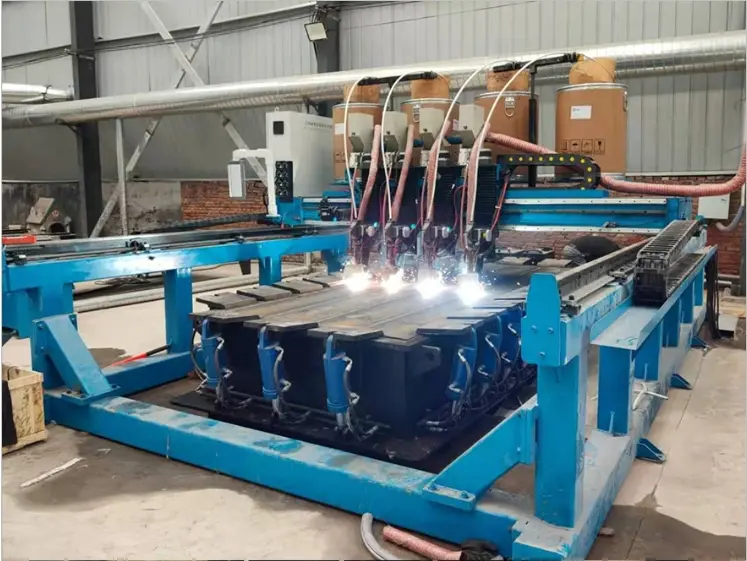
RX® Surfacing system with a 10.2-inch numerical control screen, offering stable swing welding, four independent guns, and flexible parameter adjustment.
See Details >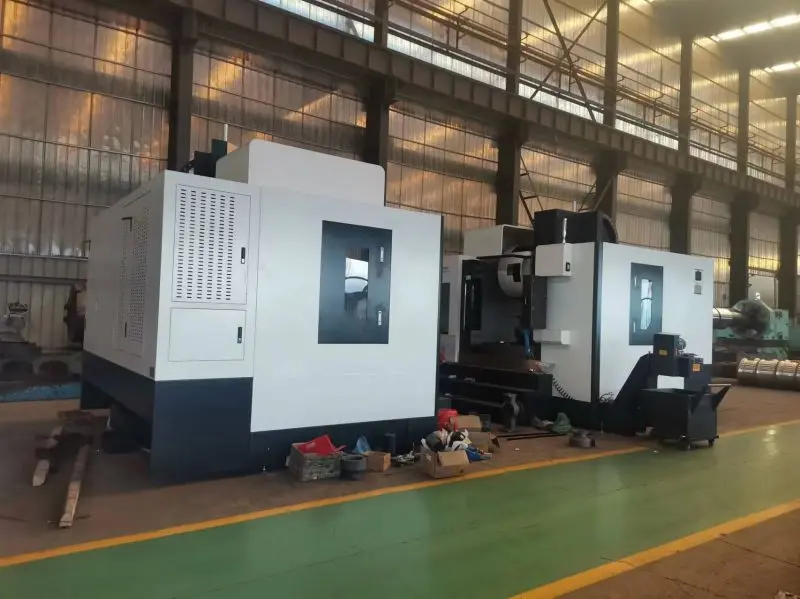
Custom fabrication and machining of industrial machinery, wear-resistant pipe elbows, liners, and precision mechanical assemblies to draw-to-order specs.
See Details >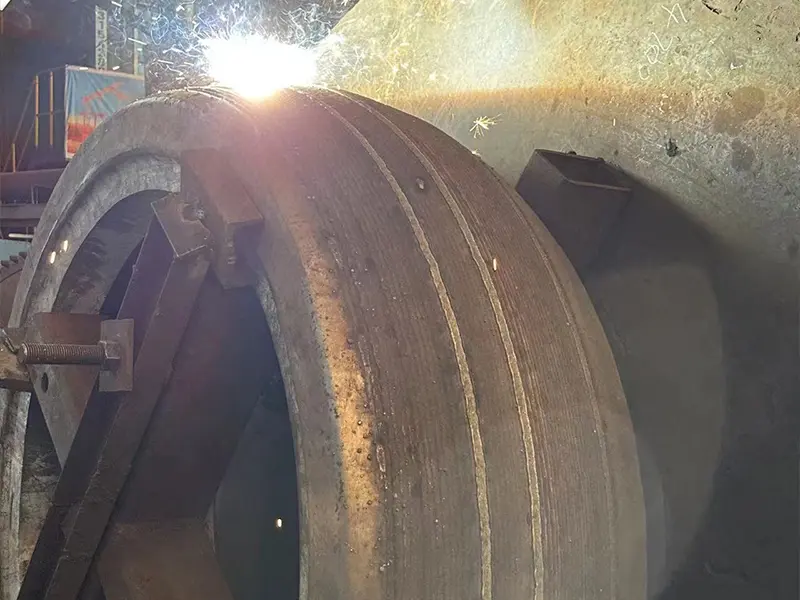
Experienced mill roller and continuous casting roll refurbishment. Re-surfacing extending service life, reducing energy consumption and operational costs.
See Details >Founded in 2010, Tangshan Runxing Machinery Co., Ltd. is a specialized manufacturer focusing on the R&D, production, and on-site engineering services of hardfacing and wear-resistant metal products. Our primary production base in Tangshan, Hebei Province, spans advanced metallurgical cladding systems and customized plate processing equipment.
Our core range includes chromium carbide overlay (CCO) wear plates, custom-fabricated wear liners, armored pipes and fittings, hardfacing flux-cored welding wires, and automated surfacing machinery. We are a trusted partner in providing tailor-made wear-protection configurations for mining, port handling, steel manufacturing, and cement operations across Russia, Central Asia, and beyond.
To provide streamlined international transactions, all export business is fully authorized and managed by Hebei Yuwan International Trade Co., Ltd. This handles trade documentation, customs clearances, logistics, and multi-currency payments, allowing our factory teams to focus on quality control and scheduled delivery.
For six consecutive years, Runxing Machinery has been certified as a qualified agent and user of premium VAUTID brand welding materials from Germany, ensuring our materials meet or exceed global standards for severe abrasion resistance.
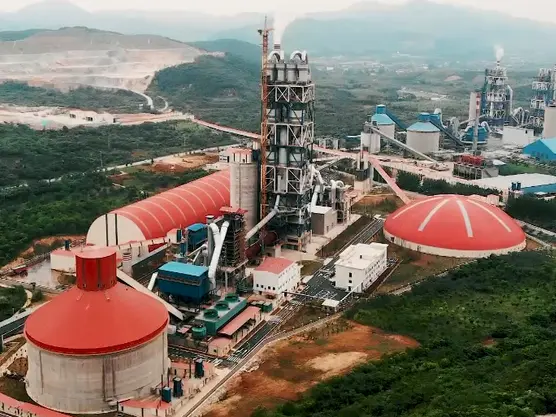
Wear performance in raw mills, chutes, and separator fans directly dictates plant up-time. Our plates ensure constant production continuity.
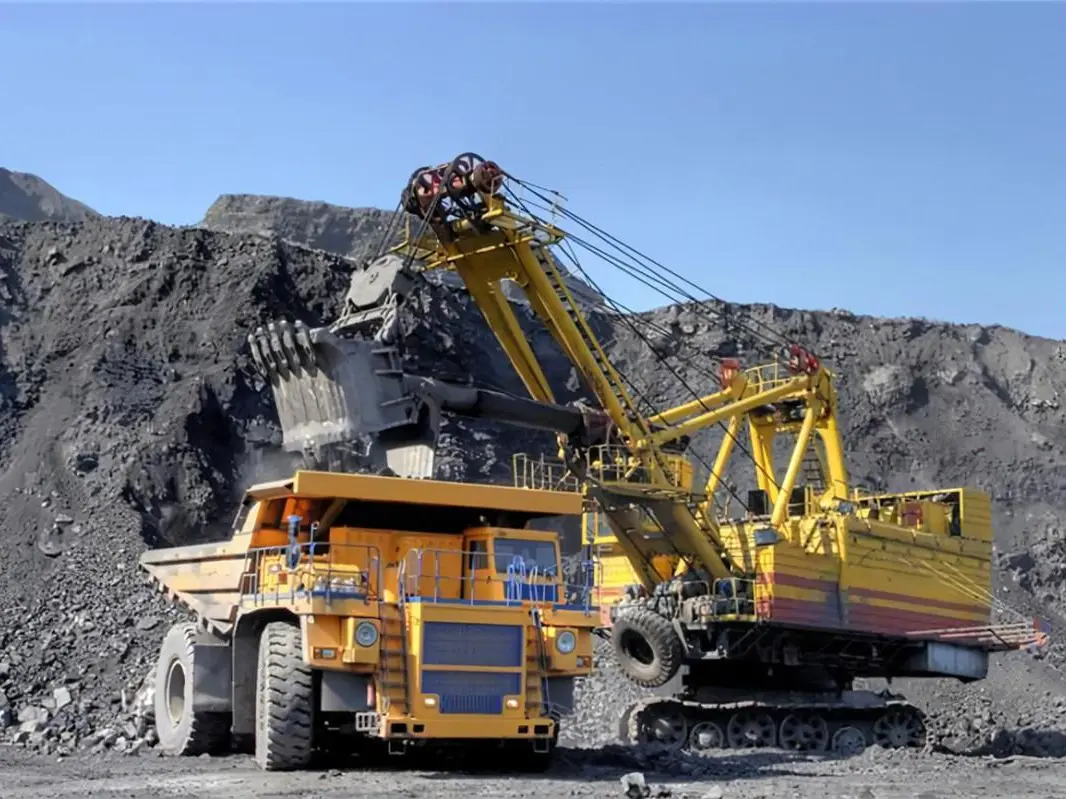
Supplying robust bucket armor plates and open-arc hardfacing wires to remote mining operations under heavy impact-abrasion cycles.
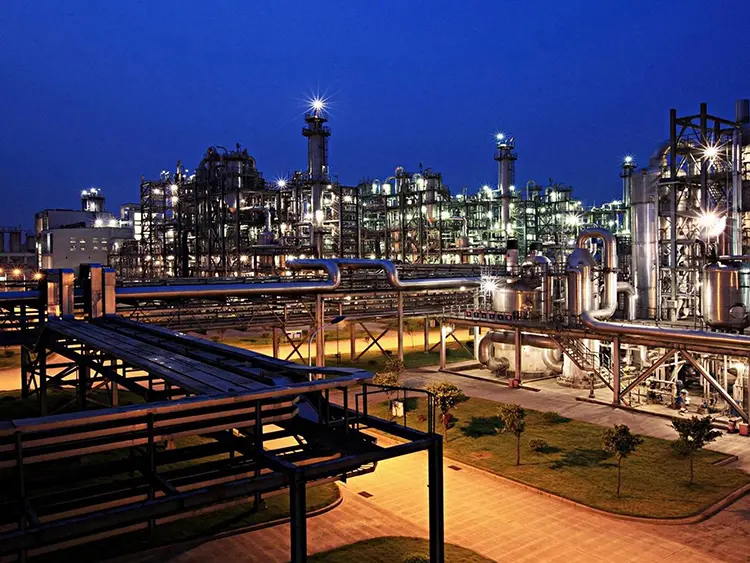
Protecting sinter plant screens, continuous casting rolls, and chutes against thermal shock, abrasion, and surface erosion.
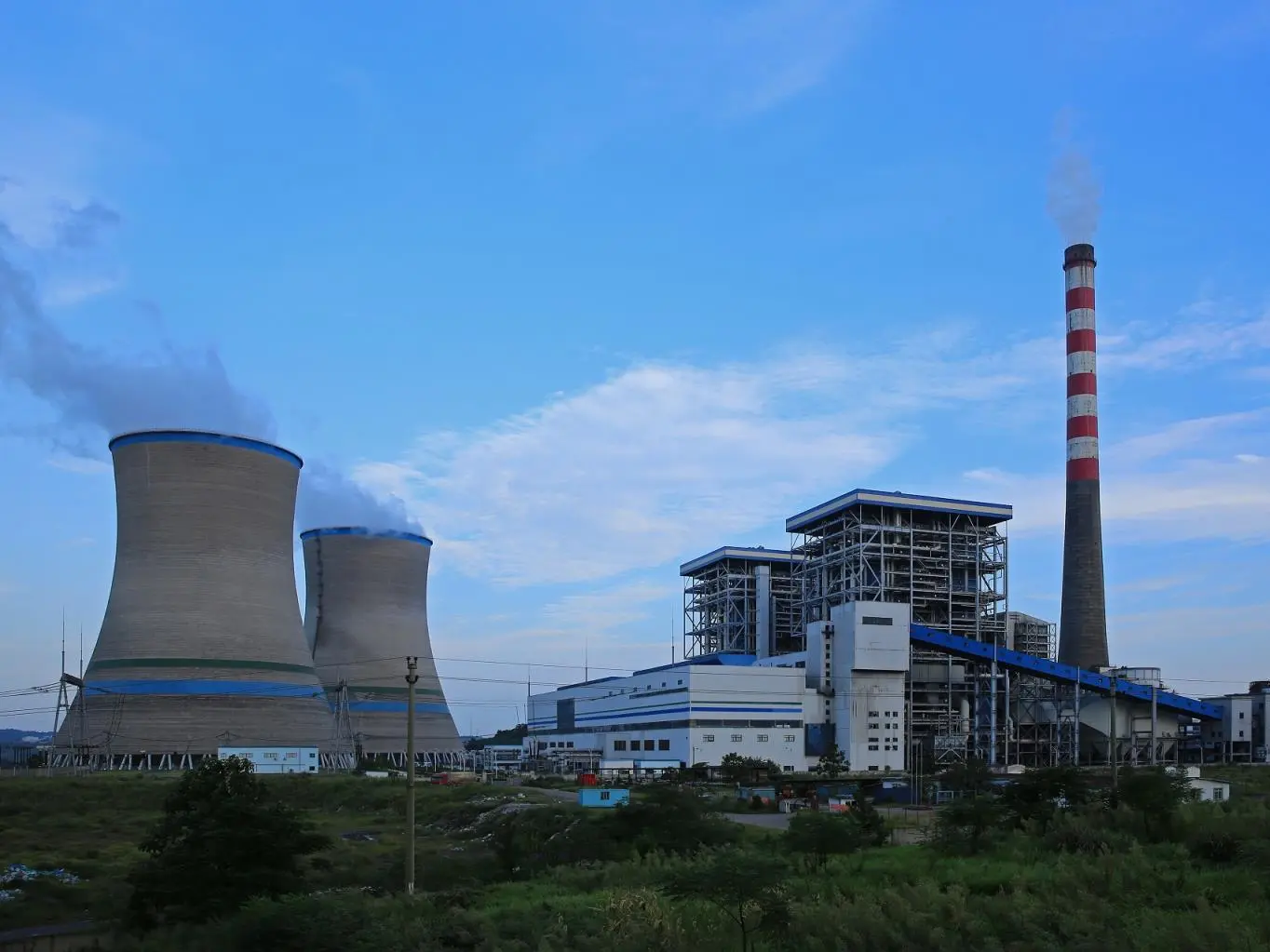
Pulverized coal conduits, fan liners, and exhaust systems protected with high-carbide overlays for reduced erosion wear rates.
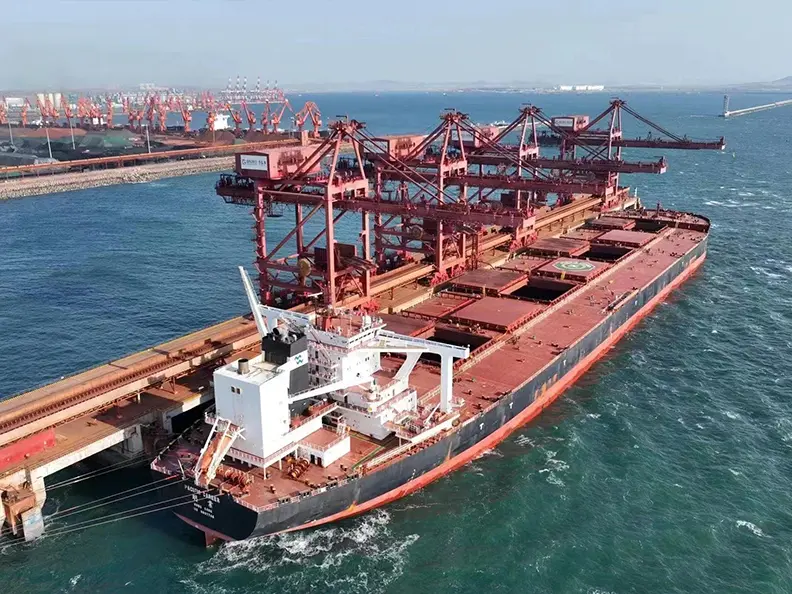
Bulk material hopper linings and conveyor transfer stations built to handle coal, iron ore, and minerals at high volume ports.
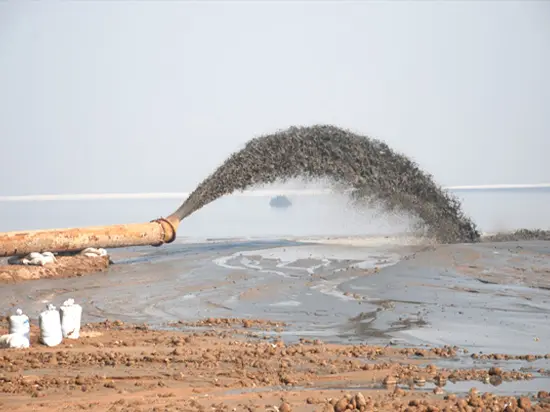
High-purity alumina ceramics sintered under advanced formulas for applications where steel meets chemical or severe fine sliding wear limits.

Continuous refinement and testing in global laboratories to expand wear performance profiles across complex minerals.

Developing sub-micron matrix composite wires and next-generation robotic surfacing setups to meet the next wave of industrial needs.
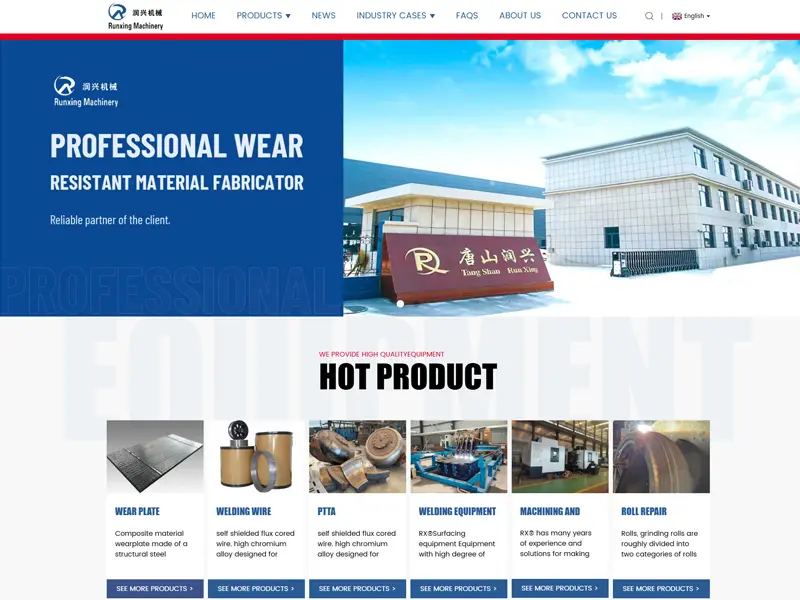
Tangshan Runxing Machinery Co., Ltd. officially launched its updated digital platform to enhance communication and one-stop global procurement.
Participation at the Johannesburg International Convention Center showing our heavy mining and industrial wear protection equipment solutions.
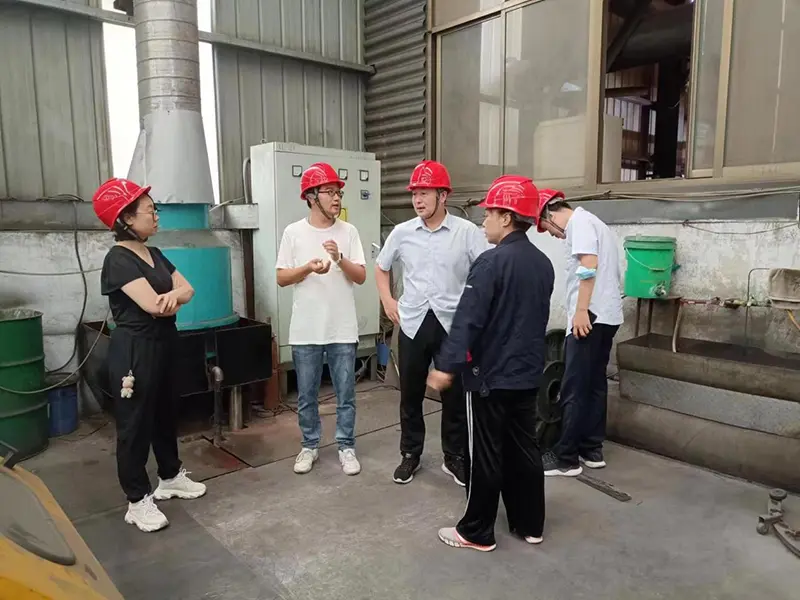
Collaborating with Tangshan University's Metal Materials and Forming Technology team to advance next-generation carbide refinement.
Maintaining a qualification status with German partner VAUTID for six consecutive years, validating our material grade performance and process discipline.
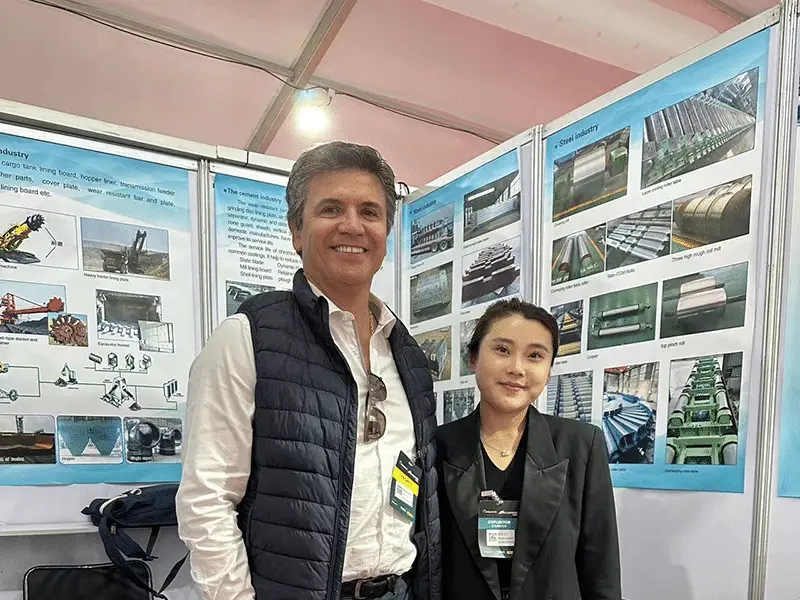
Showcasing our chromium carbide wear plates and hardfacing materials at South America's mining exhibition in Santiago, Chile.
Flux-cored wires allow the insertion of specific alloy mixtures (like ferro-chromium, ferro-niobium, and carbon powders) inside a mild steel sheath. This design achieves high deposition rates and deposition of high-alloy compositions that cannot be drawn into solid wire form, resulting in superior hardness and wear resistance.
Our CCO plates use structural steel backing plates with high sub-zero impact toughness. The hardfacing layer is formulated with specialized micro-alloy additions that control crack propagation, ensuring the plate absorbs mechanical stress without delamination in sub-zero environments.
Hebei Yuwan is the authorized global trade representative for Tangshan Runxing Machinery. They coordinate export compliance, customs processing, logistics routing, and financial settlements, ensuring efficient delivery to overseas destinations.
Yes, our bimetallic plates can be cut using plasma arc equipment from the backing plate side. They can be plug-welded or stud-welded directly onto structural substrates, facilitating quick replacements during planned shut-downs.






Specialized low-dilution surfacing wire for reclaiming and building up heavy excavation parts.
Learn More >
Open arc design suited for maintenance work where shielding gas cylinders are impractical.
Learn More >
High-chromium formulation for abrasive environments requiring smooth surface finishes.
Learn More >
Manufactured to precise flatness and thickness specs, optimized for hopper installations.
Learn More >
Optimized microstructure delivers wear resistance against fine particle erosion.
Learn More >
Designed for multi-pass build-up layers on worn machine elements and earthmoving buckets.
Learn More >
Engineered for high-throughput cement chutes and mining feed boxes requiring high HRC ratings.
Learn More >
Designed for severe combinations of temperature, load, and abrasion across processing plants.
Learn More > Runxing machinery