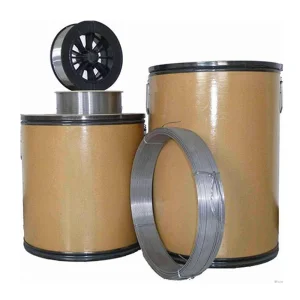
High-efficiency gas-shielded and open-arc welding wires engineered for severe metal-to-metal friction and abrasive wear conditions. Ideal for rebuilding heavy machinery across Victoria's civil engineering projects.
Explore Specifications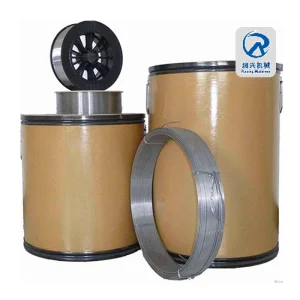
Formulated for field welding applications where gas shielding is impractical. Offers exceptional slag release and minimal spatter for outdoor repairs in Victorian mines and maritime environments.
Explore Specifications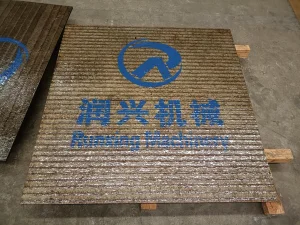
Premium wear plates featuring structural steel backing welded with high-density chromium-carbide alloy. Delivers unparalleled resistance to sliding wear in sand, gravel, and mineral handling chutes.
Explore Specifications
Specially engineered for cement chute liners, mining hopper panels, and recycling mill components. Resists extreme grinding abrasion and extends machinery lifespan in abrasive operations.
Explore SpecificationsThe industrial landscape of Melbourne, Victoria, serves as one of Australia's primary economic engines, characterized by intensive civil construction, advanced manufacturing, recycling operations, and primary metal processing. In these highly demanding environments, mechanical components are continuously subjected to severe degradation mechanisms such as sliding abrasion, impact, erosive wear, and chemical corrosion. Selecting the appropriate welding consumables—specifically engineered hardfacing flux-cored welding wires and bimetallic wear plates—is not merely a routine maintenance consideration; it is a critical strategy for minimizing total cost of ownership (TCO) and boosting productivity.
Within bulk material handling terminals, quarries, and structural metal manufacturing sites across Melbourne, machinery components face severe abrasive wear. Standard structural steels quickly succumb to these stresses, leading to material thinning, loss of tolerances, and structural failure. Hardfacing, utilizing high-alloy flux-cored wires, applies a wear-resistant cladding to softer carbon or low-alloy steel backings.
This cladding deposits a matrix reinforced with primary chromium carbides (M7C3 type), providing microstructural hardness values up to 1500 HV. This structure resists the penetration of abrasive media like quartz, iron ore, and clinker. Implementing these claddings ensures high machinery availability, reduces planned maintenance outages, and lowers energy consumption by maintaining optimal design geometries.
Industrial operations in Victoria have largely shifted from solid gas metal arc welding (GMAW) consumables to advanced flux-cored wires (FCAW) for surfacing and joining applications. The core reasons for this shift include:
High-quality hardfacing welding wires utilize specific alloy combinations to target distinct wear modes:
Different industrial sectors require tailored hardfacing solutions based on their unique operational challenges. Below is a breakdown of our targeted engineering approaches:
Victorian cement manufacturing and concrete mixing plants handle highly abrasive minerals. Hopper linings, chute guides, and vertical grinding mill rollers undergo continuous sliding wear. Our RX-m series high-hardness CCO plates and automated roller reclamation systems use high-chromium flux-cored wires to provide up to five times the service life of hardened carbon steel plates, minimizing costly shutdowns.
Victoria's gold mining and quarrying activities require robust ground-engaging tools (GET). Shovel buckets, dragline lips, and primary crusher liners require hardfacing. Applying self-shielded chromium-carbide cladding directly to components helps operators withstand high-impact rock collisions and fine slurry abrasion.
Operating in environments with high temperatures and thermal cycling (such as rolling mills and blast furnace charging systems) requires cladding materials that retain hardness at elevated temperatures. Utilizing specialized alloy wires with chromium-niobium-molybdenum systems prevents thermal fatigue and high-temperature oxidation.
The Port of Melbourne handles millions of tonnes of bulk cargo annually. Cranes, grab buckets, transfer hoppers, and rail links endure marine atmosphere corrosion and heavy mechanical wear. Applying bimetallic composite cladding prevents premature structural degradation caused by galvanic corrosion and abrasive wear.
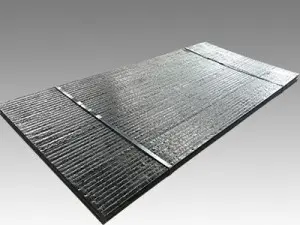
Composite material wearplate made of a structural steel backing and a hard weld surfacing. RX®wp 7600 corresponds to DIN 8555 standards, delivering high wear defense for hopper and chute assemblies in Victoria.
See more products >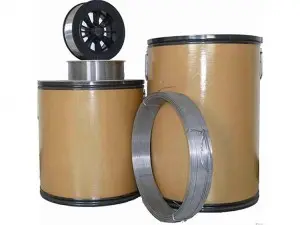
Self-shielded flux cored wire. High chromium alloy designed for resisting high-stress grinding abrasion with low impact, suitable for wear plate fabrication and rebuilds.
See more products >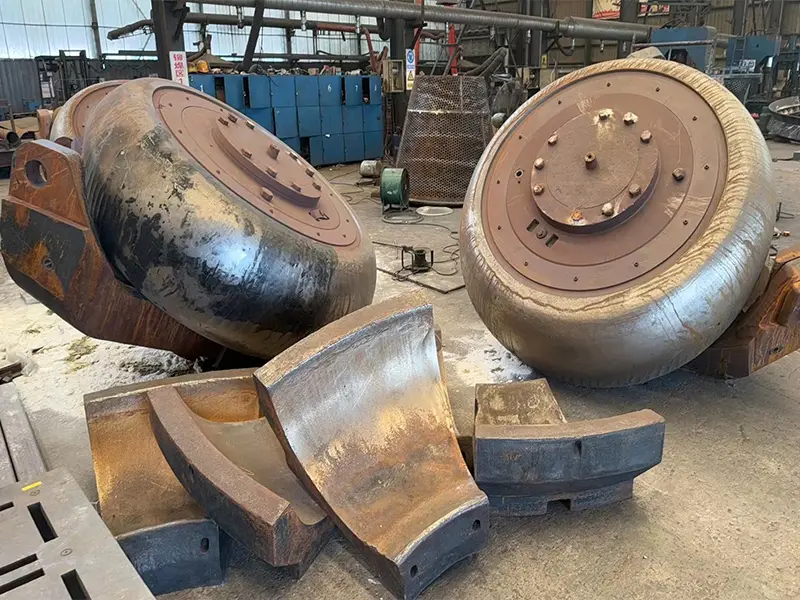
High-chromium alloy self-shielded flux cored wire designed for extreme abrasion wear environments. Ideal for local manufacturing maintenance in Melbourne industrial parks.
See more products >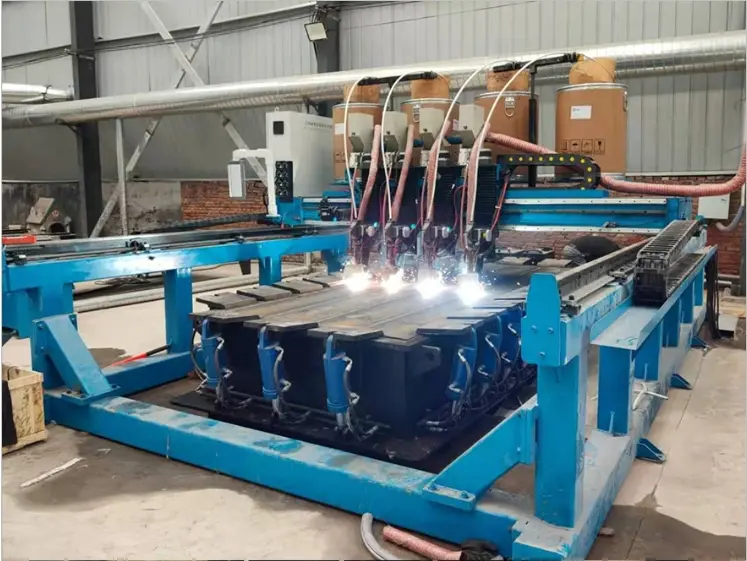
High degree of automation, high welding efficiency, small footprint, easy maintenance. Suitable for wear-resistant steel plate production, roll repair, grinding rolls and disk refurbishment. Centralized control unit with a 10.2-inch touch screen manages four welding guns working simultaneously.
See more products >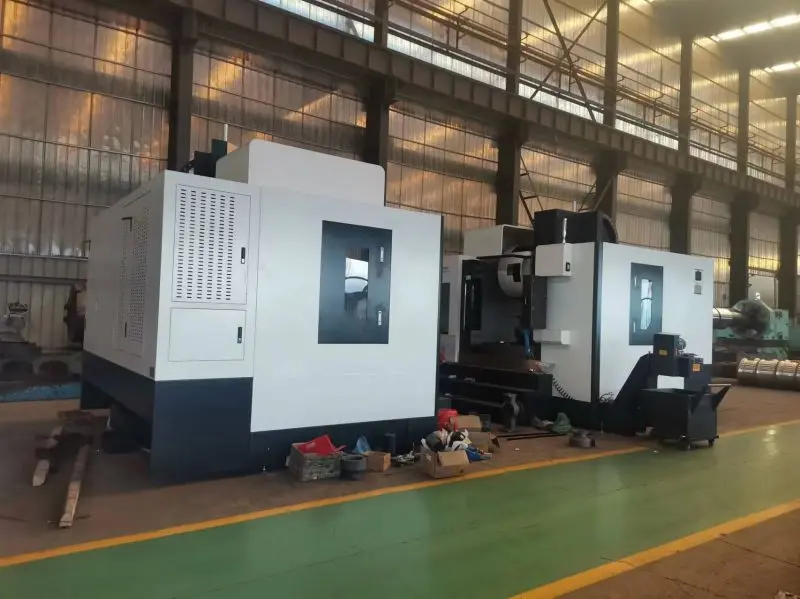
Runxing has extensive experience in fabricating custom machinery accessories, pipeline engineering projects, and providing localized solutions for the steel and cement industries.
See more products >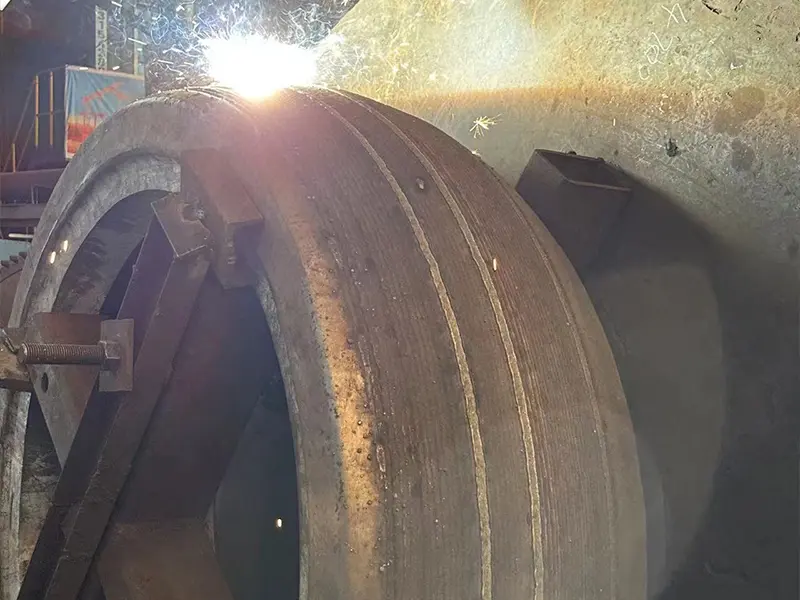
Roll repair services for continuous casting conveyor rolls in steel production, and grinding rolls/tables in coal and cement mills. Runxing helps companies extend roll service life and minimize operational costs.
See more products >
Tangshan Runxing Machinery Co., Ltd., founded in 2010 in Tangshan, Hebei Province, is a professional manufacturer focused on the R&D, production, and on-site construction service of hardfacing wear-resistant metal products.
Our main products include chromium carbide overlay (CCO) wear plates, custom-processed wear liners, wear-resistant pipes and fittings, hardfacing flux-cored welding wires, automatic hardfacing welding machines, and professional roller surfacing repair services. We operate on the business principles of "Integrity, Superior Quality, Innovation & Sustainable Development" and utilize advanced metal surface hardfacing technology.
We provide customized wear-resistant solutions for cement, steel, mining, port, and dredging industries globally. All export business is authorized and handled by Hebei Yuwan International Trade Co., Ltd., which manages customs clearance, shipment, documentation, and payment collection. Our factory focuses on product development and production to ensure stable quality and on-time delivery.
For Melbourne engineering firms and fabricators, compliance with Australian Standards (AS) is a primary operational requirement. Our hardfacing consumables and composite plates are developed to align with local and international engineering guidelines:
As industrial automation advances, the demand for precision wear cladding is rising. The next generation of wear solutions focuses on:
AI-Assisted Cladding: Integrating real-time sensor loops and laser monitoring to dynamically adjust wire feed speeds, travel rates, and oscillation widths during cladding repairs. This reduces human error and ensures uniform wear protection.
Environmentally Safer Formulations: Developing chromium-free hardfacing alloys that reduce toxic hexavalent chromium fume emissions during welding, improving safety for maintenance technicians in Melbourne workshops.
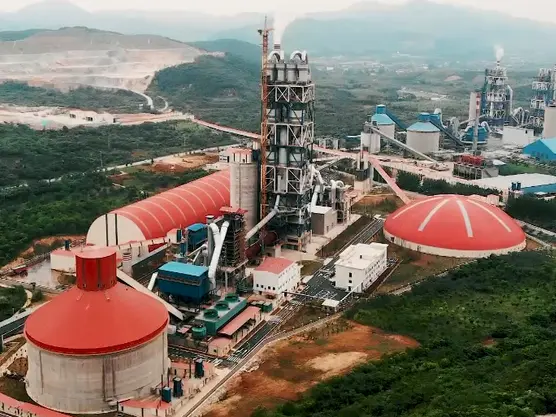
Refurbishing critical vertical roller mills and hopper linings to withstand clinker processing, extending uptime and reducing maintenance costs.
See case details >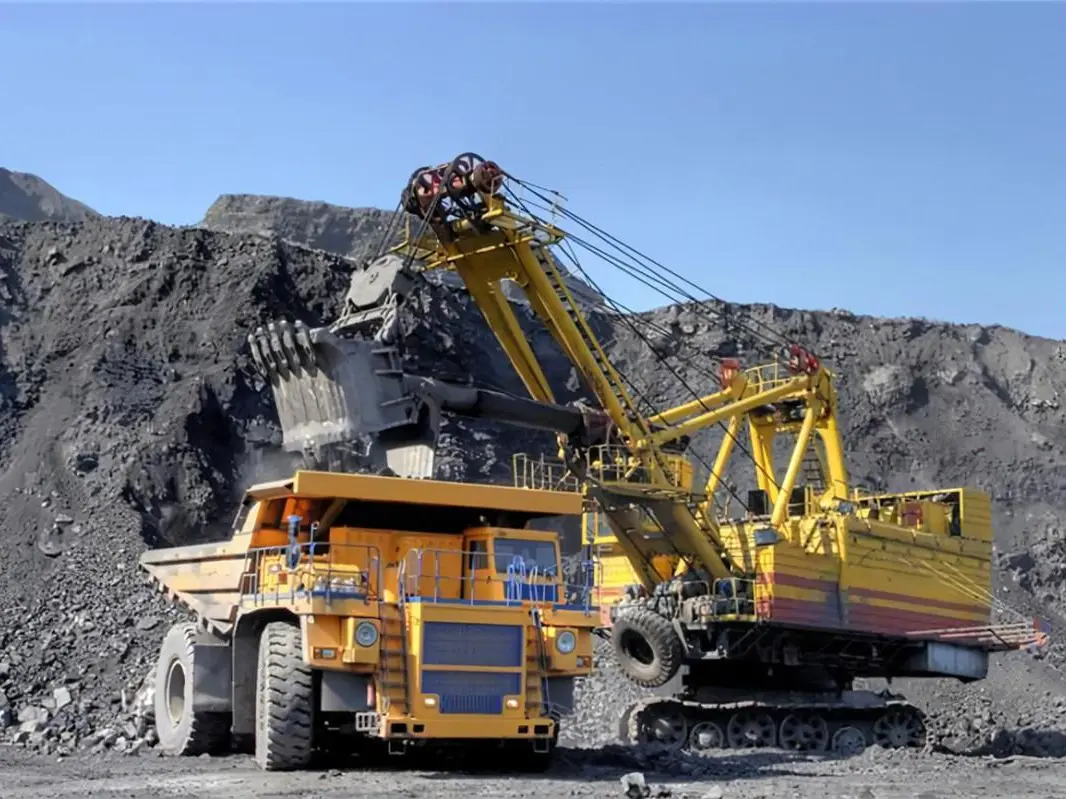
Wear-resistant solutions for excavator buckets, chute transfer systems, and screen plates in heavy aggregate extraction.
See case details >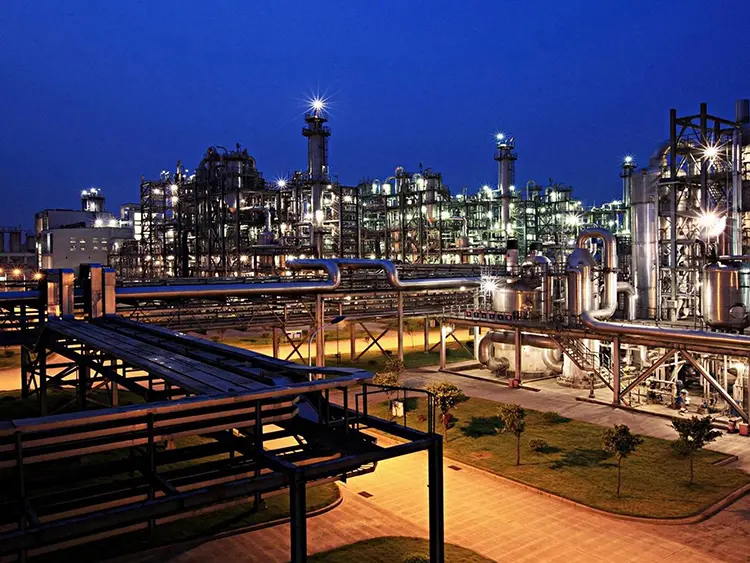
Thermal-fatigue resistant weld claddings for hot rolling mill equipment subjected to high mechanical and thermal stresses.
See case details >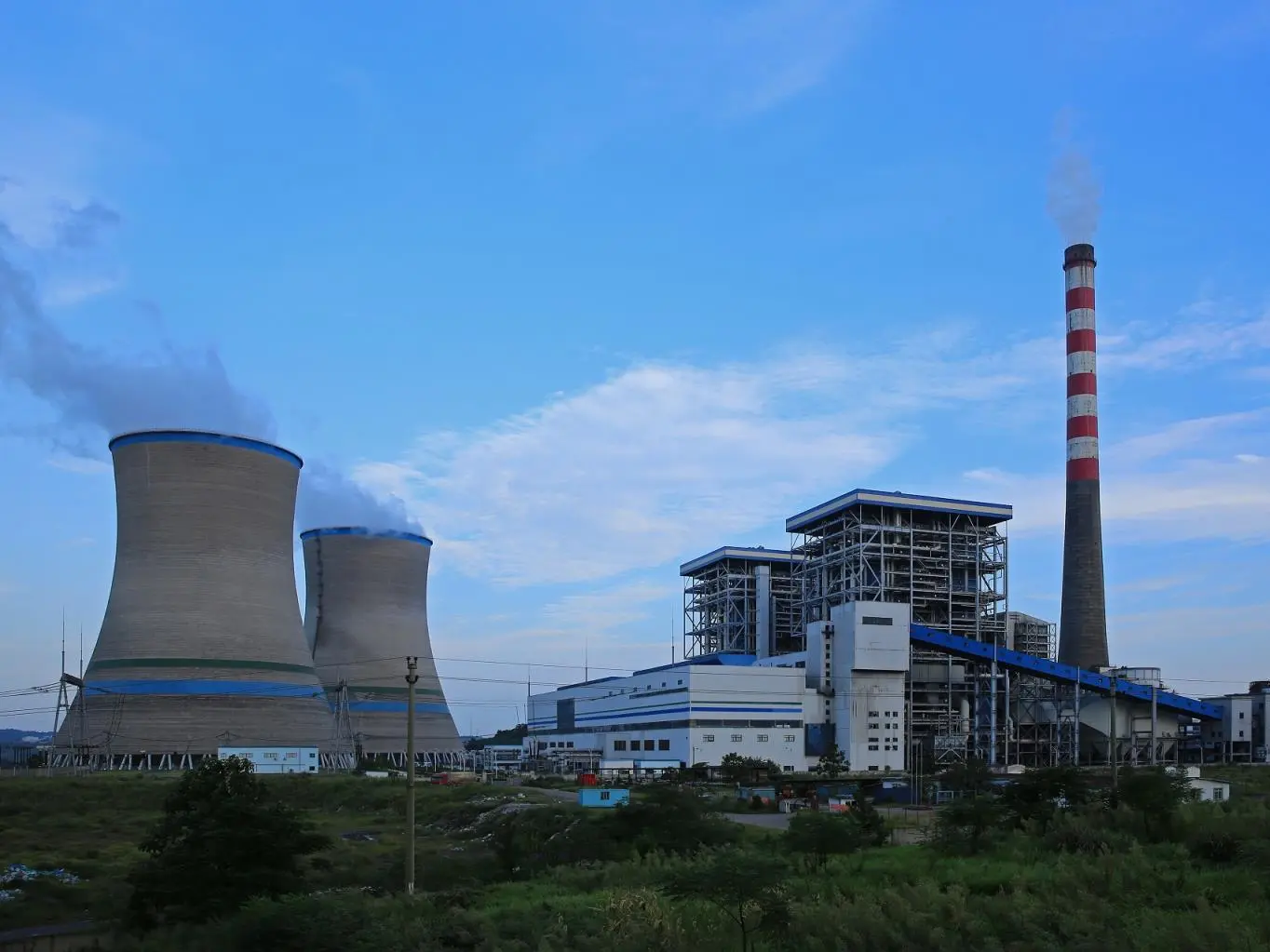
Wear protection for coal pulverizer components, fan blades, conveyor systems, and dust handling systems.
See case details >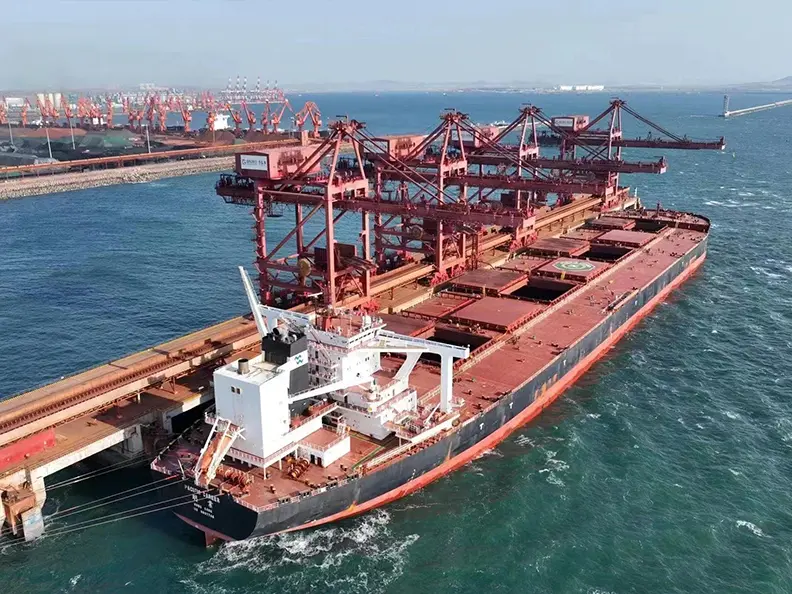
Corrosion and abrasion-resistant cladding for bulk cargo handling grab buckets, hoppers, and port conveyor lines.
See case details >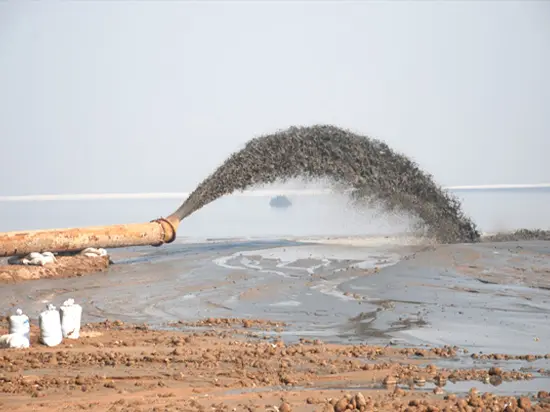
Integrating high-purity alumina ceramics with weld claddings to optimize cost-to-performance ratios in chemical lines.
See case details >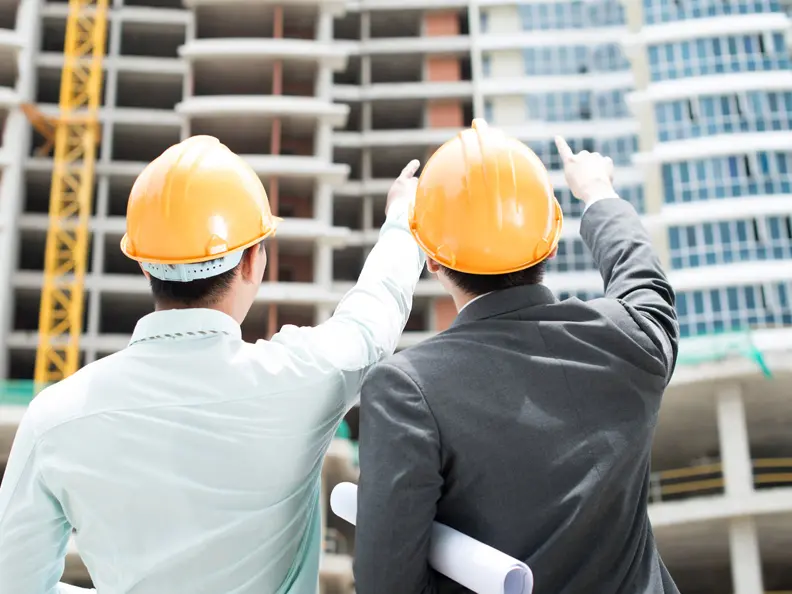
Deploying automated CNC cladding workstations to improve precision in local Victorian welding workshops.
See case details >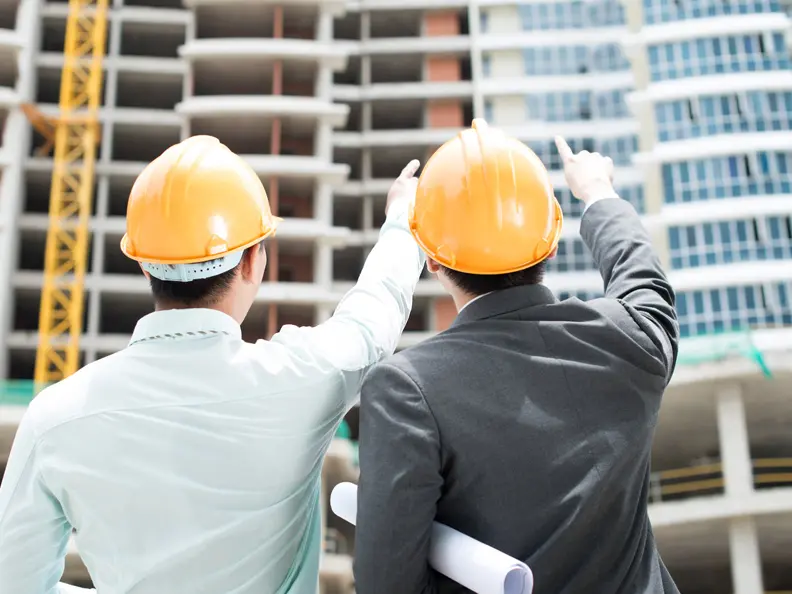
Collaborating with local Victorian distribution networks to ensure prompt delivery and on-site engineering support.
See case details >Our website, runxing-machinery.com, serves the wear-resistant industry by offering one-stop procurement and support platforms globally.
Read More >
Exhibiting advanced mining wear solutions and automated surfacing equipment at the Johannesburg International Convention Center.
Read More >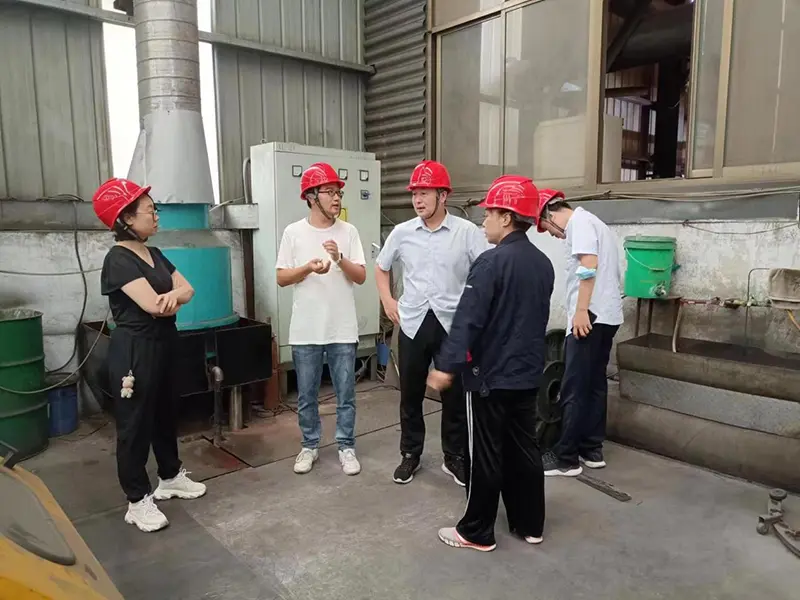
Collaborating on academic research in metal materials and forming technology to refine alloy chemistry and cladding performance.
Read More >
We use high-quality VAUTID brand welding materials for specific wear-resistant products to ensure premium material performance.
Read More >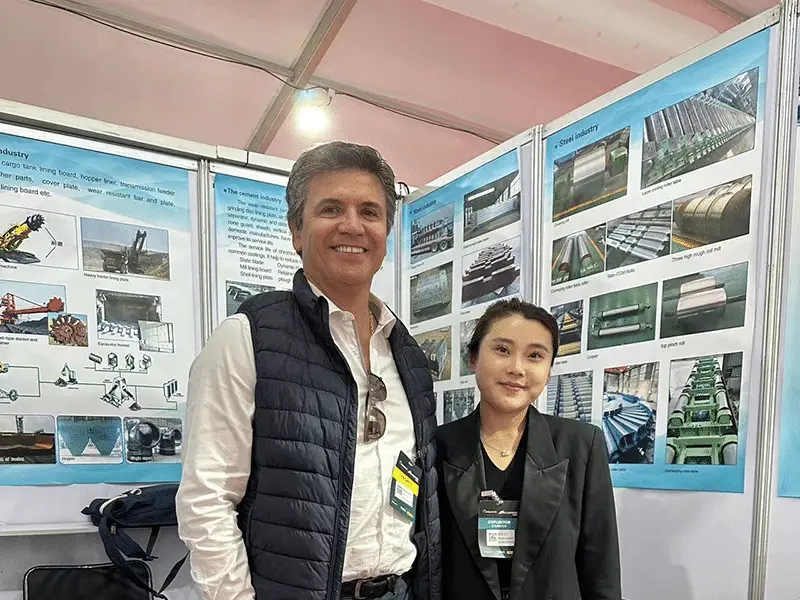
Exhibiting customized wear plates and welding consumables at the professional mining exhibition in Santiago, Chile.
Read More >


Designed for severe metal-to-metal wear and sliding abrasion. Suitable for rebuilding worn agricultural blades, digger teeth, and crusher liners.
Explore Specs
Provides a tough, wear-resistant overlay without requiring external shielding gas. Ideal for site work and remote maintenance repairs.
Explore Specs
High chromium overlay welded to a weldable structural backing. Resists sliding abrasion in transfer chutes and hoppers.
Explore Specs
A variation designed to manage moderate impact alongside sliding abrasion, suitable for structural repairs in mining environments.
Explore Specs
RX-m series designed for cement chutes, mining buckets, and other high-friction applications.
Explore Specs
High-deposition alloy wire designed to reduce refurbishment cycles for heavy equipment.
Explore Specs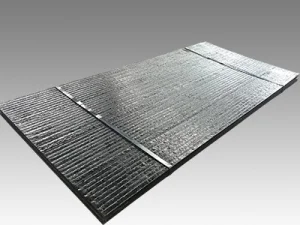
Premium composite steel plates designed to extend service life in harsh chemical and mineral processing environments.
Explore Specs
Available in custom sizes and thickness combinations (e.g., 6+4, 8+6, 10+10) to meet specific application requirements.
Explore Specs Runxing machinery