Runxing machinery
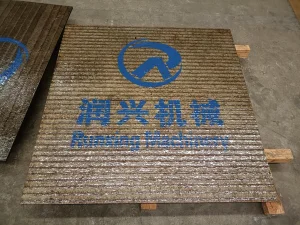
The Tribological Landscape of Sydney & New South Wales Heavy Industry
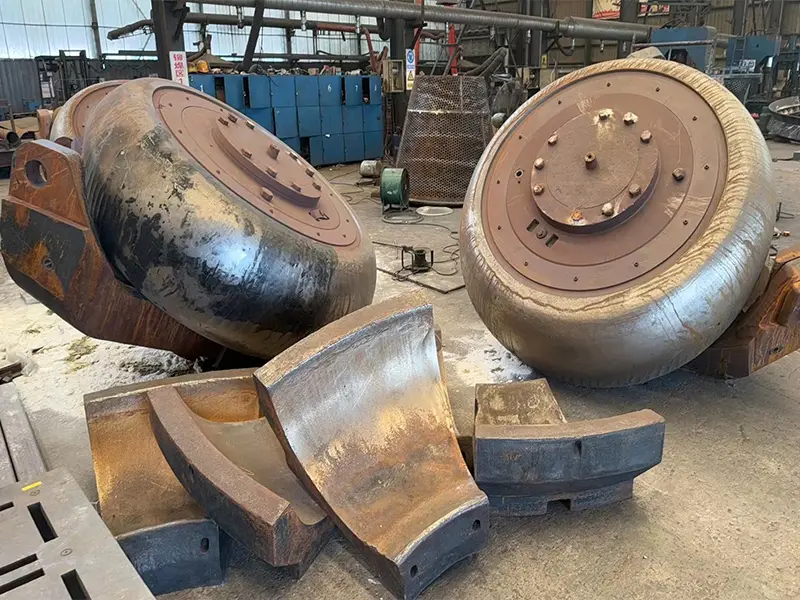
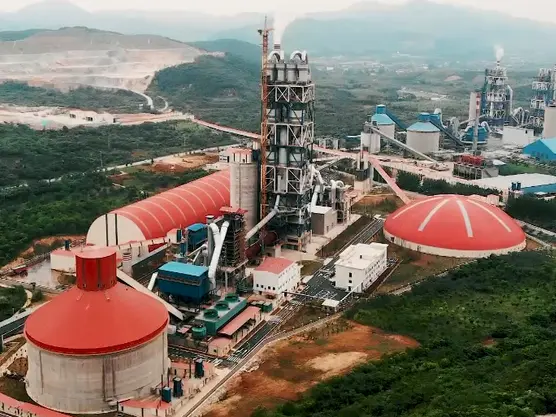
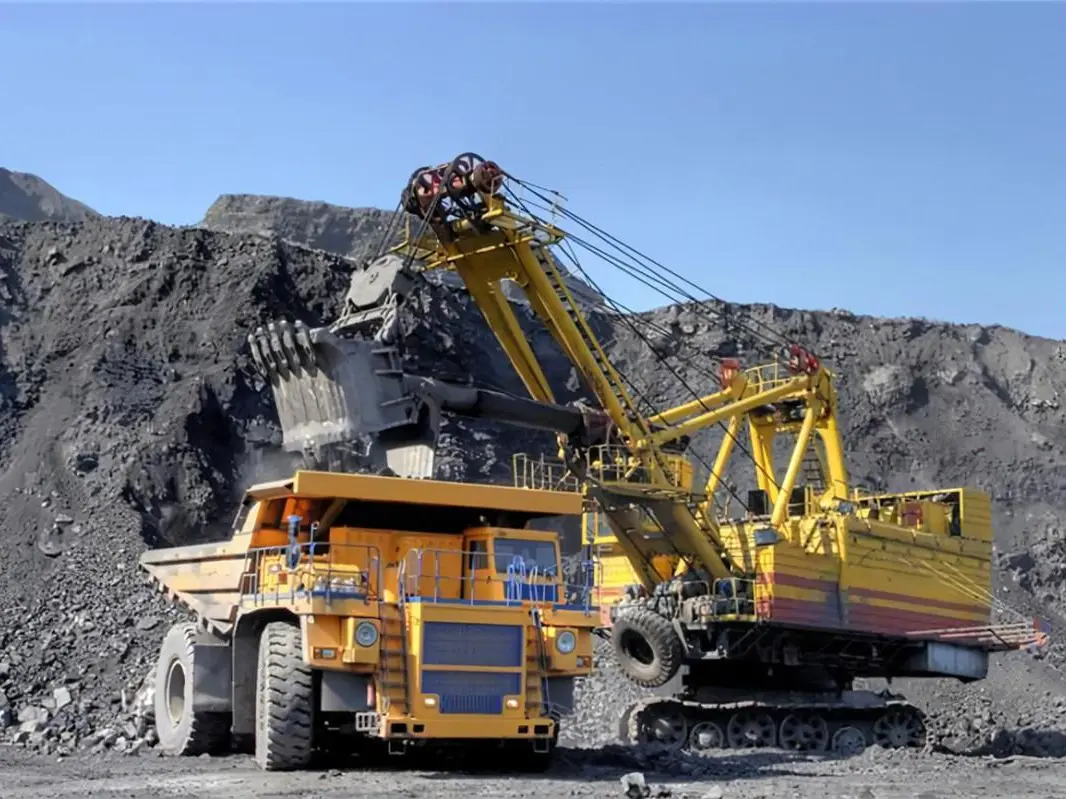
Sydney serves as the central administrative and economic gateway to Australia's richest mineral and energy corridors. The heavy industrial corridor stretching from the Hunter Valley mining basin through Western Sydney's massive aggregate and concrete manufacturing plants down to Port Kembla's steel manufacturing hub operates under relentless mechanical stress. The wear and degradation of structural components due to abrasion, impact, and chemical erosion account for millions of dollars in lost productivity and unplanned maintenance closures every year.
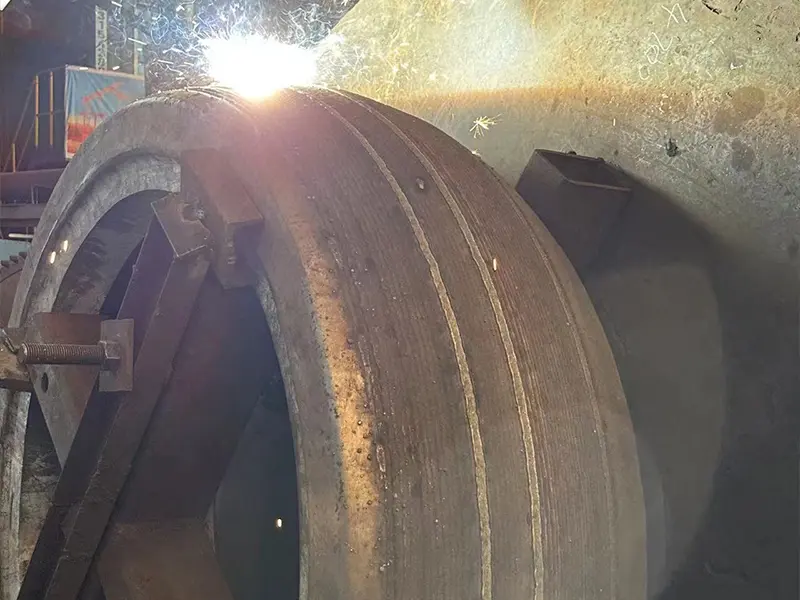
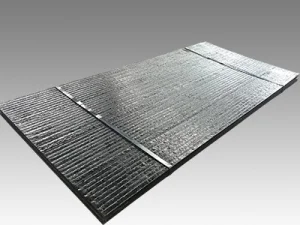
To address these conditions, mechanical engineers are shifting away from traditional quench-and-tempered (Q&T) steels toward bimetallic composite wear materials. Hardfacing—the process of depositing high-alloy wear-resistant matrices onto structural backings—provides a localized tribological barrier. This approach addresses the specific challenges of material handling, sorting, crushing, and distribution networks.
Understanding the Chemistry: The Fe-Cr-C Ternary Matrix
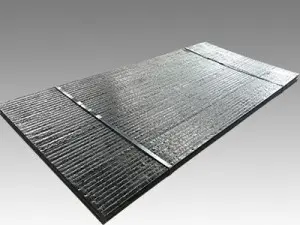
The effectiveness of chromium carbide overlays (CCO) rests on the precipitation of primary M7C3 hexagonal carbides during the solidification of the molten pool. The alloy chemistry requires a controlled ratio of Chromium (20% to 30%) and Carbon (3.5% to 5.5%) to promote carbide formation.
- Primary M7C3 Carbides: These microstructures exhibit a hardness rating between 1500 and 2000 HV (Vickers), oriented perpendicular to the direction of abrasive wear.
- Austenitic Matrix: The supporting steel matrix absorbs mechanical vibrations and localized impact loads, protecting the brittle chromium carbides from structural fracturing.
- Stress-Relieving Cracks: The appearance of fine hairline transverse cracks is a natural result of cooling during hardfacing. These cracks relieve residual tensile stress without compromising structural integrity or bond strength.
This dual-phase microstructure outperforms standard carbon steels by a factor of 10 to 1, and outperformed high-strength Q&T steel alloys (like AR400 or AR500) by up to 5 to 1 in standard ASTM G65 dry sand/rubber wheel abrasion tests.
Sydney Local Applications & Customizations
Industrial conditions in New South Wales dictate the specification of surfacing consumables and wear liner structures:
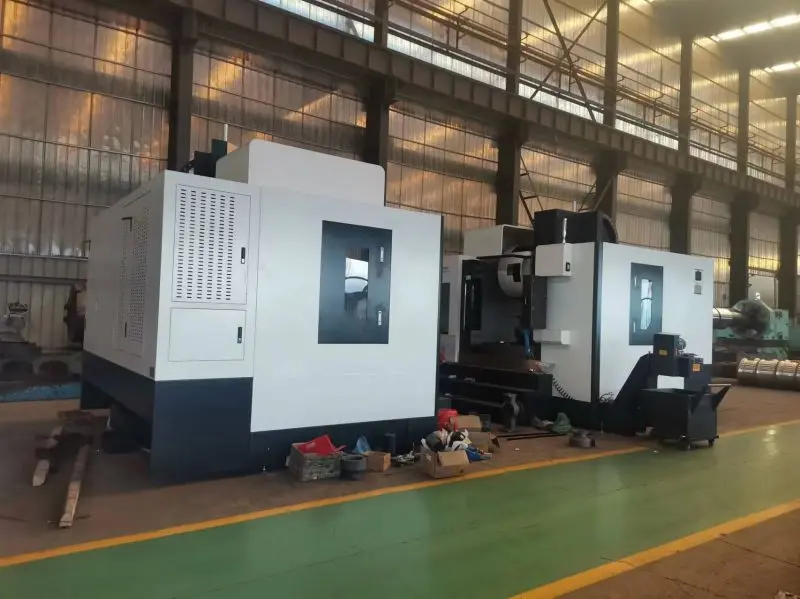
1. Aggregate Processing & Cement Plants (Western Sydney Hub): The high velocity flow of crushed quartz, basalt, and sand requires wear plates that handle extreme sliding abrasion. Custom liners are fabricated using CNC plasma cutting to match exact chute, hopper, and feeder geometries, reducing installation times.
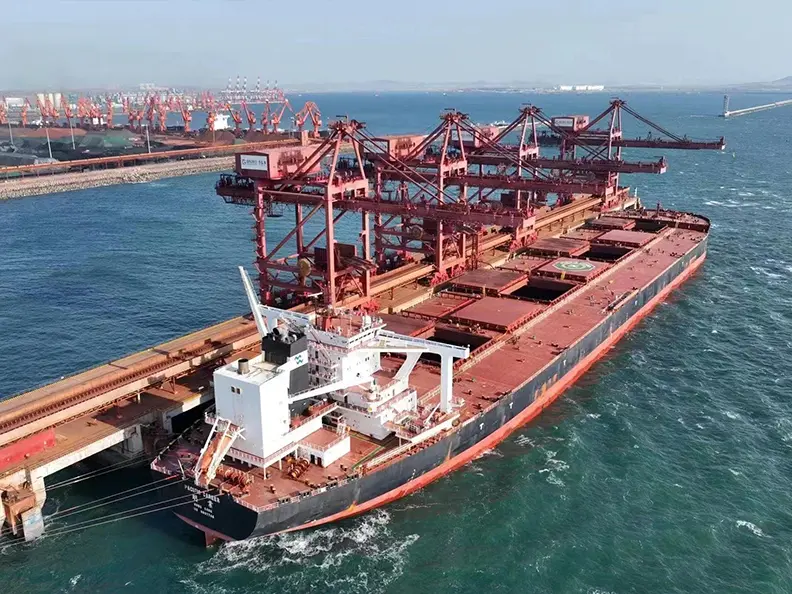
2. Coal and Mineral Export Terminal Chutes (Port Botany & Kooragang): These structures handle massive tonnages of abrasive coal. They require thick-carbide overlay plates that remain functional under continuous friction and wet marine environmental conditions.
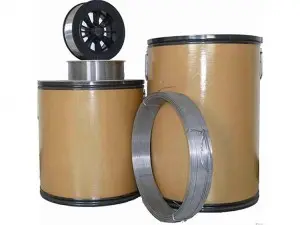
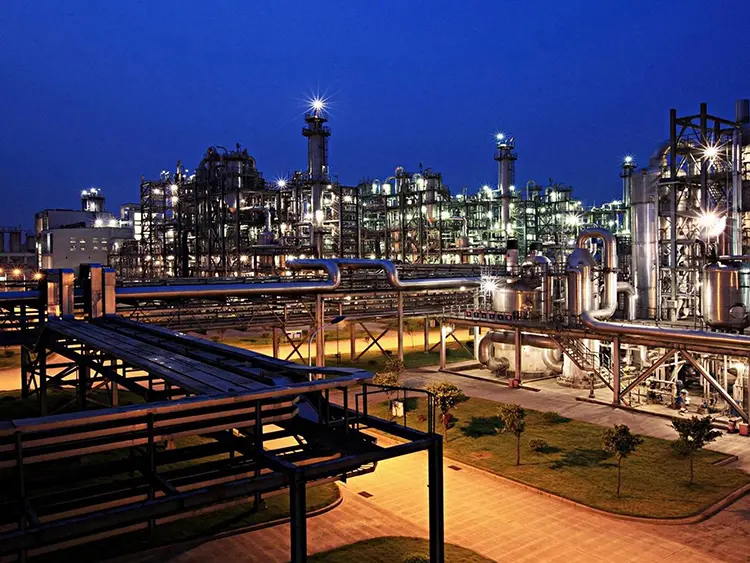
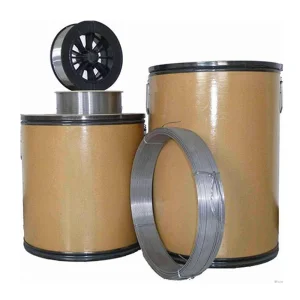
3. Sinter and Blast Furnace Systems (Port Kembla Steelworks): High operating temperatures (up to 350°C) cause structural breakdown in standard alloys. By incorporating hardfacing wires alloyed with Niobium, Boron, or Tungsten, the service life of these high-heat components is preserved.
China-Australia Direct Supply Chain Resilience
Sydney businesses must balance material performance with supply chain reliability. Local wear solutions are often constrained by raw material shortages, high domestic processing costs, and limited customization options.
Partnering directly with a high-capacity manufacturer like Tangshan Runxing Machinery, with export logistics managed by Hebei Yuwan International Trade Co., Ltd., offers clear advantages:
- Raw Material Security: Direct sourcing of high-purity ferroalloys ensures reliable metallurgical consistency.
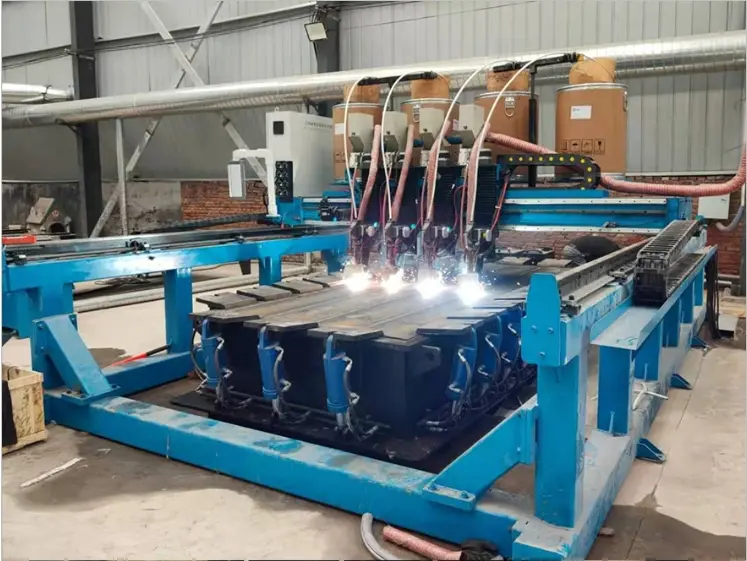
- Scale and Automation: Automated 4-gun CNC hardfacing systems lower production costs while ensuring uniform overlay thickness and carbide distribution.
- Certified Quality Controls: Manufacturing processes are certified under ISO 9001 and designed to meet international testing standards (including DIN 8555 and ASTM G65).
- Direct Logistics: Streamlined maritime shipping from Port of Tianjin directly to Port Botany ensures predictable lead times. All customs, duties, and import documentation are handled systematically by Hebei Yuwan International Trade Co., Ltd.