Engineered for high-stress abrasion, impact resilience, and high-temperature metallurgical stability across European operations.
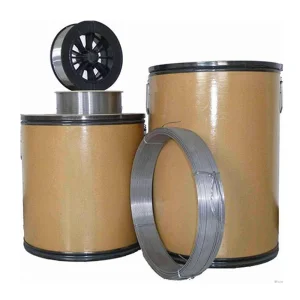
Optimized for heavy industrial tooling, agricultural refurbishment, and wear-plate overlay cladding applications in Hungary.
Learn More >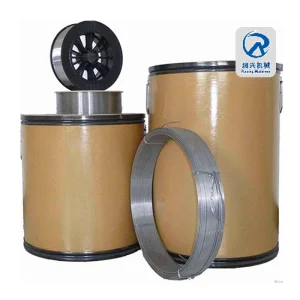
Designed for outdoor repairs, minimizing wind disruptions in open-air mines, cement plants, and port facilities across Hungary.
Learn More >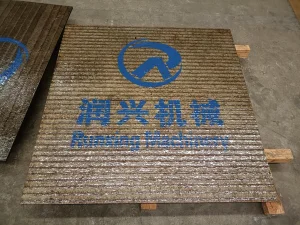
Ultra-hard surface plates featuring a matrix of primary chromium carbides suitable for processing highly abrasive minerals.
Learn More >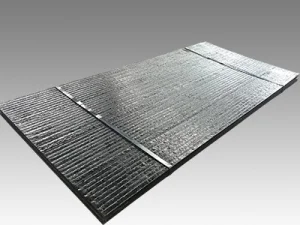
Premium dual-metal composite panels that allow easy cold forming and cutting, designed for heavy chute linings and fan casings.
Learn More >In the contemporary era of global industrial optimization, structural changes in manufacturing demand that infrastructure and wear protection technologies achieve unprecedented levels of durability. As a central transport corridor and industrial hub of Europe, Hungary has emerged as a focal point for heavy manufacturing, automotive fabrication, battery assembly plants, and extractive industries. Optimizing maintenance cycles through state-of-the-art welding consumables—specifically flux-cored wires (FCW) and chromium carbide overlay (CCO) wear plates—has transitioned from a minor engineering concern to a core operational strategy.
Historically, Hungary has maintained strong traditions in metallurgy, machine building, and rolling stock manufacturing. Today, the nation is undergoing an advanced industrial renaissance, serving as a hub for major European automotive factories (such as Audi in Győr, Mercedes-Benz in Kecskemét, and the BMW plant in Debrecen) alongside mega-projects in battery production. This rapid industrial expansion places a high load on the region's supply chains, energy networks, and secondary operations like raw material extraction, cement fabrication, and steel production.
Heavy duty industries like the Dunaújváros steel mill (formerly ISD Dunaferr) and the vast network of limestone and cement quarries across the Transdanubian Mountains represent high-stress wear environments. Maintenance operations in these regions require high-quality hardfacing materials. Traditional solid welding wires fail to provide the necessary combination of wear resistance and tensile ductility under high-stress conditions. In contrast, engineered flux-cored wires are formulated with precise metal powders to deposit complex, wear-resistant matrices containing high volumes of chromium carbides, niobium carbides, or boron phases. These additions extend the operational life of components by three to ten times compared to non-alloyed steels.
Industrial procurement teams in Europe face a challenging choice: source locally from European distributors or build direct-to-manufacturer relationships with advanced global producers. Local European suppliers offer quick dispatch, but they often struggle with custom alloying requirements and high price premiums due to intermediate distribution margins.
Global procurement, when structured correctly, mitigates these issues. Working with leading manufacturers like Tangshan Runxing Machinery Co., Ltd. allows buyers to customize the core wire composition. For example, if a Hungarian mining operation faces severe abrasion combined with high-impact stress, a standard EN ISO 14700 Fe15 alloy can be adjusted by adding vanadium or niobium to enhance toughness. This level of customization is rarely available through standard European stockists.
The global welding wire manufacturing sector has transitioned to digital control. In our Chinese facilities, Industry 4.0 methodologies govern the entire manufacturing process, from raw strip uncoiling and core-powder formulation to wire drawing and final spool winding. Key steps include:
This automated production model ensures high metallurgical consistency, providing Hungarian steel mills, cement plants, and fabricators with a reliable flow of raw materials that match or exceed local European standards.
To implement a robust wear-mitigation strategy, engineers must understand the metallurgical mechanisms of hardfacing. Wear is categorized into low-stress scratching abrasion, high-stress grinding abrasion, and gouging impact. The choice of hardfacing wire directly influences how a surface responds to these forces:
The practical application of these technologies across Hungary's key industrial regions demonstrates clear operational benefits:
Reliable logistics are essential for overseas supply chains. All export logistics for Tangshan Runxing Machinery are managed through our authorized trading partner, Hebei Yuwan International Trade Co., Ltd. This partnership handles customs clearance, export document verification, shipping lines, and final door-to-door delivery. Shipments to Hungary utilize established rail routes (via the Chengdu/Xi'an to Budapest express lines) and maritime routes arriving through ports like Koper, Rijeka, or Hamburg, ensuring timely delivery for scheduled maintenance shutdowns.
Designed for heavy industries, including cement, mining, and steel fabrication across the Danube region.
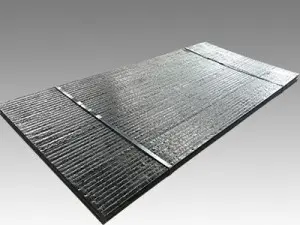
Composite material wearplate made of a structural steel backing & a hard weld surfacing. RX®wp 7600 is a composite material made of a structural steel backing and ahard weld surfacing,corresponding to DIN 8555.
See more products >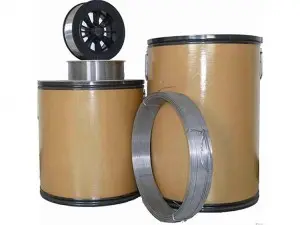
self shielded flux cored wire. high chromium alloy designed for resisting high stress grinding abrasion with low impact. wear plates
See more products >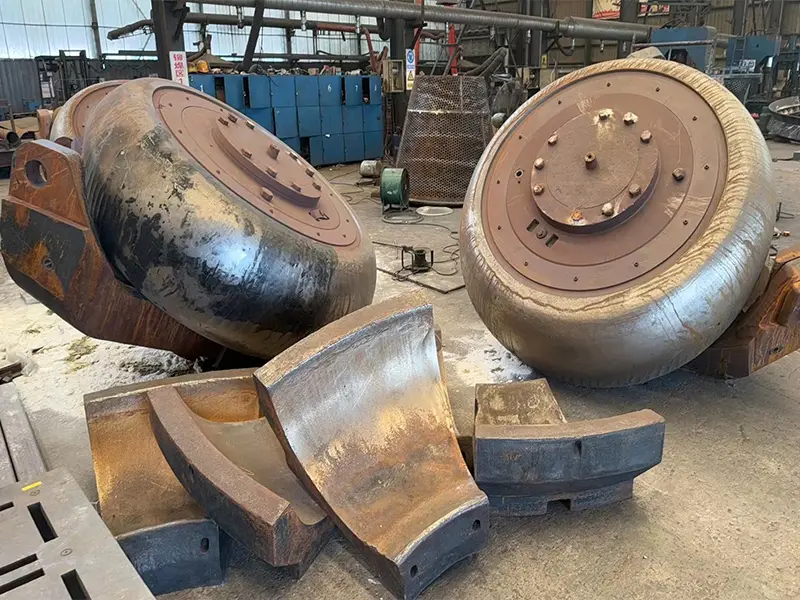
self shielded flux cored wire. high chromium alloy designed for resisting high stress grinding abrasion with low impact. wear plates
See more products >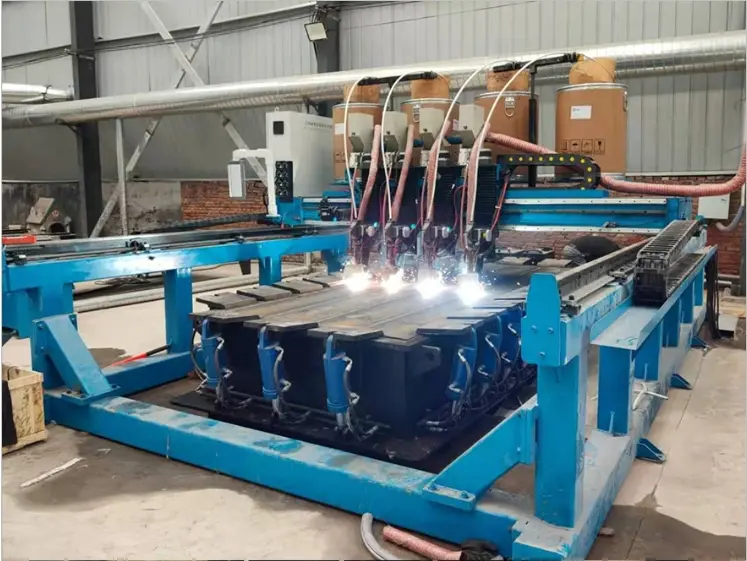
RX®Surfacing equipment Equipment with high degree of automation, high welding efficiency, small footprint, easy maintenance, power consumption...
See more products >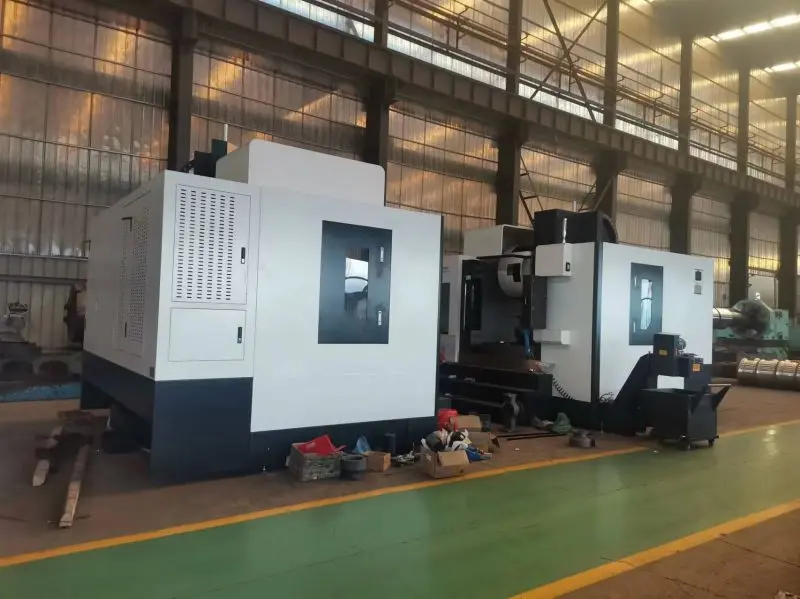
RX® has many years of experience and solutions for making machinery and equipment, machining accessories, and engineering projects.
See more products >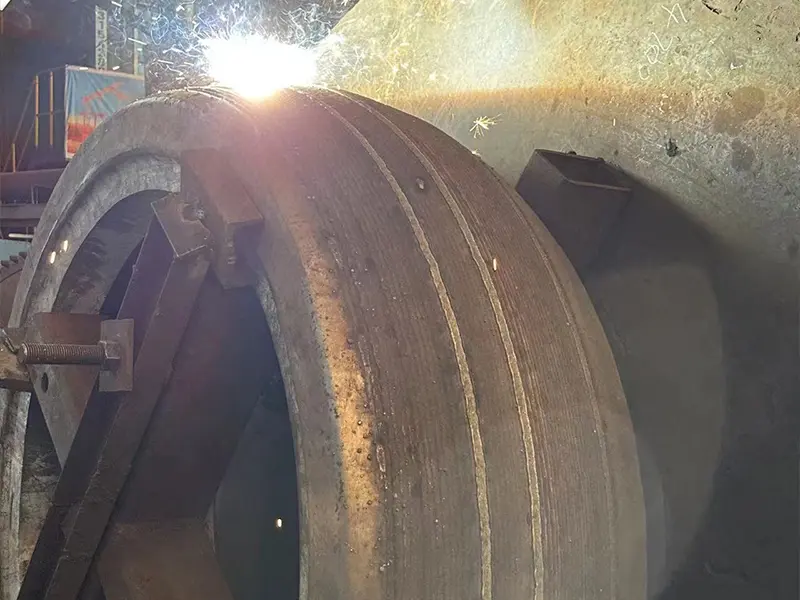
Rolls, grinding rolls are roughly divided into two categories of rolls and grinding rolls, rolls are mostly used in the production line of iron and steel...
See more products >Tangshan Runxing Machinery Co., Ltd., founded in 2010, is a professional manufacturer located in Tangshan, Hebei Province, focusing on the R&D, production, and on-site construction of hardfacing wear-resistant metal products.
Our core offerings include chromium carbide overlay (CCO) wear plates, custom processed wear liners, wear-resistant pipes and pipe fittings, hardfacing flux-cored welding wires, automatic hardfacing welding machines, and professional roller surfacing repair services. We operate on the principles of “Integrity, Superior Quality, Innovation & Sustainable Development,” backed by mature metal surface hardfacing technology.
We provide customized wear-resistant solutions for cement, steel, mining, port, and dredging industries globally. To ensure efficient international operations, all export business is fully authorized and managed by Hebei Yuwan International Trade Co., Ltd., which handles customs clearance, logistics, and payments, allowing our factory to focus on product development and quality control.
Deploying specialized wear prevention systems across heavy industrial sectors to minimize mechanical downtime.
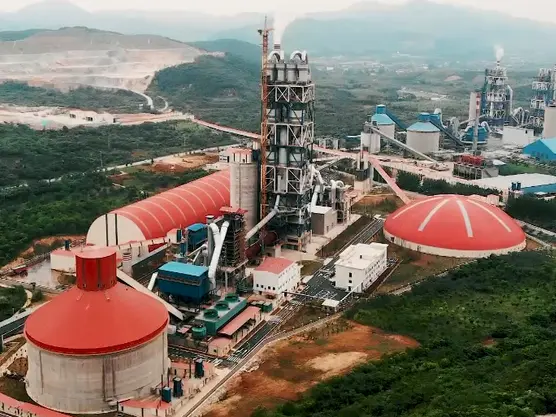
The key issue for any cement plant lies in the availability of critical equipment. The key to equipment availability is wear resistance, and the performance of wear-resistant products determines the operating time of critical equipment.
See more products >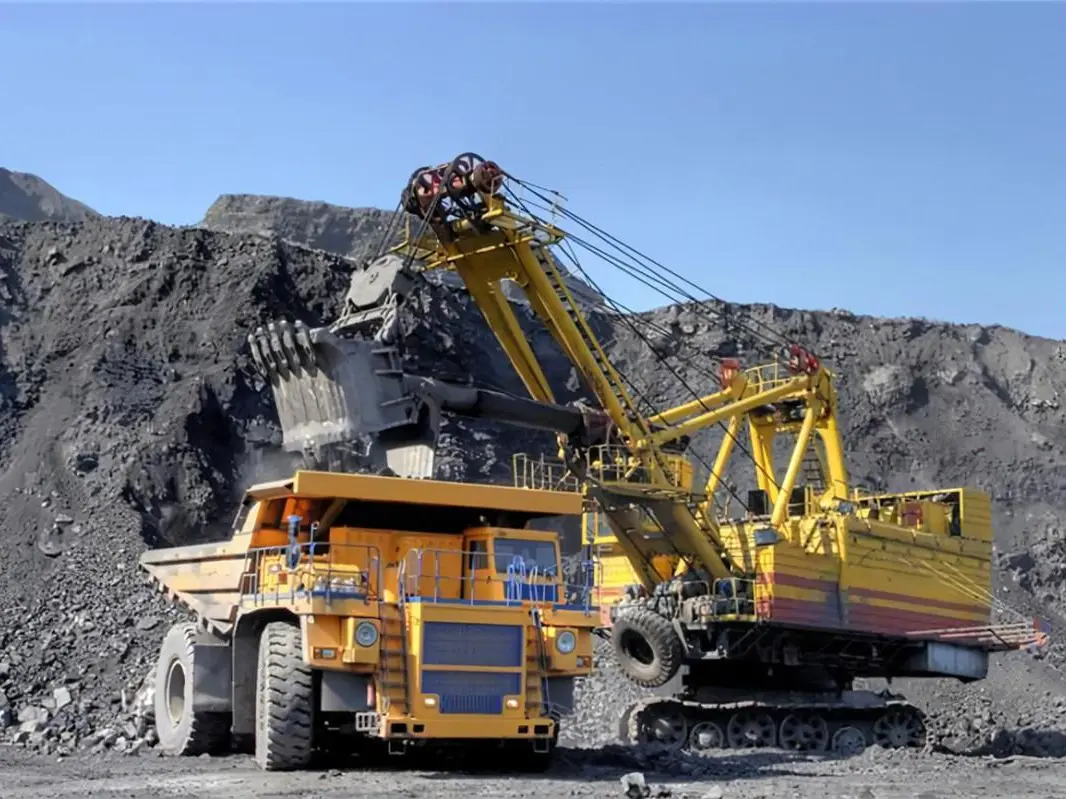
Mine operators around the globe are seeking to increase productivity, profitability and sustainability. We help our partners achieve these goals by delivering the mining industry’s most comprehensive and cost-effective wear solutions.
See more products >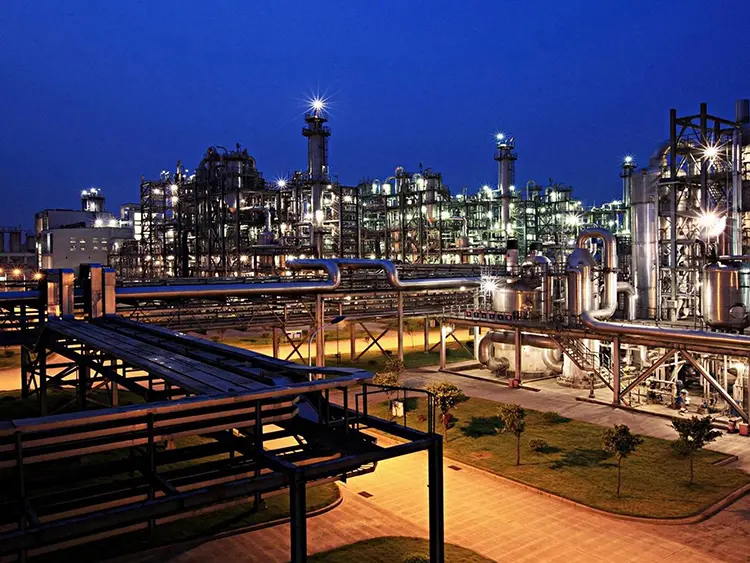
In the steel industry, the use of equipment is even more brutal, involving raw minerals, high temperatures, corrosion and other working conditions.
See more products >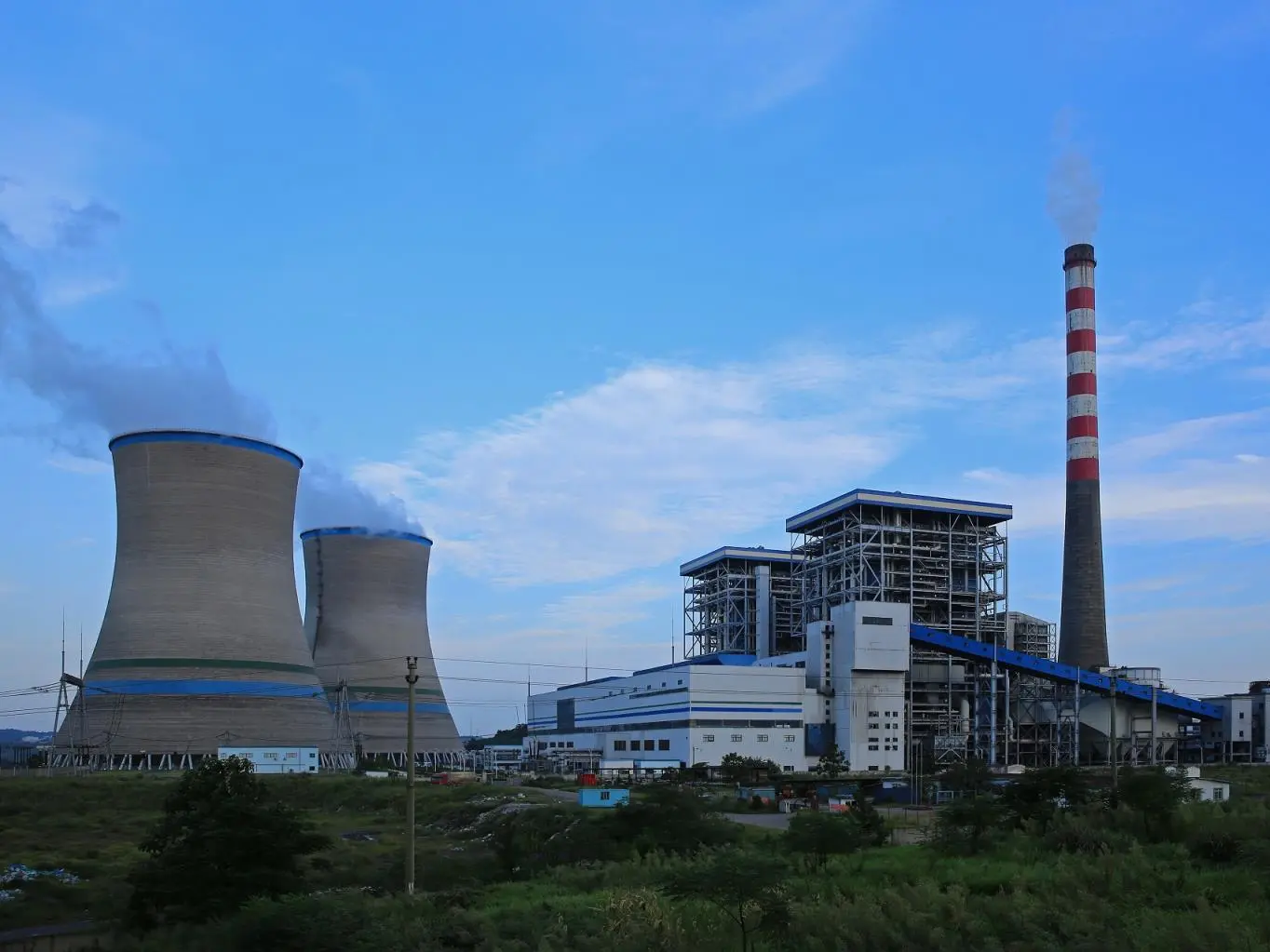
Wear protection for fan blades, conveyor chutes and hopper liners, crushers, coal mills, dust removal systems, conveyor systems
See more products >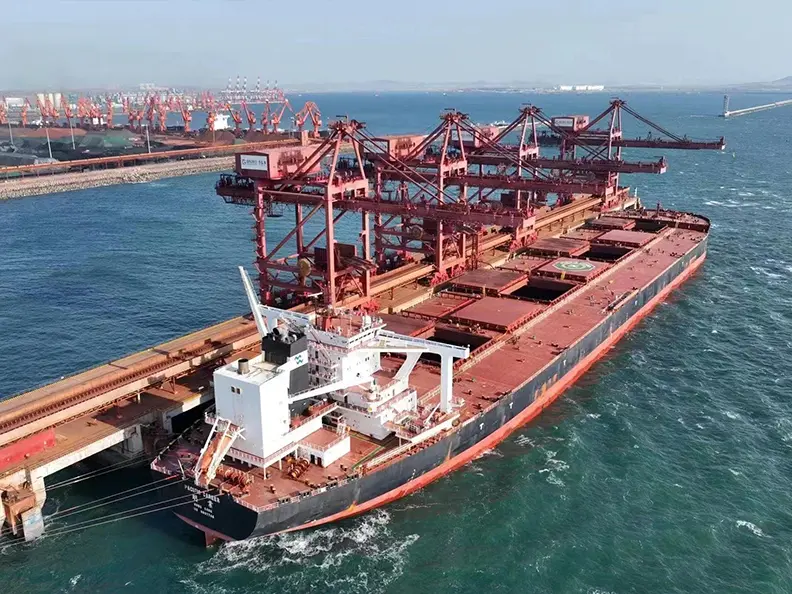
Ports are mainly to transport various materials, conveying equipment, loading and unloading equipment, as well as yard stacking and picking equipment, is the main force of port operations, and the damage of these equipment directly affects the benefits.
See more products >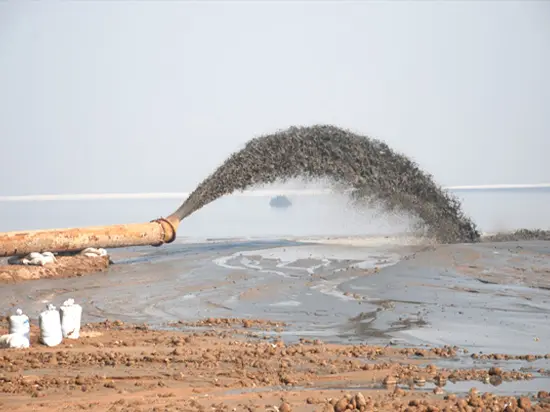
The wear-resistant alumina ceramic is made of high purity superfine alumina powder and sintered at high temperature by an optimized formula.
See more products >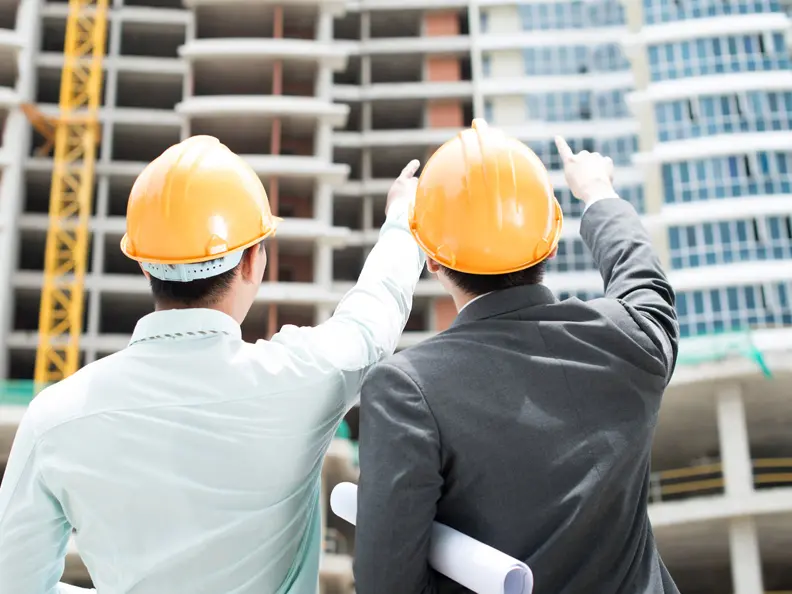
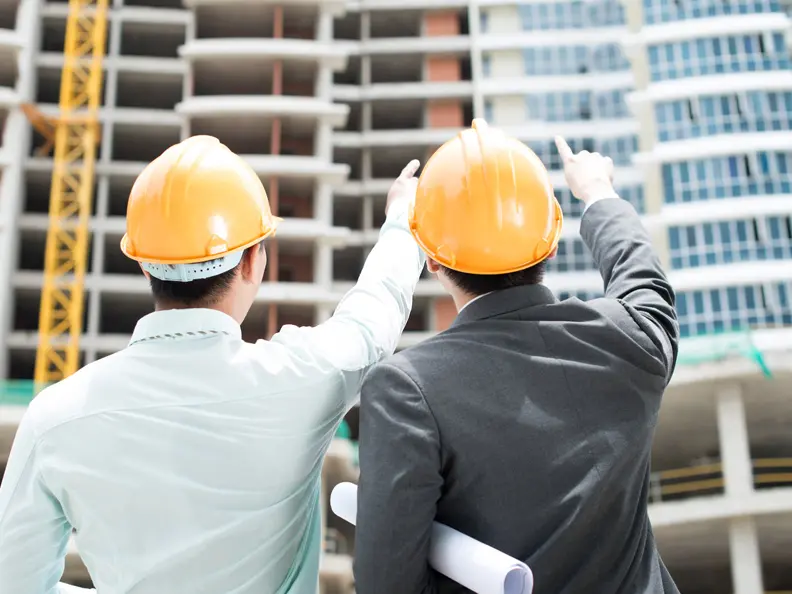
Connecting with partners globally and showcasing our wear-resistant solutions.
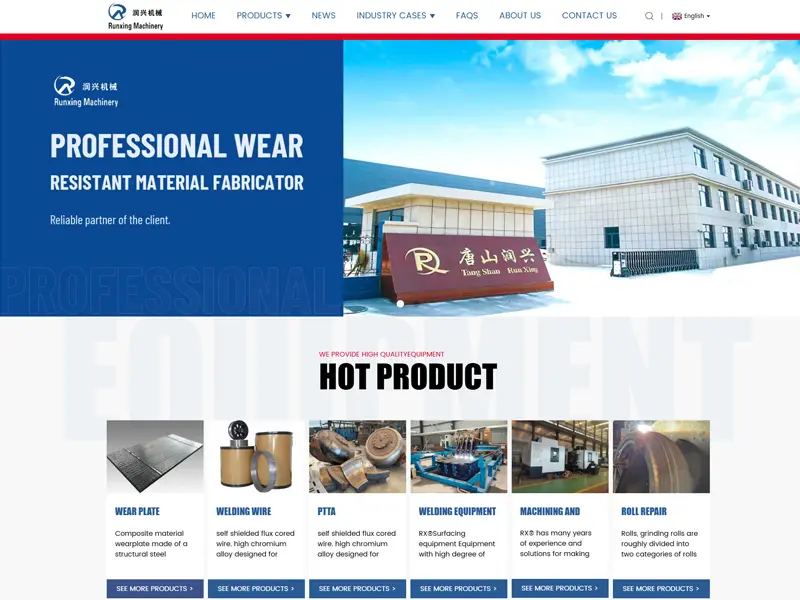
Our website officially enters its trial operation phase, serving as a platform for one-stop procurement of wear-resistant products.
Read More >
Showcasing our mining wear protection solutions at the Johannesburg International Convention and Exhibition Center.
Read More >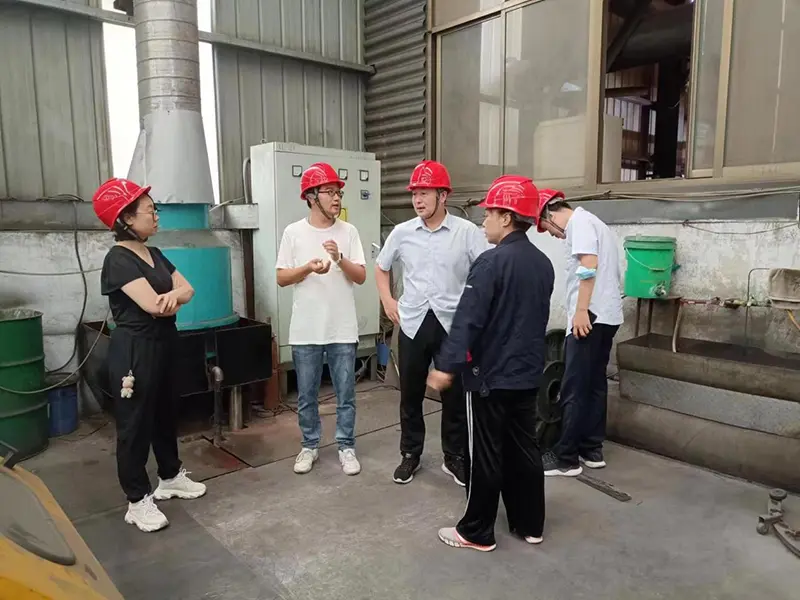
Collaborating on metal materials forming technology research with the academic dean and engineering team.
Read More >
Continuing our technical partnership and agency status with VAUTID Germany for high-quality welding materials.
Read More >
Supporting high-load mining, cement crushing, and steel mills with wear-resistant steel plate and flux-cored wire options.
Designed for rebuilding worn surfaces, offering high deposition efficiency and consistent chemical properties.
Learn More >
Self-shielded open arc wires formulated to prevent scaling under extreme abrasive sliding stresses.
Learn More >
Robust wire option for heavy equipment repairs, offering good weldability and crack resistance.
Learn More >
Specifically developed for mining chute liners, coal hopper buckets, and aggregate transfer structures.
Learn More >
Double-metal plate showing primary carbide distribution, providing durability under heavy abrasion.
Learn More >
Engineered to rebuild and protect parts from early wear, keeping equipment running longer.
Learn More >
High-concentration chromium overlay plate, suitable for high-abrasion applications in quarries.
Learn More >
Custom-cut wear liners designed to fit existing conveyor system layouts, reducing on-site installation time.
Learn More >Detailed technical answers for industrial engineers, procurement officers, and plant maintenance managers.
Selection depends on the primary wear mechanism. For sliding abrasion without significant impact, high-chromium flux-cored wires (like those forming M7C3 carbides) are recommended. If the application involves high-impact stresses (e.g., primary crushers or gravel sorting plants in Transdanubia), you should select a wire that deposits a tough austenitic manganese steel matrix or a complex carbide alloy containing niobium and vanadium to prevent spalling.
Self-shielded flux-cored wires contain gas-forming materials within the core that generate their own protective atmosphere during welding. This eliminates the need for gas cylinders and shields the arc from wind disruptions, making it suitable for field repairs on tall structures, ports along the Danube, and open-pit quarrying equipment.
Our factory operates under digital monitoring, utilizing automated dosing, strip inspection, and testing systems to maintain consistent alloy composition and wire diameter. Every batch is tracked, and export operations are managed by Hebei Yuwan International Trade Co., Ltd. to ensure compliance with European industrial importing standards.
Depending on the abrasive media and operating temperature, CCO plates with a carbide hardness of 58–65 HRC can extend component service life by 5 to 12 times compared to mild carbon steels, and by 3 to 5 times compared to hardened quench-and-tempered plates. This helps reduce maintenance costs and plant downtime.
Contact our engineering and procurement team for custom technical quotes, chemical configuration options, or shipping arrangements to Hungary and Central Europe.
Send Inquiry Now Runxing machinery