Runxing machinery
Tokyo Industrial Dynamics & Welding Consumables Market Analysis
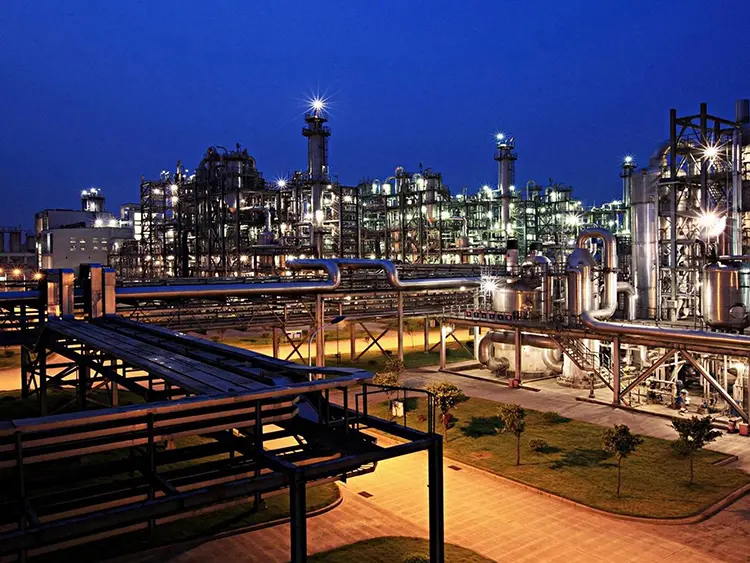
The Keihin Industrial Zone, extending across Tokyo, Kawasaki, and Yokohama, remains one of the world's most sophisticated heavy-industrial complexes. While high-tech electronics and automotive sectors capture global headlines, the fundamental infrastructure supporting Tokyo—including steel production plants, waste-to-energy incinerators, marine transport hubs, and subway tunnel networks—relies heavily on advanced metallurgy and cladding materials. In particular, the demand for high-performance welding wire and bimetallic wear plates has experienced a technological shift. Modern engineering requirements call for welding materials capable of operating under extreme stress, thermal variance, and corrosive environments.
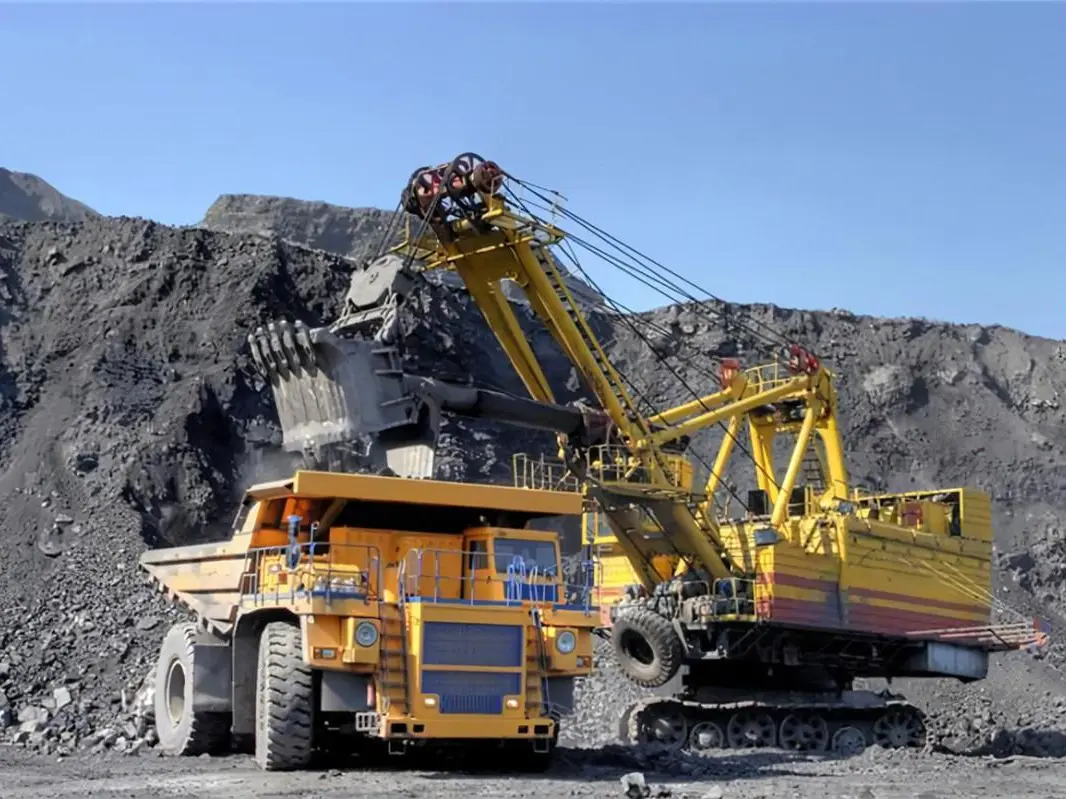
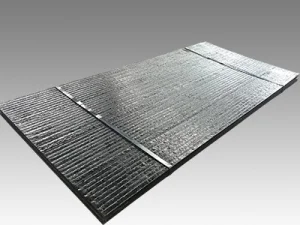
In the highly competitive Tokyo market, spatial constraints dictate that industrial facilities achieve near-zero unplanned downtime. When a coal mill hopper, a cement chute, or an urban excavation cutter head undergoes wear, repair times must be kept to a minimum. This operational reality has driven local factories away from standard mild steel filler metals toward specialized hardfacing flux-cored wires (FCW) and chromium carbide overlays (CCO). These materials offer up to ten times the service life of conventional structural materials, directly impacting the bottom line of Kanto-based heavy operations.
Global & Local Supply Chains: Tokyo's Strategic Pivot
Historically, Japanese domestic industrial operators source welding wires and plates from established domestic steel brands. However, global raw material pricing fluctuations and shifts in energy costs have forced procurement offices in Tokyo to seek cost-efficient, high-performance global suppliers. This trend has established a strategic supply route between Chinese industrial hubs (such as Tangshan, Hebei) and Japanese ports. This model balances technical expertise and raw material cost control to provide optimal solutions for industrial wear protection.
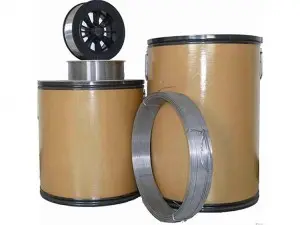
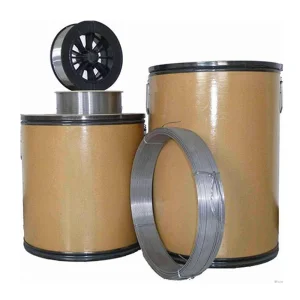
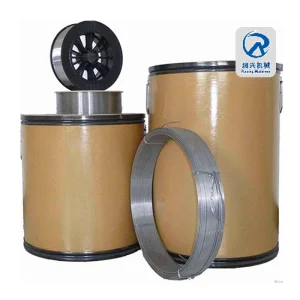
Information Gain Insight: The core value of importing specialized welding wire lies in chemical formulation control. Tangshan Runxing's hardfacing wires leverage precise ratios of Chromium (Cr), Carbon (C), and trace alloying elements like Boron (B) and Niobium (Nb) to generate microstructures rich in primary M7C3 chromium carbides. This specific crystalline phase offers a hardness level (typically HRC 58-65) that traditional low-hydrogen solid wires simply cannot achieve.
Chinese Manufacturing Scale & Engineering Efficiency
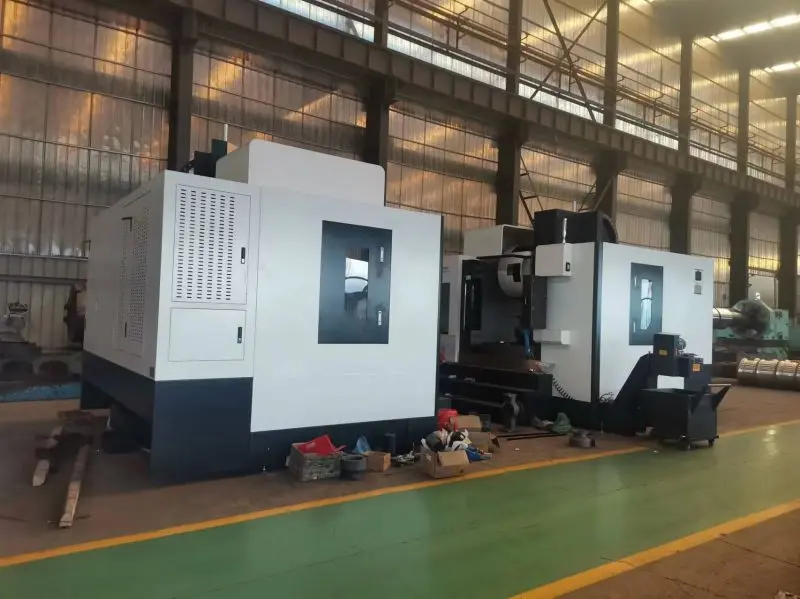
The manufacturing efficiency of Chinese factories like Tangshan Runxing Machinery Co., Ltd. presents a compelling advantage for Japanese buyers. Operating from Tangshan, the heartland of raw steel and alloy production, our facility maintains direct access to premium hot-rolled and cold-rolled steel coils, eliminating domestic logistics markups. Additionally, our automated drawing, flux filling, and layer-winding lines run on high-capacity cycles, assuring order fulfillment speeds that traditional European or Japanese domestic manufacturers struggles to match.
For a procurement director in Tokyo, this translates to stable pricing, predictable lead times, and, most importantly, the ability to source customized chemical compositions. Whether the requirement calls for gas-shielded hardfacing wire or self-shielded open-arc wires for onsite bridge welding in Tokyo Bay, Chinese factory flexibility allows for tailored product formulations starting from small batch runs.
Localized Application Scenarios in the Tokyo Metropolitan Area
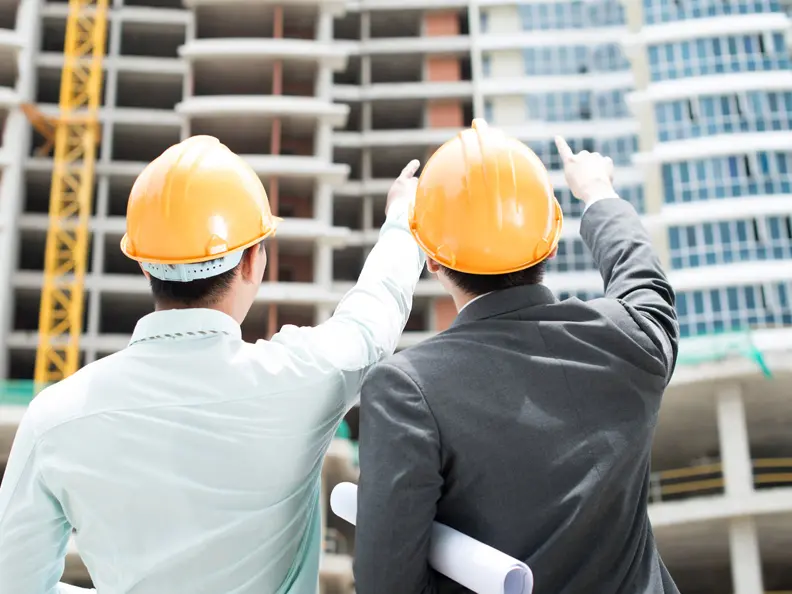
- Seismic Steel Structure Fabrications: Tokyo's stringent building safety codes require highly ductile structural joints. While hardfacing wires protect against abrasion, our structural flux-cored wires ensure deep penetration and low-hydrogen weld deposits, essential for high-rise steel frame erection in Chiyoda and Shinjuku.
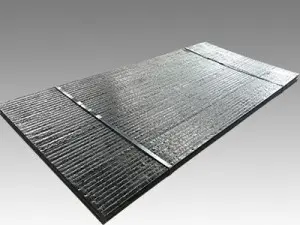
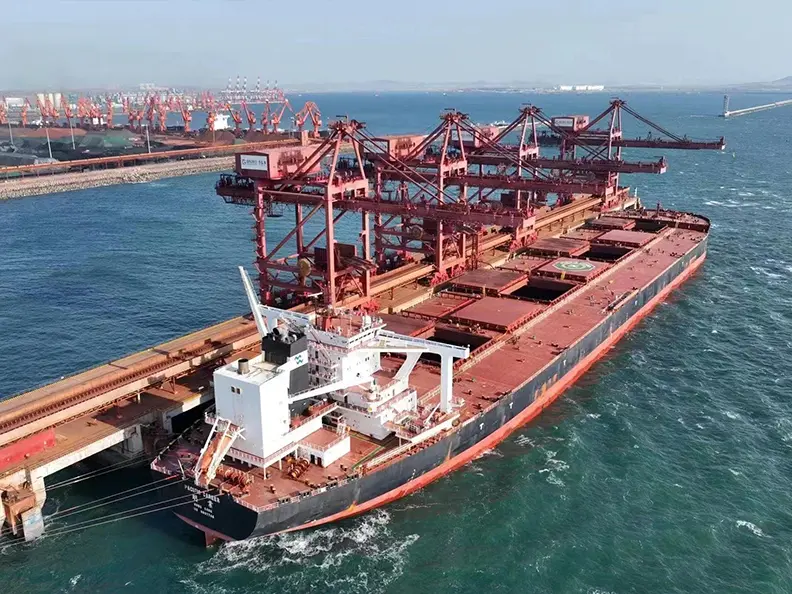
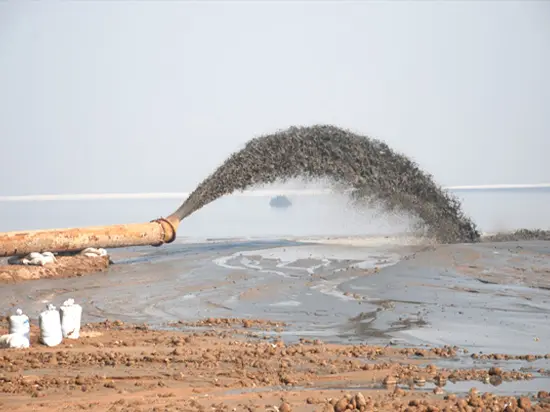
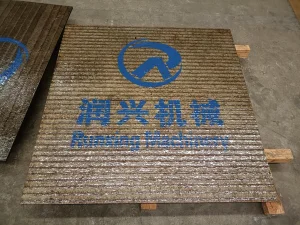
- Dredging and Port Facilities: The Tokyo Bay terminals handle millions of tons of bulk cargo annually. Cranes, grab buckets, and transfer chutes undergo continuous abrasive wear. Bimetallic CCO plates (such as our RX®wp 7600) are cut and welded directly onto bucket interiors to extend operational lifespans between overhauls.
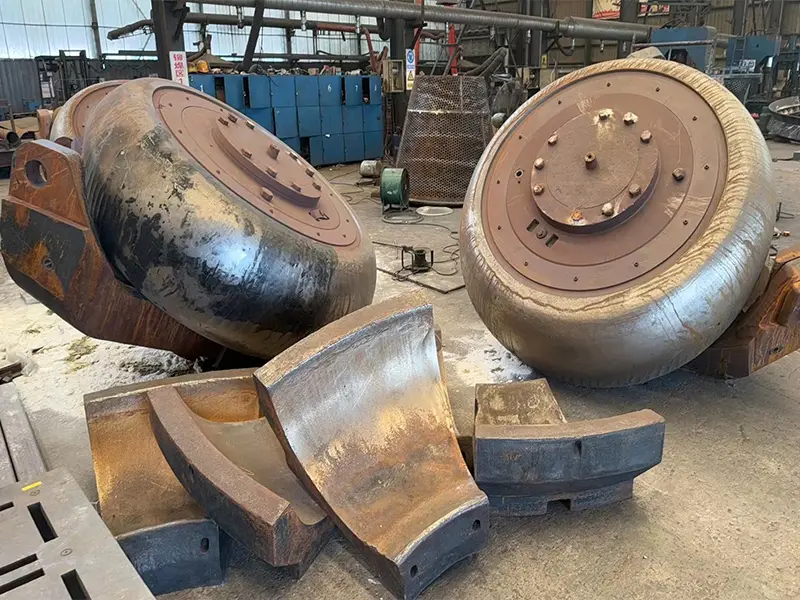
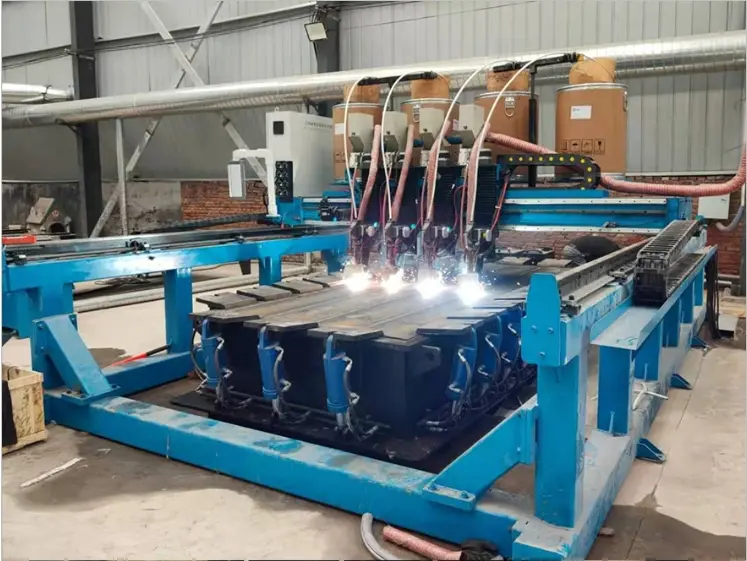
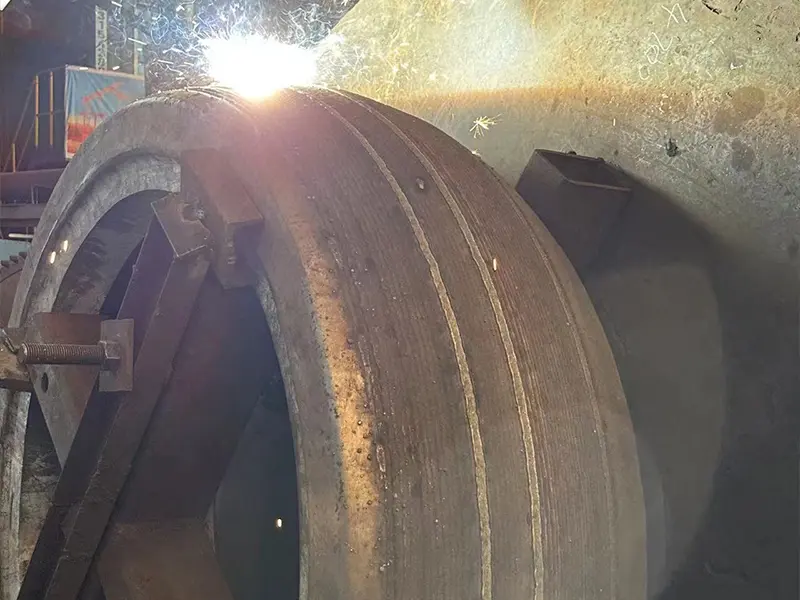
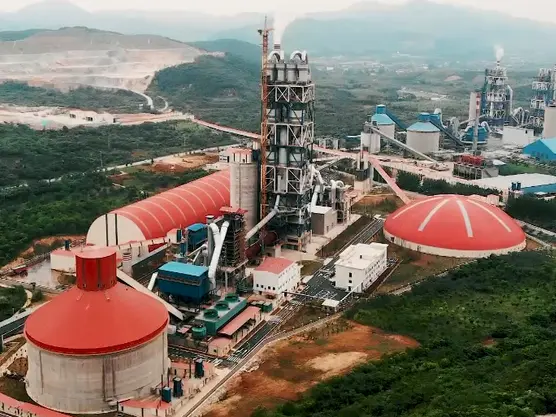
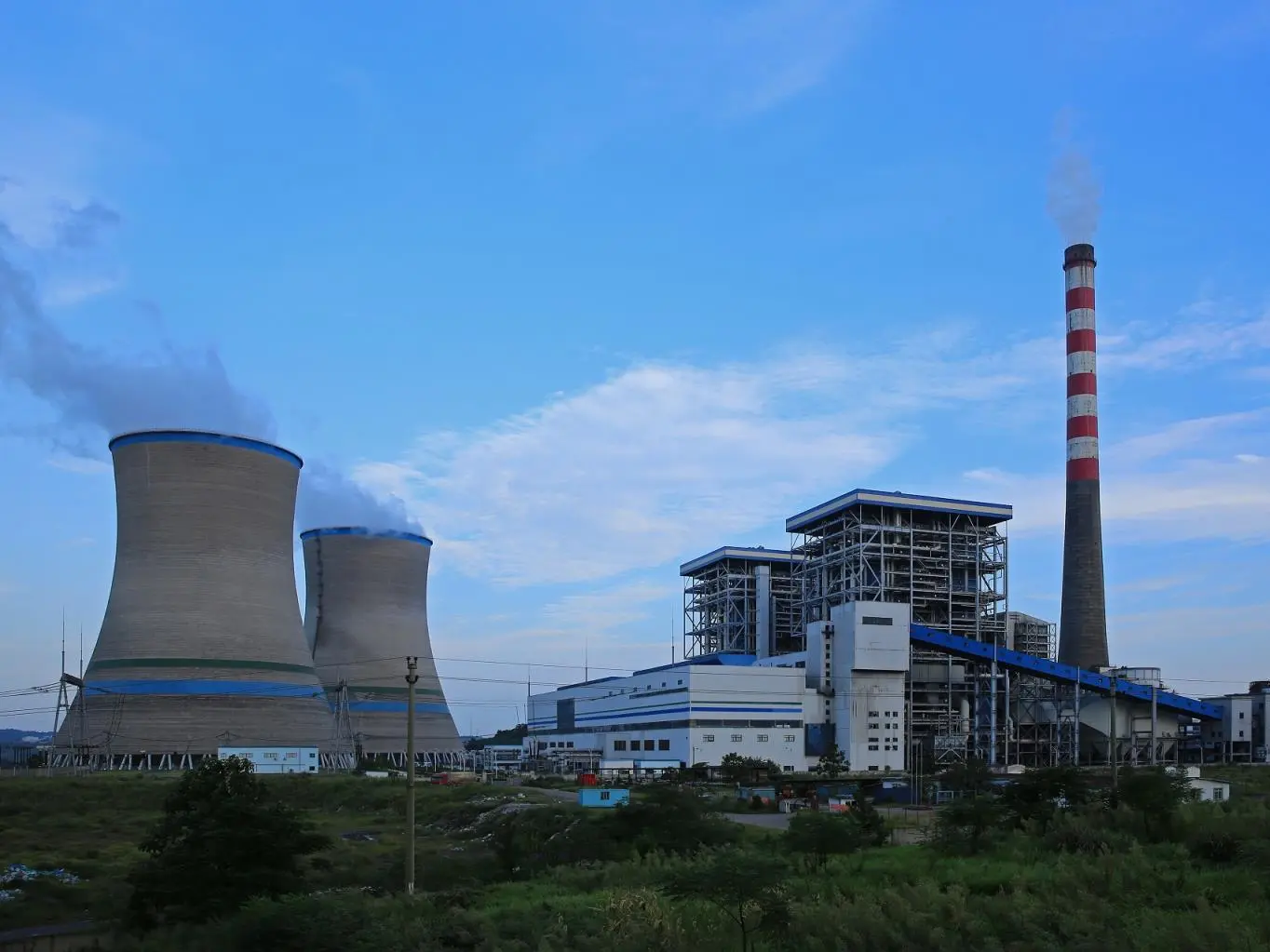
- Cement and Power Plant Maintenance: Coal-fired power generation and waste incineration facilities in Kanto utilize pulverized coal pipes, fan blades, and ash handling systems. Hardfacing overlay repairs performed using automatic surfacing equipment significantly reduce wear from fine particulate erosion.
Future Technological Trends in the Welding Consumables Industry
As industry 4.0 standards diffuse throughout global manufacturing, the welding industry is transitioning toward automated and robotic cladding systems. Traditional manual stick welding is being replaced by high-speed GMAW and FCAW automated processes. In response to this, modern welding wire factories focus on wire feedability, ensuring precise wire diameter tolerances and copper-coating consistency. Furthermore, green initiatives dictate the elimination of toxic fumes, driving R&D into low-smoke flux formulations and self-shielded wires that operate cleanly in semi-confined urban sites.