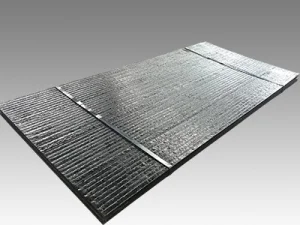
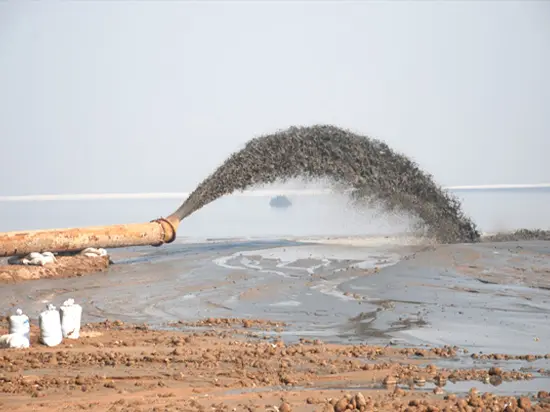
Designed for heavy slurry pipeline transport, cutterheads, and extreme abrasive sand transport environments along the Dutch coasts.
Learn More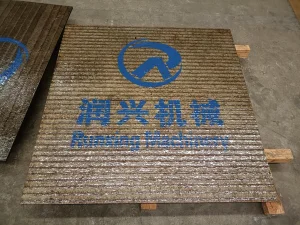
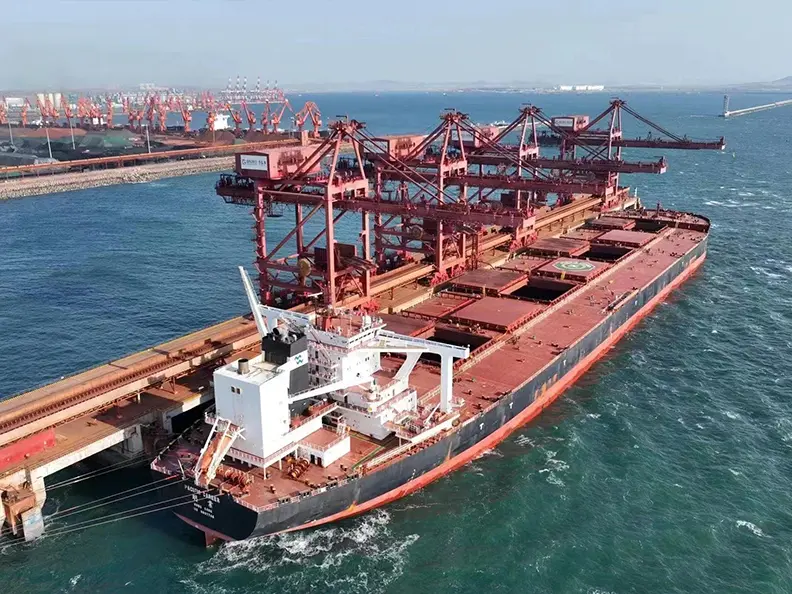
Superior wear liners tailored for the Rotterdam Port bulk terminals, safeguarding massive transfer chutes from severe mineral impact.
Learn More
High-hardness hypereutectic microstructure lining designed for high-stress grinding abrasion in central cement mills.
Learn More
Advanced welding overlay pattern delivering extended service life under combined temperature and frictional stress.
Learn MoreThe Netherlands, globally distinguished by its complex maritime layout, extensive dredging activities, and advanced recycling-industrial complexes, operates under severe tribological demands. In dredging operations, massive water volumes mixed with abrasive materials like silica sand, gravel, and sea shells are continually pumped at high velocities. This creates high-stress abrasive wear and slurry erosion, eating away standard structural steels within weeks. The use of premium Chromium Carbide Overlay (CCO) wear plates is not merely an optional upgrade; it is a critical strategy for infrastructure uptime. Similarly, key hubs like the Port of Rotterdam—the largest port in Europe—handle millions of tons of dry bulk materials including iron ore, coal, biomass, and agricultural grains. Each transfer point, chute, and hopper is subject to unrelenting sliding abrasion. Implementing specialized bimetallic wear resistant steels ensures continuous operation, mitigating catastrophic maintenance bottlenecks.
Globally, heavy industry is transitioning from classic martensitic quench-and-tempered (Q&T) steels to advanced hypereutectic Chromium Carbide Alloys. While traditional Q&T steels (like HB400 or HB500) provide sufficient mechanical toughness and moderate resistance against impacts, they fall short under high-stress grinding abrasion. Modern bimetallic composite wear plates, featuring a mild steel backing combined with a chromium-rich hardfacing weld overlay, introduce primary chromium carbides of the M7C3 type. With micro-hardnesses reaching up to 1500-2000 HV, these carbides act as resilient barriers against sharp mineral abrasives. Industry standards now emphasize low-dilution welding techniques to maximize the volume fraction of primary carbides in the top layer, providing up to 10 times the wear resistance of conventional steels.
Dutch industrial sites operate under stringent European environmental and safety regulations. Equipment failures do not just represent a loss of yield; they can trigger environmental penalties and strict labor safety reviews during emergency maintenance shut-downs. Standard wear plates are prone to cracking under high-impact conditions or rapid thermal shifts. Customized ODM (Original Design Manufacturing) CCO plates allow structural engineers in the Netherlands to select the exact chemistry needed—whether targeting high-temperature applications (such as in waste-to-energy plants in Amsterdam) or severe impact zones in scrap metal recycling. Integrating specialized bimetallic wear plates directly boosts the *Information Gain* of operations managers, equipping them with predictable component wear curves, planned maintenance intervals, and minimized life-cycle costs (LCC).
Located in the heart of China’s steel-making province, Tangshan Runxing Machinery Co., Ltd. has developed an optimized automated manufacturing system that bridges the gap between cost efficiency and European quality expectations. Through high-automation multi-gun cladding setups, we produce overlay wear plates with exceptional flatness, minimal heat-affected zones (HAZ), and ultra-consistent chemistry. Our partnership with Hebei Yuwan International Trade Co., Ltd. ensures a frictionless export experience—from rigorous quality inspections and EN 10204 3.1 certification to custom logistics coordinating directly with Rotterdam and Amsterdam shipping terminals. The synergy of Tangshan's raw material access and automated cladding efficiency yields significant cost benefits, enabling Dutch heavy industries to deploy top-tier protective steel without compromising corporate capital expenditure goals.
For European buyers, evaluating wear plate manufacturers requires analyzing multiple parameters. Reliability, structural integrity, and weldability are essential. Key variables include: 1. Carbide Orientation and Fraction: The alignment and volume fraction (ideally 30-45%) of primary M7C3 carbides. 2. Weldability: The ability to easily weld the base plate (typically carbon steel like Q235B) to the machinery structure without cracking the hard overlay. 3. Flatness Tolerance: High-quality cladding must maintain tight flatness tolerances (<5mm per meter) to simplify installation inside narrow chutes. 4. Overlay Dilution: Ensuring minimal mixing between the base metal and the hardfacing alloy to maintain peak hardness from the outer layer inwards.
Tangshan Runxing Machinery Co., Ltd., a professional manufacturer located in Tangshan, Hebei Province that focuses on R&D, production and on-site construction service of hardfacing wear-resistant metal products, was founded in 2010.
Our main products include chromium carbide overlay (CCO) wear plates, custom processed wear liners, wear-resistant pipes and pipe fittings, hardfacing flux-cored welding wires, automatic hardfacing welding machines, and professional roller surfacing repair service. We follow the business idea of “Integrity, Superior Quality, Innovation & Sustainable Development” and own mature advanced metal surface hardfacing technology.
We provide customized wear-resistant solutions for cement, steel, mining, port and dredging industries around the world, and have gained good market reputation in Russia and Central Asia. All export business is fully authorized and handled by Hebei Yuwan International Trade Co., Ltd. This trading company completes all export work including customs clearance, shipment, documents and payment collection.
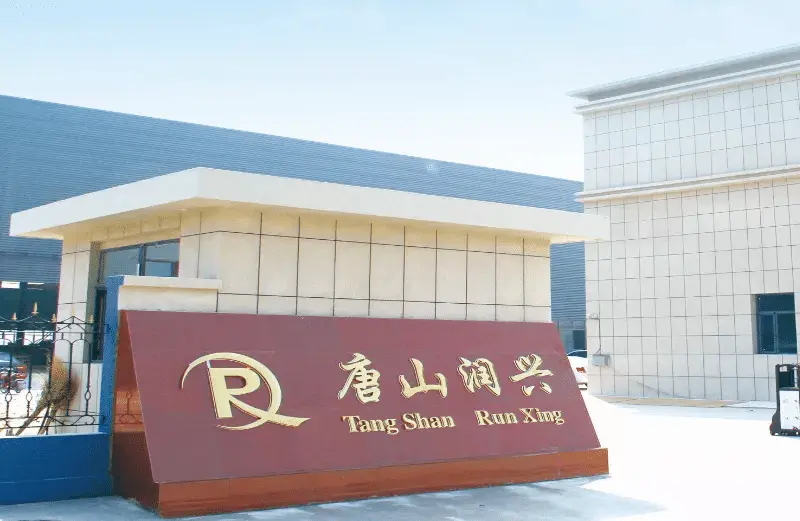
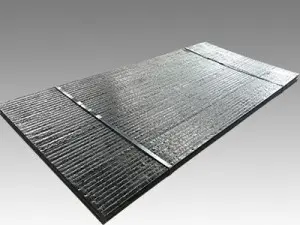
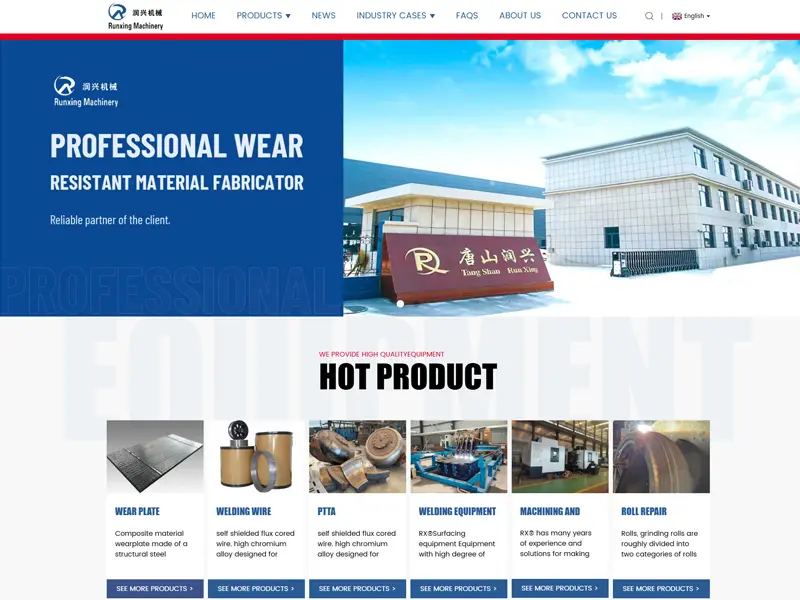
Composite material wearplate made of a structural steel backing & a hard weld surfacing. RX®wp 7600 corresponds to DIN 8555 standards, ideal for heavy industrial chutes.
See more products >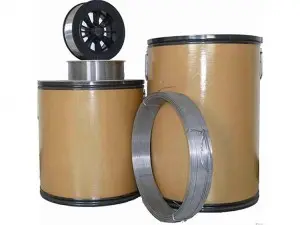
Self-shielded flux cored wire. High chromium alloy designed for resisting high stress grinding abrasion with low impact, preserving expensive steel interfaces.
See more products >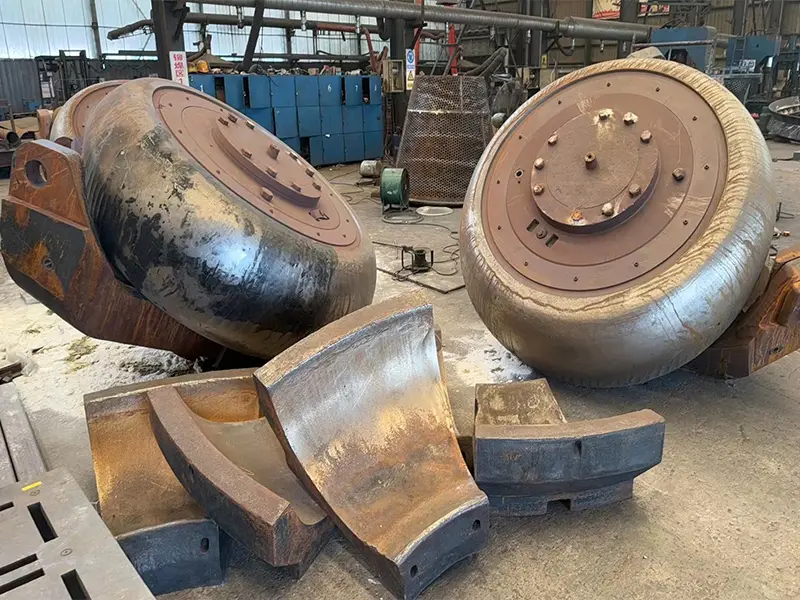
Self-shielded flux cored wire and alloy system. High chromium metallurgy optimized to resist heavy surface impact and continuous scraping wear.
See more products >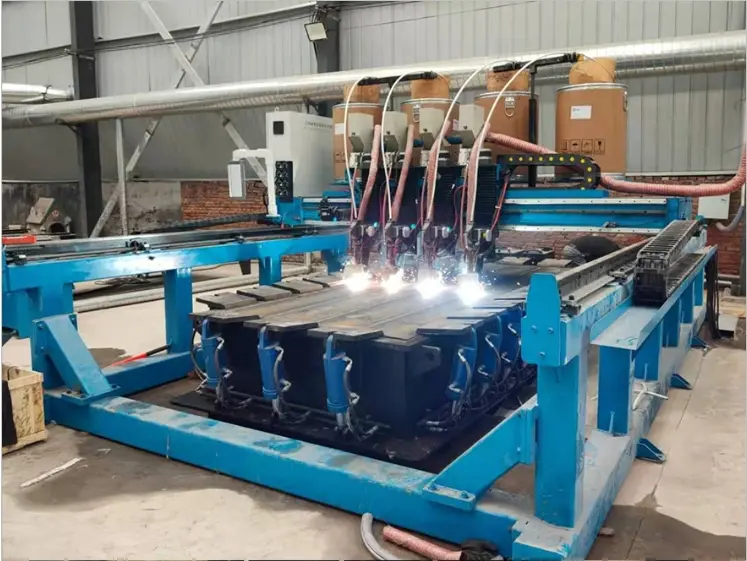
RX® Surfacing automated equipment. Features 4-gun multi-weld mechanisms and a 10.2-inch CNC touch screen for uniform, highly efficient composite steel plate production.
See more products >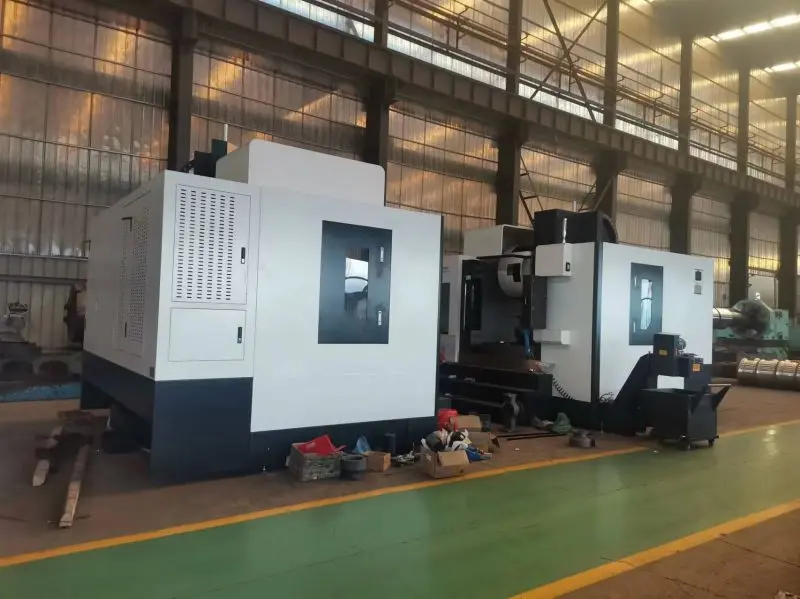
Years of engineering experience fabricating customized structural components, replacement parts, and bespoke wear assemblies for ports and mines.
See more products >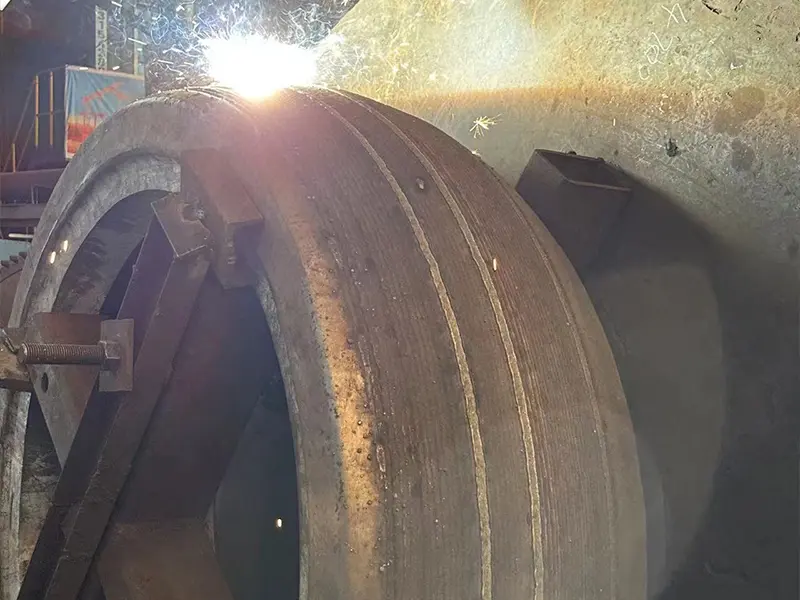
Surfacing, rebuilding and restoring steel rolls, vertical coal mill rollers, and pulverizer assemblies to reduce operation costs and extend lifecycle limits.
See more products >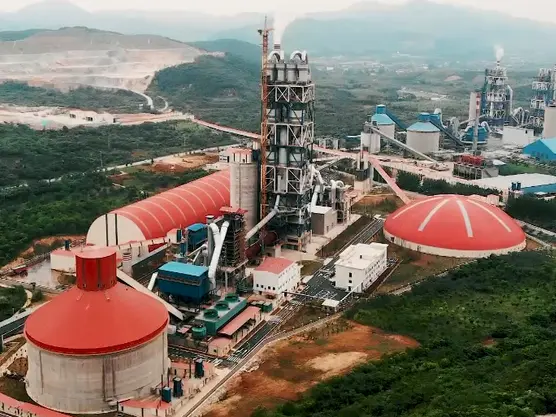
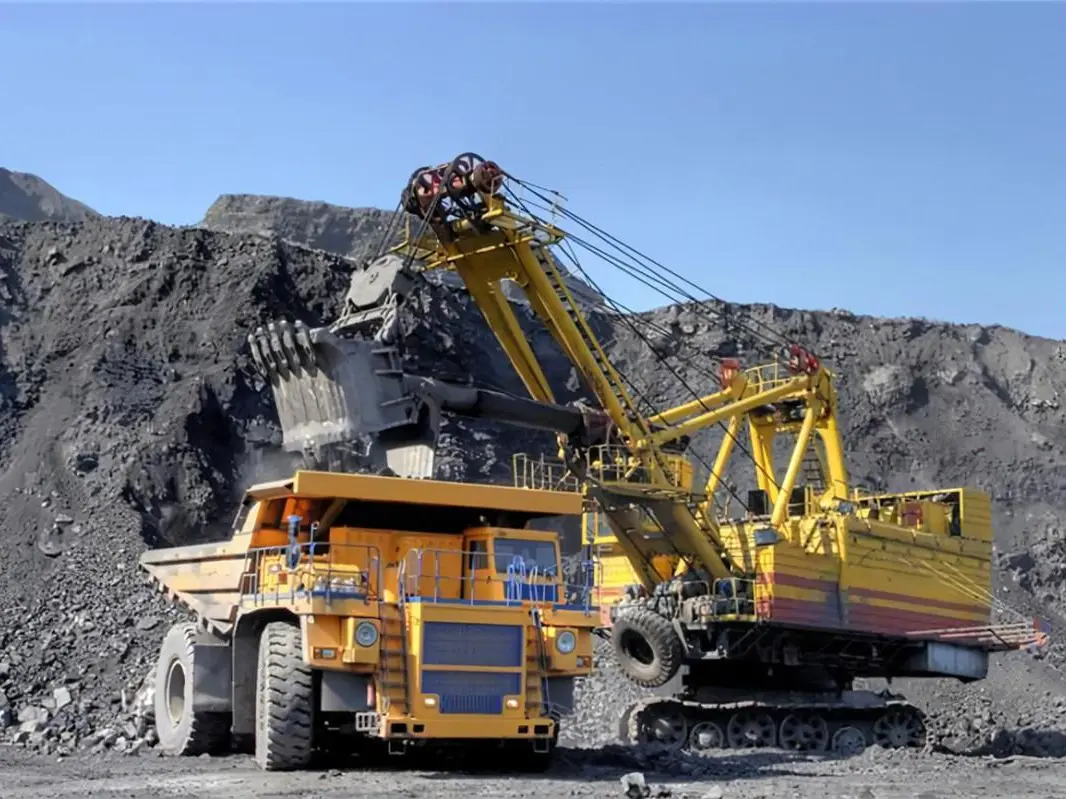
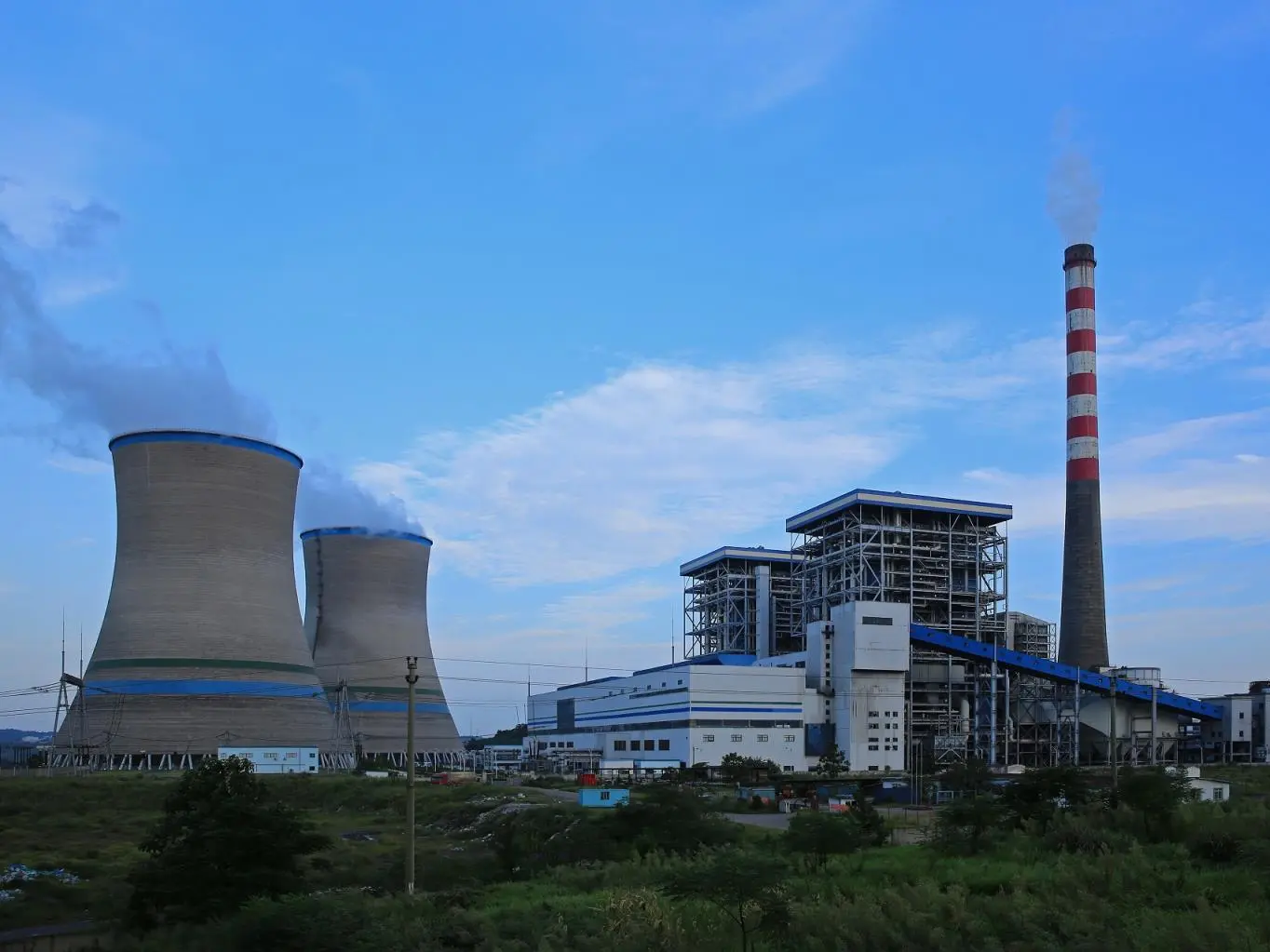





Engineered to prevent sliding erosion under high-temperature loads. Excellent performance in coal mills and incinerator chutes.
Learn More >
Fully customizable thickness combinations ranging from 4+4, 6+4 to 12+12. Tailored shapes processed via high-precision plasma cutters.
Learn More >
Specifically developed for high-stress cement chute systems and heavy mineral bins in the mining sector.
Learn More >
Delivering wear surfaces that resist high-pressure pulverization. Highly compatible with heavy slag extraction and sorting screens.
Learn More >
Features high density chromium carbide crystallization to withstand the extreme flow speeds of slurry pumping channels.
Learn More >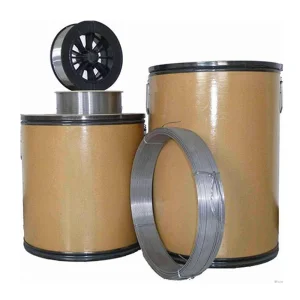
High-alloy welding wires providing exceptional weldability and uniform overlay patterns, reducing local microfissures.
Learn More >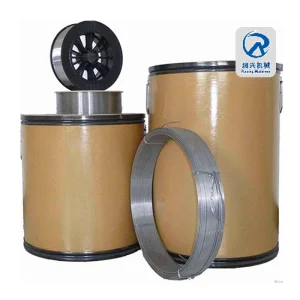
No external shielding gas required. Engineered for field repairs, bucket rebuilds, and structural pipe hardfacing.
Learn More >
Designed for heavy mineral discharge points, these plates feature high-hardness hypereutectic microstructures to withstand continuous impact.
Learn More > Runxing machinery