Austria stands as a cornerstone of high-value manufacturing, machinery building, and heavy metallurgy within Central Europe. From the iron ore processing centers in Styria to the ultra-modern steel mills in Linz and Donawitz operated by world-class conglomerates like the voestalpine Group, the mechanical stress placed on equipment is immense. Operating under stringent European Union environmental, safety, and operational efficiency guidelines, Austrian industrial companies cannot afford unplanned downtime. Minimizing maintenance intervals is not just a process optimization target; it is a critical driver of regional competitiveness and environmental sustainability (ESG compliance).
In this context, standard structural steels or even conventional through-hardened alloy plates (like typical AR400 or AR500 grade steels) frequently fall short. The aggressive friction, abrasive scraping, and high-impact conditions found in Austrian cement plants (such as those run by LafargeHolcim or Alpacem), recycling facilities, bulk cargo ports along the Danube, and underground alpine mining tunnels demand advanced materials. This is where Chromium Carbide Overlay (CCO) and bimetallic wear-resistant composite plates prove their value. By placing a highly dense, micro-structurally optimized layer of chromium carbide on a ductile steel substrate, these plates offer up to 10 to 20 times the service life of standard steels, bringing down the Total Cost of Ownership (TCO) dramatically.
Globally, the market for industrial wear protection is shifting towards smart materials and highly automated cladding processes. Factors such as fluctuations in the prices of raw materials (specifically chromium and carbon steel) and the rising costs of energy within Europe have pushed plant operators to seek out manufacturers who can guarantee high "Information Gain"—meaning documented material properties, clear wear-life calculations, and structured metallurgical consistency. Our production facility leverages state-of-the-art multi-torch automatic hardfacing machines to produce CCO plates and wires that match or exceed European standards such as DIN 8555 and EN 14700, ensuring Austrian operators receive predictable, high-performance wear protection.
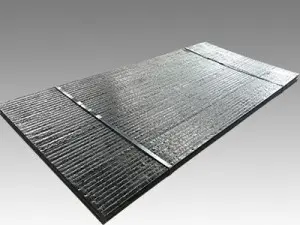
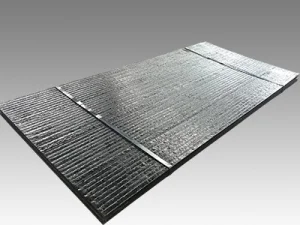
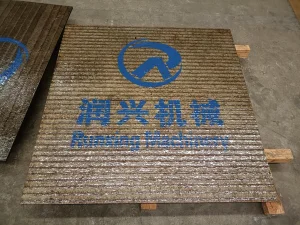
Composite material wear plate made of a structural steel backing & a hard weld surfacing. RX®wp 7600 is a composite material made of a structural steel backing and a hard weld surfacing, corresponding to DIN 8555 standards, ideal for heavy scraping wear zones.
See more products >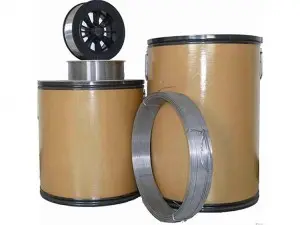
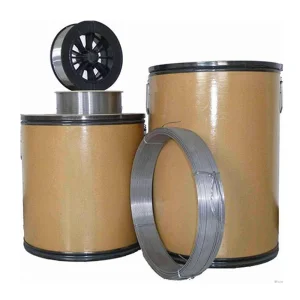
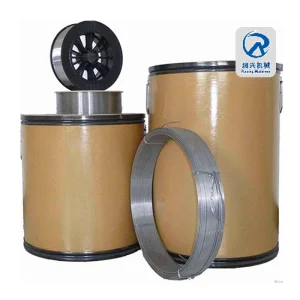
Self-shielded flux-cored wire. High chromium alloy designed specifically for resisting high-stress grinding abrasion with low impact. Excellent weldability and minimal slag emission for onsite repairs.
See more products >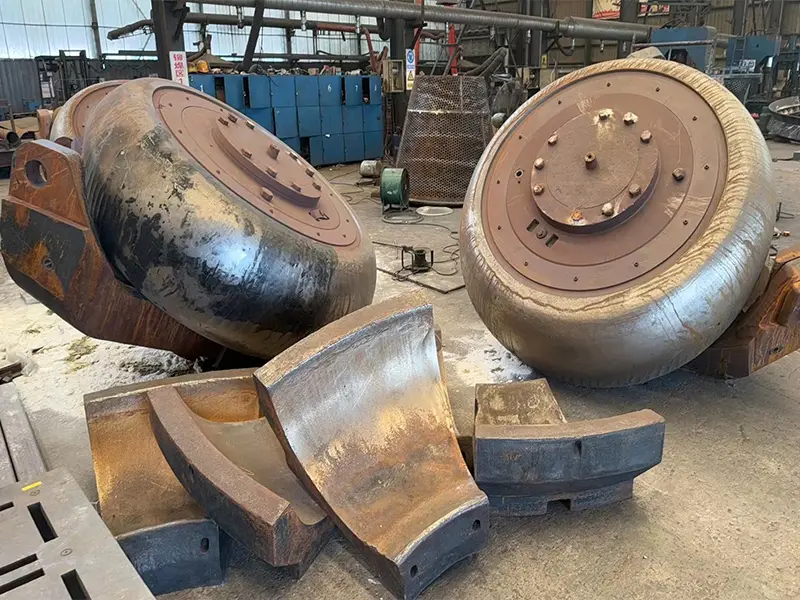
Plasma Transferred Arc (PTA) technology designed for precise, thin-layer hardfacing of critical components. It ensures a low dilution rate and an incredibly dense micro-carbide deposition.
See more products >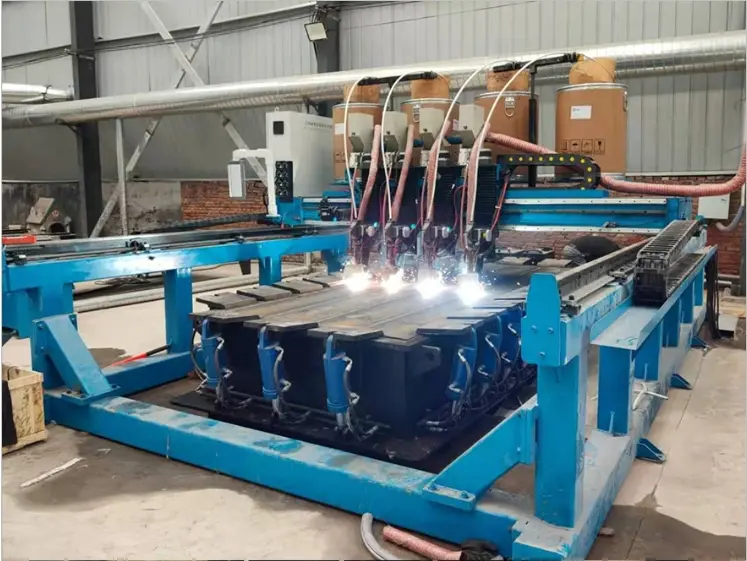
RX® Surfacing equipment features a high degree of automation, high welding efficiency, a small footprint, and easy maintenance. The CNC welding mechanism has four guns working simultaneously to produce uniform wear plates, roll repairs, and grinding disk overlays.
See more products >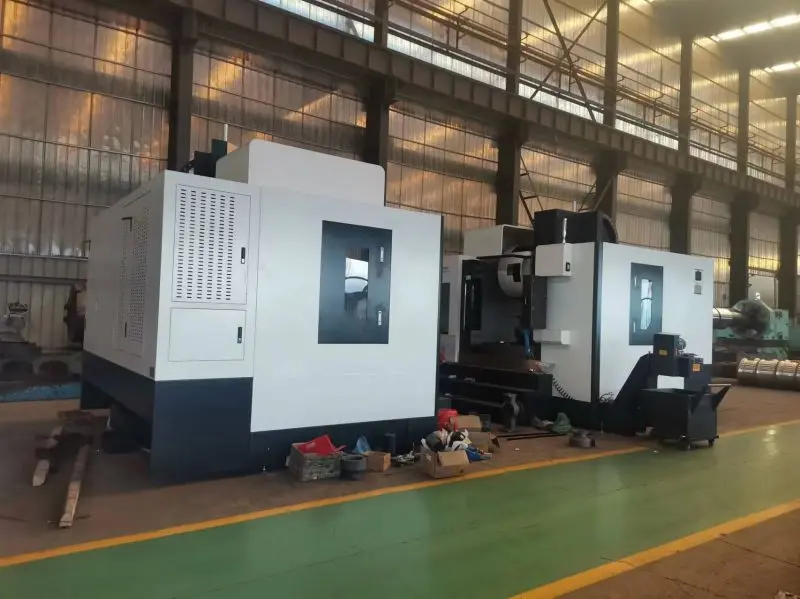
RX® offers custom fabrication of wear plates. We perform precise plasma/laser cutting, countersunk hole drilling, rolling, and structural welding to deliver ready-to-install chute liners, hopper assemblies, and fan housings.
See more products >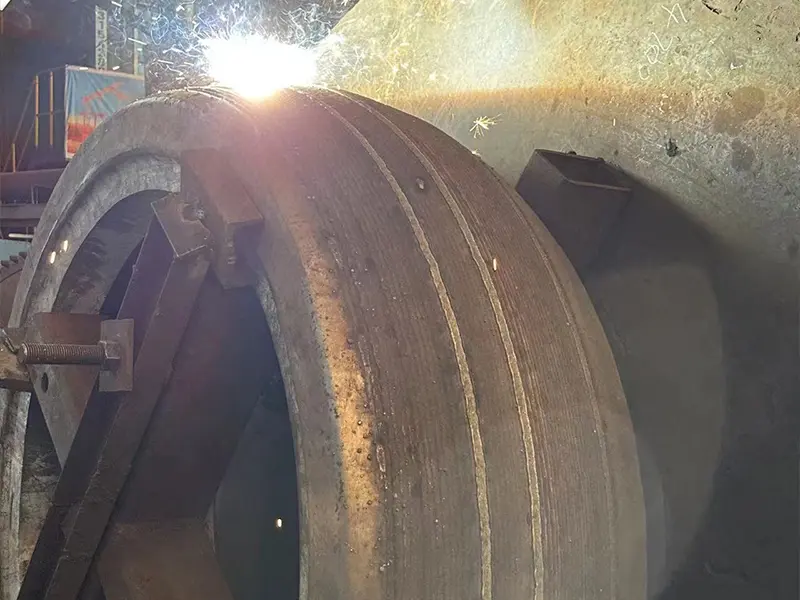
We repair conveyor rolls, continuous casting rolls, and vertical grinding rolls for cement and coal mills. By reapplying a specialized hardfacing alloy layer, we restore the original geometry and extend the operational life, significantly reducing maintenance costs.
See more products >To understand why a CCO plate outlasts other materials, we must analyze its microstructure. The chemical composition of a standard Runxing CCO overlay includes 3.0% to 5.5% Carbon (C) and 22% to 35% Chromium (Cr). When applied via arc welding onto the base plate, this high-alloy mixture solidifies into a hypereutectic microstructure containing primary $M_7C_3$ (metal-rich) carbides dispersed within a tough, austenitic-martensitic matrix.
The micro-hardness of these primary $M_7C_3$ carbides typically reaches 1500 to 2000 HV (Vickers). In comparison, standard quartz sand (the main culprit in cement and mining wear) has a hardness of around 900 to 1200 HV. Because the primary carbides are significantly harder than the abrasive particles, they act as an effective barrier against sliding, gouging, and grinding abrasion. The surrounding steel matrix provides the toughness required to prevent premature micro-spalling and holds the hard carbide crystals in place.
A sign of premium quality in CCO plates is the presence of uniform, transversal relief cracks. These cracks occur naturally during the cooling cycle of the hardfacing process due to the difference in thermal expansion coefficients between the overlay alloy and the carbon steel backing plate. These cracks are structural; they relieve internal stresses and prevent the plate from warping or delaminating during fabrication, rolling, or thermal cycling in industrial kilns. Furthermore, in Runxing plates, the primary carbides are oriented perpendicular to the wear surface. This orientation ensures that as the plate wears down, the abrasive medium is constantly grinding against the hard tips of the carbide crystals rather than sliding alongside them, which preserves the plate's wear resistance over time.
Founded in 2010 in the heavy industrial heartland of Tangshan, Hebei Province, Tangshan Runxing Machinery Co., Ltd. has established itself as an authoritative manufacturer focusing on the R&D, production, and on-site engineering service of hardfacing wear-resistant metal products. Over the past 14 years, we have mastered advanced metal surface cladding techniques, allowing us to supply premium CCO wear plates, custom-fabricated wear liners, hardfaced pipe segments, automated cladding machinery, and professional roll rebuilding services globally.
Recognizing the complex demands of global trade, all export business is fully authorized and managed by Hebei Yuwan International Trade Co., Ltd. This specialized structure allows our trading company to manage customs clearance, shipping logistics, documentation, and payments, while our manufacturing team focuses on maintaining consistent metallurgical quality and meeting delivery timelines.
To serve our European partners, we have maintained a close technical relationship with European industry leaders. Notably, Runxing Machinery has been a qualified agent for VAUTID in Germany for six consecutive years. This long-standing relationship has allowed us to integrate high-quality VAUTID brand welding materials and European surfacing standards directly into our product lines, giving our wear plates a distinct edge in durability and reliability when deployed in demanding European industrial projects.
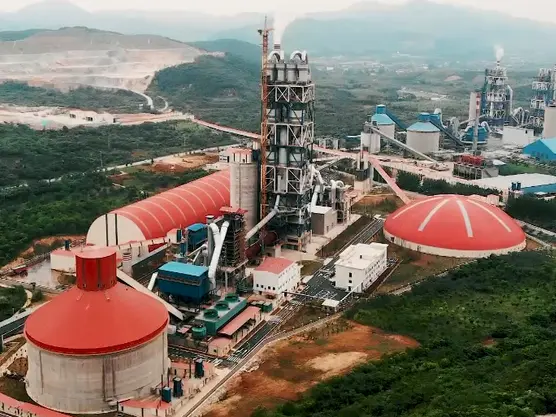
Equipment availability is key in Austrian cement facilities. We supply custom-rolled CCO liners for separator bodies, raw meal chute systems, and vertical roller mill (VRM) cladding to handle the wear from limestone and clinker processing.
Explore Cement Solutions >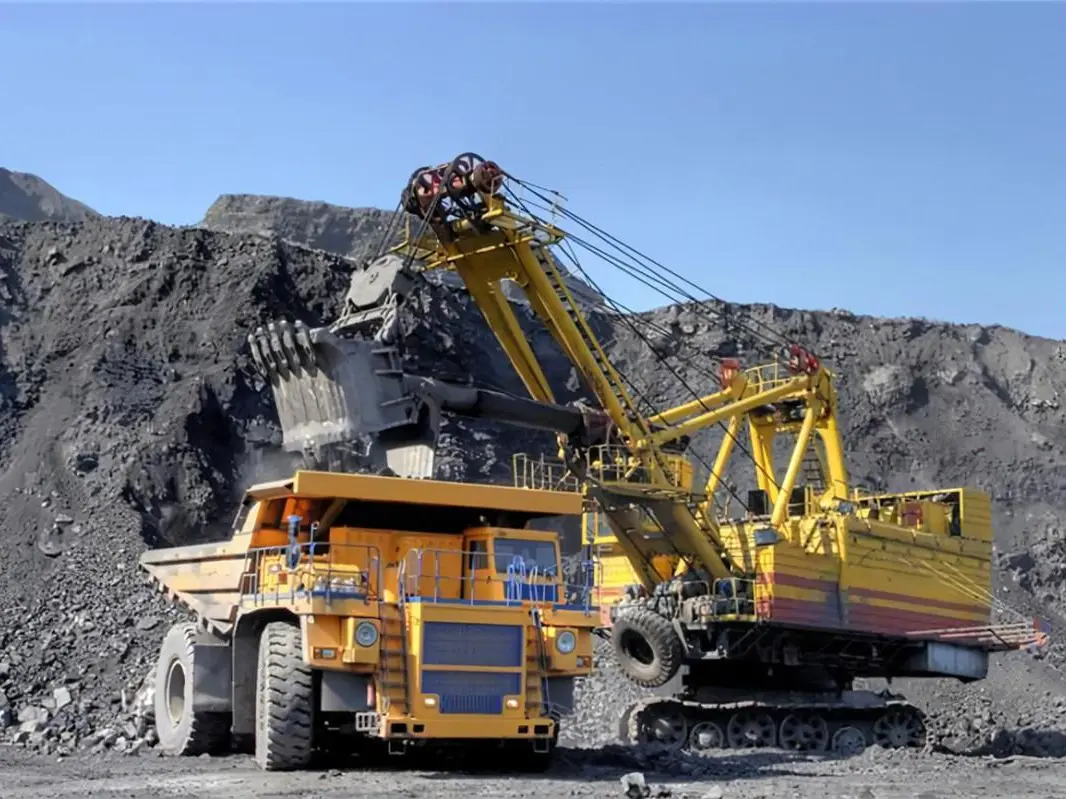
For operations like the Erzberg open-cast mine and various Alpine aggregates quarries, we deliver heavy-duty bimetallic plate liners. These handle high-impact crushing, screening, and dump truck bed lining under freezing winter conditions.
Explore Mining Solutions >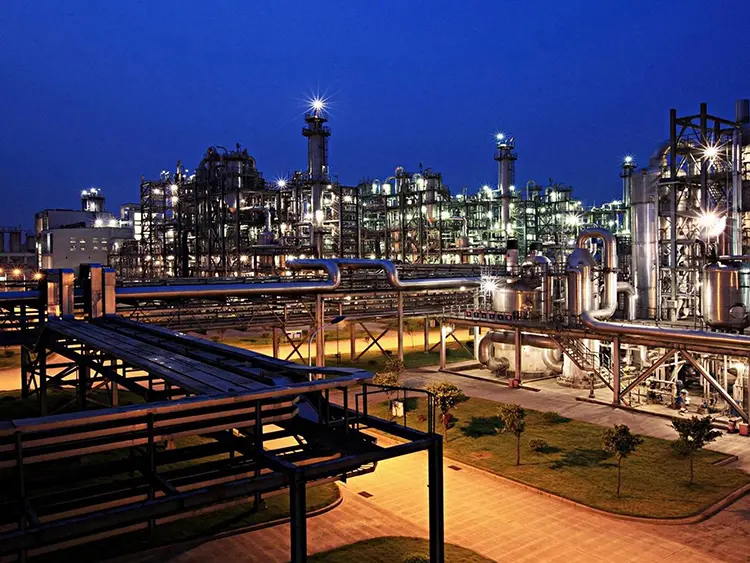
Austrian blast furnaces operate in high-temperature, highly abrasive environments. Our high-temperature CCO plates, containing elements like Niobium and Tungsten, protect skip cars, coke distribution chutes, and sinter plant hoppers.
Explore Steel Solutions >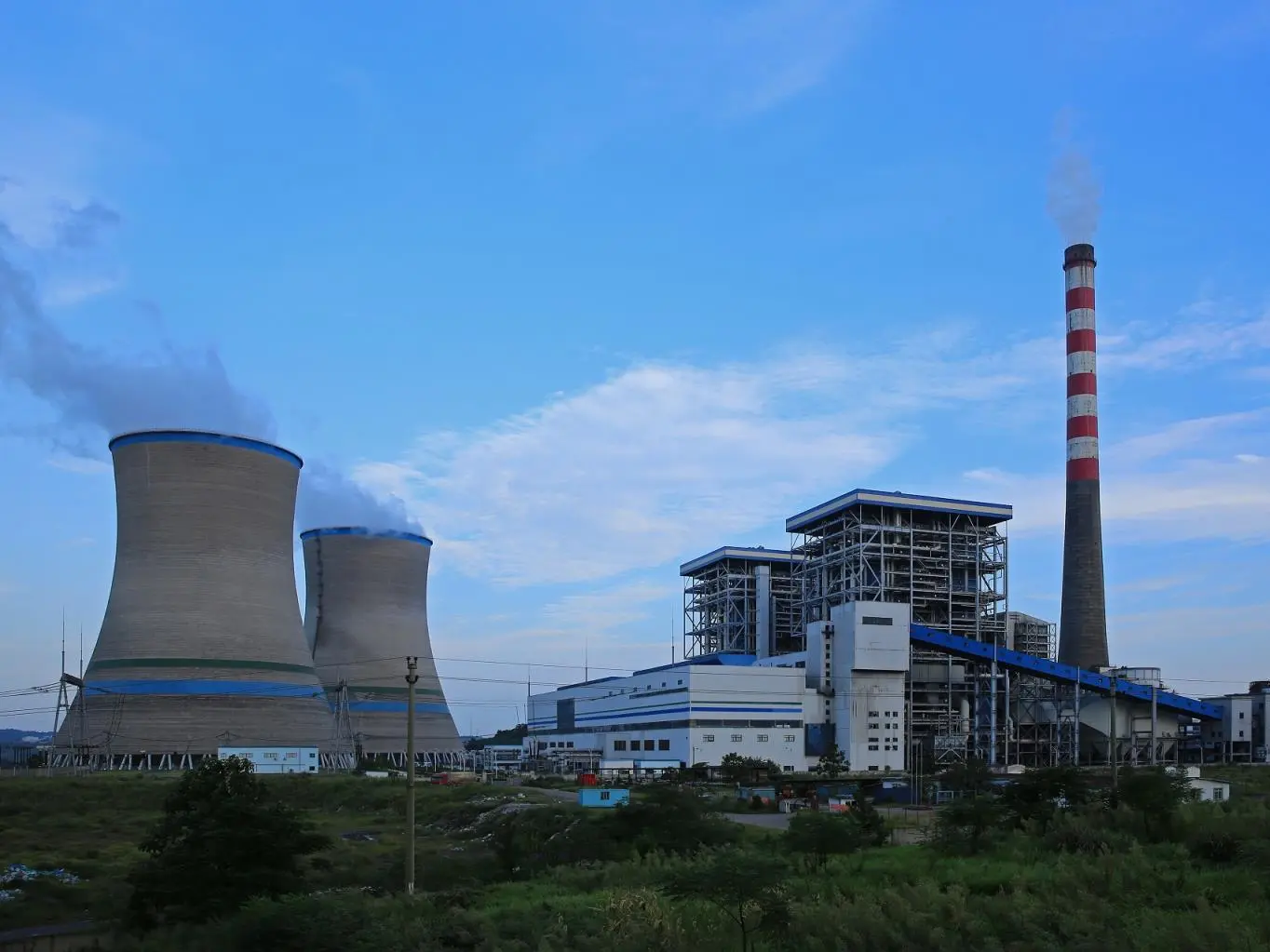
Austria’s transition to biomass requires systems that can handle abrasive wood chips, sand, and ash. We supply wear-resistant piping, fan impeller covers, and coal mill feed tubes to minimize wear-related downtime.
Explore Power Solutions >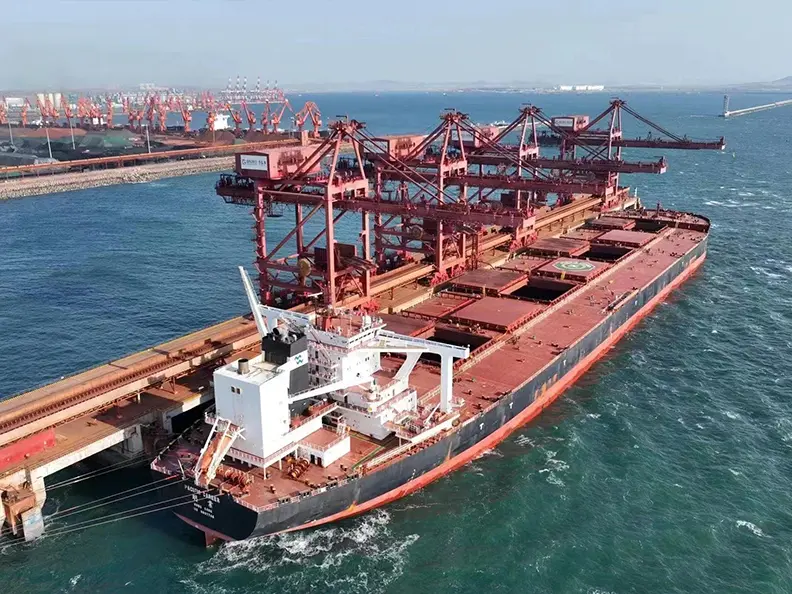
Danube ports in Linz and Vienna handle scrap metal, iron ore, and grain. We supply wear liners for grab buckets, hopper hoists, and conveyor chutes to withstand the constant friction of material handling.
Explore Port Solutions >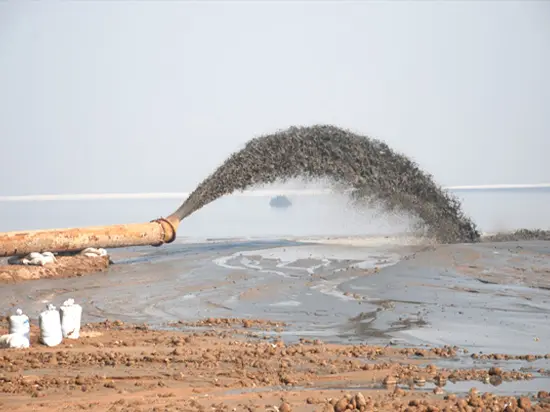
In applications with extreme abrasion but low impact, high-purity sintered alumina ceramics provide excellent protection. We engineer hybrid systems that combine CCO and ceramic tiles for optimized durability.
Explore Ceramic Solutions >
We work closely with machinery builders and research institutions to design specialized metallurgical solutions for unique wear patterns in new industrial equipment.
Inquire Online >
We are constantly expanding our product range. Check back for updates on new surfacing formulations, thermal spray methods, and automated machinery models.
Inquire Online >The field of industrial wear protection is shifting from passive maintenance to active wear management. The modern technology roadmap for hardfaced alloys focuses on three areas: alloy design, automation, and predictive data.
First, advanced alloy design aims to reduce dependency on traditional chromium while maintaining or improving wear resistance. This involves adding strong carbide-forming elements like Niobium (Nb), Titanium (Ti), and Tungsten (W) to create complex multi-component alloys. These additions form finer, harder Carbides ($MC$ and $M_{23}C_6$) that are distributed more evenly throughout the steel matrix, improving performance in high-temperature environments.
Second, automated overlay welding systems are replacing manual methods. Runxing’s automated CNC cladding machines utilize multi-gun, open-arc welding to ensure stable heat input and uniform deposition rates across the entire plate. This level of control minimizes distortion and dilution from the base metal, resulting in consistent chemistry throughout the overlay layer. In the future, real-time closed-loop control systems will monitor arc characteristics during welding, automatically adjusting parameters to prevent defects and ensure reliable quality.
Finally, integrating wear sensors directly into high-wear components allows for predictive maintenance. By tracking remaining plate thickness, these sensors send alerts before a failure occurs, helping plants schedule maintenance during planned shutdowns and avoid costly emergency repairs.
Our new website is designed to provide quick access to technical data sheets, certifications, and application guides for our global customer base. It aims to streamline inquiries and technical consultations for wear-resistant components.
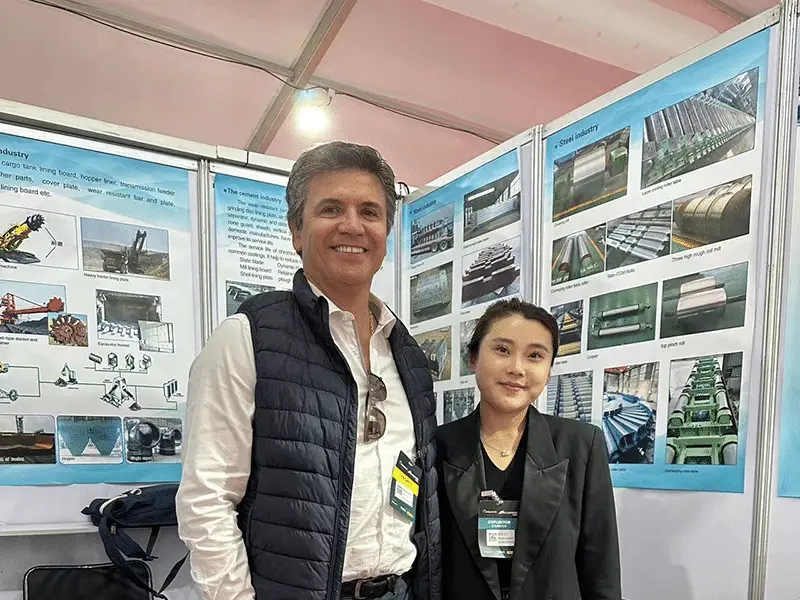
Runxing participated in the 2024 South Africa International Construction and Mining Machinery Exhibition in Johannesburg, presenting our high-carbide composite plates and hardfacing welding wires to African mining operators.
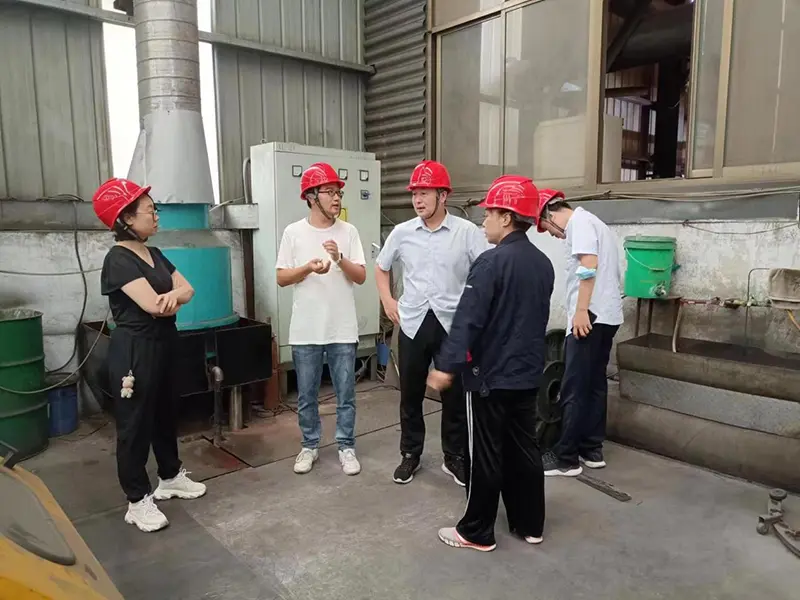
A delegation from Tangshan University, led by Professor Yang Yuehui, visited our facilities to study metal forming and surface hardfacing techniques. This collaboration supports our continuous development of high-performance wear-resistant alloys.
Runxing Machinery continues to collaborate with VAUTID Germany, integrating high-quality German welding consumables into our manufacturing processes to meet strict European standards.
We displayed our CCO plates, custom liners, and hardfacing wires at EXPOMIN 2023 in Santiago, showcasing our ability to meet the demands of major global mining operations.
Through-hardened steel plates (like AR400 or AR500) have a uniform hardness throughout their thickness, typically reaching up to 500 HB. While they offer good structural strength and moderate impact resistance, they cannot match the abrasion resistance of CCO plates. Chromium Carbide Overlay (CCO) plates are composite materials: a ductile carbon steel backing plate is clad with a highly alloyed overlay. The overlay contains primary chromium carbides with a micro-hardness of 1500 to 2000 HV, providing up to 10 to 20 times the wear life in sliding abrasion applications compared to standard carbon steel.
CCO wear plates are typically welded from the back side using standard structural welding wires (like E7018 or ER70S-6) directly onto the carbon steel substrate. The hardfacing overlay itself should not be structural. Alternatively, plates can be attached using countersunk bolts, stud bolts welded to the backing plate, or plug welding through pre-drilled holes. When welding the backing plate, preheating is recommended depending on the plate thickness to minimize thermal stress.
The hairline cracks visible on the surface of CCO plates are stress relief cracks. They occur naturally during the cooling cycle of the hardfacing process due to the difference in shrinkage rate between the high-alloy overlay and the carbon steel backing. These cracks are normal and do not affect the plate's performance. They relieve residual stresses, allowing the plate to be rolled, formed, and welded without warping or delaminating.
Yes, our CCO wear plates can be cold-formed using heavy-duty bending rolls. We recommend rolling with the overlay surface facing inward (concave) or outward (convex) depending on the wear pattern. The stress relief cracks facilitate this process by preventing the overlay from cracking or peeling away from the base metal. For tight radiuses, please consult our engineering department to determine the optimal plate thickness and roll parameters.
As a qualified VAUTID agent for six consecutive years, Runxing Machinery works with VAUTID to source high-grade welding materials and implement German surfacing standards in our production. This combination of European raw material technology and our automated manufacturing capabilities allows us to produce high-performance plates that meet strict European industrial requirements, offering local support and reliable performance for Austria and the wider EU.



 Runxing machinery