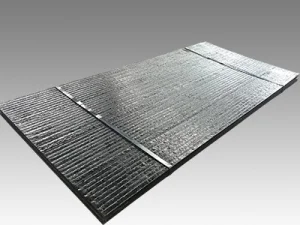
Our premium bimetallic composite plates integrate structural carbon steel backing with a highly concentrated chromium carbide overlay. Extensively used in New Zealand gold mines and aggregate processing plants to resist catastrophic abrasive degradation.
Explore Specifications →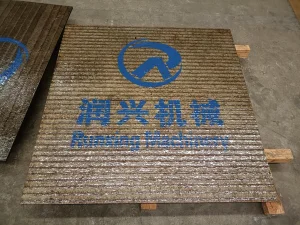
Providing custom dimensioned CCO plates specifically tailored for harsh South Island mining draglines. These overlays maintain high structural integrity at extreme friction zones, dramatically increasing equipment uptime.
Explore Specifications →
Engineered with a hyper-eutectic microstructure for mining chute lining, hopper systems, and cement mill applications throughout New Zealand. The RX-m series withstands intensive sliding wear under heavy impact conditions.
Explore Specifications →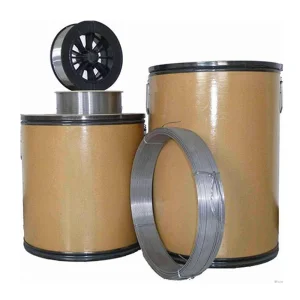
Wholesale distribution of premium self-shielding hardfacing welding wires. Optimized for on-site rebuilding of buckets, draglines, and crushers across the agricultural and forestry machinery sectors of New Zealand.
Explore Specifications →New Zealand's industrial topography represents a highly diverse operational environment, spanning from the rich alluvial gold mining fields of Otago and the abrasive ironsand extractions in Waikato, to the vast forestry chipping mills of the Bay of Plenty and geothermal power plants in the Taupo Volcanic Zone. Each of these sub-sectors presents extreme physical wear mechanisms, requiring highly specialized metallurgical countermeasures. Standard carbon steel plates and generic quenched wear steels often fail prematurely when exposed to the dual challenges of intense micro-scratching abrasion and heavy impact load.
As a leading global developer and fabricator, Tangshan Runxing Machinery Co., Ltd. delivers advanced Chromium Carbide Overlay (CCO) composite plates designed to survive these environments. Our research demonstrates that utilizing hypereutectic microstructures containing over 30% volume fraction of primary M7C3 chromium carbides yields up to an 8x increase in material service life compared to standard structural steel. In New Zealand, where remote operations make equipment downtime extremely costly, integrating long-lasting wear plate technology directly converts to sustained corporate profitability.
Industrial machinery components deteriorate via several distinct Tribological mechanisms. Our material science division focuses on mitigating the four primary classes of wear affecting NZ assets:
In New Zealand's isolated geographical context, heavy equipment replacement parts carry significant logistics surcharges and lead times. A premature failure of a hopper lining in a plant in Christchurch can halt production for days. Runxing CCO solutions reduce the Total Cost of Ownership (TCO) by minimizing maintenance intervals. Instead of replacing sacrificial liners every 3 months, our engineered plates can last up to 24 months, minimizing physical labor costs, crane rentals, and lost production time.
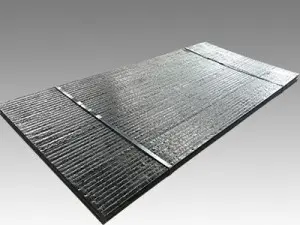
Composite material wear plate made of a structural steel backing & a hard weld surfacing. RX®wp 7600 is a composite material made of a structural steel backing and a hard weld surfacing, corresponding to DIN 8555, ideal for heavy industrial fabrication.
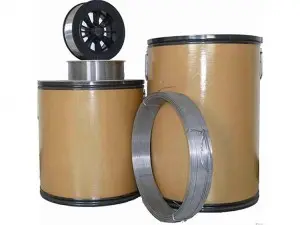
Self-shielded flux-cored wire. High chromium alloy designed for resisting high-stress grinding abrasion with low impact. Engineered specifically for refurbishing wear plates and rebuilding worn industrial parts.
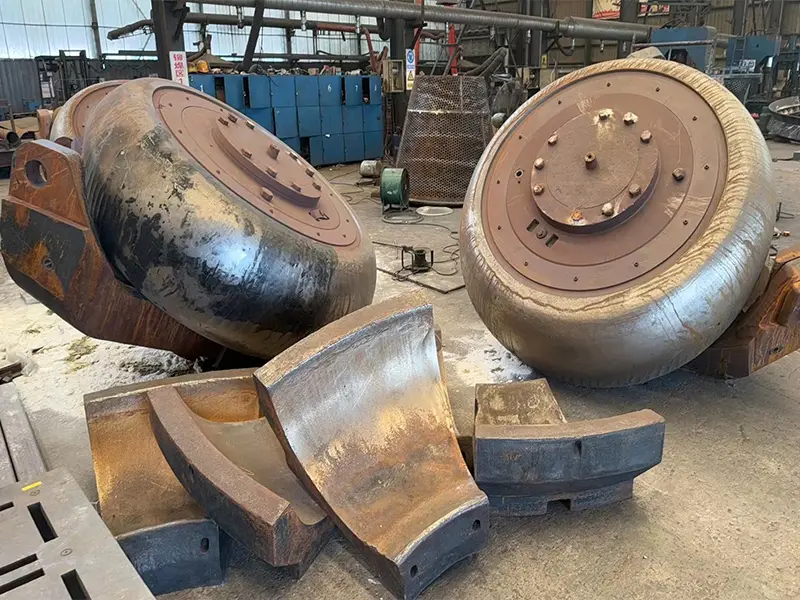
Plasma Transferred Arc technology overlays. Specially designed alloy configurations targeting micro-particle erosion in high-velocity gas and fluid piping networks, offering exceptional wear performance.
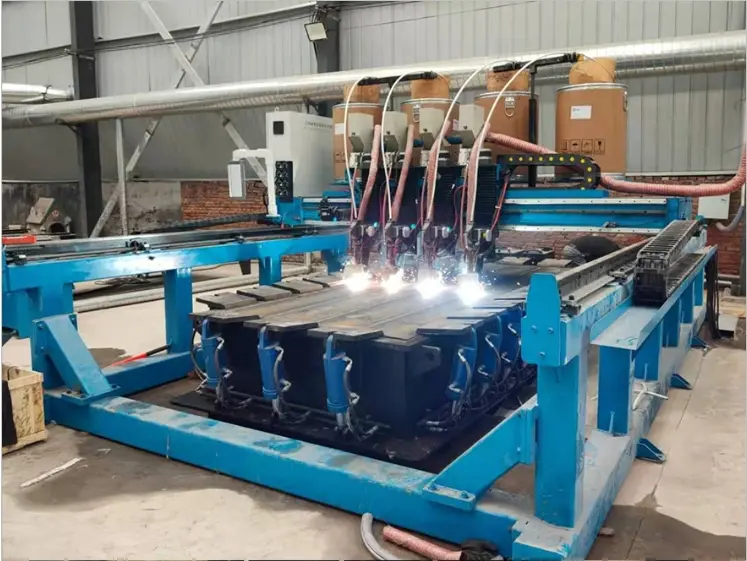
RX® Surfacing equipment features a high degree of automation, high welding efficiency, small footprint, and easy maintenance. The automated numerical control system uses a 10.2-inch touch screen with four independent welding guns.
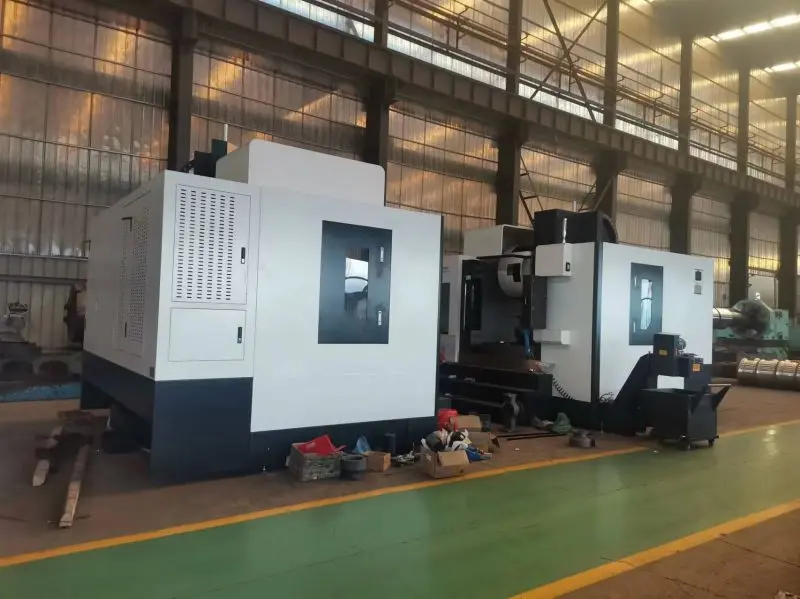
Runxing provides custom structural engineering, plate drawing conversions, precision cutting, bending, rolling, and complete fabrication of customized wear liners and components based on project specifications.
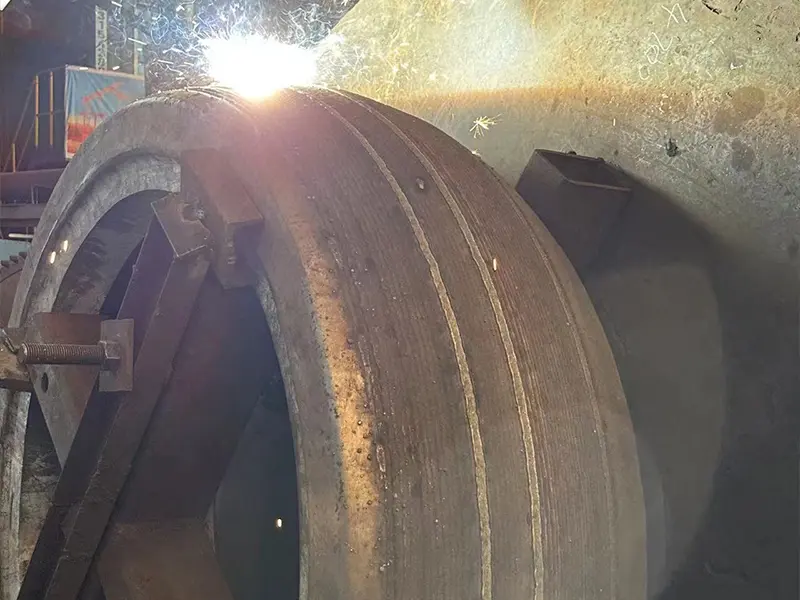
Comprehensive surfacing repair for continuous casting, open billet, and conveyor rolls in steel production. Also optimized for grinding rolls, vertical mills, and roller presses across the cement and mining sectors.
Founded in 2010 in Tangshan, Hebei Province, Tangshan Runxing Machinery Co., Ltd. is a specialized high-tech enterprise dedicated to the research, development, manufacturing, and on-site engineering of high-performance wear-resistant metal products. Leveraging advanced metallurgical technologies, we have grown to be a premier supplier of CCO wear plates, wear pipes, hardfacing welding materials, and automated surfacing machinery globally.
Our commitment to quality is backed by a continuous six-year agency relationship with the prestigious German VAUTID brand. This relationship reinforces our standard of materials and technology. All international exports are managed through Hebei Yuwan International Trade Co., Ltd., assuring compliant customs clearance, secure maritime shipping, and reliable financial transactions.
Established Year
VAUTID Partnership
Global Export Regions
Quality Standard
Developing next-generation smart wear plates embedded with sensor technologies that monitor real-time thickness and degradation levels. This allows plant managers in Auckland and Wellington to schedule predictive maintenance before catastrophic wear occurs.
Formulating low-smoke, zero-barium flux-cored welding wires to meet strict environmental guidelines. These products support New Zealand's "Clean Green" initiatives and protect on-site welding operators' health.
Advancing research into multi-component high-entropy alloy coatings that exhibit outstanding wear, high-temperature corrosion, and deformation resistance. Designed for extreme geothermal applications in the North Island.
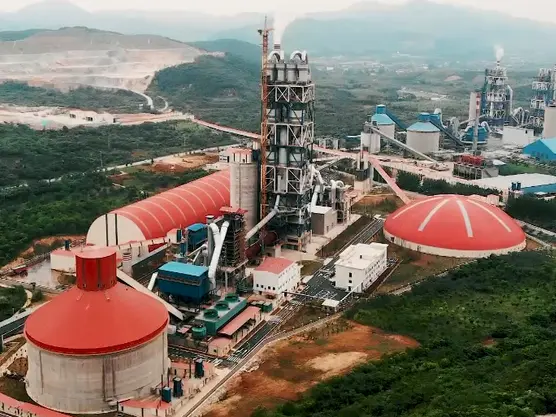
New Zealand's cement plants rely on our high-hardness CCO liners for raw mill hoppers, chutes, and separator vaves, resisting intense sliding friction from limestone particulate streams.
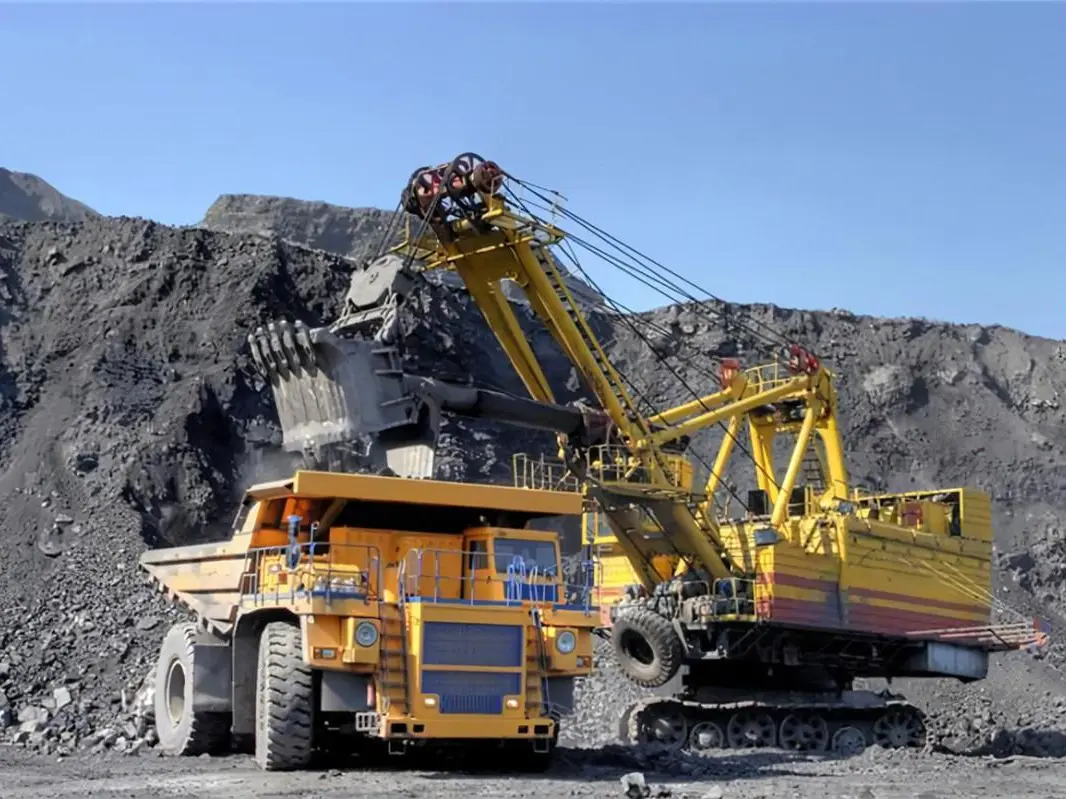
Supporting mining shovels, dragline buckets, and haul truck body linings in South Island operations, ensuring maximum resilience against hard aggregate impact.
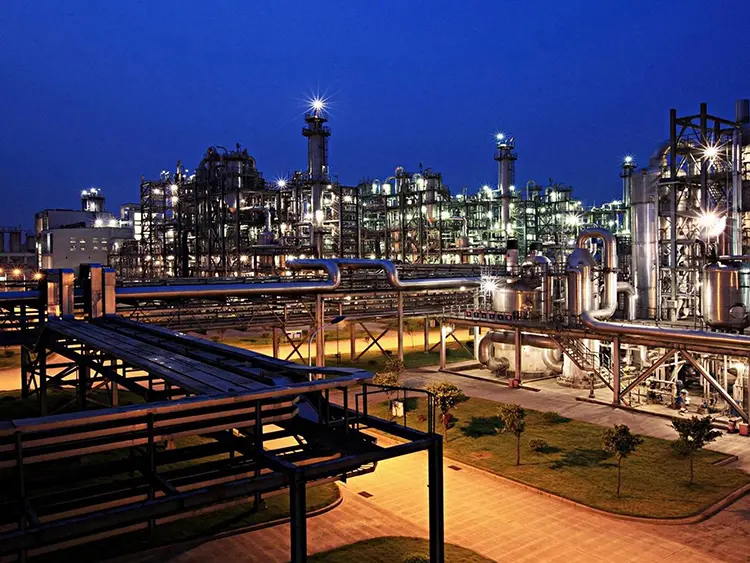
In highly thermal environments like blast furnaces and coke chutes, our thermal-stable bimetallic wear plates protect infrastructure from wear-abrasion cycles.
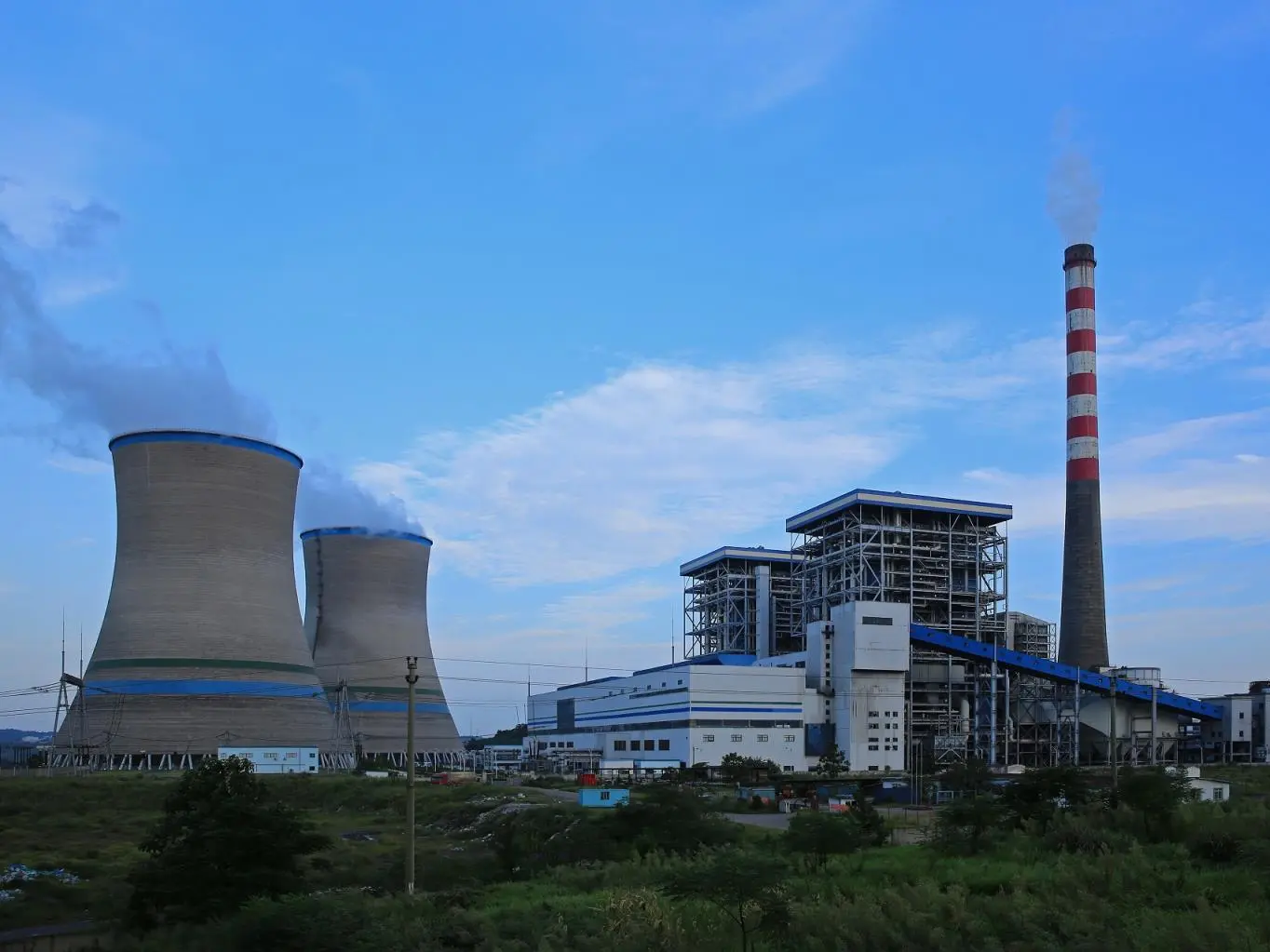
Providing custom piping hardfacing to prevent geothermal steam silica particles from eroding transmission piping and turbine inlet chambers.
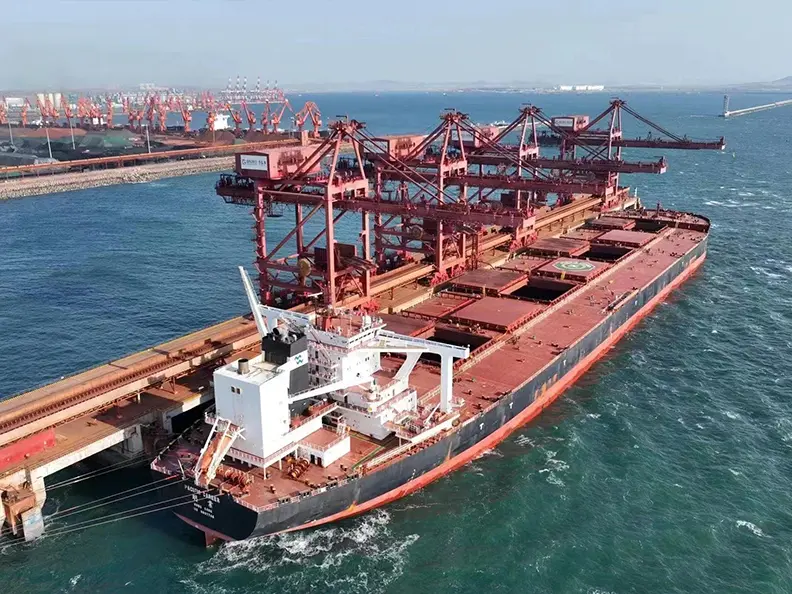
Optimizing hopper wear liners at the Port of Tauranga and Lyttelton Port to handle agricultural fertilizers, coal, and wood chips continuously.
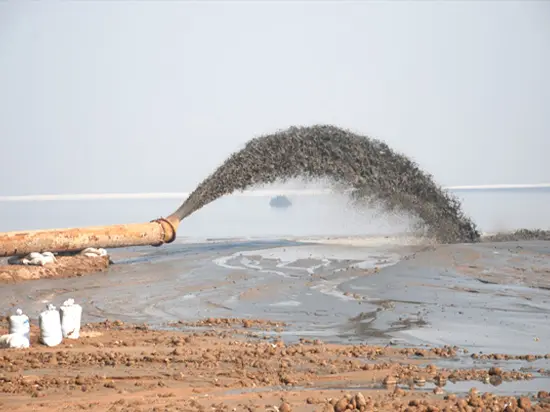
Providing high-purity sintered alumina tiles as high-performance alternatives for dry powder conveying chutes where chemical corrosion accompanies wear.

Ongoing optimization of automated interior piping welding processes to provide seamless dual-layer pipeline curves for slurry conveying systems.

We supply precision cut-and-bent OEM parts ready for direct installation on complex earthmoving and agricultural equipment across NZ regions.
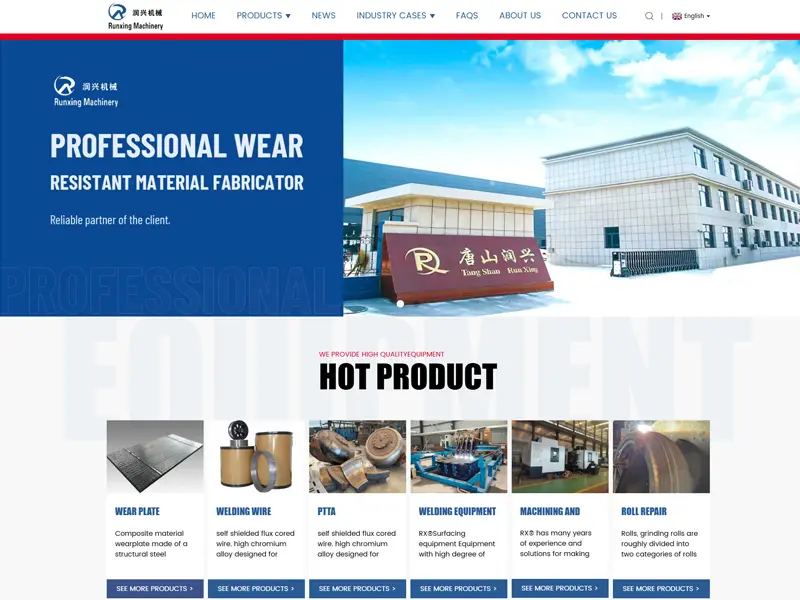
Runxing Machinery launched its updated global portal, connecting heavy engineering contractors directly with our product R&D and processing facilities.
Displaying our range of automated hardfacing machines and CCO wear plates at Johannesburg to support African infrastructure developments.
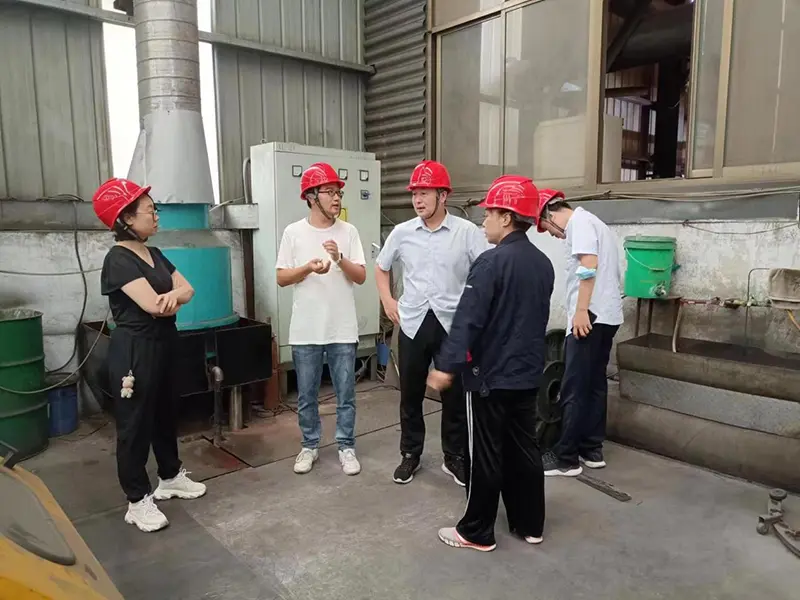
Collaborating with the Dean of Tangshan University and the Metal Materials and Forming Technology team to refine chromium carbide crystallization processes.
Runxing Machinery has maintained its qualified status with VAUTID Germany for six consecutive years, utilizing high-grade overlay technologies.
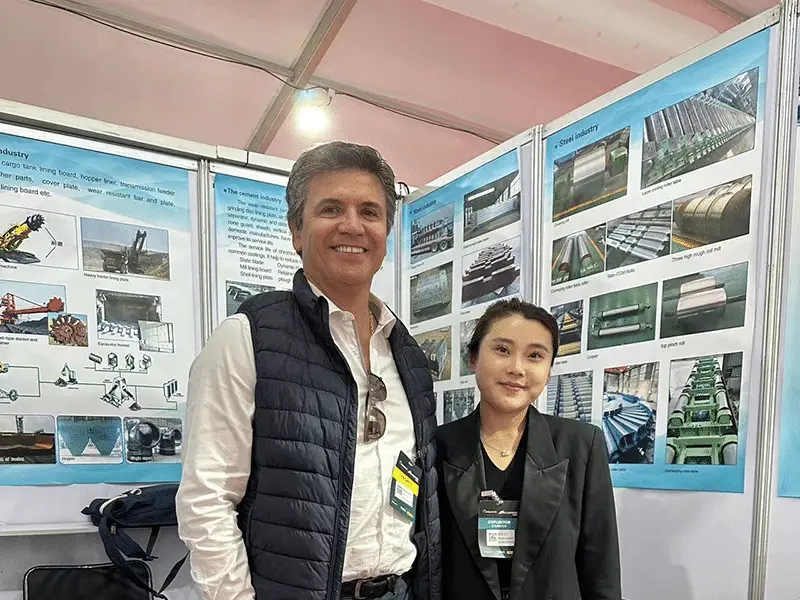
Showcasing our products at EXPOMIN, South America's premier mining exhibition, demonstrating our global capabilities to supply deep mining operations with reliable wear materials.



Under abrasive conditions, Runxing CCO plates outlast standard AR400 or AR500 structural wear plates by 4 to 8 times. Quenched steels rely on martensitic hardness, which can degrade rapidly under high-stress grinding abrasion. CCO plates utilize hard primary M7C3 chromium carbides (1500 HV) bound in a tough eutectic matrix, offering superior wear resistance.
Yes. The base plate (commonly Q235B or Q355B structural steel) is weldable using standard low-hydrogen structural electrodes or MIG welding wires. Pre-heating is recommended depending on plate thickness to control cooling rates in the Heat Affected Zone (HAZ). The hard overlay face cannot be directly welded, so plug welding holes or stud welding from the rear side is recommended for liner installations.
The fine stress relief cracks on the overlay surface are normal features of CCO materials. They occur during the cooling phase of weld cladding to relieve thermal stress. These cracks stop at the fusion boundary and do not propagate into the ductile carbon steel backing, preserving the plate's overall structural integrity.
Through our export representative, Hebei Yuwan International Trade Co., Ltd., we manage all customs clearance and international shipping documentation. Sea freight from Tianjin Port to major New Zealand ports (Auckland, Tauranga, Lyttelton) typically takes 20 to 30 days. Standard plate dimensions are stocked, while custom drawings take 10-15 manufacturing days.
High-integrity wear plates developed for severe abrasive environments, providing durable protection for heavy conveyor chutes.
Details →
Precision-made CCO panels designed for specific layouts and equipment styles, offering maximum wear resistance.
Details →
Engineered for high abrasion environments, protecting mining machinery and industrial bulk handling systems.
Details →
Reliable flux-cored welding wires optimized for open-arc surfacing, rebuilding components on-site.
Details →
Custom dimensions and profiles for various industrial machinery applications in mining and power sectors.
Details →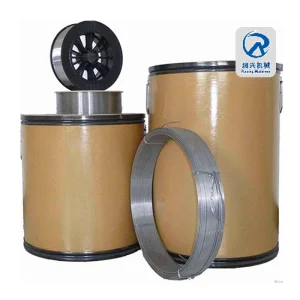
Specially formulated for simple, portable welding repairs on heavy equipment buckets and structural sections.
Details →
Overlay composites developed to withstand intense material flow wear in heavy industrial chutes.
Details →
High-hardness overlay plates designed for extreme abrasion environments, extending equipment operating lifespans.
Details → Runxing machinery