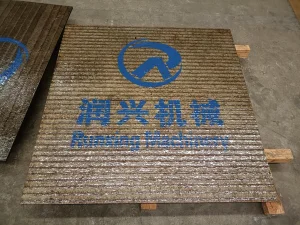
Heavy-duty structural backing fused with premium hard weld surfacing for high-stress grinding abrasion environments.
Explore Specifications >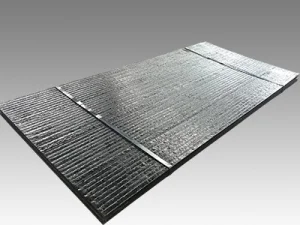
Composite material wearplate made of a structural steel backing & hard weld surfacing, corresponding to DIN 8555 standards.
Get Supplier Catalog >
Designed specifically for Cement Chutes and Mining liners, featuring high hardness overlay configurations.
Request CAD Files >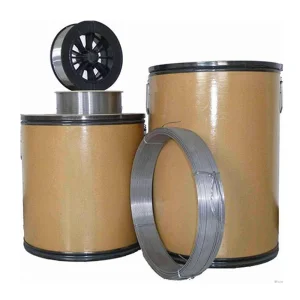
High chromium alloy wires engineered to resist high-stress grinding abrasion and severe surface wear.
Wholesale Pricing >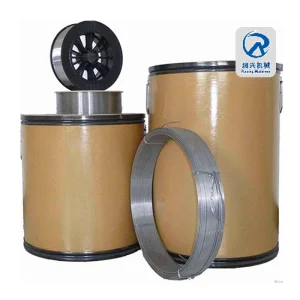
High deposition rate self-shielded wires optimized for open-arc overlay applications on machinery parts.
Custom Chemistry Info >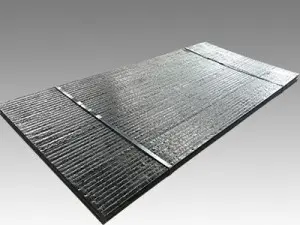
High-chromium alloy designed for resisting high-stress grinding abrasion with low impact, DIN 8555 certified.
View Details >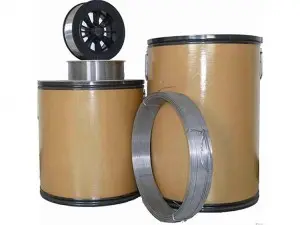
Perfect for wear plate refurbishment and automated hardfacing without shielding gas infrastructure.
Technical Data Sheet >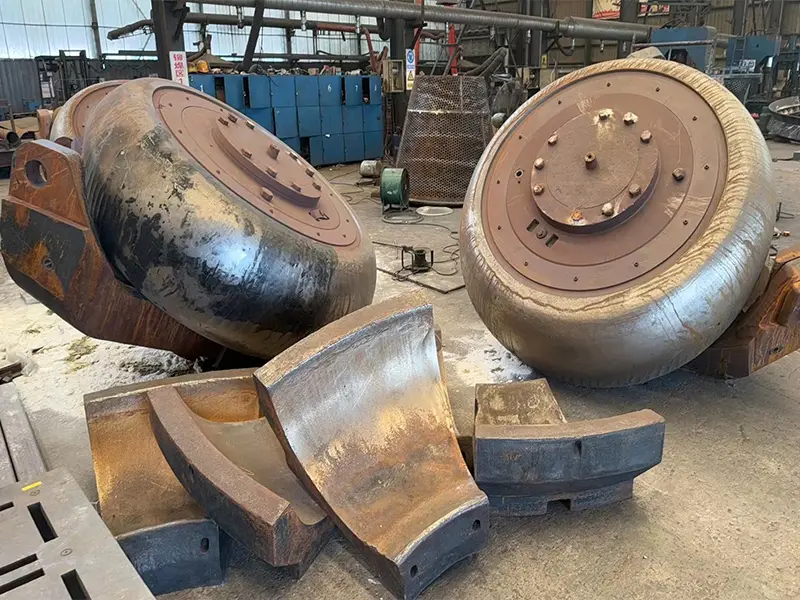
Engineered for extreme wear protection using high chromium alloys tailored for industrial process equipment.
Inquire Custom Alloy >Modern global manufacturing, resource extraction, and heavy engineering structures operate under challenging chemical, thermal, and mechanical conditions. As heavy machinery scales to meet higher output demands, component degradation due to sliding abrasion, high-stress impact, and heat corrosion poses a continuous threat to operational profitability. The selection and procurement of high-grade welding machine wire, particularly self-shielded flux-cored variants, have transitioned from routine maintenance supplies to critical strategic investments.
For procurement officers, engineering leads, and maintenance directors, securing a reliable supply of wear-resistant alloys is key to maximizing Total Cost of Ownership (TCO). Unplanned downtime in a modern vertical roller mill or mining excavation chute can cost hundreds of thousands of dollars per hour. Consequently, international procurement strategies focus on welding wires that deliver high deposition efficiency, optimal bead geometry, minimal slag generation, and metallurgical consistency.
"By incorporating primary M7C3 chromium carbides within a tough, hard matrix, our hardfacing alloys extend the operational lifespan of industrial parts by 300% to 500% compared to standard carbon steels."
Heavy industry relies on highly customized wear protection formulas. Standard off-the-shelf welding wires struggle to meet the dual requirements of impact resistance and grinding abrasion. A cement vertical mill, for instance, requires a hardfacing overlay that resists high-pressure crushing forces, whereas sand and gravel dredging applications require protection against high-velocity slurry abrasion.
Tangshan Runxing Machinery Co., Ltd. addresses this challenge by providing tailor-made metallurgy. Through our specialized R&D division, we supply customized bulk welding wire, pre-fabricated chromium carbide overlay (CCO) wear plates, and ready-to-install mill liners. By managing the process from alloy design to final fabrication, we maintain consistent chemistry, uniform hardness, and stable microstructure across every batch.
Metallurgical characteristics of our signature hardfacing overlay products:
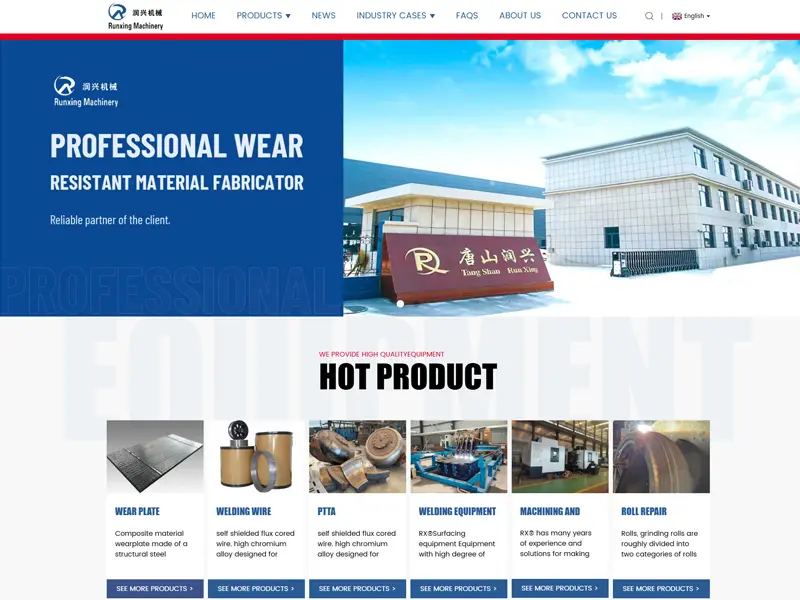
Founded in 2010 and situated in Tangshan, Hebei Province—the heart of China's heavy steel production—Tangshan Runxing Machinery Co., Ltd. is a leading manufacturer specializing in the research, development, and on-site engineering of wear-resistant surface solutions. Over the past decade, the company has grown from a regional production facility into a trusted supplier of hardfacing systems, wear plates, and customized alloys worldwide.
Our core product lineup includes chromium carbide overlay (CCO) wear plates, custom-fabricated chute liners, wear-resistant elbows/pipes, specialized hardfacing flux-cored welding wires, and fully automated surfacing machines. Our business philosophy is built on "Integrity, Superior Quality, Technical Innovation, and Sustainable Development." By optimizing hardfacing chemistry, we extend the service life of high-wear industrial components, helping plants run more efficiently and reducing their carbon footprint.
Hebei Yuwan International Trade Co., Ltd. handles all export logistics, customs, and payment processing, ensuring compliance and secure delivery worldwide.
Collaborative research with Tangshan University (Metal Materials and Forming Technology team) guarantees ongoing innovation in wear resistance.
Since 2019, Runxing Machinery has been an authorized representative and partner of VAUTID, the German developer of metal surfacing alloys. This long-term relationship ensures our technical methods align with modern European wear protection standards.
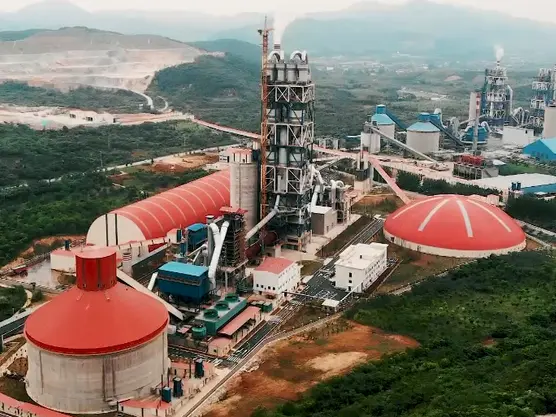
Critical equipment availability hinges on wear-resistant components. Our CCO wear plates and surfacing wires protect vertical roller mill tables, separator guides, and discharge chutes from constant particle friction.
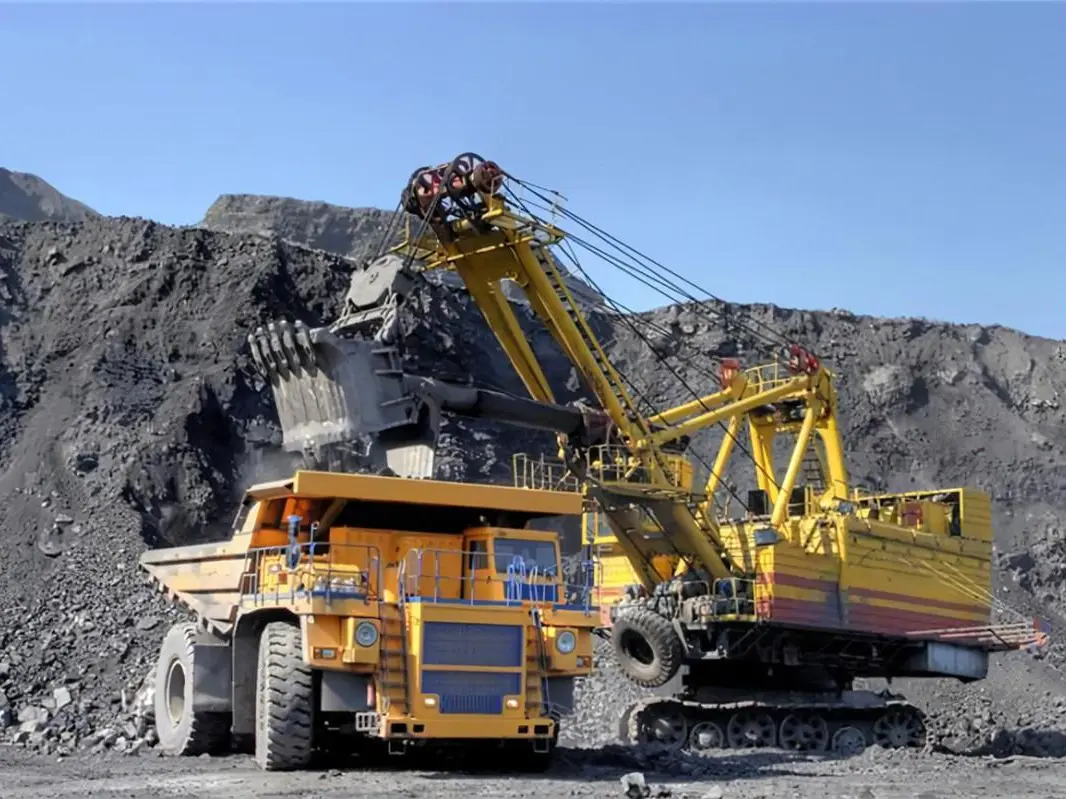
We deliver wear solutions for heavy mining operations. From shovel bucket overlays to hopper liners, our high-impact alloys help mining complexes minimize downtime and reduce component replacement costs.
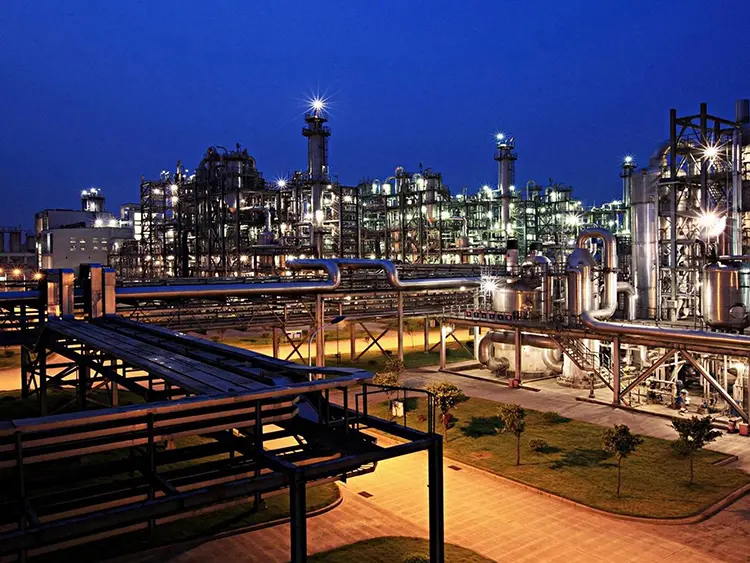
Iron and steel plants present extreme operational environments, involving hot raw minerals and abrasive dust. Our bimetallic composite plates are engineered to withstand thermal cycling and mechanical wear.
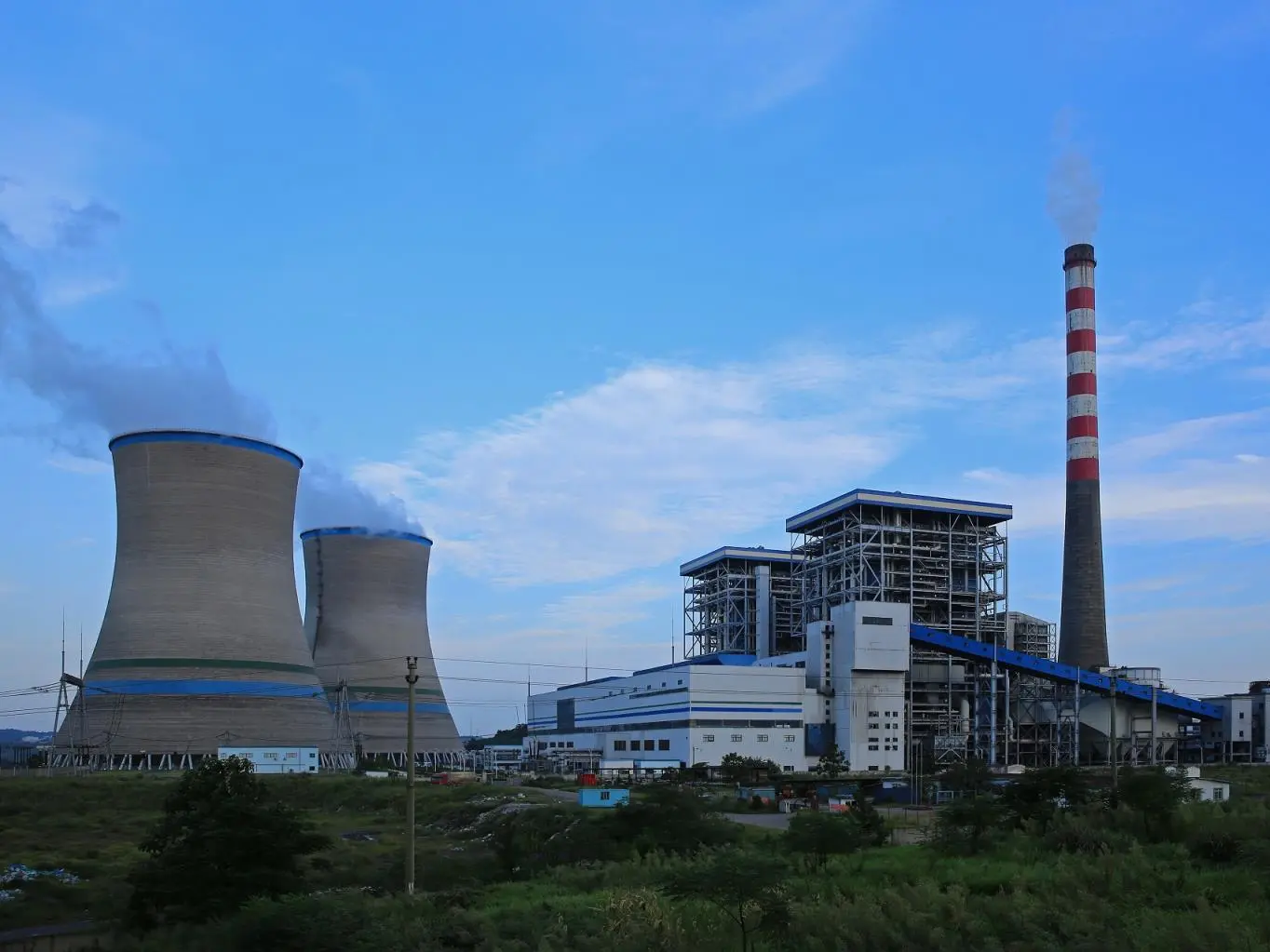
Thermal power complexes require wear protection for fan blades, pulverizer coal mill rolls, hopper linings, and fuel transfer systems. Our materials prevent abrasion-induced failures in high-velocity coal dust lines.
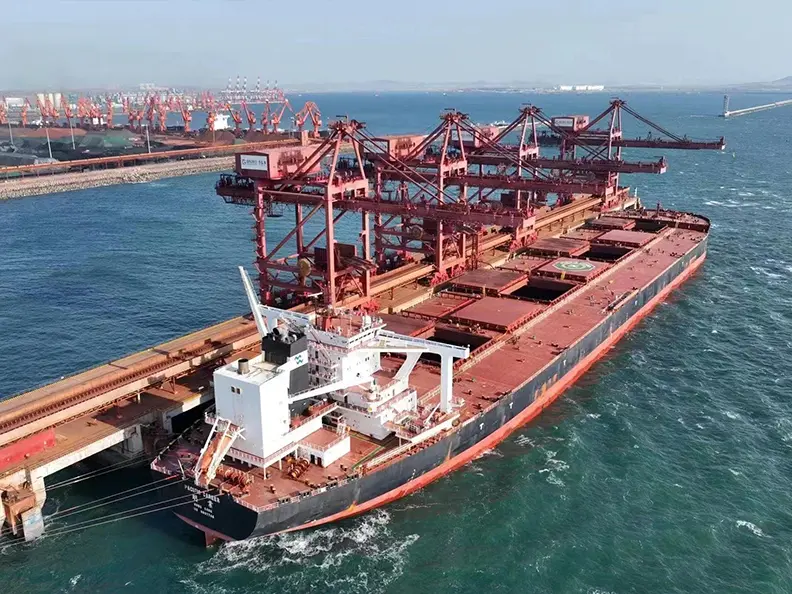
Receiving terminals and bulk yards rely on conveyor systems, stackers, and reclaimers. Our hardfaced pipes, transition chutes, and custom wear plate configurations protect high-contact discharge zones from high-speed friction.
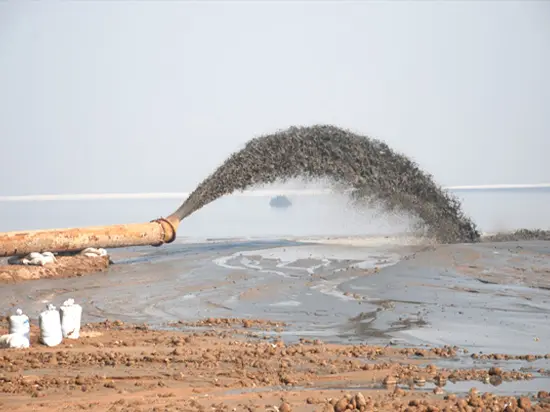
When metal alloys reach their limits, high-purity alumina ceramics provide an alternative. Sintered at high temperatures, these ceramic liners offer high chemical and abrasive wear resistance.
Traditional MIG/FCAW welding setups require shielding gas bottles, regulators, and wind protection systems, which limits on-site repairs in high-wind conditions. Runxing’s self-shielded flux-cored hardfacing wires contain specific slag-forming agents and gas-generating compounds within the core. During the welding process, these components vaporize, forming a protective atmosphere directly around the arc.
Our metallurgy team optimizes carbon and chromium ratios to ensure that, upon cooling, the deposited layer contains a high density of primary Cr7C3 carbides with a typical hardness of 1500 HV. These carbides are uniformly dispersed within an austenitic matrix, which supports them under heavy mechanical loads.
In addition to producing consumables, Runxing engineers automated surfacing systems. Our automated overlay welding equipment features a heavy-duty, high-precision numeric control system managed via an intuitive touch interface. The system supports multi-gun configurations (up to four welding torches operating simultaneously or independently), enabling uniform oscillating patterns. It adjusts to accommodate solid-core, flux-cored, or open-arc configurations, providing flexibility for the fabrication of complex CCO wear plates or specialized roller rebuilds.
Industrial rollers, including vertical roller mill tires and roller press segments, represent critical machinery assets. Standard repairs by replacement incur high component costs and lead times. Runxing’s refurbishing process utilizes targeted surfacing. First, the worn substrate is prepared to remove micro-cracks and work-hardened layers. Next, a ductile buffer layer is deposited to prevent crack propagation, followed by multiple passes of high-chromium hardfacing alloy. This process restores the component's original dimensions and increases its wear life beyond OEM specifications.
Flux-cored welding wires (FCAW) allow for the introduction of high-alloy elements such as chromium, niobium, and boron directly into the core, which is difficult to achieve in solid drawing wires. Additionally, flux-cored formulations support higher deposition rates, produce minimal slag, and allow for self-shielded (gasless) configurations suitable for outdoor, high-wind industrial environments.
CCO wear plates are manufactured by welding a layer of high-chromium, high-carbon alloy onto a structural steel base (such as Q235B or Q355B). During solidification, chromium and carbon form primary hexagonal-shaped M7C3 chromium carbides. This carbide microstructure provides resistance to sliding abrasion, while the underlying tough matrix provides impact resistance.
Our hardfacing wires and composite plates conform to key international standards, including DIN 8555 specifications like MF10-GF-60-G and MF10-GF-65-GR. These designations indicate high-chromium alloy structures optimized for sliding abrasion under minimal impact conditions, maintaining high hardness up to 60-65 HRC.
To ensure smooth logistical workflows, all international trade operations, customs clearance, and payment transactions are handled by Hebei Yuwan International Trade Co., Ltd. Our factory focuses on material development, quality control, and production scheduling, while Yuwan handles global compliance, freight forwarding, and documentation.
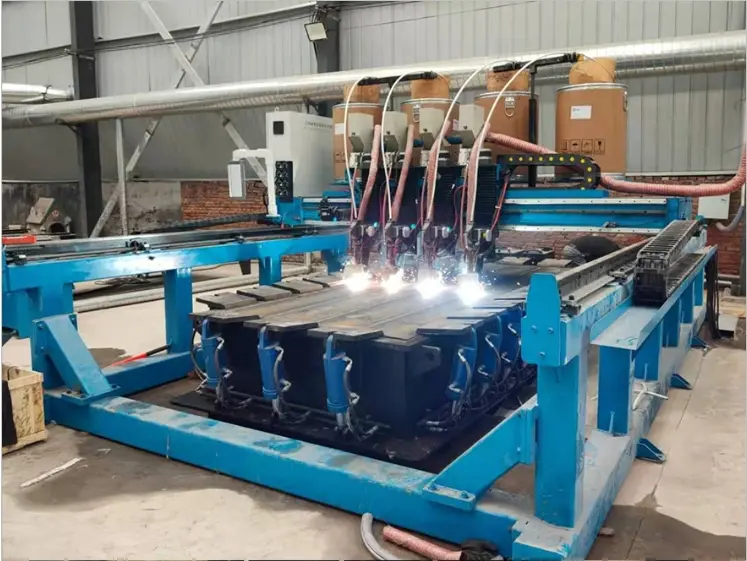
Automated hardfacing machines equipped with touch screens and multi-gun configurations for rapid plate manufacturing.
System Details >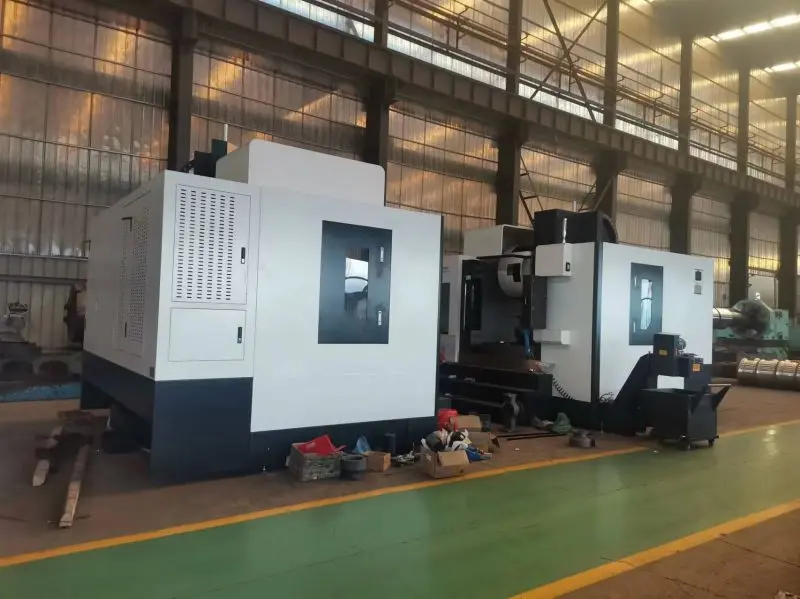
Custom cutting, bending, and assembly of complex bimetallic wear liners designed to drop into heavy machinery.
Engineering Services >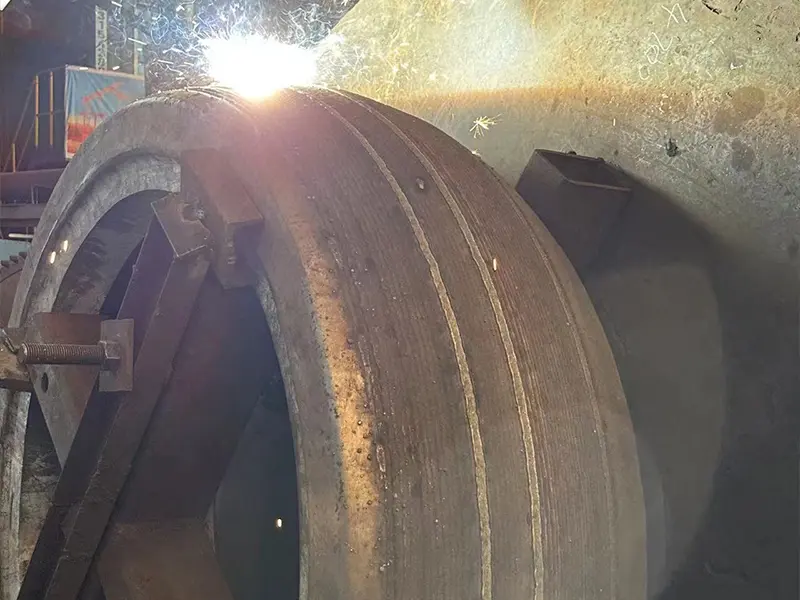
Complete restoration services for coal mill rolls, vertical mill rollers, and high-pressure grinding rolls (HPGR).
Rebuild Methods >
Engineered wire chemistry for high-impact resistance and abrasive wear environments.
Consumables Catalog >
Internal CCO wear-resistant pipes and transition fittings designed for pneumatic conveying lines.
Pipe Catalog >
Designed to replace high-wear points in hoppers, screens, and transport lines, customized to specification.
Get Drawing Templates >
Large-format raw plates for local fabrication shops. Available in standard thicknesses: 6+4, 8+6, 10+8, and 12+10.
Sizing Guide >
Multiple weld passes deposited with alternating patterns to prevent cracking and cross-hatch splitting under thermal strain.
Material Datasheet >

 Runxing machinery