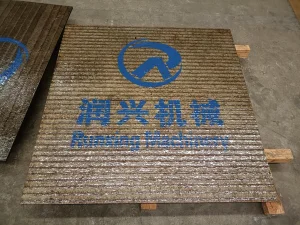
Runxing RX-m Series for Mining & Cement Chute Liner Manufacturers, engineered for extreme sliding abrasion protection.
Explore Specifications→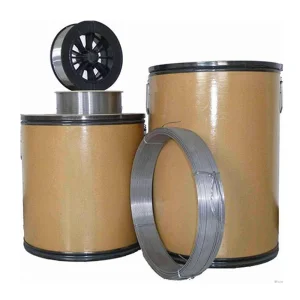
High-chromium alloy wires designed for surfacing repairs and manufacturing wear components with superior weldability.
Explore Specifications→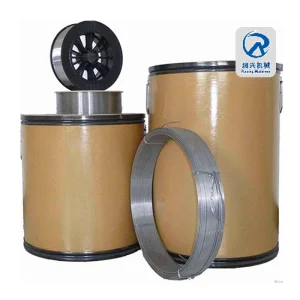
Self-shielding hardfacing wires offering low impact and high-stress grinding abrasion resistance without gas shields.
Explore Specifications→
Industry-leading overlay composite plates engineered using advanced automatic cladding systems for reliable bonding.
Explore Specifications→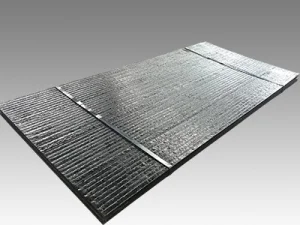
Multi-layer surfacing configurations delivering a perfect balance between structural strength and surface wear life.
Explore Specifications→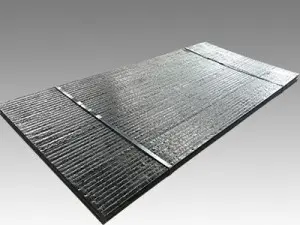
Structural steel backing combined with a hard weld surfacing corresponding to DIN 8555 standards for maximum durability.
Explore Specifications→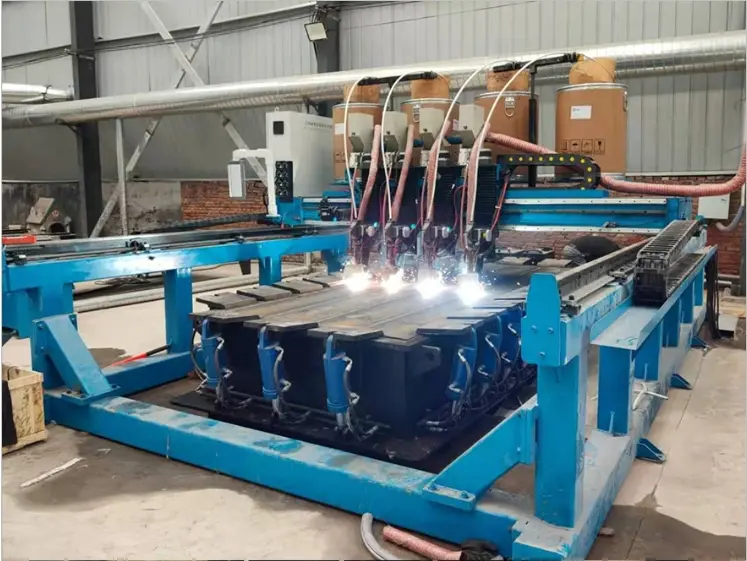
CNC numerical control system with quad welding guns supporting open-arc and submerged arc hardfacing routines.
Explore Specifications→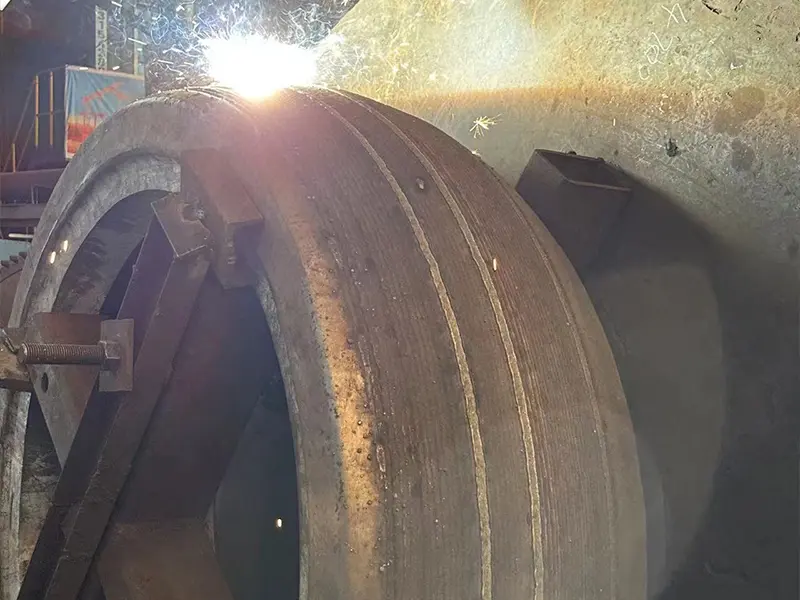
Complete refurbishing and surfacing solutions for vertical coal mills, cement roller presses, and continuous casting rolls.
Explore Specifications→In modern heavy manufacturing, metallurgical engineering, and material science, the demand for wear mitigation has reached critical thresholds. Heavy-duty industries such as mining, bulk material handling, cement production, and power generation lose billions of dollars annually due to abrasive wear, erosion, and structural fatigue. The solution lies in the deployment of weldable wear-resistant alloy configurations. Specifically, bimetallic plates featuring a mild or low-carbon steel backing plate for structural toughness and weldability, combined with a highly alloyed chromium carbide overlay (CCO) or stainless steel cladding for surface preservation.
Historically, engineers had to compromise between mechanical ductility and surface hardness. Fully hard martensitic or tool-grade steels exhibit severe susceptibility to crack propagation and are notoriously difficult to weld, cut, or form into complex structures like chutes, hoppers, and pipelines. By developing weldable bimetallic steel plates, global manufacturers can easily attach these high-end protection layers to existing structural frames using conventional welding techniques like MIG, TIG, or Shielded Metal Arc Welding (SMAW).
"According to metallurgical studies, the introduction of a dual-layered bimetallic steel plate reduces structural repair downtime by up to 65%, extending the service life of transport hoppers, cement chutes, and dust extractors by 4 to 8 times compared to conventional structural carbon steels."
Globally, the market for weldable stainless steels and hardfacing consumables is experiencing a structural shift. With raw material costs rising, corporate asset managers prioritize preventative maintenance and refurbishment over total component replacement. This economic reality has positioned wholesale weldable stainless steel and chromium carbide overlay plate manufacturers at the center of the industrial supply chain.
To appreciate the value of high-quality weldable composite plates, it is essential to analyze their microstructural properties. The overlay alloy, usually deposited onto a weldable structural backing (such as ASTM A36, Q235B, or Q345B carbon steel) using automated hardfacing systems, forms a eutectic mixture rich in primary M7C3 chromium carbides.
These primary carbides achieve a typical micro-hardness of 1500 to 2000 HV (Vickers), while the overall macro-hardness of the cladding is maintained at 58 to 62 HRC (Rockwell C). Under microscopic analysis, these needle-like chromium carbides align perpendicular to the wear surface. This alignment acts as a physical barrier against abrasive particles, absorbing the mechanical energy of high-stress grinding abrasion.
| Property Parameter | Standard Value / Spec Range | Metallurgical Significance |
|---|---|---|
| Chromium Carbon Ratio (Cr%) | 25% - 35% Cr, 4.0% - 5.5% C | Maximizes formation of M7C3 primary carbides |
| Matrix Microstructure | Austenitic/Martensitic Matrix | Supports and retains carbide needles under impact |
| Macro Hardness (HRC) | 58 - 62 HRC (Single or Multi-layer) | Optimized wear resistance against quartz and silica |
| Bond Strength (Cladding to Base) | Exceeds 250 MPa (Shear Test) | Prevents delamination during mechanical forming |
| Weldability of Backing | Excellent carbon equivalent (CE < 0.45) | Allows standard structural welding without preheating |
The weldability of the base plate ensures that these bimetallic sheets can be cold-formed, rolled, and welded directly onto structure walls. Welders can use common low-hydrogen electrodes or structural wire on the backing plate, and then use hardfacing consumables (like high-chromium flux-cored wires) to fill the seam on the wear side, creating a continuous, seamless shield against abrasive wear.
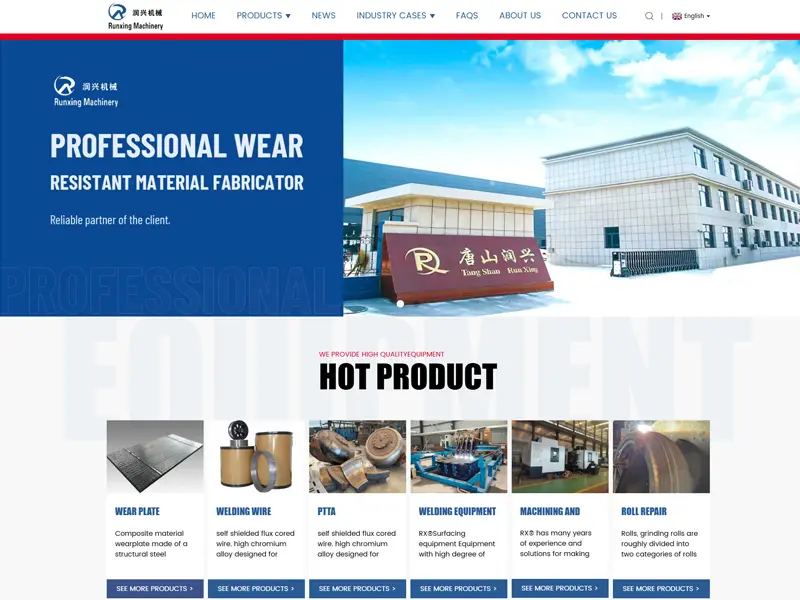
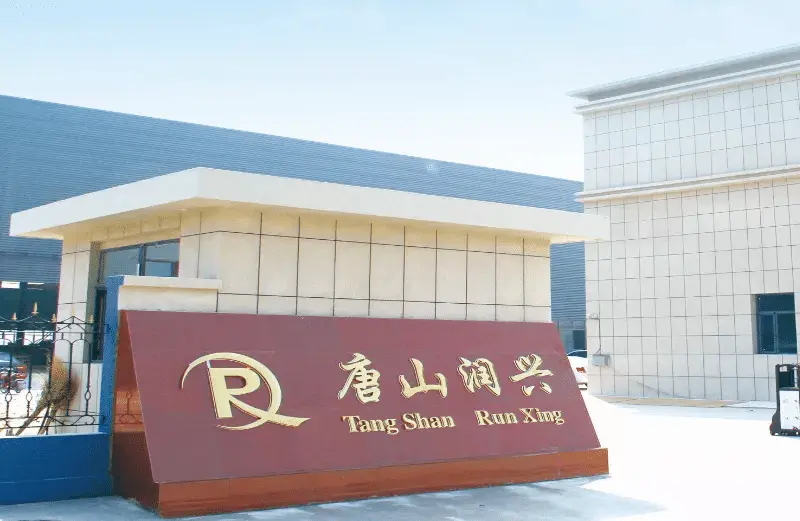
Tangshan Runxing Machinery Co., Ltd., founded in 2010, is a professional manufacturer located in Tangshan, Hebei Province, focusing on the research, development, production, and on-site construction service of hardfacing wear-resistant metal products. Runxing Machinery owns advanced metal surface hardfacing technology and operates under the business philosophy of "Integrity, Superior Quality, Innovation & Sustainable Development."
To guarantee a smooth, professional, and compliant transaction process for our international partners, all export business is fully authorized and handled by our specialized trade affiliate, Hebei Yuwan International Trade Co., Ltd. This strategic division allows Hebei Yuwan to manage customs clearance, shipping logistics, documentation, and payment collection, while the Tangshan Runxing factory focuses on product development, quality control, and manufacturing precision.
Runxing Machinery has established a strong presence in international markets, particularly in Russia and Central Asia, by delivering tailored solutions for the cement, steel, mining, port, and dredging industries. Our long-term technical partnerships include working as a qualified agent for Germany's prestigious VAUTID brand for six consecutive years, and collaborating with academic institutions like Tangshan University on metal materials and forming technology research.
As heavy industrial systems operate under increasingly severe conditions, the demand for next-generation wear materials is rising. Runxing Machinery is actively developing technologies to meet these challenges:
Different industries face distinct wear challenges. Runxing Machinery designs and supplies tailored wear solutions for various heavy sectors:
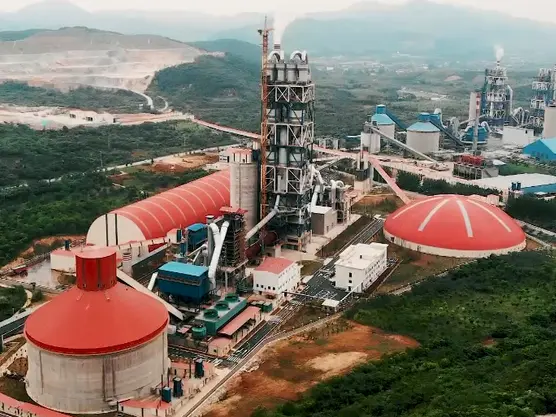
Ensuring critical equipment uptime in cement plants is key. High-temperature gas ducts, cyclones, separator guide vanes, and feed chutes benefit from CCO wear liners, preventing premature wear from raw material transport.
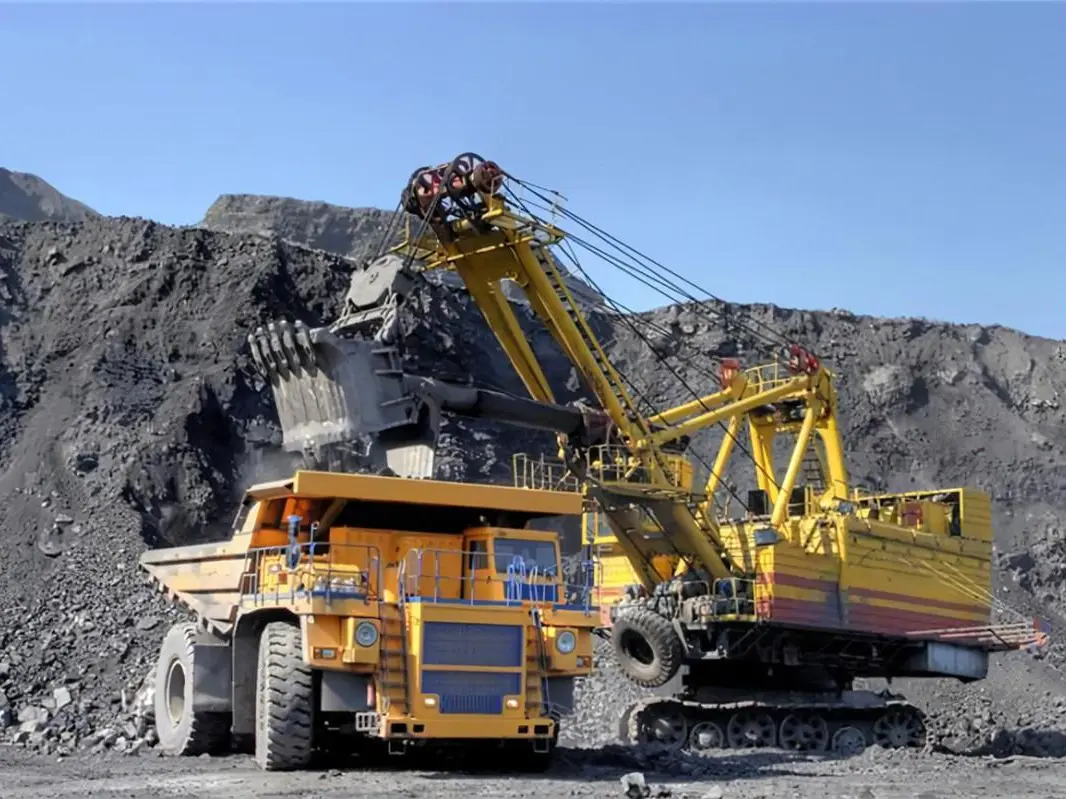
We supply mine operators with wear solutions for truck beds, shovel buckets, sizing screens, and hopper liners, helping to maintain high productivity and uptime when handling abrasive ores.
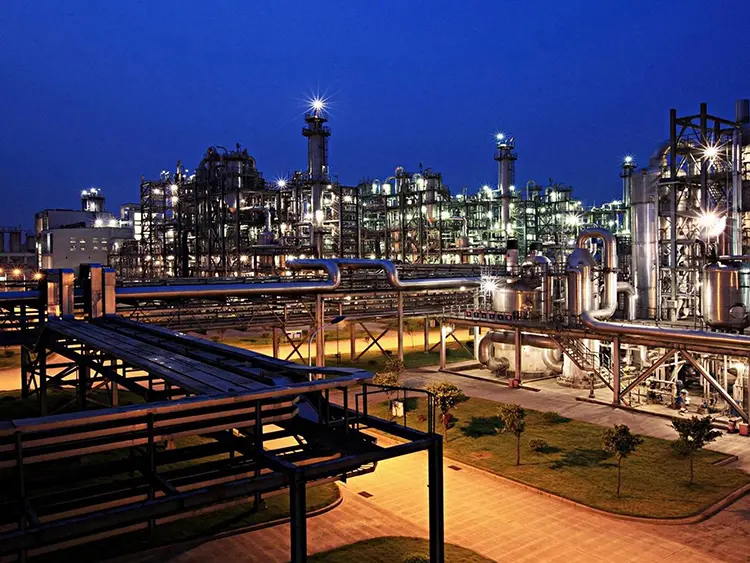
Steel mills operate under demanding conditions involving high temperatures and abrasive materials. Our wear-resistant plates protect coke chutes, sinter screens, blast furnace guide plates, and skip cars.
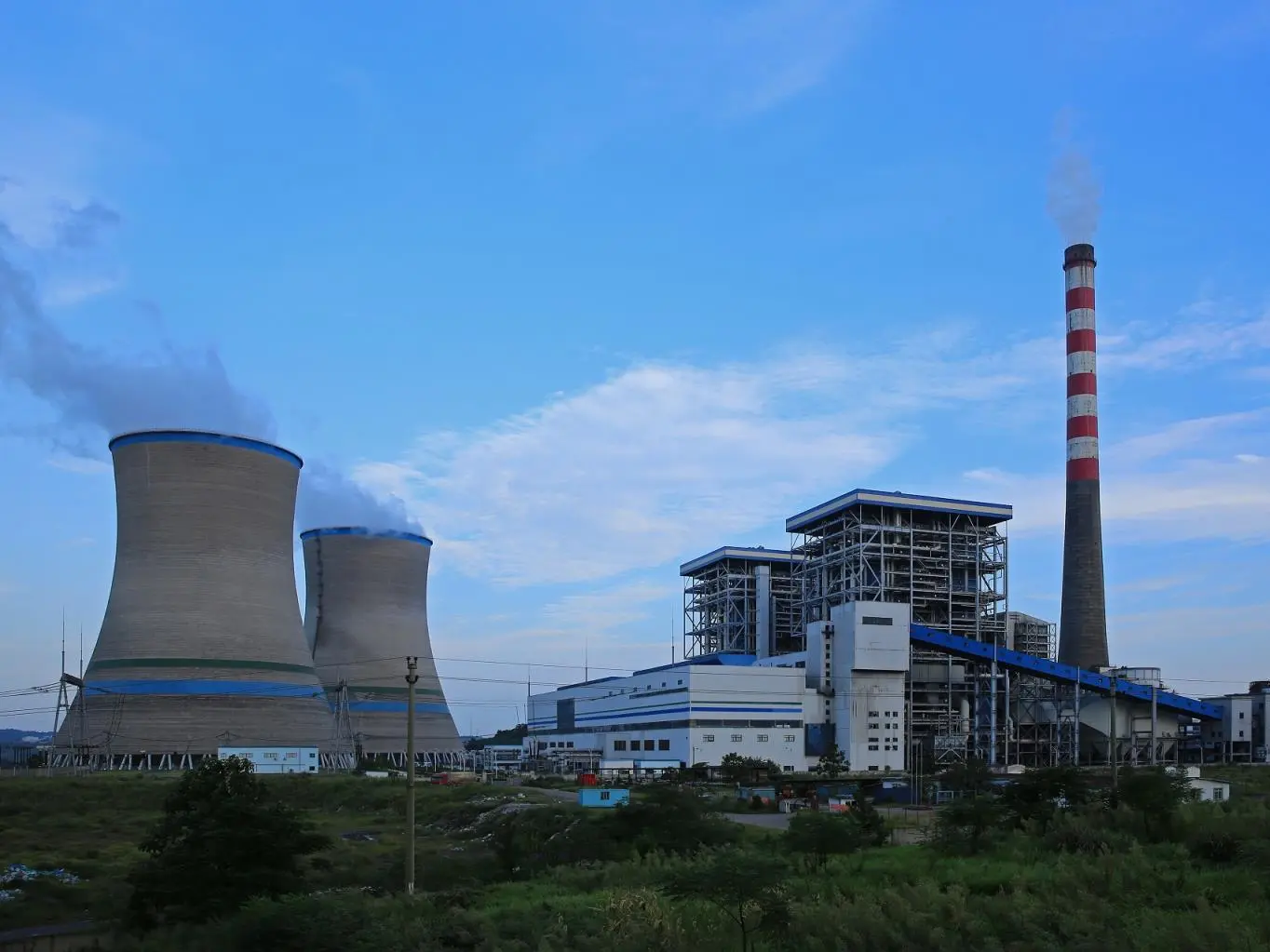
We provide wear protection solutions for coal pulverizers, exhauster fan blades, burner nozzles, and pulverized coal pipelines, protecting these components from high-velocity particle erosion.
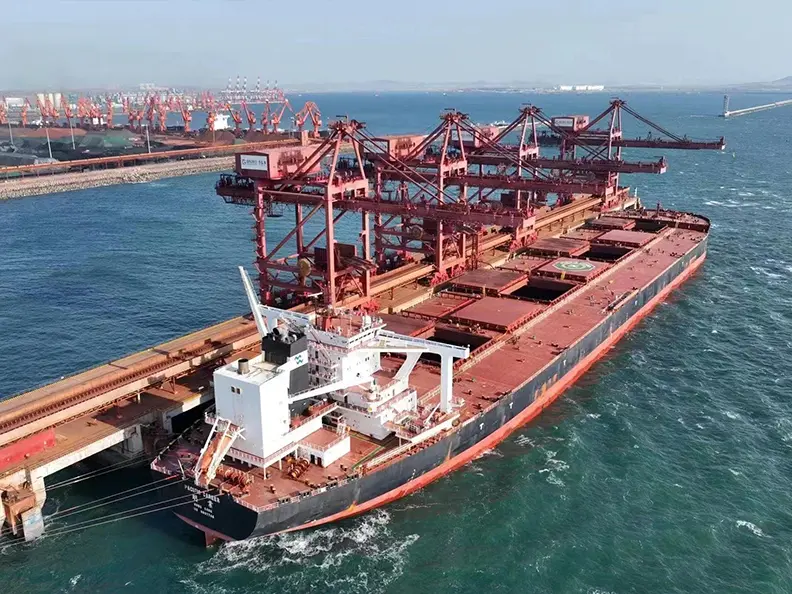
Ports process high volumes of bulk cargo. We supply wear liners and surfacing repairs for grab buckets, receiving hoppers, stacker-reclaimer chutes, and mechanical conveyor transition points.
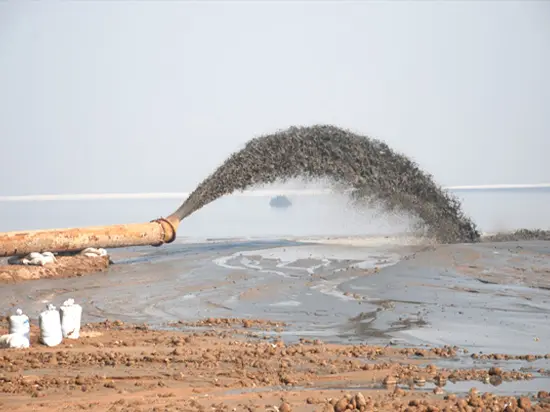
Where welding is not feasible or impact loads are low, we supply wear-resistant alumina ceramics, manufactured from high-purity ultrafine powder and sintered at high temperatures.
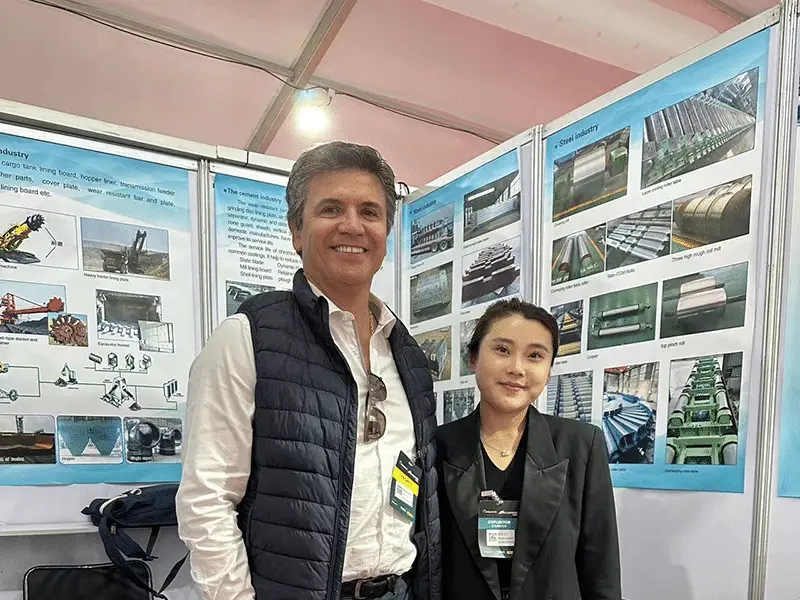
Runxing showcased wear-resistant solutions and hardfacing materials at the Johannesburg International Convention Center in South Africa.
Launched trial operations of our web platform (www.runxing-machinery.com) to streamline global industrial procurement.
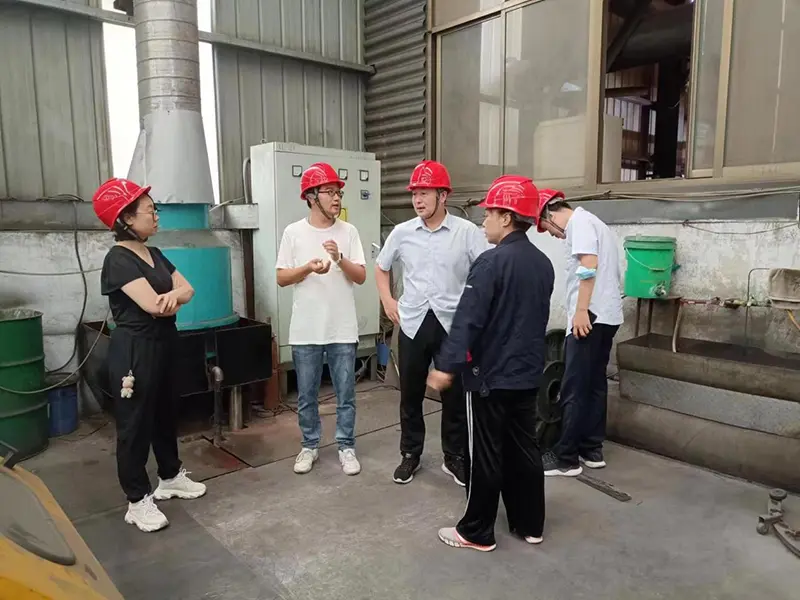
Tangshan University leadership and professors visited our production base for research on metal materials forming.
Participated in the world's second-largest professional mining exhibition, introducing our CCO plates to South American mining markets.
Runxing Machinery has maintained its status as a qualified partner for VAUTID Germany for six consecutive years.
Our CCO plates typically consist of a mild steel backing plate (e.g., Q235B or ASTM A36) layered with a high-chromium, high-carbon alloy. The wear layer deposit generally features a chemical composition of 4.0% to 5.5% Carbon (C) and 25% to 35% Chromium (Cr). This ratio promotes the formation of primary M7C3 carbides with a micro-hardness of 1500 to 2000 HV, supported by a tough austenitic matrix.
Yes. The structural backing plate provides ductile properties, allowing the composite plate to be rolled and formed. The hard overlay layer will display stress-relief cracks perpendicular to the welding bead, which are normal and do not affect the plate's performance. These cracks allow the plate to be rolled into cylinders or bent into shapes without delamination.
Since the backing plate is carbon steel, it can be welded to support structures using conventional processes, such as Gas Metal Arc Welding (GMAW/MIG), Shielded Metal Arc Welding (SMAW/Stick), or Flux Cored Arc Welding (FCAW). For the hardfacing side of the joint, we recommend using high-chromium flux-cored wires or matching hardfacing electrodes to maintain wear protection across the seam.
Tangshan Runxing Machinery Co., Ltd. focuses on research, development, and manufacturing of wear-resistant products. All international trade, customer support, export customs clearance, shipping arrangements, and payment collection are handled by Hebei Yuwan International Trade Co., Ltd., our authorized trade partner.
Runxing Machinery has been a qualified agent for VAUTID brand welding materials since 2019. This partnership allows us to use high-quality VAUTID materials in specialized wear-resistant products and share technical insights, ensuring our hardfacing solutions meet international standards.
Runxing RX-m Series for Mining & Cement Chute Liner Manufacturers, engineered for extreme sliding abrasion protection.
Explore Specifications→
High-chromium alloy wires designed for surfacing repairs and manufacturing wear components with superior weldability.
Explore Specifications→
Self-shielding hardfacing wires offering low impact and high-stress grinding abrasion resistance without gas shields.
Explore Specifications→
Industry-leading overlay composite plates engineered using advanced automatic cladding systems for reliable bonding.
Explore Specifications→
Multi-layer surfacing configurations delivering a perfect balance between structural strength and surface wear life.
Explore Specifications→
Structural steel backing combined with a hard weld surfacing corresponding to DIN 8555 standards for maximum durability.
Explore Specifications→
CNC numerical control system with quad welding guns supporting open-arc and submerged arc hardfacing routines.
Explore Specifications→
Complete refurbishing and surfacing solutions for vertical coal mills, cement roller presses, and continuous casting rolls.
Explore Specifications→



 Runxing machinery