Engineered for high stress, extreme abrasion, and structural resilience in heavy-duty industrial processing environments.
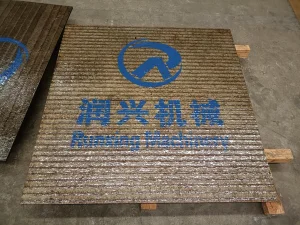
High-alloy wear plate designed to withstand severe sliding abrasion, utilizing optimal hypereutectic chromium carbide microstructures.
Explore Specifications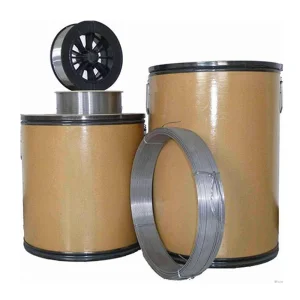
High-chromium alloyed flux-cored wire engineered to resist high-stress grinding abrasion with minimum impact cracking risks.
Explore Specifications
Engineered for mining and cement chute liners. Delivers unmatched resistance against heavy bulk material abrasive flows.
Explore Specifications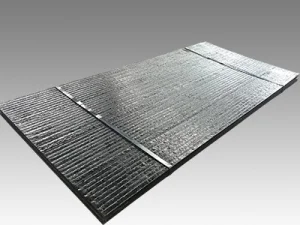
Structural mild steel backing combined with a dense, wear-resistant chromium carbide compound layer for high-impact zones.
Explore Specifications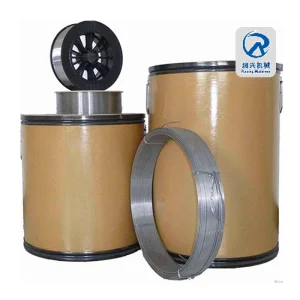
Optimized open-arc flux cored welding wires enabling high-deposition onsite repair and machinery cladding without gas shields.
Explore Specifications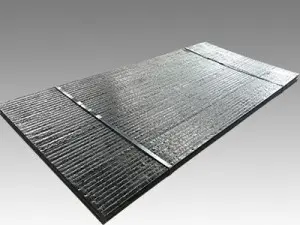
Composite wear plate made of structural steel backing and a hard weld surfacing corresponding to DIN 8555 standards.
Explore Specifications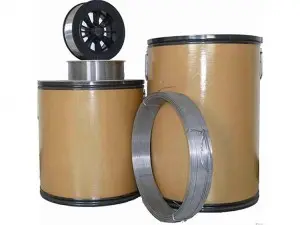
High chromium alloy specifically engineered to resist extreme industrial abrasive degradation while maintaining cost efficiency.
Explore Specifications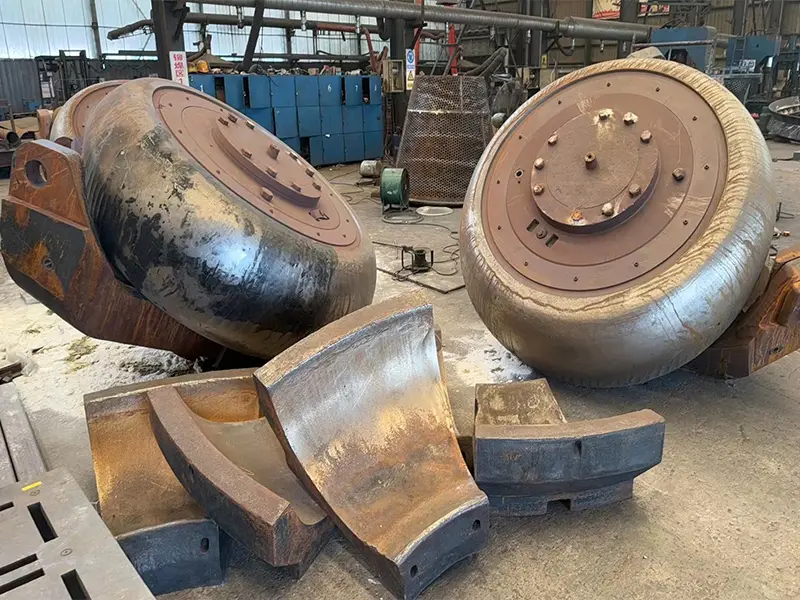
Proprietary hardfacing solutions featuring uniform chromium distribution, ideal for highly corrosive and warm conditions.
Explore SpecificationsIn the modern era of bulk material handling, mining extraction, cement production, and heavy metallurgy, the mechanical degradation of equipment through continuous dry and wet abrasion represents one of the largest capital and operational expenses (OPEX). Traditionally, quenched and tempered wear-resistant steels (such as classic AR400, AR500, or manganese steels) served as the default defense mechanism. However, as process throughput demands have risen, and low-grade ores dictate harsher processing environments, conventional steel plates have reached their physical limits.
This operational challenge drove the engineering development and worldwide deployment of Chromium Carbide Overlay (CCO) plates. Unlike homogenous quenched steels, a CCO plate is a composite material consisting of a highly weldable base steel backing plate (typically structural mild steel like Q235B or Q355) and an extremely hard, high-alloy weld overlay. The overlay layer is rich in primary M7C3 chromium carbides embedded in a tough, eutectic matrix. This hypereutectic microstructure provides unparalleled resistance to sliding wear, maintaining structural integrity under high stress.
Modern material science has allowed manufacturers to tailor these alloys further. By adding secondary carbides (such as Niobium, Boron, Tungsten, or Titanium), overlay wear plates can now survive operational temperatures exceeding 600°C while resisting chemical erosion and localized high-impact force. The global industry trend is transitioning towards specialized composite plates because their service life is often 5 to 15 times longer than that of traditional AR500 steel, drastically cutting system downtime.
Procurement teams at international mining consortiums, power companies, and global EPC contractors are shifting away from evaluating wear liners on a simple dollar-per-ton basis. Instead, modern supply chains assess materials through the framework of Total Cost of Ownership (TCO) and overall equipment effectiveness (OEE).
When a critical component like a hopper liner, coal chute, or blast furnace distributor failure occurs, the direct replacement cost of the metal is minor compared to the loss of production revenue. A single hour of unexpected shutdown in a major iron ore processing plant or coal-fired power station can result in losses exceeding tens of thousands of USD. By sourcing high-quality wholesale bimetallic chromium carbide surfacing wear-resistant composite plates, global enterprises reduce their maintenance intervals from monthly to annual outages, securing continuous operational throughput.
Geographical availability and manufacturing flexibility have also become critical sourcing vectors. Leading suppliers must not only offer standard 1475x3050mm or 1500x3000mm sheets but must also demonstrate custom OEM and ODM profiling capability. Precision plasma cutting, countersunk bolt-hole preparation, and pre-rolling (curving to specific radii) allow on-site engineers to install wear liners immediately upon delivery without requiring onsite machining or structural adjustment.
Established in 2010 in Tangshan, Hebei Province—the heartland of China's heavy steel and industrial metallurgy sectors—Tangshan Runxing Machinery Co., Ltd. is a leading specialist in the engineering design, metallurgical formulation, and mechanical manufacturing of advanced hardfacing wear solutions. Spanning over a decade of continuous technological innovation, we deliver a comprehensive suite of products: chromium carbide overlay (CCO) wear plates, complex processed wear liners, custom-fabricated wear-resistant pipes, flux-cored welding wires, and automatic hardfacing welding equipment.
We operate on the foundational business pillars of "Integrity, Superior Quality, Innovation & Sustainable Development". To ensure our global procurement partners experience seamless transactions, Hebei Yuwan International Trade Co., Ltd. is fully authorized to manage all aspects of export logistics, customs clearance, financial documentation, and international payments. This allows our core factory personnel to focus entirely on quality assurance, dimensional accuracy, and advanced metallurgical R&D.
A core testament to our technical reliability is our relationship with premium international brands: Runxing Machinery has proudly served as a qualified agent and integration partner for Germany's renowned VAUTID brand for six consecutive years.
By leveraging Factory 4.0 automation, Runxing has optimized its production processes to ensure supply chain resilience and manufacturing precision. Our manufacturing facility utilizes multi-gun automatic surfacing machines (up to 4 welding heads operating in parallel) controlled via advanced CNC systems with 10.2-inch intuitive touch-screen displays. This digital control guarantees a uniform swing speed, precise weld path spacing, and controlled thermal input.
Automation prevents excessive dilution of the chromium carbide alloy into the base steel substrate, preserving high carbide concentration right from the fusion line. This level of quality control ensures our products maintain structural integrity and wear resistance across their entire surface, preventing soft spots and premature failure.
A closer look at the advanced compositions, processes, and equipment that define high-performance wear plates.
Our core composite material, RX®wp 7600, complies with the rigorous requirements of the German standard DIN 8555. It features a structural carbon steel backing plate overlaid with a specialized high-alloy hardfacing compound. By employing open-arc or submerged-arc processes, the cladding layer achieves a high volume fraction of primary chromium-rich M7C3 carbides (with hardness levels typically exceeding 1500 HV).
The metallurgical matrix contains 25% to 40% chromium and 3.5% to 5.5% carbon, ensuring a dense network of hexagonal carbides. Under intense abrasive stress, these primary carbides act as the load-bearing phases, resisting cutting, scratching, and gouging forces, while the eutectic matrix absorbs impact energy and prevents premature cracking.
Beyond wear plates, Runxing manufactures the very machinery and consumables that drive industrial refurbishment:
RX® Surfacing Equipment: Designed with a small footprint, high energy efficiency, and a centralized control unit, our surfacing machines are equipped for standard, solid-core, flux-cored, and self-shielded wires. The CNC-guided four-gun system can operate independently or in unison, adjusting swing widths and deposition rates to suit plates, mill rollers, or large diameter pipes.
Self-Shielded Flux Cored Wires: Engineered for hardfacing applications under high-stress grinding conditions. These wires generate their own gas shield through the decomposition of core ingredients, allowing for high-efficiency field work, equipment repair, and on-site rebuilding of worn surfaces.
Real-world wear solutions deployed across demanding industrial processing lines.
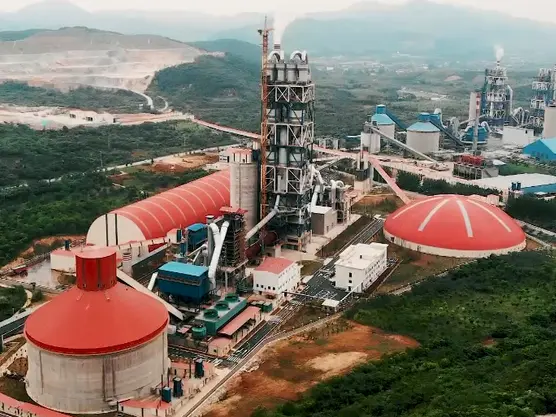
Protects critical equipment, including hopper chutes, vertical mill bodies, and clinker cyclones, from continuous abrasive particulate flows.
Case Study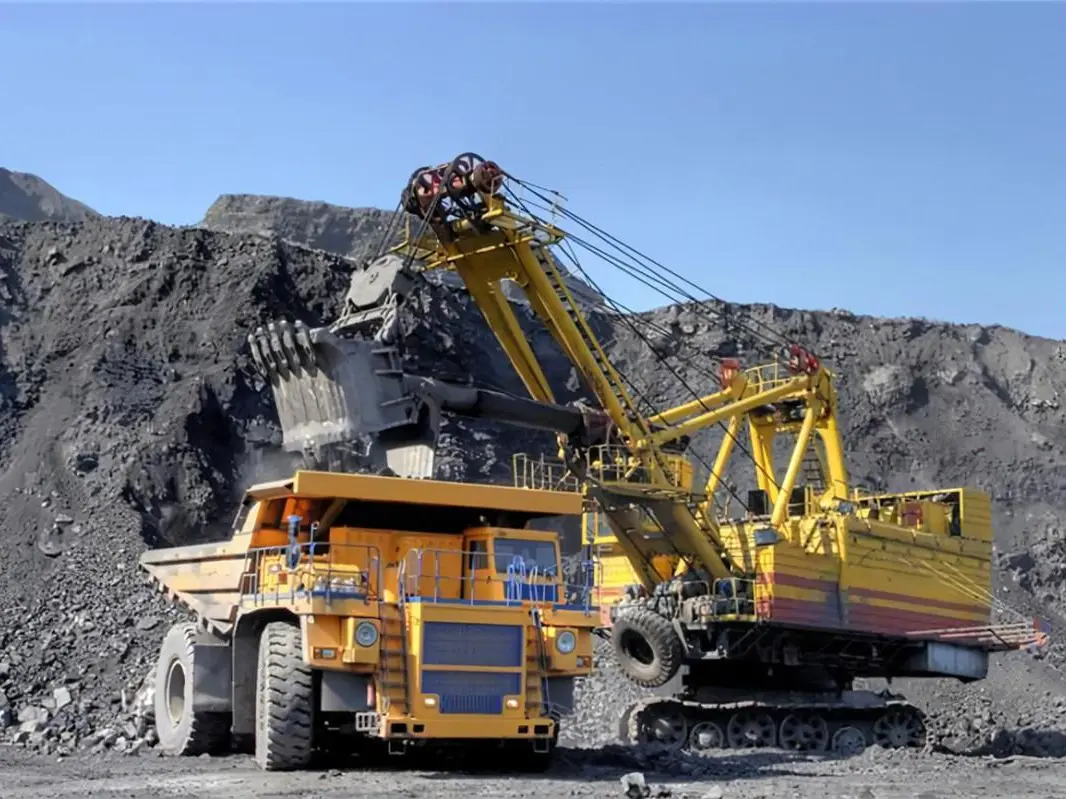
Engineered to handle abrasive ores, offering impact absorption and sliding wear protection in primary crushers, truck beds, and hopper liners.
Case Study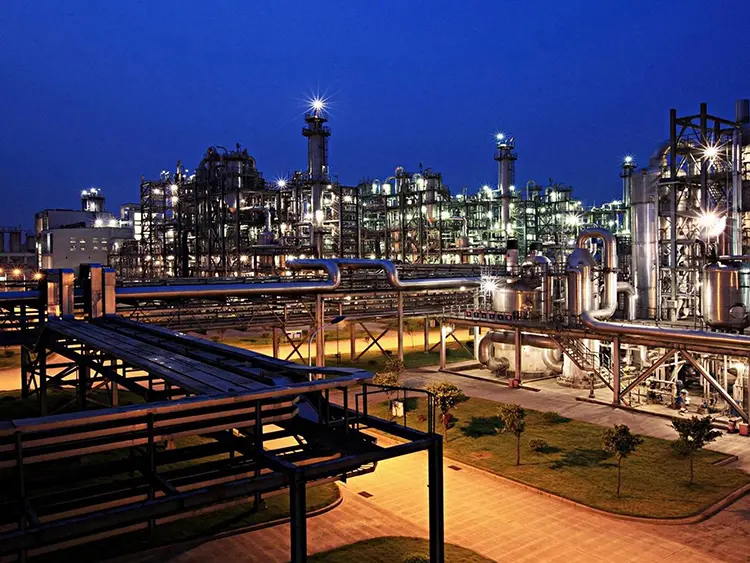
Withstands hot, corrosive, and abrasive environments, protecting sintering equipment, coke guides, blast furnace bells, and hopper gates.
Case Study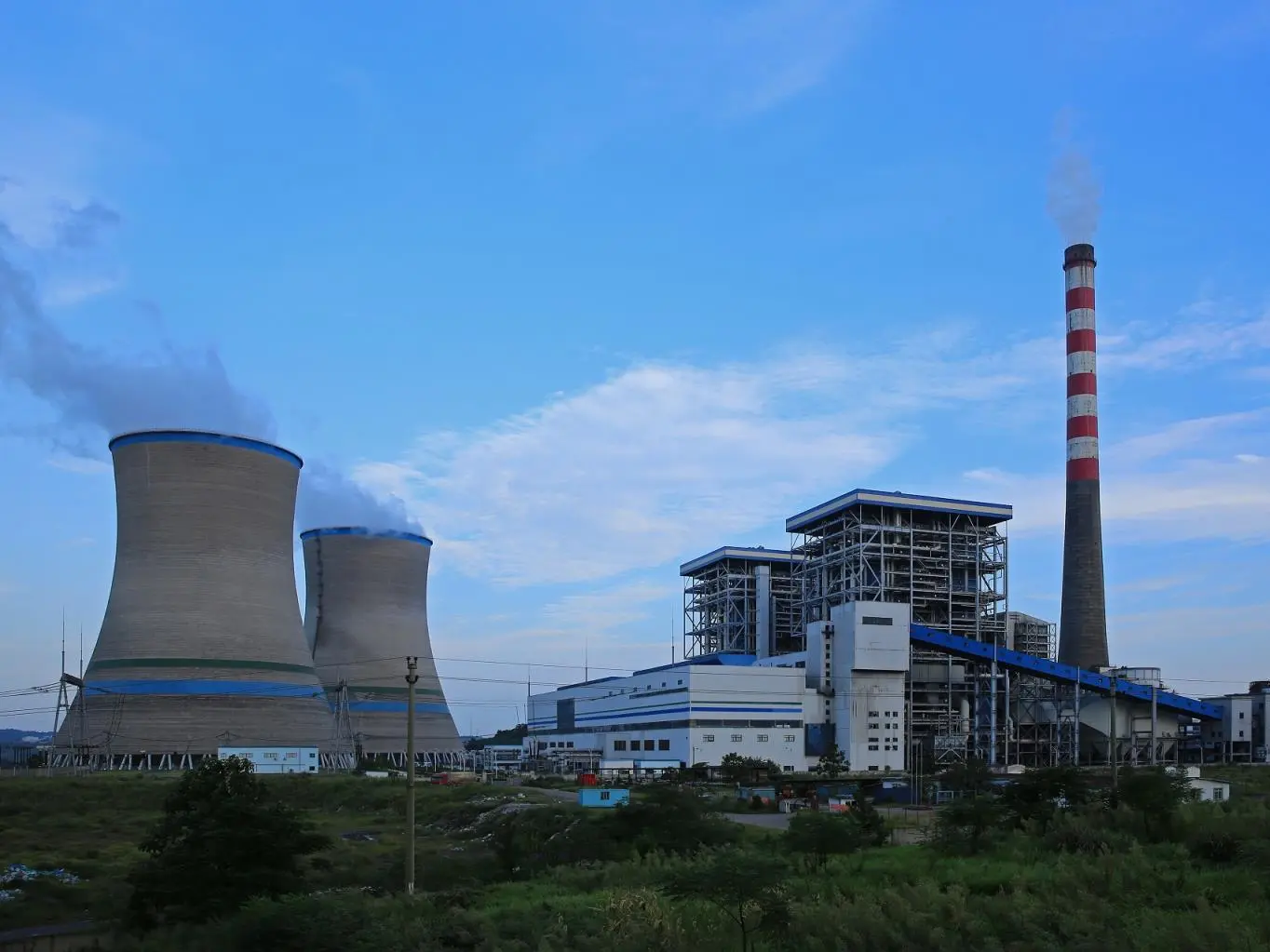
Protects fan blades, coal pulverizer chutes, dust collectors, and pneumatic coal pipelines from high-speed particle erosion.
Case Study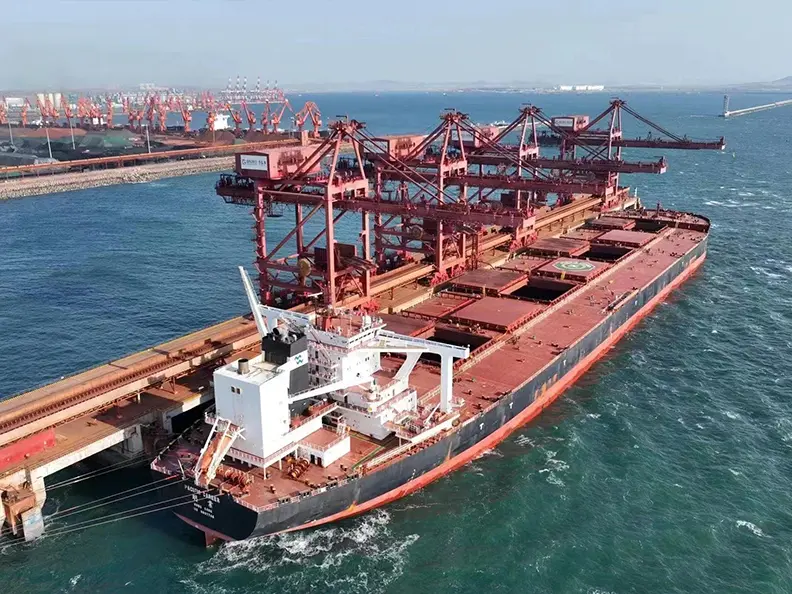
Protects ship loaders, bulk transport chutes, and grab buckets from wear during high-volume bulk material handling operations.
Case Study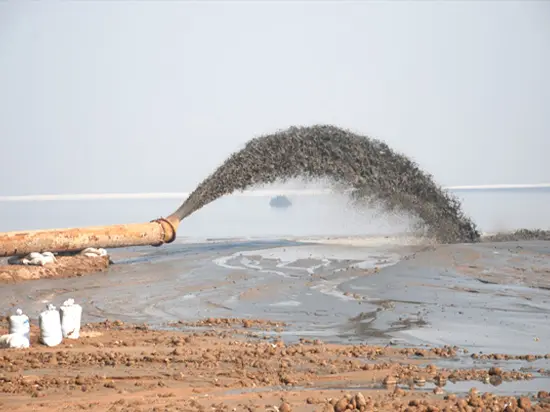
High-purity, sintered alumina ceramics designed for high-velocity particulate environments where metal overlays are not suitable.
Case Study
Custom cutting, bending, rolling, and stud-welding of overlay plates to fit precise OEM equipment drawings.
Case Study
Continuous field testing of complex multi-alloy formulations to withstand high temperatures and acidic sliding wear.
Case StudyDue to the high hardness of the chromium carbide overlay (58-62 HRC), machining CCO plates requires specialized techniques. Standard drilling, milling, or sawing tools are ineffective. Slicing, profiling, and shaping CCO panels must be performed using plasma arc cutting, laser beam cutting, or abrasive water jetting.
Our fabrication shop is fully equipped to handle these processes. When preparing liners for installation, we cut plates from the backing plate side to minimize contamination of the kerf. Bolt holes are created using plasma cutting or by welding mild steel inserts into the CCO plate before drilling. Mounting studs can also be welded to the steel backing, providing a clean wear surface free from exposed bolts.
Bending and rolling CCO plates requires careful consideration of the overlay material's characteristics. The overlay will develop fine, transverse relief cracks when bent. Sourcing CCO plates with high-quality, ductile backing steels allows panels to be cold-rolled to tight radii for chute linings, pipe sections, and hopper cones without compromising structural performance.
In cement plants, coal-fired power stations, and iron ore pelletizing facilities, vertical roller mills (VRM) are critical to overall plant throughput. The grinding rolls and table liners in these mills operate under extreme compression and abrasive wear, quickly losing their profile and reducing grinding efficiency.
Rather than purchasing costly replacement castings, operators can refurbish worn rollers and tables using specialized hardfacing alloys. Tangshan Runxing offers field-proven roller rebuilding services using automated welding systems and premium hardfacing wire.
By depositing a buffer layer to restore structural dimensions, followed by a high-alloy wear layer, our rebuilding service extends component service life, restores grinding efficiency, and reduces mill vibration levels.
Demonstrating technical leadership and global engagement in the wear protection sector.
We launched our digital platform to provide technical documentation, engineering drawings, and metallurgical specifications for global procurement teams.
Read More
Presented our bimetallic wear plate solutions at Johannesburg, establishing relationships with mining and construction operations across Africa.
Read More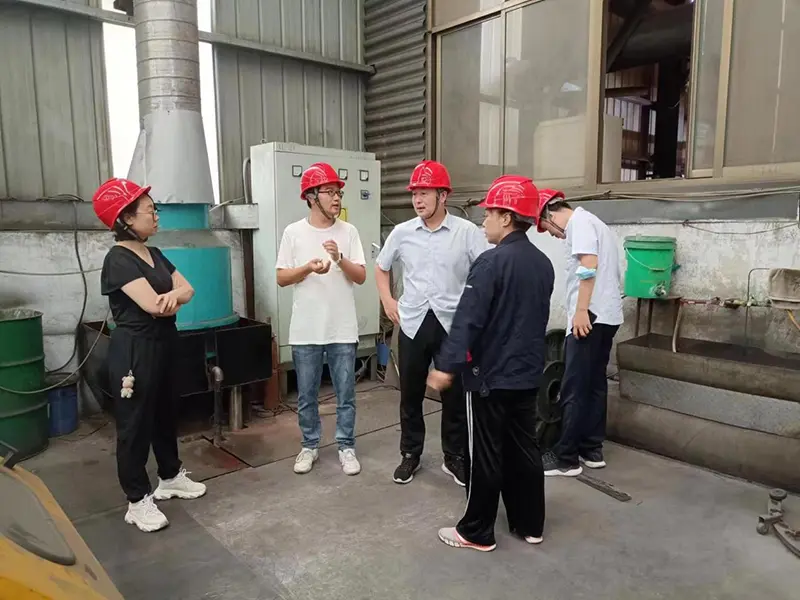
Partnered with Tangshan University's Metal Materials team to optimize alloy formulations for high-temperature wear applications.
Read More
Partnered with Germany's VAUTID to deliver high-performance chromium carbide surfacing solutions to the Chinese and Central Asian markets.
Read More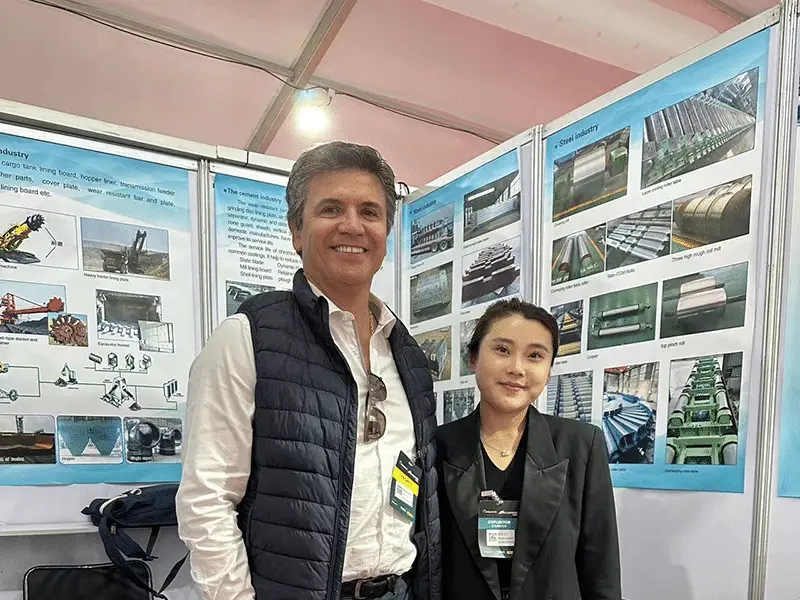
Exhibited at the Latin American mining show in Santiago, Chile, showcasing CCO wear panels designed for extreme copper ore processing.
Read MoreExpert answers to common engineering and procurement questions regarding Chromium Carbide Overlay (CCO) plates.
Our standard chromium carbide overlay (CCO) plates are hypereutectic alloys featuring a high concentration of primary M7C3 chromium carbides (typically 30-50% volume fraction) dispersed in a tough eutectic matrix. The chemistry generally contains 25% to 40% Chromium and 3.5% to 5.5% Carbon, yielding a surface hardness of 58 to 62 HRC (600 to 750 HV5). For high-impact or elevated-temperature environments, we can enrich the alloy with Niobium, Tungsten, or Titanium.
The hairline cracks visible on the surface of CCO plates are stress-relief cracks. These cracks occur naturally during the overlay solidification process as the cladding and substrate contract at different rates. They are perpendicular to the weld beads and do not penetrate the base steel plate. These relief cracks prevent the composite plate from warping during shipping, cutting, and rolling, and they do not compromise the plate's wear resistance.
Due to the hard carbide layer, CCO plates cannot be cut using traditional mechanical methods like saws or shears. They must be cut using plasma arc cutting, laser cutting, or water jet cutting, working from the backing plate side to ensure a clean cut. They can be installed via plug welding through pre-cut holes, by welding the structural backing directly to the equipment, or by using rear-mounted studs.
Yes, our bimetallic plates can be cold-rolled to fit curved surfaces, such as pipes, chutes, and hopper cones. We recommend rolling with the overlay on the inside (concave) or outside (convex). The minimum bending radius depends on the plate thickness. For example, a 6+4mm plate can be rolled to a minimum radius of approximately 300mm. Please contact our engineering team to review your drawings and requirements.
Our standard chromium carbide overlay plates maintain their hardness up to approximately 350°C (660°F). For higher temperature environments, such as cement clinker chutes or steel plant sinter screens, we offer high-temperature CCO plates alloyed with elements like Niobium and Molybdenum, which can operate up to 650°C (1200°F).
Sourced globally, manufactured to international standards, and designed for heavy industry applications.
Engineered for extreme sliding abrasion with a high-density, crack-resistant overlay structure.
Specifications
High-chromium alloyed flux-cored wire engineered to resist high-stress grinding abrasion with minimum impact cracking risks.
Specifications
Engineered for mining and cement chute liners. Delivers unmatched resistance against heavy bulk material abrasive flows.
Specifications
Structural mild steel backing combined with a dense, wear-resistant chromium carbide compound layer for high-impact zones.
Specifications
Optimized open-arc flux cored welding wires enabling high-deposition onsite repair and machinery cladding without gas shields.
Specifications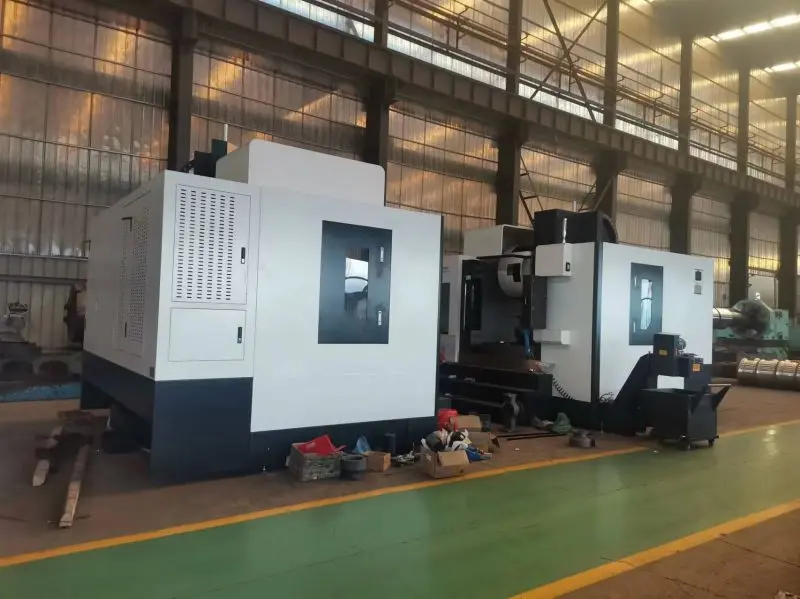
CNC plasma profiling, rolling, bending, and stud installation according to customer drawings.
Specifications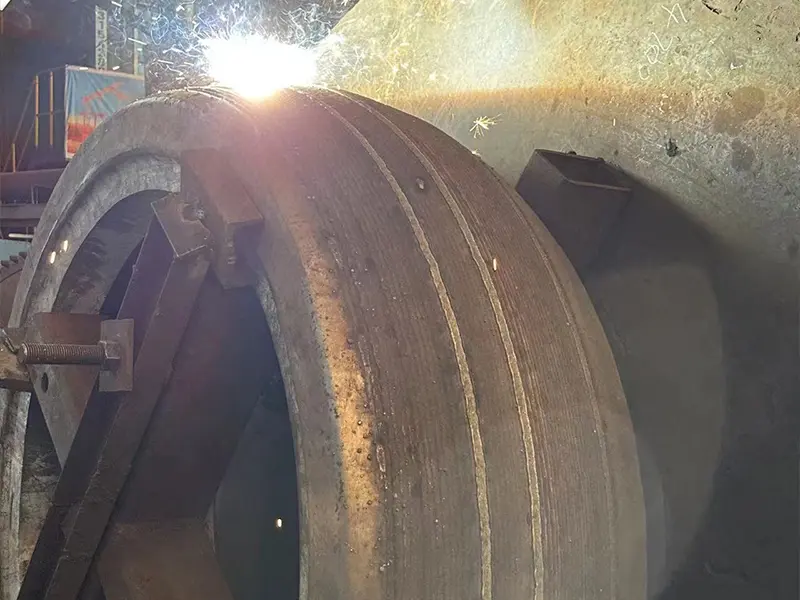
Rebuilding grinding rolls and table liners for coal mills, vertical mills, and roller presses.
Specifications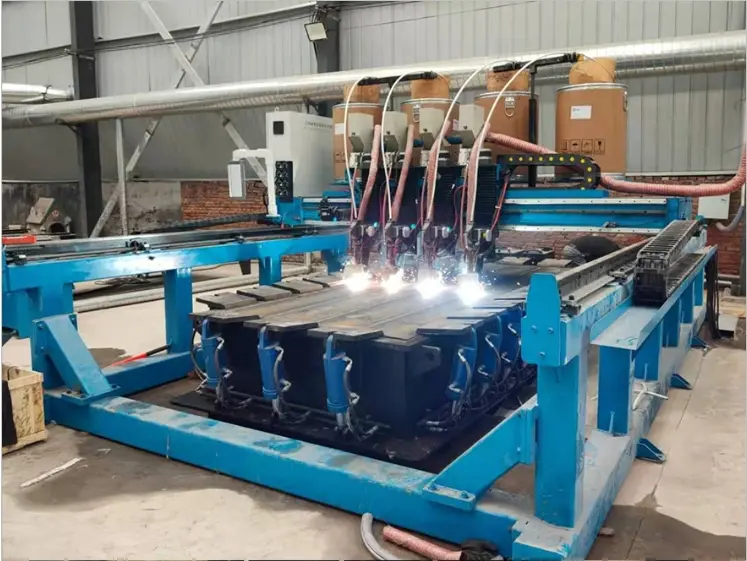
CNC multi-gun surfacing systems designed for cladding plates, grinding rollers, and pipes.
Specifications







 Runxing machinery