Premium wear plates, hardfacing flux-cored wires, and custom engineered overlay solutions designed to extend service life in high-stress abrasive environments.
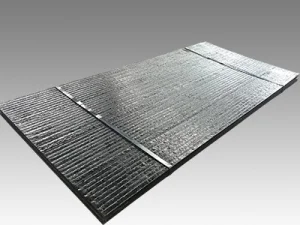
Premium high-carbon, high-chromium overlay steel plate designed for extreme grinding and high-stress abrasion resistance.
Get Specifications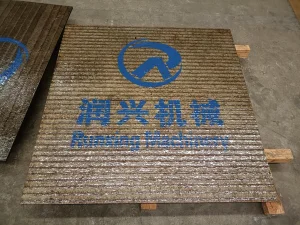
Runxing RX-m series engineered for mining, cement, and material transport chute liners with exceptional toughness.
Technical Details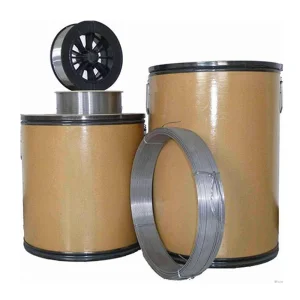
High chromium alloy wires optimized for open arc welding, minimizing base dilution and preserving deposit chemistry.
Request Catalog
Highly customizable overlay plates featuring a heavy fraction of primary chromium carbides for industrial chutes and hoppers.
Custom Sizing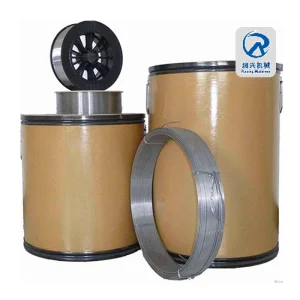
Excellent weldability, minimal spatter, and high deposition rate under tough onsite hardfacing environments without shielding gas.
Get Quote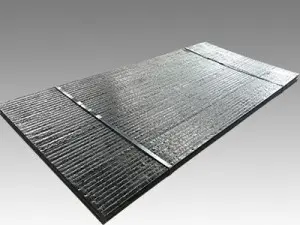
Structural steel backing overlay conforming to DIN 8555 standards, offering high toughness and supreme grinding resistance.
View Standard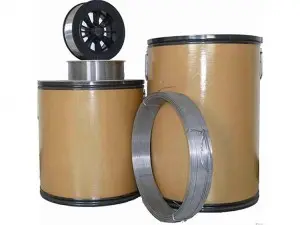
Self-shielded high-alloy wire engineered to resist heavy sliding abrasion with minimal impact sensitivity.
Compare Alloys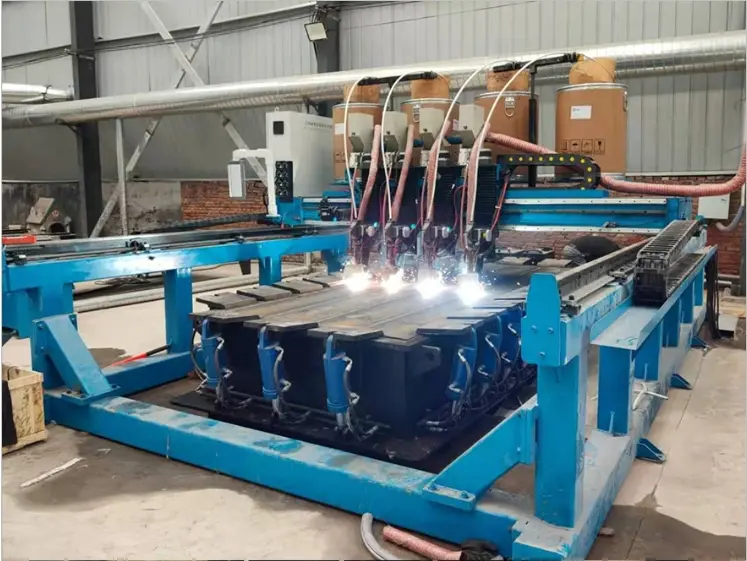
Four-gun simultaneous smart welding machines with 10.2-inch CNC touch screen for uniform, high-efficiency roll surfacing.
Surfacing MachineryIn modern industrial operations, material degradation via mechanical wear, sliding friction, high-velocity erosion, and thermal corrosion remains one of the largest operational cost drivers. Annually, premature equipment failure costs heavy industries such as mining, power generation, cement manufacturing, and steel fabrication billions of dollars globally. Historically, maintenance departments relied on sacrificial steel plates or frequent component replacement cycles to manage wear. However, the modern manufacturing paradigm has shifted toward engineered surfaces utilizing advanced cladding and laser surfacing technologies.
Industrial laser surfacing (including laser cladding and high-speed laser deposition) represents a pinnacle of surface engineering. Unlike traditional arc welding processes that generate substantial heat input, laser surfacing utilizes a highly focused, monochromatic laser source to melt a minuscule layer of base metal while introducing alloys in the form of powder or wire. This results in an extremely narrow Heat-Affected Zone (HAZ), exceptionally low base metal dilution (under 5%), and a dense, defect-free microstructure that cannot be achieved via standard manufacturing methodologies.
Globally, the market for wear protection solutions is rapidly consolidating around specialized manufacturers capable of delivering customized, metallurgically optimized components. From sub-zero Siberian mines requiring severe-impact toughness to the highly abrasive, dust-laden environments of cement plants in Central Asia, standard alloys fail to meet today's production requirements. The modern trend demands composite systems: a structural steel backing providing ductile resistance against mechanical shock, seamlessly bonded with a high-hardness carbide overlay to combat abrasive particulates.
In high-abrasion applications, the microstructural composition of the deposit determines its wear index. The two primary technical routes deployed by Runxing Machinery to resolve extreme wear are Chromium Carbide Overlay (CCO) and Plasma Transferred Arc Surfacing (PTTA). Understanding their metallurgical phases is crucial for selection:
| Technology / Alloy Type | Typical Bulk Hardness | Carbide Volume Fraction | Base Metal Dilution | Primary Application Fields |
|---|---|---|---|---|
| CCO Wear Plate (RX-wp 7600) | 58 - 62 HRC | > 35% (M7C3) | 10% - 15% | Cement hoppers, Mining chutes, Coke guide plates |
| PTTA Hardfacing (Specialty Alloys) | 60 - 65 HRC | > 45% (Complex Borides) | < 5% | Extrusion screws, High-temp gate valves |
| High-Chromium Self-Shielded Wire | 55 - 60 HRC | 25% - 30% | N/A (Depends on parameters) | Onsite roller repair, dragline lips |
| Wear-Resistant Alumina Ceramics | > 85 HRA | 95% Al2O3 | 0% (Bonded mechanically) | Pneumatic dust pipes, ash conveyors |
Operational optimization requires localized and sector-specific strategies. Below is a breakdown of our high-quality surfacing solutions customized for major heavy industries around the globe.
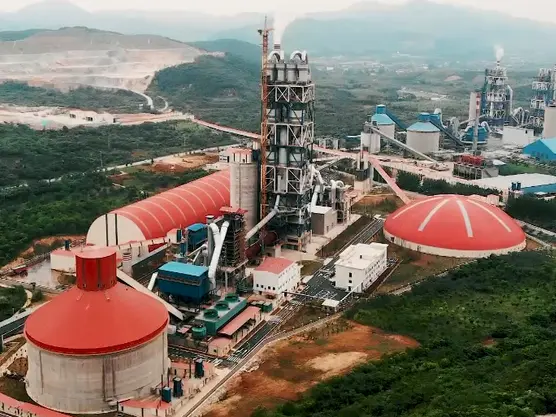
We supply chromium carbide overlay liner plates for raw material chutes, separator guide vanes, and vertical mill casing liners, keeping production running efficiently.
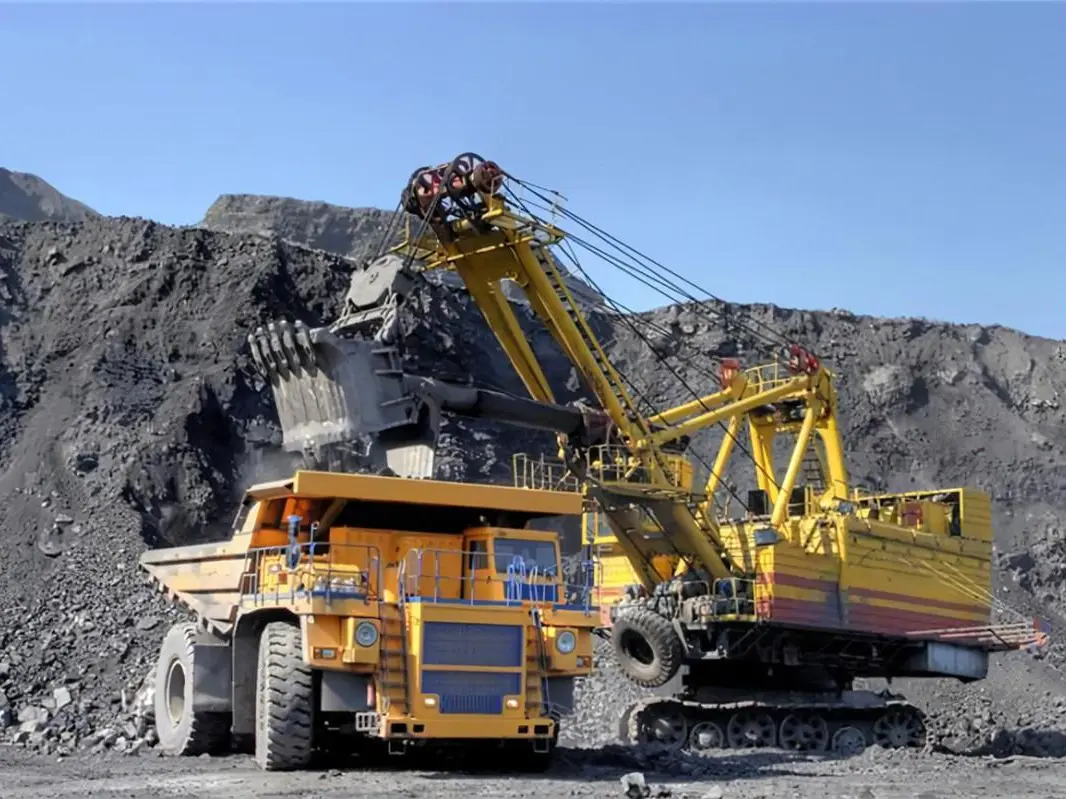
From dragline buckets to heavy haul truck beds, our bimetallic wear plates withstand severe impact and sliding rock abrasion in copper and iron ore mining.
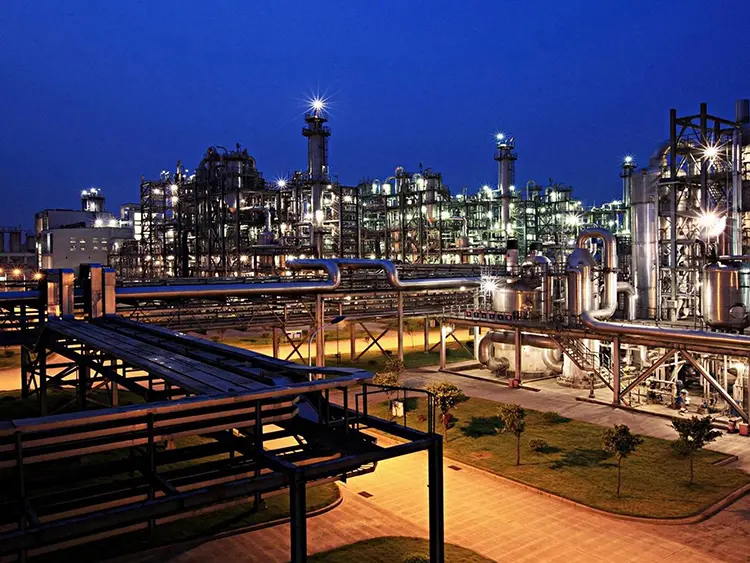
High-temperature wear resistance for blast furnace receiving hoppers, continuous caster rolls, coke guide plates, and sinter screen plates.
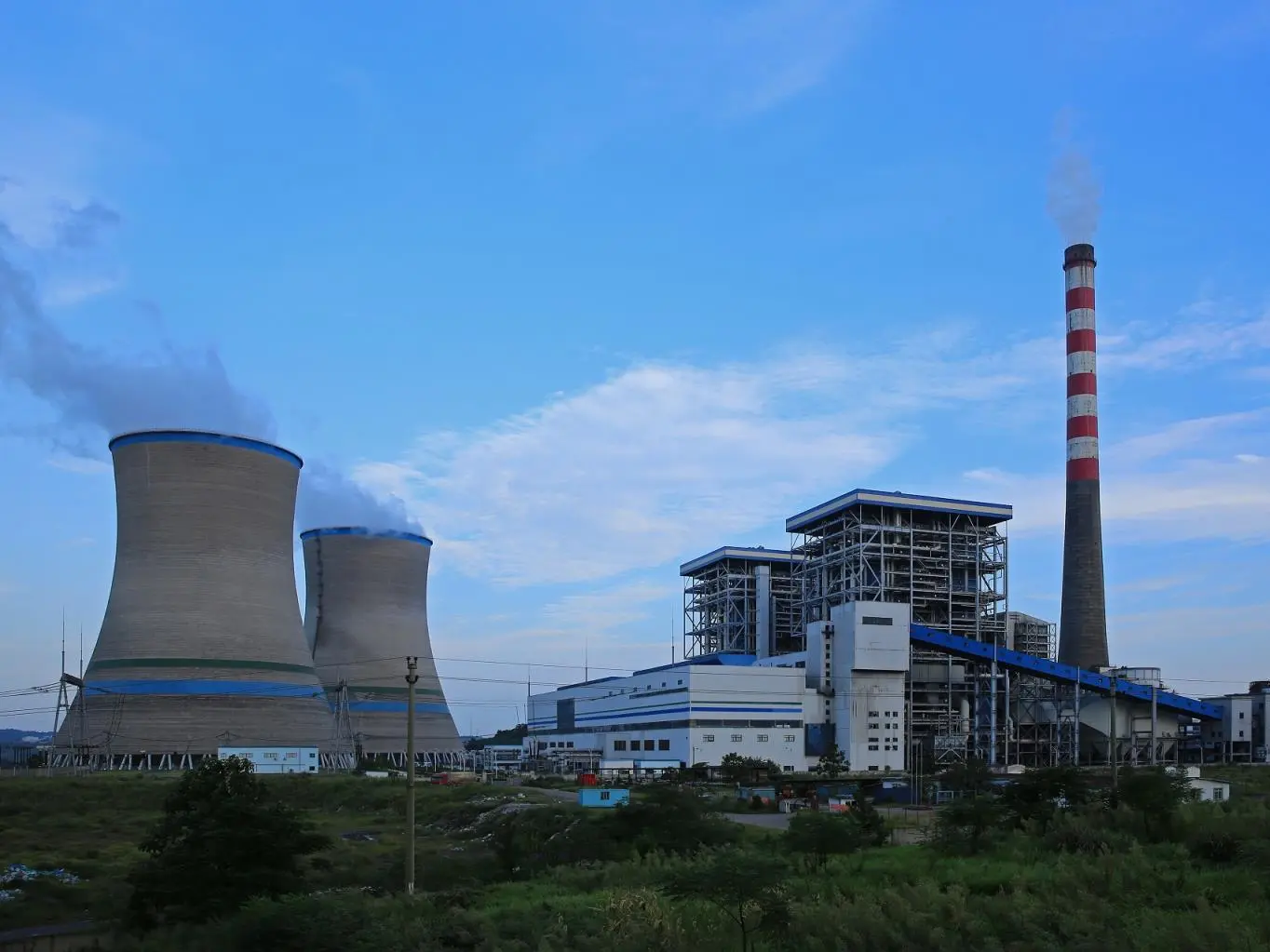
Hardfaced solutions for primary air fan blades, pulverizer grinding rolls, and coal-fired burner nozzles to prevent premature erosive failures.
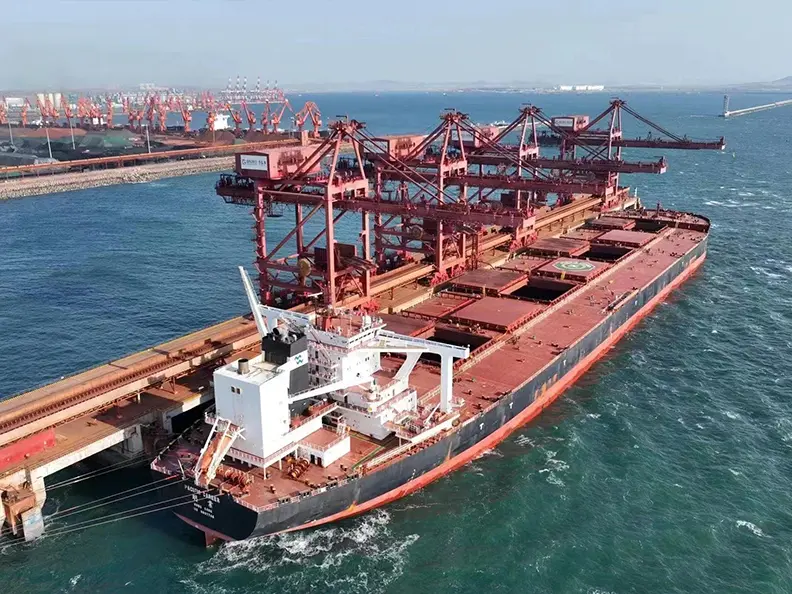
Heavy duty bimetallic liners for material conveyor transfer chutes, loader hoppers, and clamshell grab buckets handling bulk mineral cargo.
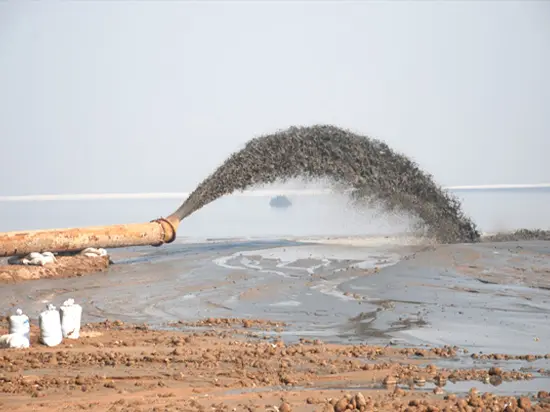
Where metallic overlays reach limits under severe high-velocity particle impingement, our high-purity alumina ceramics provide an alternative wear solution.

Ongoing metallurgical research yields newer formulations including complex alloy systems with titanium and niobium additives.

Developing laser-clad overlays optimized for thermal fatigue and corrosion-wear environments in chemical and maritime pipelines.
Industrial machinery operates under starkly different environmental conditions across geographic regions. The technical requirements of a copper mine in Kazakhstan diverge sharply from those of a marine port in South Africa. As a global supplier, Tangshan Runxing Machinery Co., Ltd. builds localized operational data to adapt alloy chemistry and design parameters accordingly:
To support this international footprint, all export logistics, trade compliance, customs clearances, and multi-modal freight operations are fully managed by Hebei Yuwan International Trade Co., Ltd. This strategic division of labor ensures our production facility in Tangshan focuses on manufacturing quality and schedule adherence, while clients receive smooth customs processing and rapid delivery to site.
Founded in 2010 in Tangshan, Hebei Province—the heart of China's heavy engineering industry—Tangshan Runxing Machinery Co., Ltd. has established itself as an authoritative leader in advanced wear technology. Our operation adheres strictly to the highest standards of professional expertise, experience, and authority (E-E-A-T):
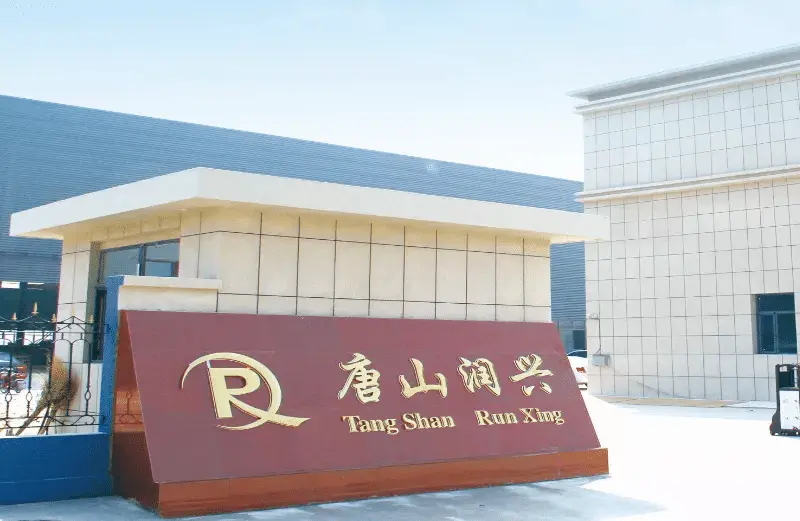
We provide comprehensive wear-resistant solutions for cement, steel, mining, port, and dredging industries globally. Operating from our manufacturing base in Tangshan, Hebei, we engineer specialized bimetallic plates, hardfacing flux-cored welding wires, and custom processed liners. All export business is fully authorized and handled by Hebei Yuwan International Trade Co., Ltd., assuring robust and compliant commercial shipping, customs, and payment processing for partners worldwide.
We actively engage with the global engineering and metallurgy community, showcasing our latest wear solutions at key trade exhibitions around the world.
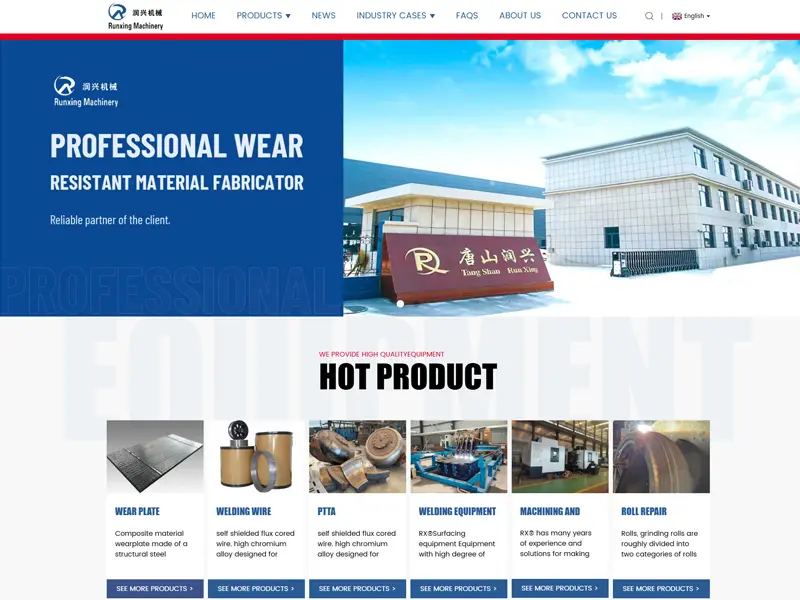
Our official platform www.runxing-machinery.com has entered operational phases, providing clients a streamlined portal for technical specification sourcing, custom fabrication design, and direct trade coordination.
Read Press Release >
From September 2 to 6, 2024, our team showcased advanced heavy industrial wear plate solutions at the Johannesburg Expo Centre, building strong relationships with mining operators across the African continent.
Exhibition Recap >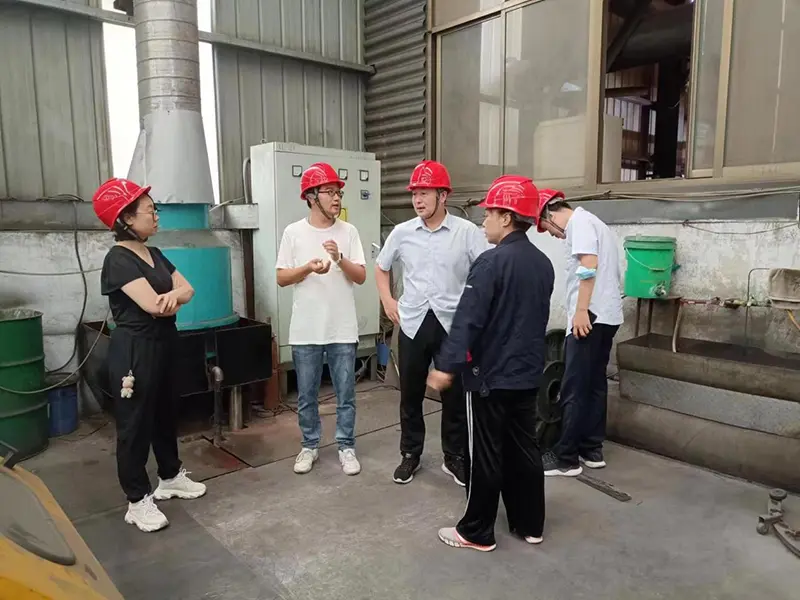
Dean Yuan Shaoqiang and Prof. Yang Yuehui inspected our production line to research automated hardfacing process parameters, further strengthening our school-enterprise scientific research integration.
R&D Initiatives >
Recognized for outstanding technical support and material consistency, Runxing continues its close alignment with VAUTID to deliver premium wear materials across global markets.
Partnership Details >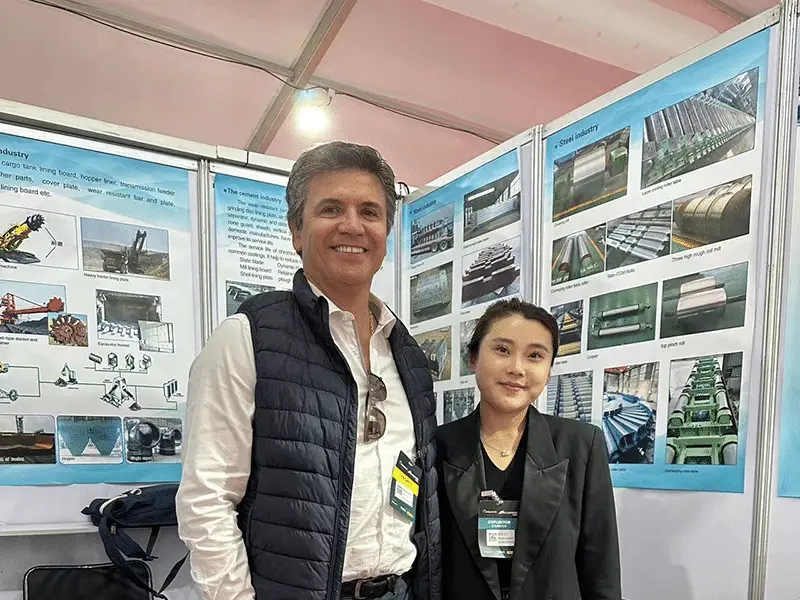
Expanding our footprint in South America's major mining corridors, we presented our hardfacing solutions for copper and lithium processing plants at Latin America's largest mining exhibition.
Exhibition Report >






Comprehensive engineering insights clarifying hardfacing metallurgy, selection parameters, and design practices.
Q&T steel plates (such as AR400 or AR500) rely on grain structure changes induced by rapid cooling to achieve high hardness throughout the steel thickness. Their performance degrades rapidly when exposed to high temperature, and they are susceptible to rapid wear under high pressure sliding abrasion. In contrast, CCO plates are composite materials. The base metal provides high structural ductility, while the overlay layer contains a large volume fraction of high-hardness M7C3 chromium carbides (up to 1500 HV) that act as microscopic wear barriers. Under severe abrasion, CCO plates provide up to 5-10 times the service life of standard Q&T steels.
The transverse check cracks visible on the surface of CCO plates are a natural, stress-relief phenomenon. During the deposition of the hard carbon-chromium alloy onto the steel backing, the high temperature difference creates thermal stress upon cooling. The formation of these fine cracks relieves internal tension, preventing the composite plate from warping, bending, or delaminating during fabrication. These relief cracks end at the fusion boundary and do not propagate into the backing steel, meaning they do not compromise the structural integrity or wear resistance of the plate.
VAUTID is a globally recognized pioneer in metallurgy and tribology. Our partnership ensures that we use high-grade, metallurgically optimized VAUTID flux-cored wires and powders for specialized applications. By using VAUTID's optimized formulations, we ensure uniform distribution of primary carbides, lower dilution rates, and consistent mechanical properties that meet European international standards, all while providing cost-competitive manufacturing from our state-of-the-art facility in Tangshan.
Yes. Bimetallic plates are highly workable. The soft structural carbon-steel backing allows these plates to be welded to existing frames using standard E7018 electrodes. They can also be rolled or formed into cylinders, cones, and U-shaped chutes. While rolling, the overlay can be positioned on either the inside or outside curve depending on the abrasion direction (rolling with overlay on the inside is preferred to keep the relief cracks closed; if rolled on the outside, minor crack widening occurs but can be repaired with touch-up hardfacing wires).
Manual hardfacing often results in uneven deposit thickness, high dilution with the base metal, and inconsistent heat input, leading to distortion and localized soft spots. Runxing's automated 4-gun CNC system manages weld bead overlap, current, voltage, and travel speed. This precise automation reduces base metal dilution to under 15% (preserving the hard carbon-chromium ratio) and ensures uniform thickness across the entire plate surface, delivering highly consistent wear performance.
Dilution refers to the mixing of the base metal into the deposited weld overlay. If dilution is high, the carbon and chromium content in the overlay is diluted by the carbon steel backing, reducing the volume fraction of primary carbides and lowering the wear resistance. We minimize dilution through precise controls: adjusting current and voltage parameters, maintaining optimal travel speed, and utilizing flux-cored wires designed for lower melting points to achieve high-quality wear overlays.
Explore our full range of wear solutions and manufacturing equipment. Contact us to customize plates, pipes, and alloys to your specific requirements.
Premium high-carbon, high-chromium overlay steel plate designed for extreme grinding and high-stress abrasion resistance.
Get Specifications
Runxing RX-m series engineered for mining, cement, and material transport chute liners with exceptional toughness.
Technical Details
High chromium alloy wires optimized for open arc welding, minimizing base dilution and preserving deposit chemistry.
Request Catalog
Highly customizable overlay plates featuring a heavy fraction of primary chromium carbides for industrial chutes and hoppers.
Custom Sizing
Excellent weldability, minimal spatter, and high deposition rate under tough onsite hardfacing environments without shielding gas.
Get Quote
Structural steel backing overlay conforming to DIN 8555 standards, offering high toughness and supreme grinding resistance.
View Standard
Self-shielded high-alloy wire engineered to resist heavy sliding abrasion with minimal impact sensitivity.
Compare Alloys
Four-gun simultaneous smart welding machines with 10.2-inch CNC touch screen for uniform, high-efficiency roll surfacing.
Surfacing Machinery Runxing machinery