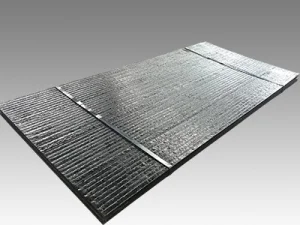
Premium bimetallic composite wear plate featuring a structural backing fused with hard surfacing alloys for intense wear conditions.
Technical Details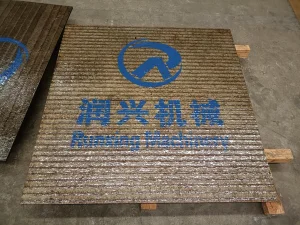
Engineered with micro-alloyed overlay layers for extreme abrasion and impact resistance, customized to client dimension specifications.
Technical Details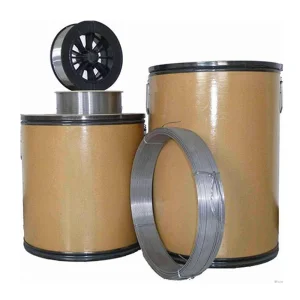
Industrial grade flux-cored wire options optimized for diverse surface cladding, offering superior deposition rates and arc stability.
Technical Details
Premium-hardness overlay solutions developed specifically for extreme mining chutes, cement mill systems, and raw material liners.
Technical Details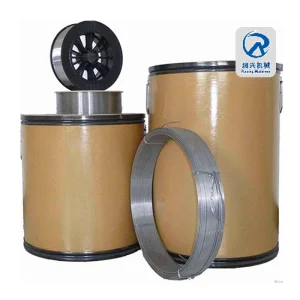
Optimized for open-arc structural applications. Features a built-in slag system that requires no external shielding gas configuration.
Technical Details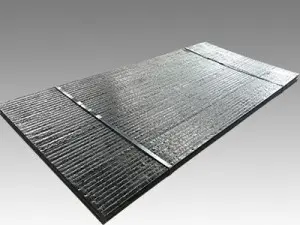
Composite wear plate containing structural steel backing fused with hard weld surfacing. Complies with DIN 8555 specifications.
Learn More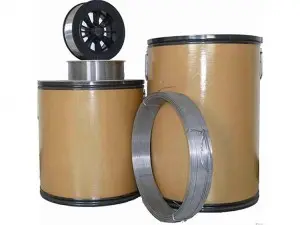
High-chromium alloyed wires formulated to resist high-stress grinding wear, delivering sustained performance under mild impact.
Learn More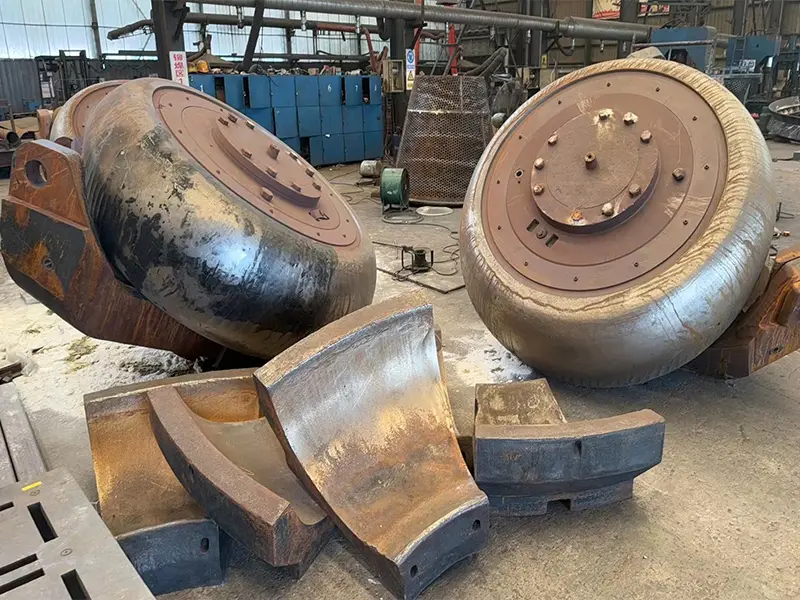
Advanced formulation design for heavy surfacing operations, enhancing machine wear cycles in extreme environmental conditions.
Learn MoreIn modern industrial settings, wear management has transitioned from a routine maintenance issue to a critical element of corporate financial performance. Heavy industries including steel manufacturing, cement processing, mining operations, power generation, and port logistics encounter severe tribological wear. The loss of metallic components due to abrasive, erosive, and impact mechanisms accounts for billions of dollars in annual capital expenditures. Consequently, procurement officers in these sectors prioritize raw-material longevity and system efficiency above simple transactional costs.
Developing standard global supply lines requires partnering with certified factories capable of producing consistent metallurgical profiles. Procurement managers seek manufacturers with strong quality control systems, raw material transparency, and scale. These suppliers must maintain reliable output rates to support planned outages, where downtime costs are measured by the hour. Furthermore, customized formulations that match the specific wear mechanisms of a given processing plant—such as low-stress grinding abrasion in cement classifiers versus heavy impact gouging in mining chutes—determine the service life of wear components.
Hardness Thresholds
Global Plant Deployment
Equipment Lifetime Extension
Intergranular Cracking Issues
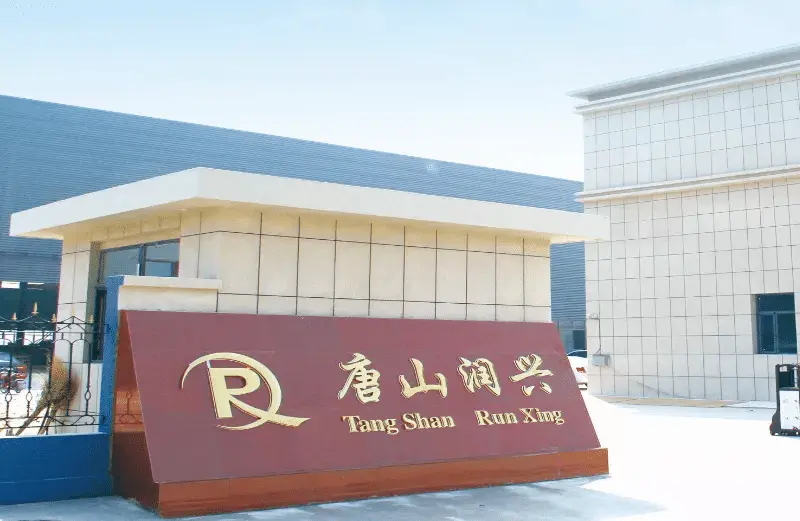
Founded in 2010 and located in the industrial hub of Tangshan, Hebei Province, Tangshan Runxing Machinery Co., Ltd. is a manufacturer specializing in the research, development, manufacture, and on-site application of hardfacing wear-resistant metal products. The factory utilizes advanced surface hardfacing technologies to manufacture Chromium Carbide Overlay (CCO) wear plates, customized wear liners, wear-resistant pipe configurations, and hardfacing flux-cored welding wires. The company operates under a business philosophy of "Integrity, Superior Quality, Innovation & Sustainable Development."
All export initiatives are managed and executed through Hebei Yuwan International Trade Co., Ltd. This dedicated trading partnership handles customs clearance, global shipping logistics, documentation, and international transaction processing, allowing the production facility to focus on metallurgy, quality control, and schedule compliance.
Over the years, Runxing Machinery has built a strong market presence throughout Russia, Central Asia, and other international markets, providing wear control strategies for heavy industries. The company's engineering team works directly with field operators to custom-design profiles that optimize system runtimes.
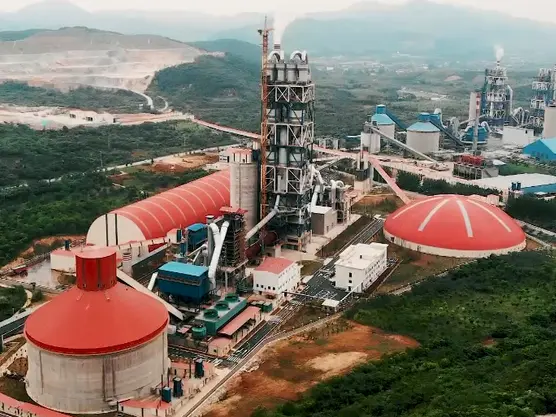 Cement & Clinker
Operating critical equipment under heavy mineral dust requires durable wear resistance. Our CCO wear plates and surfacing wires protect separator blades, raw meal chute systems, conveyor pipelines, and VRM (Vertical Roller Mill) components, keeping equipment running through demanding campaigns.
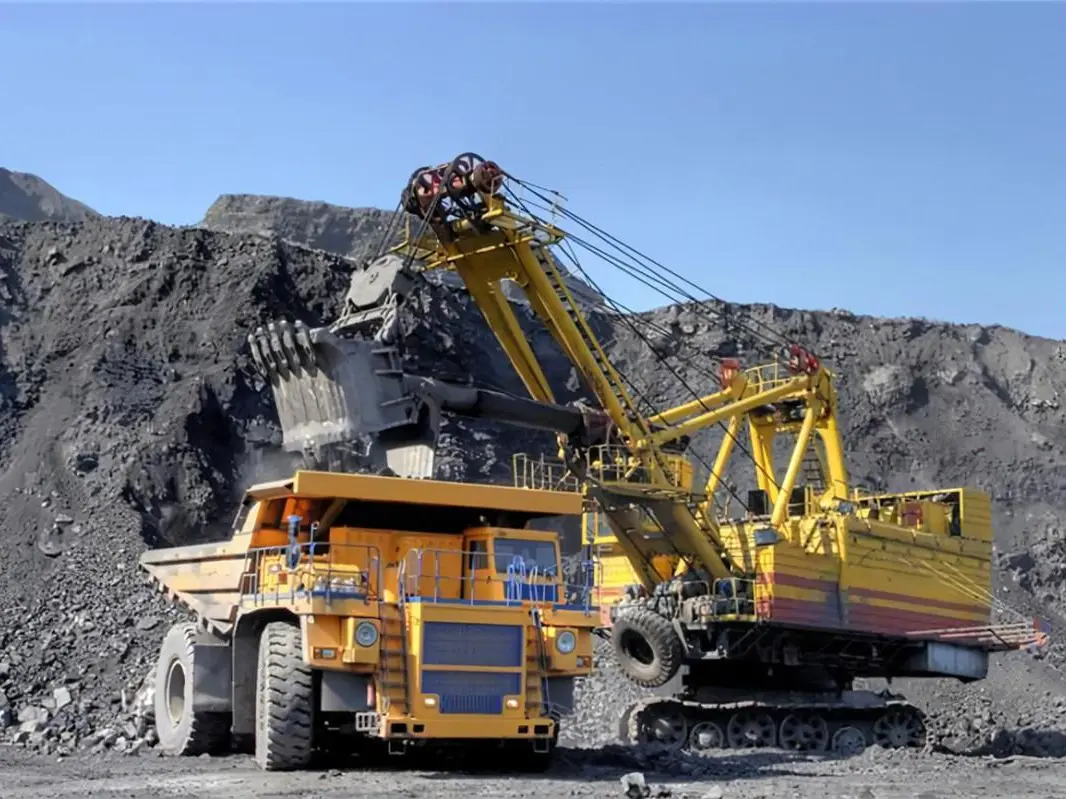 Mining & Extraction
Heavy mining equipment faces high-stress grinding abrasion and severe impacts. We supply specialized wear linings for loader buckets, dragline excavators, dump truck beds, hopper structures, and primary sizing crushers, helping operations maintain uptime and lower total cost of ownership (TCO).
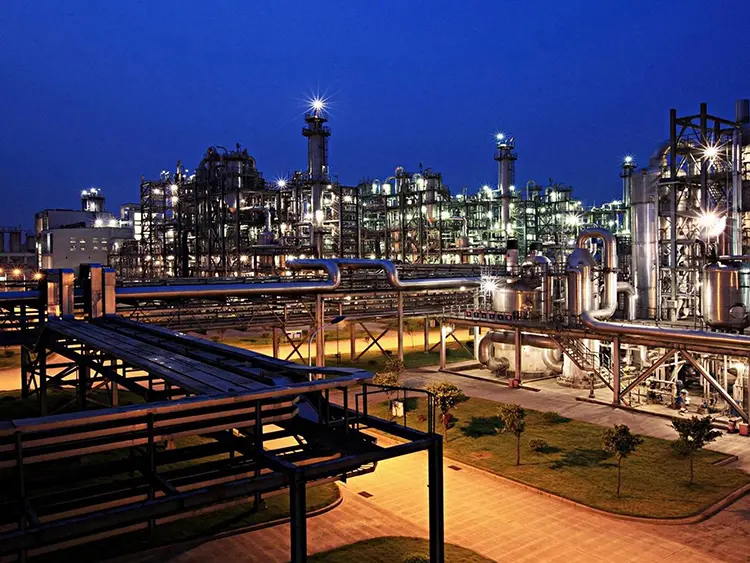 Steel Metallurgy
Processing iron ore, coke, and slag involves a combination of high heat, corrosion, and severe wear. Runxing's hardfaced solutions are designed for blast furnace bell assemblies, distributing scrapers, sinter screens, coke guides, and transfer bins, extending service life in hot operating zones.
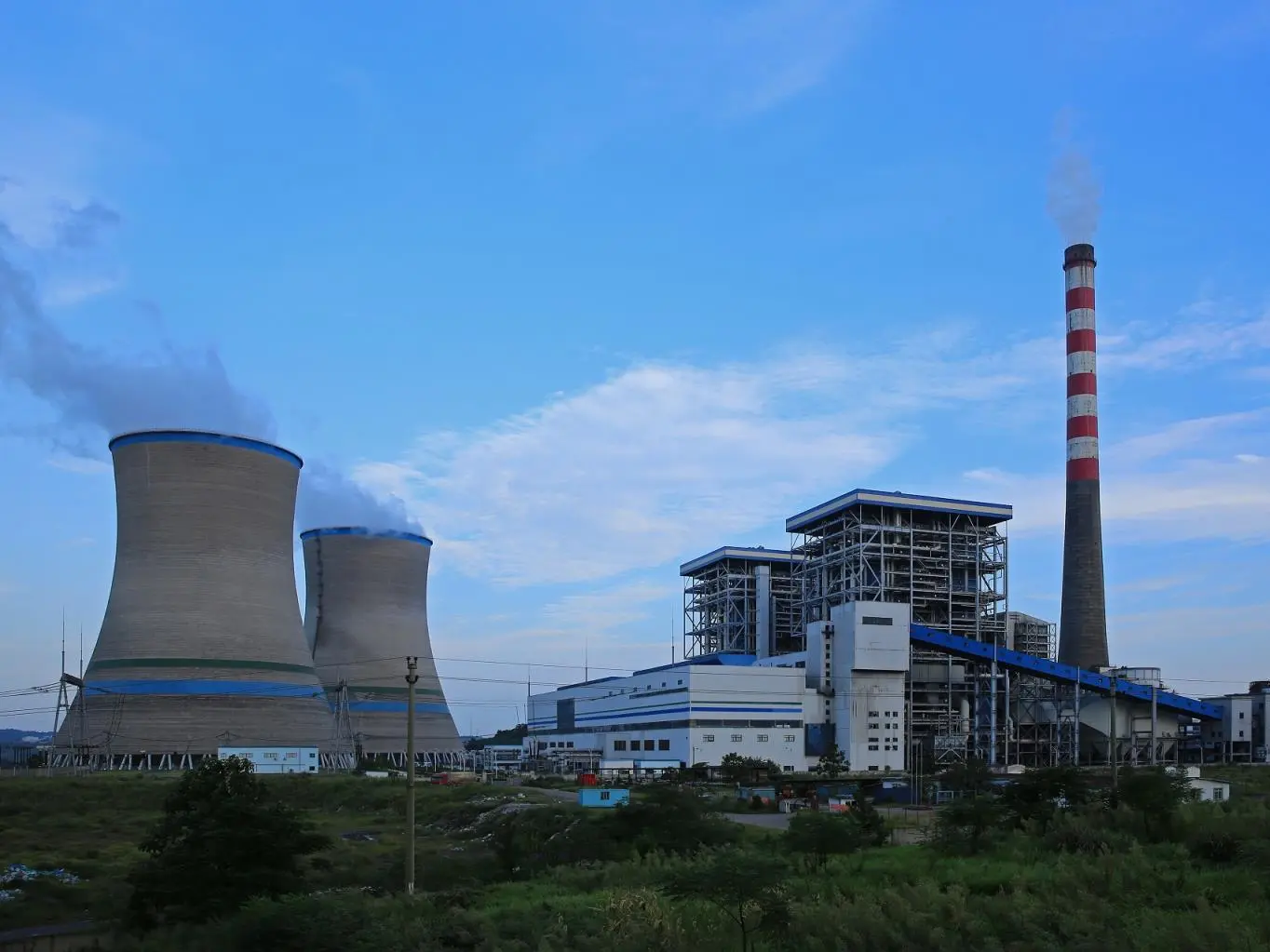 Thermal Power Generation
Pulverized coal transport causes severe erosion on system boundaries. Our wear-resistant piping bends, draft fan blades, separator assemblies, and hopper panels resist erosion from high-velocity particles, reducing unplanned shut-downs.
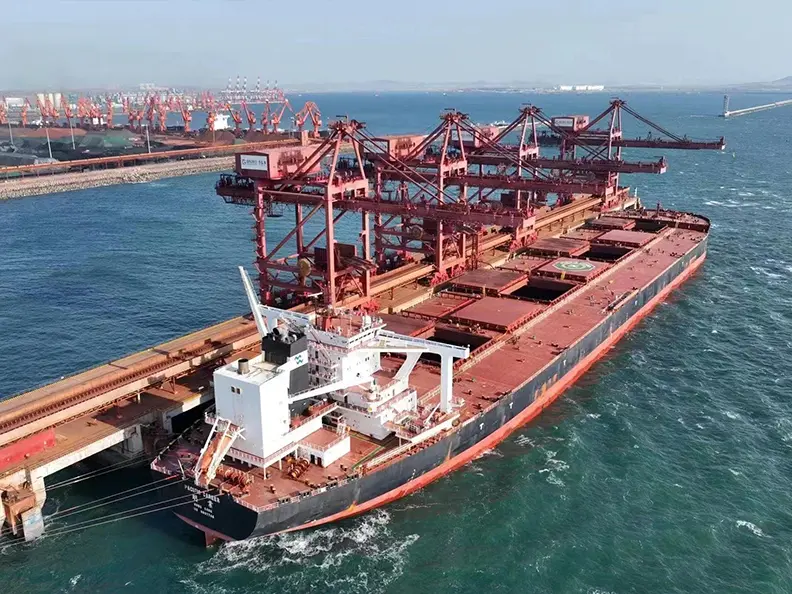 Bulk Terminal Logistics
High-volume bulk handling terminals experience continuous friction during unloading and conveying. Applying hardfacing materials to ship-unloader grabs, chute transition boxes, and conveyor discharge points helps maintain material flow and reduce equipment wear.
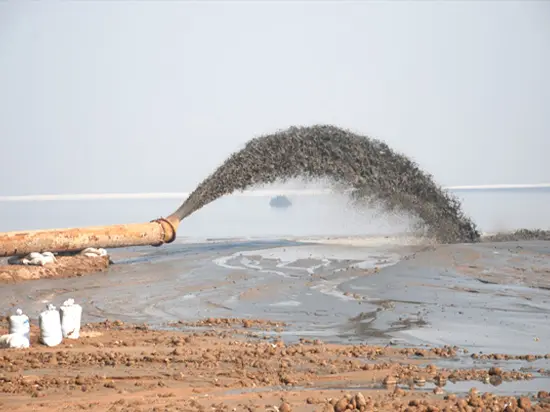 Advanced Ceramics
In high-abrasion zones with minimal impact, we integrate wear-resistant alumina ceramic elements. Sintered from high-purity microfine alumina powder, these tiles are bonded directly to equipment housings to provide an alternative wear solution.
Hardfacing with flux-cored wires is defined by the crystallization of hard carbides within a supportive metal matrix. The chemical composition of the core fill determines the microstructural properties of the overlay weld. Traditional formulations rely on chromium carbides ($Cr_7C_3$) within an iron matrix. However, next-generation metallurgical designs incorporate complex multi-carbide systems, combining elements like niobium (Nb), titanium (Ti), tungsten (W), and boron (B).
During the solidifying phase, primary chromium carbides ($Cr_7C_3$) crystallize first as hexagonal needles. The size and orientation of these carbides determine the material's wear resistance. In high-quality CCO plates, these carbides must grow perpendicular to the wear surface. The supporting matrix—typically austenitic or martensitic—retains toughness, preventing the carbides from pulling out under stress. Refining the carbide size is critical; large carbides can crack under impact, while excessively fine distributions may fail under low-stress abrasion.
Modern alloy development focuses on complex carbide systems. Adding niobium creates NbC precipitates, which form at higher temperatures than chromium carbides and limit grain growth. This produces a finer, more uniform carbide distribution, enhancing resistance to both micro-cracking and high-stress abrasion. Incorporating boron lowers the matrix melting temperature, allowing for a smoother weld bead with less heat input and lower dilution from the base steel plate.
| Alloy Type | Hardness Range | Primary Carbide Phase | Best Application Zone |
|---|---|---|---|
| Hypoeutectic Fe-Cr-C | 50 - 55 HRC | Eutectic M7C3 + Austenite | Moderate Impact, Slurry Conveying |
| Hypereutectic Fe-Cr-C | 58 - 62 HRC | Primary Hexagonal Cr7C3 Needles | High Abrasion, Low Impact Chutes |
| Complex Cr-Nb-Mo-W-V-C | 60 - 65 HRC | Complex Coarse/Fine M7C3 + MC Carbides | Extreme Abrasion, High Temperature Zones |
Achieving stable metallurgical structures requires precise control over the welding process. Automated surfacing systems use advanced control loops to regulate voltage, current, torch oscillation, and travel speed. Modern CNC surfacing machines feature multiple torches that can operate independently or in unison. This automation ensures uniform heat input, limiting dilution from the base plate to maintain the designed alloy concentration in the wear layer.
Runxing Machinery launched its updated digital catalog platform (www.runxing-machinery.com) to streamline technical specifications and improve communication with global procurement departments.
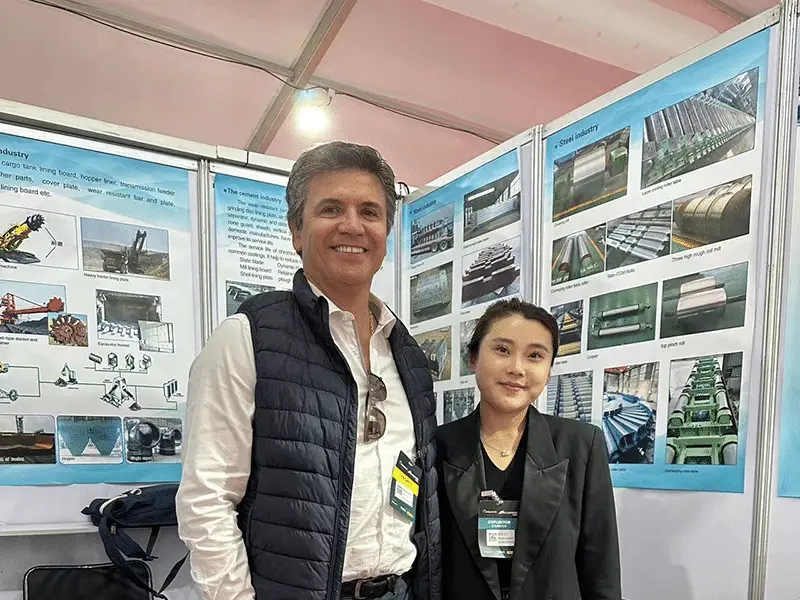
The engineering team presented wear plates and flux-cored wire formulations for the mining and power sectors at the International Construction and Mining Exhibition in Johannesburg.
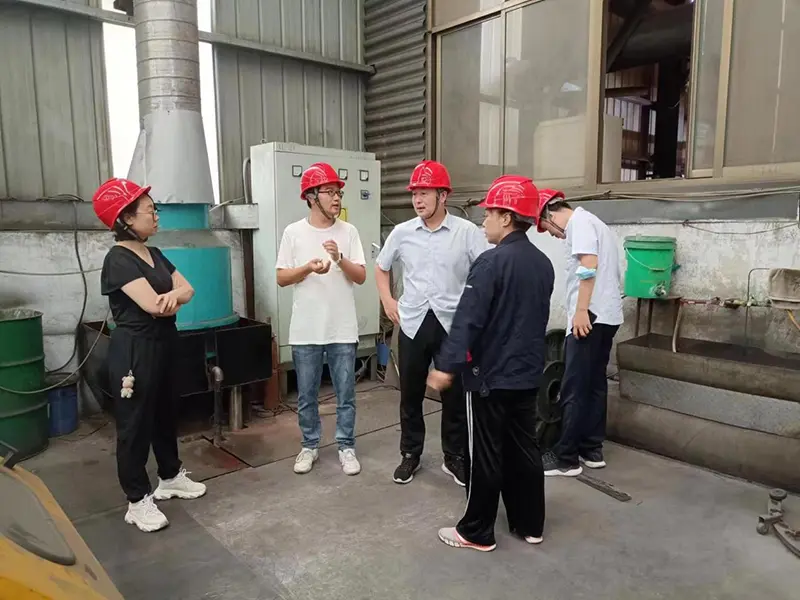
Materials engineering researchers from Tangshan University visited our facilities to collaborate on developing advanced metal materials and forming technologies.
Runxing Machinery has maintained its status as a qualified agent for German brand VAUTID welding materials for six consecutive years, ensuring access to quality alloys.
The company participated in the EXPOMIN exhibition in Santiago, Chile, showcasing our specialized mining wear linings and hardfacing wires to operators and distributors across Latin America.
Shipping custom heavy equipment and specialized industrial consumables internationally requires adherence to strict quality and trade regulations. Runxing Machinery manages its international distribution in partnership with Hebei Yuwan International Trade Co., Ltd., ensuring compliance with all trade rules, export licenses, custom tariffs, and transaction processing. This structure allows our production facilities to focus entirely on quality control, testing, and production schedules.
For custom wear linings and bimetallic plates, compliance starts with CAD drawing reviews. Drawings are verified against the equipment's geometry to ensure proper fit-up in the field. Our manufacturing processes conform to relevant global welding and wear plate standards, such as the DIN 8555 system for hardfacing classification. These quality controls ensure that replacement parts can be installed during planned maintenance shutdowns without fitment delays.
Conventional steels rely on mechanical toughness and grain structure for strength, but rapidly wear down under continuous mineral abrasion. Chromium Carbide Overlay (CCO) plates fuse a structural steel backing plate with an alloyed wear surface. This surface is rich in chromium carbides ($Cr_7C_3$), which provide hardness values up to 62 HRC. The base plate handles structural loads and impact, while the overlay protects the component from sliding and grinding abrasion.
Self-shielded flux-cored wires contain core materials that generate their own shielding gas and slag system directly in the arc. This eliminates the need for external gas tanks, making them suitable for outdoor applications or windy conditions. Gas-shielded flux-cored wires require an external shielding gas, such as $CO_2$ or an Argon/$CO_2$ mix. These wires typically yield cleaner weld deposits, lower spatter levels, and higher deposition rates in controlled workshop environments.
The transverse cracks visible on CCO plates are stress relief cracks. They occur naturally during cooling due to the thermal contraction difference between the hard chromium carbide layer and the ductile steel backing plate. These cracks are normal and do not affect the plate's wear resistance, provided they do not penetrate the backing plate or cause the overlay to delaminate.
Adding elements like niobium (Nb) and boron (B) changes the crystallization process. Niobium forms small NbC particles at high temperatures, which limits the growth of chromium carbides and refines the overall grain structure. This increases toughness and resistance to fine-particle abrasion. Boron reduces the melting temperature of the weld pool, helping to control heat input and limit dilution from the base metal, resulting in higher hardness in the first weld layer.
Quality control processes at our factory include ultrasonic testing to verify overlay bonding, Rockwell hardness measurements, and sample testing of weld wire chemistry. For finished plates, we perform dimension checks and test the flatness. Export documentation and trade compliance are managed by Hebei Yuwan International Trade Co., Ltd., ensuring that all products meet destination country requirements prior to shipping.
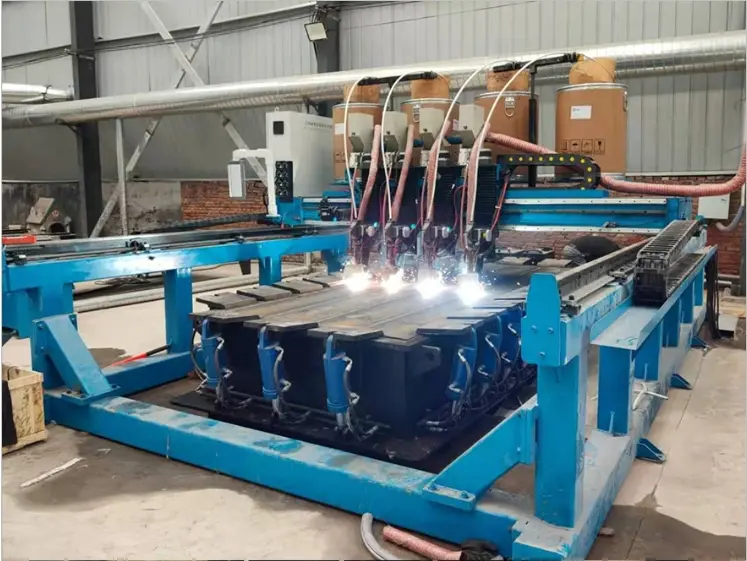
CNC hardfacing systems with integrated control units, designed for consistent overlay welding on wear plates and rollers.
System Details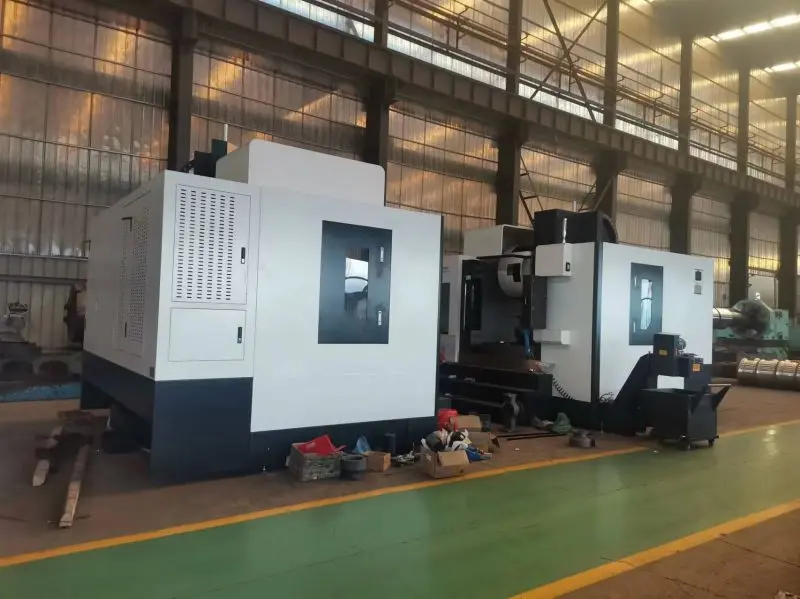
Fabrication and engineering services to customize wear plates, chutes, and pipe shapes to customer dimensions.
Project Planning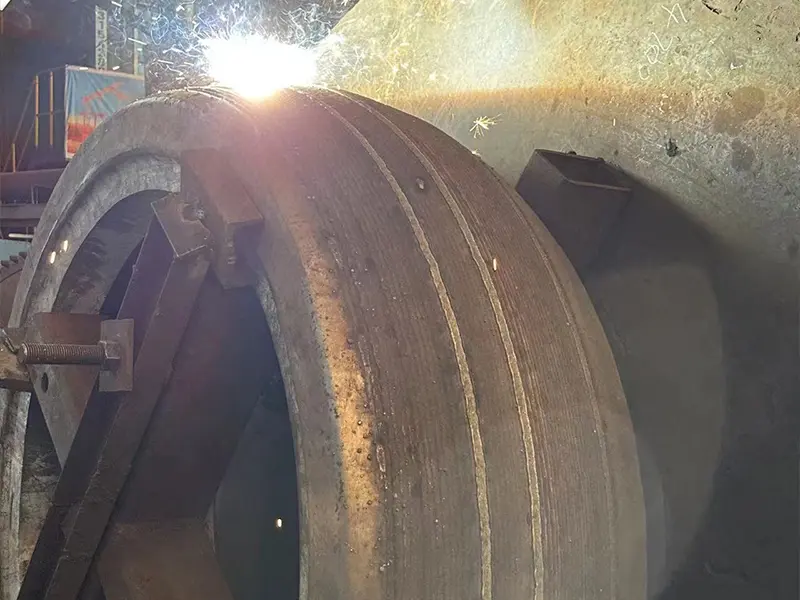
Reconditioning services for continuous caster rolls, vertical grinding mills, and crushers to restore service profiles.
Repair Details
High-chromium alloyed bimetallic wear plates designed for chute lining applications in heavy materials handling.
Technical Details
Pre-cut and formed chromium carbide overlay plates designed for rapid installation in heavy transfer chutes.
Technical Details
Flux-cored wires designed to resist sliding abrasion and impact under demanding operating conditions.
Technical Details
Wear plates designed with a dense carbide matrix for high-stress applications in coal and cement mills.
Technical Details
Open-arc flux-cored welding wire optimized for overlay repair and structural hardfacing in the field.
Technical Details


 Runxing machinery