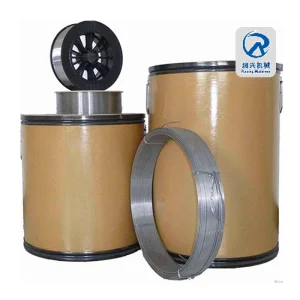
High-chromium alloyed self-shielded open-arc flux cored welding wire designed specifically for superior wear protection under severe grinding abrasion and low-impact environments.
See more products >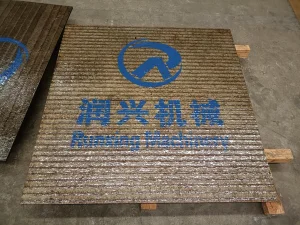
Engineered for extreme mining and cement operations. Ideal for high-stress chute liners, hoppers, and screens with microstructures loaded with primary M7C3 carbides.
See more products >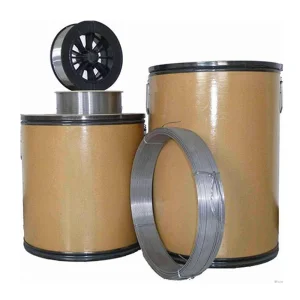
Premium grade hardfacing welding consumables formulated to repair, rebuild, and protect critical equipment working in highly abrasive mineral handling environments.
See more products >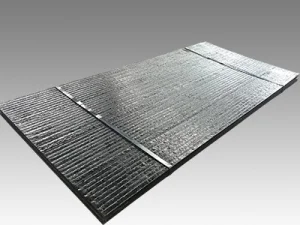
Features structural steel backing plate fused with high chromium carbide overlay. Resists extreme grinding wear while retaining structural toughness for easy fabrication.
See more products >
Precision-manufactured overlay plates featuring flat surfaces, low dilution rates, and uniform hardness profiles designed for industrial applications requiring extreme durability.
See more products >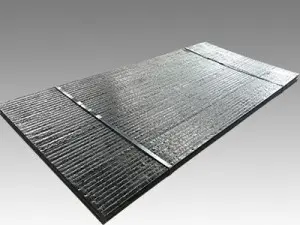
Composed of structural steel backing and tough weld surfacing corresponding to DIN 8555, delivering reliable service life extension under massive material handling loads.
See more products >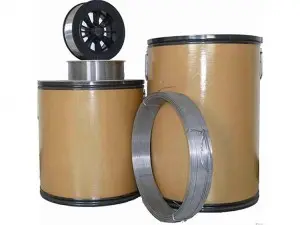
Specifically engineered high chromium alloy wire that resists high-stress grinding abrasion. Formulated to reduce downtime through exceptional weld metal deposition efficiency.
See more products >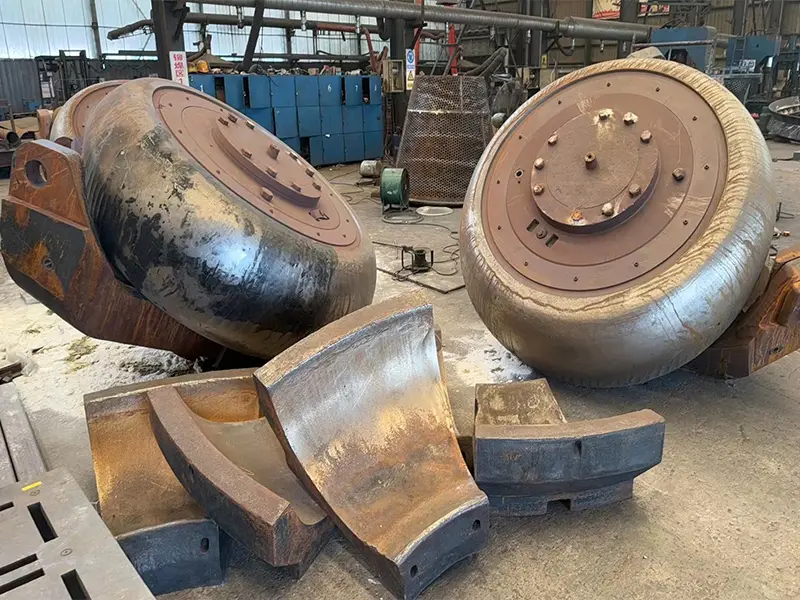
Optimized wear-resistant welding consumables with self-shielded open arc design, promoting cost-effective overlay deposition with excellent weld bead formation.
See more products >In the heavy industrial sectors of mining, mineral extraction, cement manufacturing, iron and steel production, and power generation, equipment longevity is directly linked to operating profitability. Severe sliding abrasion, impact, erosion, and high-temperature stress are constantly degrading component life. Under these brutal conditions, standard structural steels quickly yield to failure. The global industrial market has consequently shifted towards Chromium Carbide Overlay (CCO) wear plates and advanced hardfacing consumables to establish reliable protective barrier networks.
Today, the production and application of bimetallic chromium carbide composite wear plates represent a multi-billion-dollar global industry. Geographically, demand is concentrated where heavy primary resource extraction and bulk material handling take place. In the mining corridors of Western Australia, South America (Chile and Peru), South Africa, and Northern Europe, mining operators consume millions of square meters of wear plates annually to protect dragline buckets, haul truck beds, hopper chutes, and vibrating screens.
In developing economies, urban development projects fuel massive demands for cement and steel. Cement manufacturing processes involve processing highly abrasive limestone and clinker materials at temperatures exceeding 350°C. In steel mills, raw sintered ores, coal, and coke are processed under combined conditions of high friction, physical impact, and thermal shock. Standard AR400 or AR500 (abradable resistant) steels provide limited protection under such parameters. By contrast, CCO plates leverage a metallurgical structure featuring a high volume fraction of primary M7C3 chromium carbides. This structure yields wear rates that are up to 10 times lower than structural carbon steel, leading to massive savings in maintenance budgets, less frequent replacement downtime, and optimized labor allocation.
The wear resistance of chromium carbide plates is not merely a function of their macro hardness. It depends critically on the type, size, shape, and distribution of the carbides within the overlay matrix. During the open-arc or submerged-arc welding processes utilized by factories like Tangshan Runxing Machinery Co., Ltd., chromium and carbon elements are deposited onto a structural backing plate (such as Q235B or Q355B carbon steel). As the weld pool cools, it solidifies into a micro-structure dominated by primary hexagonal M7C3 chromium carbides (specifically $Cr_7C_3$) embedded inside a tough eutectic matrix.
| Alloy Class & Designation | Carbon (C) % | Chromium (Cr) % | Other Alloys (Mn, Si, Mo, B, V) | Hardness Range (HRC) | Operating Temp Max |
|---|---|---|---|---|---|
| Standard High-Cr (RX-7600 equivalent) | 3.5% - 5.5% | 25.0% - 35.0% | Mn < 2.0%, Si < 2.0% | 58 - 62 HRC | 350°C (660°F) |
| Complex Carbide (High-Temp Grade) | 4.0% - 6.0% | 22.0% - 30.0% | Nb, Mo, W, V up to 8.0% | 60 - 65 HRC | 600°C (1110°F) |
| Impact Resistant (Bimetallic Composite) | 3.0% - 4.5% | 18.0% - 25.0% | Mn 2.0% - 5.0%, Ni, Mo | 55 - 58 HRC | 300°C (570°F) |
The key metallurgical parameter is the Carbide Volume Fraction (CVF). High-quality bimetallic composite plates feature a CVF between 30% and 45%. If the carbon and chromium levels are too low, the microstructure will fail to precipitate sufficient primary carbides, leaving the plate soft and vulnerable to rapid abrasion. Conversely, if the chemical ratios are poorly controlled, the weld pool becomes overly brittle, leading to excessive spalling and cracking during forming and installation. Achieving this precise chemical balance requires mature weld dilution control and advanced automated surfacing equipment.
Three main macro trends are currently shaping the development of the wear plate manufacturing industry:
"In heavy processing industries, predictive maintenance based on wear sensors integrated into chromium carbide liners represents the next horizon of resource management. Extending lining cycles directly reduces the carbon footprint of structural steel maintenance by lowering overall consumption of new raw steel plates."
Successful wear protection requires a holistic approach to engineering. Rather than simply replacing worn plates, industrial facilities benefit from comprehensive wear management programs that address all parts of the processing circuit:
Raw Material Conveying & Handling: Transfer chutes, hoppers, deflector plates, and skirt boards are outfitted with pre-engineered CCO liners. Custom wear patterns are selected based on dry sliding abrasion, wet slurry erosion, or bulk material impact angles.
Rotary & Grinding Equipment: Heavy rollers, vertical coal mills, clinker crushers, and cement grinding discs are subjected to extreme continuous pressure. Instead of replacing these massive castings, companies utilize hardfacing rebuilding systems using high-chromium flux-cored wires, which restores the original profiles and extends service lifespans at a fraction of new replacement costs.
Piping and Exhaust Systems: In power plants, coal dust and ash slurries are pneumatic-transported through high-velocity pipelines. Standard steel pipes fail rapidly at directional elbows. Standard practice now integrates bimetallic wear-resistant pipes, combining standard structural outer shells with high-chromium interior linings.
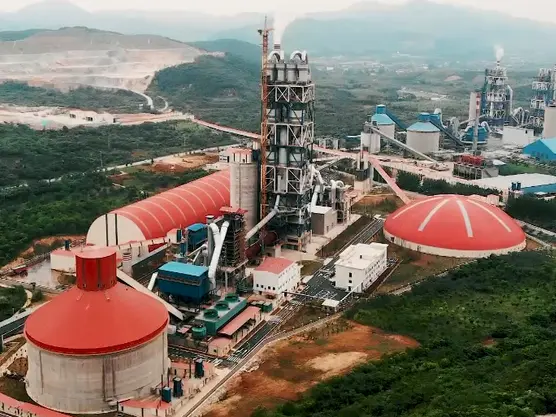
Equipment availability is the main bottleneck in cement plants. High-chromium wear-resistant products determine the continuous uptime of raw mill liners, vertical roller mill parts, and chute guides.
See more products >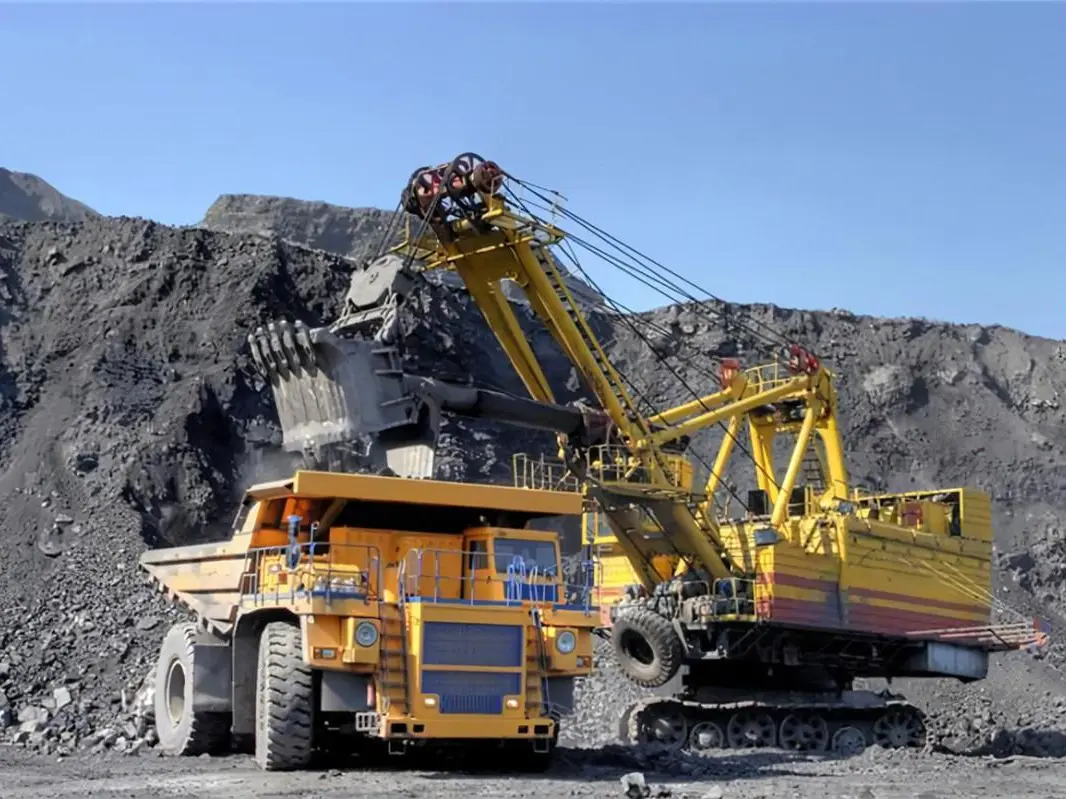
Mine operators worldwide seek to optimize productivity and reduce cost per ton. Our wear solutions protect heavy shovel buckets, dump trucks, and ore transfer chutes from severe sliding wear.
See more products >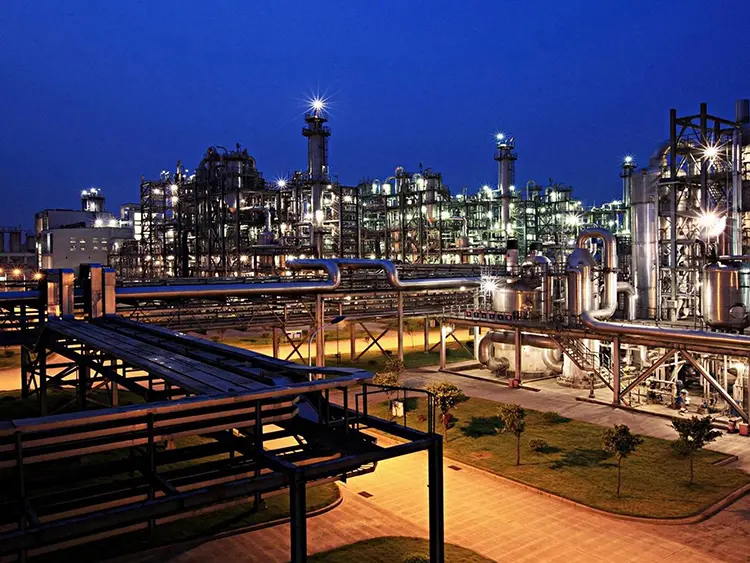
Steel processing involves handling sinter ores, slag, and coke at high temperatures. Our specialized high-temperature CCO plates withstand continuous abrasive wear and thermal stress.
See more products >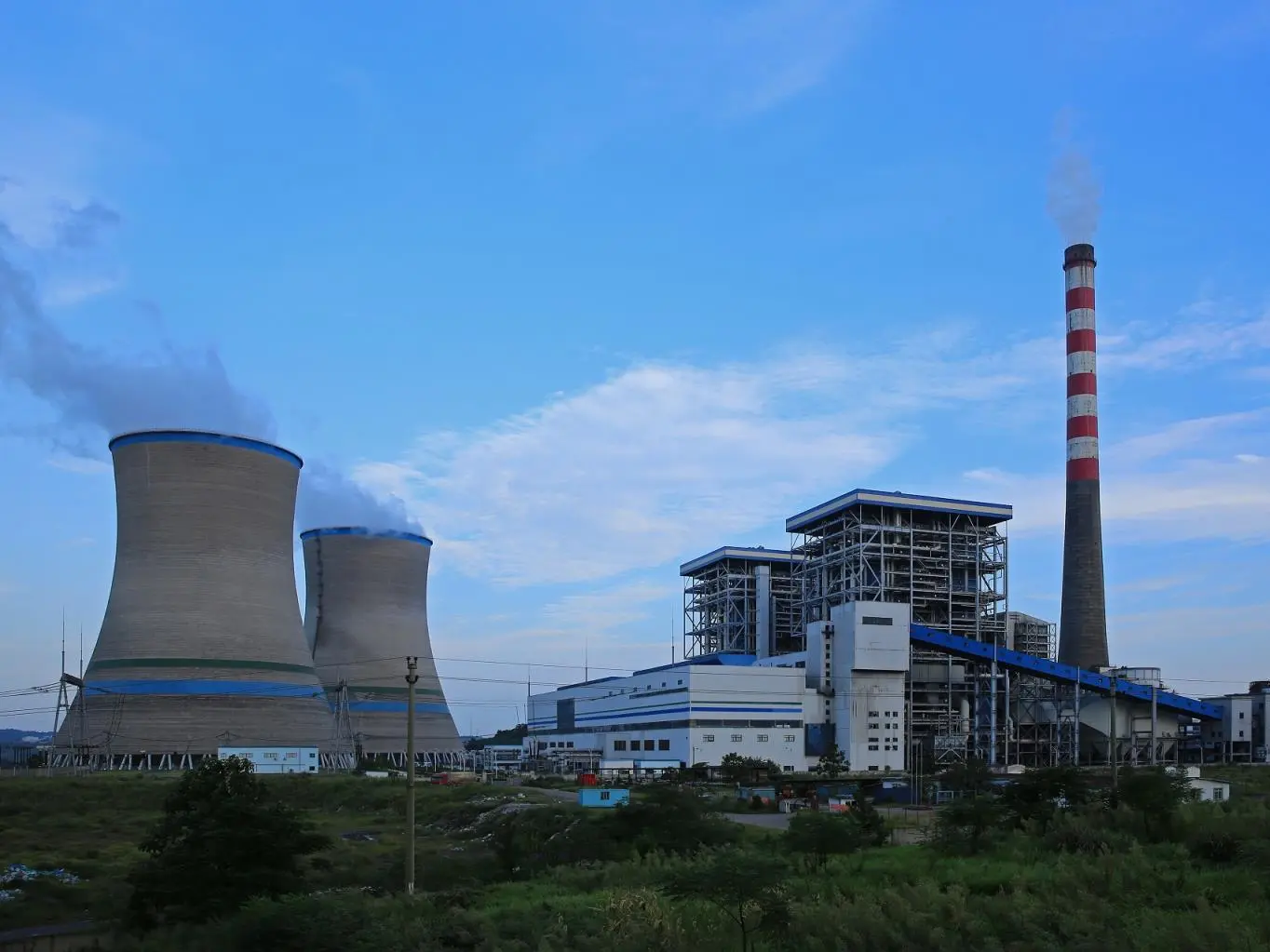
Wear solutions for fan blades, fuel transport pipes, coal hoppers, crusher teeth, pulverizers, and ash dust collectors ensure continuous power generation without unplanned outages.
See more products >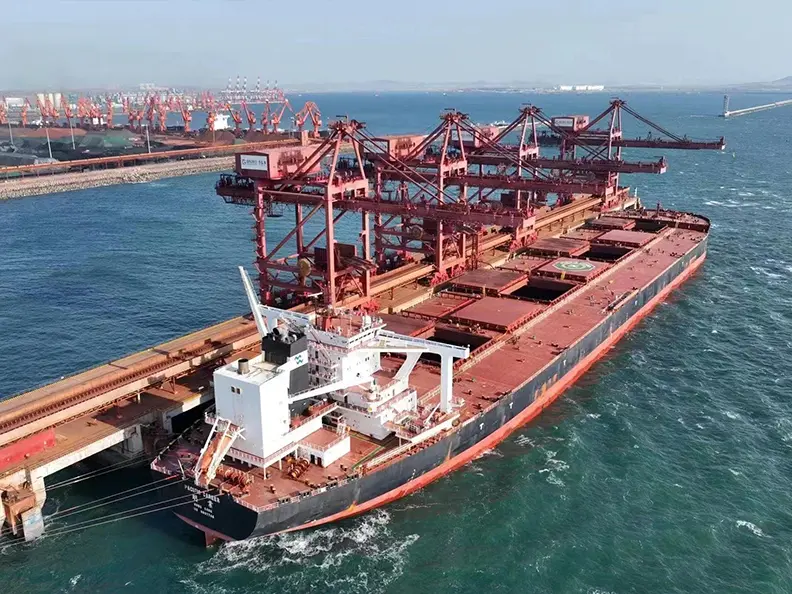
Bulk ports require fast loading and unloading systems. Reclaimer buckets, hopper linings, and conveyor drop chutes are reinforced with CCO plates to prevent downtime during peak shipping cycles.
See more products >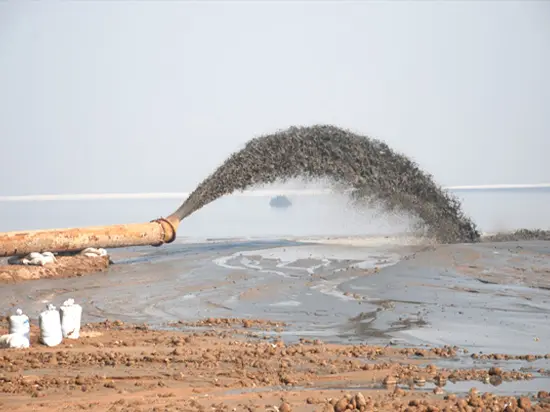
We provide hybrid solutions including high-purity alumina ceramics sintered at high temperatures to complement chromium carbide materials in extreme abrasive applications.
See more products >
Continuous development of advanced chemical formulas and improved fabrication techniques. More innovative wear options are added regularly to meet emerging industrial challenges.
See more products >
We work in collaboration with university research labs to test and deliver next-generation bimetallic composite wear plate systems for global industries.
See more products >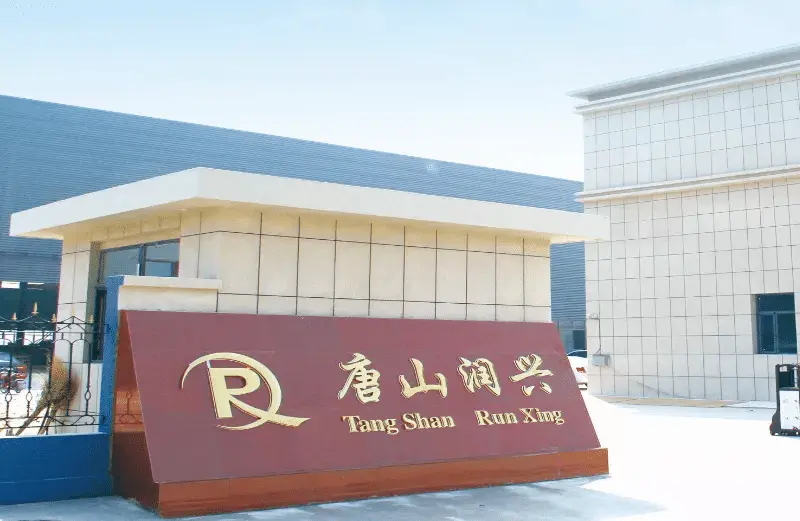
Founded in 2010 in Tangshan, Hebei Province—the heart of China's heavy industrial and metallurgical region—Tangshan Runxing Machinery Co., Ltd. has grown into a leading R&D-driven manufacturer specializing in metal surface hardfacing wear technologies. Our core product portfolio includes premium Chromium Carbide Overlay (CCO) wear plates, custom fabricated wear liners, hardfacing flux-cored welding wires, automatic surfacing equipment, and expert roller surfacing repair services.
We are built on the principles of integrity, quality, and sustainable innovation. Through partnerships with global industry leaders, Runxing Machinery has been certified as a qualified agent for Germany's prestigious VAUTID brand for six consecutive years. This relationship allows us to incorporate advanced European material standards into our local manufacturing processes, ensuring top-tier reliability for our products.
To ensure efficient and compliant global distribution, all our international business is managed by Hebei Yuwan International Trade Co., Ltd. This partnership allows our engineering teams to remain focused on product development, quality control, and manufacturing consistency while providing seamless export, customs clearance, and logistics handling for partners worldwide.
Read more >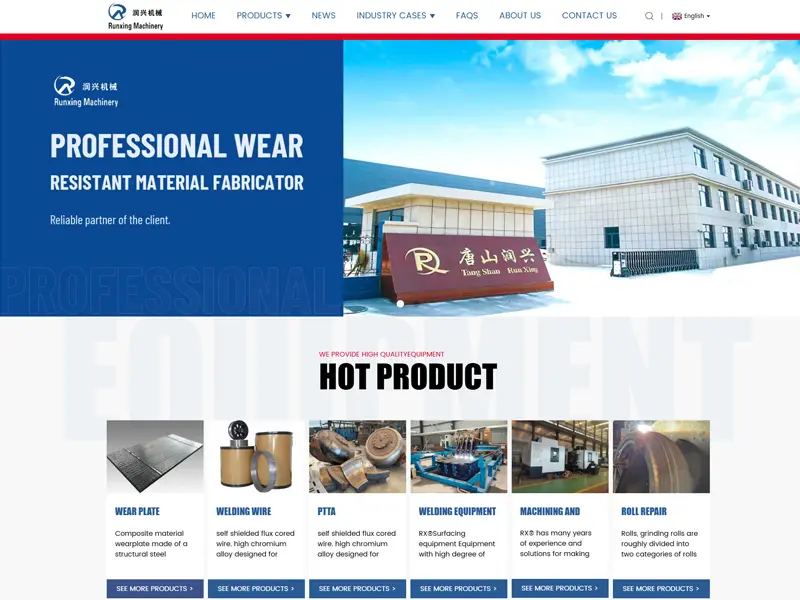
Runxing Machinery launched its updated global web portal to offer a single source for product sourcing, technical data downloads, and wear engineering consultations.
read more >
Exhibiting at the Johannesburg International Convention Center, we showcased our heavy-duty wear liners and hardfacing solutions for the African mining sector.
read more >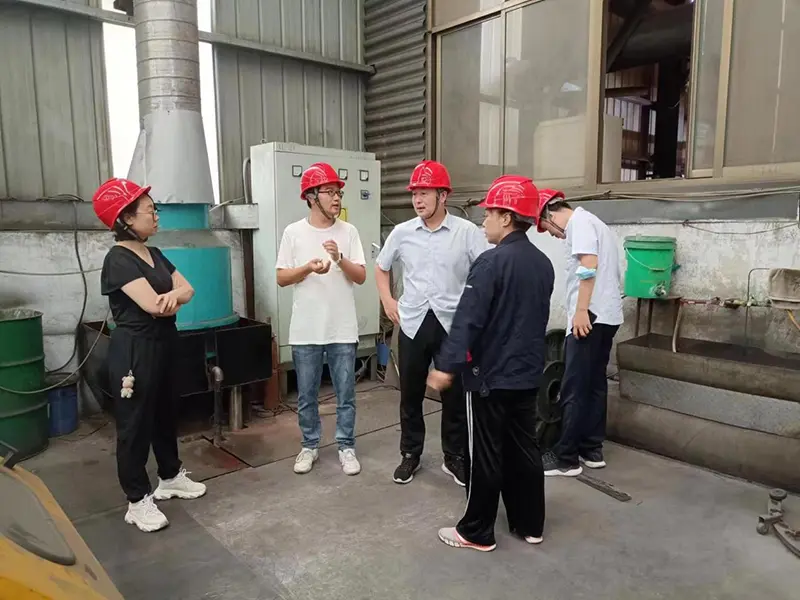
Dean Yuan Shaoqiang and the metal forming research team from Tangshan University visited our facility to review joint R&D efforts on advanced wear-resistant alloys.
read more >
Our continued partnership with German wear specialist VAUTID ensures our manufacturing processes incorporate strict European standards for microstructures and hardness levels.
read more >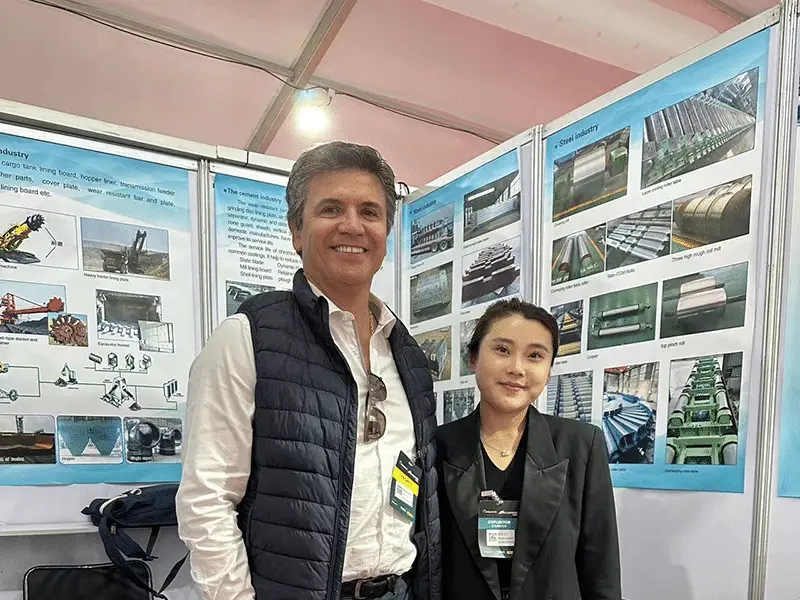
We participated in EXPOMIN, showcasing our High-Hardness CCO plates designed for extreme copper and gold mining operations in South America.
read more >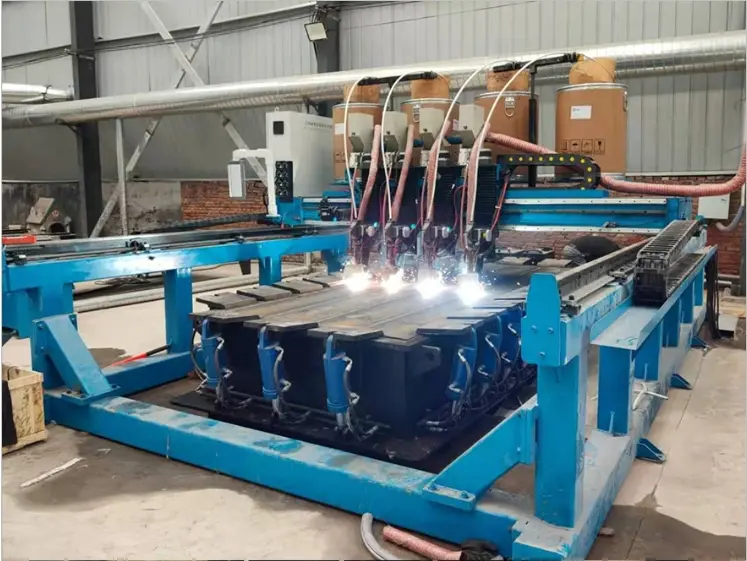
Our RX® Surfacing equipment features advanced numerical control systems with 10.2-inch touchscreens and four-gun configurations to automate high-efficiency overlay production on wear plates, rollers, and grinding discs.
See more products >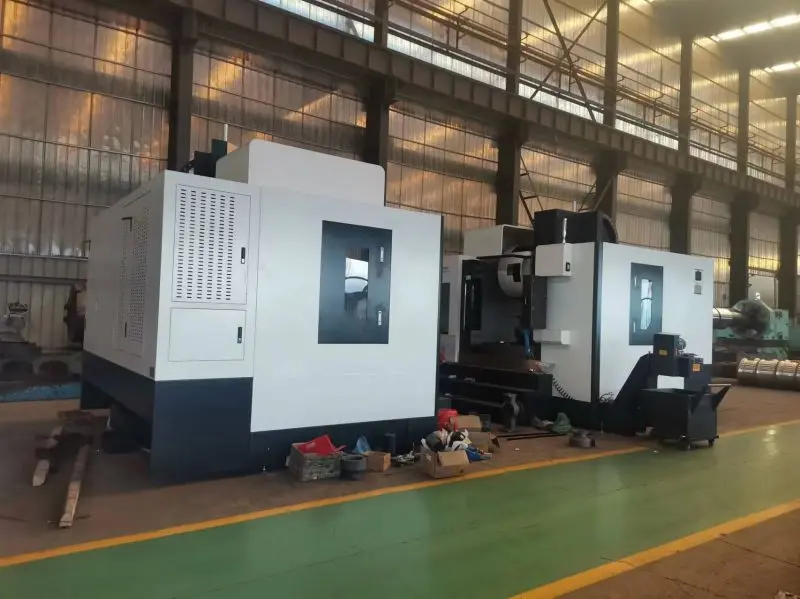
We provide full fabrication services, including CAD design, high-precision plasma cutting, rolling, and mounting stud installation for custom wear liners and components.
See more products >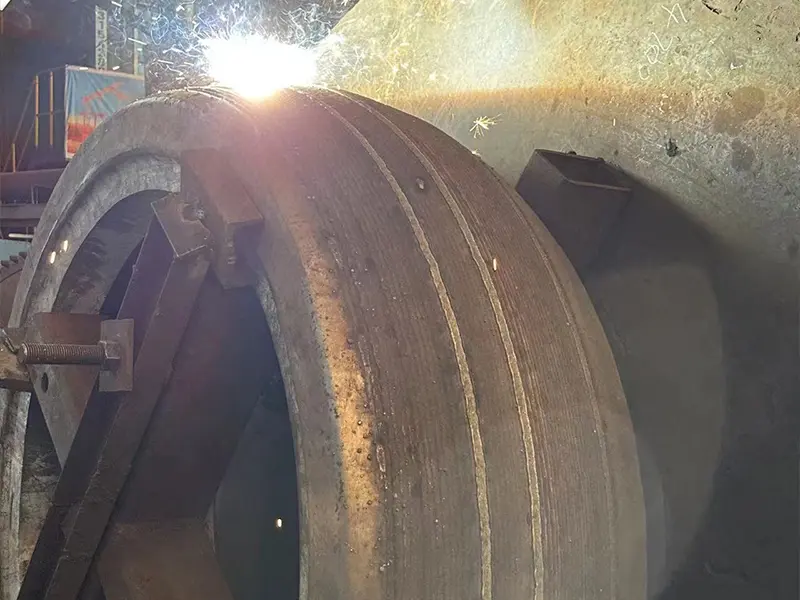
On-site and in-factory repair of grinding rolls, vertical coal mill rolls, roller presses, and continuous casting rollers. We restore original profiles using automated weld overlays to extend service life.
See more products >
Direct-from-factory bimetallic wear plates. Manufactured under strict quality systems with flat finishes and consistent hardness, optimized for easy welding and installation.
See more products >
Custom-cut and pre-formed wear liners designed for specific industrial chutes, bins, and hoppers to minimize installation time and scrap material loss.
See more products >
Our automated wire drawing lines produce high-quality flux-cored wires designed for open-arc and submerged-arc surfacing operations on heavy industrial equipment.
See more products >
Straight pipes and directional elbows lined with internal chromium carbide overlay, engineered for handling abrasive slurries, ash, and coal dust.
See more products >
Every production batch undergoes chemical analysis, ultrasonic testing, and hardness verification. Our quality control processes ensure compliance with international specifications.
See more products > Runxing machinery