Runxing RX® series high-hardness wear plates and premium flux-cored surfacing wires for ultimate abrasion resistance
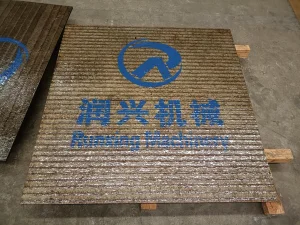
ODM High Hardness CCO Hardfacing Overlay Wear Resistant Steel Plate for Mining Cement Chute Liner Manufacturers.
View Details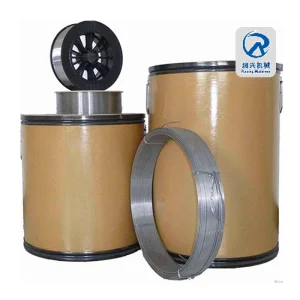
OEM self-shielded flux cored wire (for hardfacing) designed for high-stress grinding abrasion and wear plate restoration.
View Details
Premium chromium carbide overlay wear plate manufactured in our state-of-the-art Chinese factory for high impact and sliding wear.
View Details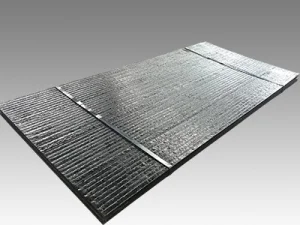
High-quality bimetallic chromium carbide surfacing wear-resistant composite steel plate designed for heavy mineral processing.
View Details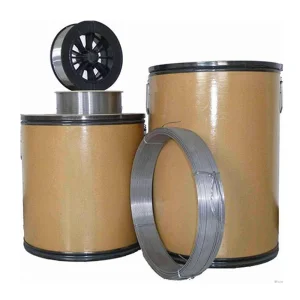
Wholesale hardfacing materials and flux cored wires. Formulated for high alloying deposition rates and uniform clad layer hardness.
View Details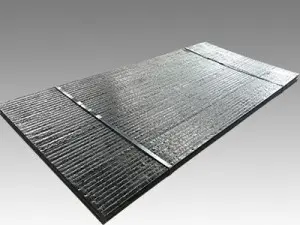
Composite wear plate constructed from a structural steel backing bonded with a high-carbide hard weld surfacing corresponding to DIN 8555.
View Details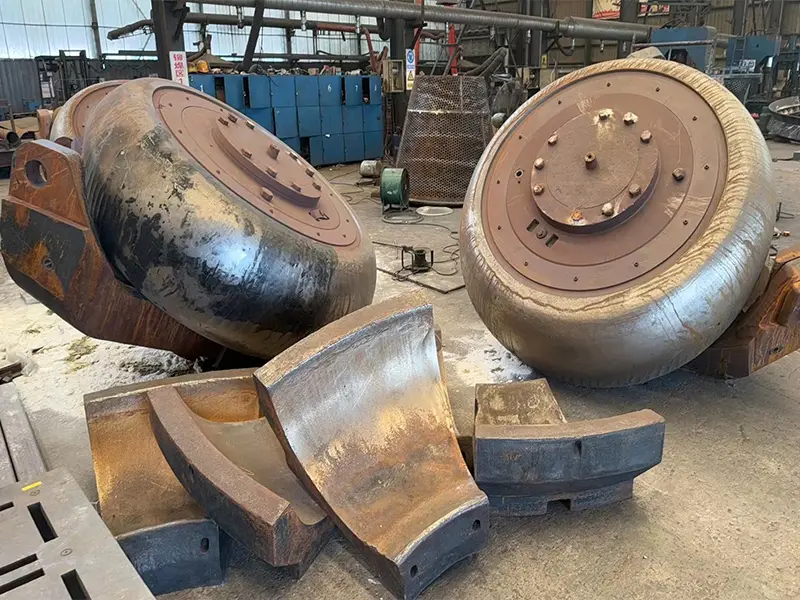
Self-shielded flux-cored wire utilizing high-chromium alloy matrices for resisting extreme sliding abrasion with minimal structural impact.
View Details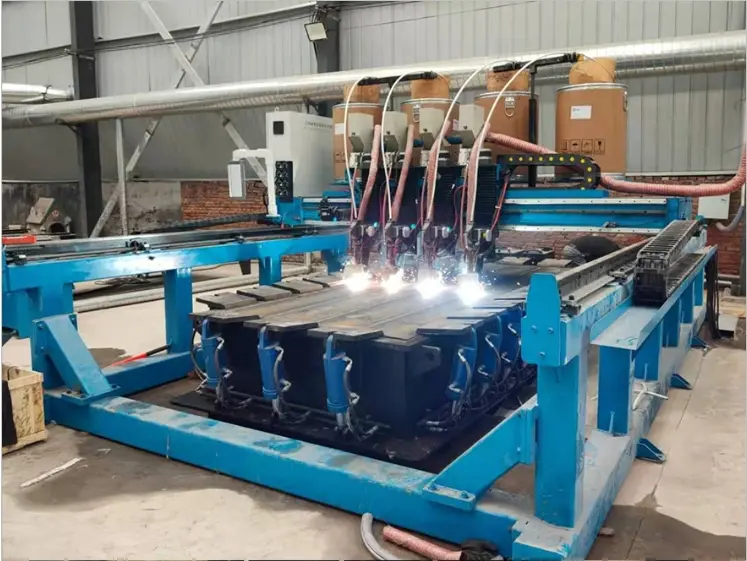
Advanced numerical control automatic welding machines featuring four-gun simultaneous operations and intelligent touch-screen parameter tuning.
View DetailsHRC Hardness Range
Carbide Volume Fraction
Global Industrial Industries Served
Years of R&D Innovation
An authoritative guide on microstructural engineering, wear mechanics, and optimal industrial deployment
In modern industrial bulk-handling and processing operations, severe wear remains a leading cause of unplanned downtime, mechanical failure, and escalating maintenance costs. Bimetallic wear-resistant steel plates, specifically those utilizing Chromium Carbide Overlays (CCO), are engineered to address the limitations of traditional, through-hardened steel plates (such as AR400, AR500, or manganese steels). Unlike through-hardened plates, which rely on carbon content and heat treatment to achieve uniform hardness throughout their thickness, bimetallic plates feature a dual-layer metallurgy. This structure combines a highly ductile structural backing steel (typically Q235 or ASTM A36) with an intensely hard, alloyed overlay layer applied via open-arc, submerged-arc, or gas metal arc welding processes.
The superior wear-resistant properties of the overlay layer are governed by the crystallization of primary M7C3 chromium-rich carbides (where M represents chromium, iron, or other alloying additions) within a tough, eutectic matrix. During the solidification of the high-alloy deposit, these carbides form as hexagonal, rod-like structures perpendicular to the fusion boundary. When abrasive particles sweep across the surface, these primary carbides—which exhibit a micro-hardness in the range of 1200 to 1600 HV (Vickers)—act as local barriers, halting or deflecting the micro-cutting, plowing, and gouging mechanisms of the abrasives.
The performance of a bimetallic plate is directly dependent on chemical formulation and dilution control. During the hardfacing overlay process, the base metal melts slightly and mixes with the deposited weld metal, a phenomenon known as dilution. To maintain high carbide concentration, high-end manufacturers like Tangshan Runxing Machinery utilize multi-gun, low-heat-input automatic surfacing equipment to minimize dilution, keeping the base carbon and chromium content close to the targeted alloy limits.
The chemical composition of a standard high-performance Runxing RX® CCO overlay includes:
Because the thermal expansion coefficient of the high-chromium overlay differs significantly from that of the mild carbon steel backing, tensile stresses develop during cooling. These stresses resolve in the form of regularly spaced relief cracks transverse to the weld beads. These relief cracks are a normal metallurgical characteristic of CCO plates, indicating effective stress relief. They do not propagate into the ductile backing steel, allowing the composite plate to be rolled, cold-bent, and formed into complex geometries (such as pipes and chutes) without structural failure.
A global leader in hardfacing technology, R&D integration, and collaborative industrial partnerships
Founded in 2010, Tangshan Runxing Machinery Co., Ltd. is a professional manufacturer located in Tangshan, Hebei Province, China. The company focuses on the research, development, production, and on-site engineering of high-hardness hardfacing wear-resistant metal products. Runxing operates on the core business values of "Integrity, Superior Quality, Innovation, and Sustainable Development," maintaining modern metal surface hardfacing lines, metallurgy laboratories, and testing centers.
The company's primary product portfolio includes chromium carbide overlay (CCO) wear plates, custom fabricated wear liners, wear-resistant elbows and fittings, hardfacing flux-cored welding wires, automatic surfacing machines, and professional roll rebuilding/surfacing repair services. By leveraging close proximity to China's major steel-producing hub in Tangshan, the factory secures access to high-purity base plates and alloy raw materials, guaranteeing cost-efficient logistics and short lead times.
Our commitment to technical authority is backed by academic research and global collaboration. In 2023, leaders and professors from Tangshan University—including Yuan Shaoqiang (Dean), Li Jing (Vice Dean), and Professor Yang Yuehui (Team Leader of Metal Materials and Forming Technology)—conducted an in-depth material science inspection at our facility, driving joint R&D projects in microcrystalline carbide grain refinement.
Furthermore, Tangshan Runxing Machinery has been an authorized agent and technology partner for VAUTID GmbH (Germany) for six consecutive years since 2019. By incorporating VAUTID's advanced metallurgy formulations and combining them with Runxing's efficient automatic production machinery, we deliver wear protection products that meet rigorous international standards.
Field-proven bimetallic solutions across mining, power generation, cement manufacturing, and logistics
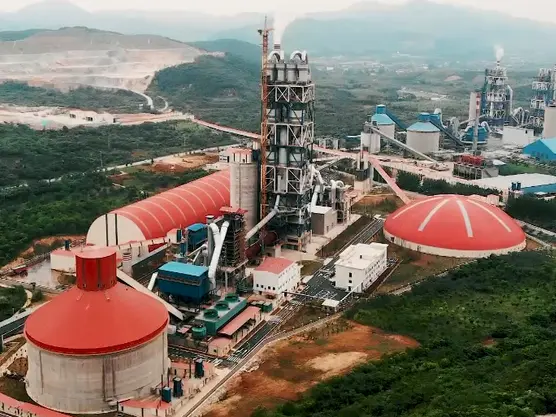
Availability of equipment determines plant profitability. Our high-temperature CCO plates protect raw meal chutes, cyclone separators, VRM (Vertical Roller Mill) body liners, and raw material hoppers from continuous abrasive flow.
See Chute Liner Products >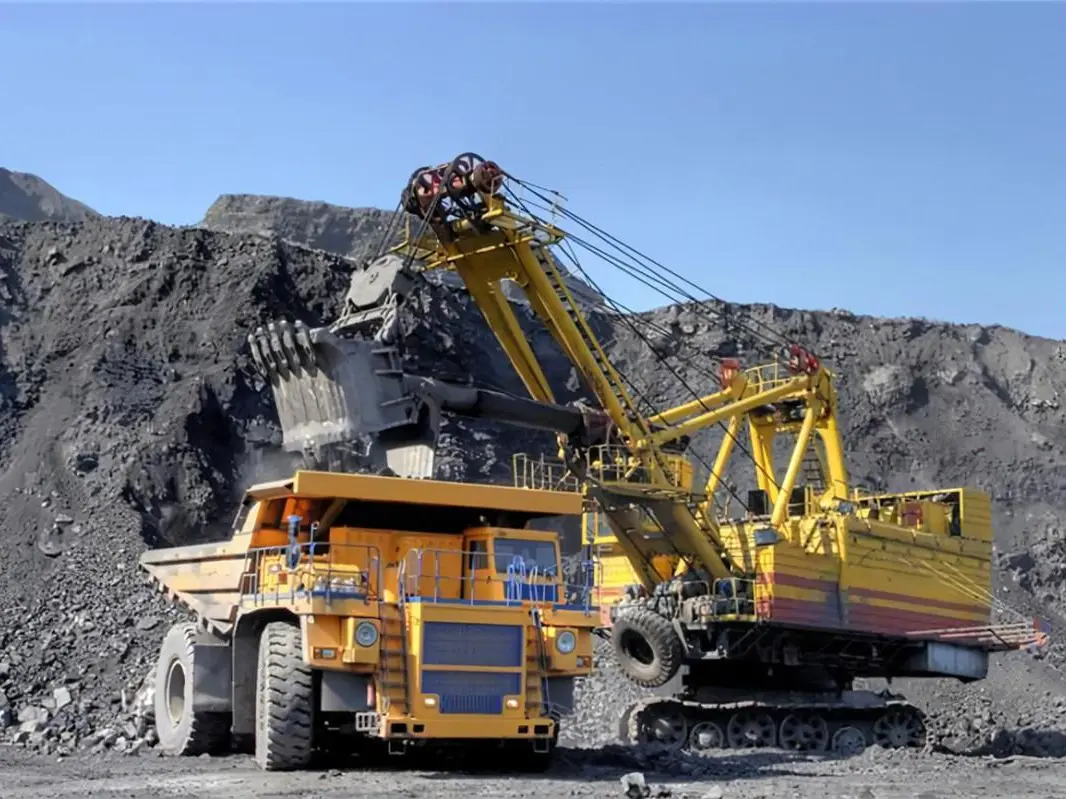
Excavator buckets, dump truck bed liners, vibrating screen plates, and crusher feed hoppers endure severe impact and sliding wear. Runxing bimetallic plates extend critical component lifespans by up to 400%.
See Mining Liners >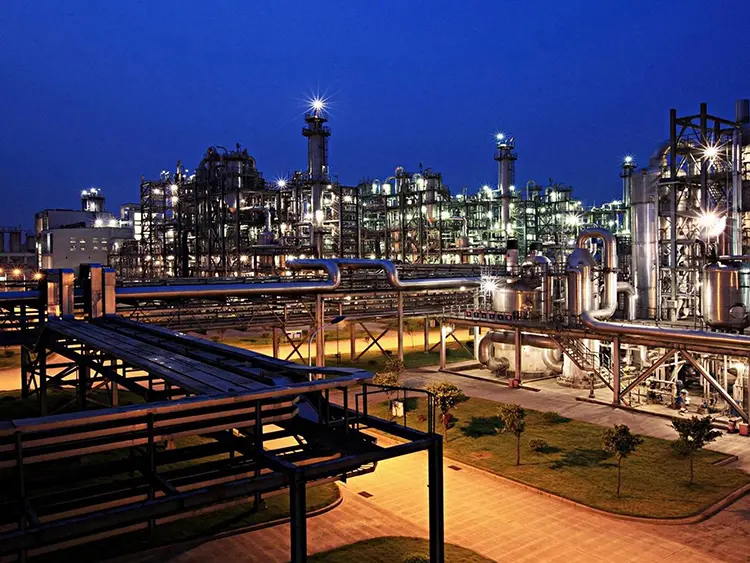
Handling sinter feed, coke, slag, and iron ore involves extreme friction combined with elevated temperatures. Our custom CCO liners resist oxidation and thermal softening at temperatures up to 600°C.
See Steel Mill Solutions >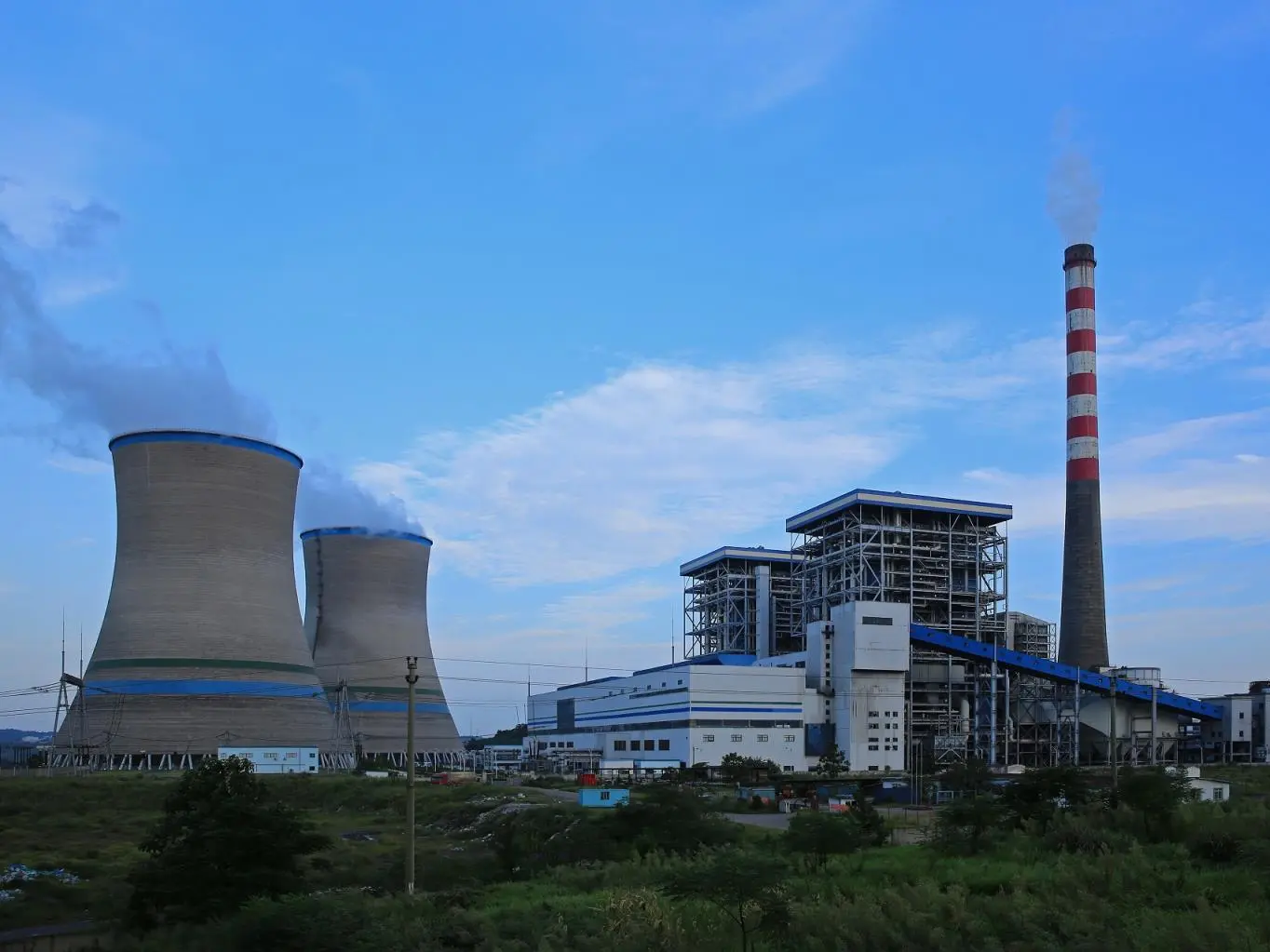
Coal-fired power stations suffer continuous erosion in coal pulverizers, exhauster fan blades, burner nozzles, and dry fly-ash piping systems. Runxing CCO plates prevent localized wear in these high-velocity areas.
See Power Plant Liners >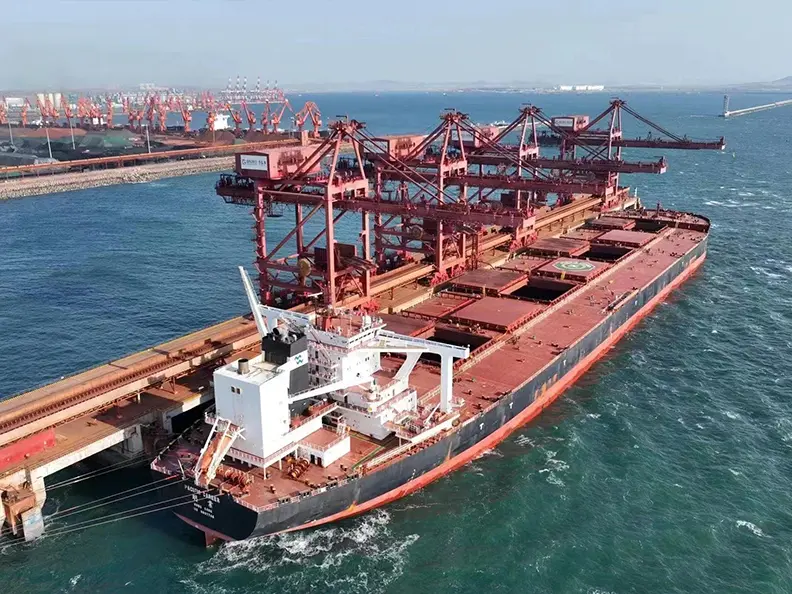
Grab buckets, stacker-reclaimers, and transfer chutes handle thousands of tons of bulk coal, minerals, and grains hourly. Our bimetallic plates keep loading machinery operational through high-volume cycles.
See Port Wear Liners >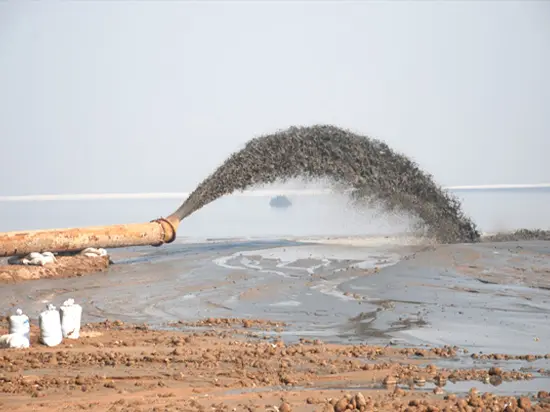
For operations facing high-velocity fine particle erosion, we supply wear-resistant alumina ceramics. Formulated from high-purity alumina and sintered to maximize density and hardness.
See Ceramic Solutions >Tracking Tangshan Runxing Machinery's dynamic global reach and academic integration
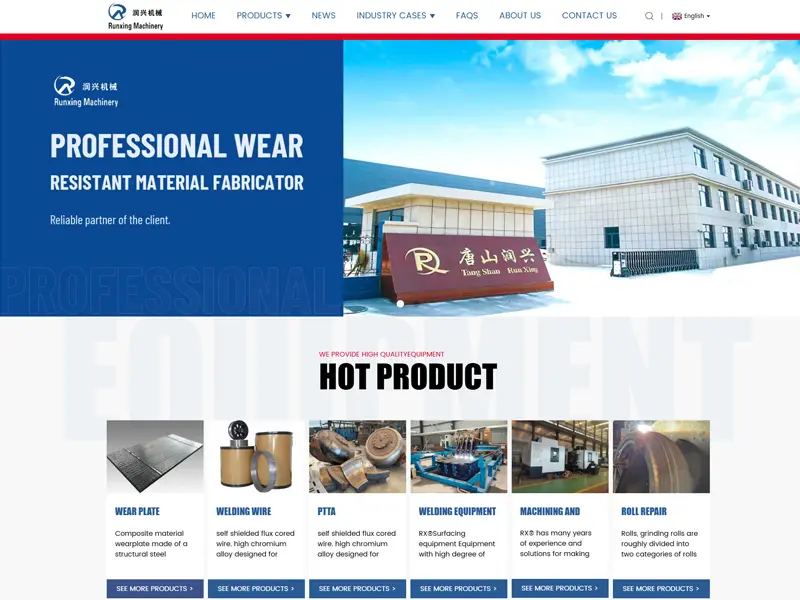
Runxing Machinery has officially launched our updated platform at www.runxing-machinery.com. Designed as a digital portal for the industrial wear-protection sector, the site offers streamlined procurement pathways and access to bimetallic wear plate data sheets for international engineering procurement managers.
During September 2–6, 2024, Runxing exhibited at the International Construction, Mining, and Power Exhibition in Johannesburg, South Africa. Over the five-day event, we connected with local mining operators and cement plants from South Africa, Zambia, and Zimbabwe to supply direct-to-site wear plates and rebuild services.
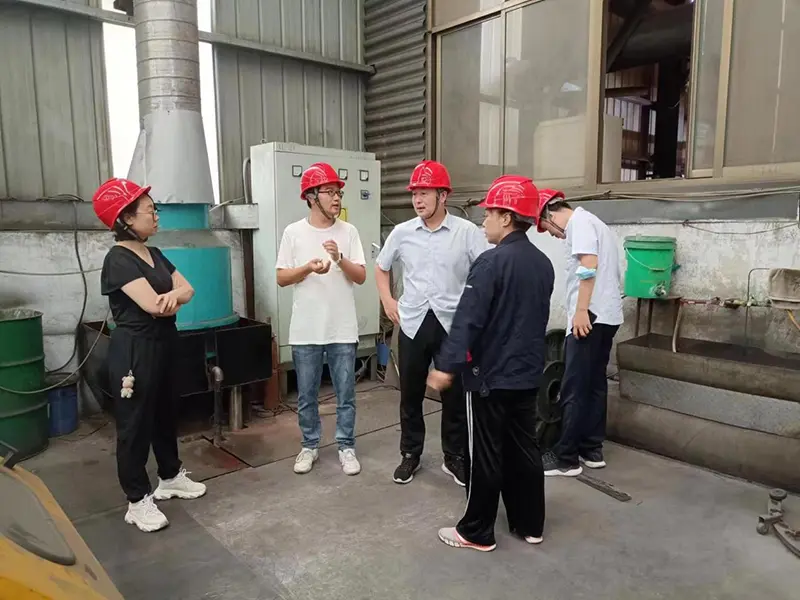
In 2023, senior academic leaders and materials professors from Tangshan University visited Runxing. General Manager Li Xiuhua and Vice General Manager Cui Jianying hosted the delegation, establishing a joint lab project focusing on reducing dilution rates during high-thickness hardfacing operations.
Through strict adherence to European metallurgy standards, Runxing Machinery has been certified as a qualified VAUTID agent and welding partner for six consecutive years since 2019. This collaboration allows us to combine VAUTID’s high-alloy consumables with our advanced Chinese manufacturing processes.
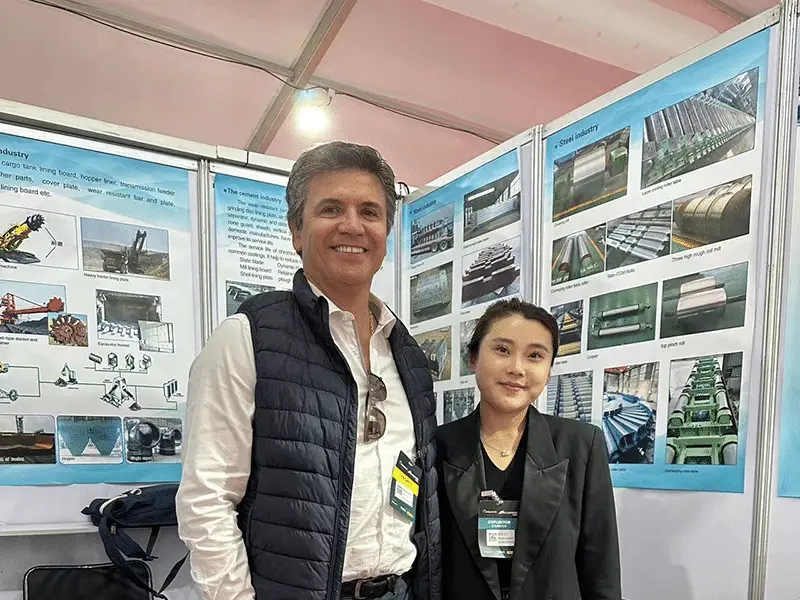
In April 2023, Runxing Machinery participated in EXPOMIN in Chile, Latin America's largest mining trade show. Our technical team presented CCO liners designed for extraction and processing applications under high-altitude conditions, expanding our presence in South American copper and lithium mining markets.
Leading the evolution of surface engineering through automation, nanotechnology, and advanced design
The wear protection sector is shifting from conventional thick hardfacing deposits to refined, application-specific surface engineering. Tangshan Runxing Machinery is keeping pace with this transition by implementing a clear technical roadmap focused on three key areas:
Traditional CCO overlays contain large, brittle primary chromium carbides that can chip under high-impact conditions. Runxing is working with university metallurgical researchers to develop a new generation of bimetallic overlays using complex borocarbides and niobium-refined alloys. By adding controlled amounts of boron, niobium, and titanium, we refine the primary carbide grain structure. This makes the carbides smaller and more evenly dispersed throughout the matrix, improving impact resistance without losing hardness.
We are currently testing wear plates featuring integrated sensor arrays embedded in the backing steel. These sensors monitor structural vibration, temperature changes, and thickness loss, transmitting real-time wear data to operations teams. This technology helps plants move from reactive maintenance to predictive schedules, minimizing unplanned shutdowns in high-stress applications like cement vertical roller mills and mining chutes.
Located in the heart of Tangshan, Hebei Province—the largest steel-producing region in China—our factory benefits from a highly integrated local supply chain. We procure structural backing plates directly from nearby state-owned steel mills, ensuring material consistency while minimizing shipping costs. Our advanced, custom-built automatic hardfacing equipment allows us to run multiple shifts with low power consumption. This efficiency enables us to manufacture high-volume orders quickly and reliably.
Expert insights on selecting, installing, and working with bimetallic wear-resistant steel plates
Verify product specs, review technical descriptions, and access our complete catalogue below
ODM High Hardness CCO Hardfacing Overlay Wear Resistant Steel Plate | Runxing RX-m Series for Mining Cement Chute Liner Manufacturers, Factories
View Product
OEM self-shielded flux cored wire (for hardfacing) Suppliers, Factories
View Product
High-Quality Bimetallic chromium carbide surfacing wear-resistant composite steel plate Supplier, Suppliers
View Product
Wholesale Hardfacing materials - Flux cored wires Manufacturers, Factory
View Product
Composite material wearplate made of a structural steel backing & a hard weld surfacing. RX®wp 7600 is a composite material made of a structural steel backing and ahard weld surfacing, corresponding to DIN 8555.
View Product
self shielded flux cored wire. high chromium alloy designed for resisting high stress grinding abrasion with low impact. wear plates
View Product
RX®Surfacing equipment Equipment with high degree of automation, high welding efficiency, small footprint, easy maintenance, power consumption, suitable for the production of various wear-resistant composite steel plate.
View Product






 Runxing machinery