Explore our premium grade CCO plates, self-shielded flux-cored wires, and custom hardfacing systems engineered to minimize industrial downtime.
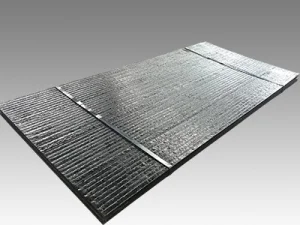
Constructed via open-arc cladding process, featuring extremely high primary chromium carbide density embedded in a tough iron-based matrix.
Explore Specifications >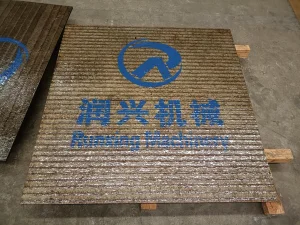
Engineered specifically for mining, cement chutes, and abrasive mineral handling systems demanding HRC 58-62 hardness.
View Details >
Tailored geometries, countersunk holes, and precise plasma cutting designs optimized for quick retrofitting in industrial chutes.
Custom Designs >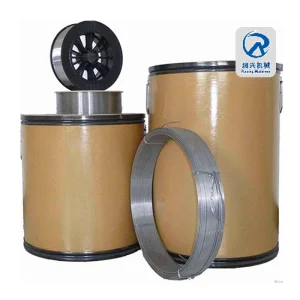
Engineered for onsite overlay repairs, offering smooth arc characteristics, high deposit efficiency, and low spatter levels.
Welding Parameters >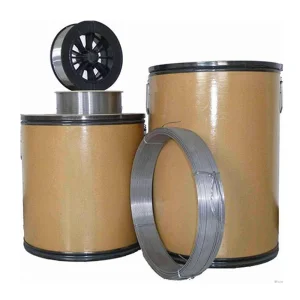
Premium chromium-alloy tubular welding wires designed for high-stress grinding abrasion applications with minor impact forces.
Request Sample >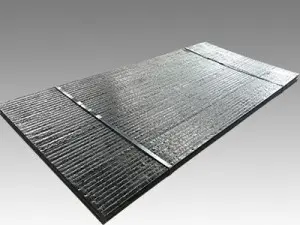
Composite material wear plate constructed with structural steel backing and hard weld surfacing. Confirms strictly to DIN 8555 standards.
See more products >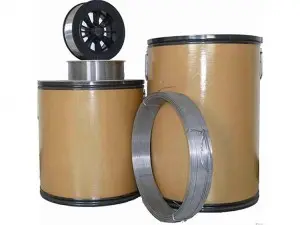
High chromium alloy wire designed for resisting severe grinding abrasion in mining crushers and cement raw mills.
See more products >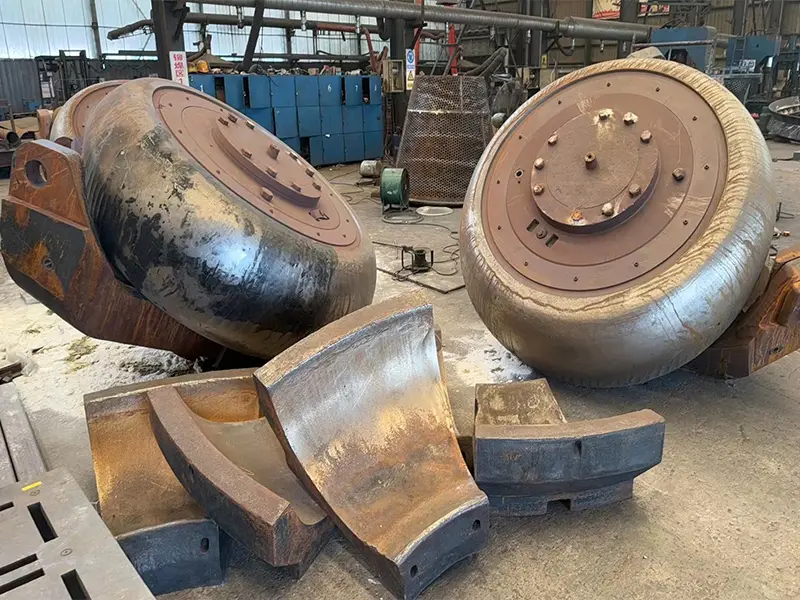
Advanced PTA surfacing options for precise overlay control, resulting in dilution-free metallurgical bond and superb performance.
See more products >In the abrasive, high-temperature domains of modern bulk material processing—spanning mining extraction, cement fabrication, coal-fired power generation, and port transshipment—mechanical component degradation via surface wear is a multi-billion dollar challenge. Left unchecked, abrasive wear destroys component geometries, accelerates system friction, causes catastrophic failures, and triggers unplanned plant outages. The engineering consensus for mitigating these microstructural attacks relies heavily on Bimetallic Chromium Carbide Overlay (CCO) Wear Plates.
As a leading global wholesale manufacturer and supplier, Tangshan Runxing Machinery Co., Ltd. presents this technical analysis to outline the metallurgical dynamics, application parameters, and supply chain efficiencies that govern state-of-the-art wear prevention systems.
Information Gain Highlight: Understanding the distinction between superficial surface hardness and Carbide Volume Fraction (CVF). While surface hardness (measured in Rockwell C or HRC) provides a basic benchmark, it is the density, orientation, and homogenous distribution of primary hexagonal M7C3 carbides that determine actual wear-life ratio under severe sliding abrasion. Runxing CCO plates achieve a CVF of 35% to 45%, offering up to 30 times the wear resistance of conventional Q235 mild steel.
A high-quality CCO wear plate is a composite material consisting of a structural steel backing plate (commonly ASTM A36, Q235, or Q355 carbon steel) fused with an abrasion-resistant chromium alloy hardfacing layer. The manufacturing process involves open-arc or submerged-arc cladding, depositing a weld overlay rich in chromium and carbon.
During the cooling phase of deposition, primary chromium carbides (specifically $(\text{Cr,Fe})_7\text{C}_3$ compounds, or $M_7C_3$) crystallize out of the molten eutectic matrix. These primary hexagonal carbides possess a microhardness ranging from 1500 to 2000 HV (Vickers), which is significantly harder than quartz sand, iron ore, sinter, and clinker. The backing plate absorbs the mechanical impacts and structural stresses of the system, enabling the bimetallic plate to be welded, rolled, bolted, or formed into complex geometries without fracturing the brittle hardfacing layer.
Industrial operations do not suffer from a single type of wear. Surfaces undergo sliding abrasion, high-stress grinding, impact erosion, and corrosion simultaneously. Our engineering solutions address these through targeted alloy configurations:
Tangshan, located in Hebei Province, is widely recognized as the industrial heartland of China's steel manufacturing sector. Sourcing wear plates directly from a professional manufacturer like Tangshan Runxing Machinery Co., Ltd. offers distinct strategic benefits for international procurement teams:
Our geographic proximity to the world's largest steel mills guarantees immediate access to high-grade base plates (Q235/Q355) and metallurgical raw materials. This significantly reduces lead times and structural costs relative to Western fabricators.
Our factory utilizes proprietary surfacing systems equipped with four welding guns operating simultaneously. The 10.2-inch touchscreen numerical control system regulates uniform speed swing welding, adjusting track configurations to minimize residual welding stresses and eliminate plate distortion.
Through active research collaboration with Tangshan University (led by Metal Materials and Forming Technology professors), we constantly innovate on eutectic compositions, refining carbide distribution parameters and verifying alloy efficacy in high-wear operations.
Purchasing large consignments of heavy wear-resistant industrial materials from overseas requires robust supply chain coordination. Under our current trade structure:
Export Operations: All export business is fully authorized and managed by Hebei Yuwan International Trade Co., Ltd. This dedicated trade division executes logistics, customs clearances, legal documentation, and secure payment pathways, allowing our production facility to focus entirely on quality assurance, product development, and precise on-time deliveries.
Quality Compliance: Every plate batch undergoes rigorous internal validation—including metallographic examination of dilution zones, chemical analysis via spectrometer, and ultrasonic testing of the fusion zone—verifying that every square meter matches international standard specifications.
The global wear plate sector is undergoing significant paradigm shifts:
Tangshan Runxing Machinery Co., Ltd., a professional manufacturer located in Tangshan, Hebei Province that focuses on R&D, production and on-site construction service of hardfacing wear-resistant metal products, was founded in 2010.
Our main products include chromium carbide overlay (CCO) wear plates, custom processed wear liners, wear-resistant pipes and pipe fittings, hardfacing flux-cored welding wires, automatic hardfacing welding machines, and professional roller surfacing repair service. We follow the business idea of “Integrity, Superior Quality, Innovation & Sustainable Development” and own mature advanced metal surface hardfacing technology.
We provide customized wear-resistant solutions for cement, steel, mining, port and dredging industries around the world, and have gained good market reputation in Russia and Central Asia. All export business is fully authorized and handled by Hebei Yuwan International Trade Co., Ltd. This trading company completes all export work including customs clearance, shipment, documents and payment collection. Our factory focuses on product development and production to ensure stable product quality and on-time delivery.
Read more about our heritage >
How we solve extreme wear across cement kilns, mineral sorting screens, power generation plants, and marine cargo terminals.
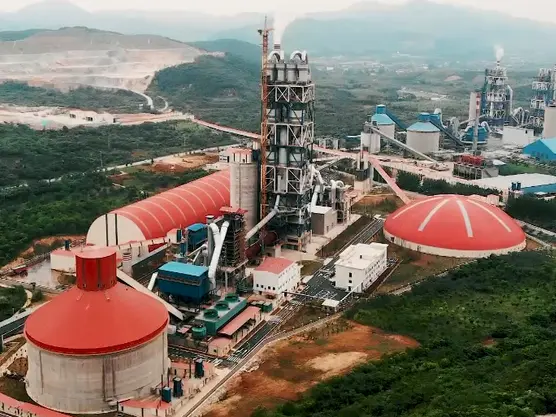
The key issue for any cement plant lies in the availability of critical equipment. The key to equipment availability is wear resistance, and the performance of wear-resistant products determines the operating time of critical equipment. CCO plates protect vertical mill body casings, chute liners, separator vanes, and raw meal chutes from severe dust erosion.
See Case Studies >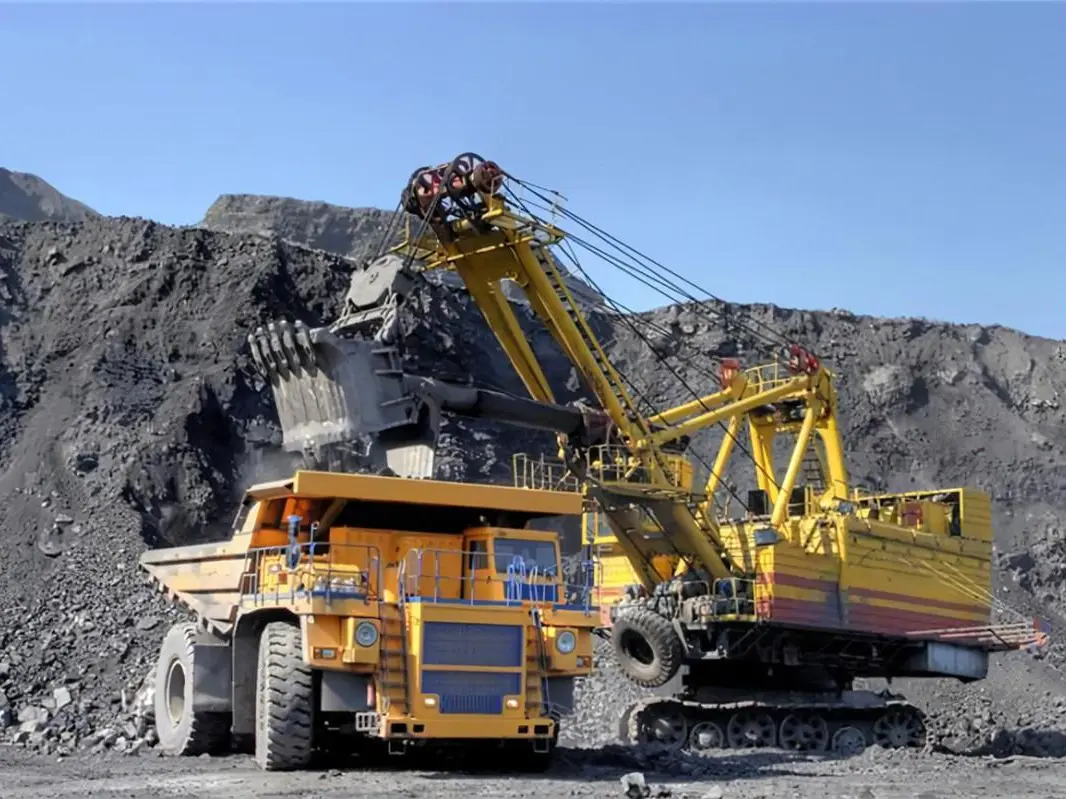
Mine operators around the globe are seeking to increase productivity, profitability and sustainability. We help our partners achieve these goals by delivering the mining industry’s most comprehensive and cost-effective wear solutions. Applied inside truck beds, hopper chutes, feeder plates, and grizzly screen bars to combat severe abrasive rock impacts.
See Case Studies >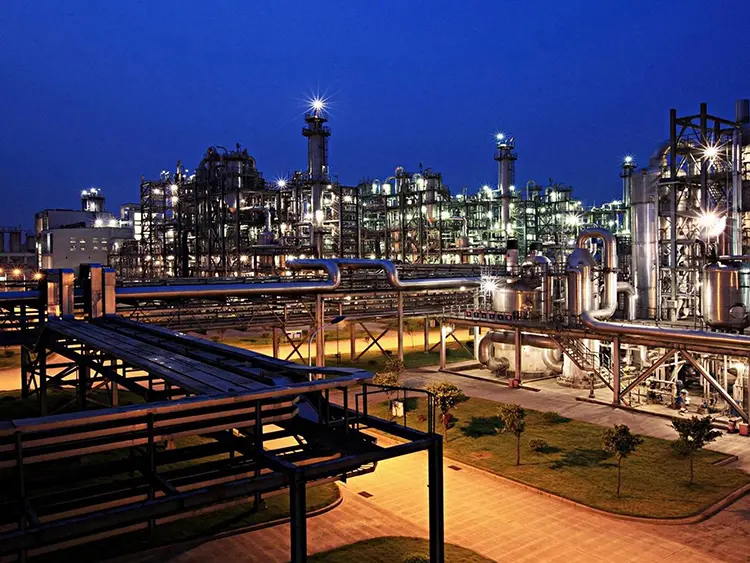
In the steel industry, the use of equipment is even more brutal, involving raw minerals, high temperatures, corrosion and other working conditions. CCO and custom alloy surfaces protect charging hoppers, blast furnace coke distributors, and sinter screen plates where heat and abrasion intersect.
See Case Studies >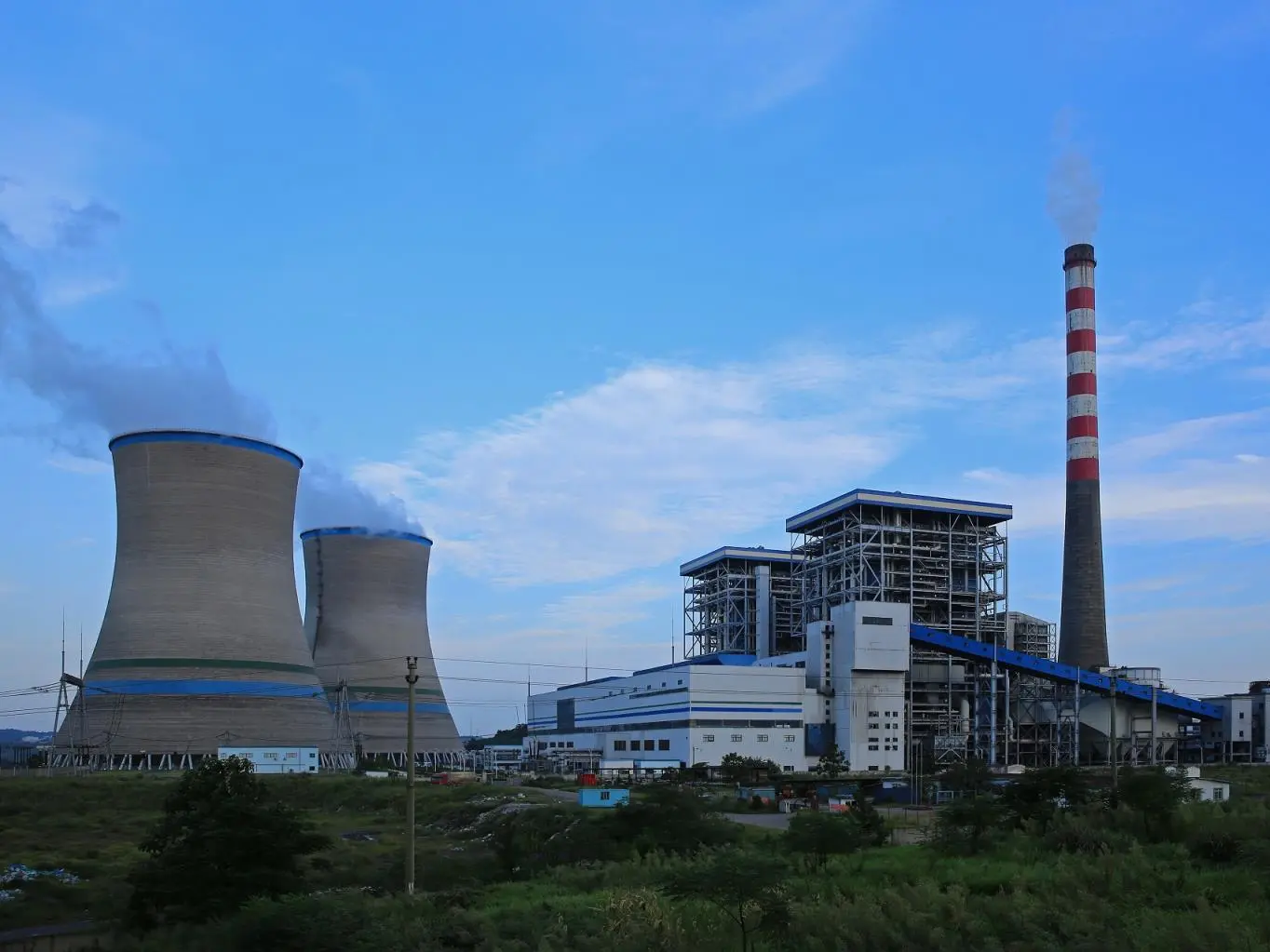
Wear protection for fan blades, conveyor chutes and hopper liners, crushers, coal mills, dust removal systems, conveyor systems. Extended operational life reduces catastrophic shutdown risks inside coal pulverizer systems.
See Case Studies >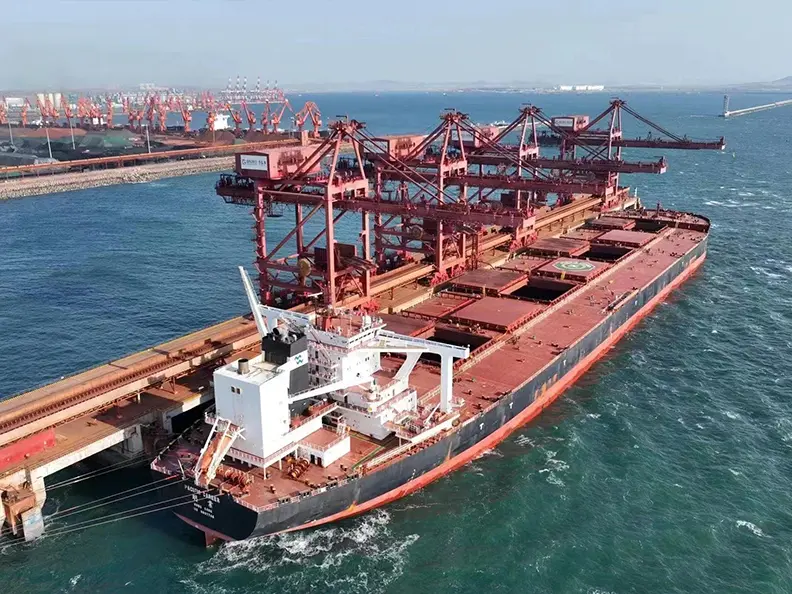
Ports are mainly to transport various materials, conveying equipment, loading and unloading equipment, as well as yard stacking and picking equipment, is the main force of port operations, and the damage of these equipment directly affects the benefits. Our CCO solutions withstand non-stop bulk material friction.
See Case Studies >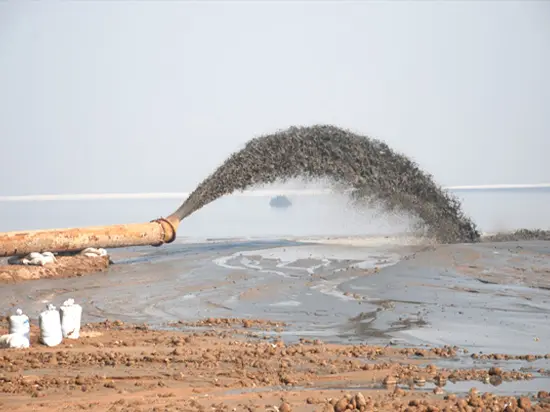
The wear-resistant alumina ceramic is made of high purity superfine alumina powder and sintered at high temperature by an optimized formula, offering extreme erosion resistance for fine powder pneumatic transport lines.
See Case Studies >
More to come as we continue to update and validate advanced engineering materials in extreme field configurations.
See Case Studies >
More to come as we continue to update our core alloy databases and mechanical impact studies.
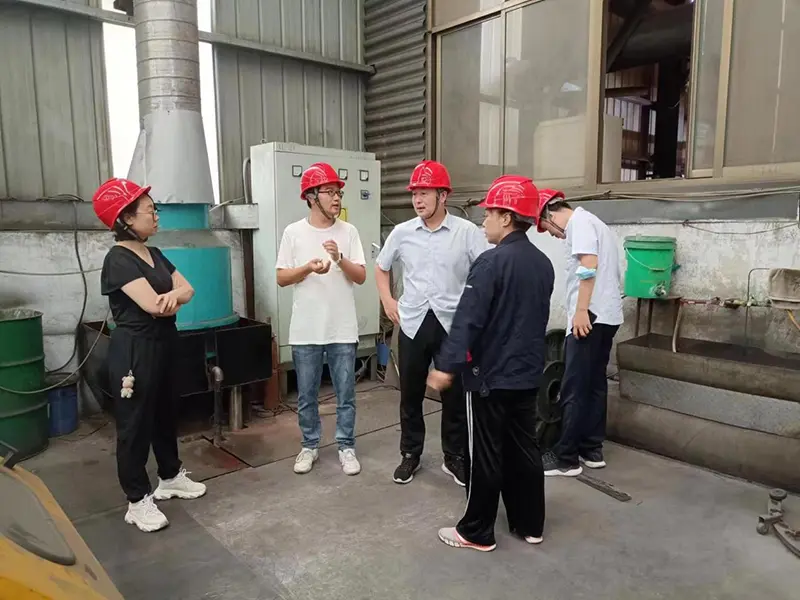
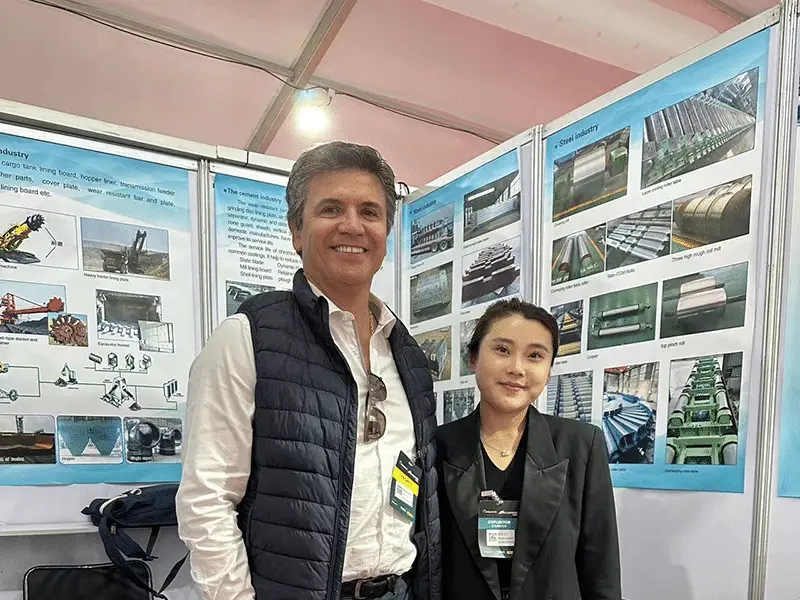
See Case Studies >Connecting with industrial leaders globally, from international mining exhibitions to top-tier German technology partnerships.
Key information regarding metallurgy, fabrication limitations, and wholesale logistics parameters.
Typically, the chemistry of the overlay deposition contains between 3.5% to 5.5% Carbon (C) and 25% to 40% Chromium (Cr). This composition results in the precipitation of primary $M_7C_3$ carbides within a eutectic matrix. We also customize other compositions involving Niobium (Nb) or Tungsten (W) to operate under extreme high-temperature or corrosive media.
No, hairline surface cracks (stress-relief cracks) are normal and metallurgically desirable. They occur during the cooling phase of the hardfacing process due to difference in thermal expansion between the overlay and the backing plate. These cracks only traverse the hardfacing layer and terminate at the fusion boundary, releasing residual weld stresses. They do not impair wear performance and prevent the plate from distortion during fabrication or rolling.
Because the chromium carbide overlay cannot be cut with oxy-fuel systems, cutting must be done using Plasma Arc cutting or Laser cutting from the carbon steel backing side. CCO plates can be cold-formed or rolled into complex concave or convex shapes. Attachment is accomplished by plug welding through pre-cut holes, perimeter welding the carbon steel backing to the structure, or using counter-sunk stud bolts welded directly to the backing plate.
The ASTM G65 Dry Sand/Rubber Wheel Abrasion Test is the global gold standard for assessing sliding abrasion resistance. Runxing bimetallic plates consistently show exceptionally low mass loss values under ASTM G65 procedures, outperforming heat-treated AR400, AR500, or manganese alloys by multiples of 5 to 10.
All overseas business operations are executed through Hebei Yuwan International Trade Co., Ltd. They coordinate customs processing, sea freight bookings, compliance verification, and currency routing. This streamlined framework allows our manufacturing plant to focus entirely on quality controls and lead time guarantees.
Technical specifications and links for direct ordering. Retaining original images and urls.
Premium bimetallic composite wear plate containing a uniform deposit of hyper-eutectic primary chromium carbides.
Explore >
Designed specifically to address severe sliding and impact forces within cement plant discharge chutes.
Explore >
Direct from factory sourcing options, with precision customization of base thickness and overlay thickness configurations.
Explore >
Engineered for outdoor welding applications. No external shielding gas required. High deposition rates.
Explore >
Wholesale distribution of premium tubular wires. Excellent weld bead appearance and slag detachability.
Explore >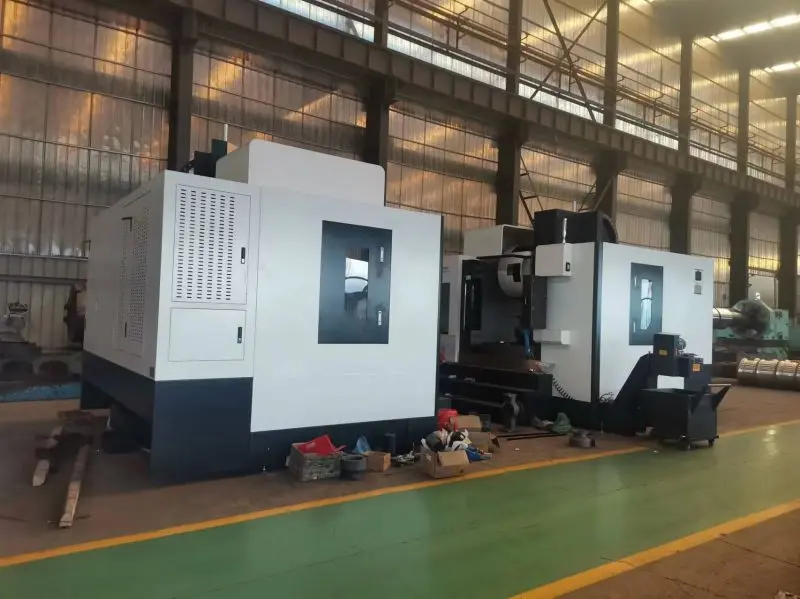
Custom design and installation services for heavy industrial pipelines, bends, tees, and large hopper systems.
Explore >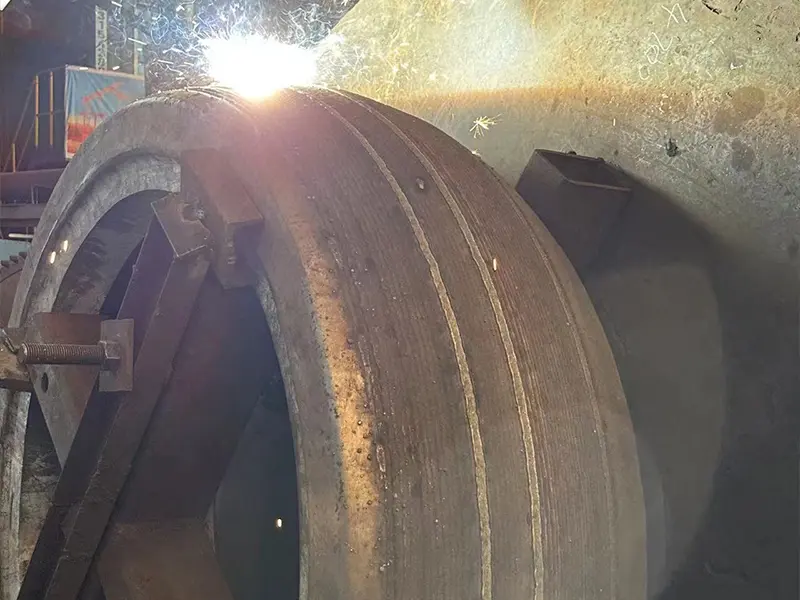
Onsite and factory rebuild of worn grinding rolls and tables, employing automated arc cladding technology.
Explore >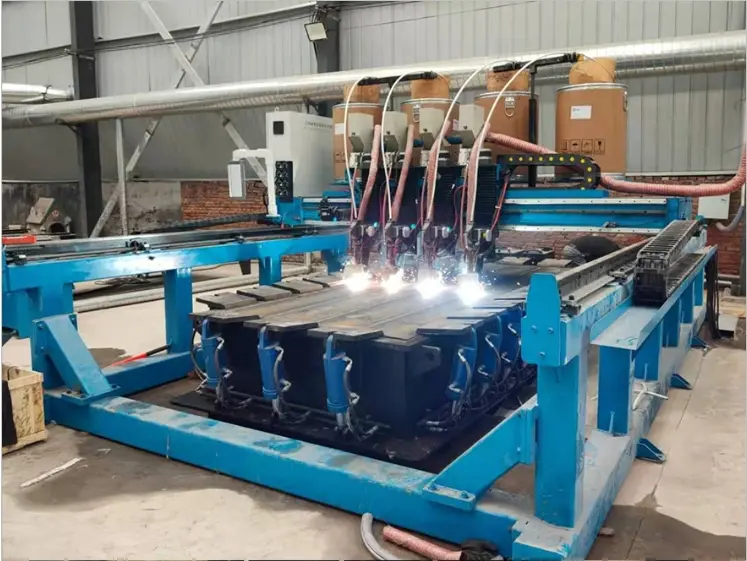
Advanced numerical control system regulating four welding guns operating simultaneously for uniform overlay tracks.
Explore >





 Runxing machinery