Premium hardfacing wear plates, flux-cored wires, and custom fabrication accessories optimized for severe friction and high stress.
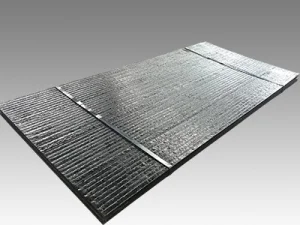
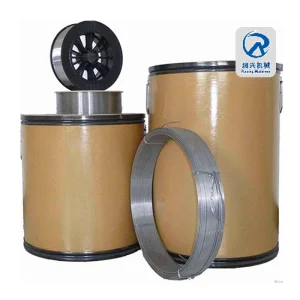
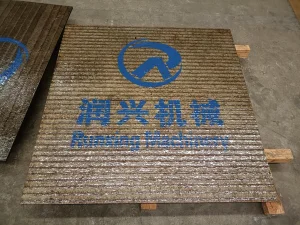
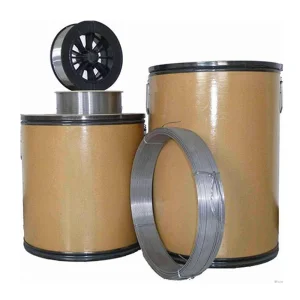
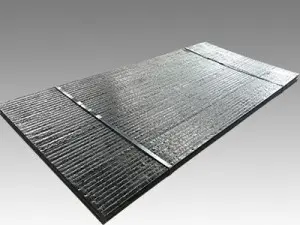
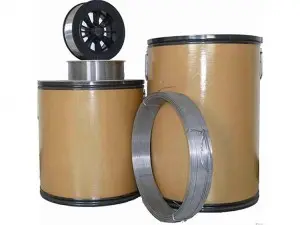
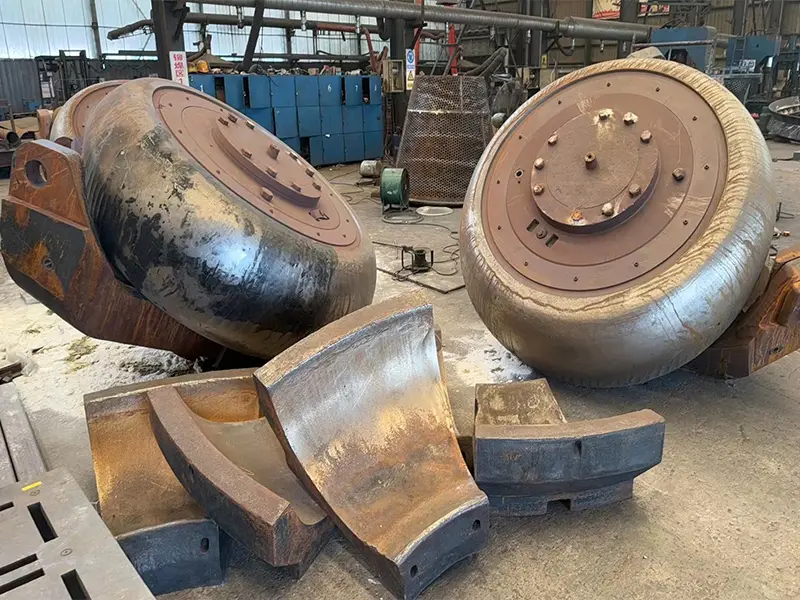
In heavy industrial wear defense, welding flux functions as more than a simple shielding medium; it serves as a dynamic metallurgical catalyst. Whether utilizing submerged arc welding (SAW) or executing complex overlay cladding, the choice of flux determines the final chemical composition, microstructure, and wear resistance of the deposited metal. For global procurement specialists, understanding the classification and reactive properties of welding flux is essential to extending the lifespan of machinery operating in abrasive environments.
Welding fluxes are divided into two main categories: agglomerated (ceramic) fluxes and fused fluxes. Fused fluxes are manufactured by melting raw mineral oxides together at high temperatures (typically exceeding 1300°C) and water-granulating the melt. They offer high chemical stability, minimal moisture pickup, and excellent physical durability. However, they lack the capacity to easily transfer essential alloying elements like chromium (Cr), nickel (Ni), molybdenum (Mo), or manganese (Mn) into the weld pool due to the high-temperature calcination of raw elements during the melting process.
The chemical behavior of a welding flux is defined by its Boniszewski Basicity Index (BI):
BI = [CaF₂ + CaO + MgO + K₂O + Na₂O + 0.5*(MnO + FeO)] / [SiO₂ + 0.5*(Al₂O₃ + TiO₂ + ZrO₂)]
Fluxes with a BI greater than 1.5 are basic, providing lower oxygen levels in the weld metal ($<250\text{ ppm}$) and superior fracture toughness. Acidic fluxes (BI < 1.0) offer excellent slag detachability and smooth bead appearances but result in higher oxygen content, which can degrade weld toughness. Selecting the correct BI is crucial for balancing hardfacing efficiency with crack resistance.
Agglomerated fluxes are processed by dry-mixing mineral powders, ferroalloys, and deoxidizers with a liquid binder (such as sodium or potassium silicate), pelletizing the mixture, and baking it at relatively low temperatures (350°C to 500°C). This low-temperature binding process allows manufacturers to introduce active metallic components directly into the flux matrix. In hardfacing and cladding operations, this enables the flux to actively enrich the weld deposit with carbon and chromium, facilitating the precipitation of primary $M_7C_3$ carbides within the overlay.
Tangshan, located in Hebei Province, stands as one of the world's most concentrated steel-producing regions, providing a robust supply chain network for wear-resistant materials manufacturing. Access to high-purity iron ore, raw ferroalloys (such as ferrochromium and ferromanganese), and industrial silicates gives local manufacturers a significant advantage in raw material procurement, quality consistency, and logistics cost control.
Tangshan Runxing Machinery Co., Ltd. leverages these regional advantages to operate a vertically integrated production ecosystem. By sourcing raw materials directly from Hebei's metallurgical network, we eliminate intermediate supply chain margins and secure high-grade mineral components for our welding fluxes and hardfacing wires. Our localized engineering facilities and close collaborations with academic institutions like Tangshan University ensure rapid prototyping, allowing us to customize flux formulas and overlay wire chemistries within short lead times.
To simplify international transactions, all export activities are managed by Hebei Yuwan International Trade Co., Ltd. This specialized entity handles all aspects of export logistics, customs clearance, regulatory compliance, and international banking transactions. This structural arrangement allows our manufacturing facility in Tangshan to focus on research, development, and quality control, ensuring that our products meet the standards required by global buyers in Europe, the Americas, and Central Asia.
For engineering firms and procurement managers, compliance with international welding codes is non-negotiable. Standardizing production line procedures requires fluxes and wires that meet strict standards, including the AWS (American Welding Society) A5.17 and A5.23 specifications, and European EN ISO 14174 classifications. Our manufacturing facility follows strict quality management protocols to ensure that our fluxes deliver consistent grain size, chemistry, and low moisture absorption rates.
In addition to manufacturing, on-site localization support is critical to ensuring product performance. Welding parameters such as voltage, current, travel speed, and interpass temperature must be carefully calibrated to avoid cracking in high-chromium carbide deposits. We offer comprehensive engineering support, including dilution rate calculations, base plate preheating guidelines, and post-weld heat treatment protocols, helping our partners achieve maximum wear resistance while maintaining mechanical reliability.
South Africa 2024: Showcased heavy mining wear linings and advanced welding materials in Johannesburg.
EXPOMIN Chile 2023: Expanded regional distribution in South America, offering specialized wear solutions for high-altitude copper mining operations.
Providing custom wear-resistant solutions engineered to withstand high impact, heat, and severe abrasion across key industrial sectors.
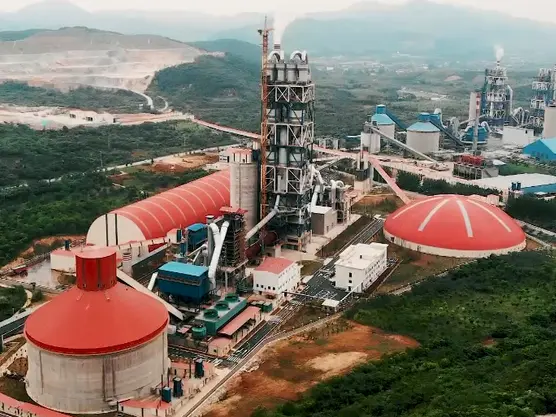
Ensuring high equipment availability for vertical roller mill tires, tables, and classifier cones exposed to severe raw mineral abrasion.
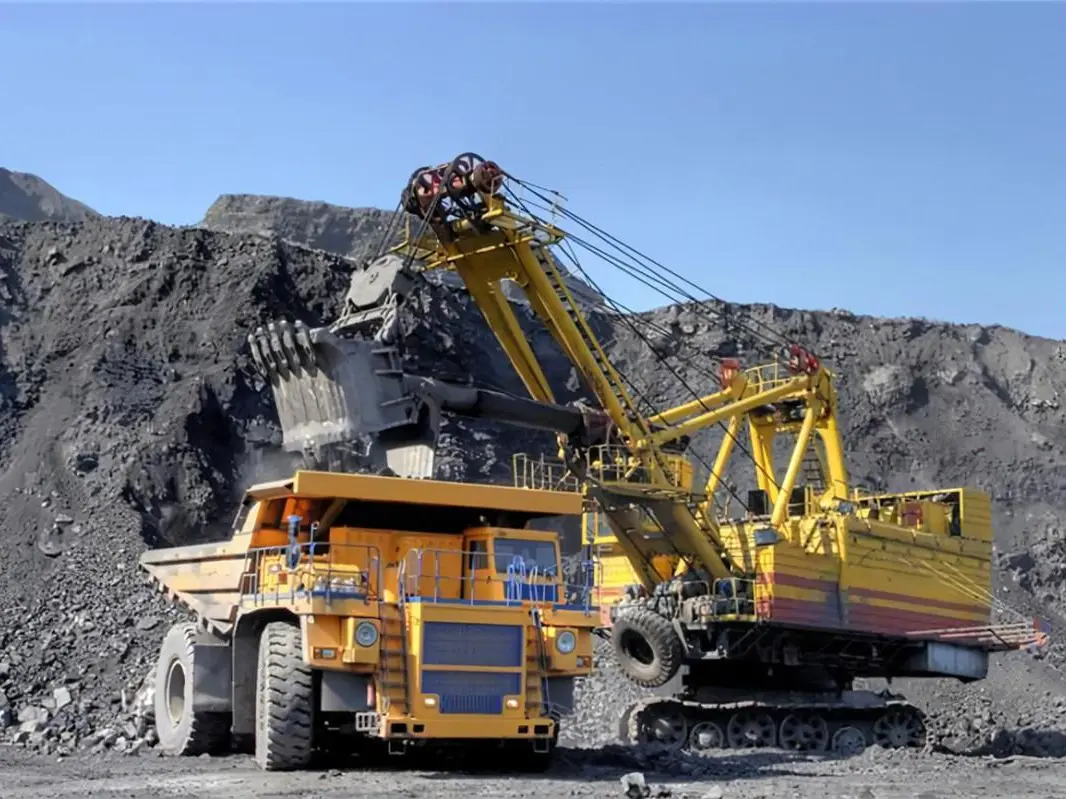
Protecting dump truck beds, hopper liners, dragline buckets, and primary crusher surfaces operating under high-stress grinding abrasion.
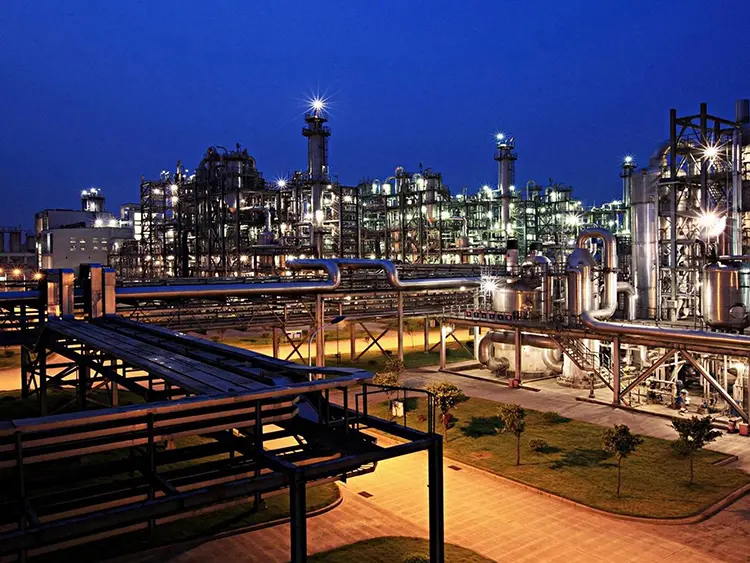
Providing wear protection for sinter plant equipment, blast furnace guide plates, coke screens, and raw materials handling chutes.
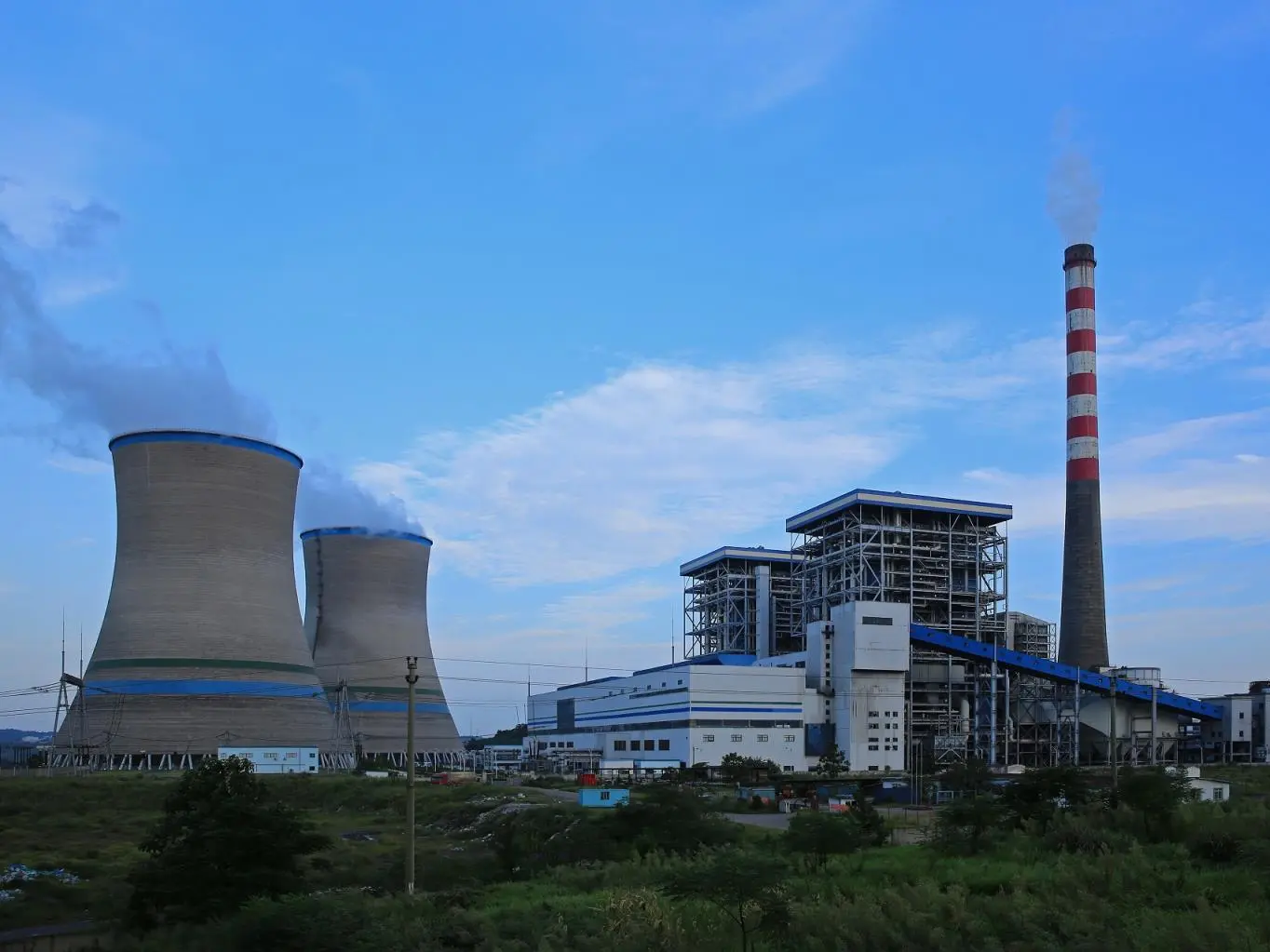
Wear protection for coal mill pulverizers, burner nozzles, exhauster fan blades, and ash-handling piping systems.
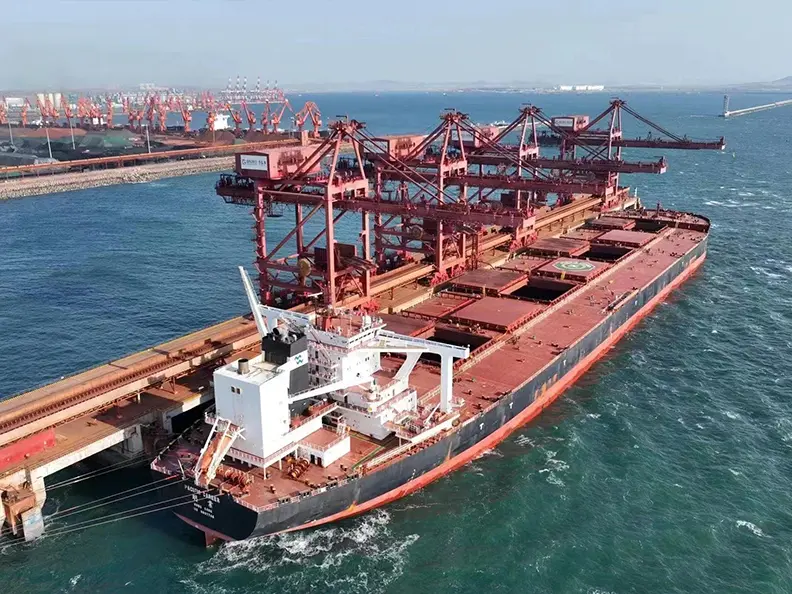
Reinforcing cargo grab buckets, hopper wear plates, and slurry discharge lines against high-velocity mineral friction.
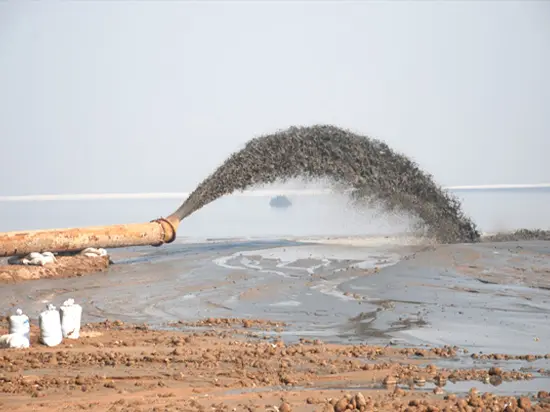
Sintered high-purity alumina ceramics for application areas subject to high velocity dry particle erosion and chemical corrosion.
Expert answers to common technical and metallurgical questions regarding welding flux and hardfacing overlays.
Highlighting our latest industrial partnerships, academic collaborations, and international trade show participations.
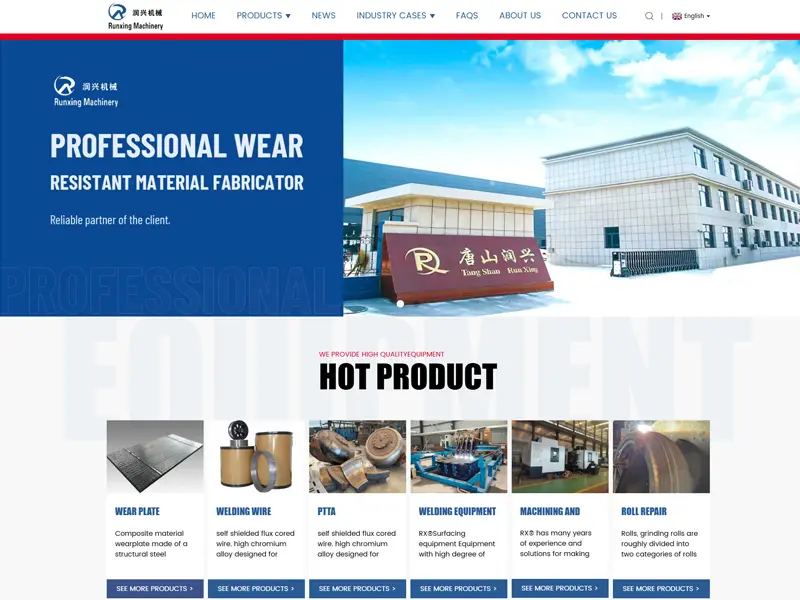
Tangshan Runxing Machinery Co., Ltd. has launched its updated website (www.runxing-machinery.com) to provide international clients with direct access to technical specifications and product catalogs.
We participated in the 2024 South Africa International Construction and Mining Machinery Exhibition in Johannesburg, presenting our hardfacing solutions to African mining and industrial partners.
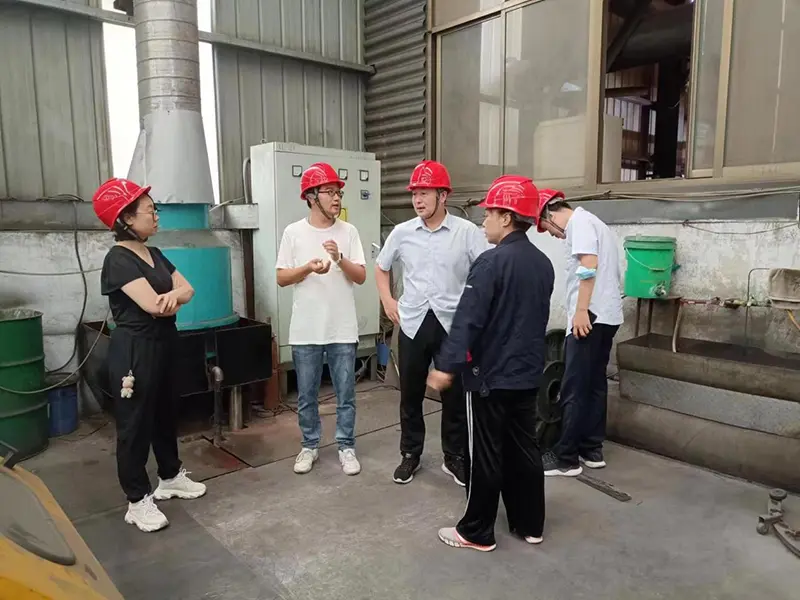
Dean Yuan Shaoqiang and Professor Yang Yuehui visited our manufacturing facility to review our ongoing R&D projects in advanced metal materials and forming technologies.
Runxing Machinery has maintained its partnership as an authorized agent for VAUTID since 2019, incorporating premium German alloy materials into our wear solutions.
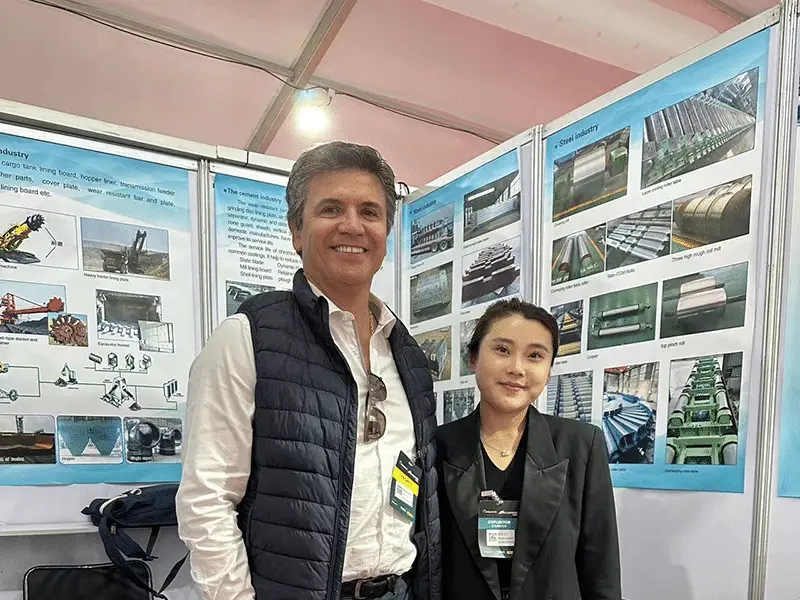
Runxing Machinery participated in EXPOMIN 2023 in Chile, presenting our chromium carbide overlay wear plates and hardfacing materials to South American mine operators.
Operating modern production bases in Hebei Province with advanced quality control systems.
Review our core product line for bulk procurement orders, customized OEM alloy composition matches, and wear plate designs.
 Runxing machinery