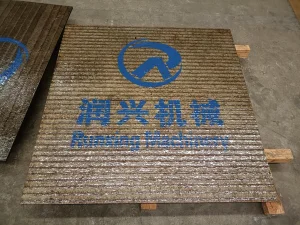
Highly customized composite sheets featuring an advanced chromium carbide cladding fused to a tough structural steel backing to deliver wear resistance in high stress grinding applications.
Technical Specs ⚡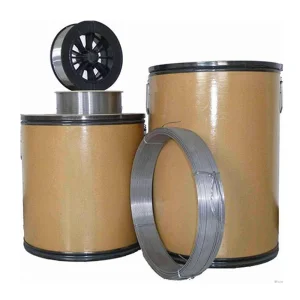
Premium welding consumables manufactured to provide superior surfacing deposit profiles, designed specifically for extreme impact and abrasive environments.
Alloy Breakdown ⚡
Runxing RX-m Series specifically engineered for cement chute liners and mining chutes, delivering optimal microstructure control with a high volume fraction of chromium carbides.
Mining Specs ⚡
High-chromium overlay welding wire that operates without external gas shielding, ensuring exceptional resistance against low stress grinding abrasion.
Inquire Factory ⚡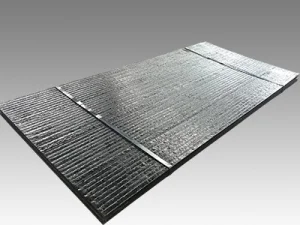
High-integrity wear-resistant composite steel plates fabricated with uniform deposition for heavy machinery structural protection under complex loading conditions.
Explore Sizes ⚡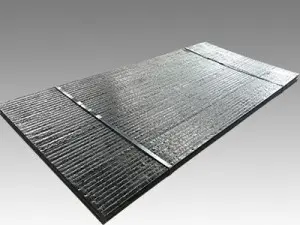
Composite material wear plate made of structural steel backing combined with a hard weld surfacing corresponding to the demanding DIN 8555 standards.
View Details ⚡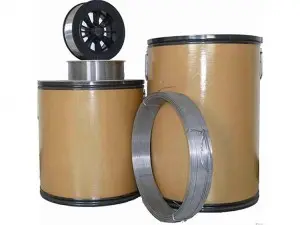
High chromium hardfacing wire formulated specifically to combat continuous grinding abrasion in mineral processing operations.
Order Samples ⚡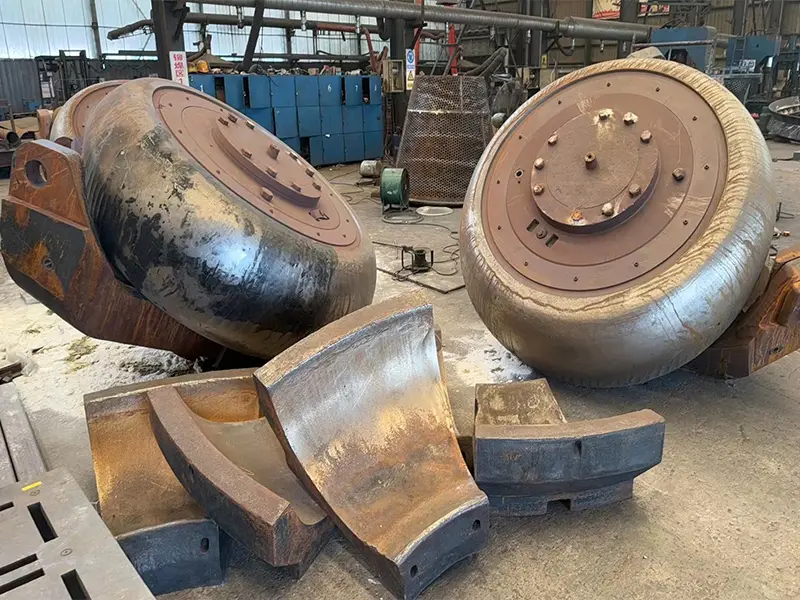
Advanced hardfacing consumables for automated Plasma Arc Overlay systems, ensuring extreme wear resistance with minimal base metal dilution.
View Chemistry ⚡In heavy industrial operations, the battle against material degradation is a continuous, multi-billion-dollar challenge. Weld-on carbide tips stand at the forefront of wear-prevention engineering, representing the pinnacle of mechanical reinforcement. These components involve composite materials that merge the extreme hardness of sintered tungsten carbide with the weldability and structural integrity of carbon or low-alloy backing steels. By focusing premium wear material precisely where wear mechanisms are most severe, companies dramatically extend the operational lifecycle of earthmoving, agricultural, recycling, and mining machinery.
The engineering logic of weld-on carbide components revolves around two core zones: the wear face and the weld base. The wear face consists of tungsten carbide (WC) grains embedded in a cobalt (Co) matrix. Cobalts role is structural; it acts as a binder, offering ductility to resist high impact, while the tungsten carbide grains resist micro-cutting and abrasive wear. The backing steel is chemically engineered to permit preheating and welding onto base structures using standard gas metal arc (GMAW) or flux-cored arc welding (FCAW) procedures without developing brittle martensitic phases.
When selecting a factory for OEM solutions, understanding grain-size distribution and binder percentage is vital. Medium-to-coarse carbide grains (typically 2 to 5 microns) are favored in heavy mining and impact applications to prevent micro-fracturing. Conversely, sub-micron or fine grain sizes are utilized in pure sliding-abrasion contexts where impact is negligible, maximizing hardness values up to 92 HRA.

The global market for industrial wear components is shifting away from low-cost, high-frequency replacements toward high-value, long-lasting hybrid systems. Sustainability regulations and escalating labor costs are discouraging manual re-welding operations in the field. Consequently, global procurement departments are demanding OEM solutions that last up to 5 to 8 times longer than standard heat-treated carbon steels.
Additionally, the rise of digital construction models and automated farming systems demands predictable wear curves. Equipment must run for pre-planned intervals without unscheduled downtime. OEMs are integrating carbide tips onto wear plates and agricultural tillers to ensure structural components maintain their geometry throughout their operational lifespan. In recycling and municipal waste processing, where shredders run 24/7, the inclusion of weld-on carbide inserts has become standard practice, enabling clean shear cuts and lower energy consumption over time.
Procurement departments require detailed chemical composition verification of both the tungsten carbide matrix and the steel backing. Standard testing metrics include scanning electron microscopy (SEM) analysis of the grain size distribution, density testing, and transverse rupture strength (TRS) assessments to guarantee structural consistency under extreme stress loads.
The interface between the carbide tip and the steel adapter is the most critical failure point in high-impact tools. Modern specifications call for silver-based brazing alloys combined with vacuum furnace processes to achieve uniform bonding. Shear strength values must exceed 250 MPa to withstand heavy lateral impacts during rock tillage or wood shredding.
OEM wear parts must slide perfectly into pre-existing mounts. Automated CNC machining allows for tolerances tighter than ±0.05mm. Factories must utilize Coordinate Measuring Machines (CMM) and laser scanning systems to perform 100% inspections on critical mounting areas prior to packing and distribution.
In the heart of northern China’s steelmaking hub, Tangshan Runxing Machinery Co., Ltd. has developed advanced hardfacing and wear-resistant product manufacturing facilities. Founded in 2010 in Tangshan, Hebei Province, the company has grown from a local supplier into a leading global provider of metal hardfacing solutions.
Runxing's production model demonstrates the power of Chinese industrial clusters. By integrating raw material sourcing, heavy plate rolling, automated cladding, and precise CNC machining within Hebei's manufacturing zone, the factory reduces lead times and logistics costs. This optimization allows Runxing to maintain high-quality standards while remaining globally competitive.
Furthermore, the factory's long-term partnership with Hebei Yuwan International Trade Co., Ltd. ensures smooth export logistics. While the factory floor focuses on metal surface engineering and manufacturing, Yuwan handles customs clearance, international payments, and intermodal transport. This separation of duties provides global procurement teams with direct factory pricing and simplified international logistics.
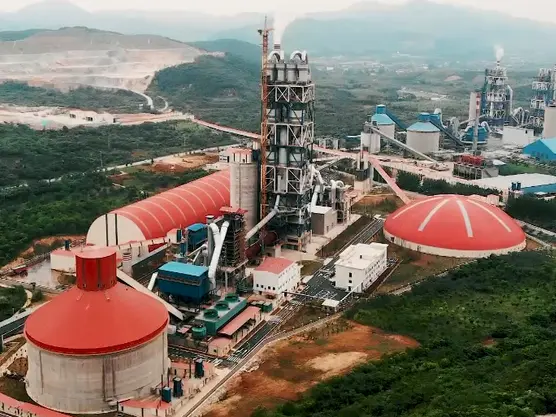
In cement processing, critical equipment availability is directly tied to wear resistance. Components like raw material chutes, hopper walls, and vertical roller mill guides face continuous sliding abrasion. Runxing CCO plates and carbide-tipped scrapers protect these zones, extending maintenance cycles from weeks to months.
Cement Solutions ⚡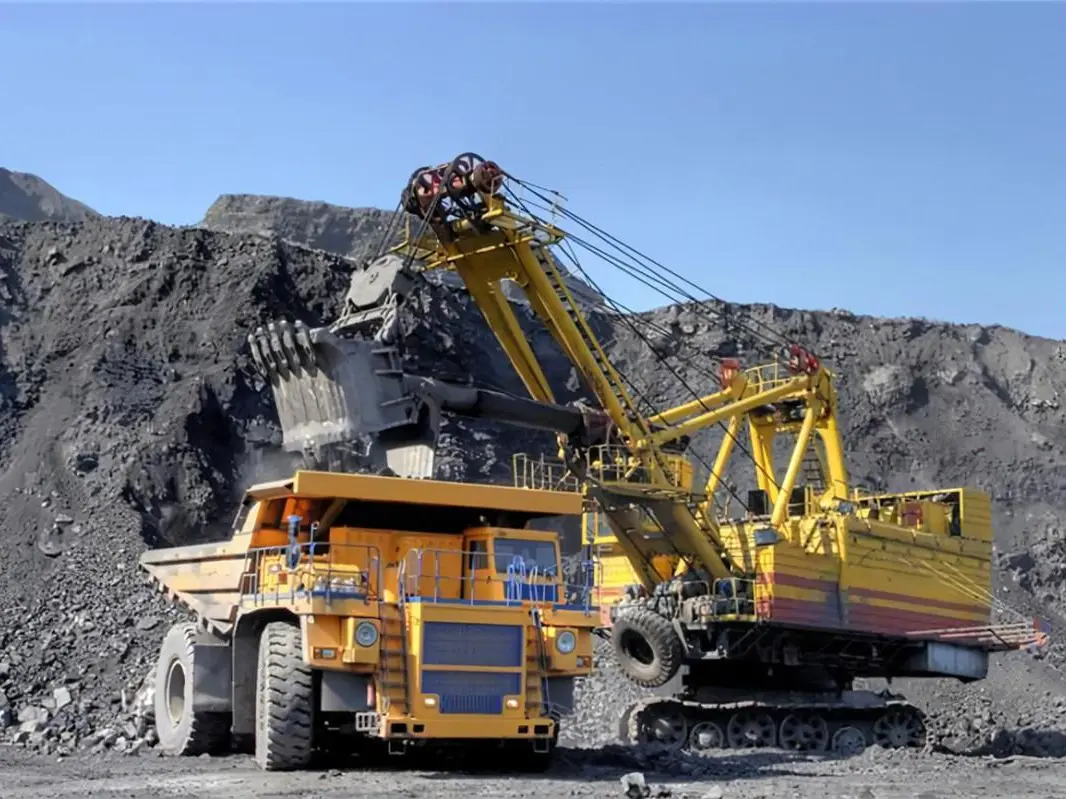
Mine operators require wear solutions that balance high productivity with cost efficiency. Excavatability relies on the sharpness of ground-engaging tools. Weld-on carbide tips help bucket lips and underground loaders retain their shape, allowing buckets to cut through overburden with less fuel consumption.
Mining Cases ⚡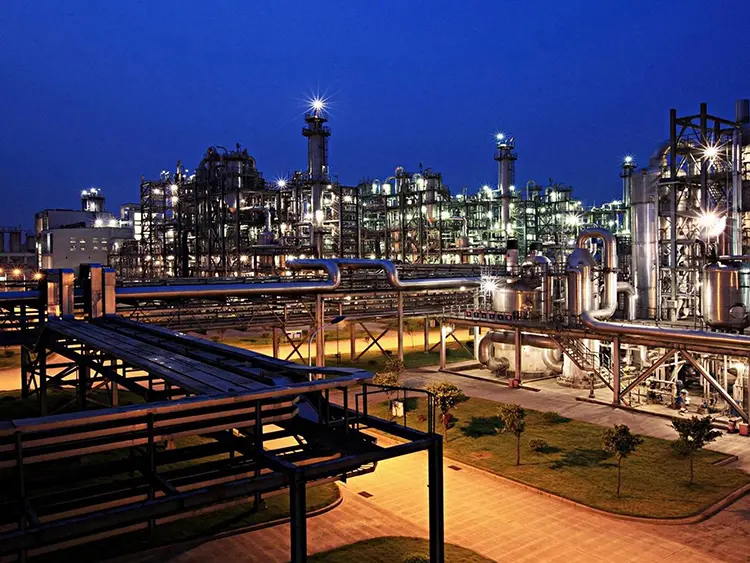
The steel industry presents harsh working environments that combine raw minerals, high thermal stress, and corrosion. Surfacing wear plates and carbide wear guides protect sintering screens, blast furnace receiving hoppers, and coke guide plates from premature thermal erosion and abrasive wear.
Steel Applications ⚡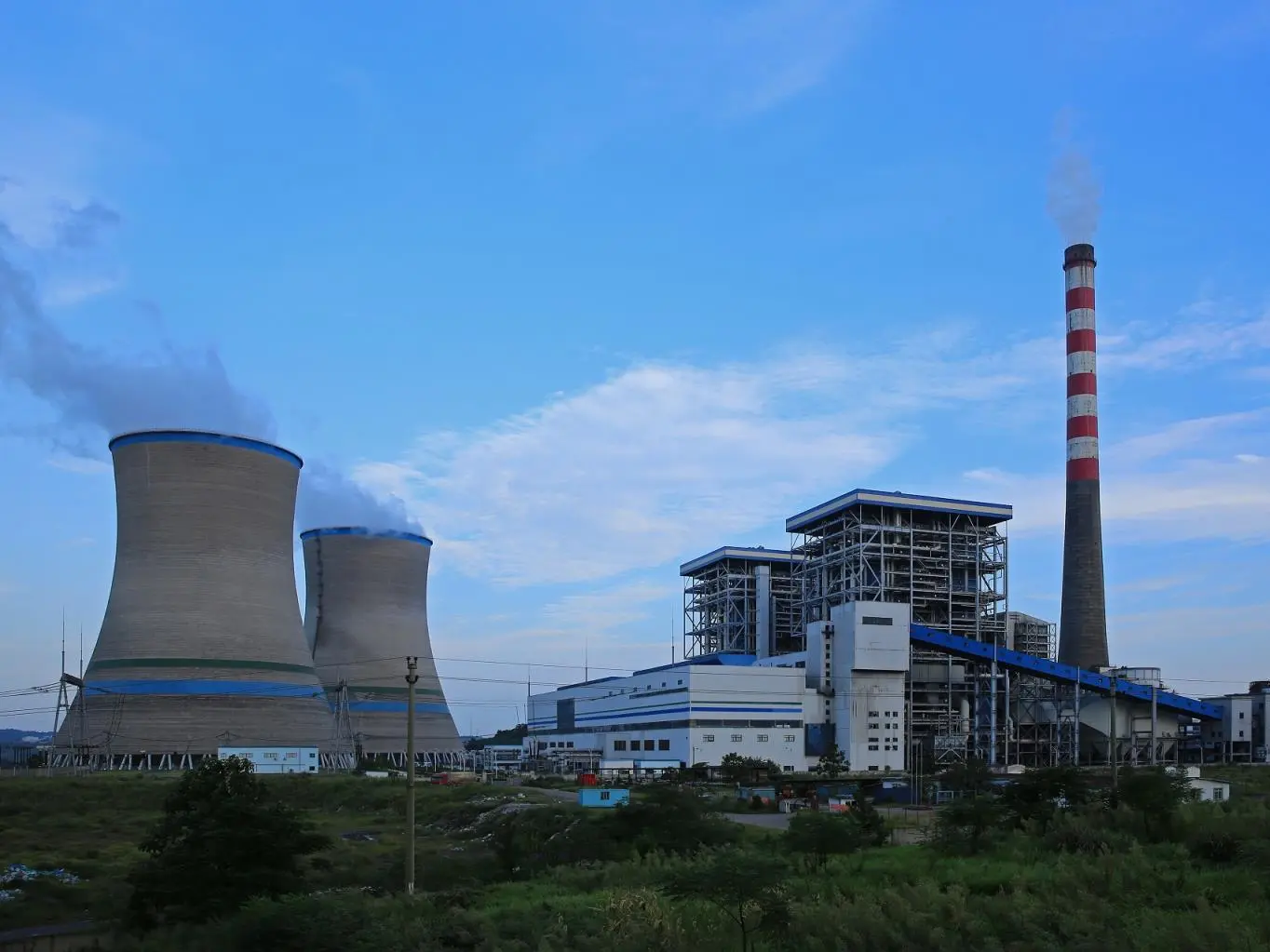
Protecting coal mills, exhauster fans, conveyor hoppers, and ash disposal systems from erosion is critical. High-velocity pulverized coal particles can cause rapid wear. Runxing's wear plates are designed to withstand continuous particle impingement, helping protect exhausters and separator systems.
Power Sector Cases ⚡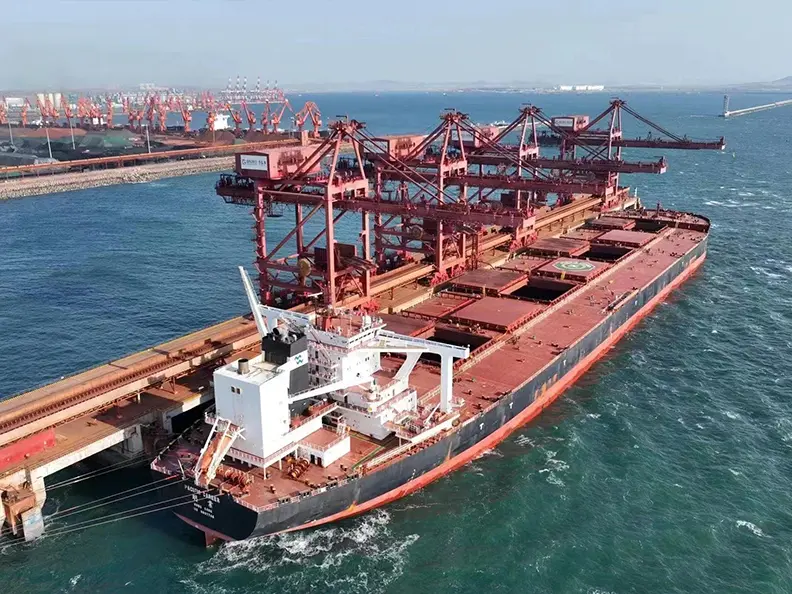
Bulk ports transport materials like coal, iron ore, and grain, exposing loading chutes, reclaimers, and grab buckets to wear. In dredging, wet slurry erosion can cause rapid metal loss. Hardfacing wires and wear plates protect these high-wear surfaces to extend component lifecycles.
Port Solutions ⚡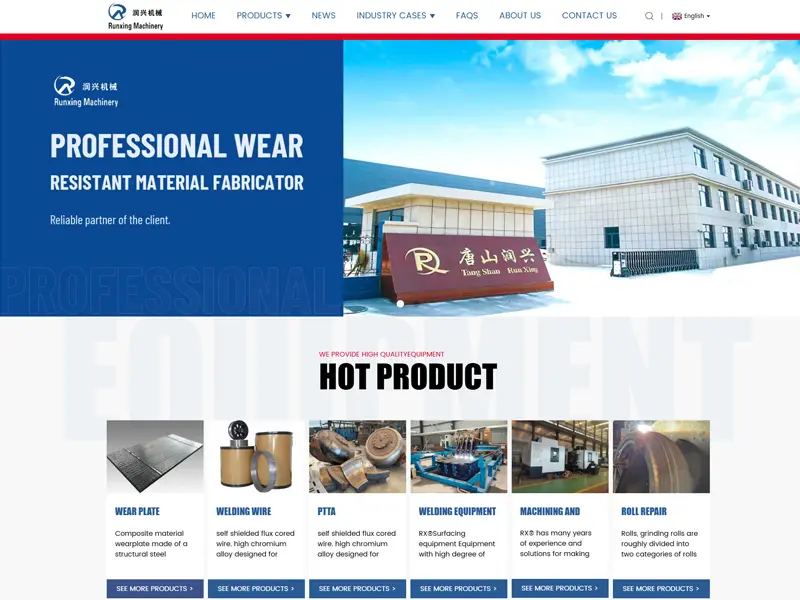
Runxing Machinery launched its updated digital platform to better serve global procurement channels, providing direct access to technical specifications and customization request forms for wear-resistant products.
Read More ⚡
At Electra Mining Africa 2024 in Johannesburg, Runxing displayed its chromium carbide overlay plates, hardfacing flux-cored wires, and custom weld-on wear parts to partners from across Africa.
Exhibition Recap ⚡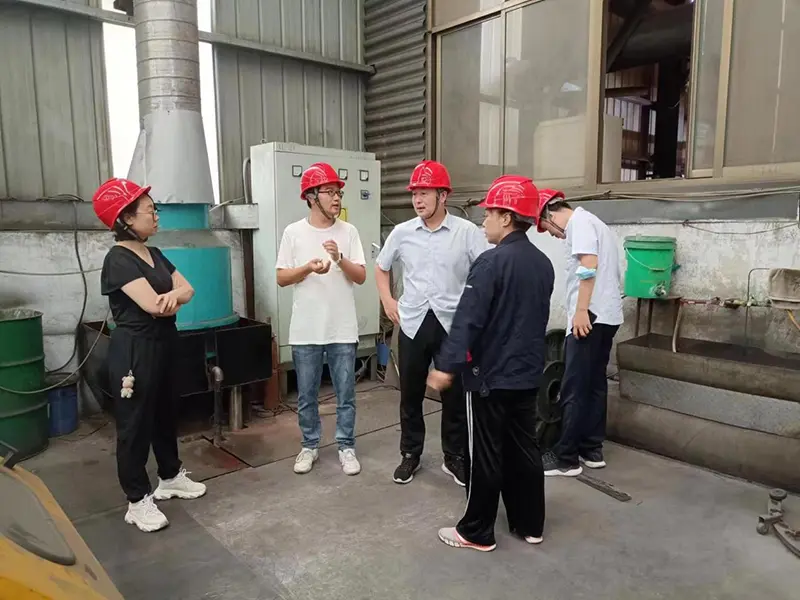
In 2023, leaders and professors from Tangshan University visited Runxing Machinery’s production facility, establishing a cooperative research channel focused on metal forming and surface technology.
Academic Updates ⚡
For six consecutive years, Runxing Machinery has been certified as a qualified agent and welding service partner for the German VAUTID brand, supporting technical exchanges and material applications.
Alliance Details ⚡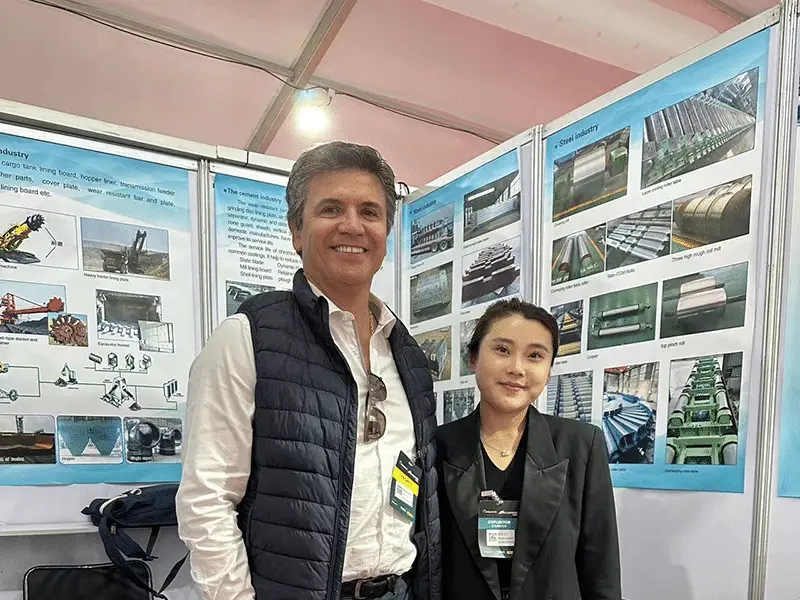
Runxing Machinery participated in EXPOMIN 2023 in Santiago, Chile. The company showcased hardfacing wires and wear plates to mining, dredging, and cement industry representatives from across South America.
South America Reach ⚡The performance of hardfacing wear plates and weld-on carbide tips is determined by their internal microstructure. Runxing's Chromium Carbide Overlay (CCO) plates are manufactured using automated open-arc or submerged-arc processes. In these processes, a high-chromium flux-cored wire is deposited onto a structural steel backing. Controlled cooling allows primary chromium-rich carbides (specifically Cr7C3) to precipitate throughout the microstructure.
These Cr7C3 hexagonal carbides have hardness values ranging between 1200 and 1600 HV, compared to approximately 400 to 500 HV for standard hardened alloy steels. They are embedded in a tough, support-providing eutectic matrix. For heavy sliding abrasion applications, Runxing controls the volume fraction of these primary carbides to ensure they constitute between 30% and 45% of the overlay chemistry. This design helps prevent spalling and cracking under dynamic stress.
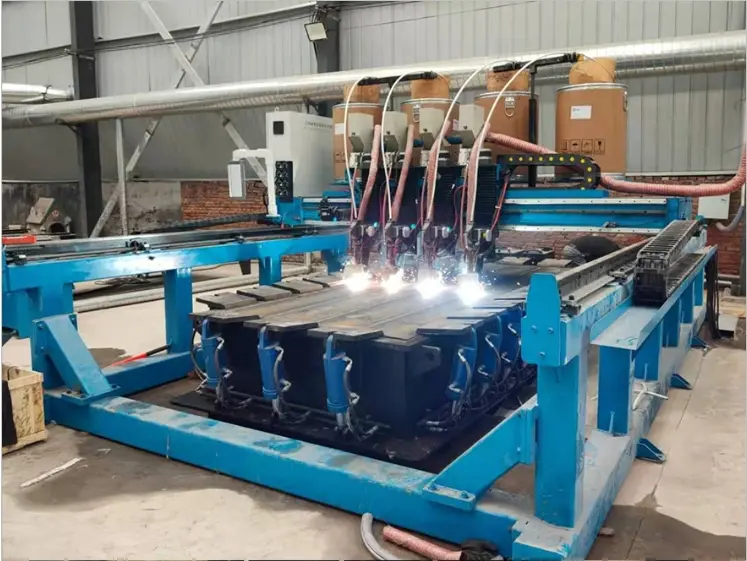
Runxing utilizes custom-engineered multi-head automated surfacing machines. These systems are equipped with 10.2-inch touchscreens and numerical controls that regulate parameters like welding voltage, travel speed, oscillation width, and wire feed rate. Consistently managing the heat input controls dilution from the backing steel, ensuring the hardfacing layer retains its intended carbide concentration.
Whether using solid-core or flux-cored wires for roll repairs, vertical mill rollers, or conveyor chutes, these automated systems provide consistent weld overlays with minimal porosity. This process minimizes manual repair needs, helping control operational costs for industrial clients.
Numerical control hardfacing stations designed for wear plate cladding, roller repairs, and coal pulverizer component maintenance.
System Options ⚡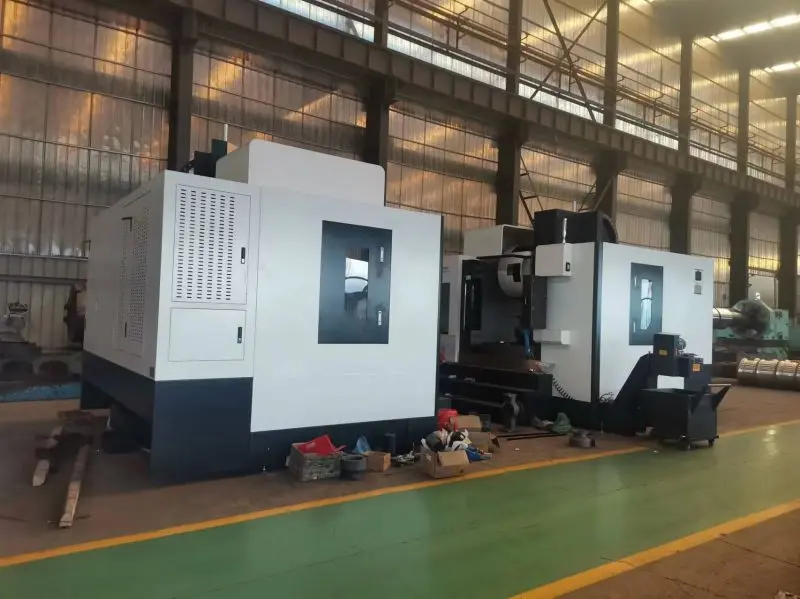
Custom fabrication and machining services for wear-resistant liners, piping assemblies, and heavy industrial plant equipment.
Inquire Services ⚡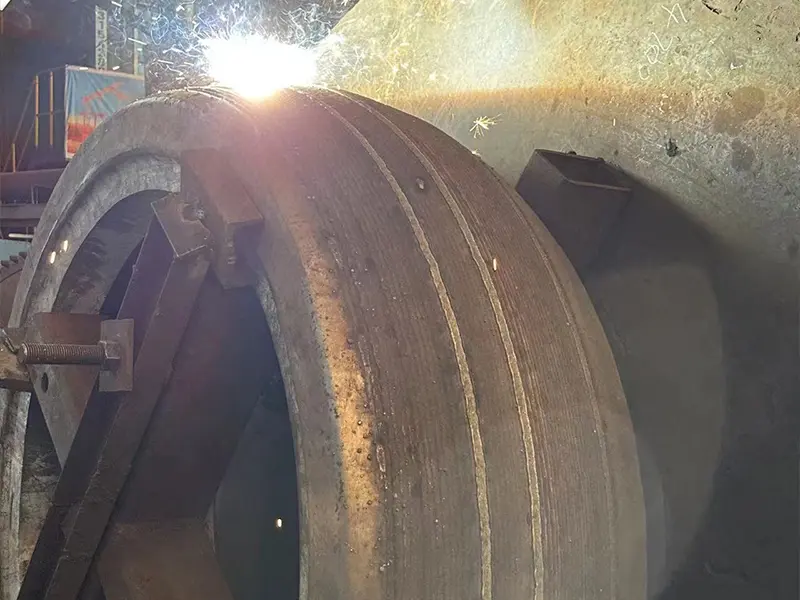
Reconditioning services for worn grinding rollers, vertical coal mills, and continuous casting rollers to restore original profiles.
Inquire Repairs ⚡
Clad wear plates featuring wear layers fused to mild steel backing plates, designed for high-stress abrasive applications.
View Options ⚡
Surfacing wires designed to provide uniform carbide distribution and consistent deposit layers during automated repair processes.
Learn Chemistry ⚡
Abrasion-resistant steel plates engineered for chute liners in cement plants and mining hoppers.
View Sizes ⚡
Self-shielded open-arc welding wire formulated to provide abrasion resistance in field and outdoor maintenance applications.
Wire Specs ⚡
Wear-resistant composite plates with a dual-metal design to handle both abrasive wear and structural loads.
Inquire Now ⚡






 Runxing machinery