Engineered to deliver exceptional wear resistance under severe abrasion, impact, and high-temperature operating conditions.
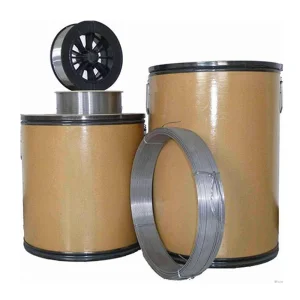
High-alloy surfacing consumables engineered for open-arc cladding of heavy mining and cement processing equipment.
Learn More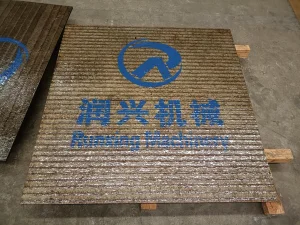
Runxing RX-m series engineered for extreme wear protection in cement chutes, transfer hoppers, and mining skips.
Learn More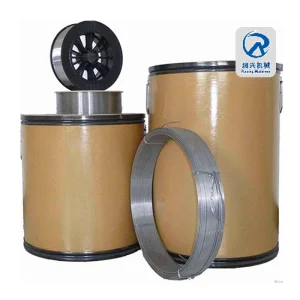
Designed for outdoor repairs without external shielding gas. High chromium deposition for low-impact grinding abrasion.
Learn More
High-alloy composite plates manufactured under strict quality standards for optimized sliding wear protection.
Learn More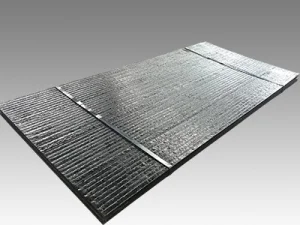
Double-layer metallurgy combining structural steel support with a dense, hardfacing overlay to prevent premature fracturing.
Learn More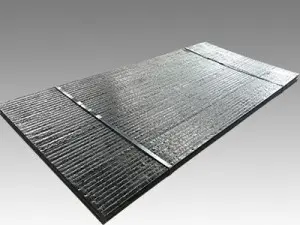
Structural steel backing combined with a high-carbide weld surfacing, engineered in compliance with DIN 8555 standards.
Learn More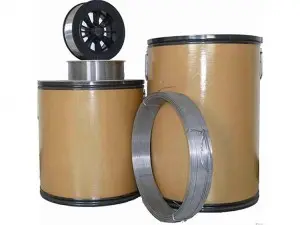
Specifically developed high-chromium alloy wire formulated to resist high-stress grinding abrasion under low impact.
Learn More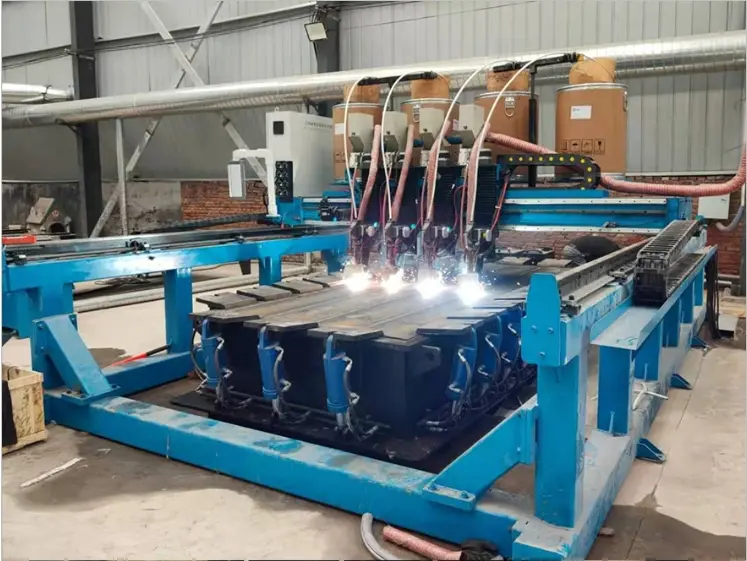
Fully automated 4-gun numerical welding systems designed for overlay cladding and industrial roll refurbishment.
Learn MoreAnalyzing modern industrial tribology, material loss vectors, and the global economic impact of equipment wear.
In modern heavy industrial manufacturing, the control of wear and surface degradation is a primary driver of operational efficiency and bottom-line profitability. Mining, cement, power, port operations, and steel manufacturing plants operate continuously in environments laden with aggressive raw materials, severe impact force, and sliding friction. Without adequate protection, structural steel substrates succumb to rapid wear, leading to unplanned downtime, high maintenance labor costs, and reduced asset service lives.
The global demand for high-performance OEM Wear Plate Steel has shifted from traditional quenched-and-tempered (Q&T) steel plates to highly engineered composite materials, such as Chromium Carbide Overlay (CCO) plates. By utilizing a dual-layer structure—combining a tough, weldable base plate with an alloy-rich wear-resistant layer—engineers can extend equipment service life by up to 10 times compared to structural carbon steels.
Trust us, choose us
Founded in 2010 in Tangshan, Hebei Province, Tangshan Runxing Machinery Co., Ltd. has established itself as an industry leader in the R&D, manufacturing, and on-site implementation of hardfacing wear-resistant metal products. Leveraging advanced surface hardfacing technologies, we specialize in high-quality chromium carbide overlay (CCO) wear plates, fabricated wear liners, hardfacing flux-cored welding wires, and automated surfacing repair machinery.
Our commitment to quality is backed by robust academic and international partnerships. Runxing Machinery is proud to collaborate with researchers at Tangshan University (led by Dean Yuan Shaoqiang, Vice Dean Li Jing, and Prof. Yang Yuehui's Metal Materials and Forming Technology team) to continually improve the microstructure of our alloy cladding. Additionally, we have been recognized as a qualified agent for VAUTID Germany for six consecutive years, enabling us to offer elite materials for high-wear environments.
Engineered wear protection designed to meet the operating demands of heavy industrial sectors worldwide.
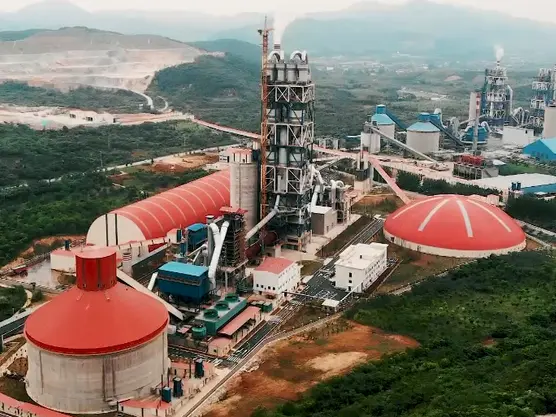
Operational uptime in cement plants depends on the reliability of critical equipment. Our high-hardness CCO liners protect raw feed hoppers, chutes, and separator guides from severe particle erosion.
View Details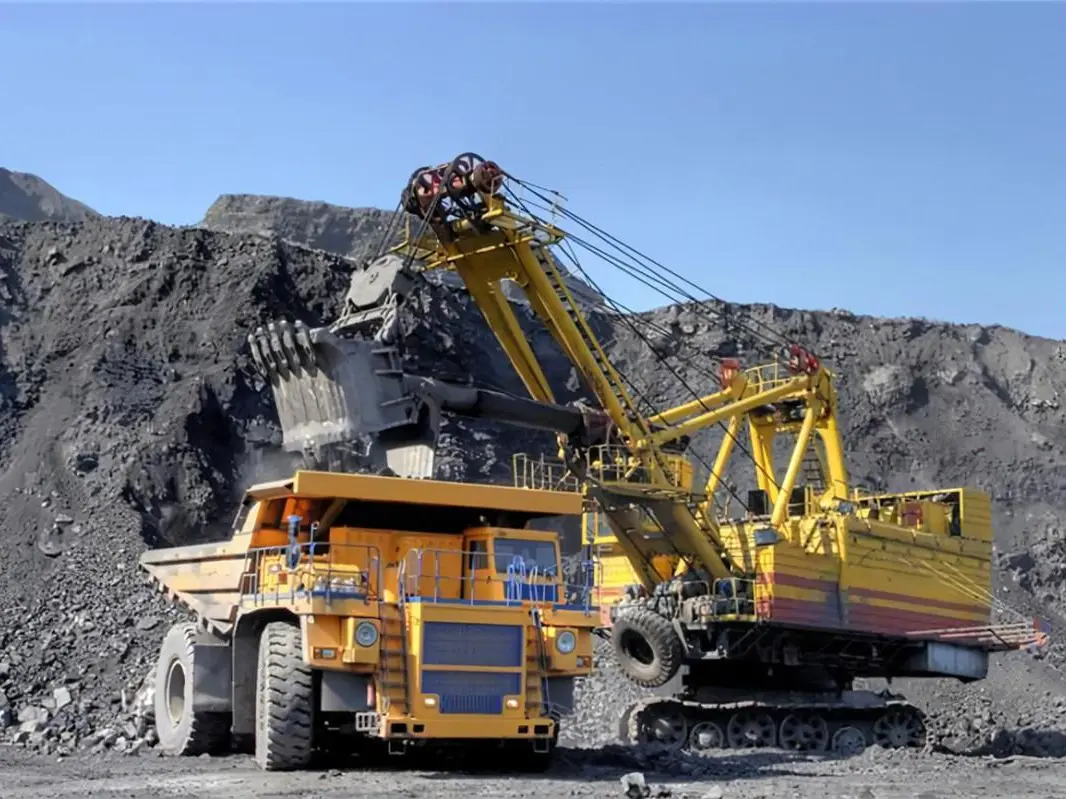
We supply mining operators globally with high-impact, abrasion-resistant wear plates for haul truck beds, excavator buckets, and primary crusher hoppers to maximize processing tonnage.
View Details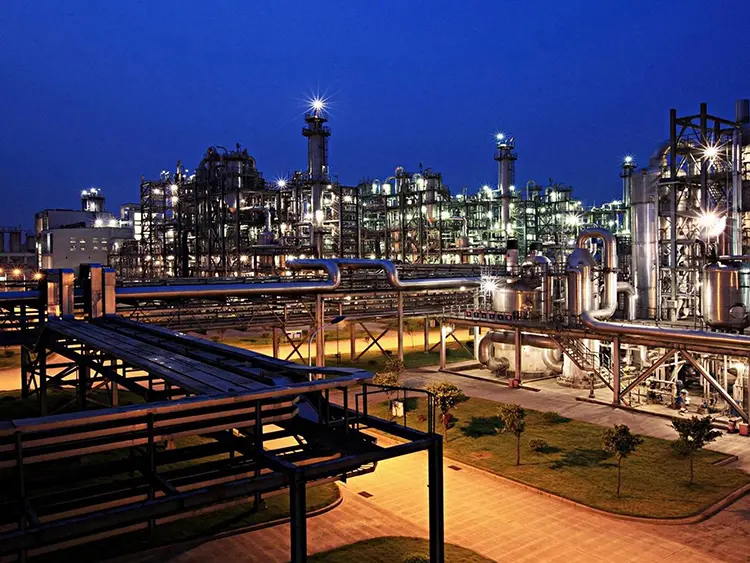
Our solutions are built to withstand extreme thermal conditions, impact, and heavy sliding friction in coke sorting, sinter processing, and raw ore transport lines.
View Details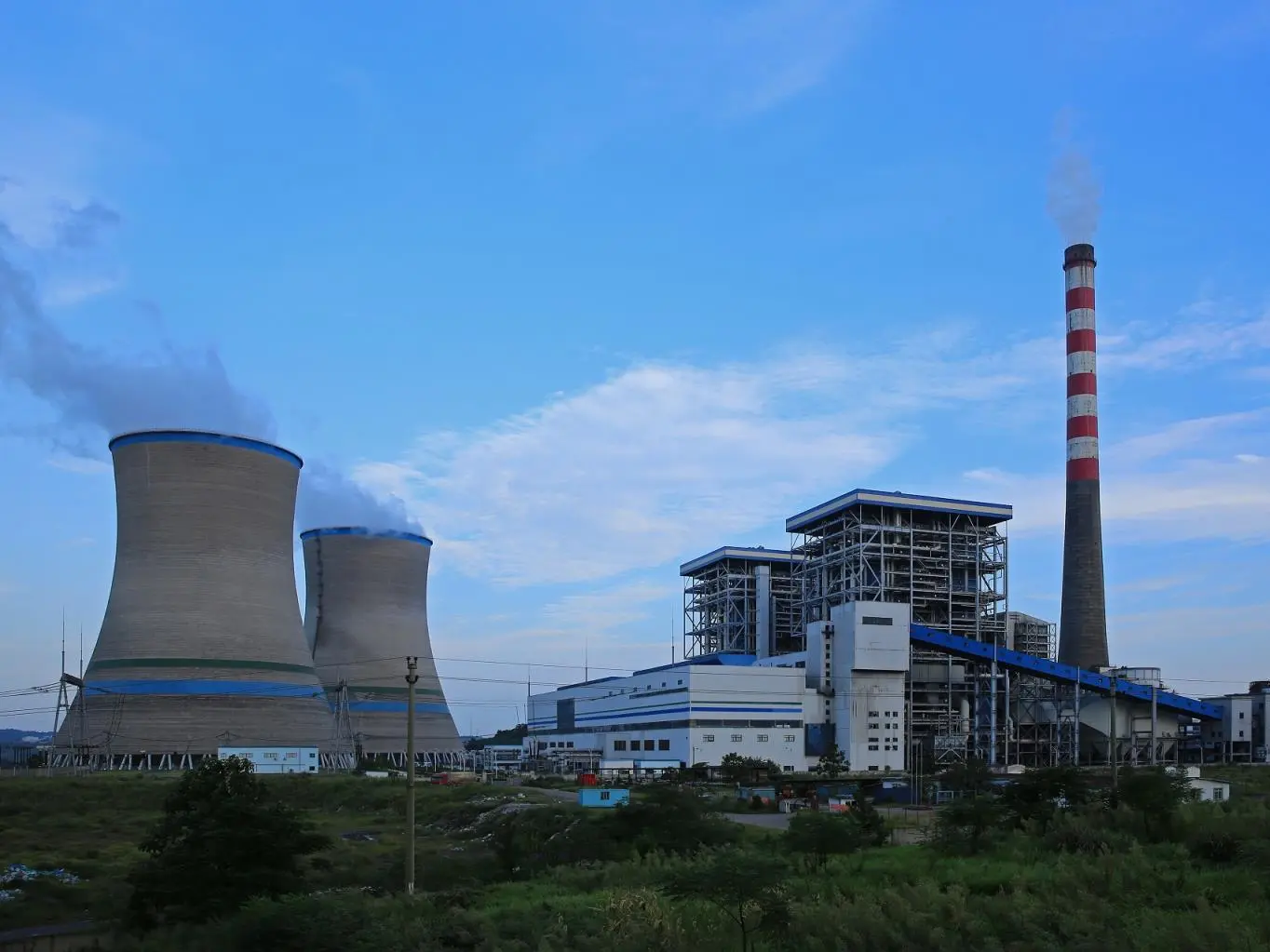
We protect coal handling systems, exhaust fan blades, dust collectors, pulverized coal conduits, and boiler feed chutes against continuous velocity wear.
View Details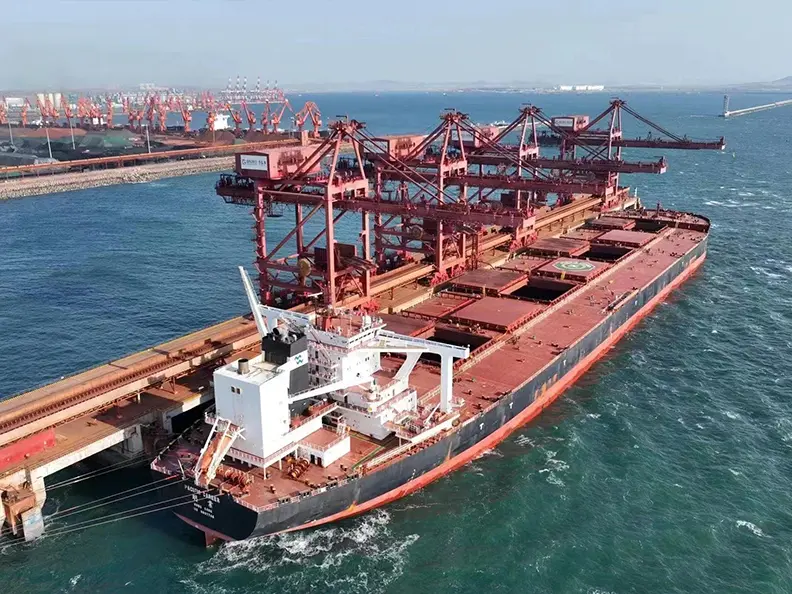
We supply wear-resistant piping and chute liners designed to withstand the rapid sliding wear experienced during bulk shipping, loading, and hopper distribution.
View Details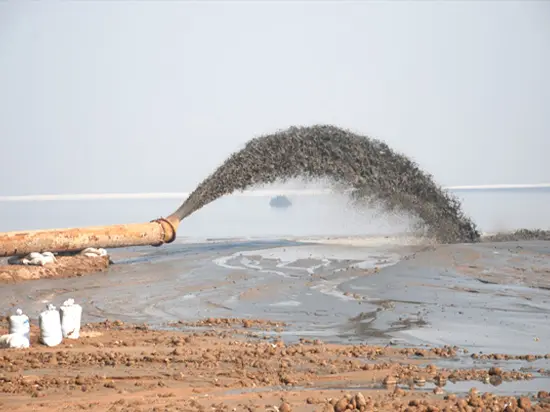
Highly refined, ultra-fine sintered alumina tiles engineered for high-temperature and chemical environments where metallic overlay is not suitable.
View DetailsA closer look at the chemistry, microstructures, and wear metrics that define high-quality bimetallic steel overlays.
The performance of a Chromium Carbide Overlay (CCO) wear plate is determined by its microstructural composition. During overlay welding, a base plate (typically carbon steel like Q235B or Q355B) is clad with a layer of chromium-rich alloy using an open-arc or submerged-arc process. The rapid cooling of this alloy layer forms primary chromium carbides ($Cr_7C_3$) within an austenitic matrix.
This microstructural combination offers dual-action protection: the primary carbides provide a high hardness level (typically 58 to 62 HRC, or up to 1700 HV) to resist abrasion, while the tougher base plate and surrounding matrix absorb impact forces to prevent fracturing. Below is a comparison of standard wear-resistant materials used in modern industrial environments:
| Material Group | Typical Surface Hardness | Abrasion Resistance (vs. Mild Steel) | Impact Toughness | Max Operating Temp |
|---|---|---|---|---|
| Mild Structural Steel (Q235) | 120 - 150 HBW | 1.0x (Baseline) | Excellent | 400°C |
| Quenched & Tempered (AR500) | 470 - 530 HBW | 3.0x - 4.5x | Very High | 250°C |
| Runxing CCO Wear Plate (RX®wp 7600) | 58 - 62 HRC (600-650 HBW) | 8.0x - 12.0x | Moderate to High | 600°C |
| Runxing High-Alloy Complex CCO | 62 - 65 HRC | 12.0x - 15.0x | Moderate | 800°C |
| Sintered Alumina Ceramic (95% Al2O3) | 85+ HRA (1500+ HV) | 15.0x - 20.0x | Low (Brittle) | 1200°C |
Our standard manufacturing processes are designed to control carbon dilution from the backing plate, maintaining the carbide volume fraction above 30% to maximize service life in abrasive environments.
Heavy wear is not limited to flat plates. Machinery components like cement grinding discs, mill rollers, coal crusher assemblies, and continuous casting rollers are subject to severe wear. Runxing Machinery provides automated surfacing solutions to restore these parts to their original profiles. Our automatic CNC surfacing systems adjust weld bead profiles in real time to ensure uniform material deposition, helping plants restore worn parts at a fraction of the cost of buying new replacements.
Demonstrating our commitment to international engineering standards and global customer collaboration.
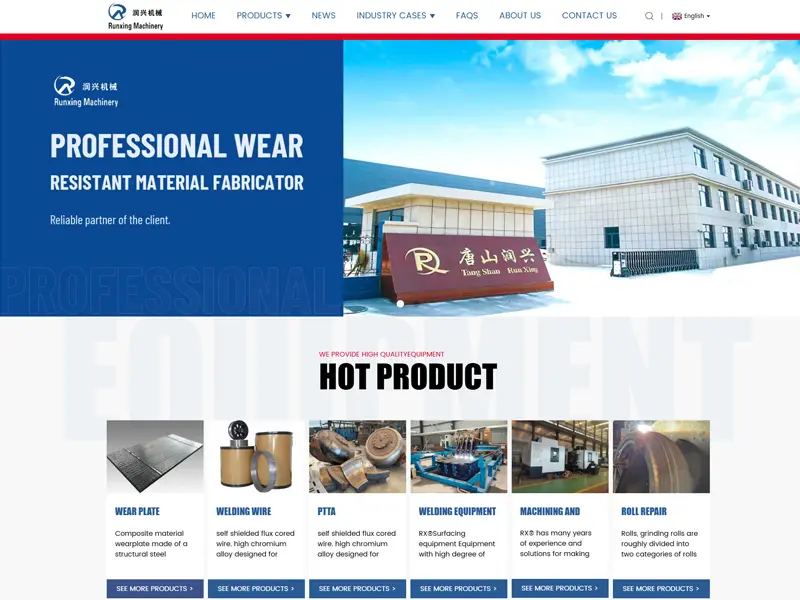
We launched our dedicated web platform to streamline international sourcing, offering global procurement officers convenient access to custom CCO material specs.
Read Press Release
Runxing showcased our latest overlay plates and flux-cored wires at the Johannesburg International Convention and Exhibition Center, highlighting wear solutions for mining and power generation across the continent.
Read Exhibition Report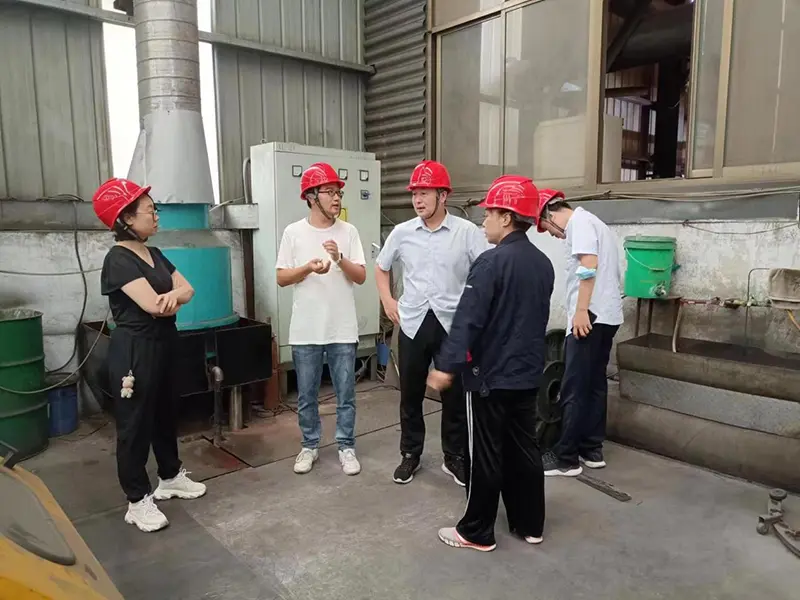
Dean Yuan Shaoqiang, Vice Dean Li Jing, and Prof. Yang Yuehui visited our plant to evaluate our automated surfacing systems and explore metal forming joint research programs.
View Gallery
Our ongoing integration of high-grade VAUTID consumables in specialized overlay plates ensures our wear solutions meet demanding industrial standards.
Verification Details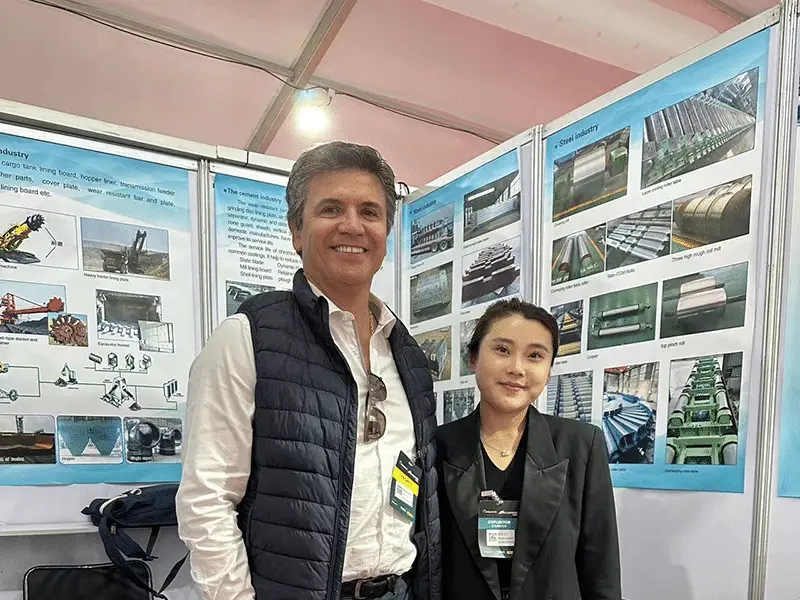
Runxing debuted its core CCO products and wear plates at EXPOMIN, establishing new trade relationships and supply channels across Latin America's mining hubs.
Review Conference HighlightsKey R&D paths shaping the next generation of industrial wear resistance and automated repair.
Industrial operations are increasingly seeking longer wear cycles, lower maintenance overheads, and materials that can withstand more severe operating temperatures. To address these demands, our engineering team, in partnership with university researchers, focuses on several core development areas:
Furthermore, we are expanding our automation technologies. Our current 4-gun surfacing equipment operates via a digital CNC system, and we are working to integrate optical tracking systems to dynamically adjust weld paths based on surface wear patterns. This ensures more consistent material deposition and minimizes dilution from base metals.
Addressing key technical, logistical, and material selection questions for engineering and procurement teams.
Quenched and tempered steel (such as AR400 or AR500) relies on heat treatment to achieve hardness through its entire cross-section. While tough, its maximum hardness is generally limited to around 470–530 HBW. CCO wear plates, on the other hand, feature a dual-layer design with a structural steel base (like Q235B) and an alloy-rich surfacing overlay containing dense primary chromium carbides ($Cr_7C_3$). This overlay achieves surface hardnesses of 58 to 65 HRC, providing up to 10 times the wear resistance of standard steel under sliding abrasion, though it is more brittle and should be backed by a structural plate.
Yes. CCO wear plates can be cut using plasma arc, laser, or water-jet cutting systems. Because the base plate is standard weldable carbon steel (such as Q235B or Q355B), the plates can be welded directly to structural components from the back side using standard consumables. However, welding on the cladding layer itself requires specialized high-alloy hardfacing wires. CCO plates can also be rolled into cylinders or formed into chutes, with the wear-resistant overlay on either the inner or outer surface, depending on the application.
Fine hairline cracks perpendicular to the weld bead direction are a normal characteristic of chromium carbide overlay plates. These cracks, known as relief cracks, are formed during the cooling process as stress is relieved within the high-hardness cladding. They terminate at the fusion boundary with the ductile base steel, meaning they do not affect structural integrity. In fact, these cracks allow the composite plate to be formed or rolled without delaminating or spalling during installation.
To ensure high standards of customer service, all of Tangshan Runxing Machinery Co., Ltd.’s export logistics, customs declarations, shipping documentation, and payment operations are managed by Hebei Yuwan International Trade Co., Ltd. This strategic partnership allows our factory team to focus entirely on product quality and manufacturing timelines, while Yuwan handles global logistics to ensure on-time delivery to ports worldwide.
We offer wide flexibility in plate dimensions, base metal selection, and overlay thickness. Common configurations include: 4 on 4 (4mm overlay on 4mm base plate), 6 on 6, 8 on 8, 10 on 10, and 12 on 12. Base plates can be selected from structural carbon steel, low-alloy steel, or heat-resistant stainless steel. Additionally, overlays can be customized with specific alloy chemistries, including titanium, niobium, or boron additions, to suit high-stress grinding or high-temperature conditions.









Explore our full range of wear plates, custom fabricated liners, welding consumables, and automation systems.
High-alloy welding consumables developed for rebuilding processing machinery and equipment in heavy industries.
View Specifications
Wear-resistant plates designed for mining chutes, transport hoppers, and aggregate processing equipment.
View Specifications
High-chromium alloy wires engineered for on-site rebuilding of industrial surfaces without gas shielding.
View Specifications
Bimetallic steel plates clad with a high-chromium weld overlay, engineered to withstand sliding abrasion.
View Specifications
Composite steel plates featuring a durable structural backing and an abrasion-resistant chromium carbide overlay.
View Specifications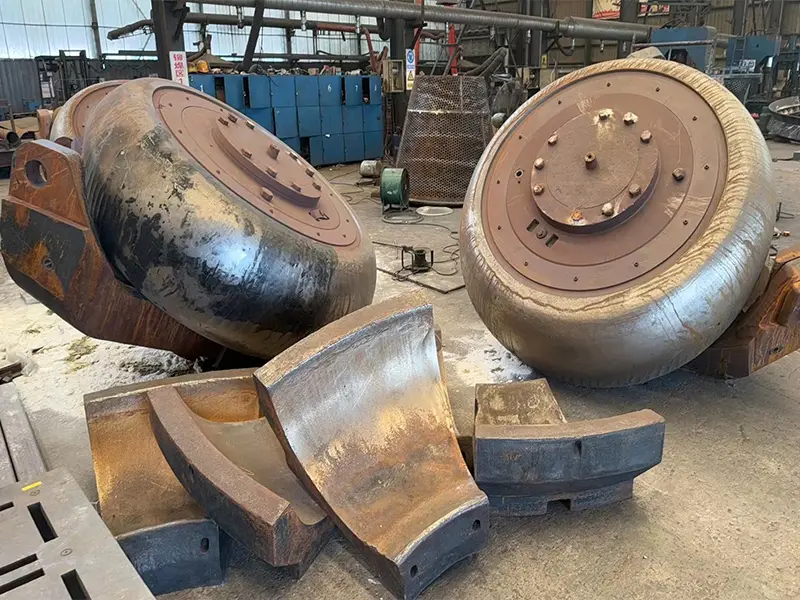
Precision powder deposition systems designed for high-wear components requiring minimal dilution.
View Specifications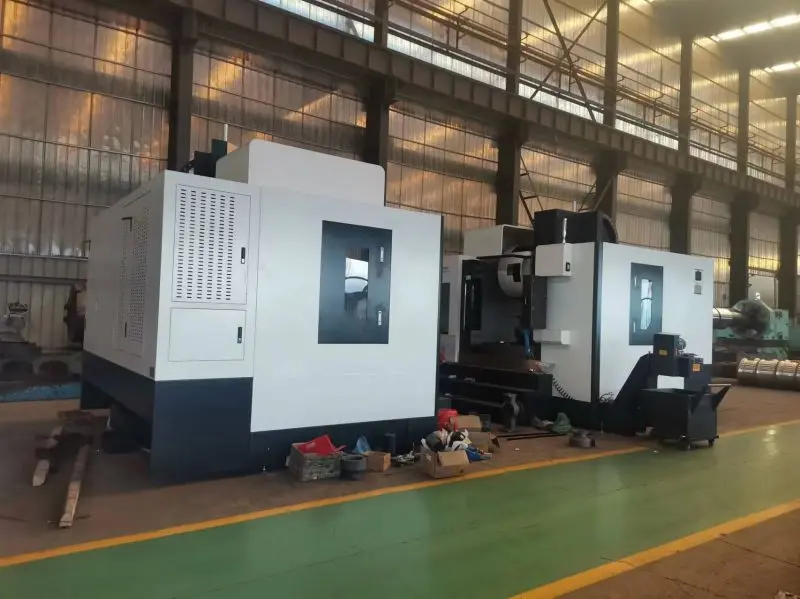
Custom cutting, rolling, and fabrication of CCO plates to meet specific equipment drawings and tolerances.
View Specifications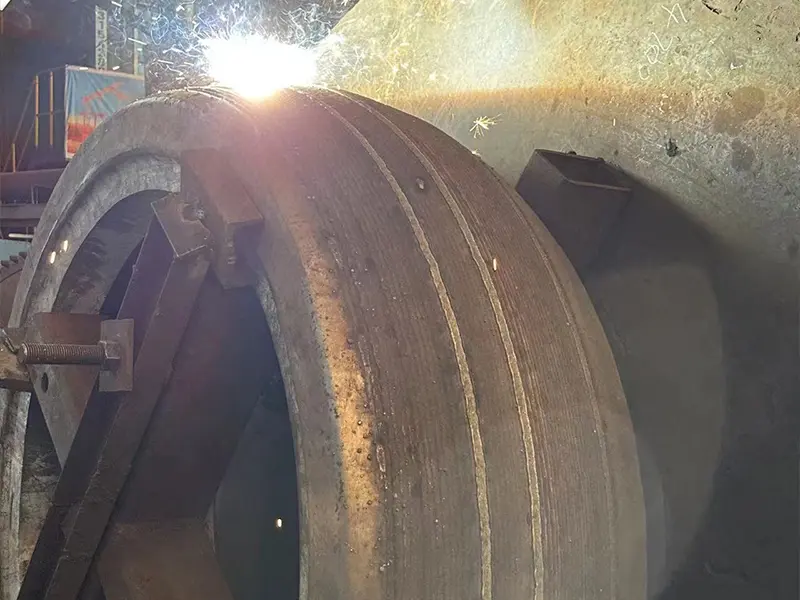
Automated on-site and in-shop rebuild services for worn vertical grinding mill rolls and table segments.
View Specifications Runxing machinery