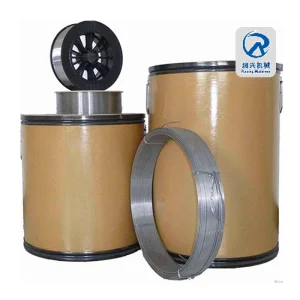
Specifically engineered alloy for open-arc structural and hardfacing applications, offering optimum weld deposit composition without gas shielding.
View Supplier Specifications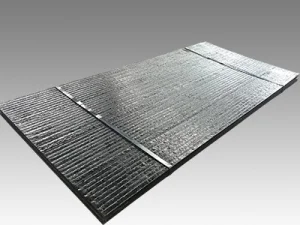
High-quality wear-resistant composite plates designed for heavy sliding abrasion in extreme industrial environments.
Explore Material Details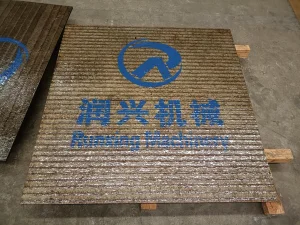
Runxing RX-m Series optimized for mining, cement chutes, and liners with maximum carbide distribution density.
View RX-m Series Specifications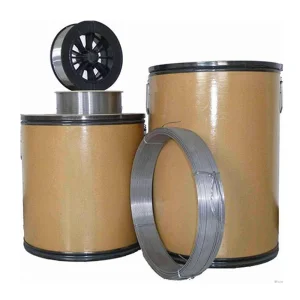
Bulk industrial grade hardfacing wires for rollers, gears, and heavy machinery, compatible with automatic systems.
View Wholesale Options
Custom cut-to-size overlay plates direct from Hebei manufacturing facility to ensure exact system integration.
Contact Factory Directly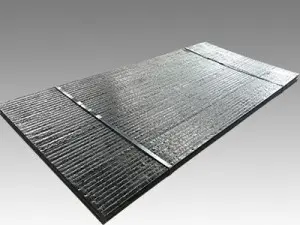
Premium composite wearplate containing a robust structural steel backing coupled with a high-chromium weld surfacing corresponding to DIN 8555.
See Product Profile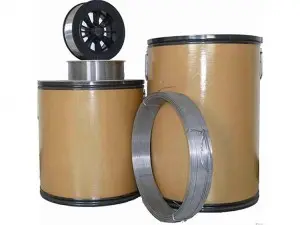
High chromium alloy specifically structured to resist intense stress grinding abrasion coupled with low-to-medium impact.
View Chemical Composition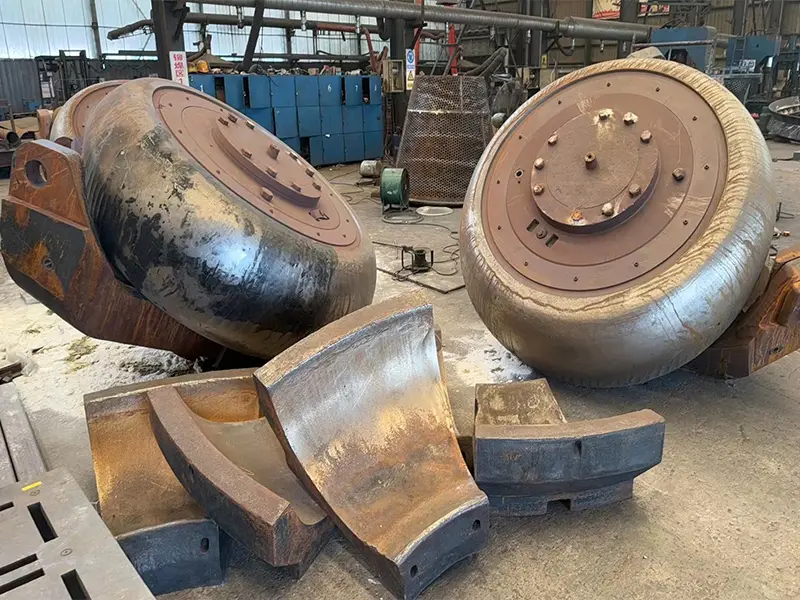
Proprietary chemistry designed to extend service life in high-abrasion pipelines, cyclones, and concrete mixers.
Download Tech Sheet
Founded in 2010, Tangshan Runxing Machinery Co., Ltd. has established itself as an authoritative leader in the research, development, formulation, and application of premium metal hardfacing surfacing technologies. Situated in Tangshan, Hebei Province—the heartland of Chinese steel and industrial manufacturing—our facility spans advanced production labs and modern workshop bays. We specialize in providing customized wear solutions that directly mitigate downtime in high-wear sectors, including cement production, mining extraction, metallurgy, coal power, dredging, and logistics.
Our core capabilities include the fabrication of chromium carbide overlay (CCO) wear plates, wear-resistant pipes, custom-engineered wear liners, automated cladding welding equipment, and onsite roller rebuild operations. We ensure that every product delivers maximum metallurgical consistency and extended component lifetime.
For more than half a decade, our close relationship with global industry leaders has been recognized; notably, Runxing Machinery has been certified as a qualified agent and partner for VAUTID in Germany for six consecutive years. By combining world-class German metallurgical wear-protection systems with China's agile and highly efficient manufacturing capability, we ensure our clients receive unparalleled value.
Self-shielded flux-cored arc welding (FCAW-S) wires are advanced tubular electrodes containing core ingredients that perform multiple metallurgical functions without requiring an external shielding gas system. This technology is crucial for field maintenance, high-altitude structural work, and onsite repair where wind or accessibility renders gas-shielded processes ineffective. But how does it work, and what is the current technology roadmap?
The core of a self-shielded wire contains a precise blend of slag-forming minerals, deoxidizers, denitriders, and alloying elements. During the welding process, the heat of the arc decomposes carbonates and fluorides within the core, releasing gas shields (predominantly $CO_2$ and $CO$) that displace nitrogen and oxygen from the molten weld pool. Simultaneously, strong deoxidizing agents like Aluminum (Al) and Magnesium (Mg) combine with any remaining oxygen or nitrogen, forming lightweight oxides and nitrides that float to the surface to form a protective slag layer.
| Alloy Grade Group | Typical Composition (Wt %) | Bulk Hardness (HRC) | Primary Carbide Phase | Primary Industrial Application |
|---|---|---|---|---|
| High-Chromium Iron (Fe-Cr-C) | C: 3.5 - 5.5 | Cr: 22.0 - 32.0 | 58 - 62 | $M_7C_3$ Primary Carbides | Cement chutes, Mining liners, CCO plates |
| Complex Carbides (Fe-Cr-C-Nb-B) | C: 4.0 - 6.0 | Cr: 20.0 - 25.0 | Nb: 4.0 - 7.0 | 60 - 65 | $M_7C_3$ + NbC Carbides | Sinter screens, high temp blast furnace components |
| Tungsten Carbide Composites | WC: 40.0 - 60.0 | Matrix: Ni-Cr-B-Si | > 65 (Matrix 50+) | Primary WC particles in nickel matrix | Tunnel boring cutters, extreme soil processing |
The development roadmap of self-shielded hardfacing wires is currently driven by three primary technological shifts:
At Tangshan Runxing Machinery Co., Ltd., we have transformed traditional metallurgical manufacturing into an integrated Smart Factory 4.0 system. By implementing real-time process monitoring, automated dosing, and rigorous quality gates, we maintain 100% batch-to-batch consistency. Our location in Tangshan grants us proximity to primary steel mills, ensuring direct access to raw materials and buffering our production lines against global supply chain shocks.
The performance of a flux-cored wire depends on the chemical consistency of its core fill. Our factory utilizes computerized weight-loss dosing units that measure and blend raw ferroalloys (such as ferrochromium, ferroniobium, and silicomanganese) with extreme precision. The blended powders are subjected to continuous atmospheric and humidity testing, eliminating hydrogen absorption that could lead to cold cracking in the field.
Using multi-stage reduction drawing blocks, the initial filled tube is progressively compacted and drawn down to exact finished diameters (typically 1.6mm, 2.0mm, 2.8mm, 3.2mm, or 4.0mm). Electronic diameter scanners monitor the wire every millisecond, ensuring diameter deviations do not exceed ±0.02mm. This precise geometry guarantees smooth wire feed, preventing contact tip wear and unstable arc characteristics on the customer’s shop floor.
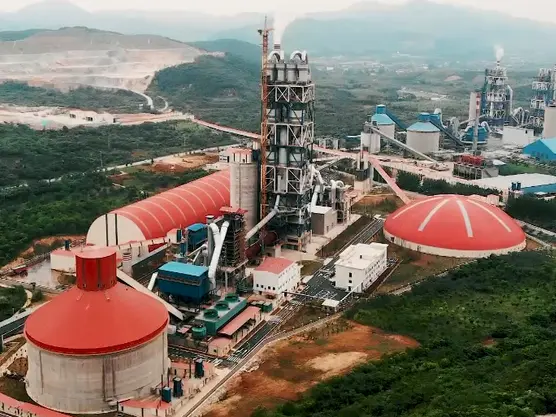
Critical wear protection for vertical roller mill tables, separator guides, chute liners, and fan blades exposed to fine raw meal sliding abrasion.
Learn More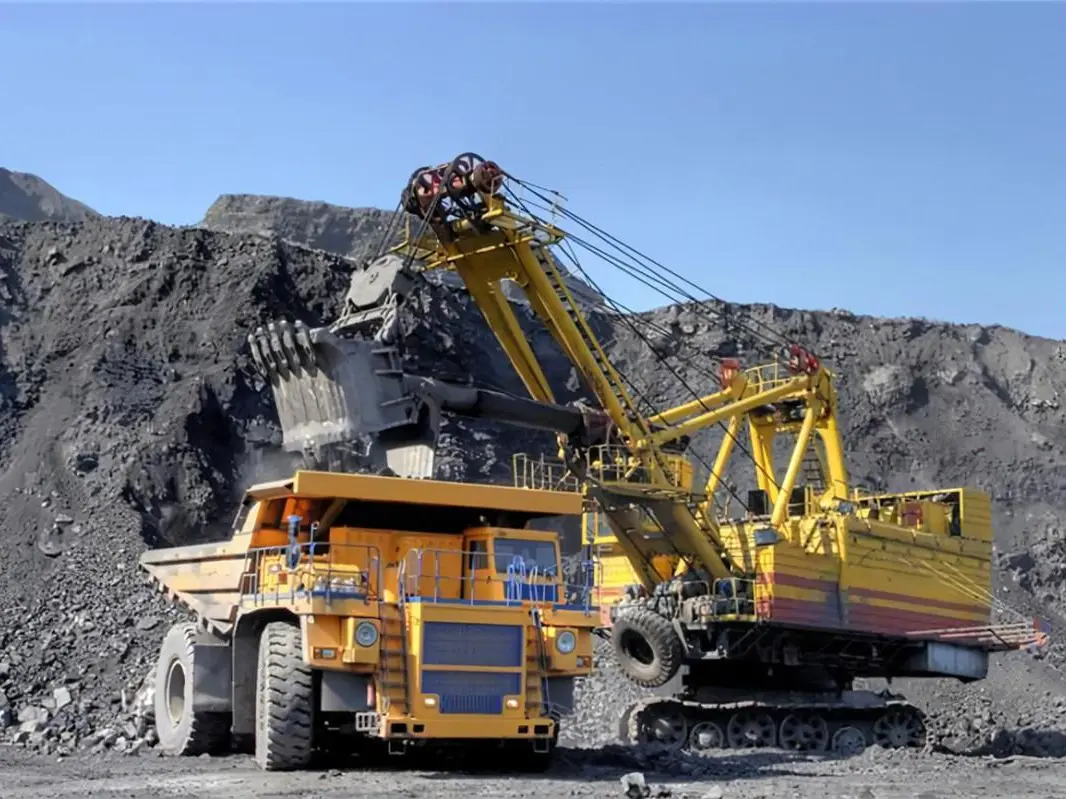
High-impact overlay plates and hardfaced bucket teeth designed to withstand heavy crushing and high-stress rock scraping wear mechanisms.
Learn More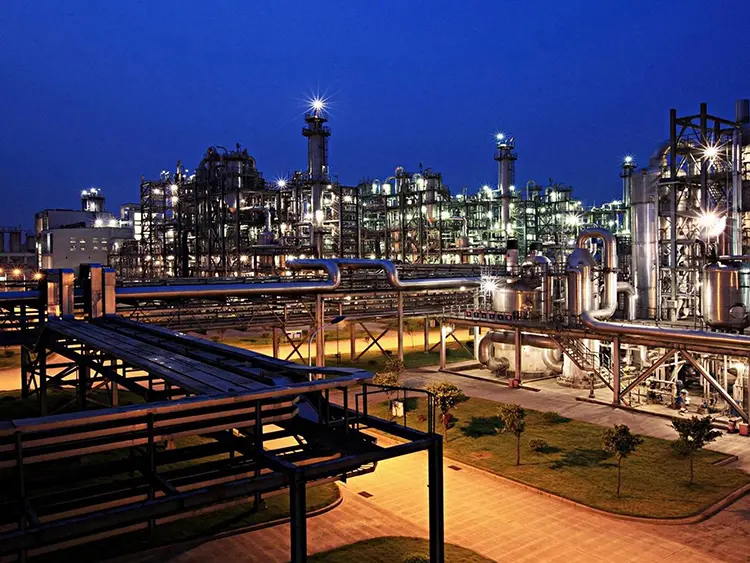
Formulated alloys designed to endure extreme high temperatures, sintering screens, coke guide plates, and blast furnace bell environments.
Learn More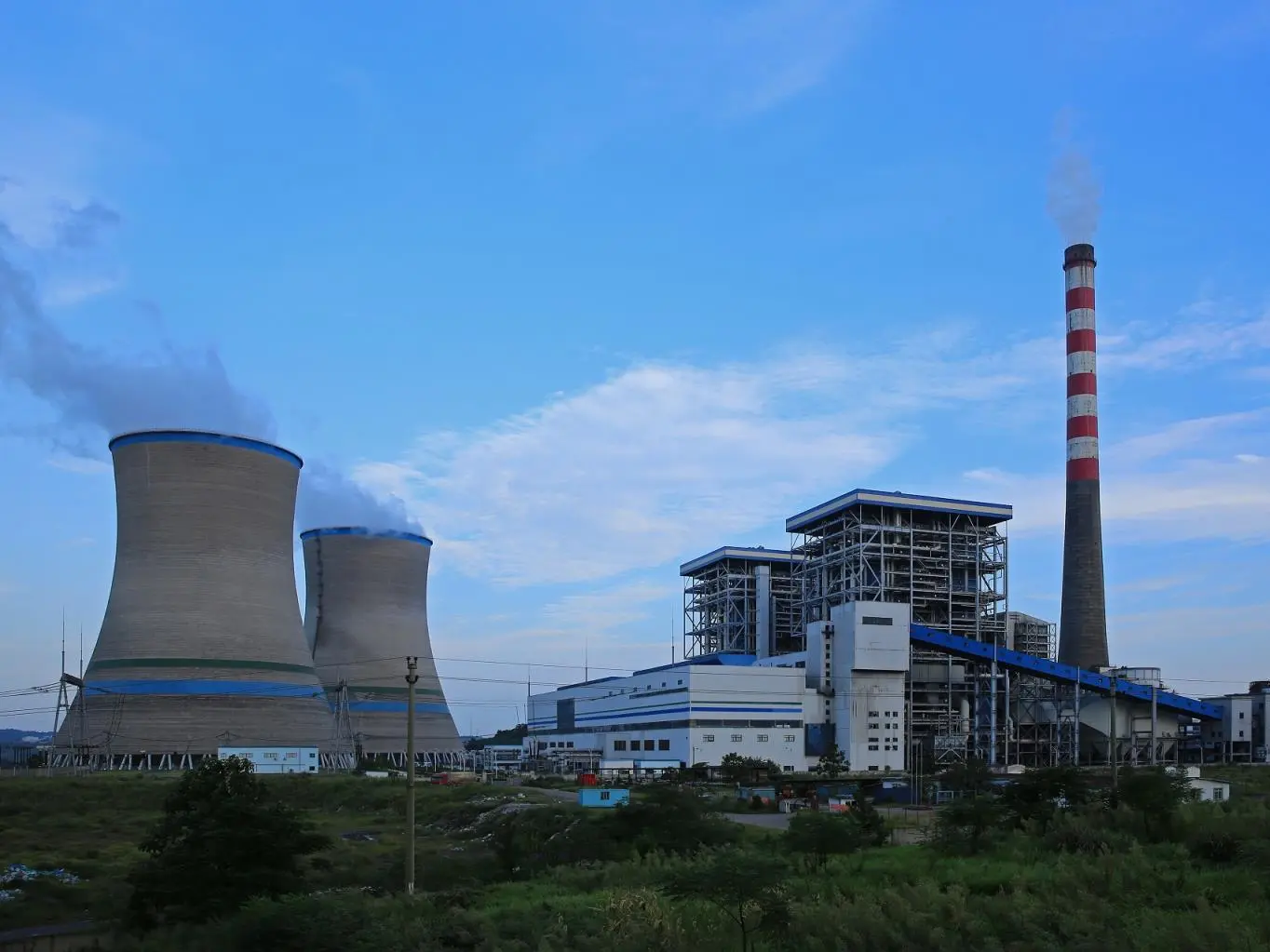
Hardfacing repair of coal pulverizer rolls, exhaust fan housing, and pipe elbows for thermal power station infrastructure.
Learn More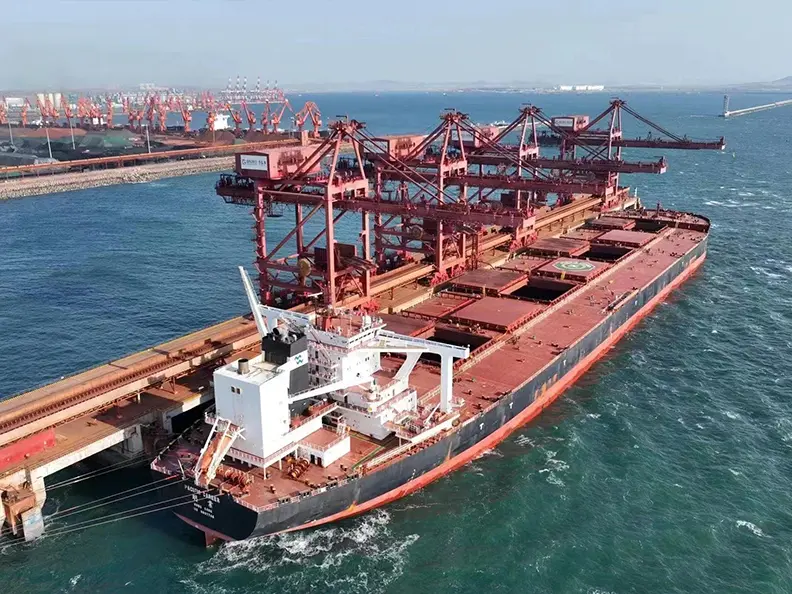
Durable protection for suction pipe systems, cargo grabs, and hopper chutes handling abrasive mineral ores and wet sands.
Learn More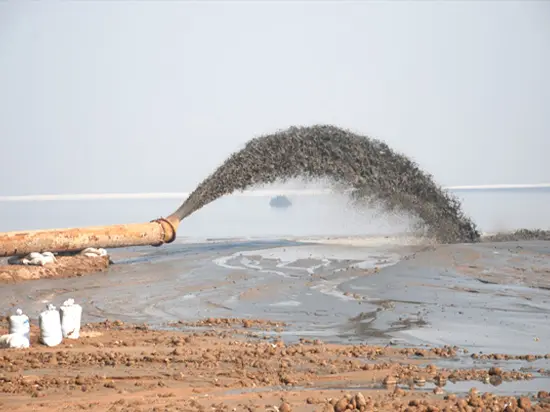
Advanced integration of high-purity alumina ceramics with structural steel backings for extreme sliding wear.
Learn More
Complete architectural analysis and retrofit of wear areas to optimize plant efficiency and reduce unscheduled downtime.
Learn More
Direct technical support, field inspection, hardness testing, and customized troubleshooting for industrial wear arrays.
Learn MorePurchasing hardfacing consumables internationally requires trust, clear documentation, and strict alignment with regional engineering specifications. Runxing Machinery, through its strategic partner Hebei Yuwan International Trade Co., Ltd., offers a transparent procurement cycle that complies with European and North American industrial import requirements.
Our hardfacing materials are categorized and tested in accordance with international classifications, including **DIN EN ISO 14700** (Alloy groups T Fe15, T Fe16) and **AWS A5.21** (such as ErFeCr-A6). Every shipment is accompanied by a Material Test Report (MTR) verifying the chemical composition (C, Cr, Mn, Si, P, S) and bulk hardness (HRC) of the batch.
To prevent rust during maritime shipping, our self-shielded welding wires are packed using advanced moisture-resistant procedures. The wire is wound on structural plastic/metal spools or loaded into heavy-duty pay-off drums, sealed in vacuum-barrier foil bags with active silica desiccant, and placed in robust, heat-treated wooden crates conforming to ISPM 15 standards.
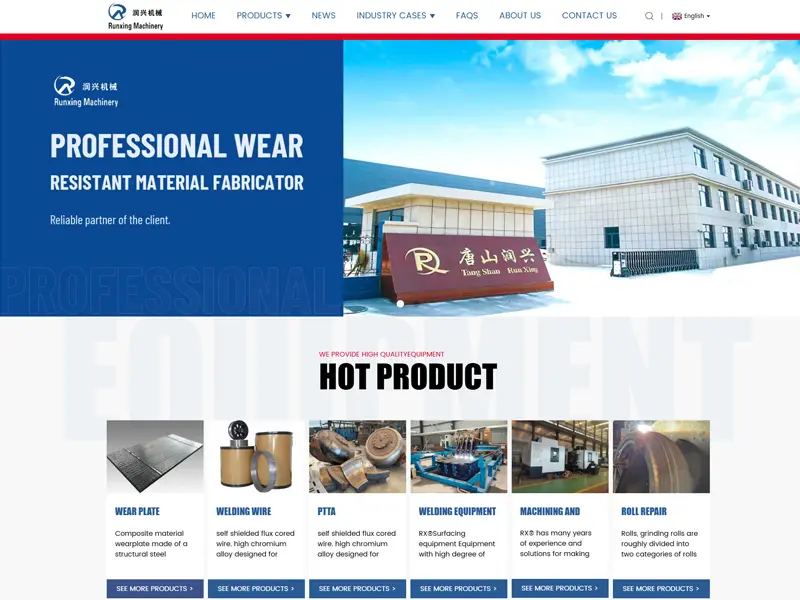
Launch of www.runxing-machinery.com, providing detailed technical specifications, product data sheets, and online engineering support.
Showcased our wear-resistant solutions and self-shielded wires for the African mining and construction sectors in Johannesburg.
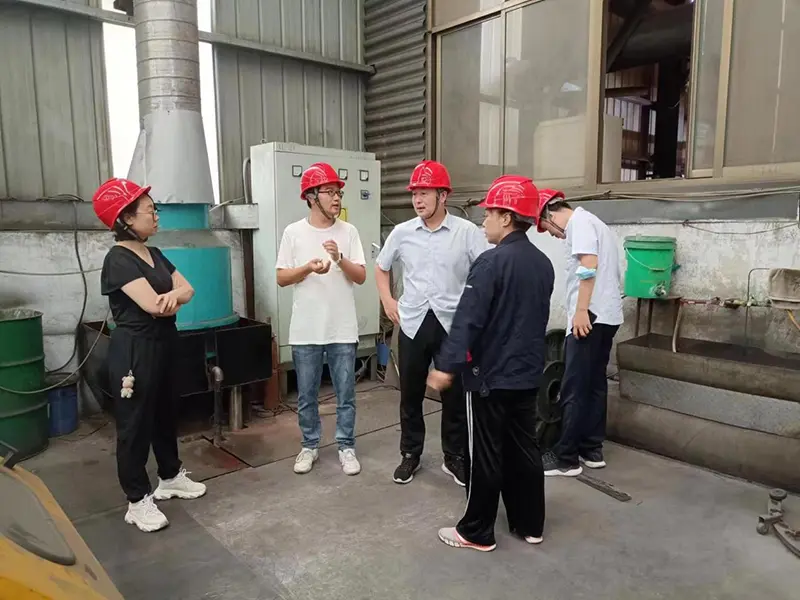
Partnership with Tangshan University's Metal Materials and Forming Technology team to study carbide precipitation dynamics.
Six consecutive years of collaboration, combining German engineering standards with our local production capabilities.
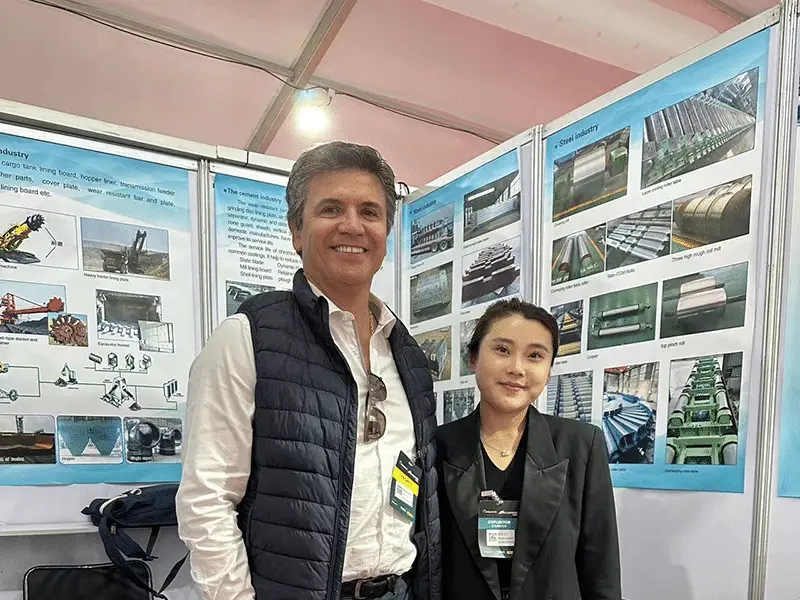
Participated in South America's mining exhibition, presenting CCO plates and wear components to international operators.
Open-arc hardfacing wire, formulated for high-deposition rebuilds and severe grinding abrasion resistance.
View Supplier Specifications
Surfaced bimetallic composite wear plate featuring an structural steel backing plate and hard weld deposit.
Explore Material Details
Premium wear lining plates optimized for extreme chutes, slide walls, and coal hoppers.
View RX-m Series Specifications
Standard and custom chemistry formulation flux-cored wires for heavy rebuild machinery.
View Wholesale Options
Wear plates featuring high chromium content designed to resist wear and sliding abrasion.
Contact Factory Directly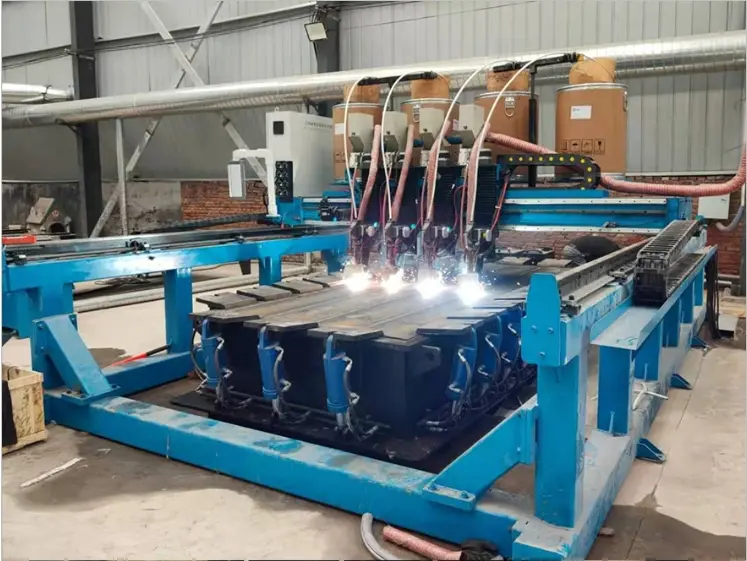
Surfacing machines with NC touchscreens, multi-gun setups, and adjustable oscillation controls for CCO plate fabrication.
View Equipment Specs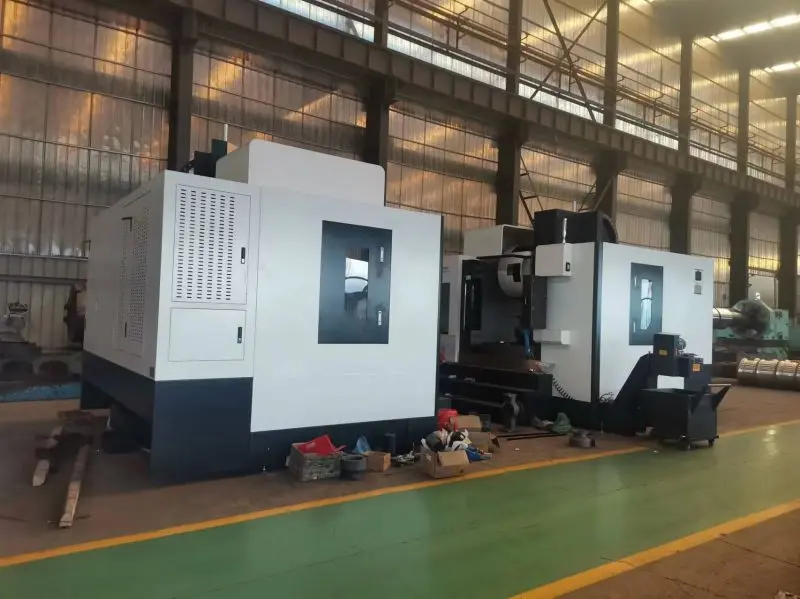
Custom cutting, forming, rolling, and processing of CCO wear plates to match specific OEM design configurations.
Explore Fab Services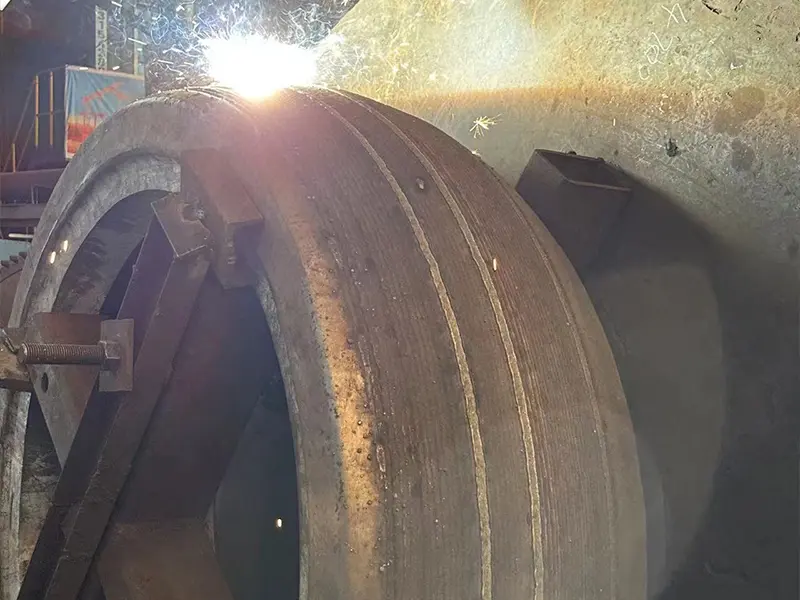
Hardfacing restoration service for vertical mill rollers, conveyor rollers, and mining mill components.
View Repair Services



 Runxing machinery