Engineered Industrial Products
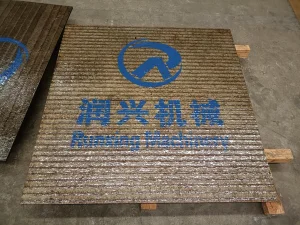
Runxing RX-m Series for Mining & Cement Chute Liners. High hardness Chromium Carbide Overlay designed to combat aggressive impact abrasion.
Explore Specifications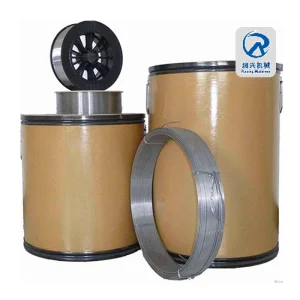
High chromium alloy wire designed for resisting high stress grinding abrasion with low impact. Perfect for automated overlay welding machines.
Explore Specifications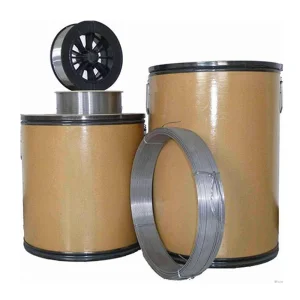
Direct-from-factory welding consumables optimized for heavy-duty build-up, buffering layers, and aggressive abrasion-resistant top coats.
Explore Specifications
Custom engineered bimetallic structural steel plates with complex carbide overlay matrices designed for extreme industrial wear environments.
Explore Specifications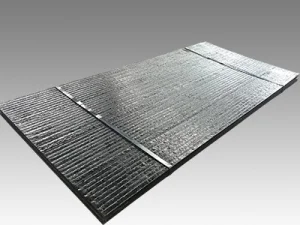
Superb bond integrity between base structural plate and hardfacing layer. Outstanding rollability and formability on plate rollers.
Explore Specifications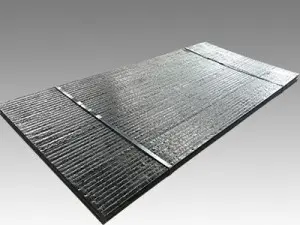
Composite wear material corresponding to DIN 8555 standards. Engineered to maximize uptime in handling highly abrasive minerals.
Explore Specifications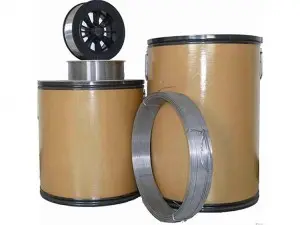
Designed for open-arc operation with low weld spatter and high deposition rate, ensuring dense, crack-resistant wear overlays.
Explore Specifications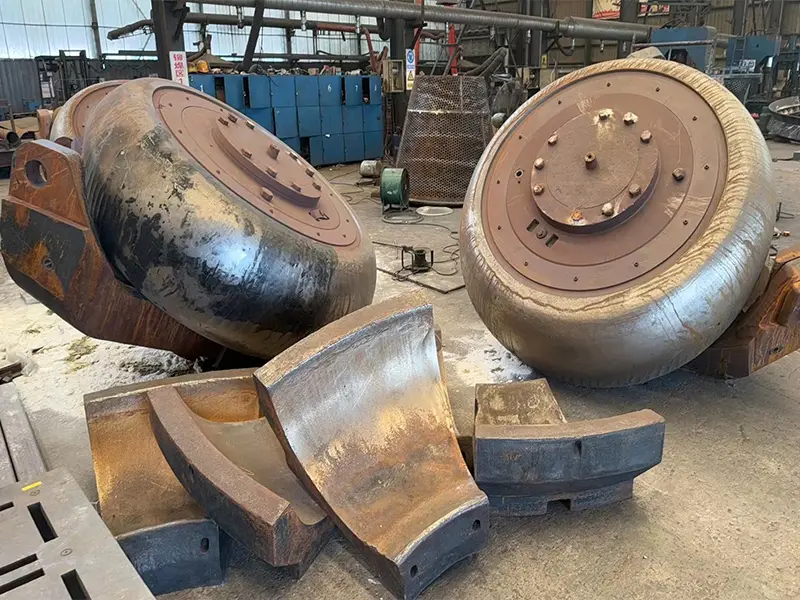
Advanced plasma surfacing solutions for localized high-stress applications, ensuring metallurgical fusion with zero base dilution.
Explore SpecificationsIn heavy industries like mining, cement, steel, and power generation, mechanical systems undergo continuous degradation. Dry sliding, high-stress abrasion, micro-cutting, and plastic deformation destroy core parts, driving up costs and causing unexpected downtime. Protecting these components requires advanced materials and custom processing methods. The OEM Plate Roller Machine and automated roll-cladding systems are central to this work. They help convert flat, hardfaced composite plates into round wear-resistant structures like pipes, chutes, and grinding cylinders.
This paper examines how bimetallic Chromium Carbide Overlay (CCO) plates are rolled, welded, and repaired using advanced machinery. It outlines technology pathways, global industrial patterns, and the specialized metallurgy that makes modern hardfaced materials last. By showing how automated welding equipment, high-chromium flux-cored wires, and precision rolling systems work together, this guide gives procurement managers and maintenance engineers a clear look at improving equipment lifespan.
"The core of modern tribological protection lies in the primary chromium carbides (M7C3). These carbides must be securely held in a tough, support-enhancing eutectic matrix. This setup must be strong enough to withstand high-pressure rolling during fabrication."
The demand for large plate-bending and roller-surfacing machines is growing worldwide. This growth is driven by the need to upgrade infrastructure, extract resources in tougher environments, and run processing plants more efficiently. Globally, industrial plants are moving away from simple reactive maintenance (replacing worn parts with carbon steel) and adopting proactive surface protection (using bimetallic composite wear plates and built-up weld overlays).
This shift has turned plate roller machines from simple workshop tools into specialized, heavy-duty production machinery. Modern OEM plate rollers must bend composite plates that have a soft structural backing (such as Q235 or Q355) but are coated with a hard, brittle chromium carbide weld overlay (often harder than 60 HRC). Standard rolling machines can struggle with this difference in hardness, leading to issues like delamination, cracking, or surface collapse. High-end OEMs now design plate rollers with custom roll profiles, variable speed controls, and high-torque hydraulic drives to shape bimetallic sheets smoothly without damage.
To fabricate heavy-duty wear-resistant pipes and cones, manufacturers must follow a precise technical path. Standard carbon steel is easily shaped, but hardfaced plates need a specialized, four-step process:
Chromium carbide overlays contain a high density of primary M7C3 carbides. These carbides are naturally brittle and cannot stretch during bending. When these composite plates are run through a plate roller, the hard overlay layer develops fine, transverse relief cracks. This micro-fissuring is normal and relieves stress, preventing larger, structural cracks. High-quality rolling machines distribute these micro-cracks evenly, maintaining a strong bond between the overlay and the steel backing.
Choosing the right surfacing method is critical. Submerged Arc Welding (SAW) provides high deposition rates, deep penetration, and a smooth weld profile, making it ideal for flat plates and heavy-duty rollers. Open-arc welding, using self-shielded flux-cored wire, does not require external shielding gas or flux. This makes it highly portable and suitable for on-site repairs, out-of-position welding, and complex geometric shapes.
Large rollers in cement vertical mills and coal grinding mills wear down over time, reducing throughput and increasing energy consumption. Rebuilding these rollers involves preheating, applying a soft buffering layer to prevent cracking, and then applying a high-chromium overlay. This process restores the roller to its original shape and extends its working life, often outperforming the original cast part.
Heavy wear affects many industries. Applying bimetallic materials and automated surfacing techniques helps solve wear issues across several key sectors:
Proven Field Performance
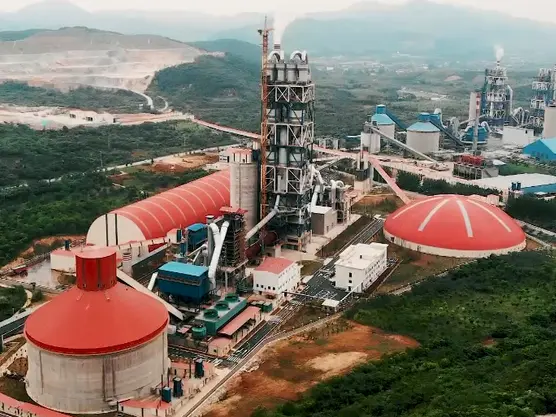
Maximizing raw mill uptime. Standard roller presses rebuilt using Runxing RX-m series flux-cored wires show a 2.5x increase in operational lifespan compared to original castings.
Read Case Study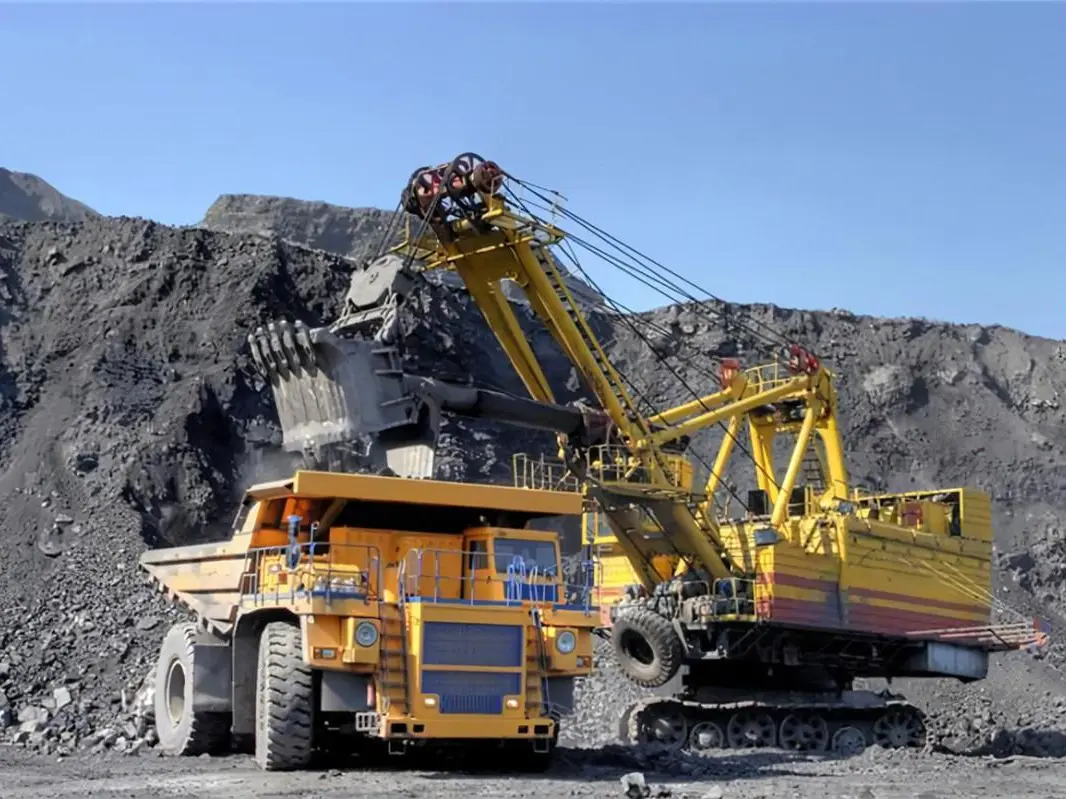
Handling hard ore impact. Engineered wear plates installed in primary chutes reduce sliding wear and resist heavy impacts from falling ore, keeping transfer lines moving.
Read Case Study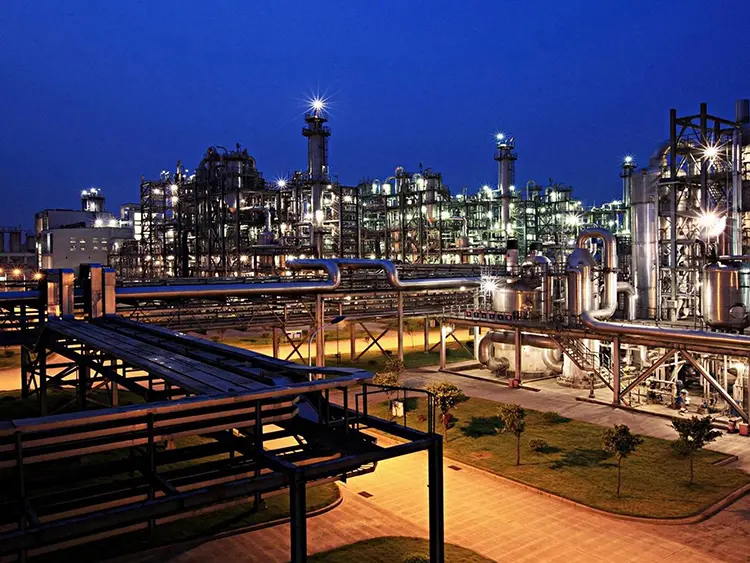
Operating under high heat and heavy loads. Continuous caster rollers rebuilt with custom sub-arc alloys resist thermal cracking and hot mechanical wear.
Read Case Study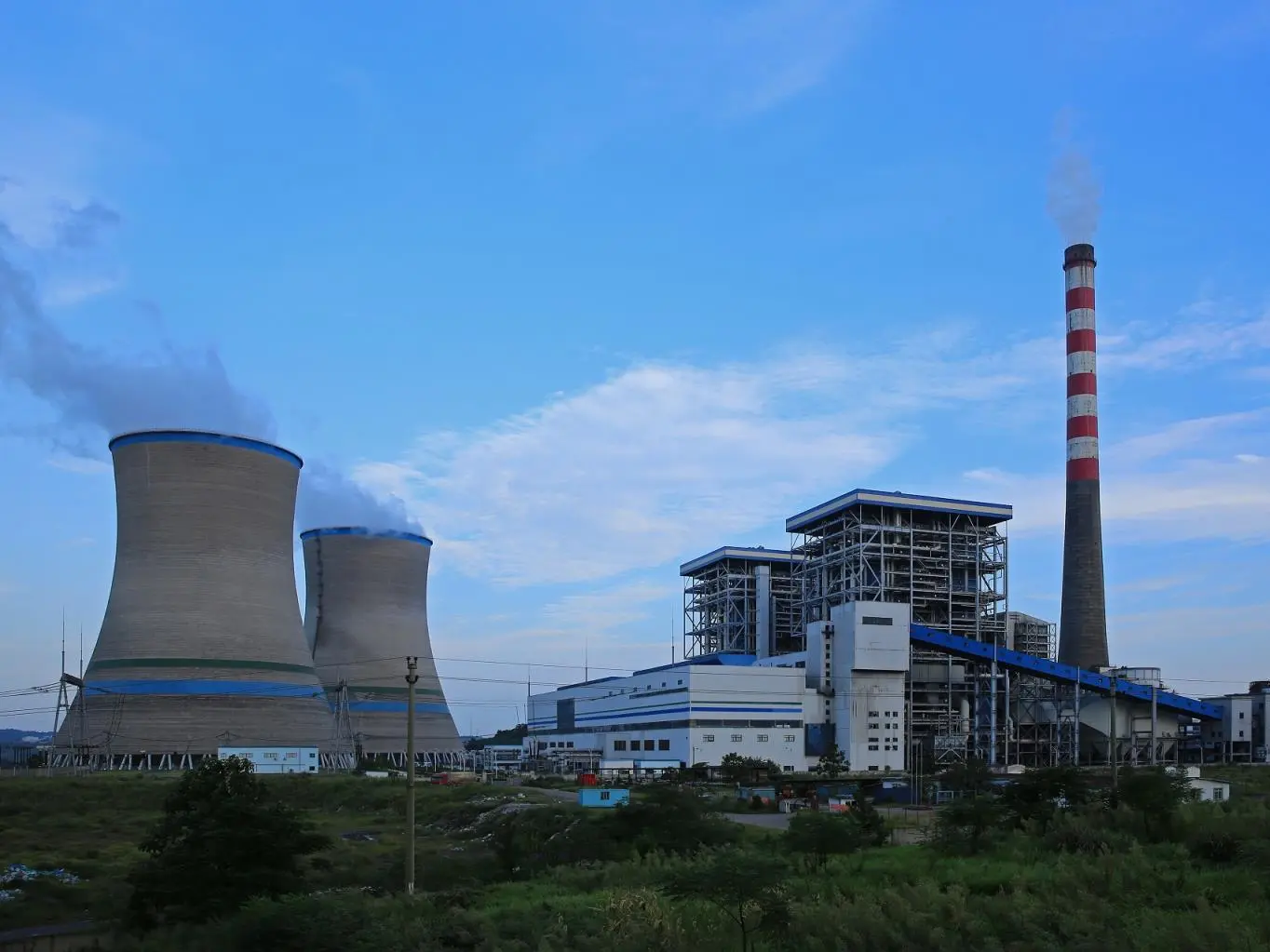
Protecting coal mills and fans. Hardfaced exhaust fan blades and coal piping segments prevent abrasive coal dust from wearing down system walls.
Read Case Study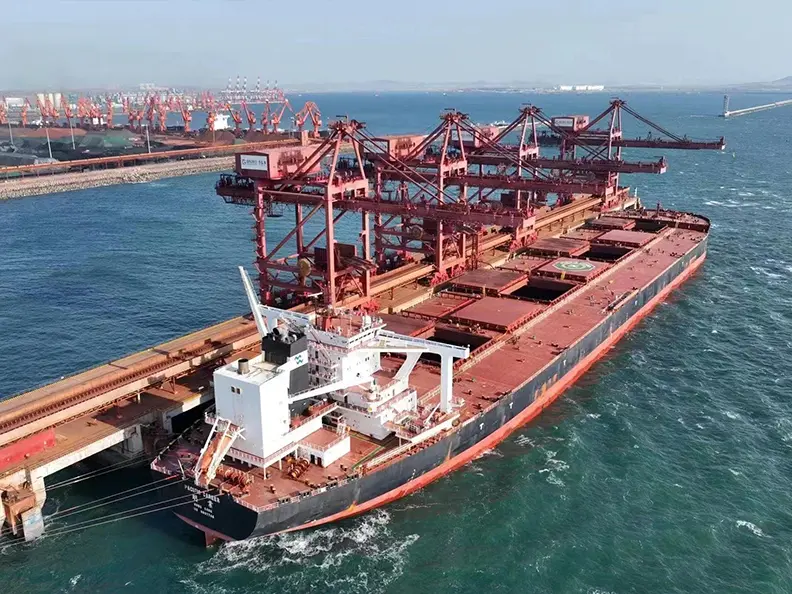
Resisting abrasive sand slurry. Pipes lined with chromium carbide weld overlay withstand aggressive interior erosion, reducing pipe replacement costs.
Read Case Study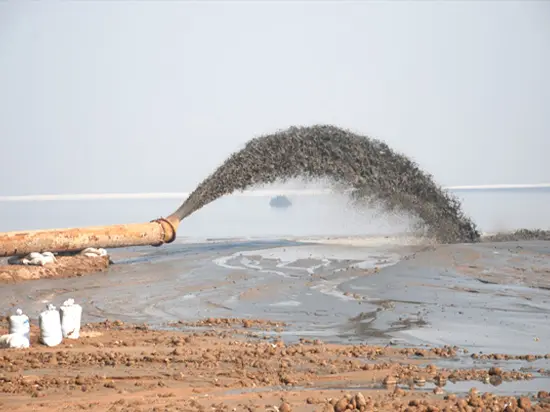
High-purity alumina ceramics sintered at high temperatures are combined with CCO steel backers to handle sliding wear in high-velocity chutes.
Read Case Study
Ongoing material testing. Our R&D lab tests new flux core chemistries to improve welding deposition rates and refine carbide distribution.
Read Case Study
Export logistics managed by Hebei Yuwan International Trade Co., Ltd. ensure wear solutions are delivered on time to Central Asia and Europe.
Read Case StudyE-E-A-T Authority & History
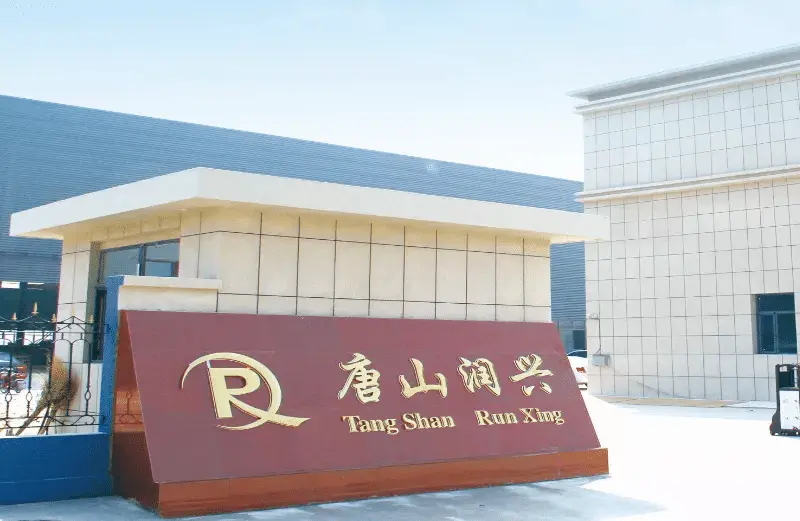
Founded in 2010 in Tangshan, Hebei Province—a key center of China's steel industry—Tangshan Runxing Machinery Co., Ltd. manufactures hardfacing wear-resistant metal products. For over 14 years, the company has focused on the research, production, and on-site application of advanced cladding materials.
Our main products include bimetallic chromium carbide overlay (CCO) wear plates, custom-fabricated wear liners, wear-resistant pipes and fittings, hardfacing flux-cored welding wires, automatic surfacing machines, and professional roll-repair services. We operate under the core values of "Integrity, Superior Quality, Innovation, and Sustainable Development," maintaining modern production processes and strict quality control.
Runxing provides wear protection solutions for the cement, steel, mining, power, and port dredging sectors. Export logistics, customs clearance, and global payments are managed by our export trade partner, Hebei Yuwan International Trade Co., Ltd. This partnership allows our production teams to focus entirely on product quality and manufacturing timelines.
Runxing maintains partnerships with top wear engineering firms, including a six-year relationship as a qualified agent for VAUTID Germany, and collaborates on metal forming research with Tangshan University.
Corporate Highlights
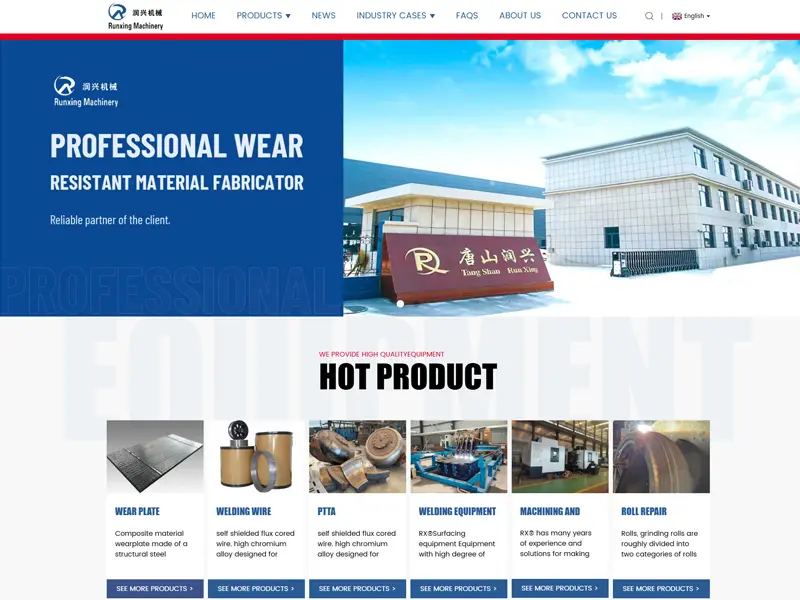
Tangshan Runxing Machinery Co., Ltd. has launched its updated website (www.runxing-machinery.com) to provide a one-stop portal for wear plate and roll-cladding solutions.
Read More
In September 2024, Runxing exhibited its range of bimetallic plates and wear-resistant materials at the Johannesburg International Convention Centre, connecting with mining and construction operators from across the continent.
Read More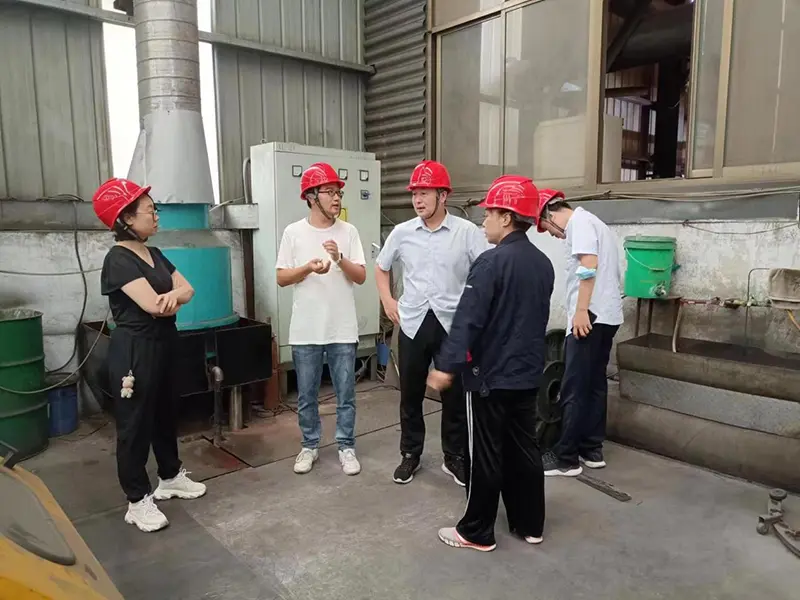
In 2023, leaders from Tangshan University visited Runxing to research metal forming and welding metallurgy, strengthening academic collaboration.
Read More
Runxing continues its long-term partnership with VAUTID Germany, integrating premium-grade German alloys into its industrial hardfacing applications.
Read More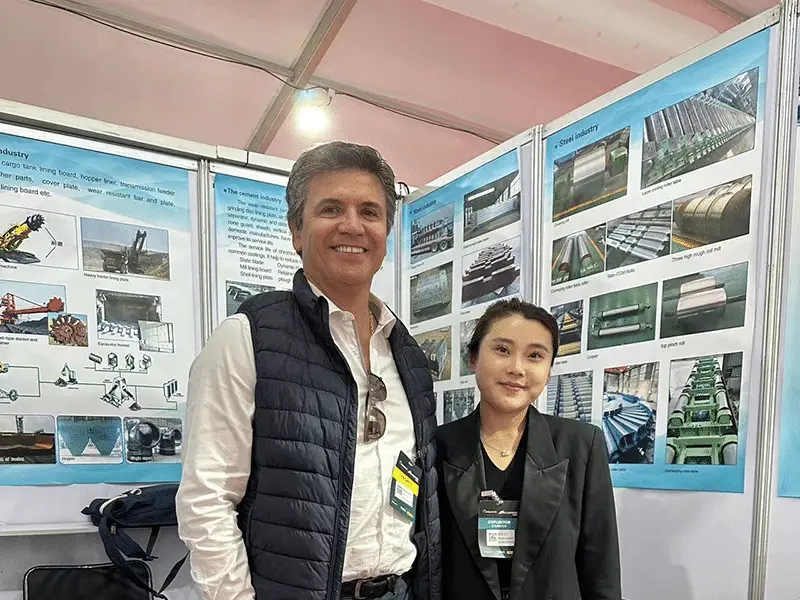
Runxing presented its chromium carbide overlay plates and wear-resistant liners to South American mining companies at EXPOMIN 2023 in Santiago.
Read MoreTechnical Support Portal
Factory & Engineering Systems
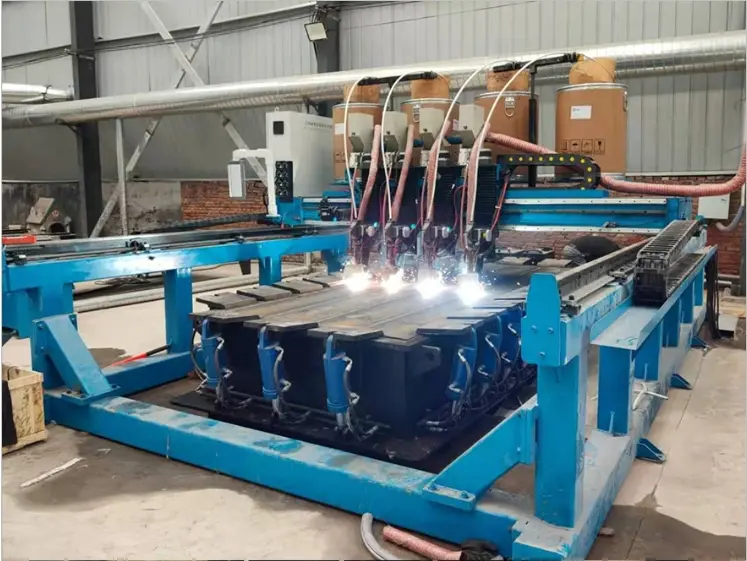
Automated cladding system featuring a 10.2-inch touch screen control, four independent welding torches, and adjustable oscillation width for uniform weld overlay.
Explore Specifications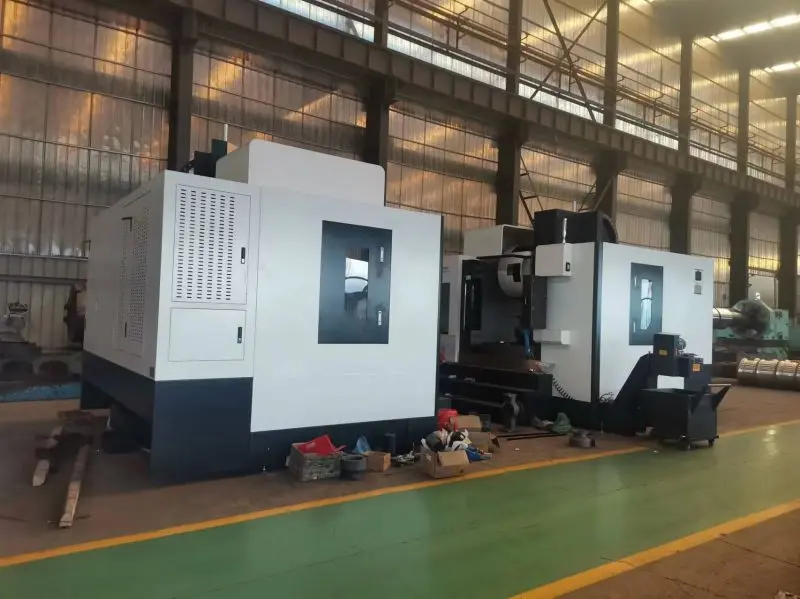
Custom cutting, bending, and assembly services for large industrial components, ensuring dimensional accuracy and proper fit-up in final installations.
Explore Specifications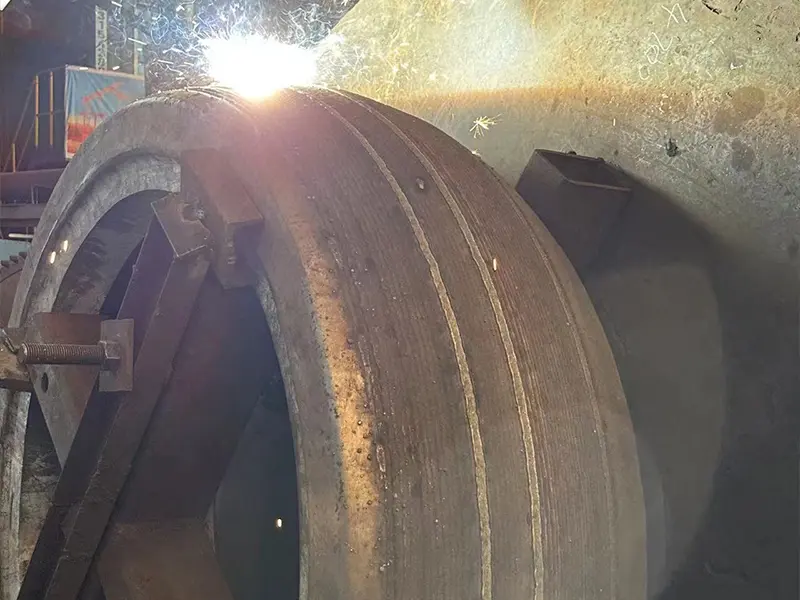
Refurbishment services for vertical mills, coal grinding rollers, and continuous caster rolls. Extends service life and helps lower processing costs.
Explore Specifications
Designed for cement plants and mining hoppers. Made with premium chromium carbide overlays to resist sliding wear and material impact.
Explore Specifications
High-chromium content wires designed for reconstructing worn components. Formulated to resist severe abrasion and moderate impact.
Explore Specifications
Bimetallic plates with uniform hardfacing thickness, offering good abrasion resistance. Designed for easy cutting and fitting in heavy industrial installations.
Explore Specifications
Engineered for cold bending and forming. These plates maintain weld overlay integrity and resist cracking under mechanical stress.
Explore Specifications
High-alloy welding wires formulated to build up tough, wear-resistant surfaces on steel mills rolls, dragline buckets, and mineral processing machinery.
Explore Specifications






 Runxing machinery