Engineered to minimize maintenance downtime and maximize operational component lifespan
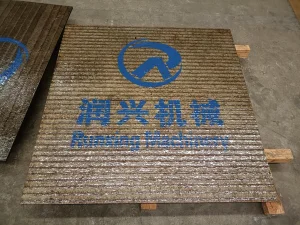
Runxing RX-m Series specifically designed for Mining Cement Chute Liner applications. Offers extreme abrasion mitigation under heavy impact.
Read Details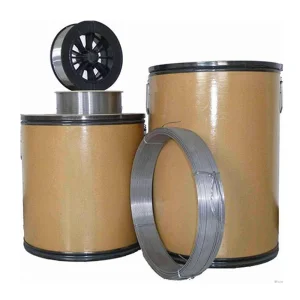
Premium alloyed welding wires engineered for structural surface protection and continuous deposition in steel and mining equipment.
Read Details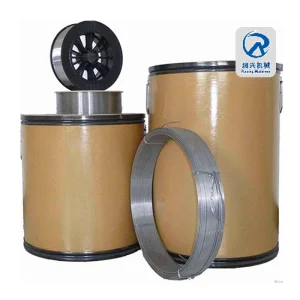
Designed for high-stress grinding abrasion environments. Requires no shielding gas, making it ideal for on-site field maintenance.
Read Details
Industrial wear plates utilizing state-of-the-art open-arc welding deposition. Delivers consistent hypereutectic microstructures.
Read Details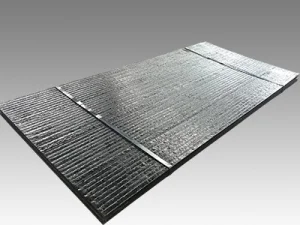
High-Quality composite plate containing a ductile structural steel backing and a hard overlay layer, conforming to DIN 8555.
Read Details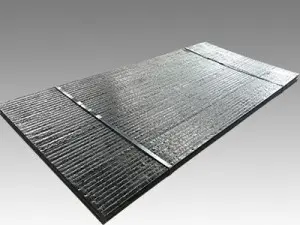
Engineered composite material utilizing premium structural backing plates merged with an overlay weld. Exceptional durability standard.
Read Details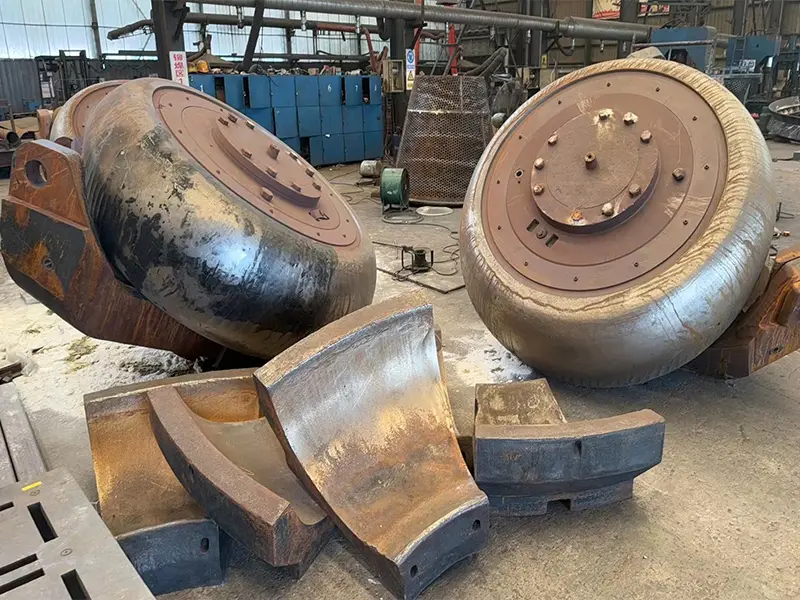
Ultra-fine metal powder formulations designed for extreme abrasion resistance and uniform surface deposit thickness.
Read Details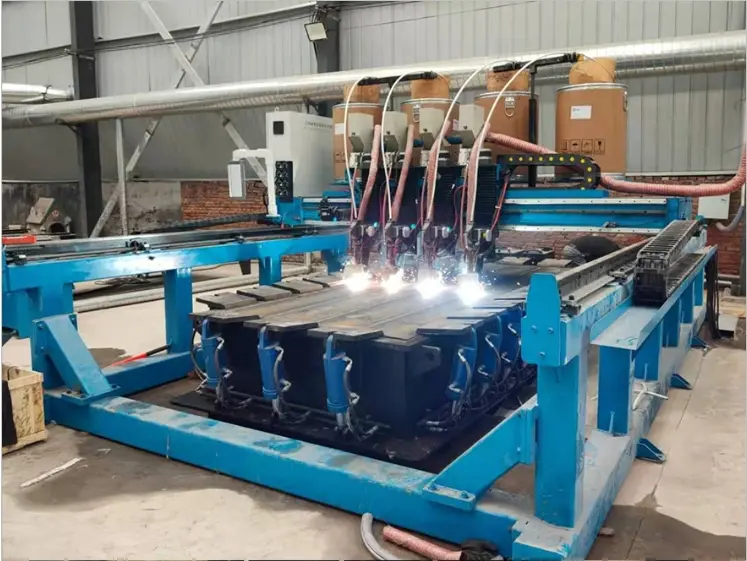
CNC multi-gun surfacing systems engineered for fast overlay of plates, roll reconstruction, and industrial mill grinder maintenance.
Read DetailsIn modern industrial operations, structural steels face unprecedented levels of mechanical degradation. Severe abrasive wear, combined with dynamic mechanical impact and thermal strain, poses a massive challenge to components in mining, cement, steel manufacturing, and bulk energy production. **Metal powder welding** and hardfacing techniques have evolved as critical surface engineering methodologies, creating protective barriers that extend operational runtimes from weeks to years.
The performance of hardfacing materials depends heavily on the chemical composition of the weld deposit. Standard carbon steels, when subjected to abrasive flow, experience immediate micro-ploughing and plastic deformation. The integration of high-chromium, carbon, and complex carbide-forming elements (such as niobium, vanadium, tungsten, and titanium) creates a dense, wear-resistant network of primary carbides. During the solidification process, these carbides precipitate inside an austenitic or martensitic matrix. This matrix acts as a tough binder, preventing the brittle carbide crystals from prematurely spalling or fracturing during dynamic impacts.
As industrial demand moves toward higher operating temperatures and severe corrosive atmospheres, the technological roadmap for metal powder welding is branching into highly specialized material formulations. The industry is progressing from basic binary chromium-iron systems to complex multi-element alloys and nano-structured composite surfaces.
Standard CCO plates utilize high-chromium alloys (typically 25–35% Cr, 4–5% C) to deposit a layer of primary chromium carbides. While highly effective for low-impact, high-abrasion applications, standard CCO displays reduced toughness under heavy impact. Modern research is focus-optimized on complex alloys that incorporate auxiliary carbide formers. Elements such as Niobium (Nb) and Boron (B) refine the grain size of primary chromium carbides, shifting the microstructure toward a more ductile, fine-grained morphology.
While traditional open-arc surfacing remains the industry standard for large-scale wear plate fabrication, high-precision components (such as valve seats, extruder screws, and chemical pump impellers) require minimized dilution rates. PTA (Plasma Transferred Arc) welding and Laser Cladding use metal powder feedstocks to deposit thin, highly concentrated alloy layers. This technology reduces dilution from the base metal to under 5%, preserving the wear-resistant properties of the cladding while minimizing the heat-affected zone (HAZ) and thermal deformation.
The future frontier of hardfacing engineering lies in bulk metallic glasses (BMGs) and nano-crystalline coatings. By utilizing rapid cooling rates during thermal spraying or specialized metal powder deposition, engineers can prevent the formation of crystalline grain boundaries. The resulting amorphous matrix exhibits near-zero dislocation movement, giving the surface exceptional hardness and corrosion resistance that outperforms conventional crystalline tool steels.
Tangshan Runxing Machinery Co., Ltd. has developed dedicated, industry-specific hardfacing and wear plate solutions to address the operational challenges of major material-handling sectors:
Located in Tangshan, Hebei Province—the heart of China's metallurgy and industrial steel manufacturing corridor—Tangshan Runxing Machinery Co., Ltd. operates a high-capacity production center for advanced hardfacing products. Since our founding in 2010, we have integrated advanced manufacturing workflows with reliable supply chain logistics.
Our factory utilizes advanced CNC-controlled multi-gun automated surfacing machines. These systems maintain uniform speed swing welding to ensure consistent weld bead deposition and minimize stress-concentration zones. Through real-time parameter tracking (including voltage, amperage, and powder feed rates), we produce wear plates and flux-cored wires with consistent physical and mechanical properties.
Runxing Machinery relies on continuous scientific research and international technical standards to maintain our engineering standards.
In 2023, the leadership team of Tangshan University, led by Dean Yuan Shaoqiang, Vice Dean Li Jing, and Professor Yang Yuehui (Team Leader of Metal Materials and Forming Technology), visited our manufacturing facility to inspect our current workflows. This partnership connects Runxing's production lines with academic research into metal crystallization, helping to improve the fracture toughness of our high-chromium wear plates.
In addition, Runxing has served as a qualified agent and technical partner for VAUTID in Germany for six consecutive years (since 2019). VAUTID is a global leader in high-performance wear-resistant alloys. By combining European metallurgical formulations with Runxing’s advanced manufacturing facility, we offer our global clients cost-efficient products without compromising on material quality.
A trusted global manufacturer of hardfacing wear-resistant metal products since 2010
Tangshan Runxing Machinery Co., Ltd., located in Tangshan, Hebei Province, is a professional manufacturer focused on the R&D, production, and on-site construction of hardfacing wear-resistant metal products.
Our product lineup includes chromium carbide overlay (CCO) wear plates, custom wear liners, wear-resistant pipes and fittings, hardfacing flux-cored welding wires, automatic surfacing welding machinery, and industrial roller repair services. We follow the core business philosophy of “Integrity, Superior Quality, Innovation & Sustainable Development,” developing mature metal surface hardfacing solutions.
By partnering with Hebei Yuwan International Trade Co., Ltd. for all export operations, we ensure reliable international trade transactions, secure payment collection, and prompt customs clearance for clients in Russia, Central Asia, and beyond.
Field-proven hardfacing wear protection implemented across diverse operating sectors
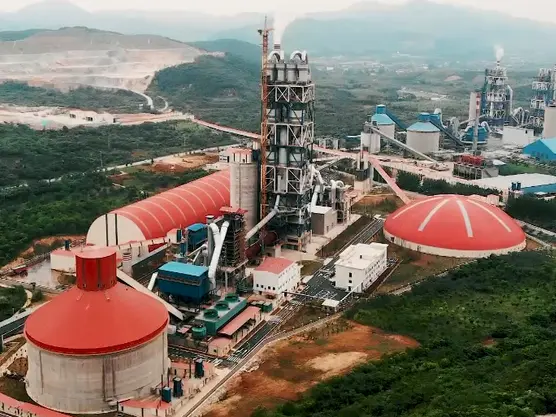
Improving critical machinery availability. Our wear-resistant plates and rollers protect components from abrasive raw materials and clinker dust.
Explore Sector Solutions >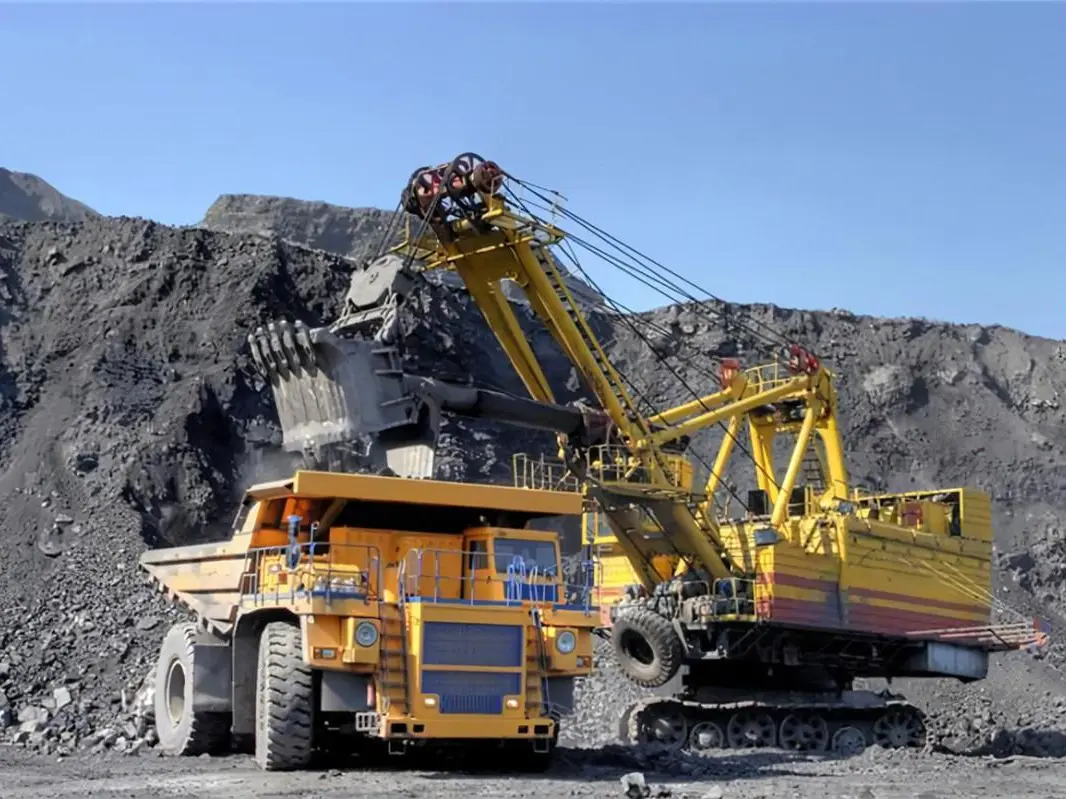
Comprehensive wear solutions engineered to protect transfer chutes, dragline buckets, and ore screens under heavy impact conditions.
Explore Sector Solutions >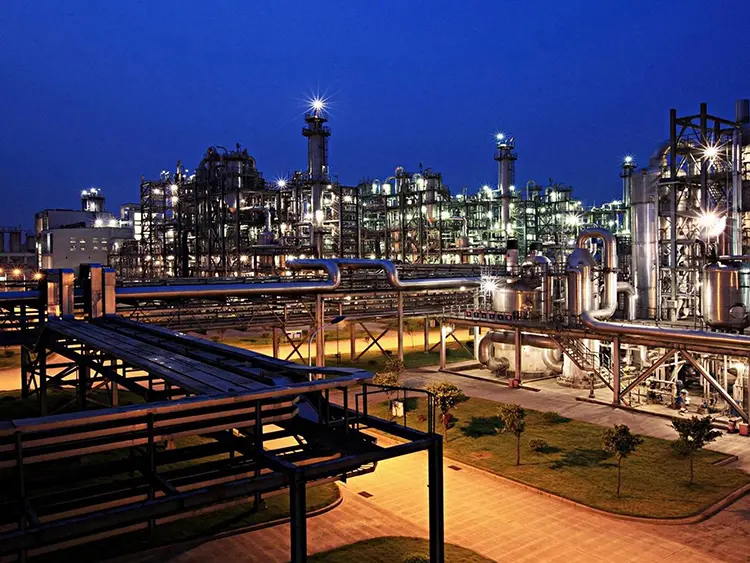
Protective surfacing alloys designed to withstand sliding abrasion, high thermal stress, and corrosive gases in sinter plants and blast furnaces.
Explore Sector Solutions >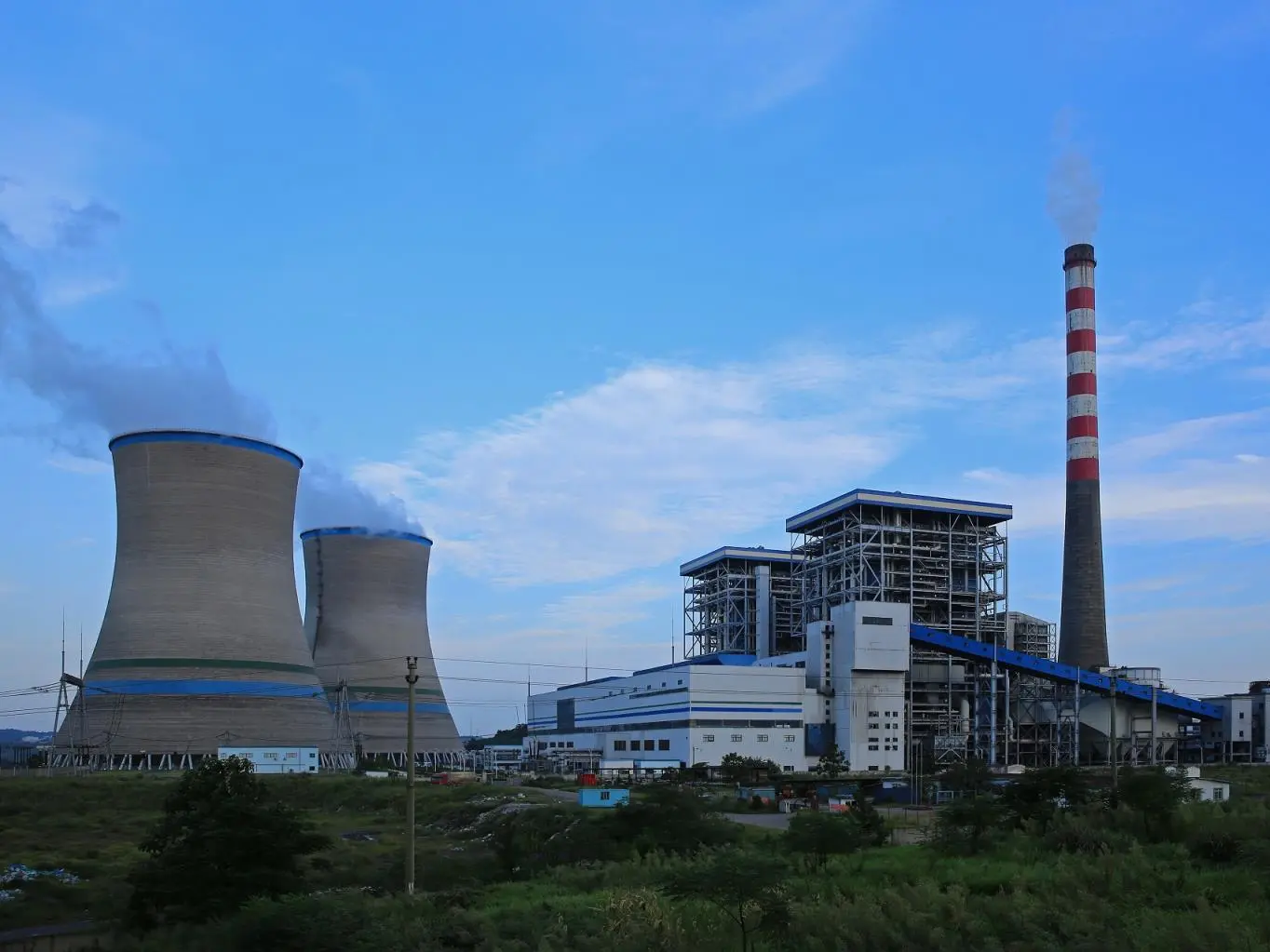
Wear protection for fan blades, conveyor chutes, hopper liners, coal pulverizers, dust collectors, and heavy bulk transport systems.
Explore Sector Solutions >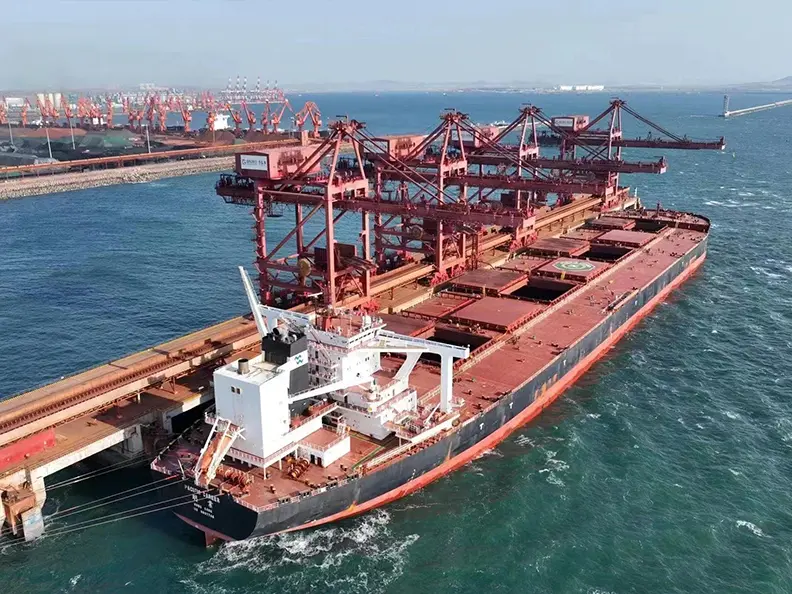
Reliable wear coatings for bulk material transport components, loading/unloading chutes, and grab buckets exposed to abrasive materials and seaside environments.
Explore Sector Solutions >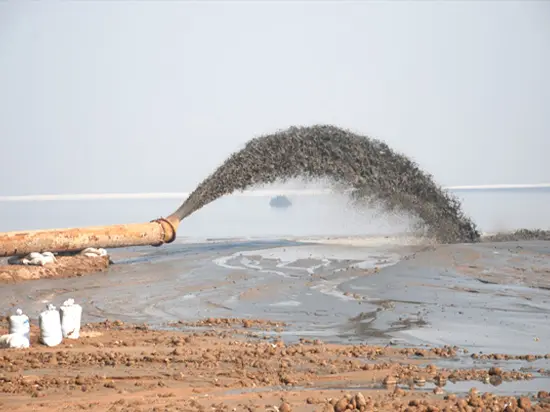
High-purity alumina ceramics sintered at high temperatures, designed to protect industrial areas facing fine particle abrasion.
Explore Sector Solutions >
Our engineering and metallurgical R&D teams continuously develop and test new wear resistance systems for diverse global applications.
Explore Sector Solutions >Connecting with partners worldwide and demonstrating surfacing innovation
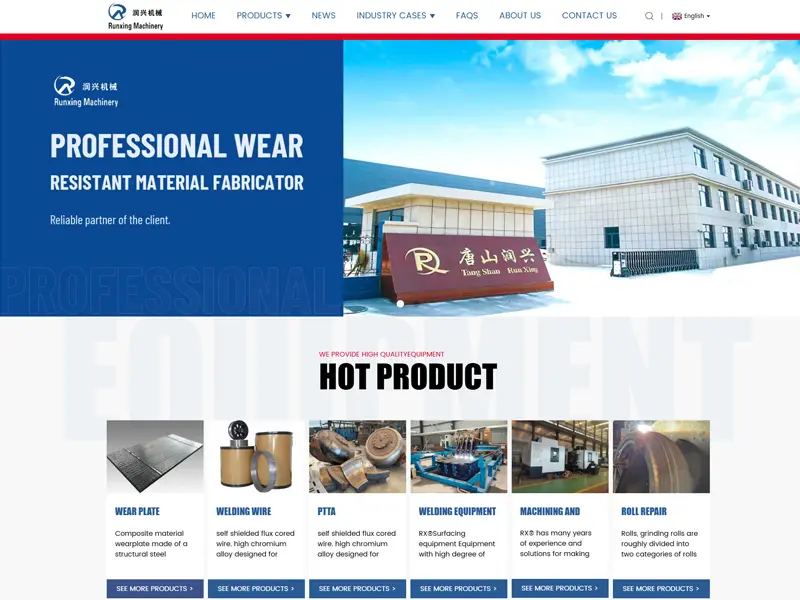
We have officially launched our dedicated web portal to provide global procurement teams with direct access to technical documentation and customized order workflows.
Read More >
Runxing showcased our heavy-duty wear-resistant solutions and mining equipment overlays at the Johannesburg International Convention Centre in September 2024.
Read More >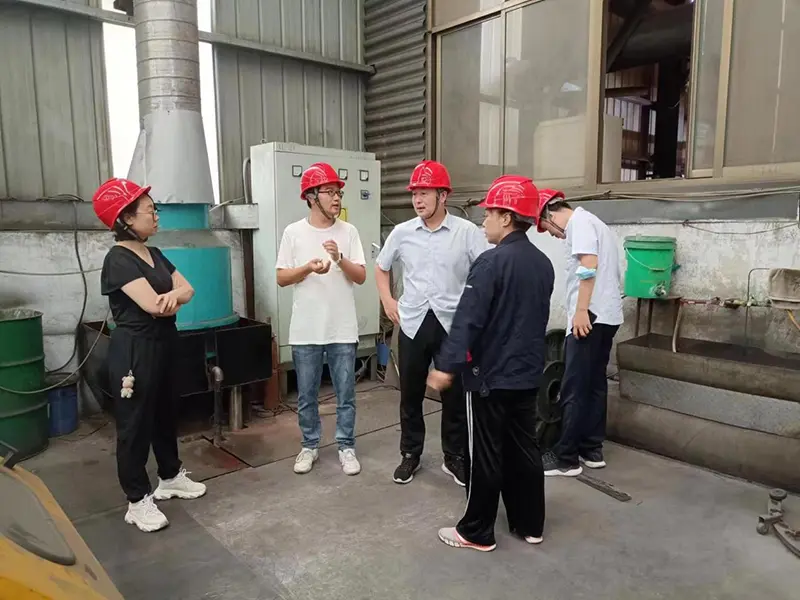
Dean Yuan Shaoqiang, Vice Dean Li Jing, and Professor Yang Yuehui visited our facility to inspect our production lines and review our joint wear resistance research.
Read More >
Since 2019, Runxing has collaborated with Germany's VAUTID to manufacture high-alloy surfacing products utilizing premium wear-resistant materials.
Read More >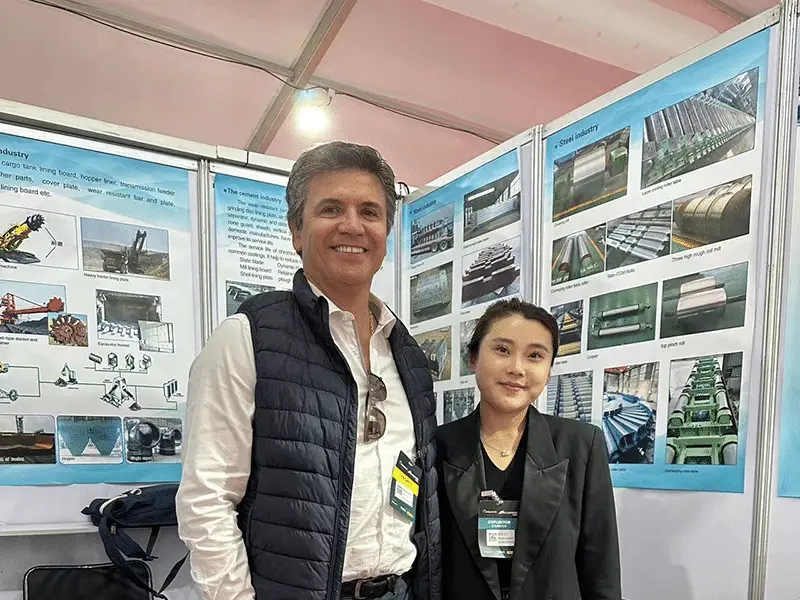
Runxing showcased our high-impact CCO wear plates and hardfacing materials at South America's premier professional mining exhibition.
Read More >For international procurement departments, selecting a hardfacing or wear plate supplier involves balancing product cost with the lifetime cost of the component. Selecting low-grade steels often leads to increased downtime, rising labor overhead, and lost production capacity.
Evaluating hardfacing solutions requires looking beyond the initial purchase price to consider the **Total Cost of Ownership (TCO)**. Runxing Machinery works with global clients to calculate savings by comparing the purchase price of chromium carbide overlay (CCO) plates with their operational lifespan. A wear-resistant surface that lasts 3 times longer than standard structural steel reduces replacement labor costs and minimizes unscheduled system maintenance.
Navigating international shipping regulations, export tariffs, and quality inspections requires dedicated administrative support. Runxing Machinery manages all global shipments through Hebei Yuwan International Trade Co., Ltd. This specialized trade partner handles all shipping documentation, customs declarations, trade compliance, and multi-currency transactions, providing a reliable and secure purchasing process for our international customers.
Additionally, our quality assurance processes are supported by local academic partnerships. Working with researchers from Tangshan University allows us to continuously test and refine our surfacing alloys. This ongoing technical evaluation ensures our wear plates, custom liners, and flux-cored wires meet the high performance expectations of industrial operations worldwide.
Expert insights from our engineering department regarding metal powder welding and wear mitigation
Check cracks are a normal and necessary feature of high-chromium carbide overlay plates. These stress-relief cracks develop during the cooling phase of the surfacing process due to the differences in thermal expansion between the overlay alloy and the steel backing plate. These cracks relieve residual stresses within the hardfacing layer, preventing the wear plate from warping or delaminating during fabrication, bending, or field installation. They do not compromise the plate's wear resistance.
Self-shielded flux-cored wires contain specific gas-generating compounds and slag-forming elements within their core. These materials vaporize during the welding arc to protect the molten weld pool from atmospheric contamination (nitrogen and oxygen), removing the need for external shielding gas tanks. This makes self-shielded wires ideal for outdoor field maintenance and site repairs. Gas-shielded wires require an external gas supply (typically CO2 or Argon/CO2 mixes) but generally offer higher deposition rates and smoother weld finishes in controlled workshop environments.
We implement a strict quality control workflow that begins with raw material inspection. Through our long-term partnership with VAUTID in Germany, we source consistent, high-grade metallurgical powders. Our manufacturing facility uses CNC-automated surfacing systems to monitor and control key welding parameters. Completed overlay plates undergo chemical analysis using optical emission spectrometers, ultrasonic thickness inspections, and ASTM G65 abrasion testing to confirm compliance with international specifications before shipment.
CCO wear plates can be formed and rolled to fit curved surfaces, such as pipes, hopper cones, and conveyor chutes. Rolling is typically performed cold with the overlay facing inward or outward depending on the application, keeping the minimum radius within our technical guidelines to prevent excess cracking. However, because the high-chromium overlay layer is brittle, CCO plates cannot be hot-formed or heat-treated after fabrication without degrading the carbide microstructures. Welding to support structures is done using the ductile steel backing plate.
Premium solutions engineered to protect high-wear industrial components
Designed for mining and cement chute linings. Delivers extreme protection against heavy impact and sliding abrasion.
Product Details >
Premium alloyed welding wires engineered for structural surface protection and continuous deposition in steel and mining equipment.
Product Details >
High-chromium alloy wires designed to resist high-stress grinding abrasion. Offers simple application without shielding gases.
Product Details >
Precision-manufactured overlay plates featuring high-density carbide distributions for severe grinding wear environments.
Product Details >
High-Quality bimetallic wear plate combining a structural backing steel plate with a hard weld overlay conforming to DIN 8555.
Product Details >
Engineered composite material utilizing premium structural backing plates merged with an overlay weld. Exceptional durability standard.
Product Details >
Ultra-fine metal powder formulations designed for extreme abrasion resistance and uniform surface deposit thickness.
Product Details >
CNC multi-gun surfacing systems engineered for fast overlay of plates, roll reconstruction, and industrial mill grinder maintenance.
Product Details >





 Runxing machinery