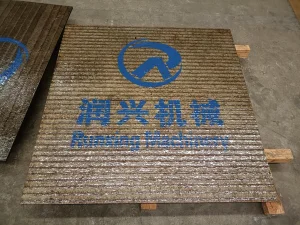
Industrial grade bimetallic clad sheets optimized for brutal sliding abrasion in mineral and bulk handling operations.
Explore Factory Details >
Engineered for high stress mining chutes and heavy-duty cement hopper liners where friction is extreme.
View Manufacturers >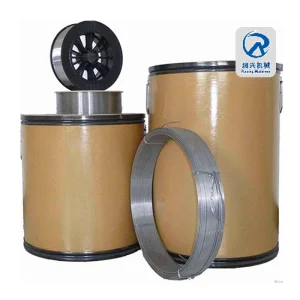
Premium open-arc alloy consumables formulated to deposit high chromium carbide overlay protection in-situ.
Contact Suppliers >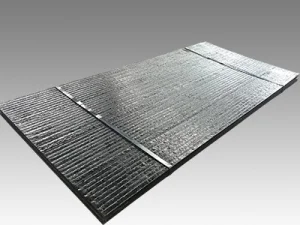
Superior metallurgy with primary M7C3 carbides structured uniformly to resist wear and severe surface loading.
Request Quote >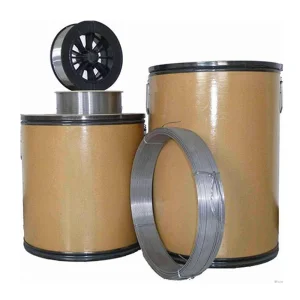
High-efficiency alloy wires engineered for heavy industry cladding, component restoration, and overlay applications.
Enquire Now >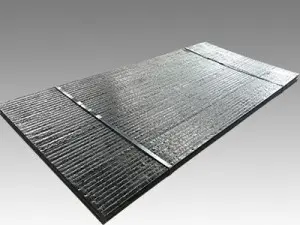
Constructed with structural backing steel and a hard weld surfacing corresponding to strict DIN 8555 standards.
Product Details >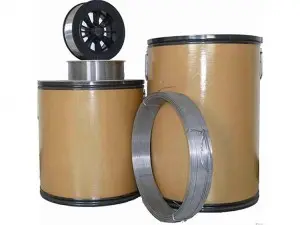
Advanced formula designed to resist severe high-stress grinding abrasion under low-to-medium impact stresses.
Learn More >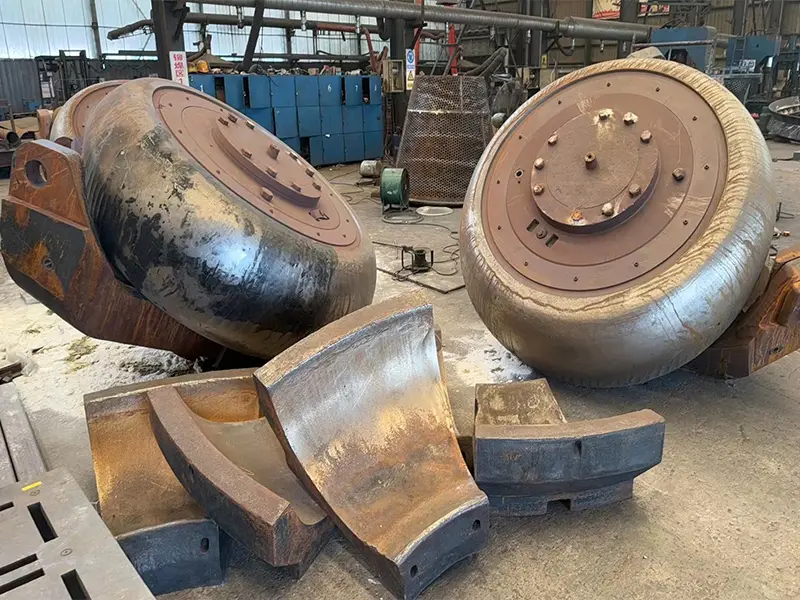
Specialized hard weld deposition solutions targeted at critical components prone to localized erosion.
Get Catalog >In modern bulk materials handling, wear is an inevitable, expensive challenge. Industrial operations globally—spanning from mining hubs in Australia and South America to heavy manufacturing sectors across North America, Europe, and Asia—suffer millions of dollars in downtime annually due to structural deterioration of processing equipment. This is where Chromium Carbide Overlay (CCO) Wear Plates emerge as the critical technological defense line. CCO plates represent a composite system: a ductile structural backing plate (usually carbon steel) clad with a wear-resistant alloy layer containing exceptionally hard primary chromium carbides (M7C3). These carbides possess a micro-hardness ranging from 1200 to 1600 HV (Vickers), outlasting standard carbon steels by up to 30 times and quenched AR (abrasion-resistant) steels by 5 to 10 times.
The global demand for CCO plates continues to expand, driven by the optimization of operational efficiency. As environmental and carbon mandates force industries to cut emissions, minimizing replacement cycles and material usage becomes paramount. Instead of replacing massive structural components, engineers deploy strategically pre-fabricated CCO liners that can be cut, formed, and welded directly onto wearing surfaces. High-performance OEM Cco plate suppliers play a central role, acting not just as steel merchants but as application engineers who modify chemical configurations (such as adding trace titanium, boron, niobium, or vanadium) to solve specific industry-wide temperature, impact, and corrosion threats.
The manufacturing of premium CCO plates relies heavily on precision welding metallurgy. The core process is hardfacing weld deposition—primarily open-arc (self-shielded) or submerged arc welding. During this thermal process, the chemical composition of the overlay must be tightly controlled. A major concern for metallurgists is dilution: the blending of the base steel chemistry with the hardfacing weld pool. Excess dilution from the carbon backing plate lowers the chromium concentration in the overlay, reducing the volume fraction of the crucial primary M7C3 carbides. Advanced OEM factories prevent this by utilizing highly automated, multi-gun PLC-controlled cladding machinery, managing weld current, voltage, travel speed, and step-over with extreme consistency.
A typical high-quality CCO chemistry will consist of 3.5% to 5.5% Carbon (C) and 25% to 35% Chromium (Cr). According to the international DIN 8555 classification system, these materials frequently fall under specifications like DIN 8555 MF10-60-G. Under the microscope, the microstructure displays a high density of hexagonal primary chromium carbides embedded in a tough eutectic matrix. The presence of stress-relief cracks is normal and expected; these tiny micro-cracks occur during cooling and act as stress relievers, preventing the plate from warping or delaminating when curved or rolled to match industrial chutes and pipe geometries.
By shifting from standard open-arc processes to automated multi-gun oscillation systems, our OEM processes limit dilution to under 10% on the first pass. This ensures that even thin overlay configurations maintain a consistent hardness profile throughout the entire clad thickness, offering maximum material utilization before replacement is needed.
For global procurement managers, balancing material cost against physical performance is key. China’s hardfacing supply chain—centered in industrial hubs such as Tangshan, Hebei Province—represents an unmatched global asset. As one of the world's premier steel-producing regions, Tangshan provides local factories with immediate access to base carbon steels, high-quality alloying elements, and specialized technical expertise. This regional cluster economy lowers transportation costs and streamlines raw material sourcing, translating into significant cost savings and shorter production lead times for international buyers.
Furthermore, Chinese manufacturers like **Tangshan Runxing Machinery Co., Ltd.** have integrated the complete value chain: from R&D and production of hardfacing flux-cored welding wires, to the manufacturing of automatic cladding systems, and finally the production of finished CCO wear plates and liners. This integration enables strict quality control at every stage. Export logistics are further optimized through strategic partnerships with professional entities like Hebei Yuwan International Trade Co., Ltd., which coordinates customs clearance, compliant shipping documentation, and multi-currency transactions. This allows the manufacturing facility to concentrate entirely on technical quality, metallurgical consistency, and punctual factory-gate dispatch.
From cement kiln dust collectors to clinker chutes and vertical raw mill housings, wear protection determines overall plant uptime. CCO liners safeguard raw material chutes and feed cones against continuous friction and particle impact, allowing facilities to maintain uninterrupted continuous operations.
Mine operators handle tons of abrasive ores daily. Shovel bucket liners, dragline components, vibratory screens, and primary dump hoppers rely on custom-engineered CCO plates to endure heavy sliding abrasion under severe environments, substantially extending costly equipment replacement intervals.
Steelmaking involves high-temperature raw minerals and corrosive environments. Runxing CCO plates find critical applications in blast furnace charging systems, sinter discharge chutes, coke bunkers, and scrap metal scrapers, surviving under the harshest thermo-mechanical conditions.
Pulverized coal dust behaves like a sandblasting medium inside combustion piping and pulverizer fan housings. CCO wear liners protect exhauster fans, coal mill liners, and ash handling systems from high-velocity particle erosion, preventing leaks and unscheduled system shutdowns.
Marine environments add the risk of saltwater corrosion to severe physical wear. Bimetallic CCO plates with balanced compositions are deployed in loading/unloading chutes, hopper gates, and dredging pump casings, offering dual protection against mechanical friction and oxidation.
For applications where metallic alloys face absolute temperature limitations or complex chemical acids, high-purity wear-resistant alumina ceramic elements offer optimized wear resistance, sintered with specialized thermal formulas.
The hardfacing industry is shifting from traditional manual overlays to highly automated, smart manufacturing systems. As industrial installations grow in scale, the mechanical properties of wear liners must improve. The future of wear plate manufacturing lies in three key directions:
A. Advanced Micro-alloying: By incorporating precise concentrations of Boron (B), Titanium (Ti), Niobium (Nb), and Vanadium (V), metallurgical labs can refine carbide size. Smaller, closely packed chromium carbides are less likely to fragment under localized impact, improving structural toughness without losing wear performance.
B. AI-driven Welding Automation: Advanced CNC systems automatically adjust welding voltage, current, and torch speed in real time based on optical and thermal sensors. This guarantees absolute uniformity across the entire plate surface, minimizing localized soft spots.
C. Hardfacing Repair Robotics: On-site component restoration, particularly for massive cement mill rollers and crusher grinding disks, is increasingly performed by automated mobile weld systems. Rebuilding worn parts in-situ, rather than replacing them, saves significant raw material and shipping costs.
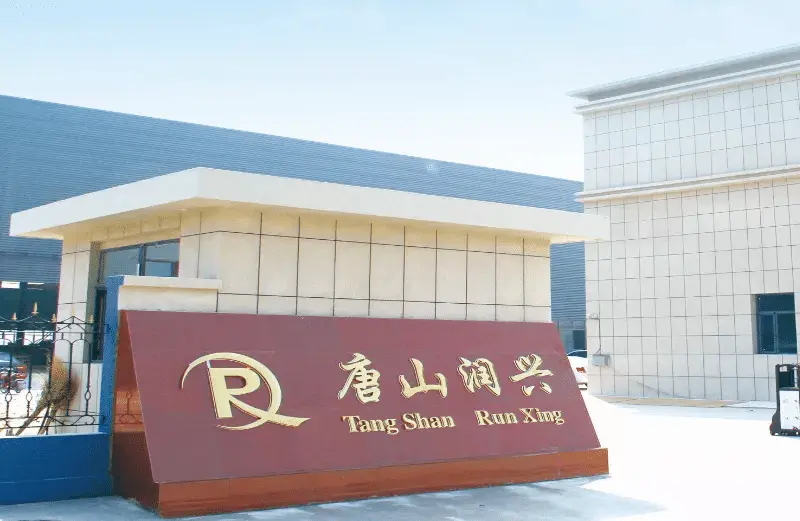
Founded in 2010 in Tangshan, Hebei Province, Tangshan Runxing Machinery Co., Ltd. has established itself as an authoritative manufacturer focusing on the R&D, production, and on-site engineering of high-performance wear-resistant metallic components.
The company's core product catalog includes premium Chromium Carbide Overlay (CCO) plates, custom-fabricated wear liners, wear-resistant pipes and fittings, specialized hardfacing flux-cored wires, and automated weld overlay equipment. Our dedication to quality is demonstrated by our long-standing partnership as a qualified agent for German brand VAUTID since 2019, incorporating industry-leading hardfacing metallurgy into our wear protection solutions.
All international trade operations are managed by Hebei Yuwan International Trade Co., Ltd. This division handles regulatory customs clearance, international logistics, and foreign exchange, allowing our manufacturing plant to focus entirely on engineering and product quality.
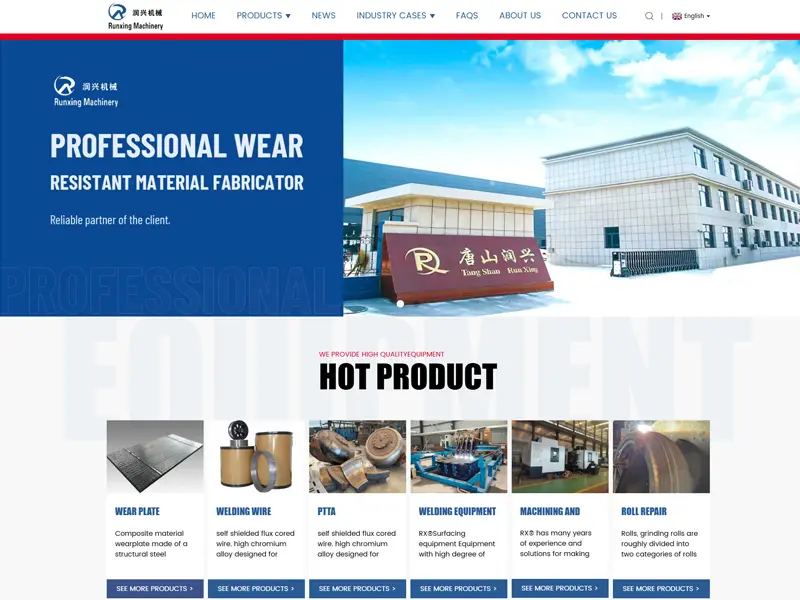
Tangshan Runxing Machinery Co., Ltd. launched its new website www.runxing-machinery.com to offer global customers comprehensive technical specifications and wear solutions.
Runxing participated in the major construction and mining show in Johannesburg, South Africa, presenting wear plates and custom liners directly to African operations.
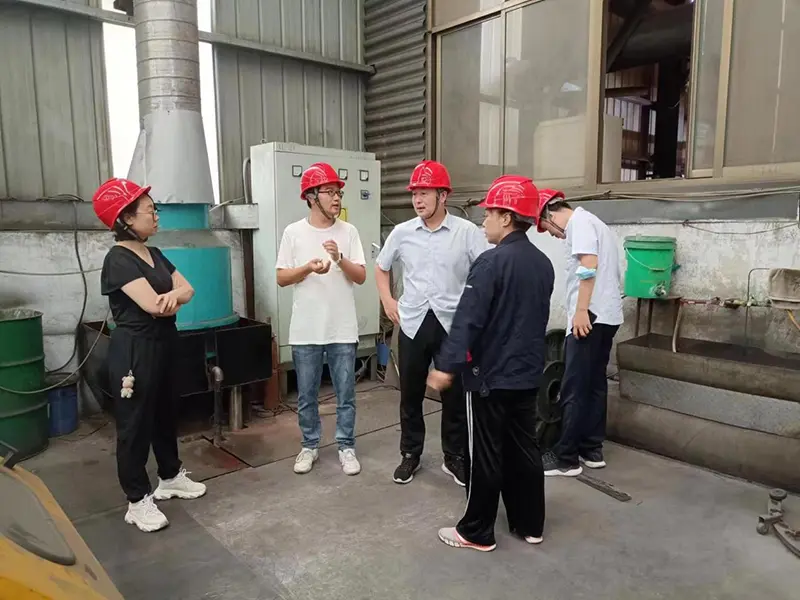
Academic leaders from Tangshan University visited Runxing to collaborate on advanced metal forming and structural surface hardfacing research.
Runxing has maintained its status as a qualified partner for VAUTID since 2019, manufacturing premium wear components with high-quality German consumables.
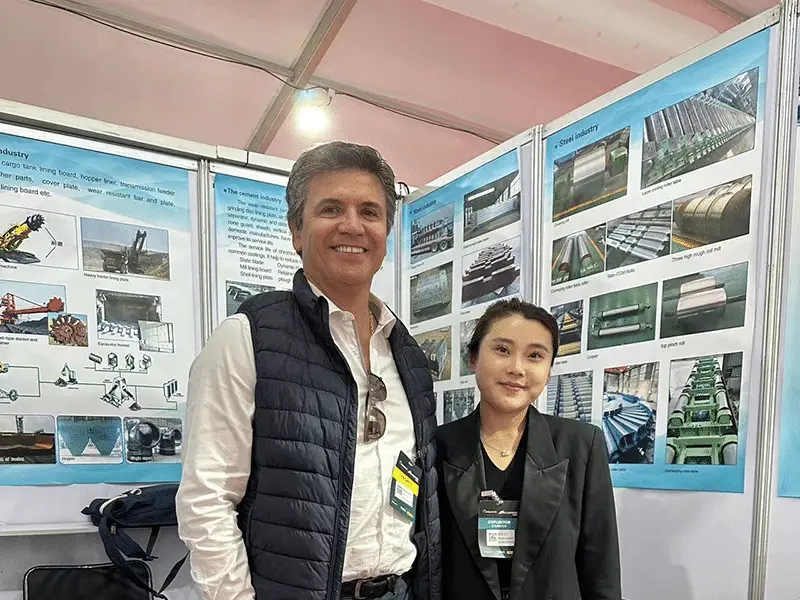
Runxing presented its mining wear plates, crusher liners, and pipe fittings at Latin America's largest professional mining exhibition.
In highly abrasive conditions, Chromium Carbide Overlay (CCO) plates outperform mild carbon steels by a factor of 20 to 30, and traditional heat-treated quenched steel plates (like AR400 or AR500) by 5 to 10 times. Actual performance depends on parameters such as particle size, impact velocity, temperature, and angle of contact.
The fine vertical relief cracks on the surface of CCO plates are completely normal and occur naturally as the weld layer cools. These relief cracks relieve internal stresses, preventing the plate from bending or warping. They end at the boundary between the overlay and the backing steel, and do not compromise the wear resistance or structural integrity of the composite system.
Yes. The carbon steel backing plate can be welded to existing structures using standard welding procedures (typically E7018 or similar electrodes). CCO plates can also be rolled or formed using heavy industrial press brakes to match curved surfaces (such as piping, chutes, or cyclone separators), with the overlay layer positioned on either the inside or outside curve depending on the application.
Standard CCO plates are formulated to withstand temperatures up to approximately 350°C (660°F) without losing hardness. For extreme thermal applications, such as power plant ash handling or cement kilns up to 600°C - 800°C, the alloy composition is modified with elements like Niobium (Nb) or Tungsten (W) to prevent the carbides from softening under high operating temperatures.






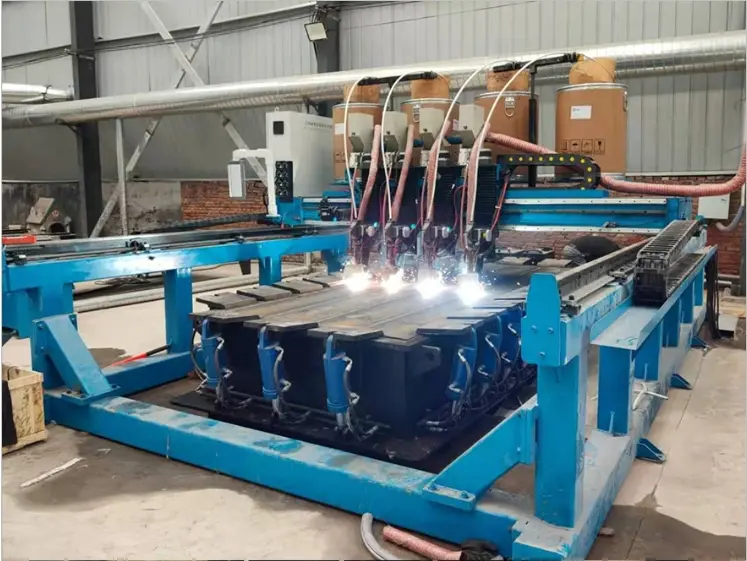
Highly automated numeric systems featuring four welding guns working independently for efficient plate production.
Equipment Details >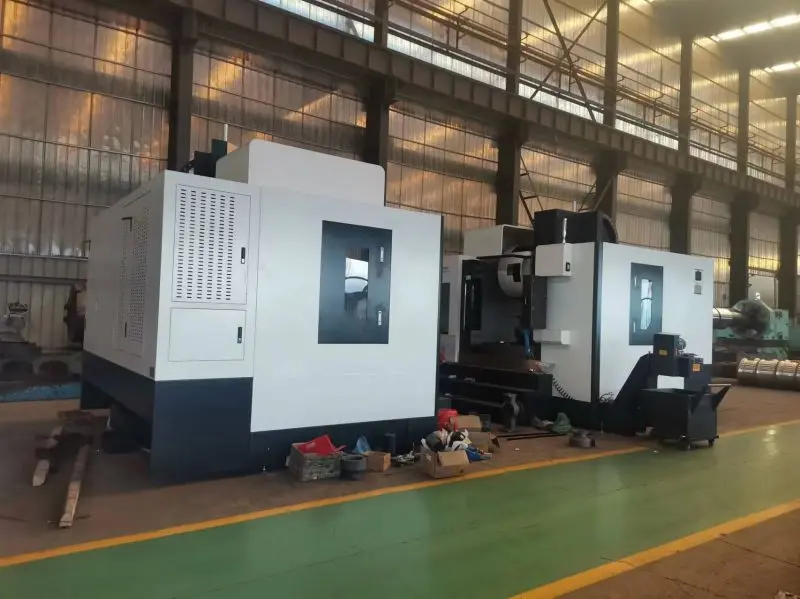
Expert custom profiling, plasma cutting, countersunk hole drilling, and customized fabrication for complex machinery liners.
Enquire >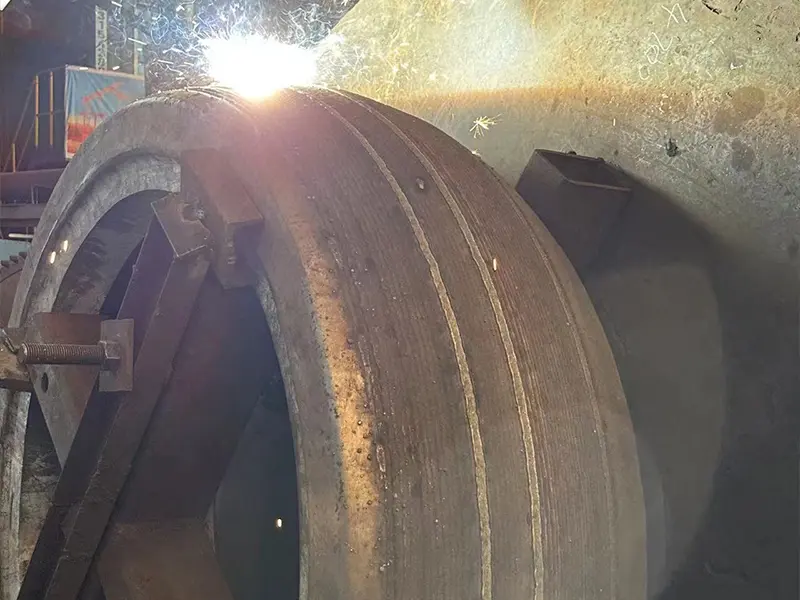
Specialized hardfacing restoration for coal vertical mill rolls, cement roller presses, and mining grinding discs.
Repair Solutions >
Industrial grade bimetallic clad sheets optimized for sliding abrasion in mineral and bulk handling operations.
Explore Factory Details >
Engineered for high stress mining chutes and heavy-duty cement hopper liners where friction is extreme.
View Manufacturers >
Premium open-arc alloy consumables formulated to deposit high chromium carbide overlay protection in-situ.
Contact Suppliers >
Superior metallurgy with primary M7C3 carbides structured uniformly to resist wear and severe surface loading.
Request Quote >
High-efficiency alloy wires engineered for heavy industry cladding, component restoration, and overlay applications.
Enquire Now > Runxing machinery