Runxing machinery
1. Global Procurement Dynamics for Advanced Wear Protection Systems
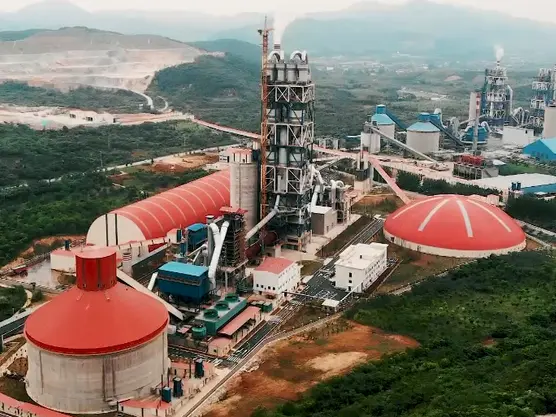
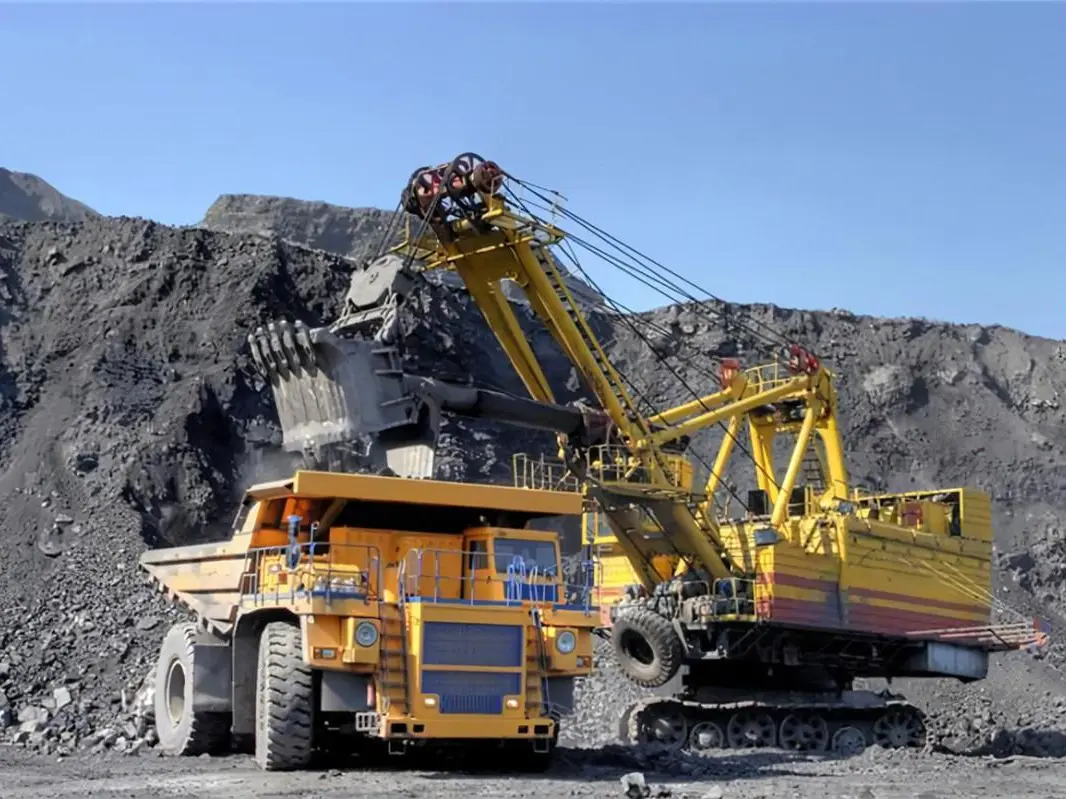
In the modern heavy industrial arena, components are continuously subjected to extreme conditions including severe abrasive wear, erosive fluid flows, heavy mechanical impact, and elevated operating temperatures. Global procurement departments within the mining, cement manufacturing, steel processing, power generation, and port handling sectors face a constant challenge: optimizing equipment uptime while systematically driving down total cost of ownership (TCO). This search for operational longevity has positioned ODM Tungsten Carbide Wear Plates and High-Hardness Chromium Carbide Overlays (CCO) as critical strategic materials.
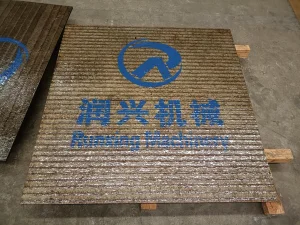
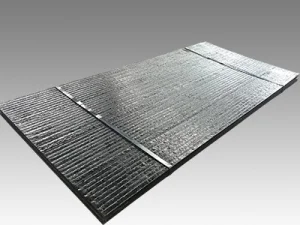
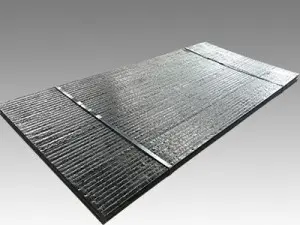
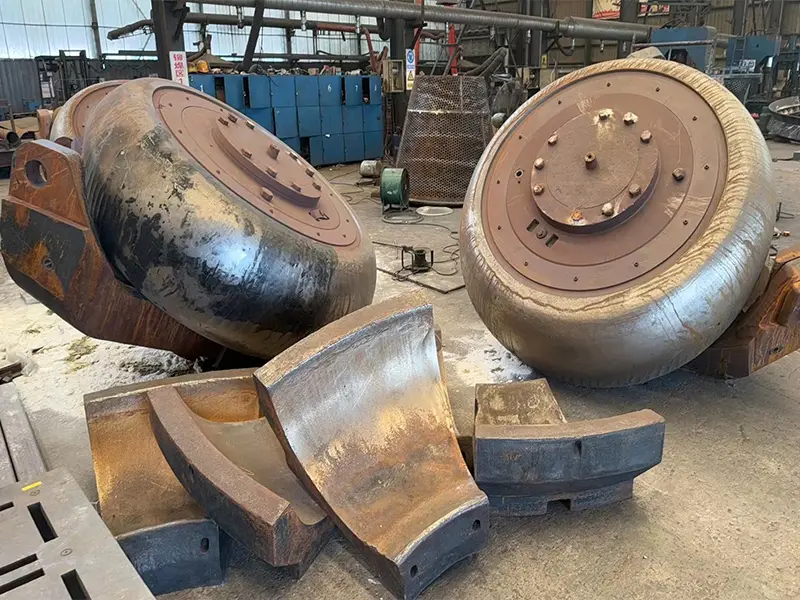
Rather than relying on standard structural steels, global enterprises are demanding tailored, bimetallic composite solutions. These composite wear plates rely on a metallurgically bonded dual-phase structural configuration. The ductile structural steel backing plate (commonly Q235B or Q355) handles the mechanical stresses, system installation requirements, and impact forces, while the overlay layer—rich in primary chromium carbides (M7C3) or tungsten carbide (WC) grain patterns—withstands intense abrasive actions.
"Global supply chain efficiency is defined by equipment uptime. A single unplanned shutdown in a mining chute system or a cement vertical roller mill can result in hundreds of thousands of dollars in lost productivity daily. Implementing premium ODM wear plates provides the necessary structural shield to prevent structural failure."
2. The Chemistry and Metallurgy of Extreme Wear Performance
From a metallurgical standpoint, wear resistance is not solely a function of bulk hardness. While a standard steel plate might register 200 to 400 HB on the Brinell scale, Runxing's advanced hardfacing overlays routinely deliver surface hardness levels between 58 and 67 HRC (equivalent to 700–950 HV). The true driver of this performance is the composition and alignment of the precipitated carbides.
In high-chromium overlay plates, like the RX®wp 7600, the metallurgical process is designed to precipitate a large volume fraction of primary hexagonal M7C3 chromium carbides within a tough austenitic matrix. These chromium carbides have a micro-hardness exceeding 1500 HV. When abrasive particles such as silica, sinter, or clinker slide across the surface, these hard carbide nodes act as physical barriers that prevent micro-ploughing.
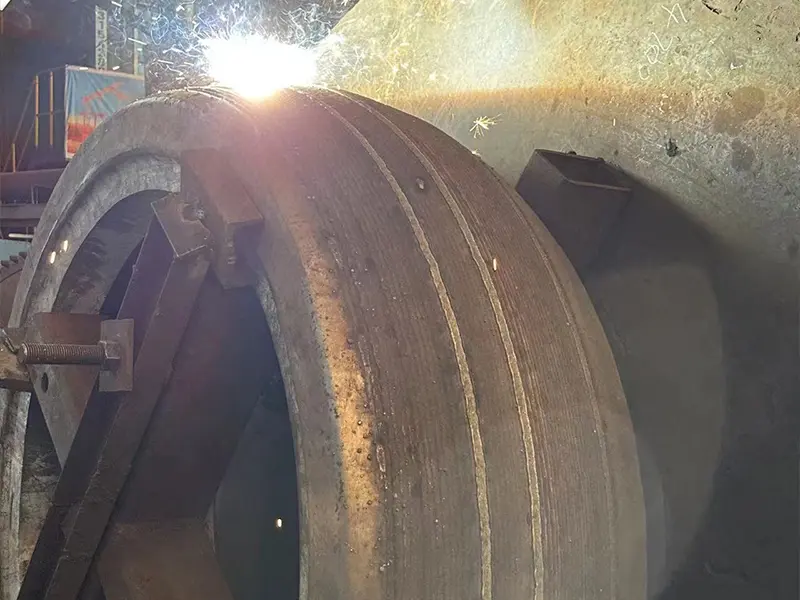
For even more extreme wear applications, tungsten carbide particles (WC-Co matrices) are introduced. Tungsten carbide features a hardness exceeding 2000 HV, making it capable of resisting abrasion from the hardest mineral aggregates. By employing advanced manufacturing methodologies, including automatic CNC-controlled hardfacing and precise thermal management, Runxing ensures that these carbide grains remain uniformly distributed through the wear layer, eliminating soft zones that lead to premature wear paths.
3. Runxing Machinery: Over a Decade of Engineering Competence
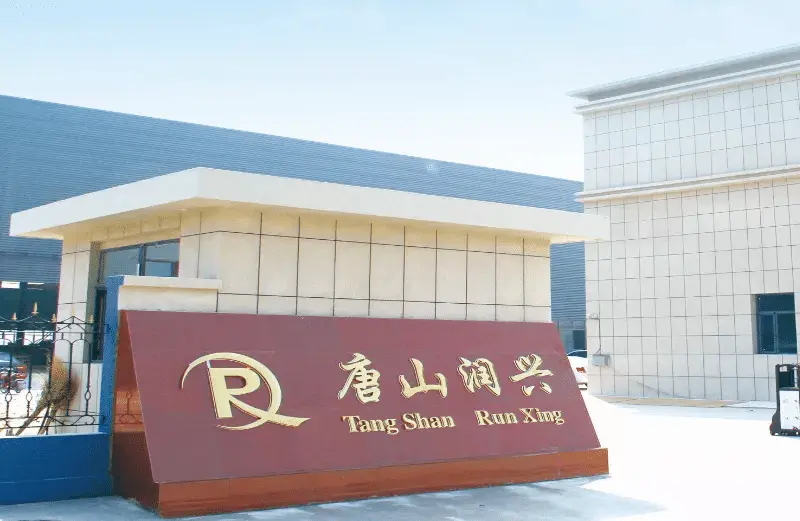
Founded in 2010 in the heavy industrial hub of Tangshan, Hebei Province, Tangshan Runxing Machinery Co., Ltd. has established itself as an innovative force in the R&D, manufacturing, and on-site repair of hardfacing metal wear products. Runxing operates on a foundation of integrity, technical precision, and continuous material research. This commitment is highlighted by the company's status as a qualified agent for Germany’s legendary VAUTID brand for six consecutive years, proving the company’s alignment with global quality benchmarks.
To streamline global procurement, all export services are managed exclusively by Hebei Yuwan International Trade Co., Ltd. This division coordinates custom clearances, international logistics, financial transactions, and compliance documentation, allowing the manufacturing facility in Tangshan to focus on metallurgical engineering, product quality control, and on-time shipment.
4. Macro-Industry Wear Solutions & Hardfacing Innovation
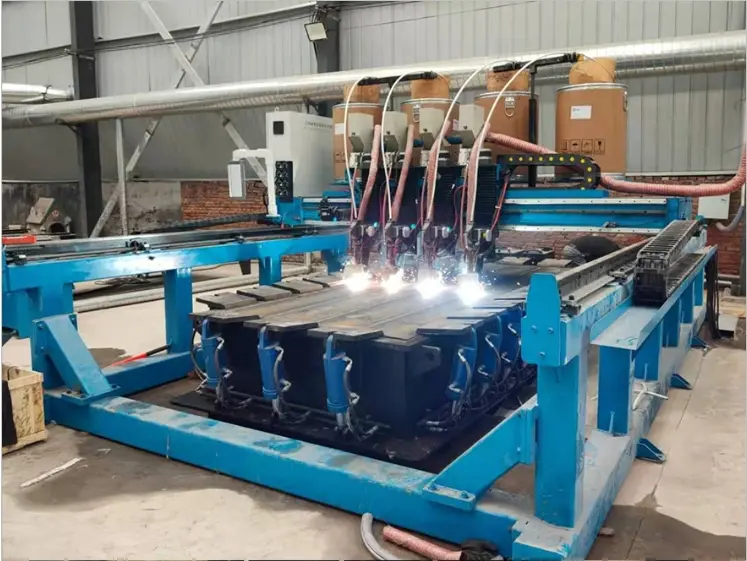
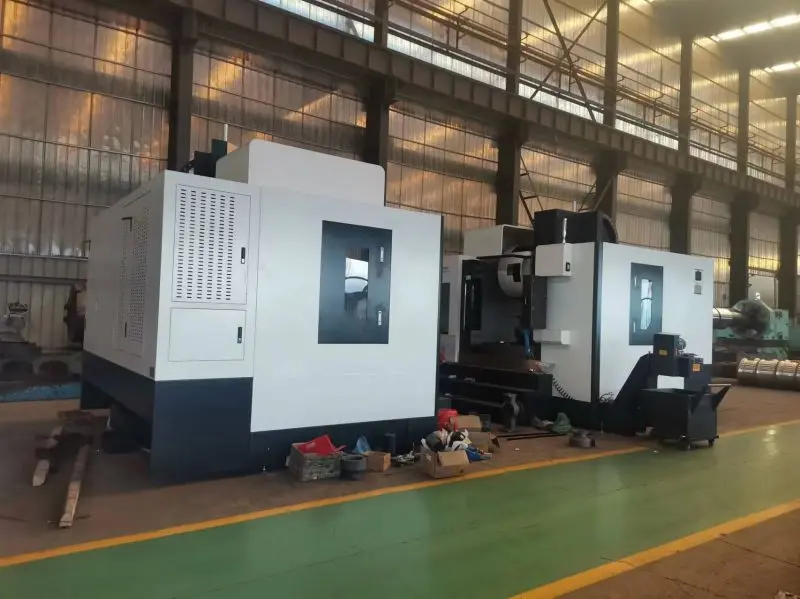
Runxing Machinery has transitioned from a component supplier to a comprehensive solutions provider. The company's engineering division analyzes site-specific wear mechanisms (e.g., impact vs. sliding abrasion, operating temperatures, chemical corrosion) before recommending a hardfacing formula. Through advanced automated cladding machinery, Runxing produces overlay plates with consistent weld beads, controlled crack patterns (which relieve internal cooling stresses without sacrificing structural integrity), and minimum dilution with the base metal.
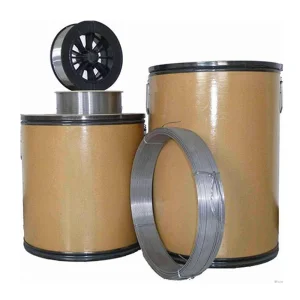
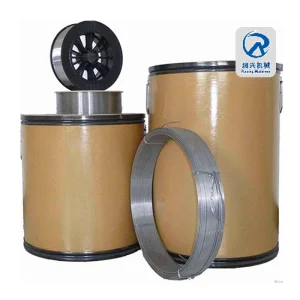
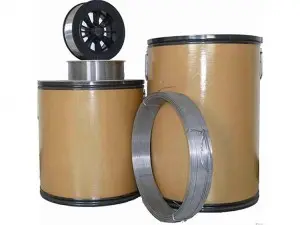
Beyond plates, Runxing has developed proprietary formulations for hardfacing flux-cored welding wires. These wires allow maintenance teams to perform on-site touch-ups and rebuild worn surfaces of mill rollers, fan blades, and mining buckets. This two-pronged approach—providing both primary bimetallic plates and the high-grade welding consumables to maintain them—defines Runxing's role in the global wear protection market.
5. Strategic Technical Roadmap & Future Outlook
As heavy industries transition toward automated, continuous operations, the demand for smart, predictable wear components is rising. Runxing’s R&D roadmap focuses on:
- Laser Cladding Technology: Transitioning to ultra-precise laser overlay methods that reduce the Heat Affected Zone (HAZ), decrease dilution levels to below 5%, and allow for thinner, more concentrated wear protective layers.
- AI-Driven Welding Automation: Deploying robotic surfacing equipment equipped with real-time temperature monitoring and automated bead adjustments to guarantee defect-free wear plates.
- Alternative Composite Matrices: Integrating nano-structured carbide matrices and ceramic-metal composites (Cermets) to push thermal stability limits beyond 800°C for blast furnace applications.