Runxing machinery
1. The Strategic Imperative of Stellite Cobalt-Based Alloys in Modern Industry
Industrial machinery operates under increasingly extreme conditions. As pressures, temperatures, and abrasive factors increase across heavy manufacturing, traditional iron-based alloys often fail prematurely. Cobalt-based alloys, historically referred to by the trade name Stellite, have become the gold standard for parts exposed to concurrent wear, galling, corrosion, and extreme temperatures (often exceeding 600°C to 800°C).
Our role as an ODM Stellite Welding Electrode Supplier goes beyond basic distribution; we work alongside material engineers to custom-formulate welding electrodes. By tailoring cobalt, chromium, tungsten, and carbon content, we help extend the operational lifespan of critical equipment. From power generation control valves to continuous caster guide rolls in steel mills, ODM Stellite electrodes provide the metallurgical defense necessary to reduce downtime and ensure process reliability.
“Integrating Stellite overlays isn't just a maintenance procedure; it's a strategic asset-protection strategy. Providing an tailored chemical composition ensures that the weld metal matches the thermal and structural demands of the substrate.”
2. Technical Roadmap: The Metallurgy Behind Stellite Hardfacing
To understand why Stellite alloys perform so well, we must examine their underlying microstructure. These materials consist of hard carbide precipitates dispersed throughout a tough cobalt-rich solid-solution matrix. The primary alloying elements serve specific purposes:
- Cobalt (Co): Provides a stable matrix that resists mechanical deformation, thermal shock, and high-temperature oxidation up to its melting point.
- Chromium (Cr): Combines with carbon to form exceptionally hard chromium carbides (primarily Cr7C3 and Cr23C6) while providing excellent corrosion and oxidation resistance.
- Tungsten (W) / Molybdenum (Mo): These large refractory atoms strengthen the cobalt matrix via solid-solution reinforcement and form hard complex carbides (such as M6C).
- Carbon (C): Crucial for determining carbide volume fraction. Higher carbon contents (like in Stellite 1) yield higher bulk hardness, whereas lower carbon contents (like in Stellite 21) favor impact toughness and work-hardening traits.
Stellite Alloy Family Classification
As a leading manufacturer, we offer a range of ODM formulations tailored for specific challenges:
Stellite 6 (Standard)
The industry benchmark for resistance to mechanical and thermal degradation. It features excellent balance, low friction, and great resistance to galling and cavitation.
Stellite 1 (High Wear)
Contains a higher percentage of carbon and tungsten, creating a denser concentration of primary carbides. Perfect for sliding abrasion with minimal impact.
Stellite 12 & 21
Stellite 12 fills the gap between 1 and 6. Stellite 21 utilizes molybdenum instead of tungsten to provide superior work-hardening and thermal shock behavior.
3. Localized Industrial Application Scenarios
Industrial environments vary greatly by geography and process, requiring specialized localized solutions:
Steel Production & Continuous Caster Rollers
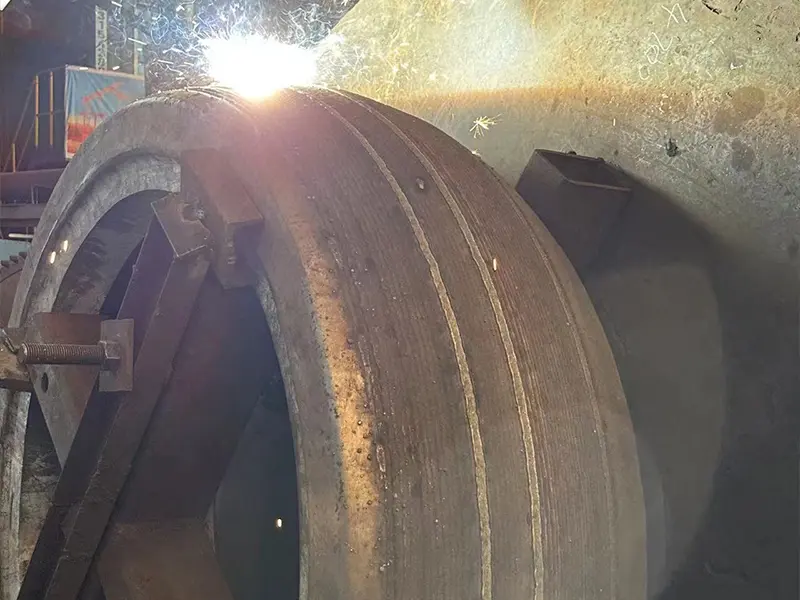
In hot-rolling mills and continuous casting plants, rollers guide molten or red-hot steel. This process exposes rollers to cycling thermal expansion and contraction, mechanical stress, and oxidation. Electrodes like Stellite 6 or custom-modified low-carbon variants prevent thermal fatigue cracking (heat checking) and surface wear, extending roll life cycles.
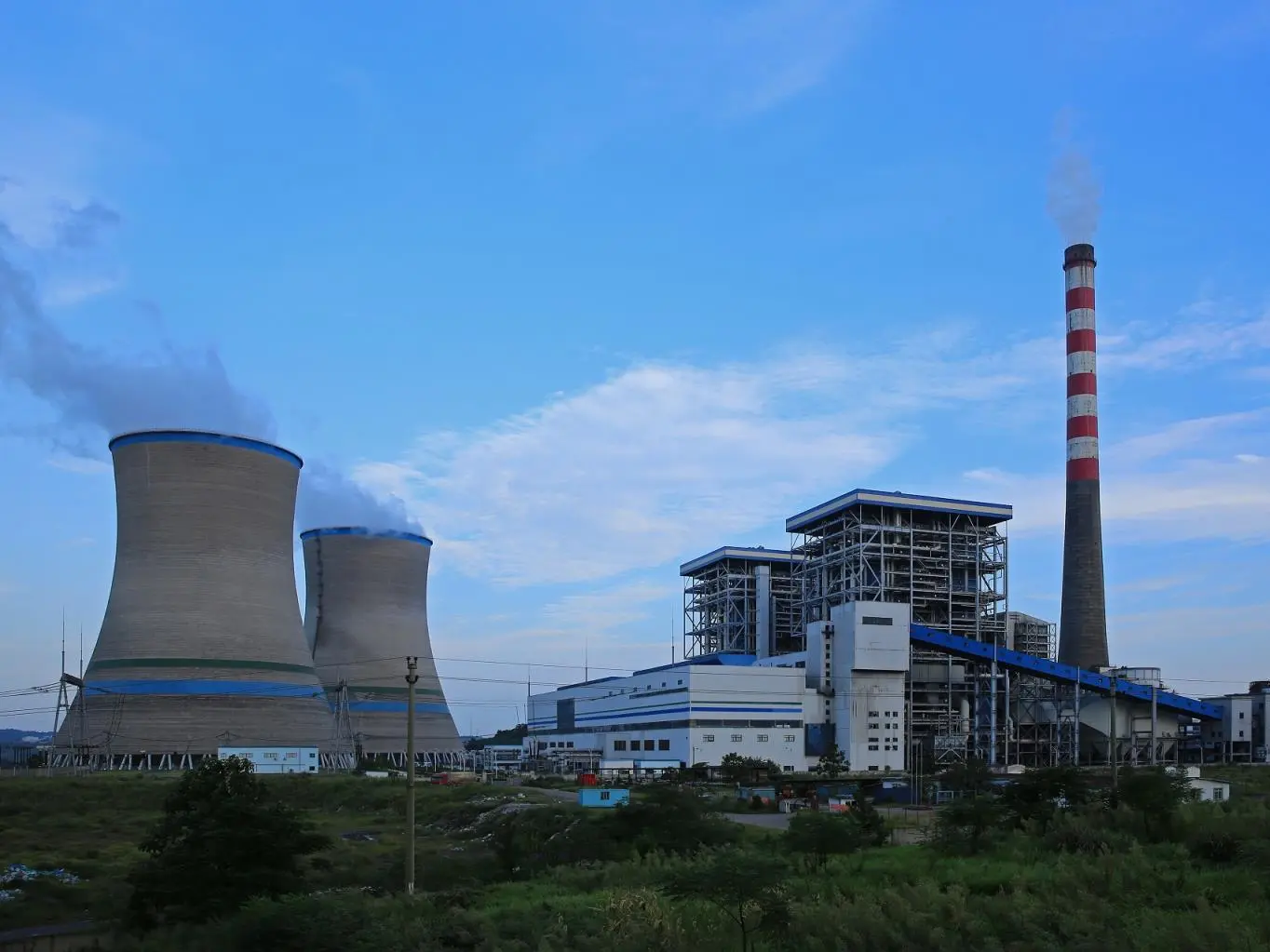
Coal-Fired Power Plants & Superheater Valves
Modern coal plants operate at supercritical temperatures and pressures. Steam control valves, seats, and turbine nozzles face high-velocity steam erosion, cavitation, and temperatures over 550°C. Hardfacing with Stellite 6 or 21 electrodes prevents high-temperature galling and helps maintain pressure boundary integrity.
Mining & Mineral Extraction Chutes
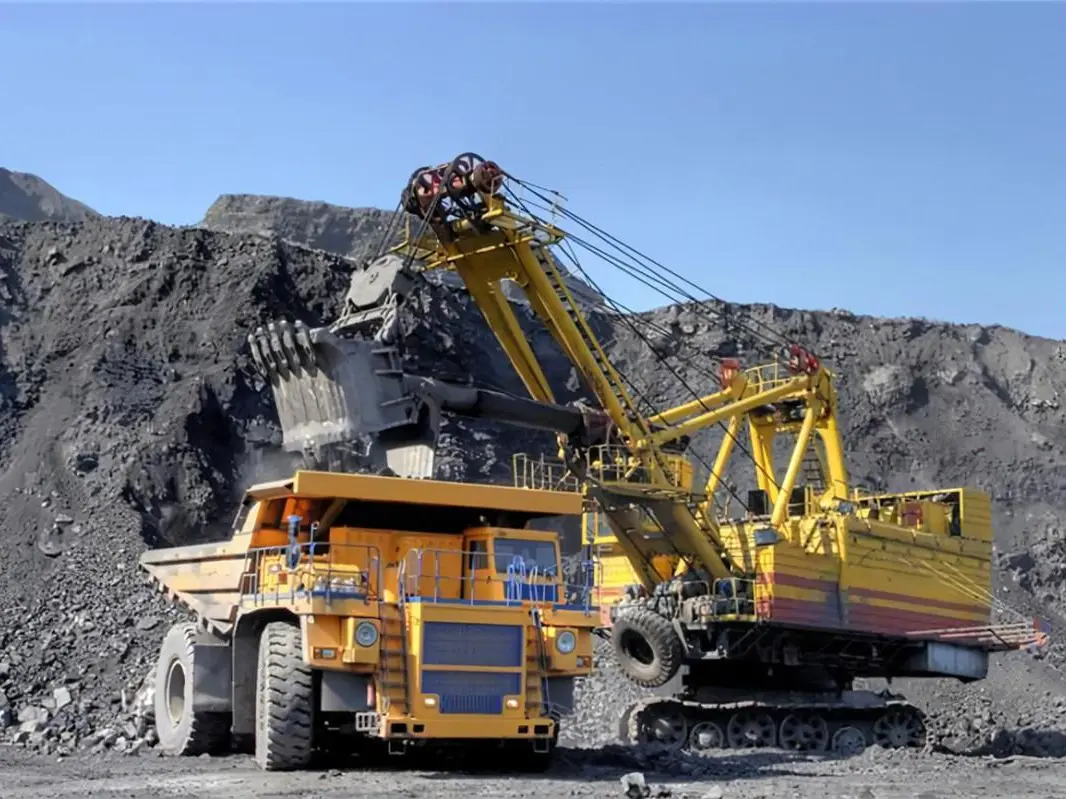
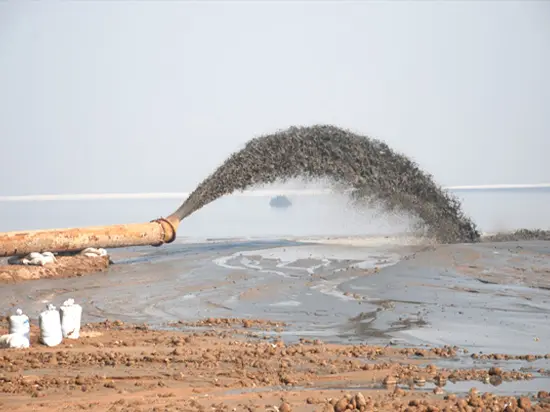
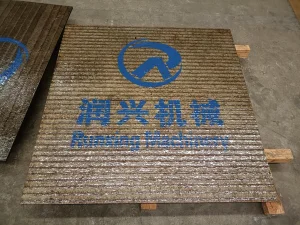
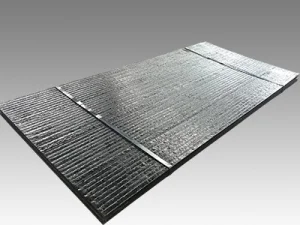
In deep mining operations, high-stress grinding abrasion is common. Chutes, rock-breaker tips, and conveyor screws process tons of quartz-heavy rock daily. By combining bimetallic chromium carbide backing plates with targeted Stellite protection on leading edges, mining companies can balance cost-efficiency with high wear resistance.
4. Supply Chain Resilience: The Tangshan Runxing Advantage
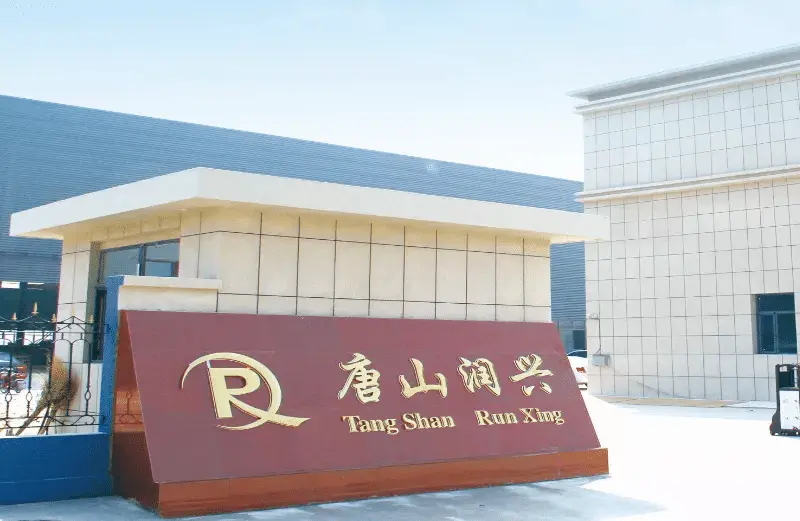
Tangshan Runxing Machinery Co., Ltd., established in 2010 in Tangshan, Hebei Province, has grown into a key manufacturer of hardfacing wear-resistant products. Our Hebei location sits in the heart of China’s largest steel manufacturing cluster. This provides direct access to raw metallurgical materials, technical expertise, and transport links.
To ensure smooth global transactions, all our export operations are managed by Hebei Yuwan International Trade Co., Ltd. This specialized entity coordinates customs clearance, maritime logistics, document compliance, and payments, allowing our manufacturing team to focus fully on product consistency and R&D. Additionally, our long-term partnership with VAUTID in Germany highlights our dedication to strict quality standards.
5. Technology Roadmap & Future Outlook
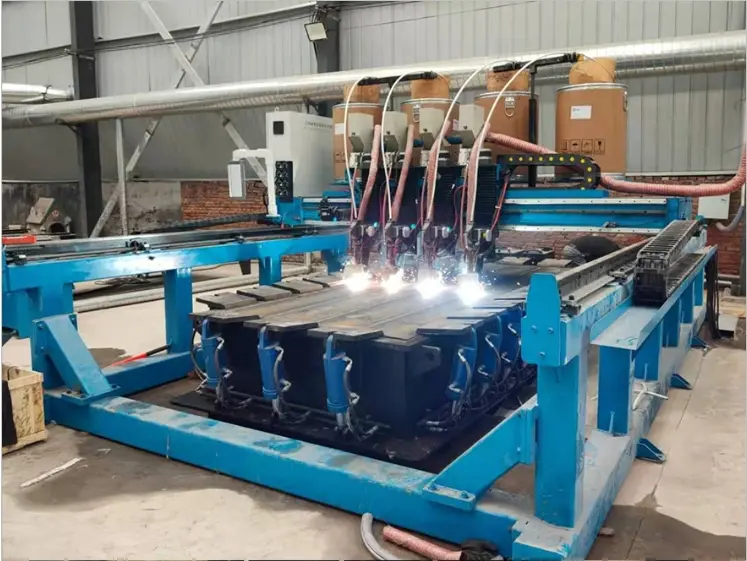
The hardfacing industry is shifting toward automated, low-dilution deposition processes. While manual metal arc (SMAW) electrodes remain popular for on-site maintenance, manufacturing lines are adopting robotic PTA (Plasma Transferred Arc) and laser cladding technologies.
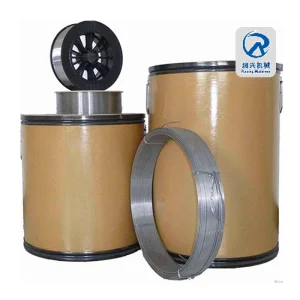
Our R&D efforts focus on developing flux-cored welding wires and customized electrode coatings that minimize base-metal dilution. Keeping dilution to a minimum ensures the hardfacing layer retains its designed wear resistance in the first layer of deposit, saving time and materials.