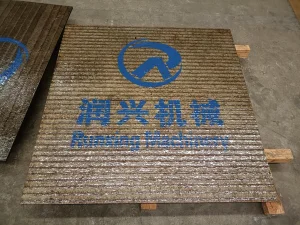
Premium composite wear plate engineered with a structural steel backing and a hard carbon-chromium weld surfacing designed for extreme sliding abrasion environments.
Read More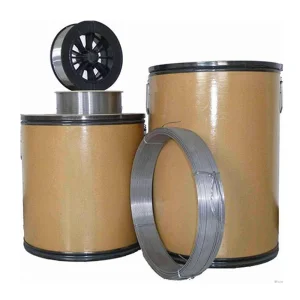
Industrial-grade welding wires designed for surfacing repairs and rebuilding critical structural elements exposed to severe wear factors.
Read More
Runxing RX®-m Series specifically configured for high-stress mining chute liners and cement production environments requiring superior material durability.
Read More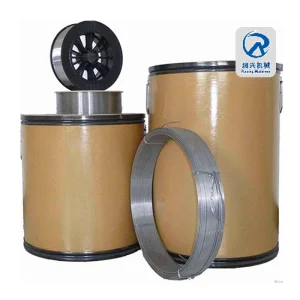
High-chromium alloyed gasless wire designed to deposit abrasion-resistant cladding with outstanding weldability and clean slag release.
Read More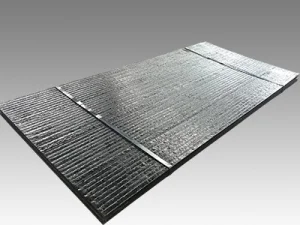
Robust composite wear plates fabricated through open-arc automated surfacing, offering excellent impact resilience and localized hardness.
Read More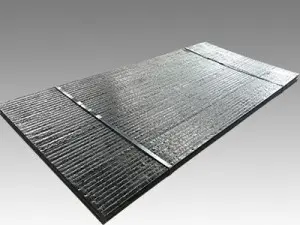
Composite wear plate with structural backing and a hard overlay weld layer. Optimized for harsh material handling and structural stability.
See more products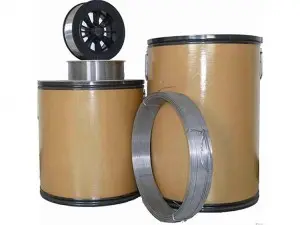
Specifically engineered self-shielded open arc flux-cored wires designed to resist high-stress grinding abrasion under mild impact parameters.
See more products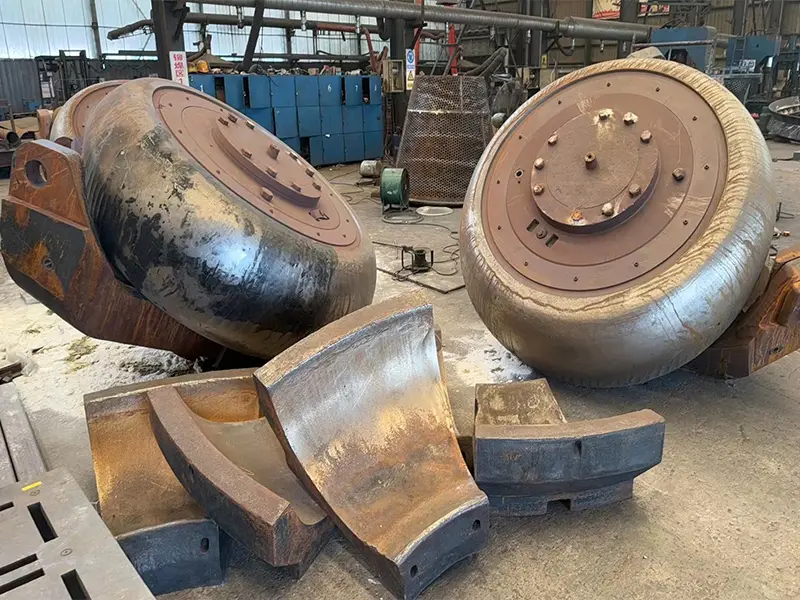
Advanced hardfacing consumables engineered with high-density chromium-alloy formulas to maximize structural service life.
See more productsIn modern manufacturing, gas metal arc welding (GMAW) utilizing stainless steel MIG wire plays a crucial role in maintaining structural integrity across highly corrosive environments. Stainless steel MIG wires must provide a precise chemistry profile to prevent cracking, manage dilution rates, and combat pitting.
The metallurgical behavior of stainless MIG wires is governed by their chromium-nickel equivalence. Standard austenitic options like ER308L, ER309L, and ER316L are designed to meet stringent AWS and EN ISO specifications. Choosing the appropriate formulation is critical:
Achieving the proper Ferrite Number (FN) is essential to eliminate hot cracking during solidification. Most quality formulations aim for an FN between 3 and 10 to ensure a sound weld profile.
Shielding Gas: Generally requires an Argon mix with 1-2% Oxygen or Carbon Dioxide to stabilize the arc plasma and control droplet transfer behaviors.
Information Gain Strategy: High-purity raw materials combined with optimized wire drawing technology minimize micro-fissures and surface scale on the finished wire. This delivers highly consistent wire feeding at high automated welding speeds, minimizing downtime in continuous industrial applications.
For large-scale industrial purchasers, off-the-shelf welding wire often fails to satisfy specialized service conditions. Original Design Manufacturing (ODM) addresses this gap by engineering customized alloy profiles designed for specific wear environments. By tuning the balance of key elements, we optimize performance for your unique operations:
Elemental Calibration: Adjusting silicon content levels (typically 0.65% to 1.00%) improves weld pool fluidity, enabling cleaner bead tie-ins and flatter profiles in automated welding systems. Molybdenum and manganese levels can also be tailored to raise tensile properties and resist thermal deformation.
Custom Core Formulations: For flux-cored wires (FCAW) and self-shielded open arc processes, the internal flux mix is adjusted to match specific deposition needs. This allows us to optimize slag freezing rates for out-of-position work or configure high-chromium alloys to handle severe abrasive wear.
Heavy industrial settings demand strict compliance with international manufacturing guidelines. Industrial operations must ensure that all welding wire consignments consistently match specified metallurgical benchmarks. Our quality assurance framework maintains traceablity from raw steel coils to the finished spool.
Hebei Yuwan International Trade Partnership: To guarantee smooth shipping logistics and regulatory compliance, all export operations are managed by Hebei Yuwan International Trade Co., Ltd. This specialized team coordinates customs clearance, maritime logistics, and global payments. This allows our factory floor to focus entirely on quality-centric production and timely scheduling.
Tangshan, situated within Hebei Province, stands as a major center of steel production and metallurgy. This geographic location provides unique supply chain efficiencies for global buyers looking to secure high-quality consumables:
Direct Raw Material Access: Sourcing high-grade wire rod directly from nearby specialty steel plants minimizes transport logistics, lowering overall processing costs.
Clustered Manufacturing Ecosystem: Tangshan's dense industrial network gives us immediate access to high-purity alloy additives, wire drawing machinery, and specialized packaging supplies. This proximity allows us to respond quickly to custom production requirements and scale operations efficiently.
Logistical Proximity to Major Ports: Located near major shipping terminals like Tianjin Port, our facility ensures rapid, cost-effective container loading and ocean freight routes to Europe, North America, Southeast Asia, and South America.
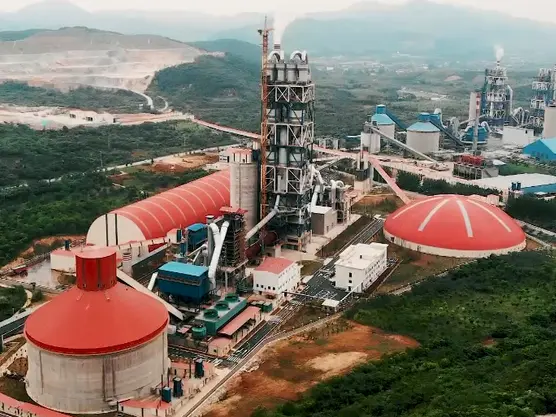
Equipment availability is crucial for cement plants. Wear protection on fan blades, conveyor chutes, hopper liners, and crushing tools determines overall system uptime.
Explore Case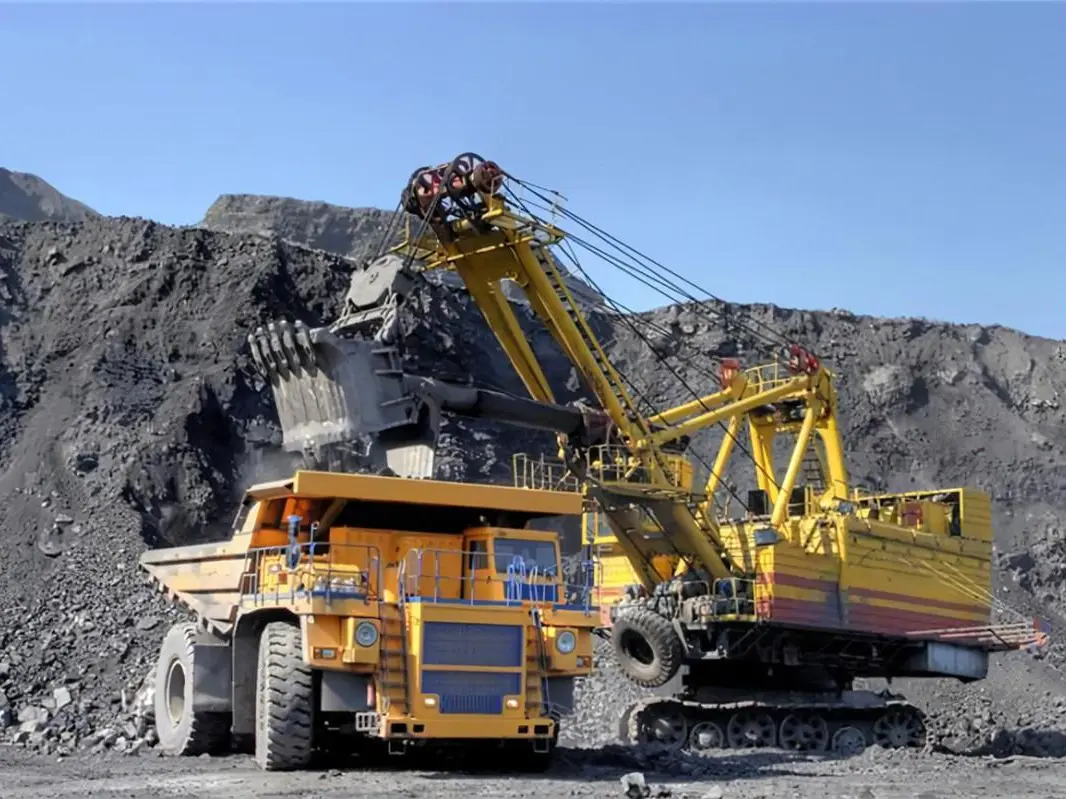
Mine operators require high productivity and cost-effective wear protection. Custom overlay plates and robust hardfacing solutions minimize impact damage in material transport.
Explore Case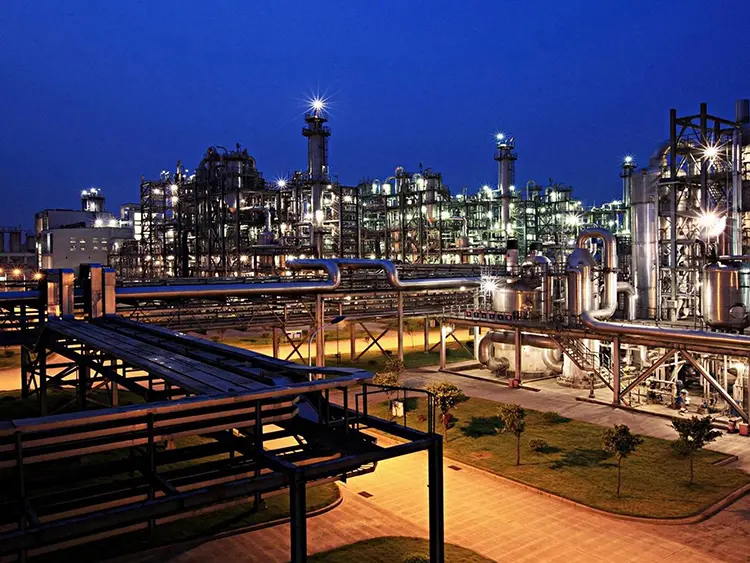
Continuous casters operate under demanding conditions, combining raw mineral handling, high temperatures, mechanical shock, and chemical corrosion.
Explore Case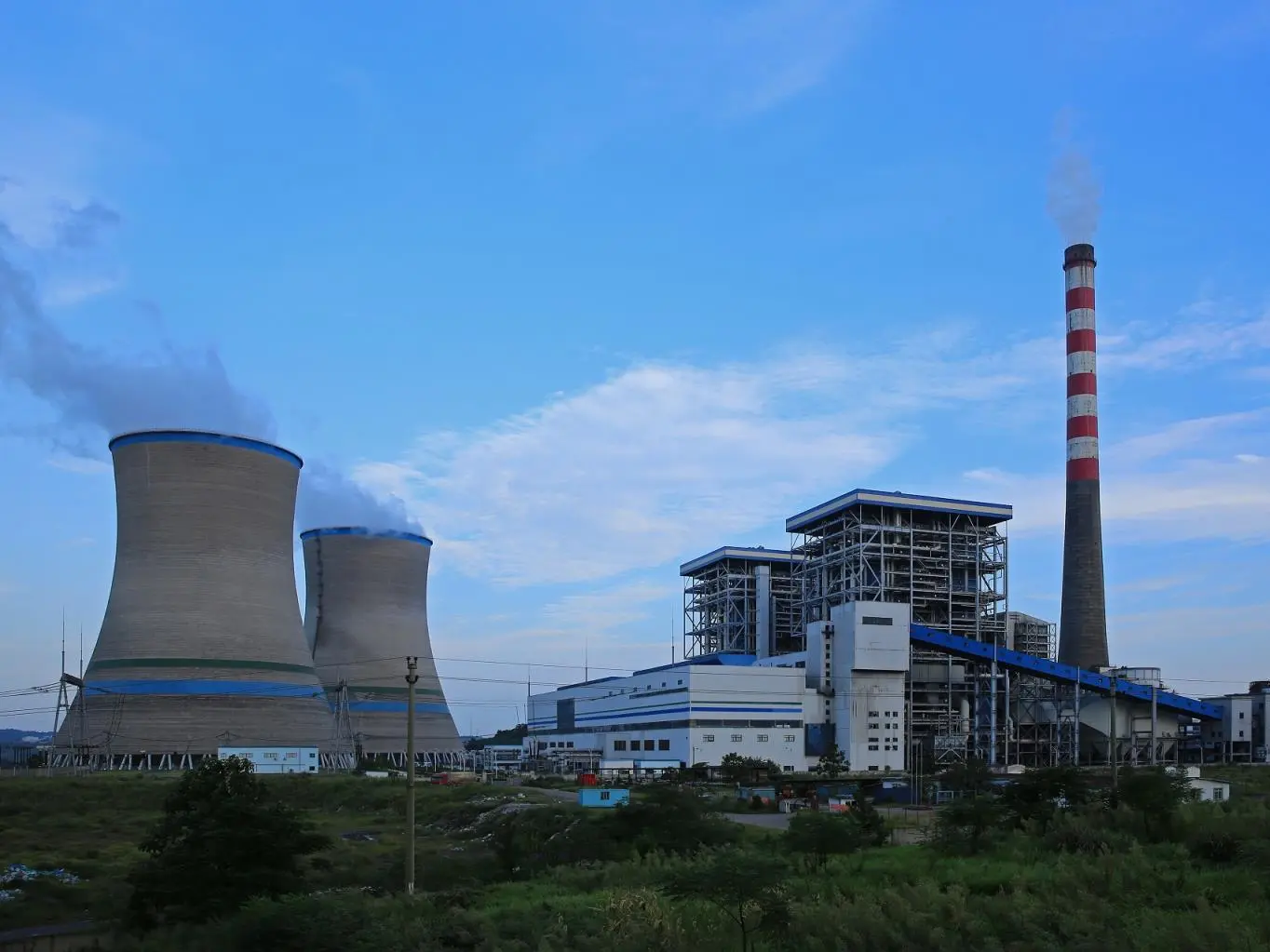
Wear protection for coal mills, dust removal ducts, conveyor pipes, and exhaust fans directly prevents unplanned shutdowns in power generation plants.
Explore Case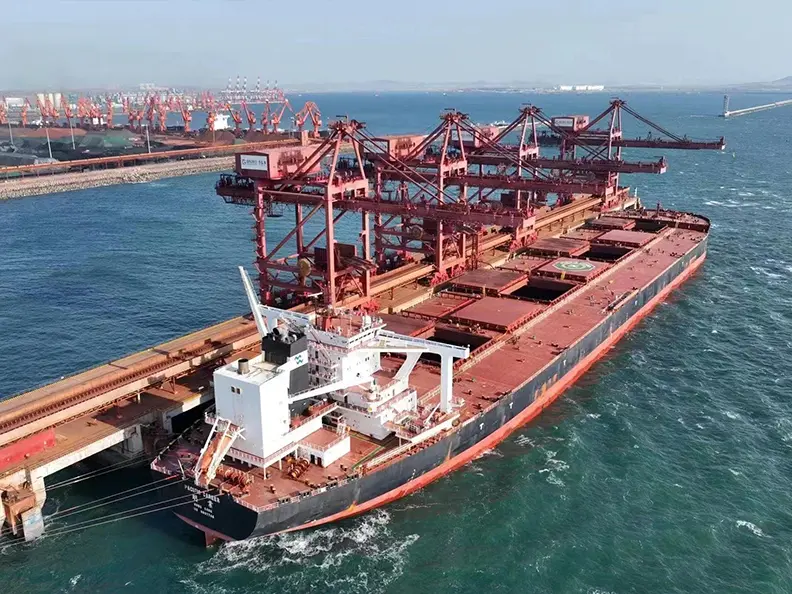
Bulk material handling systems and grab buckets require regular hardfacing repairs to prevent structural wear and avoid costly replacement delays.
Explore Case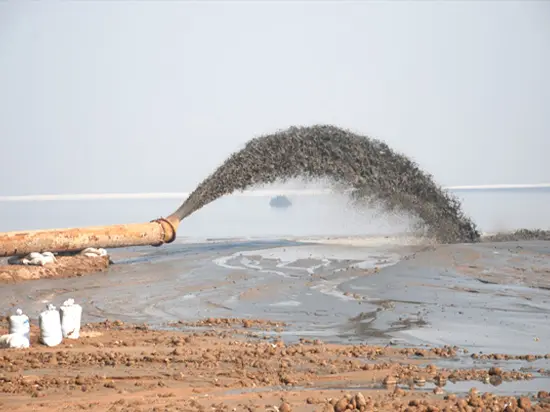
For applications where impact is minimal, high-purity sintered alumina ceramics offer excellent sliding wear resistance.
Explore Case
Using alloyed welding wire to resurface worn rolls helps steel mills restore original profiles while lowering overall procurement costs.
Explore Case
Advanced numerical control systems enable multi-torch setups to deposit hard overlays with precise speed and uniform thickness control.
Explore CaseEvaluating industrial welding consumables requires looking beyond initial purchase price to consider Total Cost of Ownership (TCO). High-wear industries must calculate the combined financial impact of:
Technical Specification Note: Our partnership with VAUTID Germany for consecutive years demonstrates our commitment to high-alloy metallurgical standards. This collaboration helps us provide reliable hardfacing performance to heavy industries worldwide.
The hardfacing industry is shifting rapidly toward digital integration and automation. Key trends driving this evolution include:
Precision Waveform Control: Modern power sources use high-speed digital signal processing to pulse current dynamically. This approach enables cooler arc operation, minimizing dilution of high-alloy cladding and maintaining chemistry on the first pass.
Multi-Torch Automated Overlays: Large wear plates are increasingly welded on multi-torch CNC systems. Spacing and oscillation controls are integrated with PLC systems to ensure consistent bead overlap and minimize residual stress.
Nickel-Based Alternatives: For applications facing both high operating temperatures and aggressive chemical wear, nickel-base and complex carbide wires are replacing traditional iron-chromium formulations.
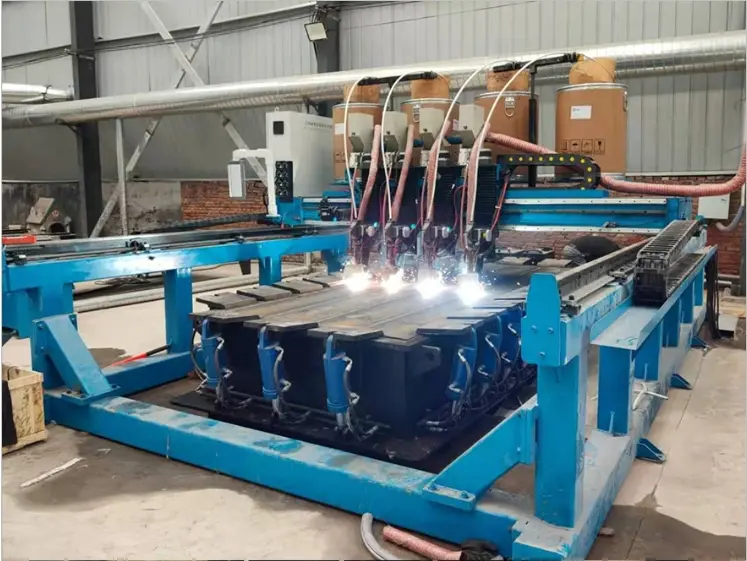
Equipped with a 10.2-inch PLC touch screen, four-gun oscillation mechanisms, and adjustable travel speeds. Designed for cladding large plates and mill rolls.
See product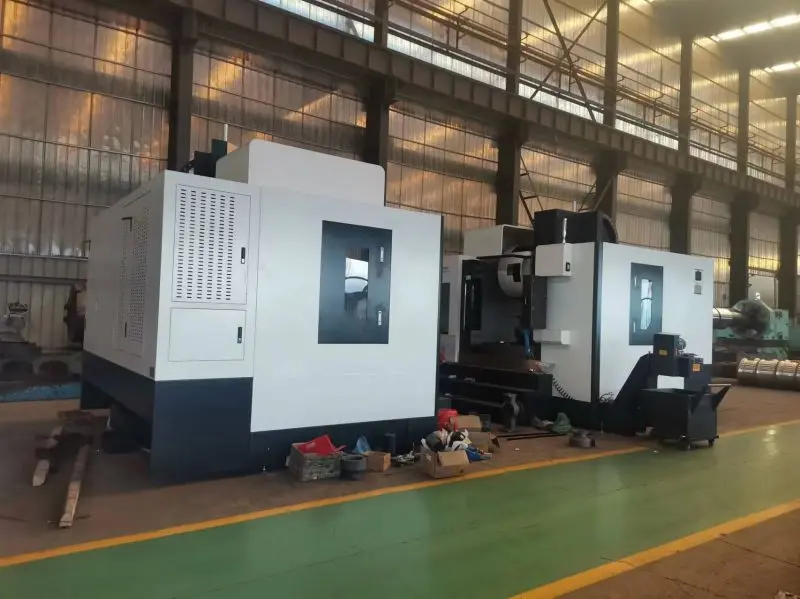
We provide full fabrication support, including mechanical design, custom plate cutting, and precision welding for specialized heavy equipment components.
See product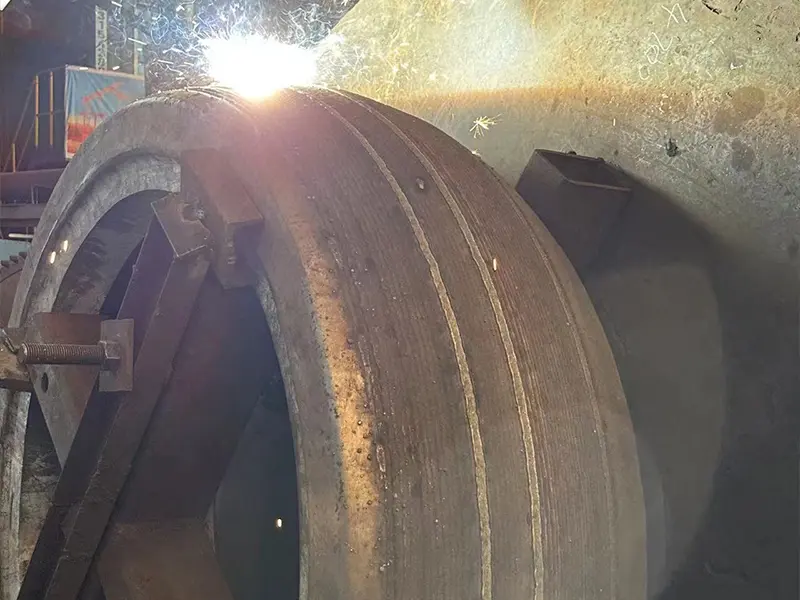
Our repair services for continuous casting rolls, mill rolls, and vertical grinding press rollers help extend component life and reduce replacement costs.
See product
High-chromium alloyed plates tailored for high-temperature and heavy sliding wear applications in cement and power generation systems.
See product
Designed for easy slag removal and stable open-arc deposition, these wires help operators achieve clean weld build-ups on worn metal surfaces.
See product
Specially manufactured CCO plates designed for extreme abrasion in raw material chutes, bunkers, and mineral hoppers.
See product
Designed for field operations where high winds make external shielding gas impractical. Delivers high deposition rates with minimum spatter.
See product
Featuring a mild steel base plate overlaid with a dense layer of chromium carbides. Ideal for cutting, forming, and welding into high-wear positions.
See product



 Runxing machinery