Explore our foundational range of premium wear-resistant overlays, bimetallic plates, automatic welding units, and customized components.
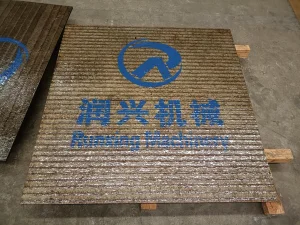
High-chromium structural cladding optimized to combat extreme abrasion. Sintered with precision to guarantee maximum life cycle stability.
Read Details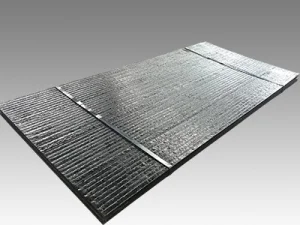
Premium composite wear plate bonding a structural steel substrate with highly dense wear resistant overlays for harsh industrial applications.
Read Details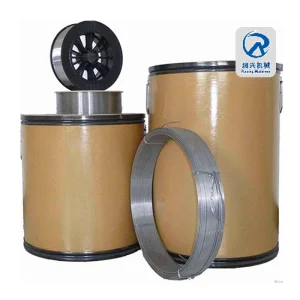
Designed for on-site overlay welding with high-alloy composition yielding maximum abrasion resistance under low impact scenarios.
Read Details
Runxing RX-m Series specifically engineered for heavy impact and sliding wear in mining cement chutes and high-flow hopper liners.
Read Details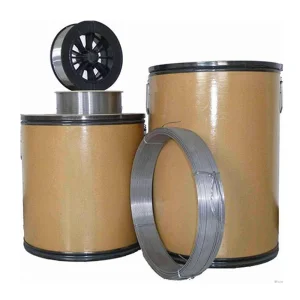
Highly optimized alloy formulas for rebuilds and structural cladding. Suitable for automated and semi-automated system processes.
Read Details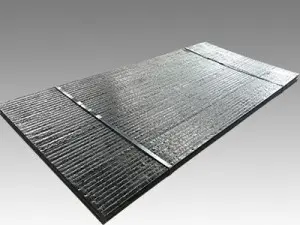
Composite material made of structural backing steel combined with severe-wear weld surfacing. Tailored to withstand high heat and abrasive media.
Read Details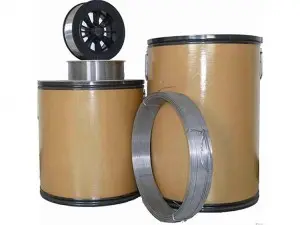
High chromium alloy specifically structured to prevent macro cracking and withstand intensive mineral grinding environments.
Read Details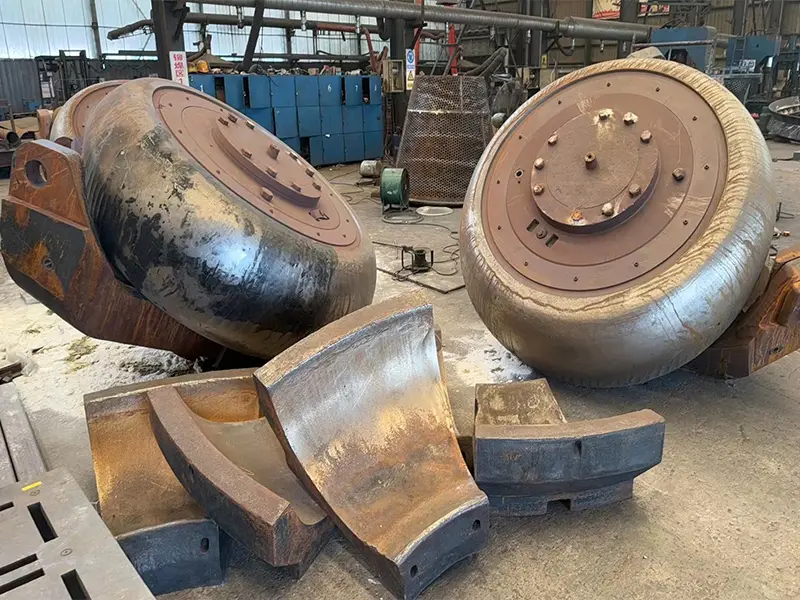
High stress grinding abrasion resistance with minimal impact risk. Engineered for components under heavy, continuous cyclic loads.
Read DetailsFounded in 2010 in Tangshan, Hebei Province—the heartland of China's heavy steel metallurgy—Tangshan Runxing Machinery Co., Ltd. stands as a premier R&D force and manufacturer in the metal welding and hardfacing industries. Over the last decade, we have established our reputation by developing top-tier chromium carbide overlay (CCO) wear plates, flux-cored welding wires, and custom hardfaced machinery parts.
Our international business is represented and managed by Hebei Yuwan International Trade Co., Ltd., providing seamless overseas logistics, customs clearance, financial clearing, and technical documentation, while our production lines focus exclusively on high-precision manufacturing, quality control, and metallurgical consistency.
Global procurement teams evaluating heavy industrial hardfacing solutions are increasingly centralizing their supply chains within advanced Chinese manufacturing clusters, specifically in Hebei Province. This structural shift is not merely driven by cost efficiencies but by deep technological advantages in raw metallurgy, raw material integration, and automated process engineering.
Our plant in Tangshan operates directly within China’s major steel belt. This geographic advantage guarantees instantaneous access to premium-grade alloy elements and structural steel backings (such as Q235B and Q355B), eliminating complex component logistics and reducing lead times significantly. In addition, the domestic integration of advanced multi-gun automatic cladding systems means that Chinese manufacturers can output hardfacing plates with incredibly tight tolerances, consistent dilution ratios, and optimal carbide distribution patterns.
"By integrating automated high-deposition welding heads, Chinese factories can deliver high-volume orders with a metallurgical precision that matches or exceeds European standards at a competitive cost structure."
The global metal welding and cladding sector is undergoing a profound transformation. Major industrial sectors like mining, cement, and power generation are moving away from traditional reactive maintenance workflows. Instead, they are adopting proactive, materials-driven lifetime extension protocols. Key developments shaping the market include:
Under severe abrasive environments, standard carbon or hardened structural steels fail rapidly, causing unscheduled downtime and expensive component replacements. Chromium Carbide Overlay (CCO) composite plates solve this challenge by bonding a hard wear-resistant alloy overlay to a ductile base plate.
During the surfacing process, our high-deposition welding heads melt a high-chromium carbon wire onto the backing plate. When cooling, the alloy forms a microstructure rich in primary Cr7C3 chromium carbides embedded within a tough, austenitic matrix. The volume fraction of these carbides is maintained above 30%, ensuring the material retains its hardness (ranging from 58 to 62 HRC) even under high-temperature conditions up to 350°C. For extreme temperature situations, our ODM formulations incorporate additional carbide formers like Niobium (Nb), Boron (B), and Tungsten (W) to prevent metallurgical softening and premature structural failure.
To secure consistent operational lifespans, global buyers must establish clear validation metrics when vetting ODM metal welding factories. We suggest assessing partners based on the following key metrics:
Our custom wear-resistant plates and hardfacing materials are deployed across the globe to safeguard critical machinery in challenging environments.
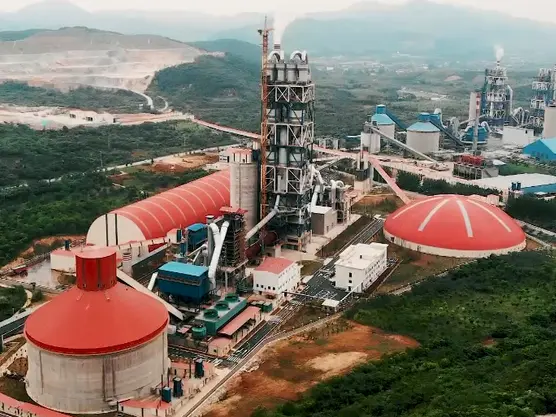
We manufacture high-grade hardfacing solutions for vertical roller mills, separator guides, raw meal chutes, and exhaust fan housings, maximizing equipment uptime.
Explore Case Study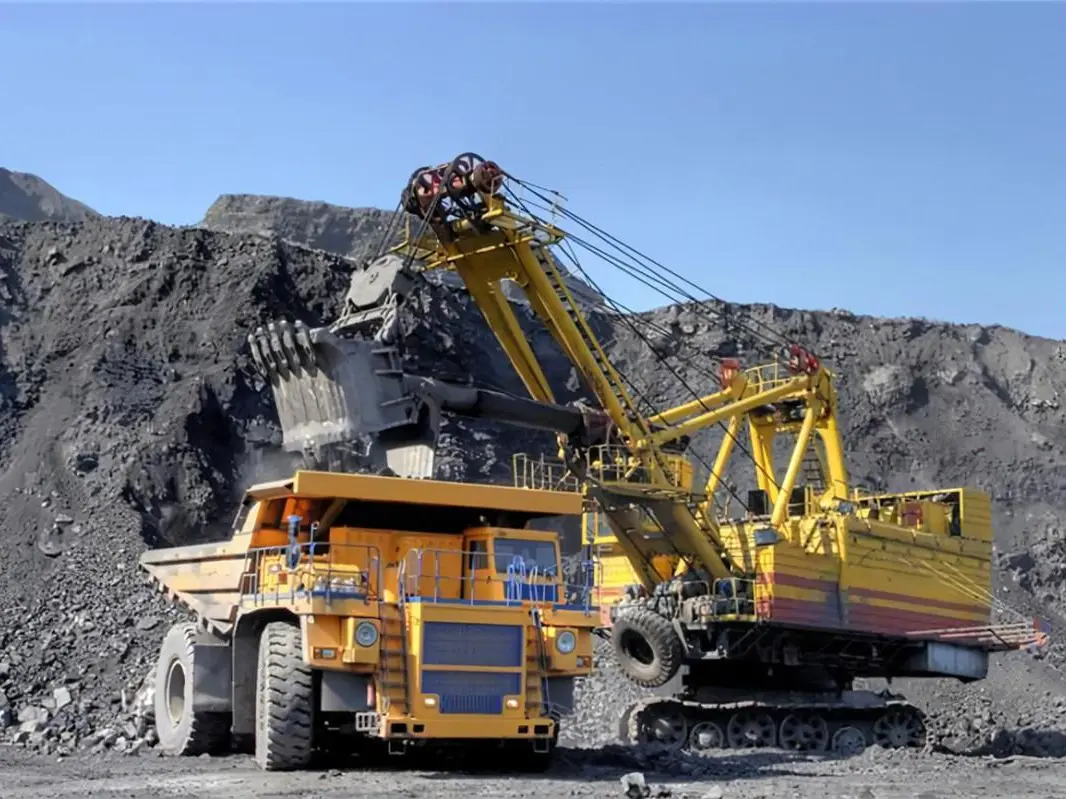
Engineered to handle severe rock impact and earth friction. Our heavy-duty CCO plates protect bucket liners, dump truck bodies, and vibrating screen decks.
Explore Case Study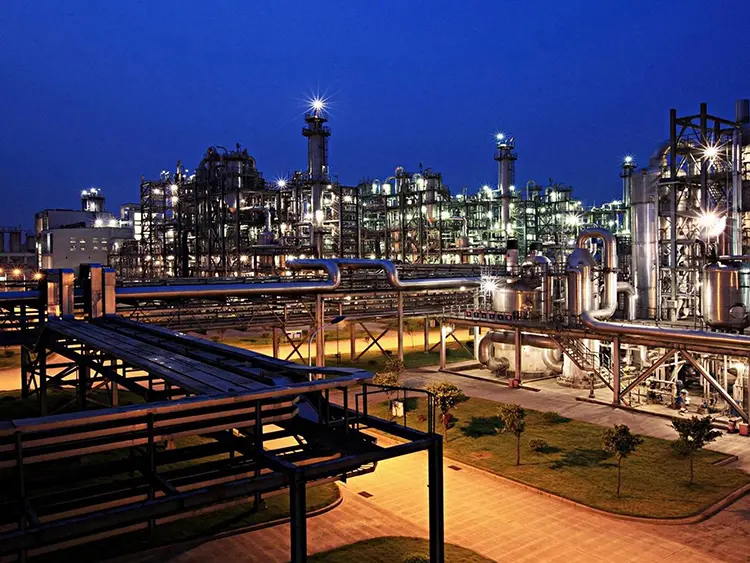
Our solutions are built to withstand high temperatures and corrosive environments, protecting blast furnace charging systems, sinter star wheels, and hot guide chutes.
Explore Case Study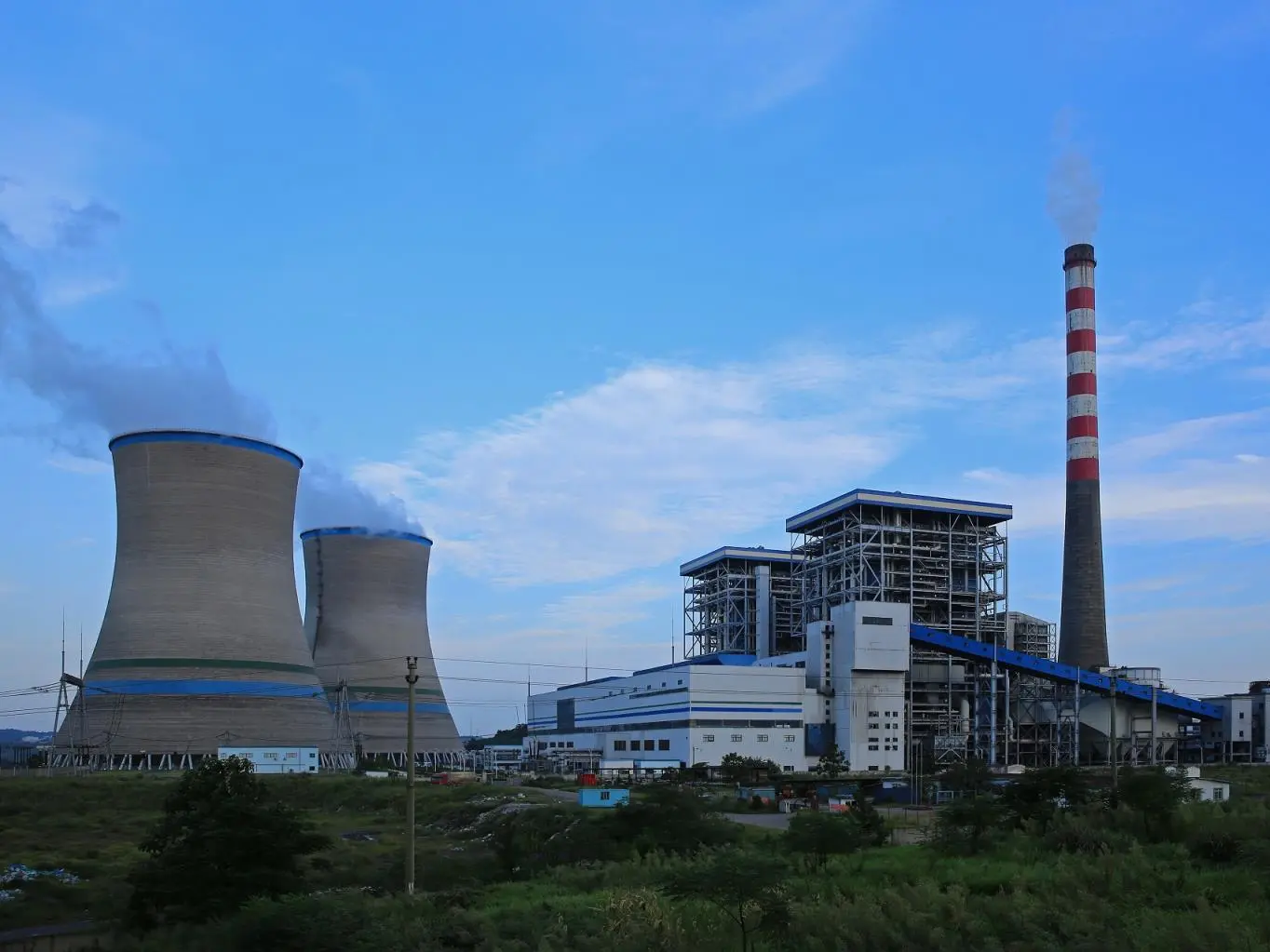
Designed for severe sliding erosion. Our wear protection systems cover pulverizer components, fan blades, coal transport hoppers, and dust extraction ducting.
Explore Case Study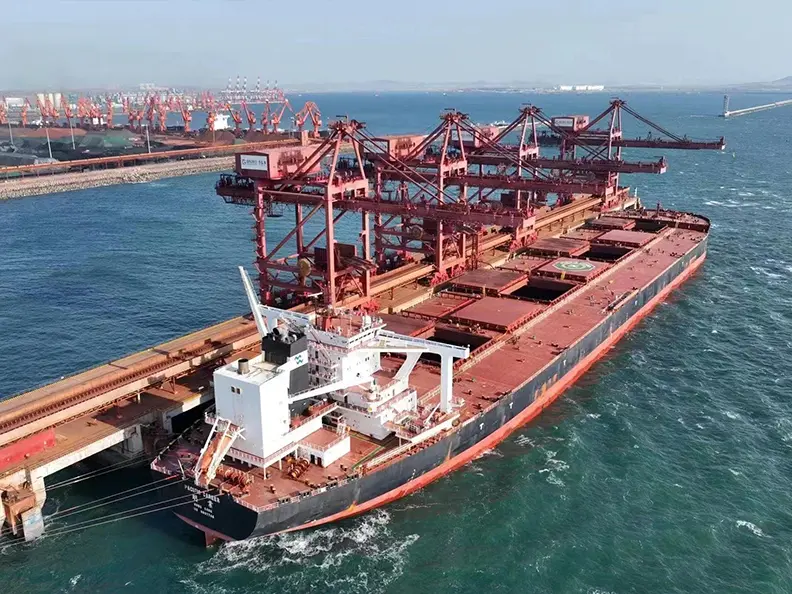
Designed to extend the service life of high-throughput logistics components, including port transfer hoppers, barge chutes, and marine dredging pipes.
Explore Case Study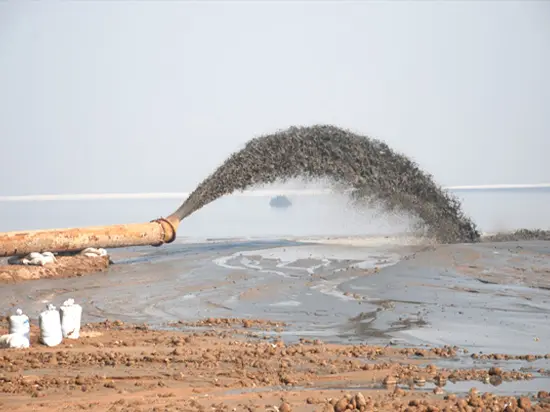
Optimized formulas of high-purity, ultrafine alumina powder sintered at high temperatures to combat extreme fine-particle abrasion.
Explore Case Study
Developing custom-engineered chromium carbide products to support next-generation material sorting and processing systems.
Read More
Partnering with original equipment manufacturers globally to pre-install CCO liners directly into newly manufactured heavy machinery.
Read MoreTracking our active involvement in international exhibitions, trade associations, and academic research collaborations.
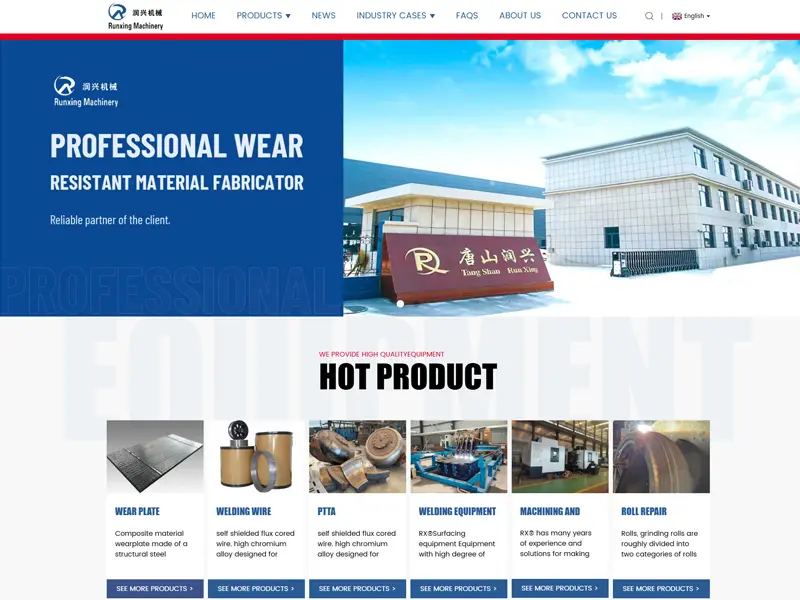
Designed to support international procurement teams, our digital portal offers clear technical specs, material datasheets, and direct channels for custom ODM design blueprints, streamlining global sourcing processes.
From September 2 to 6, 2024, Runxing presented its wear-resistant composite plates and hardfacing welding wires at the Johannesburg Expo Centre, strengthening our distribution network across sub-Saharan Africa.
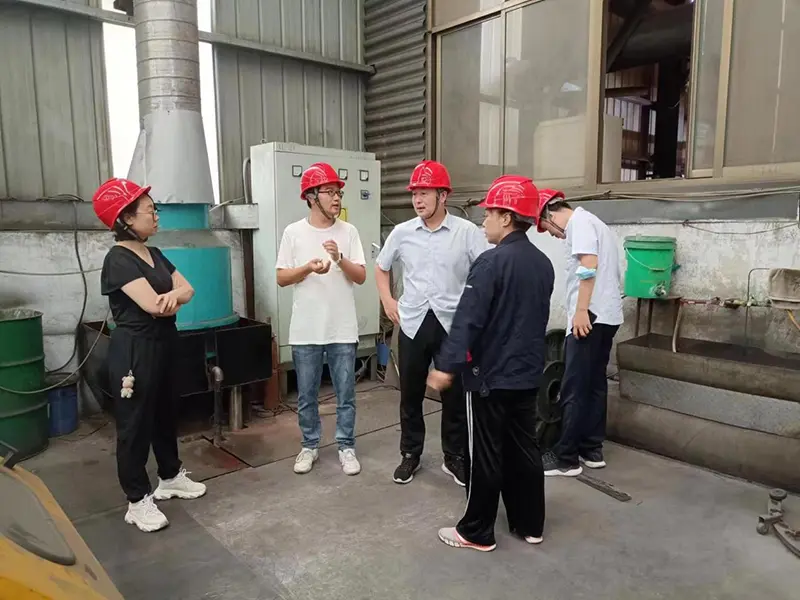
Academic and industrial collaboration with Tangshan University's Metal Materials and Forming Technology team focused on analyzing carbide grain refinement to optimize the impact resistance of bimetallic overlays.
Runxing continues its long-standing collaboration with German VAUTID systems, using their high-performance alloys in specialized wear protection solutions for complex operating conditions.
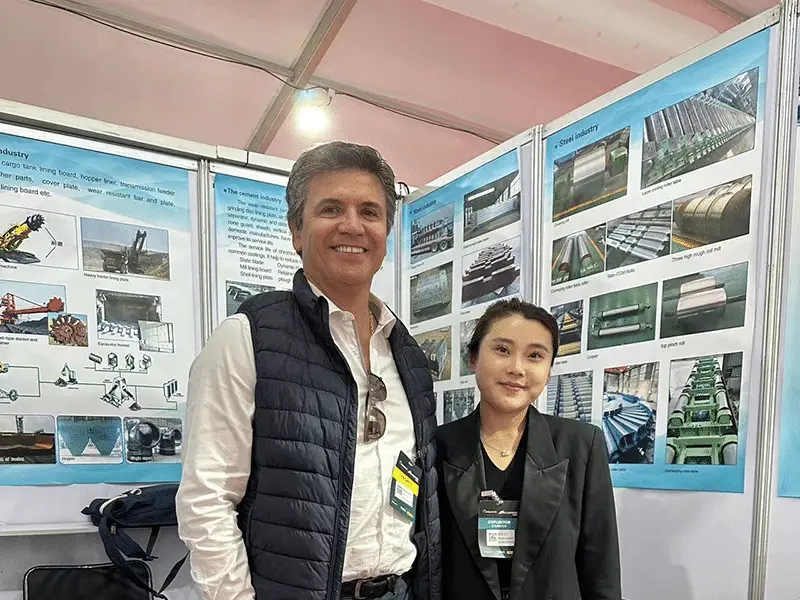
We presented our specialized mining wear plates and high-hardness overlay systems at Latin America's largest mining exhibition, securing major supply contracts for mining operations in Chile and Peru.
Comprehensive technical guidance from our metallurgical engineers on chromium carbide overlays, bimetallic plates, and hardfacing procedures.
A: Runxing CCO plates consist of a structural base steel (typically Q235B or Q355B carbon steel) bonded with a high-chromium, high-carbon hardfacing alloy. The chemical composition of the cladding layer contains 4.0% to 5.5% Carbon (C) and 25% to 35% Chromium (Cr). The resulting microstructure is rich in primary hexagonal Cr7C3 chromium carbides within a tough austenitic matrix. This design ensures consistent wear resistance through the entire thickness of the overlay layer.
A: The stress-relief cracks on the overlay surface are normal and do not affect performance. These fine cracks occur during the cooling phase of the cladding process, helping release thermal stresses and prevent structural warping. They are limited to the hardfacing layer and do not propagate into the ductile base steel, maintaining the plate's overall structural integrity.
A: Self-shielded flux-cored wires (FCAW-S) do not require an external shielding gas, making them ideal for outdoor and on-site applications where wind could disrupt gas coverage. The flux components inside the core generate their own shielding gas and slag to protect the weld pool. This allows for stable hardfacing repairs on heavy equipment under field conditions.
A: Yes. The structural backing steel is weldable and can be secured to equipment using standard low-hydrogen electrodes. CCO plates can also be cold-formed or rolled into concave or convex shapes (with the overlay on the inner or outer face) using heavy-duty bending rolls, making them suitable for lining chutes, hopper walls, and pipes.
A: We maintain strict quality control, testing our materials according to ASTM G65 standards (Standard Test Method for Measuring Abrasion Using the Dry Sand/Rubber Wheel Apparatus). We also perform regular Rockwell C hardness tests (ASTM E18) and microstructural analysis using scanning electron microscopy to confirm carbide volume fraction and distribution.
A: This partnership optimizes the procurement process. Runxing Machinery focuses on production and quality control, while Hebei Yuwan handles export formalities, shipping logistics, customs clearance, and payment processing, helping ensure on-time delivery to our international clients.
A: Yes. We offer customized alloy formulations. For applications with higher impact, we increase the manganese content of the matrix to improve toughness. For high-temperature environments (up to 450°C), we add carbide formers like Niobium (Nb) and Tungsten (W) to prevent alloy softening.
A: Standard chromium carbide overlay plates perform well in operating temperatures up to 350°C (662°F). Beyond this temperature, the chromium carbides may undergo structural changes, and the backing plate can soften. For higher-temperature applications, specialized high-alloy overlays are recommended.
A: We control dilution by optimizing welding parameters, including current, voltage, travel speed, and swing width. Our automated surfacing machines maintain a stable weld pool, minimizing dilution to keep the carbide concentration high in the primary wear zone.
A: All CCO plates and components are securely packed on steel skids and strapped with heavy-duty bands. We apply rust-preventative coatings to the exposed backing steel and wrap the shipments in moisture-barrier film to protect them from saltwater corrosion during sea transport.
Explore our complete range of specialized equipment, manufacturing components, and custom repair services.
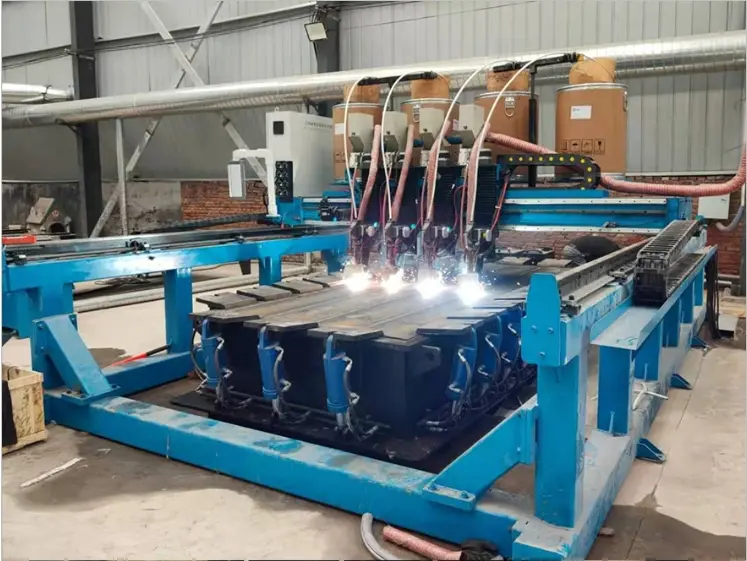
CNC surfacing system equipped with four independent welding guns. Highly automated, space-efficient, and optimized for consistent composite wear plate production.
Read Details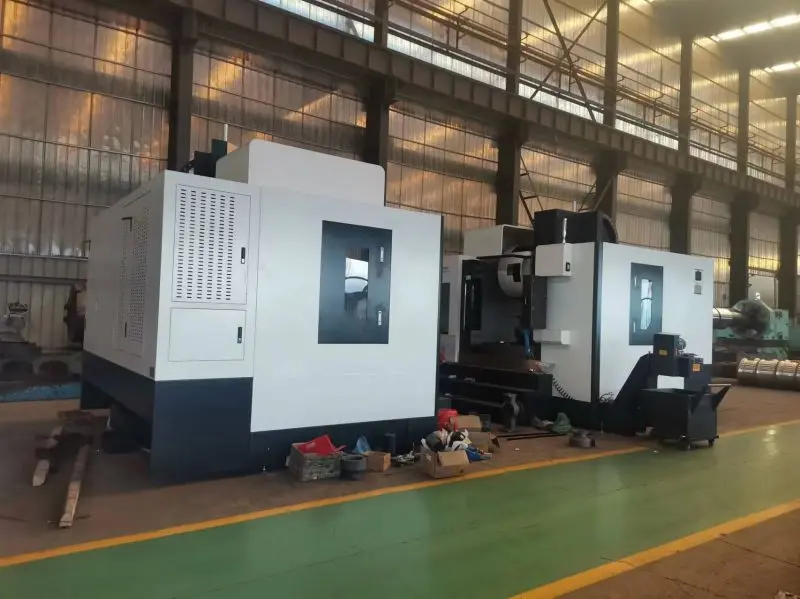
Precision machining services for custom wear liners, piping elbows, and industrial assemblies built to OEM specifications.
Read Details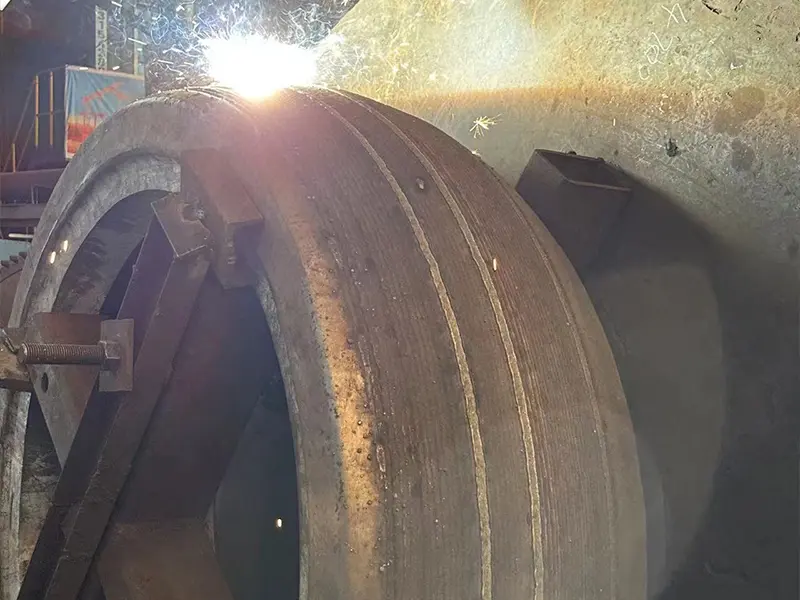
Surfacing repair services for worn crusher rolls, vertical coal mill table liners, and continuous casting rollers to restore operational dimensions.
Read Details
Alloy-clad steel liners custom-cut to size. Designed for easy installation in high-abrasion chutes and transfer hoppers.
Read Details
Composite steel plates engineered for high abrasive environments. Features a consistent overlay deposit for reliable, long-term wear protection.
Read Details
High-alloy welding wires packaged for semi-automated welding setups. Formulated to provide clean weld deposits and reliable wear resistance.
Read Details
High-hardness liners designed for mining chutes and rock boxes, helping reduce maintenance frequency in high-impact operations.
Read Details
Alloy welding wires optimized for rebuilds and repair work on heavy equipment components exposed to high sliding abrasion.
Read DetailsA look inside our manufacturing facility in Tangshan, showing our production lines and quality inspection systems.





 Runxing machinery