Explore our core engineering-grade materials designed to combat high abrasion, impact, and extreme operational friction.
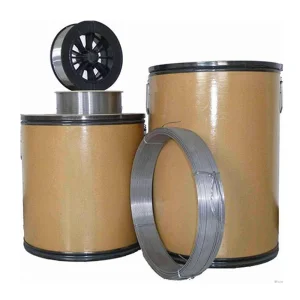
Premium performance hardfacing welding wires designed for extreme abrasion environments in industrial setups.
Discover Details >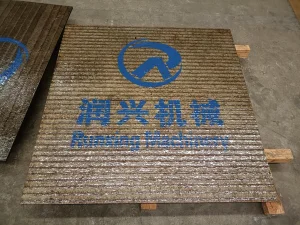
Our flagship RX-m series provides critical durability for mining chutes, cement operations, and extreme slide wear.
Discover Details >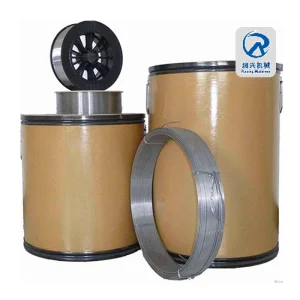
Optimized self-shielded flux cored wires engineered for simple on-site maintenance without external shielding gas.
Discover Details >
Custom alloy layering options ensuring long lifetime performance in heavy aggregate classification.
Discover Details >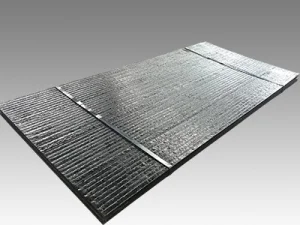
Structural steel backing combined with a hard overlay matching DIN 8555 parameters for industrial reliability.
Discover Details >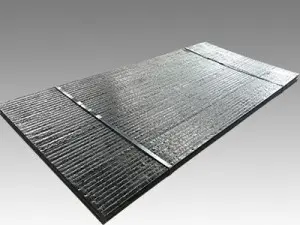
Composite wear plate made of structural steel backing & a hard weld surfacing corresponding to DIN 8555.
Discover Details >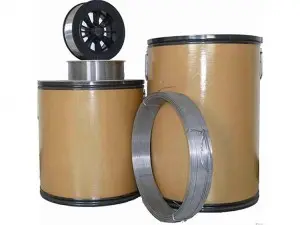
Self-shielded flux-cored wire designed to resist high stress grinding abrasion with low impact.
Discover Details >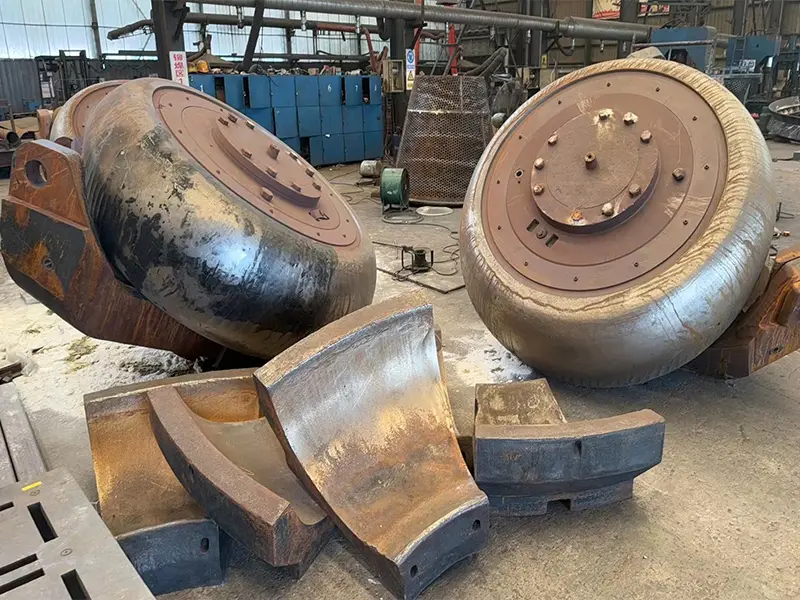
Advanced plasma transfer arc-adjacent coatings for targeted, fine-dispersion wear protection.
Discover Details >Industrial mechanical components operate under harsh working environments where surface degradation is caused by severe abrasion, heavy impact, high-temperature oxidation, and corrosive media. Hardfacing, or hard surfacing, is the process of depositing a thick layer of wear-resistant alloy onto a structural base metal (usually low carbon or medium carbon steel) via arc welding or thermal spraying processes. By choosing the correct hardfacing welding rod types, industrial manufacturers can extend the operational life of components by 300% to 1000%, significantly decreasing maintenance downtime and lifecycle replacement costs.
The efficiency of hardfacing relies on complex metallurgy. When a welding rod melts, elements like Carbon (C), Chromium (Cr), Tungsten (W), Cobalt (Co), and Niobium (Nb) combine to form hard carbide phases. These carbides are suspended inside a supportive, tough matrix of austenite, martensite, or ferrite. The size, distribution, and volume fraction of these primary carbides determine the wear resistance characteristics of the hardfaced surface.
Understanding the classification of hardfacing alloys is vital for specifying materials for heavy machinery. The selection of materials corresponds to strict industrial classifications like the DIN 8555 standard.
Martensitic hardfacing alloys feature carbon ranges from 0.1% to 0.7% with chromium up to 5%. They are highly responsive to heat treatment, providing a balance between toughness and moderate abrasion resistance. Ideal for metal-on-metal sliding components, track rollers, gears, and shafts where impact fatigue is the primary failure mode.
Featuring chromium levels between 15% and 35% and carbon up to 5.5%, these alloys form primary chromium carbides (M7C3) within a matrix of austenite. The hardness levels routinely exceed 58-62 HRC. Chromium Carbide Overlays are excellent for fighting low-to-medium impact and high-stress abrasion in cement chutes, coal hoppers, and sand processing pipelines.
Built for conditions where abrasive wear is accompanied by heat up to 900°C and corrosive environments. Cobalt-base alloys (commonly called Stellite) combine cobalt, chromium, and tungsten. They keep their hardness at red heat and resist scaling and chemical attack, making them critical for valve seats, hot extrusion dies, and chemical mixing paddles.
Beyond these three primary classifications, complex carbide systems represent a high-performance alternative. These materials include additional carbide-forming elements like Niobium (Nb), Titanium (Ti), and Boron (B). Adding these elements refines the grain structure, allowing the weld deposit to withstand high-stress grinding abrasion at elevated service temperatures without premature cracking.
The hardfacing industry is shifting from manual, artisan welding processes to automated, high-precision surface engineering systems. The roadmap shows major developments designed to improve structural integrity and wear performance:
By investing in automated equipment like the RX® Surfacing equipment system, modern plants can control swing speed, path widths, and energy density. This level of control produces uniform microstructures that are virtually free of pores and cracks.
Different heavy industries deal with different wear challenges. Custom hardfacing materials must be tailored to these specific operational environments:
Cement manufacturing processes involve high heat and fine-particle abrasion. Key components like vertical roller mill rollers, tables, and clinker crusher teeth require high-chromium alloy materials to maintain stable operations and prevent expensive downtime.
Mining environments subject equipment to severe impact and grinding abrasion. Dragline buckets, excavator teeth, loader liners, and chute surfaces need heavy bimetallic wear plates like the RX®wp 7600 series to withstand impact from hard ores.
Steel production components face extreme thermomechanical stress. Continuous casting rolls, conveyor rolls, and guide plates require specialized cobalt or nickel-based alloy overlays to resist thermal shock, erosion, and oxidation.
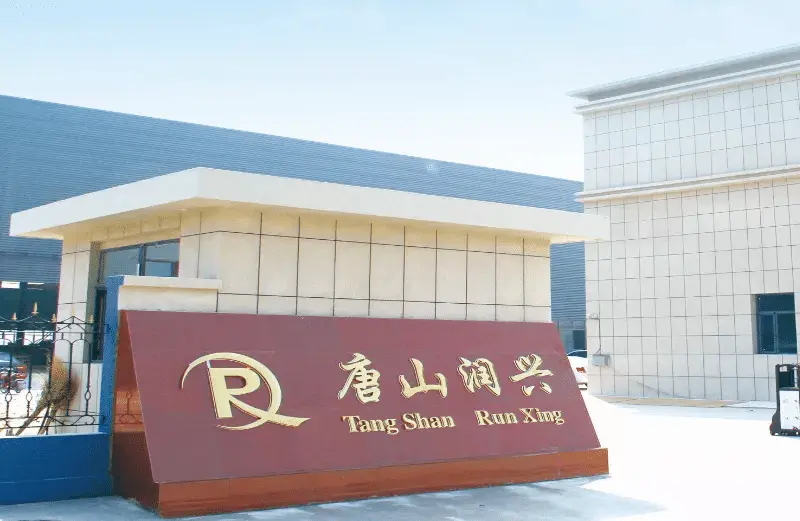
Located in the industrial heart of Tangshan, Hebei Province, Tangshan Runxing Machinery Co., Ltd. (founded in 2010) represents modern China 4.0 manufacturing. Runxing specializes in the R&D, production, and on-site engineering of wear-resistant surface products. By integrating advanced production equipment with domestic supply chains, Runxing provides high-quality wear materials at competitive price points.
Runxing has built strong academic partnerships, notably hosting dean visits from Tangshan University to research new metal materials and forming technologies. Furthermore, our 6-year partnership as an authorized agent for VAUTID (Germany) since 2019 demonstrates our commitment to global quality standards.
A trusted name in advanced wear protection solutions and surface engineering technology.
Tangshan Runxing Machinery Co., Ltd., a professional manufacturer located in Tangshan, Hebei Province that focuses on R&D, production and on-site construction service of hardfacing wear-resistant metal products, was founded in 2010.
Our main products include chromium carbide overlay (CCO) wear plates, custom processed wear liners, wear-resistant pipes and pipe fittings, hardfacing flux-cored welding wires, automatic hardfacing welding machines, and professional roller surfacing repair service. We follow the business idea of “Integrity, Superior Quality, Innovation & Sustainable Development” and own mature advanced metal surface hardfacing technology.
We provide customized wear-resistant solutions for cement, steel, mining, port and dredging industries around the world, and have gained good market reputation in Russia and Central Asia.
All export business is fully authorized and handled by Hebei Yuwan International Trade Co., Ltd. This trading company completes all export work including customs clearance, shipment, documents and payment collection. Our factory focuses on product development and production to ensure stable product quality and on-time delivery.
Runxing Machinery sincerely hopes to establish long-term cooperation and achieve mutual benefit with you!
Official Registration & Global Certifications
Providing specialized wear-resistant materials and engineering services for critical global industries.
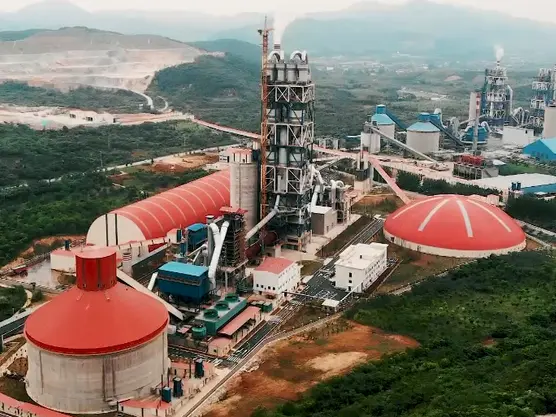
The key issue for any cement plant lies in the availability of critical equipment. The key to equipment availability is wear resistance, and the performance of wear-resistant products determines the operating time of critical equipment.
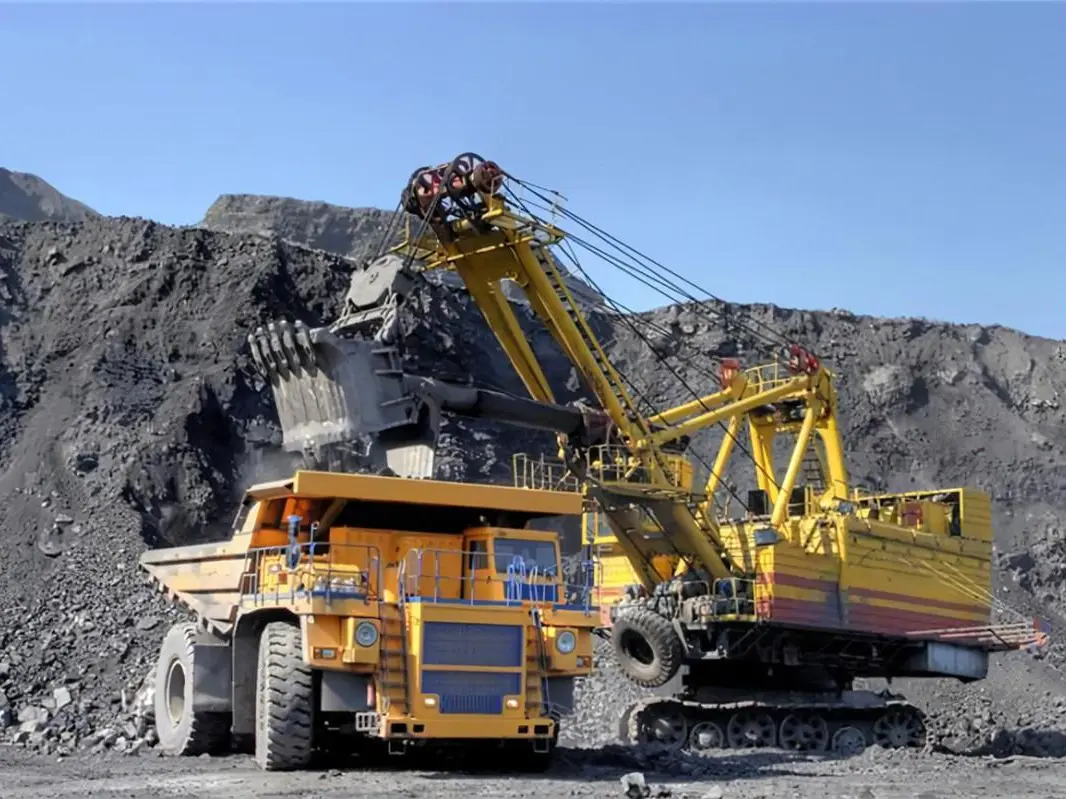
Mine operators around the globe are seeking to increase productivity, profitability and sustainability. We help our partners achieve these goals by delivering the mining industry’s most comprehensive and cost-effective wear solutions.
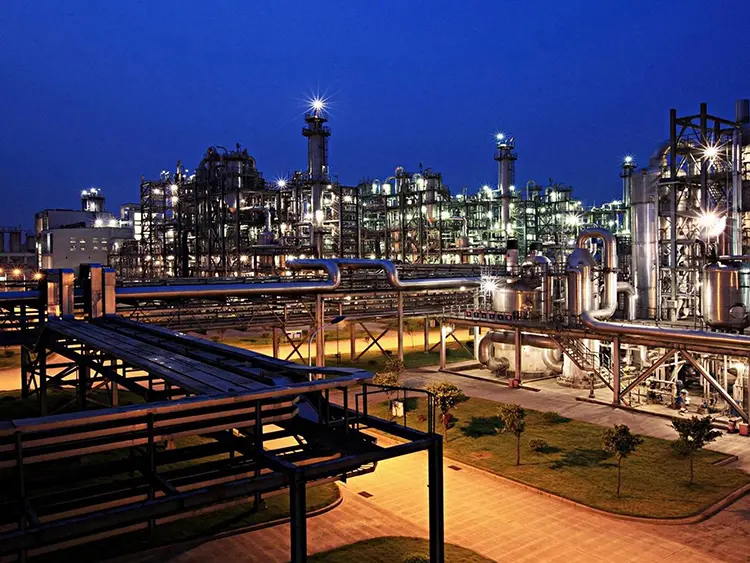
In the steel industry, the use of equipment is even more brutal, involving raw minerals, high temperatures, corrosion and other working conditions.
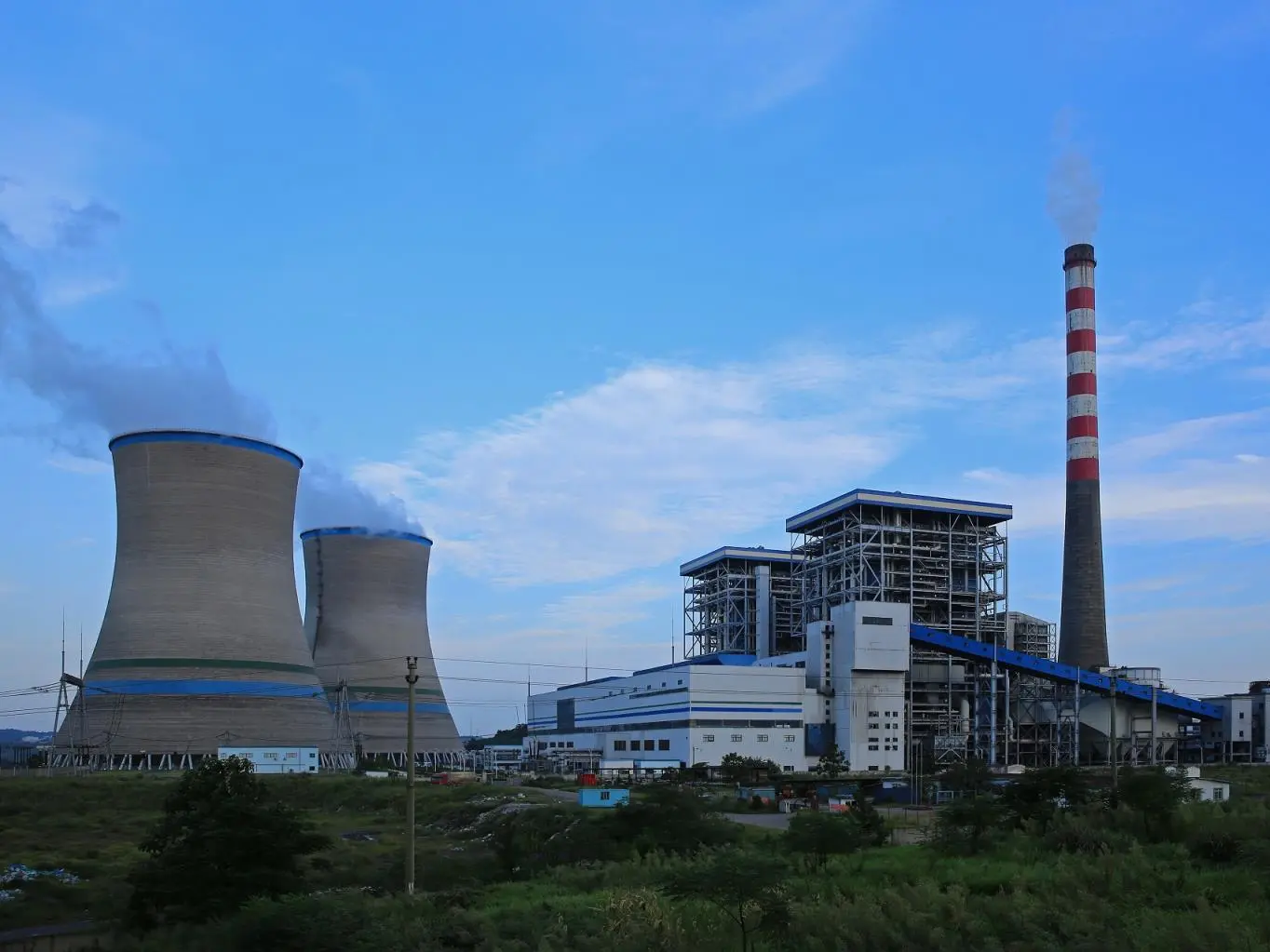
Wear protection for fan blades, conveyor chutes and hopper liners, crushers, coal mills, dust removal systems, conveyor systems.
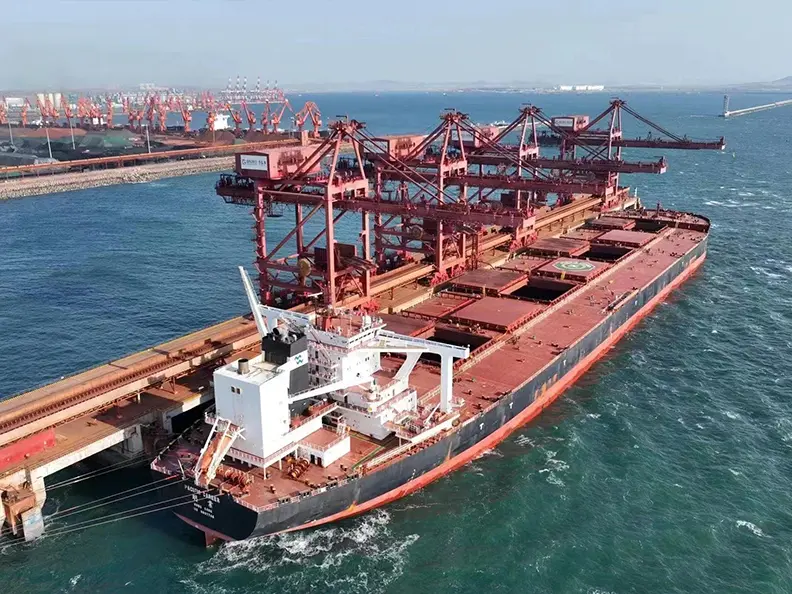
Ports are mainly to transport various materials, conveying equipment, loading and unloading equipment, as well as yard stacking and picking equipment, is the main force of port operations.
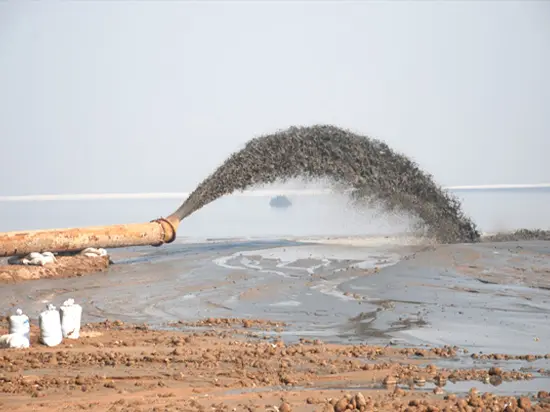
The wear-resistant alumina ceramic is made of high purity superfine alumina powder and sintered at high temperature by an optimized formula.
Follow our journey from local innovation to international partnerships and exhibitions.
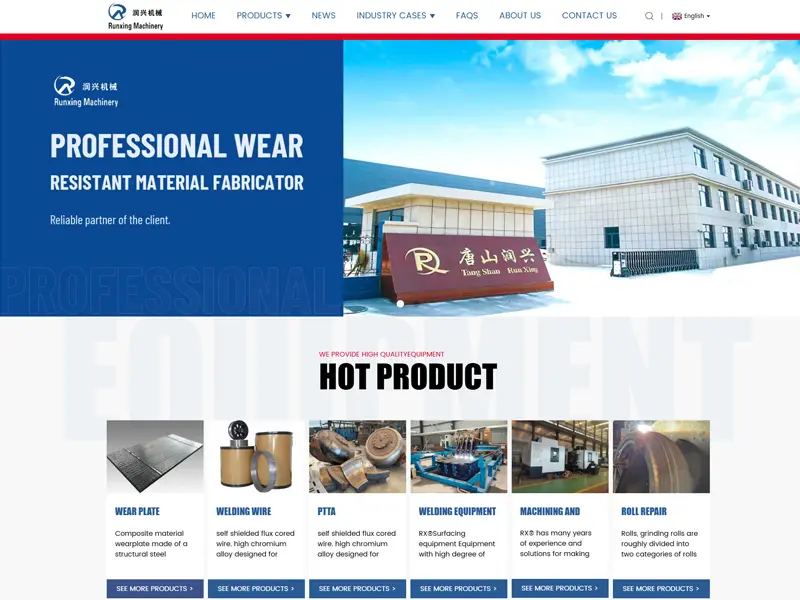
Recently, www.runxing-machinery.com, a website dedicated to serving the wear-resistant industry, has officially entered its trial operation phase. The website, built by Tangshan Runxing Machinery Co., Ltd., serves as a platform for the wear-resistant industry...
read more >
From September 2 to 6, 2024, the much-anticipated 2024 South Africa International Construction Machinery Exhibition, Mining Machinery Exhibition and Power and Energy Equipment Exhibition was grandly opened in Johannesburg...
read more >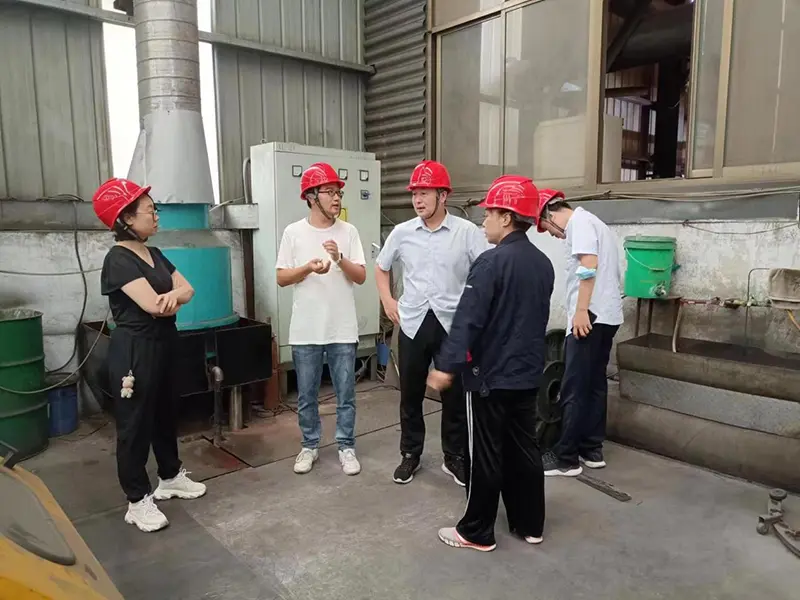
In 2023, Yuan Shaoqiang, Dean of Tangshan University; Li Jing, Vice Dean, and Professor Yang Yuehui (Team Leader of Metal Materials and Forming Technology) visited our unit for research. Our unit’s General Manager Li Xiuhua...
read more >
Since its establishment, Tangshan Runxing Machinery Co., Ltd. has been using high-quality VAUTID brand welding materials for some wear-resistant products. Since 2019, it has remained a qualified agent for VAUTID...
read more >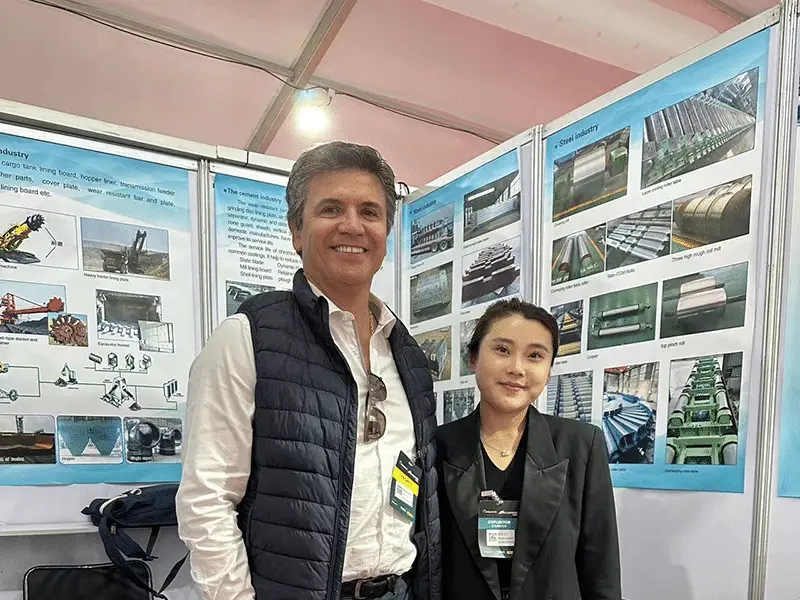
From April 24th to April 27th, Tangshan Runxing Machinery Co., Ltd. participated in EXPOMIN 2023, the world's second largest professional mining exhibition for the first time, showcasing specialized products for all mining fields...
read more >Providing heavy fabrication, system repair, and advanced welding machinery worldwide.
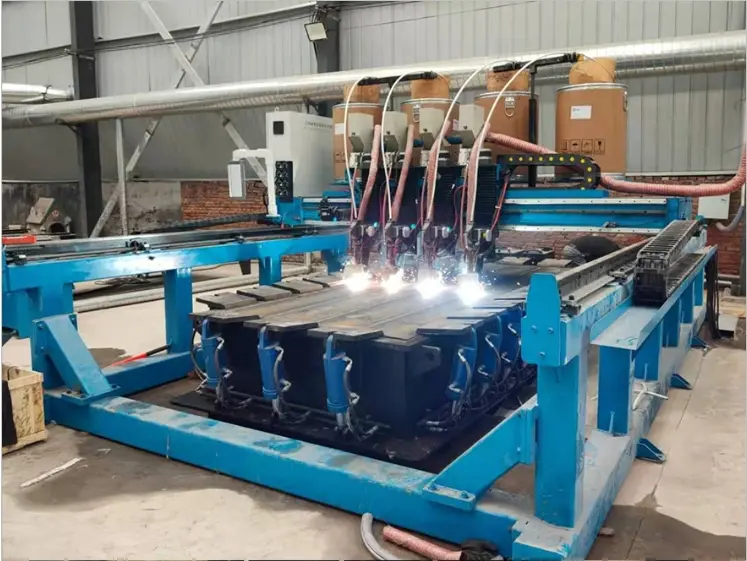
Automatic cladding machines featuring multi-gun configurations, advanced CNC system control, and precise overlay thickness management.
Discover Details >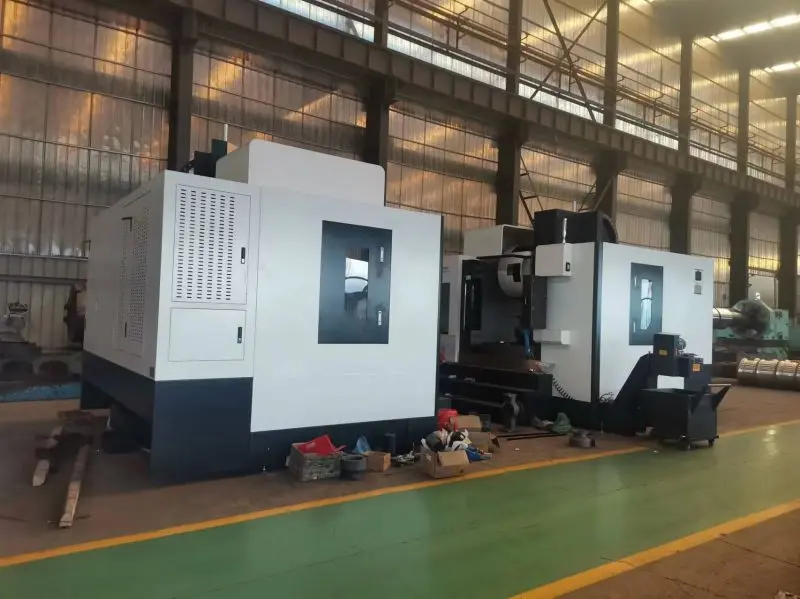
Experienced custom fabrication of machinery components, structural backings, and processing pipes to client blueprints.
Discover Details >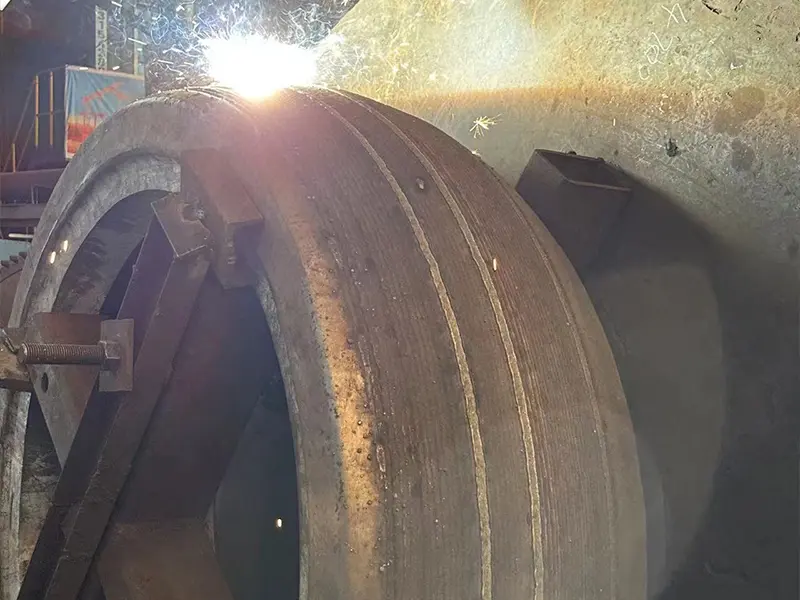
Comprehensive wear rebuilding for continuous casting rolls, mill rollers, vertical rollers, and table components.
Discover Details >
Continuous integration of newer, high-density chromium carbide structural plates for high-abrasion systems.
Discover Details >Working alongside international material providers, trade agencies, and steel producers to ensure consistent delivery.





 Runxing machinery