In modern heavy industrial applications, equipment degradation due to wear is one of the most critical factors influencing operational uptime, productivity, and life-cycle cost. Material surface degradation—resulting from high-stress abrasion, impact, erosion, heat, and corrosion—requires sophisticated metallurgical mitigation. This is where hardfacing technology becomes indispensable. Hardfacing (or surfacing) is the process of depositing a wear-resistant alloy layer onto the surface of a carbon or low-alloy steel substrate. Central to the success of this treatment is the selection of the correct hardfacing rod types and wire chemistries.
As a leading ODM hardfacing rod types manufacturer, Tangshan Runxing Machinery Co., Ltd. specializes in designing custom alloy compositions that maximize wear-life under severe operational conditions. Whether utilizing manual electrode rods (SMAW) or high-efficiency flux-cored wires (FCAW/Open-Arc), understanding the microstructural physics of hardfacing alloys is essential for specifying the correct material for your industrial application.
Hardfacing alloys can be broadly classified into several categories based on their primary alloying elements and the resulting microstructural characteristics:
Across the globe, heavy industries like mining, cement production, steelmaking, and power generation are continuously pushing the limits of their machinery. The demand for hardfacing rods and flux-cored wires is experiencing a significant upward trajectory, driven by the global imperative to reduce industrial carbon footprints and optimize resource efficiency. Extending the operational lifespans of large steel components reduces raw steel consumption, directly contributing to green manufacturing targets.
While European and North American brands have historically held dominant positions in proprietary metallurgical research, advanced manufacturing hubs in China have effectively closed the technology gap. Today, leading Chinese producers are not just high-volume manufacturers; they are innovative partners delivering customized, high-precision alloys designed for extreme environments.
Tangshan Runxing Machinery Co., Ltd., based in Hebei Province—the heartland of China's metallurgy and steel industries—leverages a robust regional ecosystem. This proximity allows for seamless access to high-purity raw steel backings, customized ferro-alloys, and advanced chemical components. This supply chain integration translates into several key advantages:
Exploring how Tangshan Runxing Machinery implements custom-engineered hardfacing alloys to resolve critical industrial wear mechanisms.
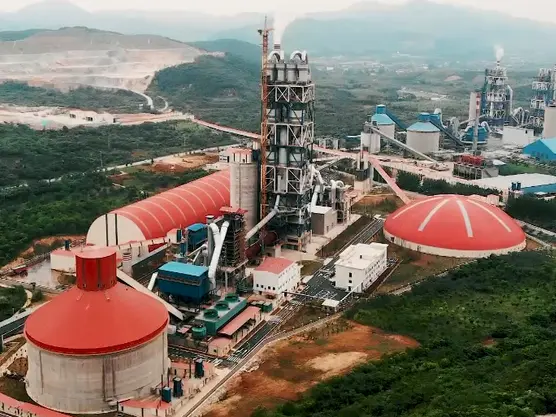
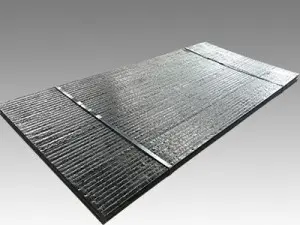
The key issue for any cement plant lies in the availability of critical equipment. The key to equipment availability is wear resistance, and the performance of wear-resistant products determines the operating time of critical equipment. Hopper linings, separator vanes, and chute structures benefit from RX-m Series CCO Wear Resistant Steel Plates, preventing severe dry-particle erosion.
Explore Solutions >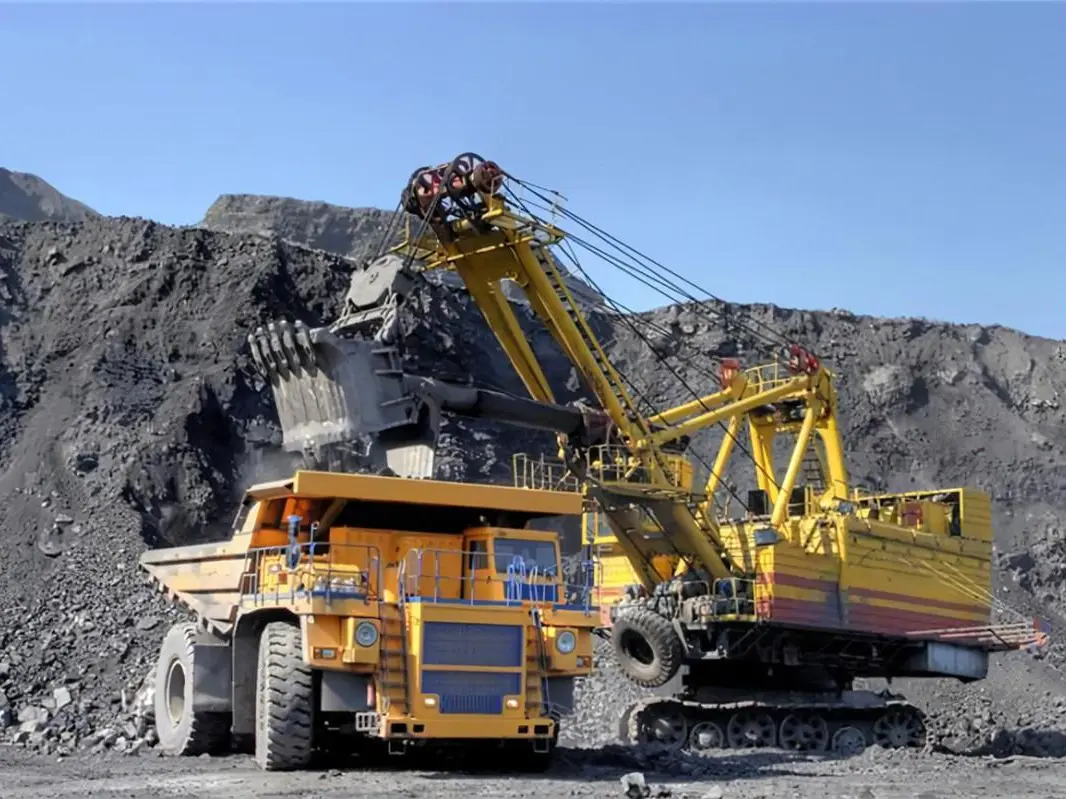
Mine operators around the globe are seeking to increase productivity, profitability, and sustainability. We help our partners achieve these goals by delivering the mining industry’s most comprehensive and cost-effective wear solutions, including hardfacing rolls and ground-engaging tools exposed to high-stress gouging and crushing.
Explore Solutions >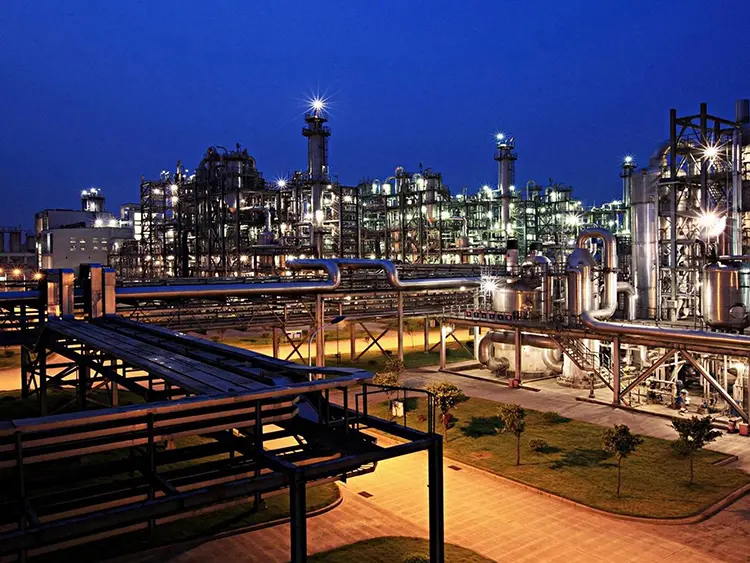
In the steel industry, the use of equipment is even more brutal, involving raw minerals, high temperatures, corrosion, and other extreme working conditions. Surfacing composite steel plates and continuous casting rollers undergo severe thermal fatigue and high abrasion, requiring custom-tailored cobalt or high-chrome alloys.
Explore Solutions >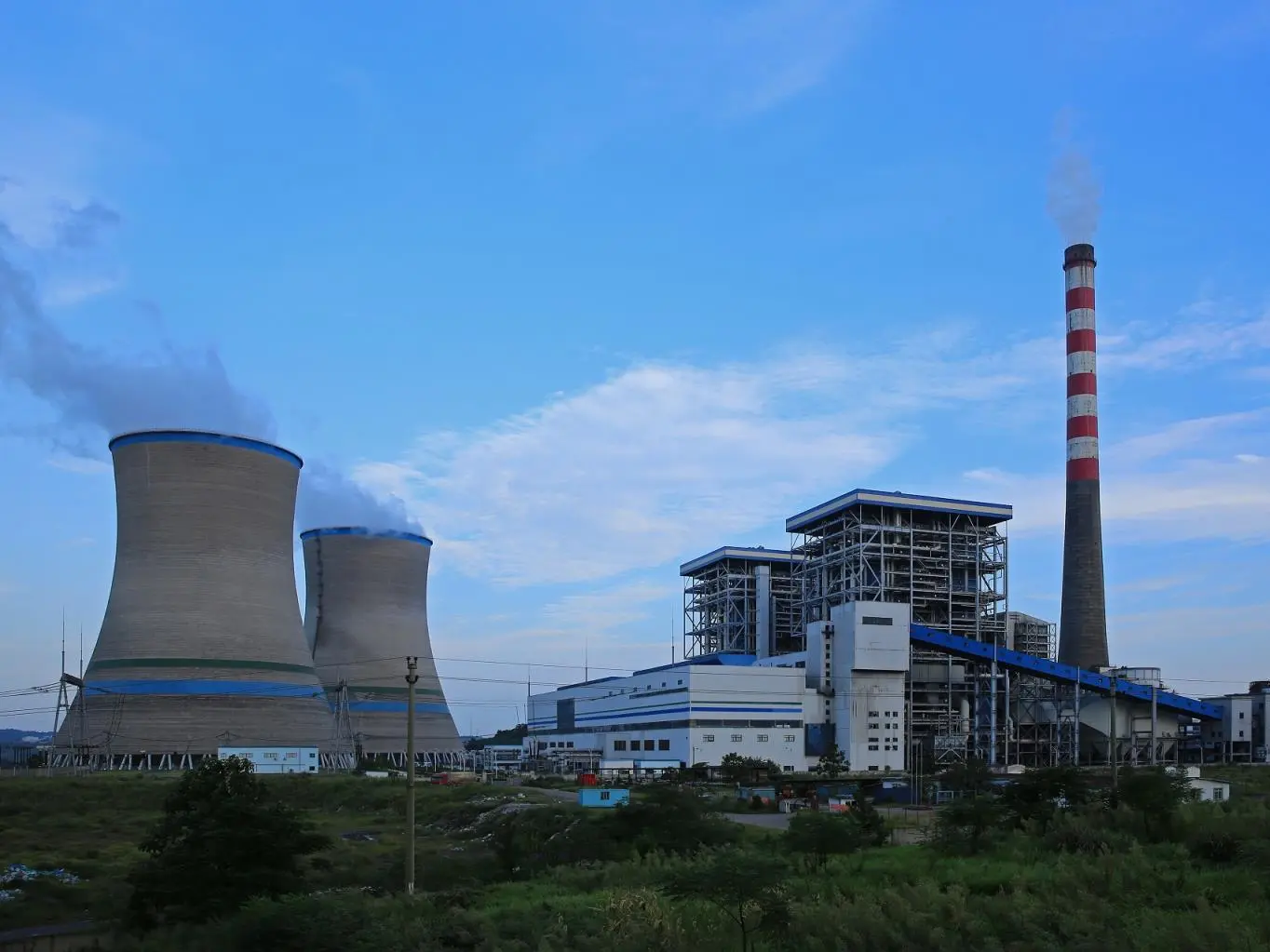
Wear protection for coal mills, coal dust piping, pulverizer components, fan blades, conveyor chutes, hopper liners, and dust removal systems is critical to prevent forced shutdowns. High-chromium alloys and PTTA weld deposits ensure steady, efficient turbine operation and bulk-solid transport.
Explore Solutions >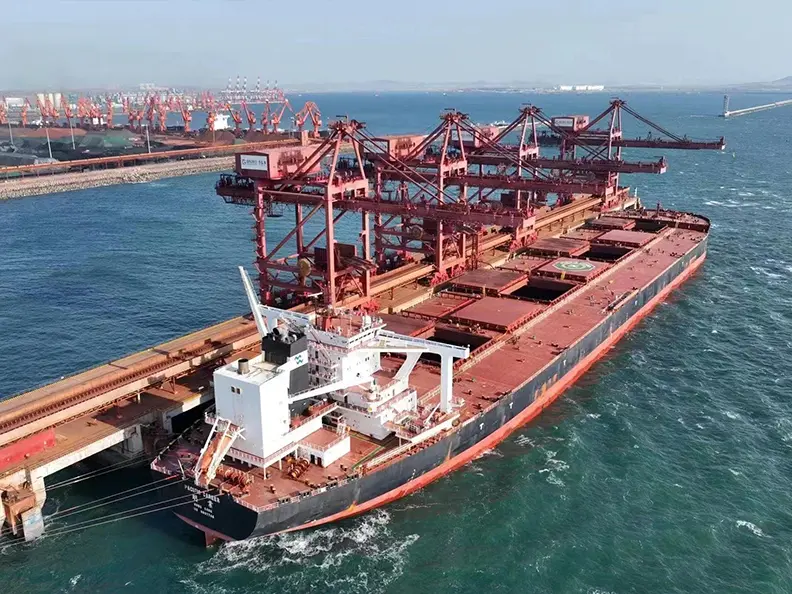
Ports are mainly designed to transport various materials. Conveying equipment, loading and unloading equipment, and yard stacking or picking units represent the main force of port operations. Environmental exposure combined with sliding wear calls for bimetallic composite wear plates and robust surfacing.
Explore Solutions >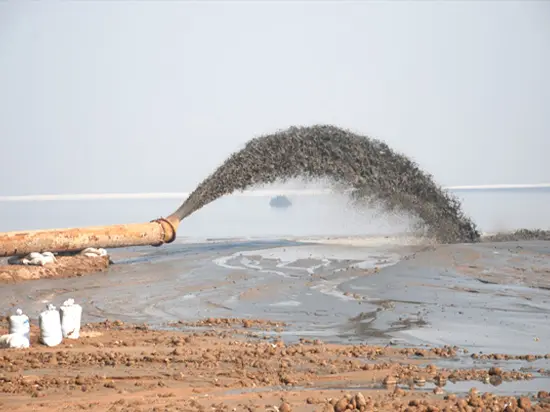
In ultra-high velocity erosion areas or chemical environments where metallic alloys might experience galvanic corrosion, wear-resistant alumina ceramic panels sintered from high-purity superfine alumina powder offer an optimal non-metallic wear barrier.
Explore Solutions >The performance of any hardfacing layer depends highly on the deposition parameters. Dilution of the wear alloy with the substrate metal must be kept to a minimum (typically below 10-15%) to maintain the chemistry of the overlay. Runxing’s Custom Surfacing Equipment utilizes advanced numerical control systems via a 10.2-inch interactive touch screen.
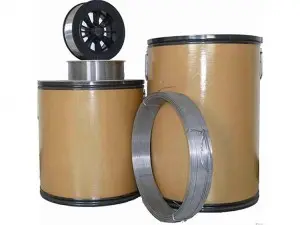
Our machinery supports uniform-speed swing welding with highly adjustable welding paths. Configured with up to four welding guns, our automated systems execute open-arc, metal-cored, and submerged arc cladding of roller presses, grinding rolls, and composite plates with pristine uniformity and structural integrity.
As heavy machinery undergoes higher stress levels under increased capacity operations, hardfacing alloys must evolve. The market is seeing several important technical shifts:
Traditional Fe-Cr-C deposits are increasingly being augmented by niobium, vanadium, and boron additions. This leads to the formation of secondary micro-carbides that are smaller and more uniformly distributed, significantly improving toughness without compromising bulk hardness.
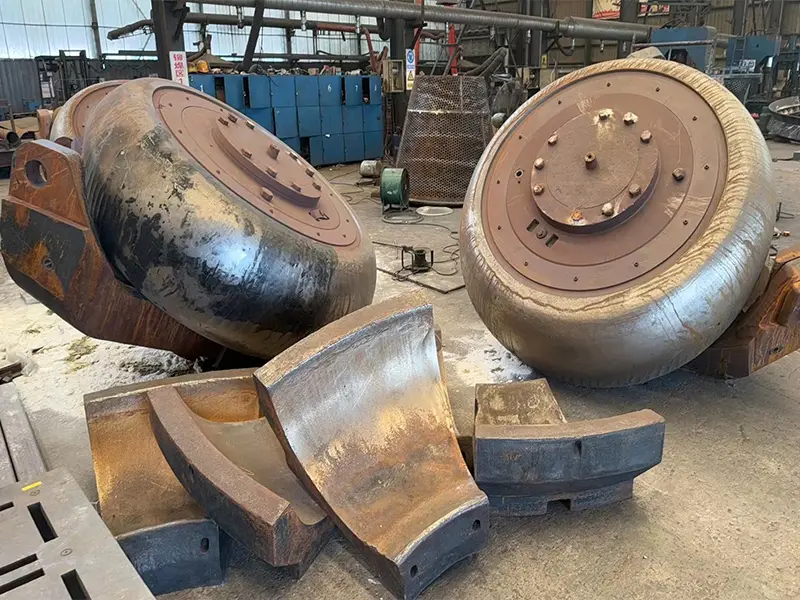
Plasma Transferred Arc (PTTA) surfacing is gaining traction because it enables extremely precise powder alloy depositions, yielding very thin, low-dilution surfacing layers with excellent surface finishes that reduce finish grinding costs.
Procurement teams require traceable material certificates conforming to standards like DIN 8555 or AWS A5.13/A5.21. Reliable third-party export organizations like Yuwan International ensure seamless compliance, payments, and global logistics execution.
Global procurement specialists are moving away from simple "hardfacing plate thickness" sizing toward deep mechanical specifications. When purchasing ODM hardfacing consumables, buyers should verify key metallurgical factors: micro-hardness values, dilution percentages, alloy chemistries, and base plate compatibilities. This ensures the chosen wear liners, pipes, and welding wires are optimized for their specific application, reducing premature material fatigue and optimizing operating margins.
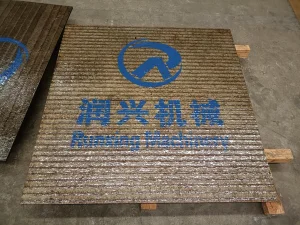
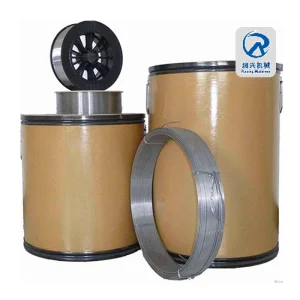
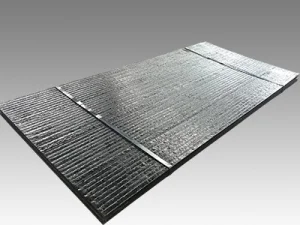
Founded in 2010, Tangshan Runxing Machinery Co., Ltd. is a premier manufacturing enterprise specializing in the R&D, fabrication, and custom installation of surface-hardened wear solutions. Over the past decade, we have established ourselves as an industry-leading provider of Chromium Carbide Overlay (CCO) wear plates, wear-resistant pipelines, flux-cored welding wires, and custom roll refurbishment services.
Our commitment to excellence is reinforced by key milestones, including being recognized as a qualified partner and agent for VAUTID (Germany) for six consecutive years since 2019. This collaboration underscores our access to world-class materials and metallurgical practices. Furthermore, we maintain active academic ties with Tangshan University. Research teams led by Dean Yuan Shaoqiang, Vice Dean Li Jing, and Professor Yang Yuehui regularly collaborate with our production engineering teams, driving innovations in metal forming and material science.
All international transactions, shipping documents, and trade logistics are handled by our fully authorized export partner, Hebei Yuwan International Trade Co., Ltd., allowing our factory to focus entirely on product quality and manufacturing performance.
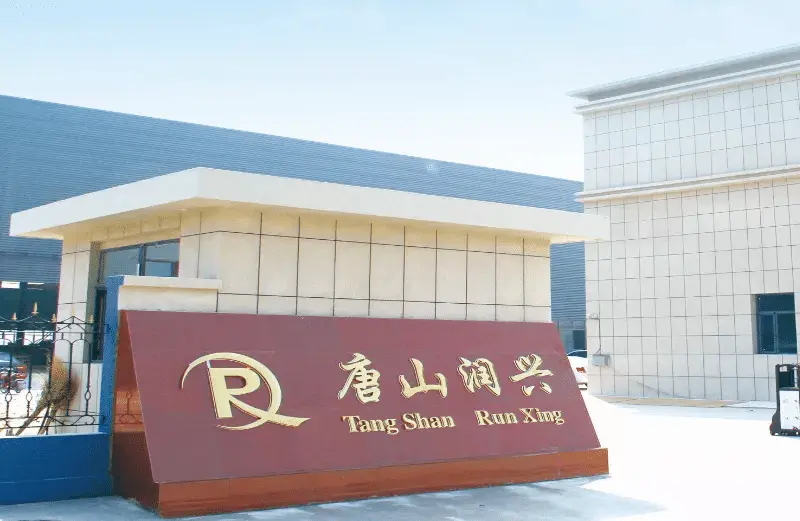
Runxing launched a digital platform for one-stop procurement of hardfacing electrodes, custom plates, and automatic welding machines, facilitating global technical collaborations.
Read More >Presented our latest wear-resistant solutions and mining liners at the Johannesburg International Convention Center, solidifying relationships in Africa.
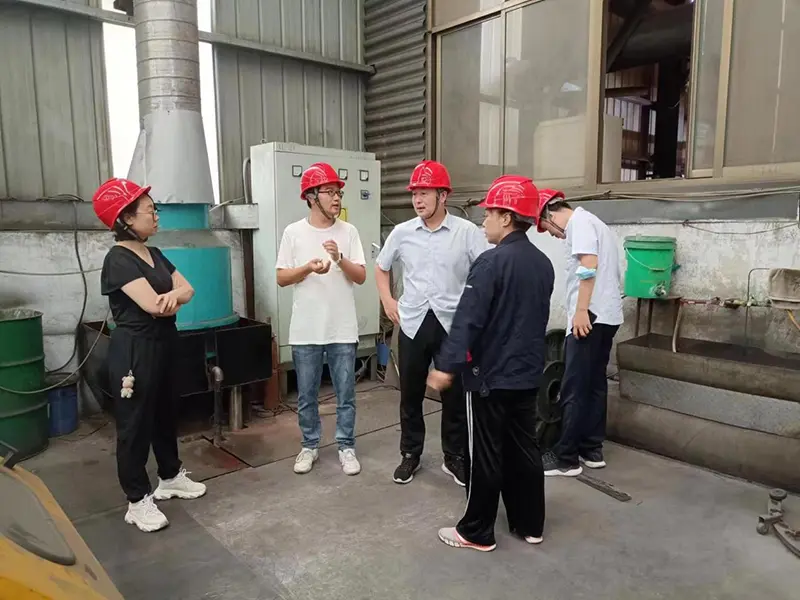
Read More >Dean Yuan Shaoqiang and researchers visited our facility to inspect joint research on metallic surface engineering and advanced alloy structures.
Read More >Maintaining a close collaboration with Germany's VAUTID to manufacture high-standard, wear-resistant products utilizing German alloy concepts.
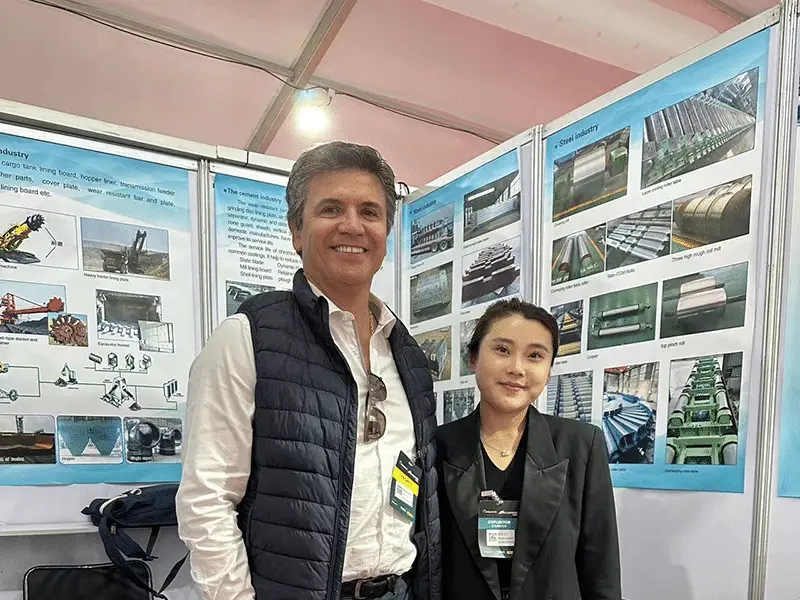
Read More >Participated in the world's second-largest professional mining exhibition, introducing customized wear liners to the Latin American market.
Read More >Crucial metallurgical questions, standards, and troubleshooting tips for procurement engineers and maintenance managers.




 Runxing machinery