In the heavy industrial landscape, structural degradation caused by constant mechanical abrasion, erosion, and high-impact conditions remains a multi-billion dollar challenge. Modern extraction, processing, and handling operations require materials that go far beyond standard mild or structural carbon steels. Hard-wearing steel plates, particularly Chromium Carbide Overlay (CCO) and bimetallic composite plates, represent the cutting-edge metallurgical solution designed to extend equipment service lives, minimize downtime, and optimize total cost of ownership (TCO).
E-E-A-T Principle Assertion: Runxing Machinery’s metallurgical engineering laboratory, in collaboration with leading metallurgical research institutes, evaluates wear resistance performance using ASTM G65 dry sand/rubber wheel abrasion test protocols. The target goal is to deliver an overlay composite layer that provides 10 to 20 times the wear resistance of conventional carbon steel, and 5 to 10 times the resistance of heat-treated martensitic steel plates.
At the center of hard-wearing steel technology is the development of a bimetallic interface. The base plate is typically composed of a ductile, weldable structural steel (such as Q235B or Q345B), which provides the structural framework, flexibility, and load-bearing properties. On top of this substrate, an overlay layer is deposited using open-arc or submerged arc welding processes with specialized flux-cored wires.
This overlay layer is highly alloyed with chromium (typically 25% to 40%) and carbon (3.5% to 5.5%). During the deposition process, these elements crystallize to form primary chromium carbides of the M7C3 type. These primary carbides have a microhardness ranging between 1500 and 2000 HV (Vickers), and they are embedded within a tough, hard eutectic matrix of austenite and carbides. The spatial orientation and concentration of these carbides are crucial: they align perpendicular to the wear surface, forming an impenetrable barrier against coarse, abrasive materials.
Standard Q235B / Q345B structural carbon steel. Provides exceptional weldability and structural flexibility, allowing the plate to be rolled, formed, and welded directly onto machinery frames.
Deposition thickness typically ranges from 3mm to 20mm. High-concentration chromium carbide alloy offering massive resistance to high stress sliding abrasion.
The primary M7C3 carbides exhibit a hardness of 1500 to 2000 HV, ensuring the matrix resists deformation even under severe abrasive forces.
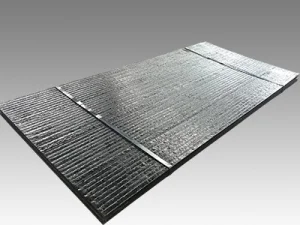
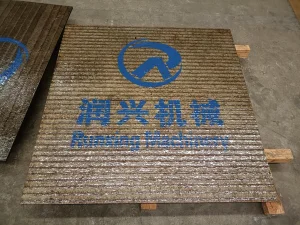
Fine hairline cracks perpendicular to the welding bead occur naturally during cooling. These cracks relieve residual stress, ensuring flat plates without structural delamination.
On a global scale, heavy industries are experiencing a shift toward maximizing operational efficiency. Key raw-material sectors such as mining, cement manufacturing, steel mills, power generation, and port logistics operate with high mechanical loads. In North America, Europe, Australia, and South America, the demand for high-strength, hard-wearing steel plates has grown steadily. Environmental regulations and rising operational costs mean that equipment shutdowns must be kept to an absolute minimum.
Industrial procurement departments no longer view wear plates as consumables; they are considered strategic assets. Replacing standard steel sheets with high-quality CCO plates yields a rapid return on investment. For instance, a mining operation in Western Australia or Chile that changes its truck bed liners, chute liners, or hopper walls to advanced CCO plates can extend maintenance intervals from three months to over two years. This significantly reduces labor costs, down-time losses, and the risk of unexpected structural failures.
China has established itself as a major hub for the production of advanced metallurgical overlays and bimetallic composites. Runxing Machinery, located in Tangshan, Hebei Province—the heart of China's iron and steel manufacturing industry—benefits from a robust supply chain. This proximity to raw materials ensures consistent sourcing of high-grade base steel substrates and alloying powders.
Beyond raw materials, China's efficiency edge lies in the rapid development of automated cladding technology. Runxing Machinery utilizes proprietary 4-gun automated overlay cladding machines. These automated systems ensure precise control over the heat input, dilution rates (mixing of base metal with the overlay alloy), welding speed, and carbide orientation. The resulting plates offer a uniform wear surface, minimal distortion, and consistent hard-metal distribution across the entire sheet. Through localized technological integration and lean manufacturing, Chinese ODM factories deliver high-performance CCO plates at highly competitive price points, providing global buyers with an excellent performance-to-cost ratio.
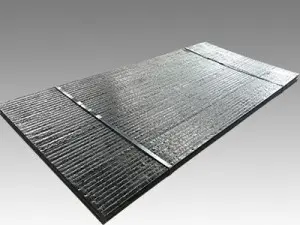
Composite material wearplate made of a structural steel backing & a hard weld surfacing. RX®wp 7600 is a composite material made of a structural steel backing and a hard weld surfacing, corresponding to DIN 8555.
Detailed Specifications
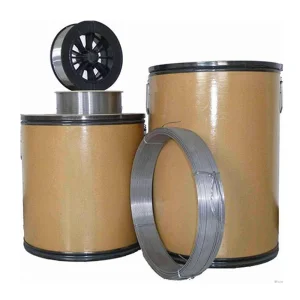
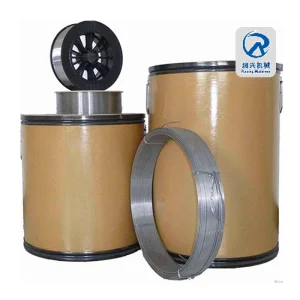
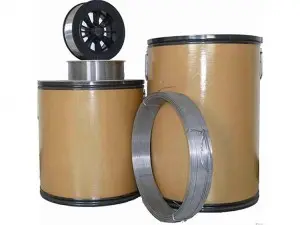
Self shielded flux cored wire. High chromium alloy designed for resisting high stress grinding abrasion with low impact. Engineered to run smoothly on custom automation machines.
Detailed Specifications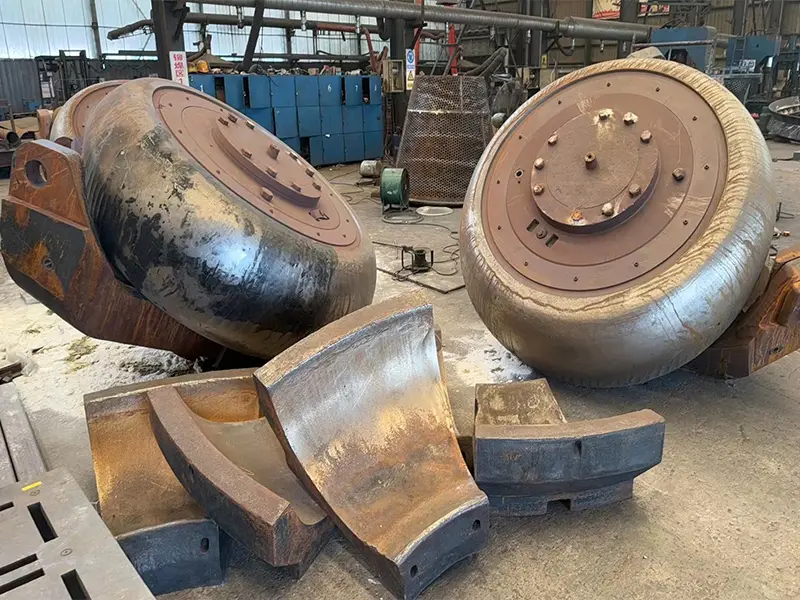
Specialized PTA (Plasma Transferred Arc) cladding solutions. Self shielded flux cored wires and high chromium alloy designs built for severe sliding abrasion with minimal impact tolerance.
Detailed Specifications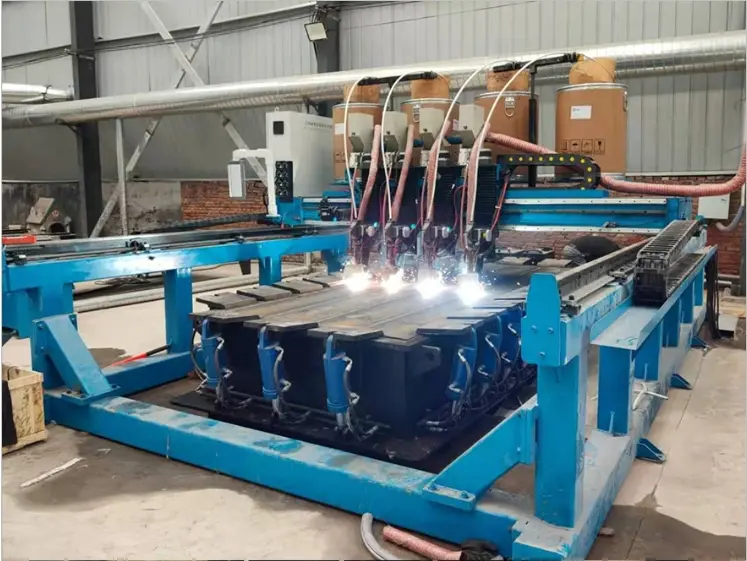
RX® Surfacing Equipment features a high degree of automation, high welding efficiency, small footprint, and easy maintenance. Centralized 10.2-inch touch screen control with four-gun simultaneous operation.
Detailed Specifications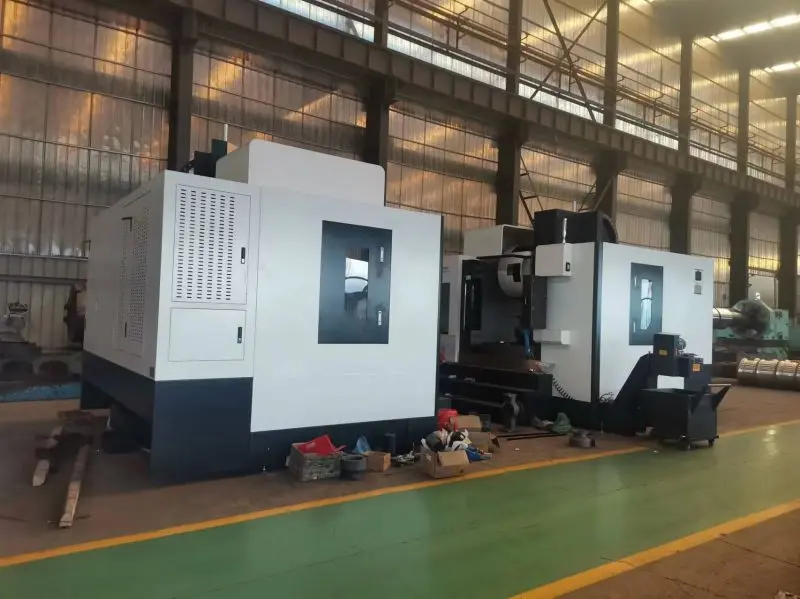
RX® possesses extensive engineering solutions for custom machinery fabrication, precision machining accessories, wear liner cutting, custom drilling, countersinking, and structural plate forming.
Detailed Specifications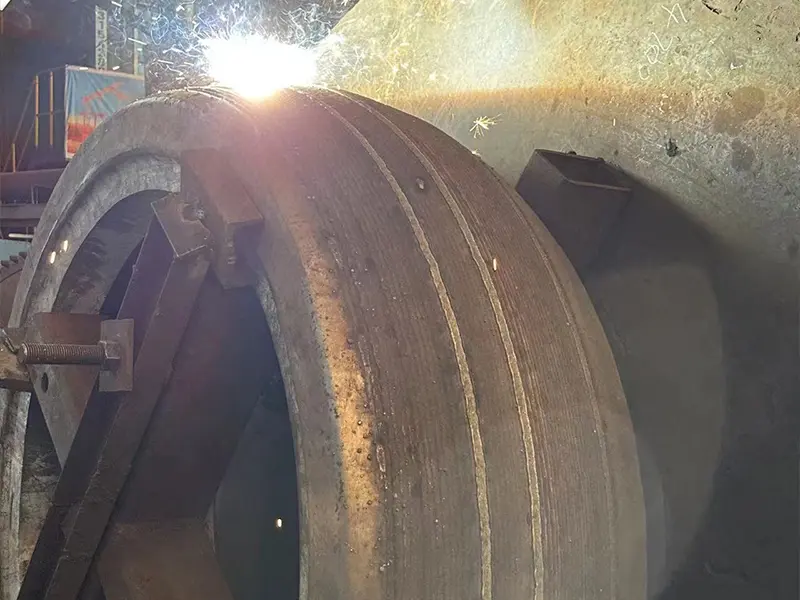
Rolls and grinding rolls are critical in steel casting and raw material crushing (cement, power, mining). Runxing has years of experience in rebuild repair, helping customers reduce overall operating costs.
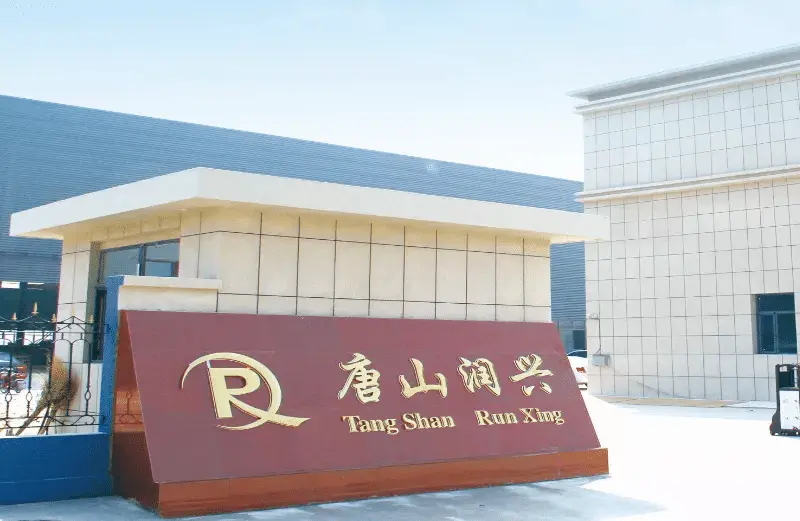
Detailed SpecificationsFounded in 2010, Tangshan Runxing Machinery Co., Ltd. is a professional manufacturer located in Tangshan, Hebei Province, focusing on the research, development, production, and on-site service of hardfacing wear-resistant metal products. Our main products include chromium carbide overlay (CCO) wear plates, custom processed wear liners, wear-resistant pipes and fittings, hardfacing flux-cored welding wires, automatic hardfacing welding machines, and professional roller surfacing repair services.
We operate under the core business philosophy of "Integrity, Superior Quality, Innovation & Sustainable Development", backed by advanced metal surface hardfacing technologies. We provide customized wear solutions to the cement, steel, mining, port, and dredging industries globally, establishing a strong market presence in Russia, Central Asia, and beyond.
Export Authorization: All international trade, customs clearance, shipment logistics, documentation, and payment collection are managed by Hebei Yuwan International Trade Co., Ltd. This structured partnership allows our factory to focus entirely on metallurgical product development, ensuring quality control and reliable delivery schedules.
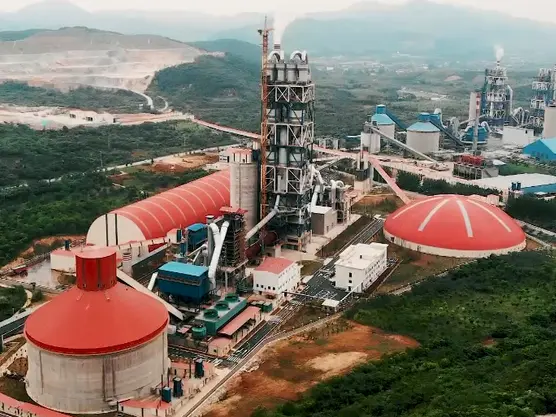
Crucial equipment uptime is essential for cement plants. Our CCO wear plates and surfacing materials are applied in vertical mill components, chutes, separator guides, and cyclone liners, protecting systems from raw material abrasion.
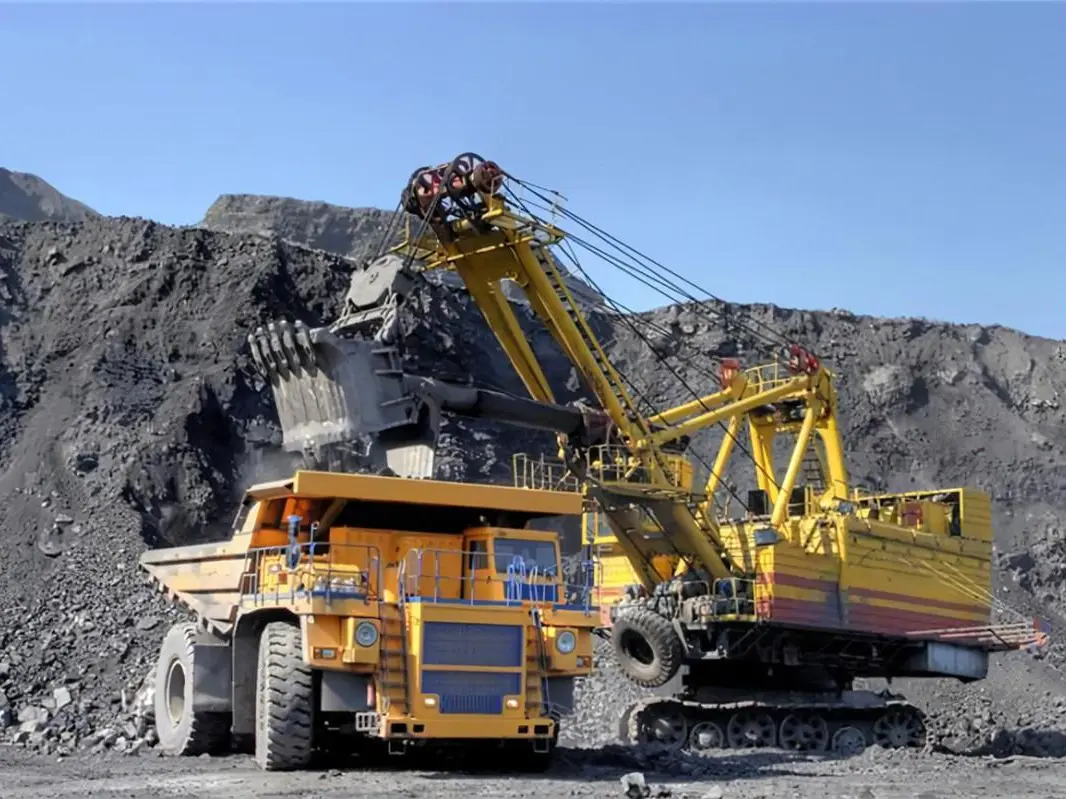
Mine operators require wear solutions that handle high-impact, abrasive geological materials. We supply heavy-duty liners for truck boxes, loader buckets, vibrating screens, and primary chute systems.
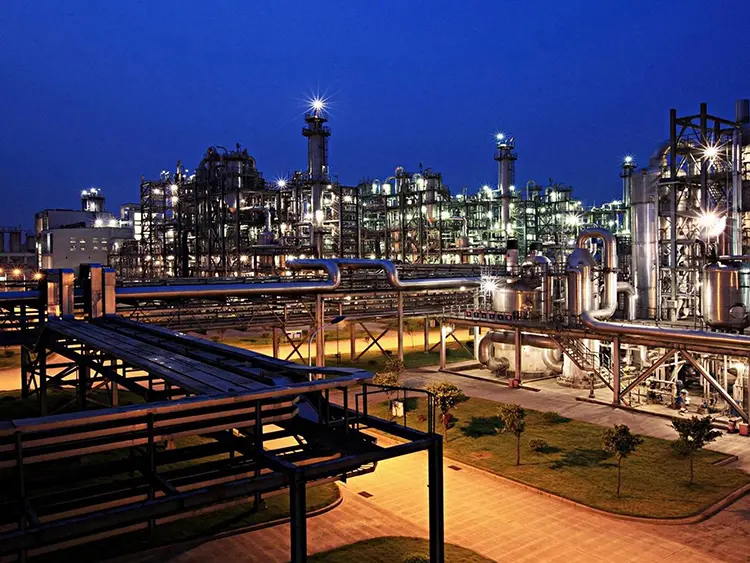
Steel manufacturing involves high temperatures, corrosive gases, and abrasive coke or iron ore. Our plates are designed to withstand extreme thermal-abrasive environments in sinter plants and blast furnace charging systems.
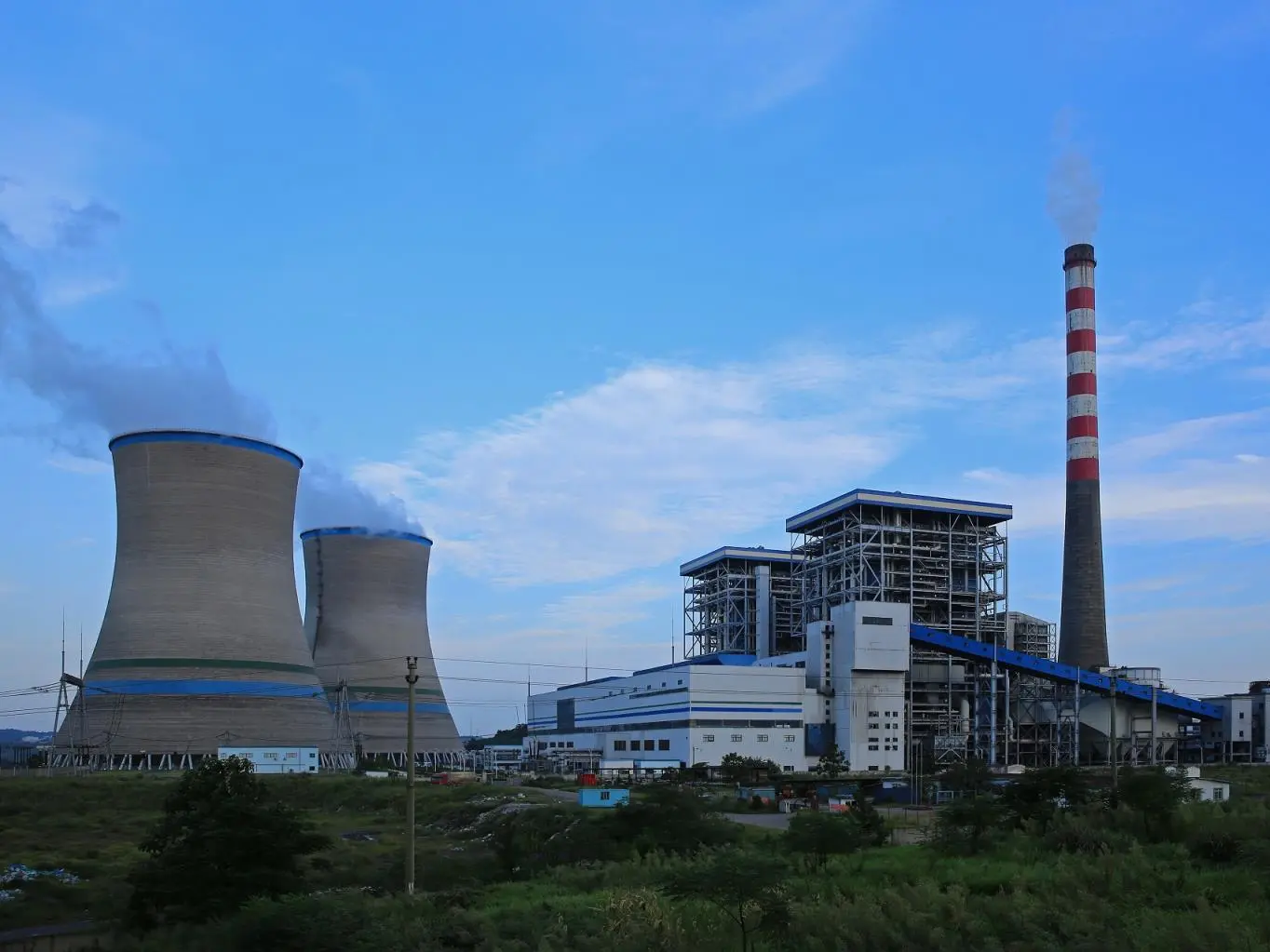
Thermal power plants rely on our solutions to protect pulverized coal piping, fan blades, coal pulverizer mills, and flue gas desulfurization systems from severe erosion and ash abrasion.
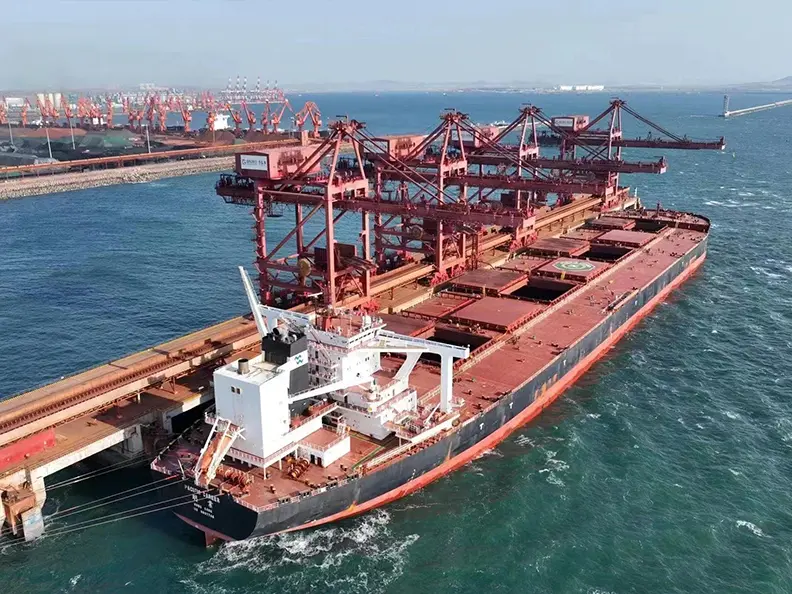
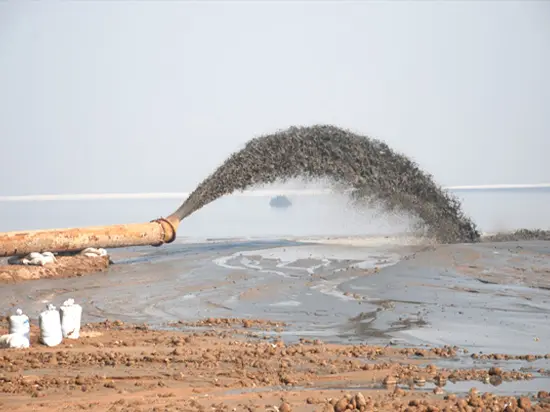
Bulk ports require high wear protection for stacker-reclaimers, transshipment hoppers, and grab buckets. Our composite piping protects dredging systems from abrasive slurry transport.
For applications where metallic weld overlay is less suitable due to weight or specific chemical attack, we offer high-purity sintered alumina ceramics that deliver excellent wear protection.

We continuously upgrade our wear-resistant solutions, researching next-generation complex alloys to keep pace with changing industrial demands.

New alloy compositions and cladding equipment designs are currently undergoing performance evaluations to further enhance wear life.
We have officially launched our new trial website platform, www.runxing-machinery.com, to serve the global wear-resistant industry. This site acts as a comprehensive portal, offering buyers access to custom wear solutions, technical specification sheets, and direct communication channels for global inquiries.
In September 2024, Runxing Machinery presented its latest line of CCO wear plates and flux-cored hardfacing wires at the South Africa International Construction & Mining Machinery Exhibition in Johannesburg. This event allowed us to strengthen partnerships with mining enterprises across the African continent.
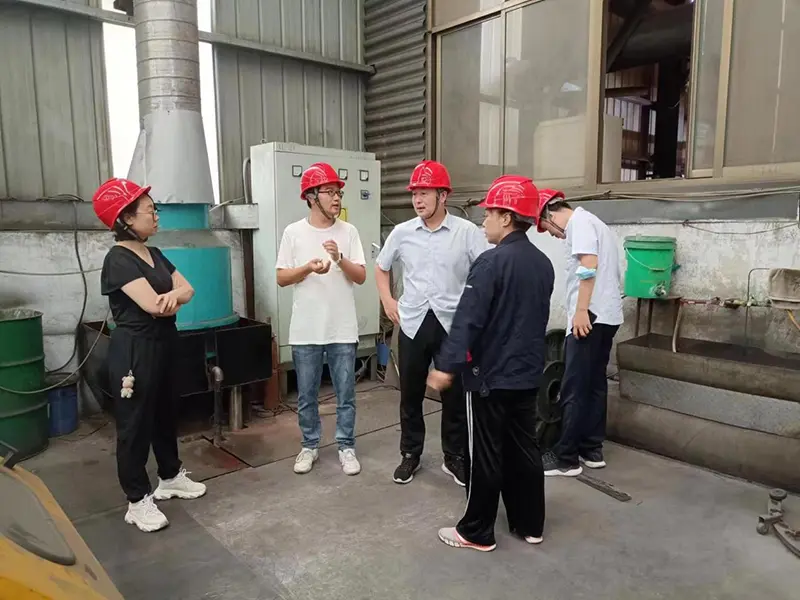
In 2023, the Dean of Tangshan University, along with the Metal Materials and Forming Technology team, visited our production facility. This ongoing academic-industrial collaboration ensures that our surface welding and metallurgy techniques remain at the forefront of the industry.
Since 2019, Tangshan Runxing Machinery has been an authorized agent for VAUTID welding materials. Incorporating high-quality German-engineered alloys into our manufacturing processes allows us to meet strict international standards for wear resistance.
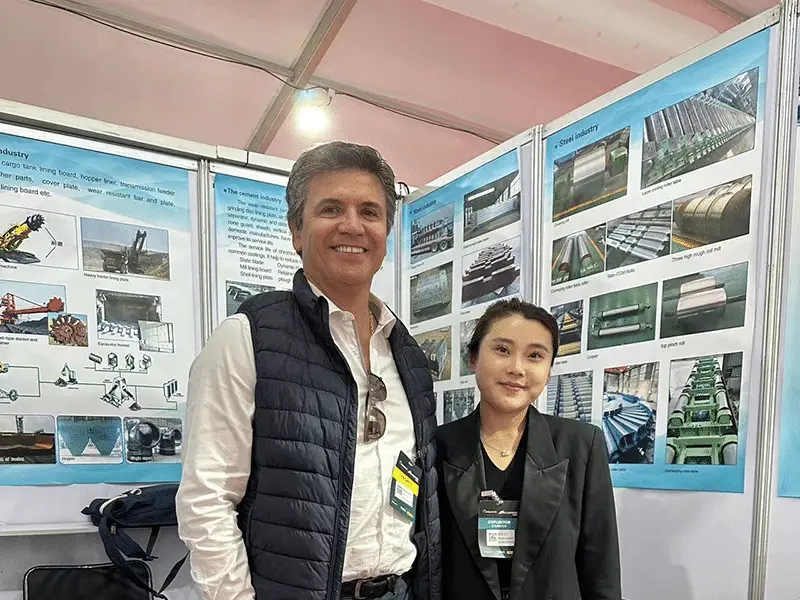
Runxing Machinery exhibited at EXPOMIN 2023, South America's largest mining trade show. Our range of bimetallic liners and hardfacing solutions for chute systems attracted significant interest from Latin American mining operations looking to optimize equipment wear life.
Global procurement teams must balance initial capital expenditure (CAPEX) with long-term operational savings. Selecting a supplier for ODM/OEM hard-wearing plates involves evaluating key quality metrics:
By defining these criteria, purchasing managers can ensure they select materials that perform reliably in the field, helping to reduce maintenance costs and improve operational efficiency.
Industry Standard Compliance: Our manufacturing facility adheres to ISO 9001:2015 quality standards. Every shipment of CCO plates is supplied with Material Test Reports (MTR) detailing chemical analysis, hardness measurements, and ultrasonic test verification of the bimetallic bond.
The wear-resistant materials sector is shifting toward complex carbide alloys. While standard chromium iron overlays work well in sliding abrasion applications, complex alloys containing Niobium, Boron, Titanium, and Tungsten are increasingly used in extreme environments. These elements form smaller, harder carbides that improve resistance to high-temperature abrasion (up to 700°C) and moderate impact.
Additionally, automated maintenance solutions are becoming more common. Portable cladding machines and robotic hardfacing cells allow for the refurbishment of worn components directly on-site, reducing logistical costs. Runxing Machinery continues to invest in these emerging technologies, ensuring we offer wear solutions that meet the changing demands of heavy industry.





 Runxing machinery