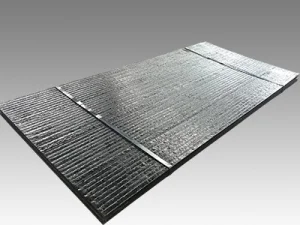
Premium wear-resistant composite steel plate featuring a structural backing fused with a high-chromium carbide alloy overlay.
Request Details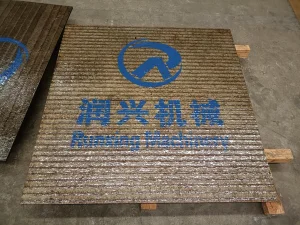
Engineered for extreme abrasion applications, our CCO wear plates deliver optimized microstructure stability and service life.
Contact Factory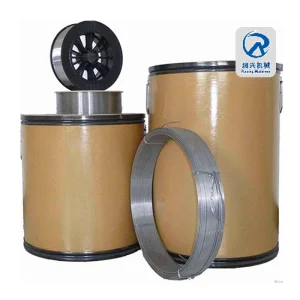
Designed for convenient field applications, eliminating gas setup while maintaining high alloy recovery and low dilution.
Sourcing Inquiry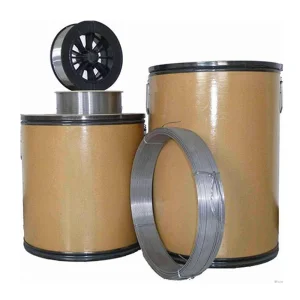
Industrial grade consumables formulated for heavy duty overlay welding. Suitable for mining rolls and mill rebuilds.
View Specifications
Highly custom high-hardness CCO wear plate optimized for heavy-impact chutes, hoppers and cement liners.
Request Quote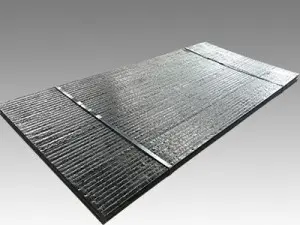
Manufactured in accordance with DIN 8555 standards, utilizing a premium structural steel backing and tough metallurgical cladding.
Read Catalog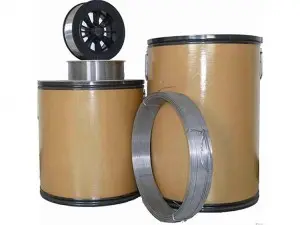
Designed for high-stress grinding abrasion with low impact. Excellent performance for surface building and repair.
Get Chemistries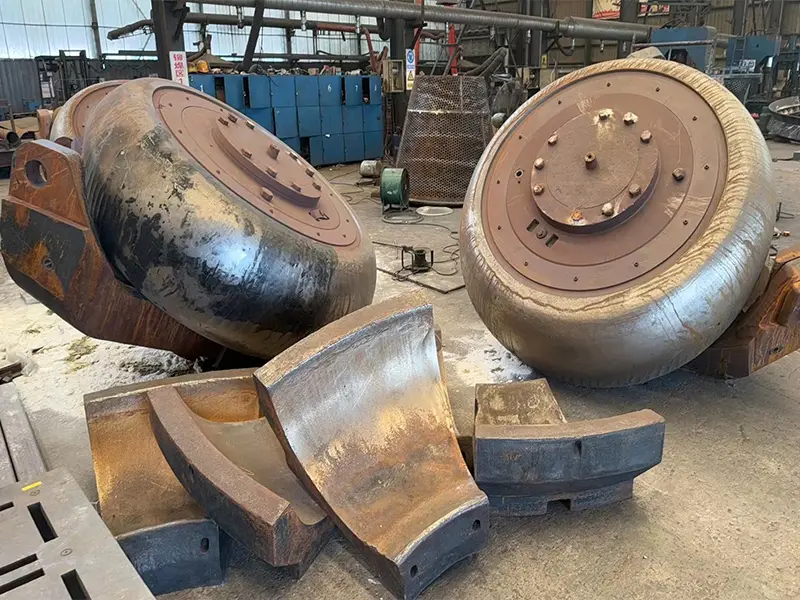
Specialized flux cored wire overlay applications designed for severe abrasion and multi-layer structural build-up.
Technical DataIn heavy-duty industrial sectors, surface degradation is one of the most critical threats to equipment efficiency and longevity. Severe sliding abrasion, abrasive micro-ploughing, particle erosion, and high-stress grinding impacts account for billions of dollars in yearly maintenance overhead. Hard facing welding (or hardfacing overlay cladding) stands as the primary engineering solution to arrest these degradation pathways, transforming consumable elements into ultra-hard bimetallic composites.
At the core of a premium Chromium Carbide Overlay (CCO) wear plate lies a precise metallurgical balance. The weld metal deposit consists of primary M7C3 chromium carbides dispersed uniformly in a tough, austenitic iron matrix. Under solid-state crystallization, these primary hexagonal chromium carbides grow perpendicular to the fusion boundary, achieving exceptional micro-hardness values up to 1200–1600 HV (Vickers scale). The macroscopic bulk hardness of the overlay typically ranges between 58 and 62 HRC (Rockwell C scale). It is the combination of this high volume fraction of primary carbides (typically 30% to 45%) and the ductile substrate backing that allows CCO components to resist massive shear stresses caused by moving minerals, rocks, and abrasive dust particles.
For global procurement engineers, understanding the microstructure is vital. Cheaply produced overlay plates often suffer from high iron dilution from the carbon steel base plate during the open-arc cladding process. High dilution reduces the chromium content in the weld pool, preventing the precipitation of primary M7C3 carbides and resulting in the formation of softer secondary phases. As a dedicated ODM Hard Facing Welding Manufacturer, Runxing Machinery relies on advanced, automated multi-gun cladding systems that keep base metal dilution below 10%, ensuring consistent abrasive resistance across the entire thickness profile.
To combat high-temperature wear above 600°C, manufacturers are shifting from simple iron-chromium-carbon systems to complex alloys. By introducing transition metals like Niobium (Nb), Titanium (Ti), and Tungsten (W), we produce secondary MC-type carbides that retain hardness even under critical heat conditions.
Modern manufacturing utilizes high-deposition rate CNC-controlled cladding setups. These systems manipulate swing frequencies, travel speed, and current profile to output extremely flat, uniform beads, minimizing subsequent machining work and localized heat distortion.
Repair over replacement has become the core tenet of industrial green initiatives. Rebuilding worn parts like cement vertical grinding rollers using our on-site flux-cored wire services yields up to 70% reduction in carbon emissions compared to manufacturing brand-new replacements.
Procurement processes in major industrial groups (such as BHP, Rio Tinto, LafargeHolcim, or ArcelorMittal) have evolved past comparing upfront material cost per plate. Buyers now target the Total Cost of Ownership (TCO), measuring performance by metrics such as cost-per-ton of processed material, mechanical downtime reductions, and labor costs associated with liner change-outs.
When evaluating potential ODM and OEM suppliers for hardfacing wear plates and flux-cored wires, international procurement teams focus heavily on mechanical validation and quality assurance checks:
| Evaluation Category | Primary Test Metric | Industrial Standard Requisite | Technical Target (Runxing Standard) |
|---|---|---|---|
| Abrasive Wear Resistance | ASTM G65 Dry Sand/Rubber Wheel Test | Procedure A (Weight loss in grams) | < 0.15g mass loss |
| Bulk Material Hardness | Rockwell Hardness (HRC) | ASTM E18 / ISO 6508 | 58 - 62 HRC (Avg. of 5 distinct locations) |
| Weld Dilution Control | Base Metal Iron Penetration | Metallographic Microstructure Inspection | Dilution rates strictly limited under 10% |
| Thermal & Fracture Toughness | Microcrack Spacing Assessment | Visual Relief Cracking Distribution | Uniformly spaced stress relief cracks (every 10-20mm) |
Additionally, the integration of logistics and trading systems affects the global supply chain. For example, our manufacturing plant, Tangshan Runxing Machinery Co., Ltd., concentrates entirely on core technological engineering, metallurgy, and output control, while our authorized trade partner, Hebei Yuwan International Trade Co., Ltd., handles international logistics, customs clearance, global banking structures, and cargo shipments. This partition ensures that product manufacturing and engineering processes are insulated from administrative bottlenecks, creating a reliable, highly optimized pipeline for foreign buyers in the Americas, Central Asia, and Europe.
Operating from the industrial manufacturing hub of Tangshan, Hebei Province, Runxing Machinery relies on China’s integrated raw materials and metallurgical supply chain. Our production facilities deploy advanced automated welding methods—integrating CNC cladding platforms and digital parameter tracking to maintain consistent quality across large manufacturing runs.
Under Factory 4.0, hardfacing welding becomes highly digitized. Real-time data logging tracks welding amperage, voltage, feed rate, and oscillatory velocity, compiling documentation for every batch of Chromium Carbide Overlay (CCO) plates. This transparency provides international buyers with complete quality assurance records, helping us build stable commercial partnerships across key export markets.
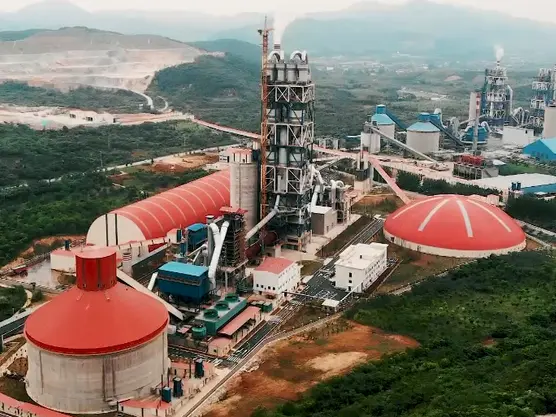
Raw mill rollers, separator vanes, and chute systems in cement plants face severe sliding wear. Applying CCO wear plates and performing regular rebuilding of grinding rolls using high-chromium flux-cored wire helps plants maintain target throughput and control maintenance windows.
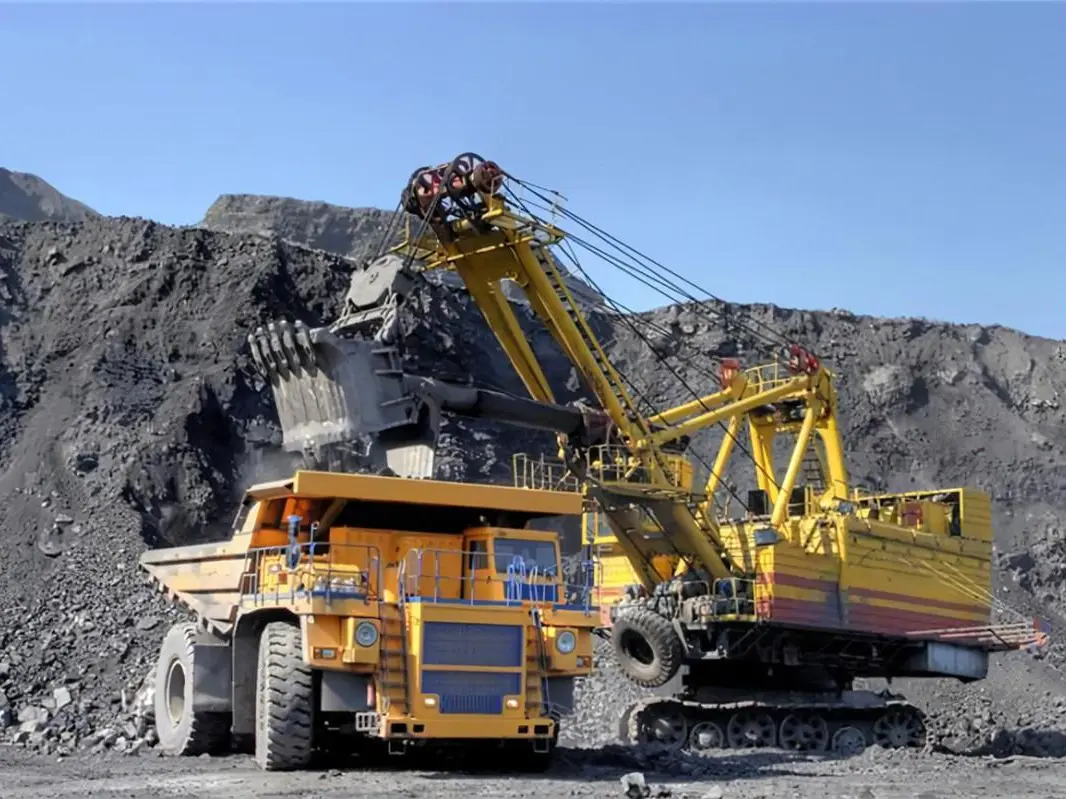
Haul truck bed liners, hopper liners, and heavy excavator buckets are subject to heavy impact and abrasion. Our custom wear plates help extend the operational windows of critical heavy machinery working in challenging environments globally.
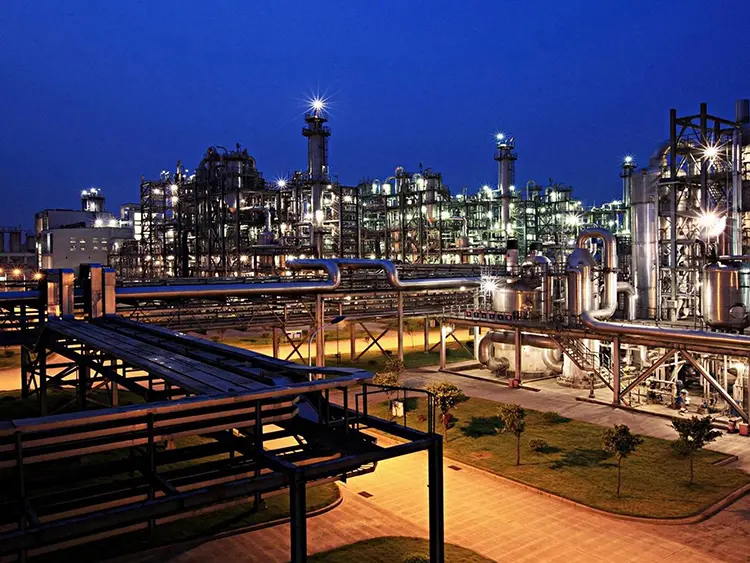
Sintering plant screens, blast furnace bells, and skip cars operate in high-temperature, highly abrasive environments. Complex-carbide hardfacing layers (enriched with Niobium and Tungsten) provide the hot-hardness needed to resist thermal degradation.
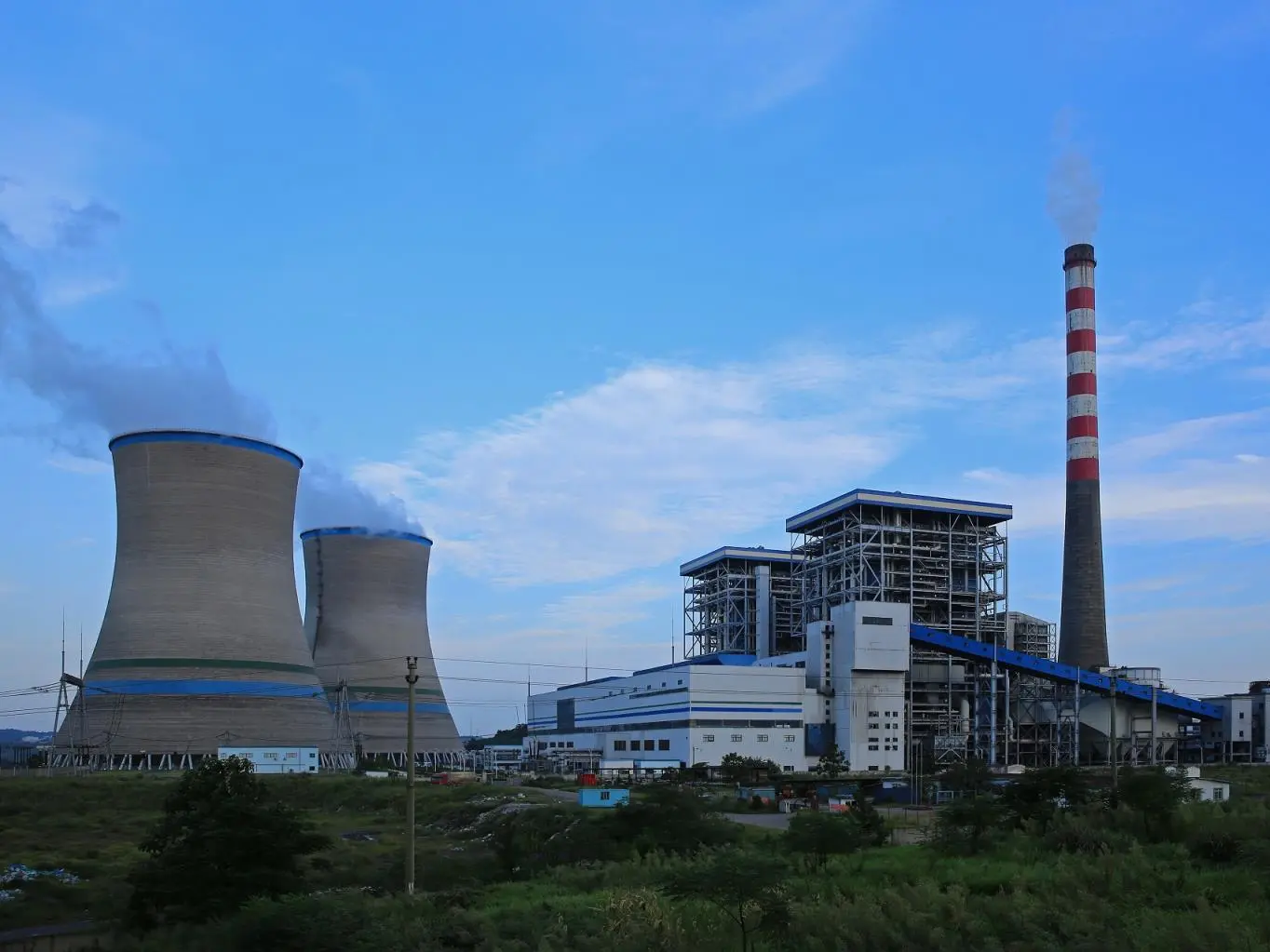
Coal pulverizer components, exhauster fan blades, and coal conduit systems encounter high-speed, abrasive pulverized coal flow. Lightweight, thin-gauge bimetallic plates with uniform hardfacing deposits help prevent unplanned downtime.
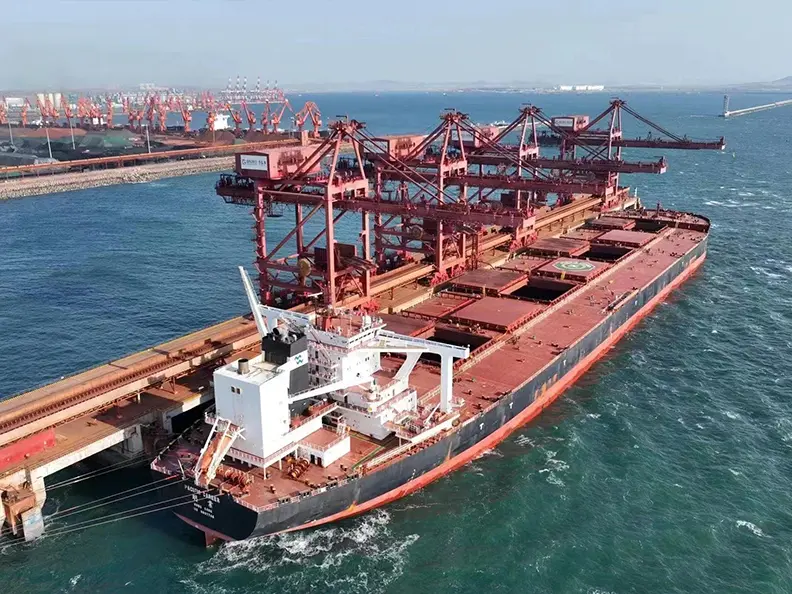
Dredging pipelines, dry cargo hoppers, and transfer chutes handle thousands of tons of material daily. Applying CCO wear-resistant linings provides the abrasion and impact protection required for continuous, reliable port loading operations.
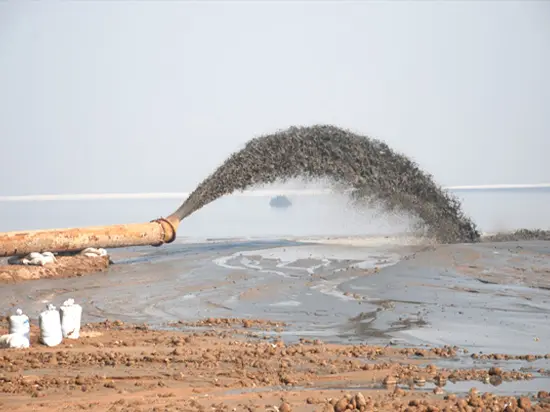
For environments where corrosive chemicals mix with high velocity abrasive particles, we offer hybrid setups combining high-purity alumina ceramics with our standard bimetallic backing plates for comprehensive chemical and wear resistance.
Established in 2010, Tangshan Runxing Machinery Co., Ltd. specializes in hardfacing metallurgy. We maintain an active technical exchange program with Tangshan University. In 2023, a research team led by Dean Yuan Shaoqiang, Vice Dean Li Jing, and Professor Yang Yuehui (specialist in Metal Materials and Forming Technology) visited our facilities, helping to advance the optimization of our weld overlay structures.
Our commitment to quality is also reflected in our international partnerships. We use premium VAUTID brand welding consumables for specific high-performance wear products and have maintained a continuous agency partnership with VAUTID in Germany since 2019. This collaboration helps ensure that our products meet strict international standards.
During the September 2024 International Mining Exhibition in Johannesburg, South Africa, our engineering representatives showcased new high-chromium overlays and on-site restoration services for crushing equipment.
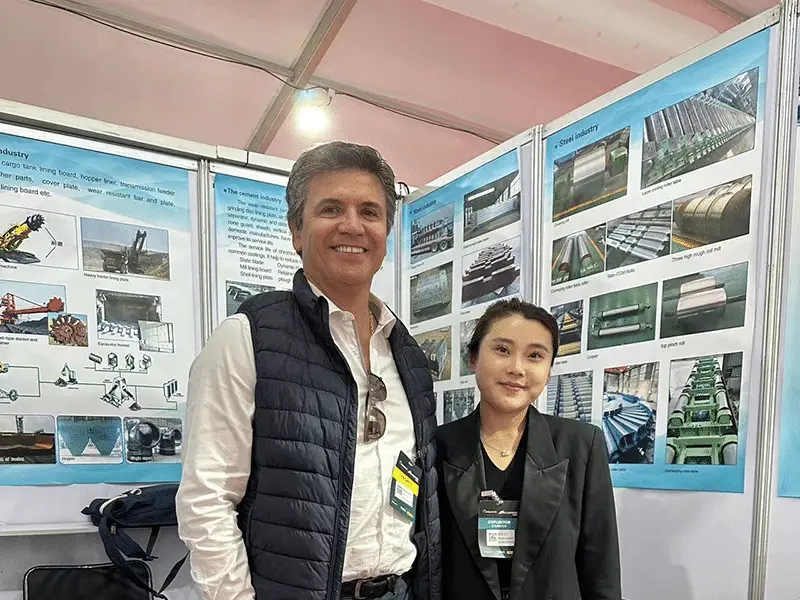
We participated in EXPOMIN, showcasing our wear-resistant solutions for heavy mining operations and connecting with partners from South America.
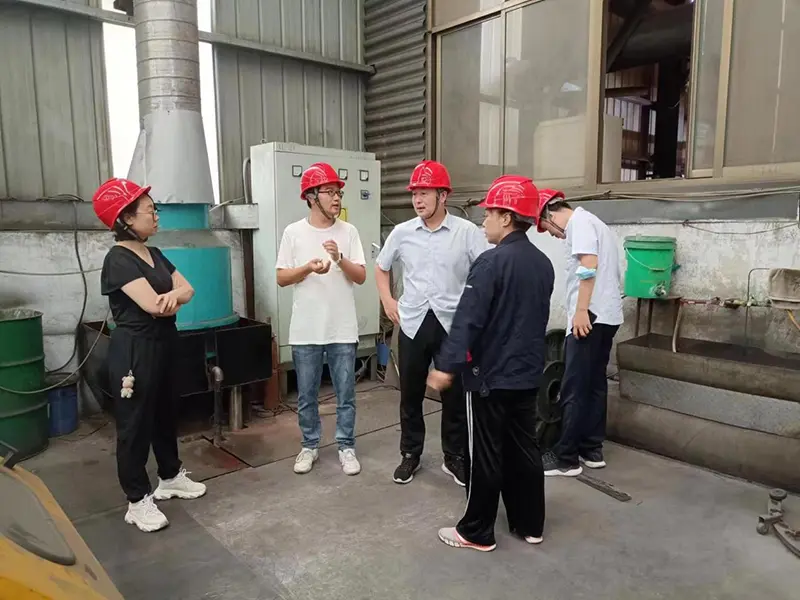
A delegation of metal forming technology professors from Tangshan University visited our facilities to study current cladding techniques and discuss collaborative research projects.
Custom CCO wear plate optimized for heavy-impact chutes, hoppers and cement liners.
Specification details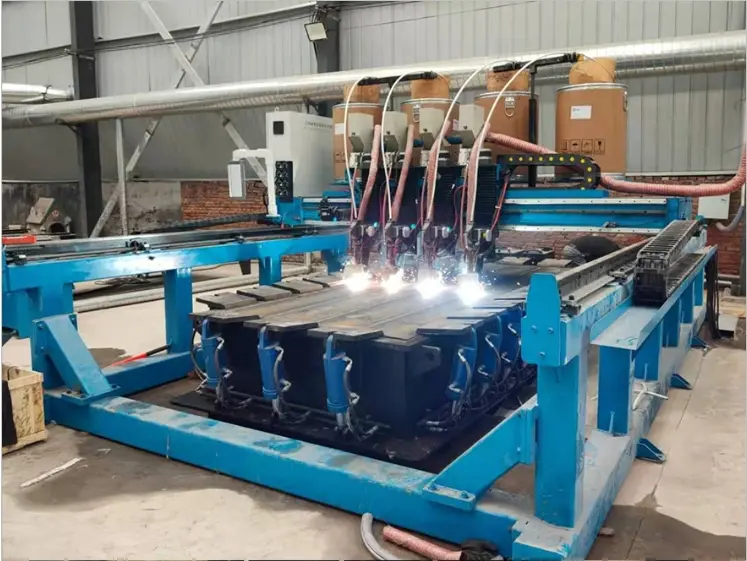
Equipped with advanced CNC controls, touch-screen operation, and multi-gun configurations for high-efficiency wear plate fabrication.
View parameters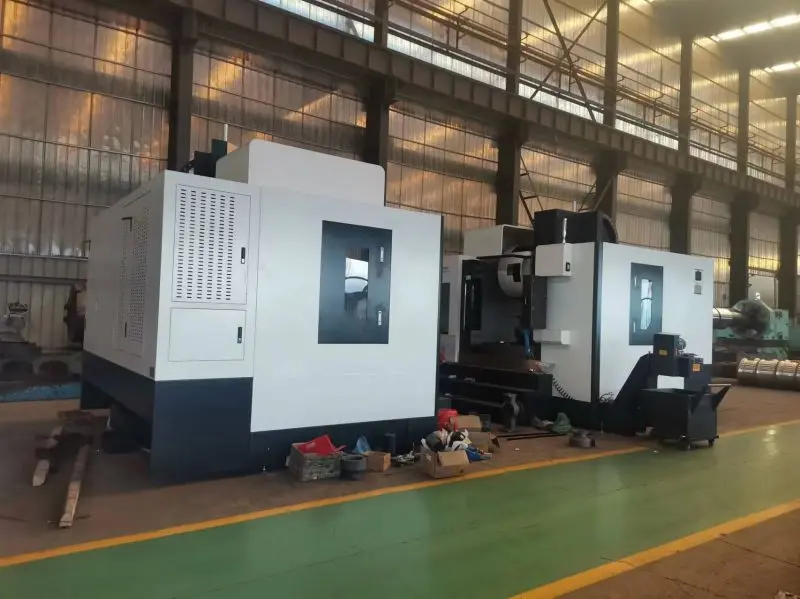
Custom cutting, bending, rolling, and fabrication of bimetallic plates to produce ready-to-install industrial liners.
Explore capabilities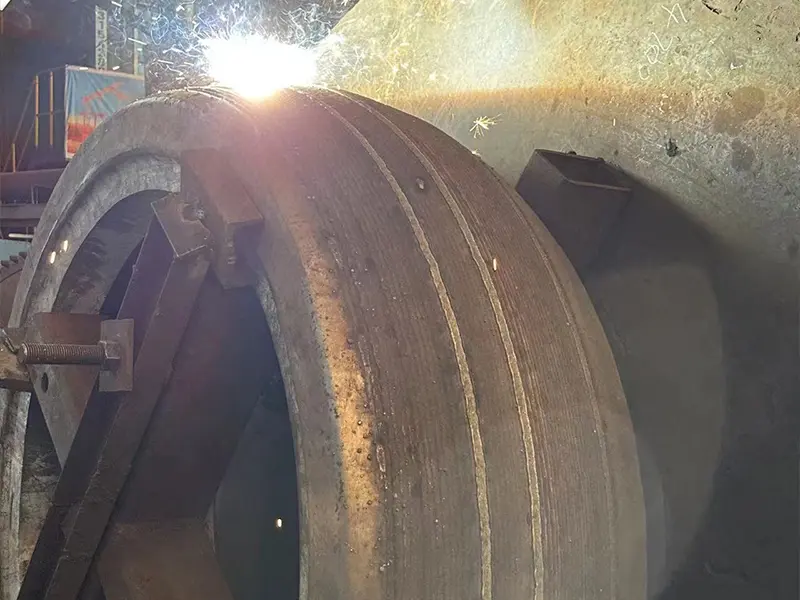
Comprehensive metallurgical restoration of worn mill rolls and grinding tables using high-alloy flux-cored wire deposition.
Inquire service
Premium wear-resistant composite steel plate featuring a structural backing fused with a high-chromium carbide alloy overlay.
Request details
Engineered for extreme abrasion applications, our CCO wear plates deliver optimized microstructure stability and service life.
Contact factory
Designed for convenient field applications, eliminating gas setup while maintaining high alloy recovery and low dilution.
Sourcing inquiry
Industrial grade consumables formulated for heavy duty overlay welding. Suitable for mining rolls and mill rebuilds.
View specificationsSupporting Global Supply Chains In Cooperation With






 Runxing machinery