Premium grade hardfacing flux-cored wires and composite wear plate technologies manufactured for high abrasion environments.
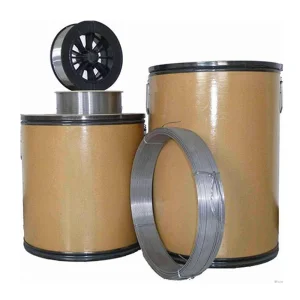
Wholesale high-alloy wear-resistant flux cored welding wires engineered for structural surface protection and continuous hardfacing operations.
View Details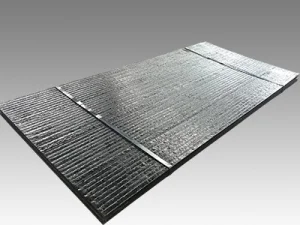
High-Quality surfacing wear-resistant composite steel plate featuring uniform overlay hardness and optimized impact structural reinforcement.
View Details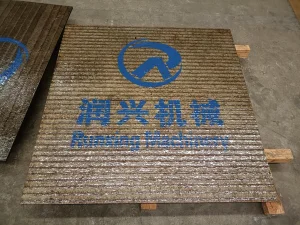
ODM Runxing RX-m Series specifically developed for Mining, Cement and Chute Liner engineering, delivering extreme durability under heavy abrasive flow.
View Details
Tailored ODM wear plates designed and engineered using high-chromium overlays on structural steel backings for cement plant and quarry solutions.
View Details
High chromium alloy designed to resist high-stress grinding abrasion with minimal impact, specifically formulated for hardfacing rebuilds.
View Details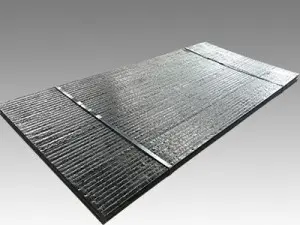
Premium wearplate consisting of structural steel base clad with high alloy hard facing weld, fully compliant with DIN 8555 standards.
View Details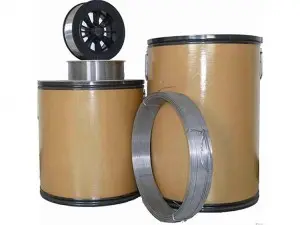
Designed for field operations. Advanced metallurgical formulation ensures robust weld pool control without external shielding gases.
View Details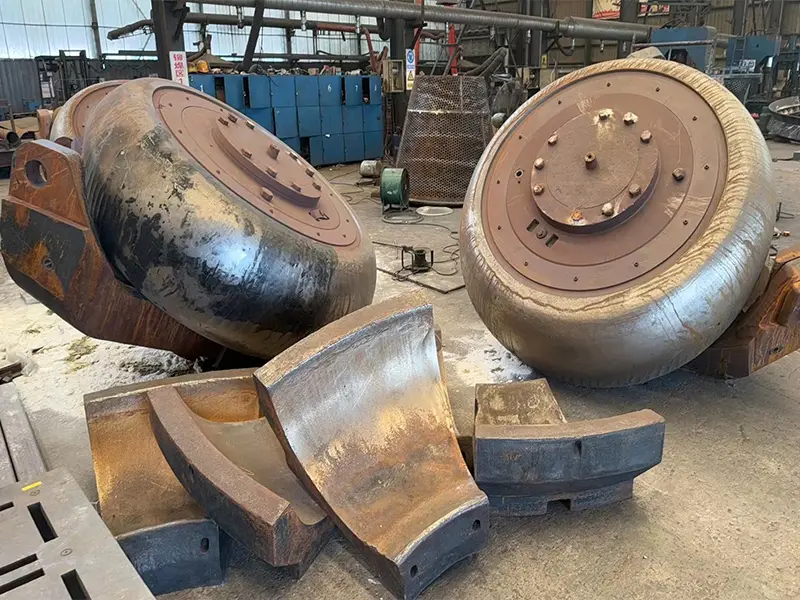
High-integrity welding alloy targeting applications subjected to severe mineral scratching abrasion and low impact forces.
View DetailsWithin the fields of tribology, surface engineering, and industrial maintenance, mitigating structural wear caused by abrasion, impact, erosion, and thermal oxidation remains a key operational goal. Hardfacing—the process of depositing high-alloy metal coatings onto structural components via arc welding—is the primary method for extending component service life. Among various consumables, Gas Shielded Flux-Cored Arc Welding (FCAW-G) wires offer superior precision, deposition rates, and metallurgical purity compared to self-shielded (FCAW-S) and manual metal arc (MMA) methods.
Tangshan Runxing Machinery Co., Ltd., established in 2010, is at the forefront of this technology. We produce specialized hardfacing consumables and supply customized chromium carbide overlay (CCO) wear plates. Our ODM/OEM manufacturing processes leverage partnerships with European alloy designers (holding qualified agent status with Germany's VAUTID since 2019) and Chinese scientific institutions like the Tangshan University Metal Materials and Forming Technology Research Group. This ensures our gas-shielded flux core wires meet global industrial standards.
Many online sources focus only on standard welding parameters. This whitepaper analyzes the microstructural aspects of hardfacing—specifically, how the formation of primary M7C3 chromium carbides within an austenitic matrix impacts wear resistance, and how gas shielding reduces nitrogen contamination in high-alloy welds.
Choosing between gas shielded and self-shielded flux-cored wire depends on the working environment and wear conditions. Gas shielded wires use external shielding gas (typically 100% CO2 or Ar/CO2 blends) to protect the arc from oxygen and nitrogen. Self-shielded wires generate their own shielding through core ingredients.
| Parameters & Characteristics | Gas Shielded Flux Cored (FCAW-G) | Self-Shielded Flux Cored (FCAW-S) |
|---|---|---|
| External Gas Shielding | Required (100% CO2 or 75% Ar / 25% CO2) | Not required (Internal chemical decomposition) |
| Alloy Recovery Rate | High (Minimal volatilization of alloy elements) | Moderate (Slag formers take up core space) |
| Microstructural Density | Excellent (Reduced porosity, minimal nitrogen pickup) | Variable (High nitrogen can cause micro-voids) |
| Deposition Efficiency | 85% - 90% | 75% - 82% |
| Best Suited For | Shop-based automated hardfacing, CCO plate cladding | On-site repair, field welding under windy conditions |
External gas shielding prevents air from entering the weld pool. This allows for higher carbon and chromium content in the core without risking nitrogen embrittlement. This is key for depositing high-alloy chromium carbide overlays (such as our RX®wp 7600), where carbon content exceeds 4.0% and chromium levels exceed 25% to achieve a microstructural hardness of 58–62 HRC.
The wear resistance of hardfacing overlays does not depend on bulk hardness alone. It is determined by the size, distribution, and volume fraction of primary M7C3 carbides. During solidification, these chromium-rich carbides form as hexagonal needles or prisms within a tough austenitic matrix.
Under mineral abrasion (such as silica, quartz, or sinter dust), the softer matrix wears down slightly, exposing the harder primary carbides. These carbides, with micro-hardness values up to 1500 HV, resist scratching by abrasive particles. The tough austenitic matrix absorbs impacts, preventing the carbides from spalling or cracking under mechanical load.
Our research collaboration with Tangshan University ensures that Runxing's gas-shielded wires produce optimized carbide distributions. This prevents cracking and maximizes the wear life of mining and cement chute liners.
Tangshan, located in Hebei Province, is a major steel-producing hub. Sourcing hardfacing wires and CCO wear plates from this region offers several strategic advantages:
Runxing designs specialized wear solutions tailored to specific industries. Different sectors require distinct alloy combinations to handle varying levels of abrasion and impact:
Cement production involves handling highly abrasive raw materials at elevated temperatures. Our gas-shielded wires are used to rebuild roller presses, vertical mill rollers, and separator parts. Hardfaced mill rollers can run for over 4,000 hours before requiring maintenance, reducing unscheduled shutdowns.
Mining operations subject equipment to high-stress abrasion combined with impact. In dragline buckets, shovel liners, and chute systems, we apply our RX-m Series plates. These plates feature a high concentration of primary chromium carbides to withstand impact from heavy rocks without spalling.
Steel manufacturing involves high temperatures and mechanical wear. Sinter plants and blast furnaces require wear protection for sinter screens, hopper guides, and distribution chutes. Our gas-shielded alloys retain their hardness at temperatures up to 600°C, extending the service life of critical parts.
Pulverized coal transport causes erosion in fuel pipes, exhauster fans, and burner nozzles. Cladding these components with low-dilution, gas-shielded flux core wire creates a smooth, wear-resistant surface that maintains gas flow efficiency and resists erosion.
Showcased mining wear plates and automated welding systems in Johannesburg, South Africa.
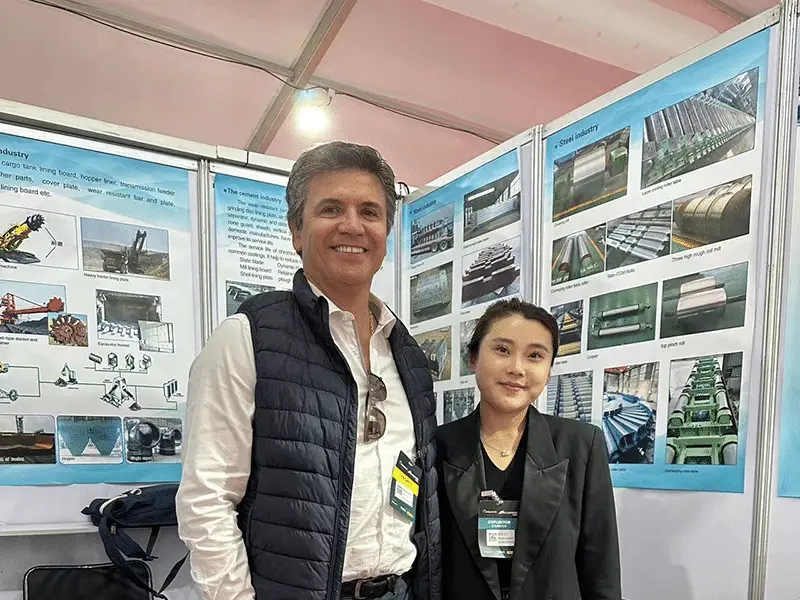
Participated in Latin America's largest mining event, presenting custom chute liners and high-alloy wires.
Sixth consecutive year collaborating with VAUTID Germany to deliver high-performance hardfacing alloys.
Providing specialized wear-resistant components and surfacing engineering solutions for heavy-duty environments.
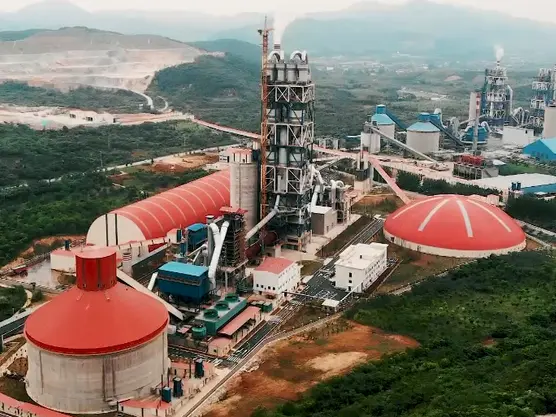
Cement plant equipment requires reliable protection against abrasion. Our wear-resistant alloys extend the service life of critical systems like vertical roller mills and separator cones.
View Solution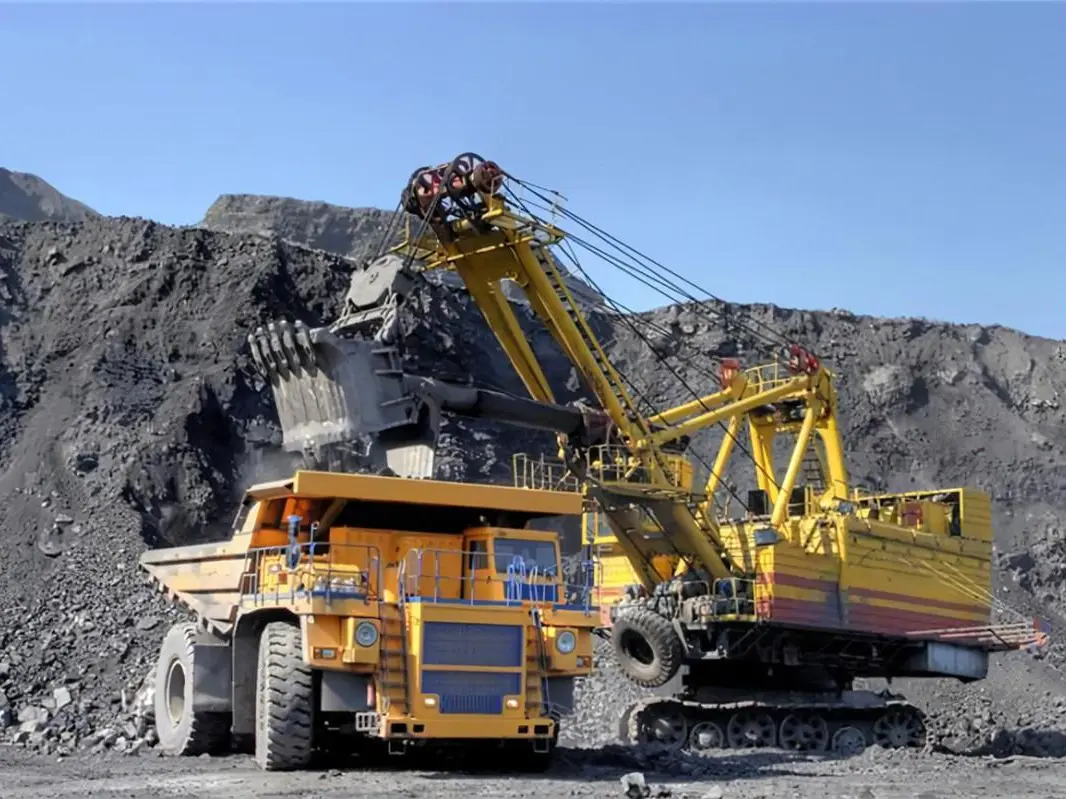
Our cost-effective wear plates protect mining buckets, hopper liners, and heavy-duty chutes from high impact and severe mineral abrasion.
View Solution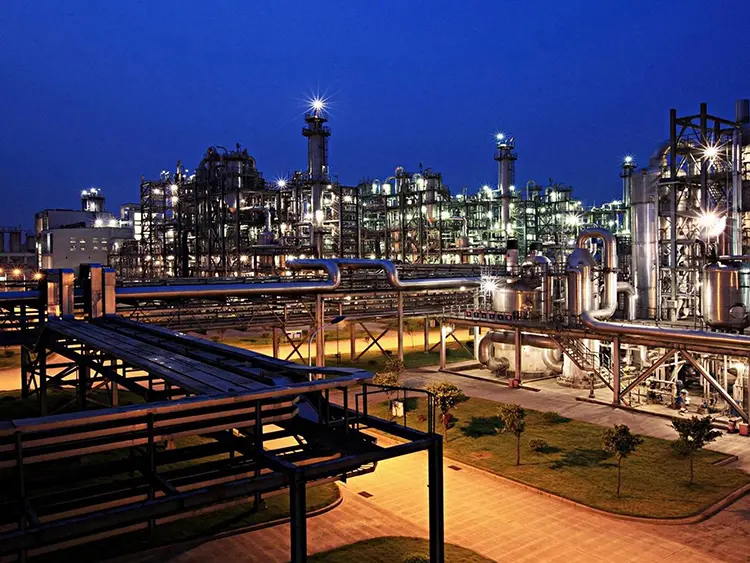
We supply alloys designed to withstand mechanical wear, high temperatures, and corrosion in sinter plants, blast furnace hoppers, and guide plates.
View Solution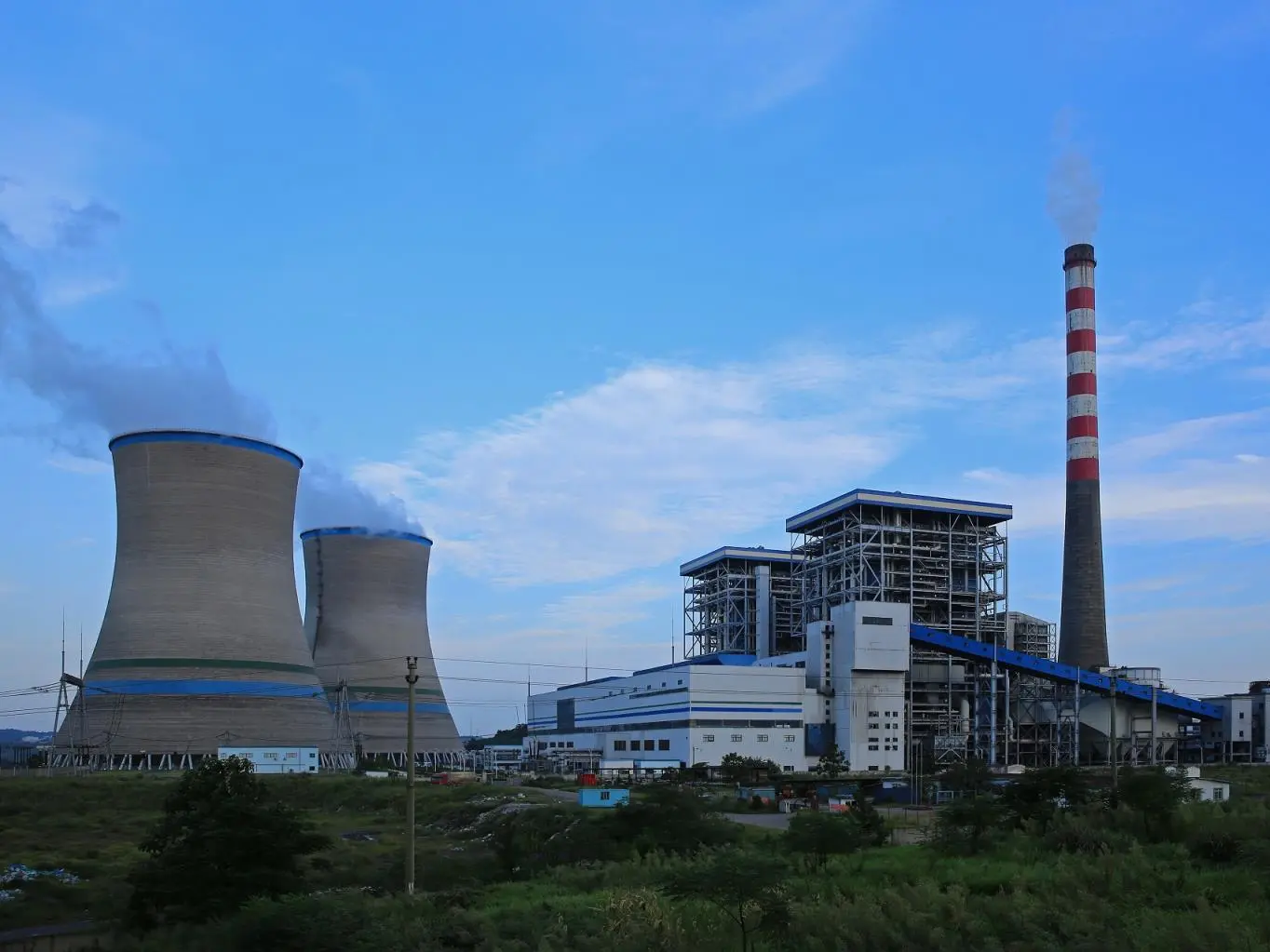
Wear protection for fan blades, fuel transport pipes, hopper liners, coal pulverizers, and dust collector systems in power stations.
View Solution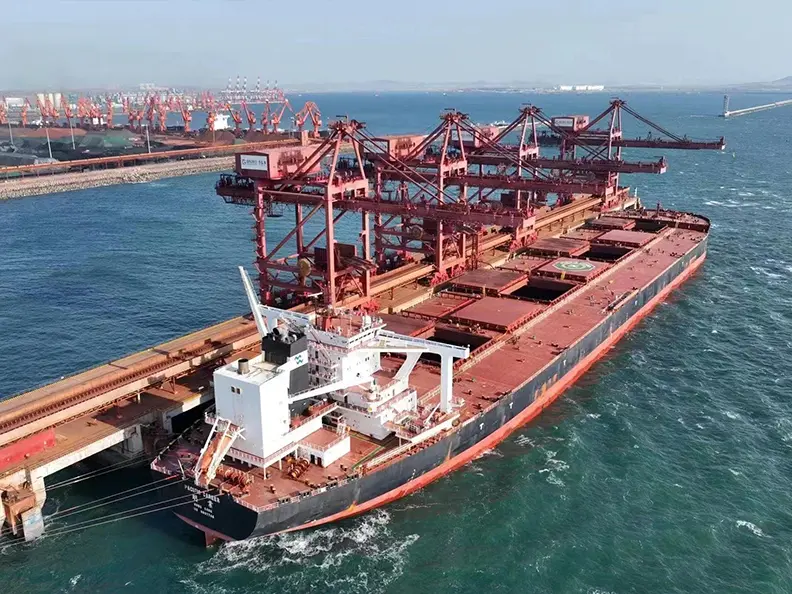
Protecting bulk material handling systems, grab buckets, stacker-reclaimers, and transfer chutes from continuous sliding wear during shipping operations.
View Solution
High-purity alumina ceramics designed for areas subjected to extreme velocity slurry erosion and fine particle abrasion where metal alloys are less suitable.
View Solution
Ongoing development of complex carbide alloys to improve wear life in high-temperature, corrosive processing plants.
View Solution
Developing automated sensing overlays designed to monitor real-time component wear, preventing unexpected system failures.
View SolutionAnswers to common engineering queries regarding alloy selection, welding techniques, and industrial applications.




Providing specialized automatic surfacing machinery and refurbishment services for industrial rollers and mills.
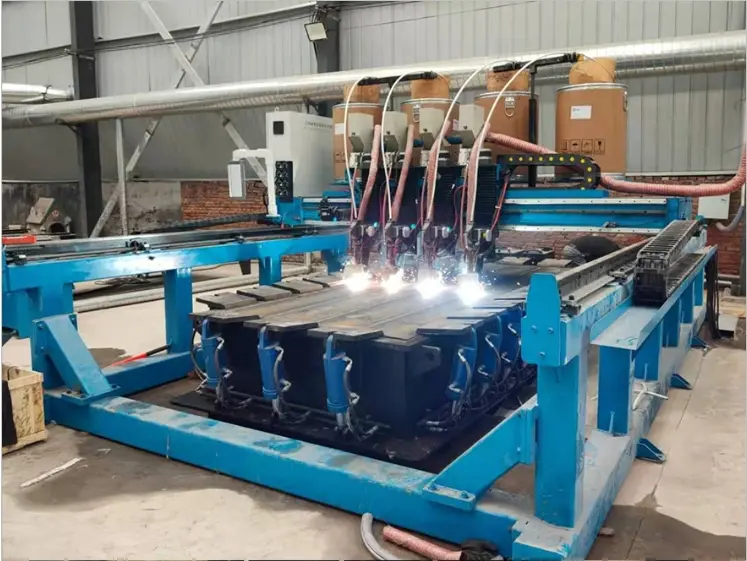
Automated CNC system featuring a 10.2-inch touch screen control interface. Equipped with four welding guns that can operate independently or in unison for efficient plate surfacing.
View Details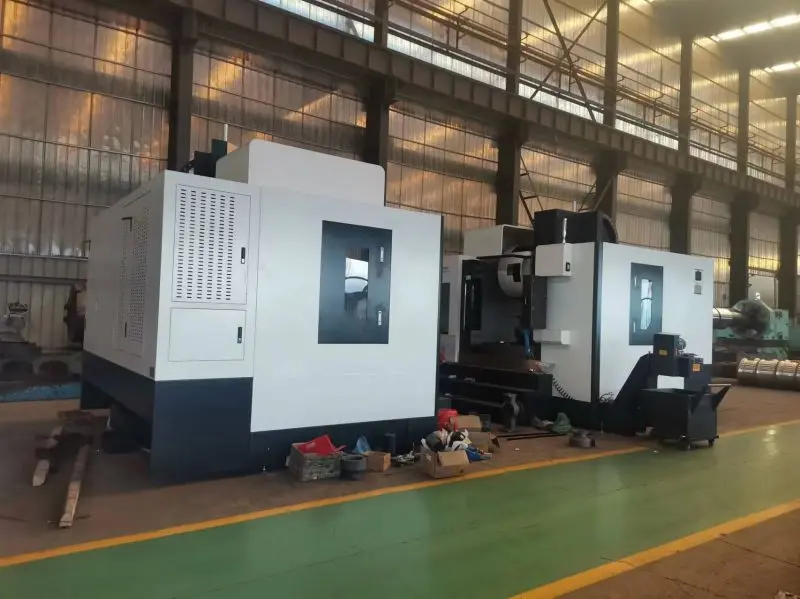
Full-service fabrication of custom-machined wear parts, hopper assemblies, and piping components built to OEM specifications.
View Details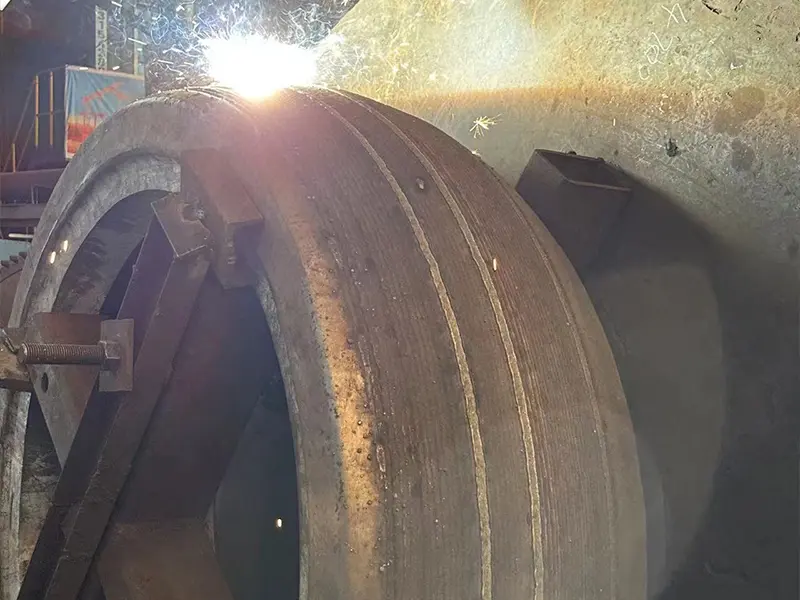
Specialized overlay repair service for steel mills and cement grinding rollers, helping companies lower operating costs and extend equipment life.
View Details
Wholesale high-alloy wear-resistant flux cored welding wires engineered for structural surface protection and continuous hardfacing operations.
View Details
High-Quality surfacing wear-resistant composite steel plate featuring uniform overlay hardness and optimized impact structural reinforcement.
View Details
ODM Runxing RX-m Series specifically developed for Mining, Cement and Chute Liner engineering, delivering extreme durability under heavy abrasive flow.
View Details
Tailored ODM wear plates designed and engineered using high-chromium overlays on structural steel backings for cement plant and quarry solutions.
View Details
High chromium alloy designed to resist high-stress grinding abrasion with minimal impact, specifically formulated for hardfacing rebuilds.
View Details Runxing machinery