Runxing machinery
The Evolution and Global Demand of Composite Wear Plates
1. Global Industrial Abrasion and the Need for Composite Materials
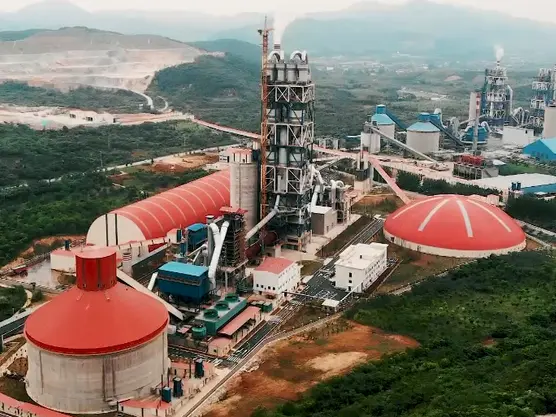
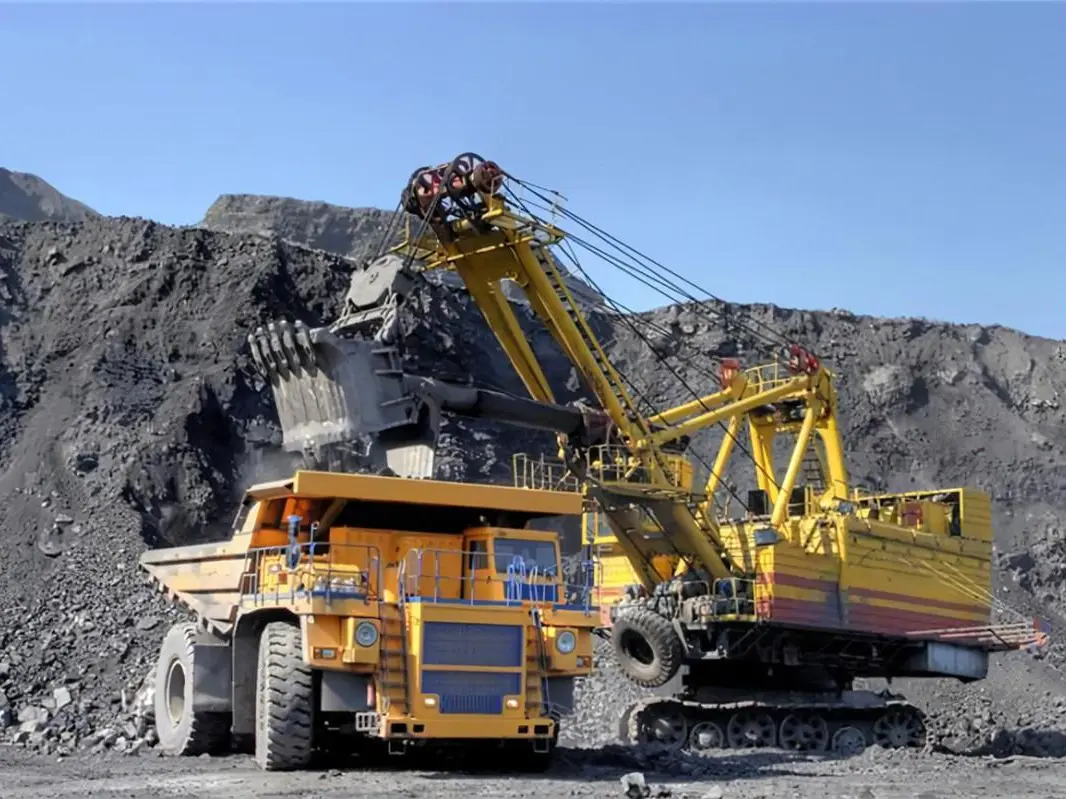
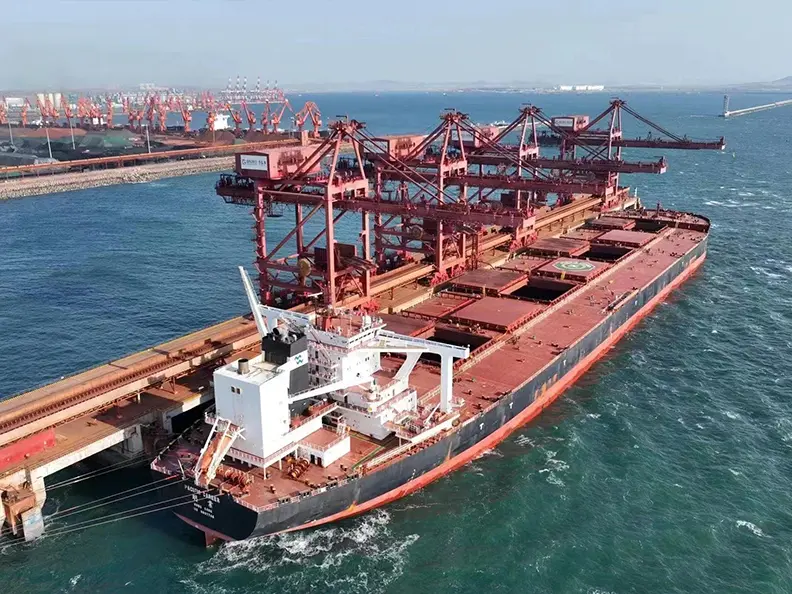
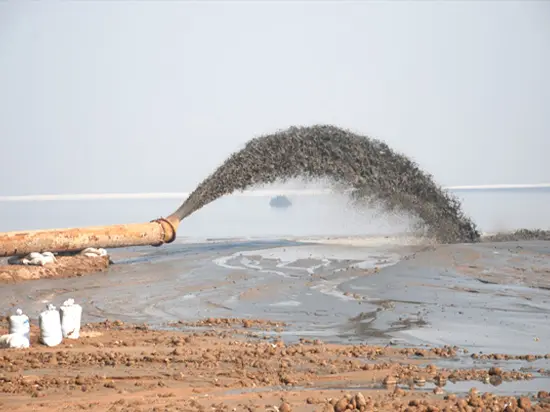
In heavy industrial operations such as bulk material handling, mining, cement production, steel making, and port dredging, machinery parts are continuously subjected to extreme sliding abrasion, severe impact, and temperature stresses. Traditional structural steels (like Q235 or Q345) and even basic quenched and tempered wear steels (like AR400 or AR500) often wear down rapidly in these aggressive environments. This leads to frequent unexpected downtime, high maintenance costs, and reduced factory output.
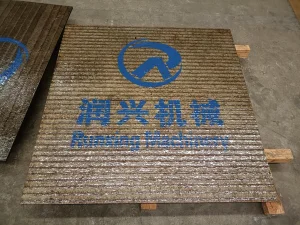
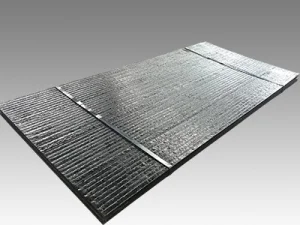
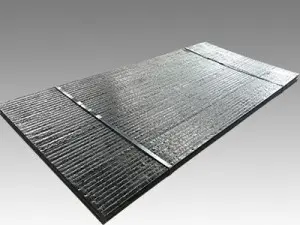
To address these issues, bimetallic chromium carbide overlay (CCO) wear plates have become the modern engineering standard. These plates feature a structural backing steel plate clad with a highly alloyed wear-resistant weld overlay. The primary metallurgical structure consists of M7C3 chromium-rich carbides (with microhardness reaching 1200–1600 HV) embedded in a tough eutectic matrix. This combination delivers excellent sliding wear resistance from the hard carbides, while the tough backing plate absorbs mechanical impacts and allows for easy installation via welding or bolting.
Technical Insight: According to DIN 8555 specifications, high-alloy CCO overlays are classified based on their wear-protection structures. Standard hardfacing alloys typically offer deposition hardnesses between 58 to 62 HRC, containing over 30% primary carbides. This microstructure helps deflect abrasive media such as silica, quartz, cement clinker, and iron ores.
2. Global Procurement Priorities: Supply Chain Resilience and Quality
Procurement teams at international mining operations, cement plants, and global equipment manufacturers look for more than just a low price. They focus on three key criteria: long-term wear performance (wear life ratio vs. standard steel), predictable delivery timelines, and consistent weld overlay quality (even thickness, minimal dilution, and managed stress-relief cracking).
Sourcing managers increasingly prefer suppliers that offer custom manufacturing (ODM/OEM) capabilities. Every chute, hopper, conveyor lining, and pipe elbow has unique geometry. Purchasing raw sheets that require on-site cutting, bending, and drilling is costly and inefficient. By partnering directly with a manufacturer that handles CAD engineering, CNC plasma cutting, roll forming, and pre-drilling, buyers receive ready-to-install components that reduce installation times by up to 60%.
3. China Factory 4.0: Runxing Machinery's Advanced Integration
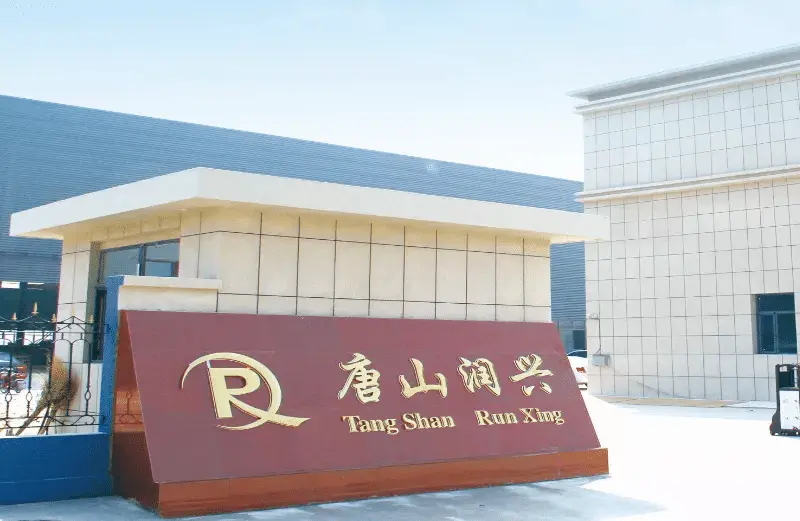
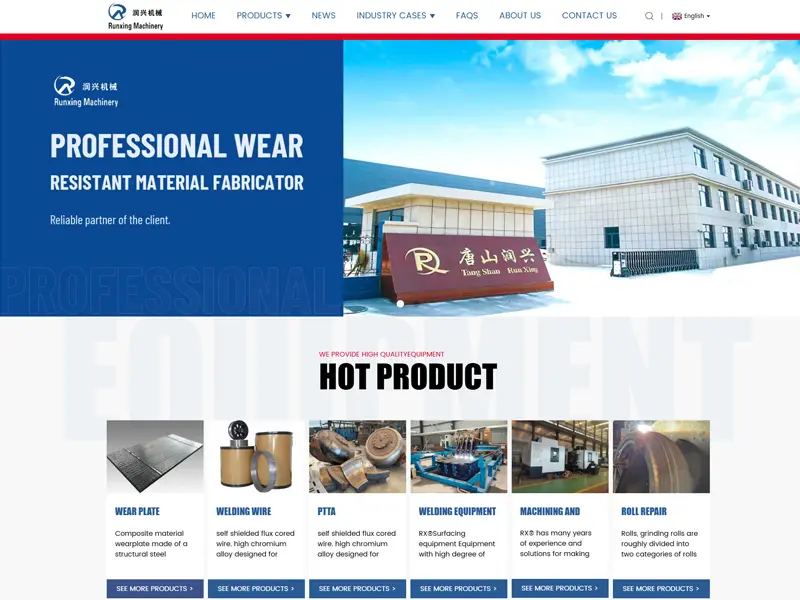
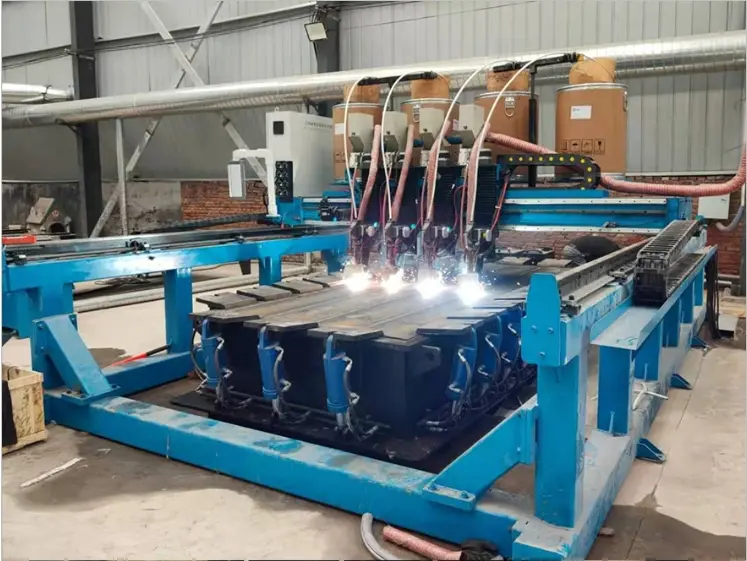
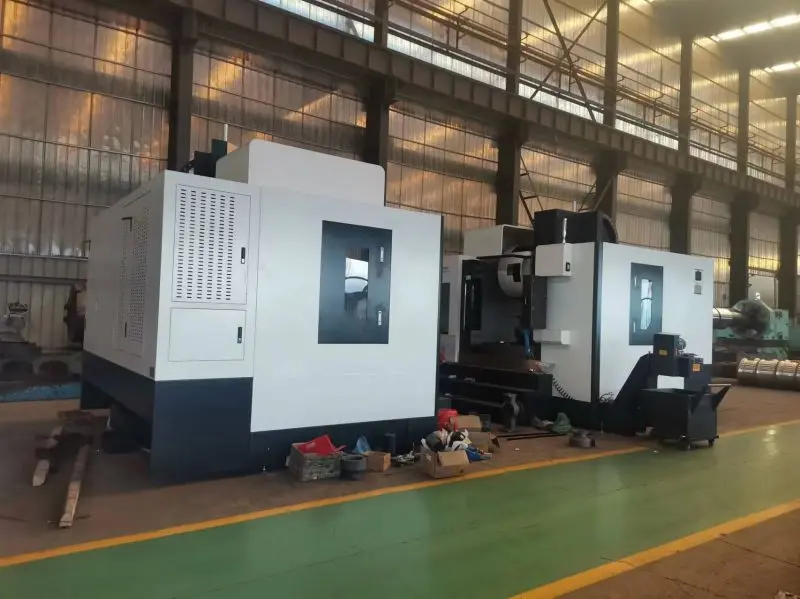
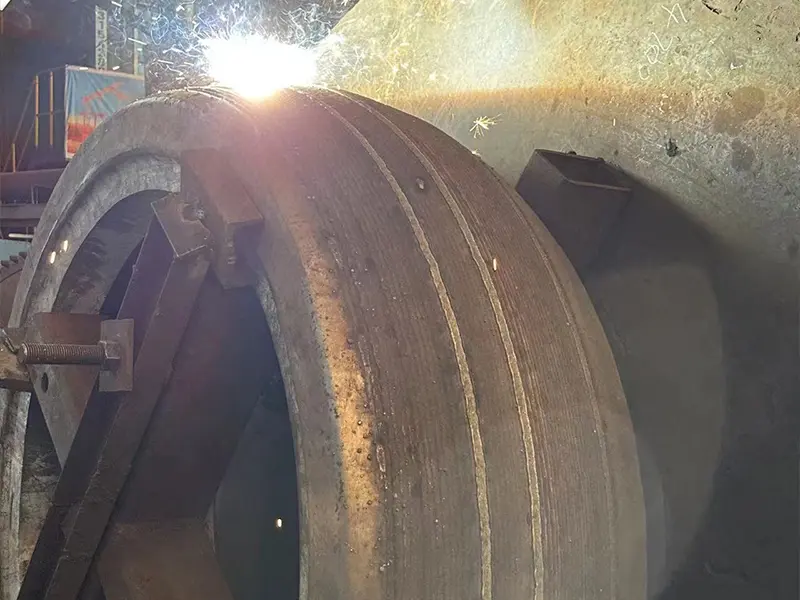
Tangshan Runxing Machinery Co., Ltd., established in 2010, is an example of modern industrial hardfacing manufacturing. Located in the industrial hub of Tangshan, Hebei Province, Runxing leverages high-efficiency manufacturing processes and automated machinery. Equipped with CNC multi-gun automated overlay welding tables, the company ensures consistent penetration depth and uniform deposit runs across all CCO wear plates.
Their production capabilities are complemented by structured international trade operations. All export activities, customs clearance, and logistics are managed by Hebei Yuwan International Trade Co., Ltd. This specialized partnership ensures smooth administrative processing, secure payments, and reliable deliveries to markets including Russia, Central Asia, Africa, and South America.
Additionally, Runxing Machinery has maintained a close partnership with Germany's VAUTID brand, serving as a qualified agent for six consecutive years. This cooperation ensures access to premium raw materials and keeps the factory's welding technologies aligned with European quality standards.