Explore our top-tier selection of chromium carbide overlay plates, self-shielded flux-cored wires, and custom hardfacing engineering solutions designed to withstand extreme abrasive environments.
In modern heavy industries—such as mining excavation, cement processing, iron and steel metallurgy, coal-fired power generation, and port logistics—equipment degradation caused by severe mechanical wear, high-stress abrasion, and thermal impact constitutes one of the most significant cost drivers. Traditional metal alloys quickly succumb to the abrasive forces of highly consolidated earth materials, cement clinker, iron ore, and abrasive ash slurry. To mitigate this structural degradation, global operators have shifted from simple material replacement to sophisticated surface engineering, where Arc Welding Electrodes play a key metallurgical role.
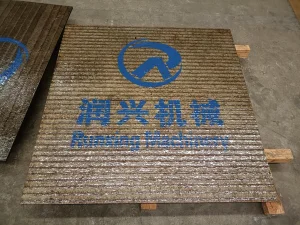
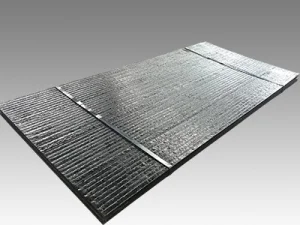
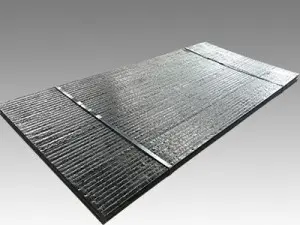
As a leading ODM/OEM manufacturer and supplier, we specialize in high-alloy and chromium carbide overlay (CCO) manual electrodes and flux-cored systems. These products are formulated to deposit a dense, wear-resistant secondary layer onto structural basemetals (carbon steels, low alloy steels, manganese steels). By incorporating critical carbide-forming elements such as Chromium, Niobium, Boron, Titanium, and Tungsten, our custom electrodes restore worn components and multiply their standard service life by up to 300% to 800%.
Understanding the global supply chains, material requirements, and dynamic regional needs that drive modern procurement strategies for shielded metal arc welding (SMAW) consumables.
Industrializing regions across Southeast Asia, South America, Central Asia, and Africa are experiencing rapid growth in mining and infrastructure projects. This creates a high volume demand for reliable manual welding electrodes capable of field repair in remote regions where automated wire feeders are impractical due to restricted electrical grids or harsh environments.
As operating margins contract, heavy industrial plant managers demand consumables that do not merely patch worn components, but extend their service life. Standard carbon-steel and low-alloy repair rods are being replaced by high-chromium, niobium-alloyed, or tungsten-carbide-doped electrodes that offer superior abrasion resistance under intense friction.
Global operations require strict adherence to international standards such as AWS (American Welding Society) A5.13/A5.21, DIN 8555, and EN 14700. Our manufacturing protocols match these codes, ensuring that our ODM clients receive products with stable arc properties, minimal slag, low spatter, and predictable chemistry in every batch.
Founded in 2010, Tangshan Runxing Machinery Co., Ltd. is a professional manufacturer located in Tangshan, Hebei Province, focusing on the research, development, production, and on-site construction service of premium hardfacing wear-resistant metal products. Over more than a decade, we have established ourselves as an industry leader in surface engineering.
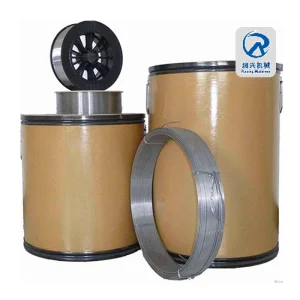
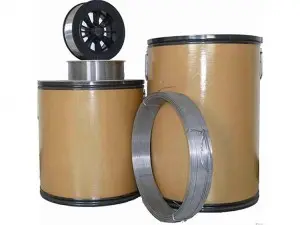
Our core portfolio includes: chromium carbide overlay (CCO) wear plates, customized wear liners, wear-resistant pipes and fittings, hardfacing flux-cored welding wires, automatic hardfacing surfacing equipment, and specialized roller rebuilding repair services. Our design philosophy relies on mature, advanced metal surface engineering technology designed to withstand severe wear.
To provide high-quality service to international buyers, all export logistics, trade documentation, payments, and customs clearances are managed by our fully authorized export arm: Hebei Yuwan International Trade Co., Ltd. This division of labor allows our manufacturing facility in Tangshan to focus entirely on metallurgical precision, quality control, and timely delivery.
Our strategic alignment with international market leaders is highlighted by our 6-year history as a qualified agent for VAUTID in Germany, a partnership established in 2019. This collaboration allows us to combine European metallurgical standards with high-efficiency Chinese manufacturing, providing optimized wear protection systems for global buyers.
We design, manufacture, and refurbish high-performance wear components, supplying specialized automated surfacing equipment to heavy industry clients globally.
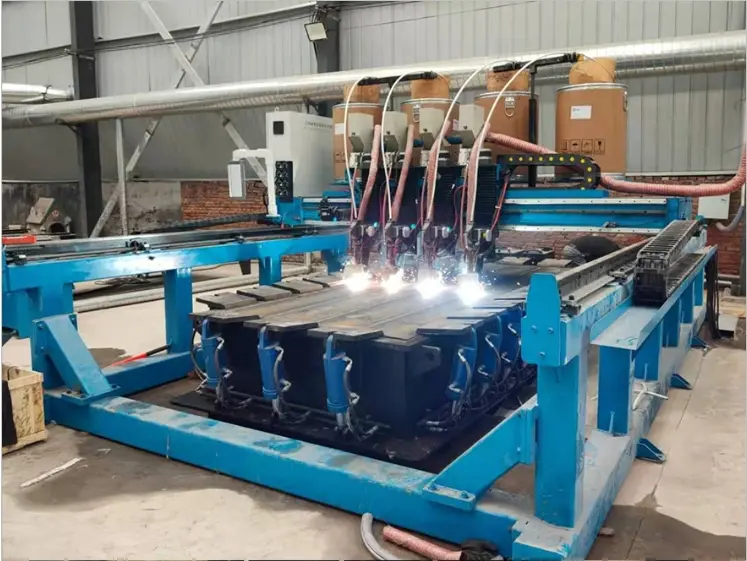
RX® Surfacing Equipment features advanced numerical control systems operating through a 10.2-inch touchscreen interface. This equipment offers uniform speed swing welding, wide and narrow adjustable paths, and a high degree of automation. Fitted with four welding guns working independently or simultaneously, it accommodates solid-core, flux-cored, and self-shielding wires for CCO wear plate production, mill roll rebuilds, and grinding table repairs.
See more products >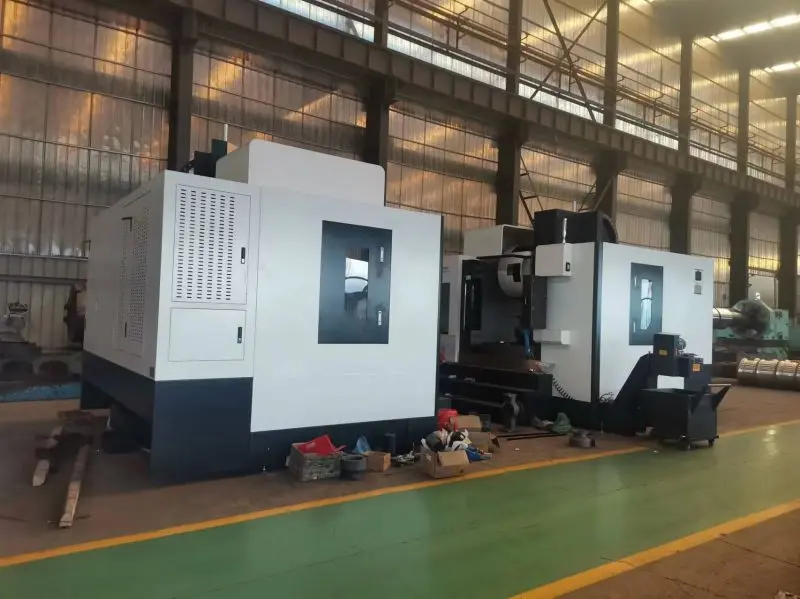
RX® Engineering provides turnkey custom machining and design solutions. We build customized machinery, mechanical components, and fabricated assemblies. Our factory processes and forms hard, brittle materials into exact dimensions, ensuring that bolt holes, mounting slots, and complex curves fit structural assemblies.
See more products >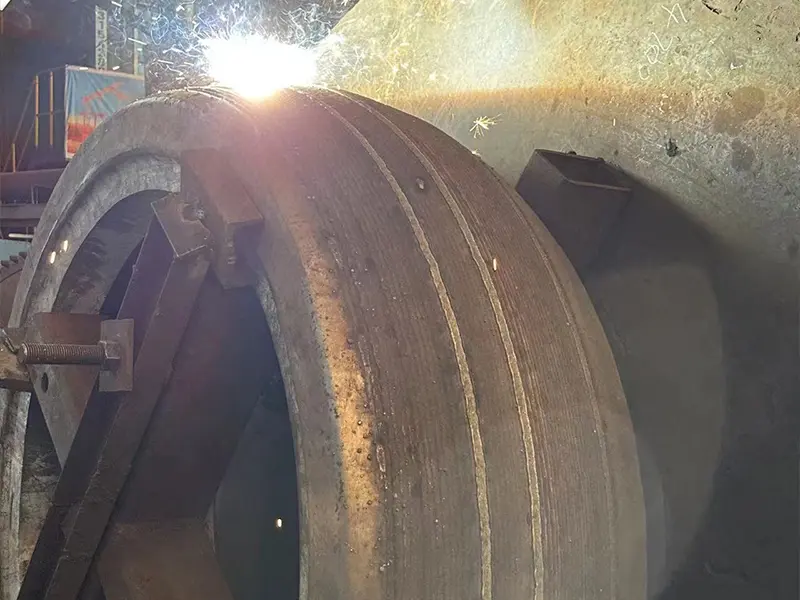
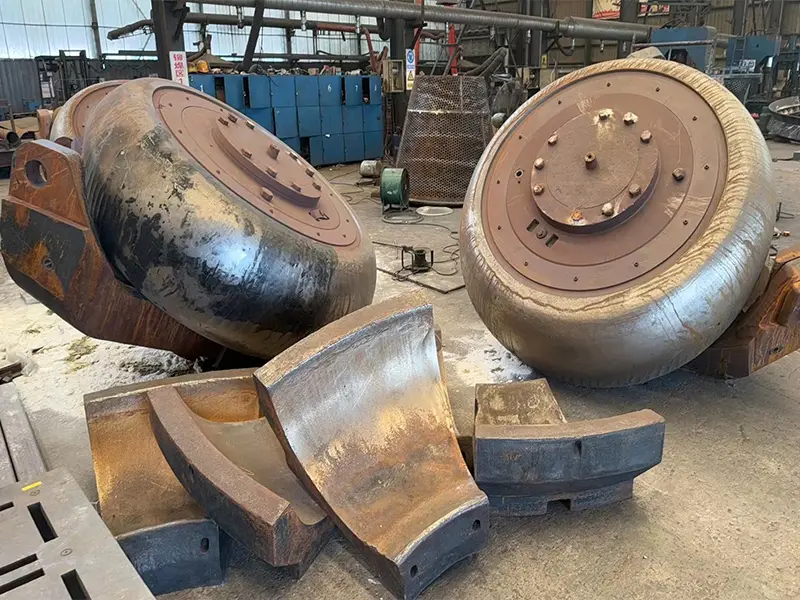
We offer specialized repair services for casting lines, conveyor rolls, and vertical mill grinding rolls used in cement plants, steel mills, and coal power stations. The service life of these rolls determines overall operational efficiency. Our surfacing reconstruction processes utilize high-alloy wire to rebuild profile geometry, extending operational runtimes.
See more products >The performance of a hardfacing arc welding electrode is determined by its core wire alloy formulation and the chemical reactions in its flux coating. Our engineering team designs coatings that function both as a shield and as an alloy recovery system.
Selecting the appropriate welding electrode requires matching the wear mechanism of the application to the metallurgical properties of the weld metal. Impact, abrasion, and temperature work in combination; choosing the wrong alloy can lead to premature failure.
For applications involving severe sliding abrasion without heavy impact—such as cement chutes, fan blades, or coal dust pipes—we supply high-chromium, high-carbon alloys. These coatings form dense arrays of chromium carbides that resist micro-ploughing. For high-impact applications like rock crushers, we formulate manganese-alloyed electrodes that work-harden from 200 HB up to 500 HB under mechanical impact while retaining tough, crack-resistant cores.
For high-temperature applications (up to 800°C), we add elements like Niobium, Molybdenum, and Tungsten. These elements form stable secondary carbides that resist tempering, ensuring the structural components remain protected at elevated temperatures.
Tangshan Runxing Machinery Co., Ltd. operates in Hebei Province, the industrial steel and metallurgical center of China. This location provides access to high-quality raw steels, alloy powders, and technical expertise. Our integrated manufacturing process delivers significant cost and quality advantages for our global ODM partners:
Our proximity to primary steel mills and powder metallurgy suppliers reduces domestic logistics costs and allows us to test and select consistent chemical inputs for core wires and flux ingredients.
We utilize automated dry-mixing, high-pressure extrusion, and temperature-controlled drying ovens. These automated systems maintain uniform flux concentricity and moisture control, reducing weld porosity and arc instability.
Our engineering team collaborates with regional institutions, including Tangshan University. This ongoing R&D partnership supports material testing and the development of new wear-resistant alloys.
We maintain strict quality control protocols from raw materials to final shipping. Every batch of electrodes undergoes chemical analysis and test welds to confirm consistent deposition rates, dilution profiles, and hardness values.
Export Management:
All international shipments, customs clearance, billing, and logistics documentation are handled by Hebei Yuwan International Trade Co., Ltd., ensuring compliance with regional import standards.
Our wear protection products are applied across heavy industries worldwide, designed to withstand the specific abrasives and operating conditions of each sector.
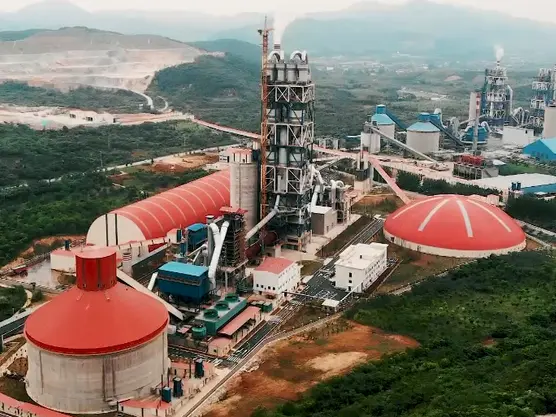
Equipment availability is critical in cement manufacturing. Our wear-resistant products protect vertical mill components, chutes, and hopper walls from raw cement meal and hot clinker.
See Case Studies >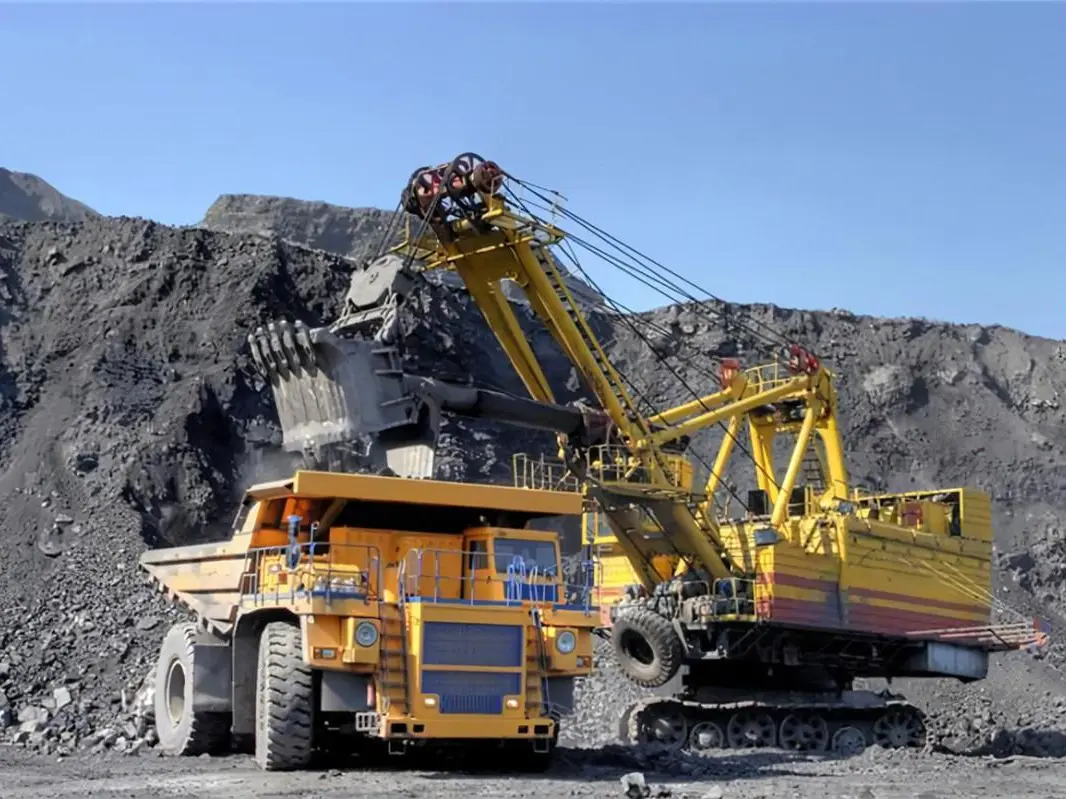
We supply high-abrasion wear plates and hardfacing electrodes to protect excavator buckets, dragline components, and crusher liners from geological ores and stone abrasion.
See Case Studies >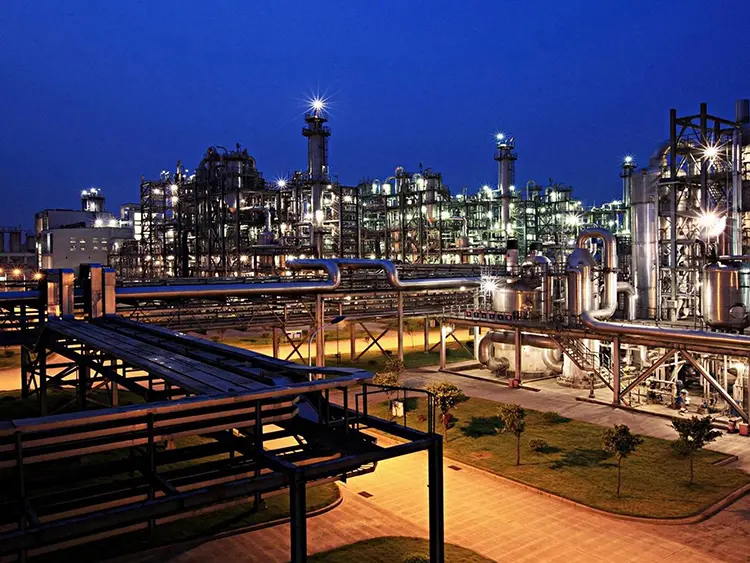
Steel production involves high temperatures and mechanical stress. Our hardfacing systems protect sintering grates, guide rolls, and coke chutes from thermal erosion and impact.
See Case Studies >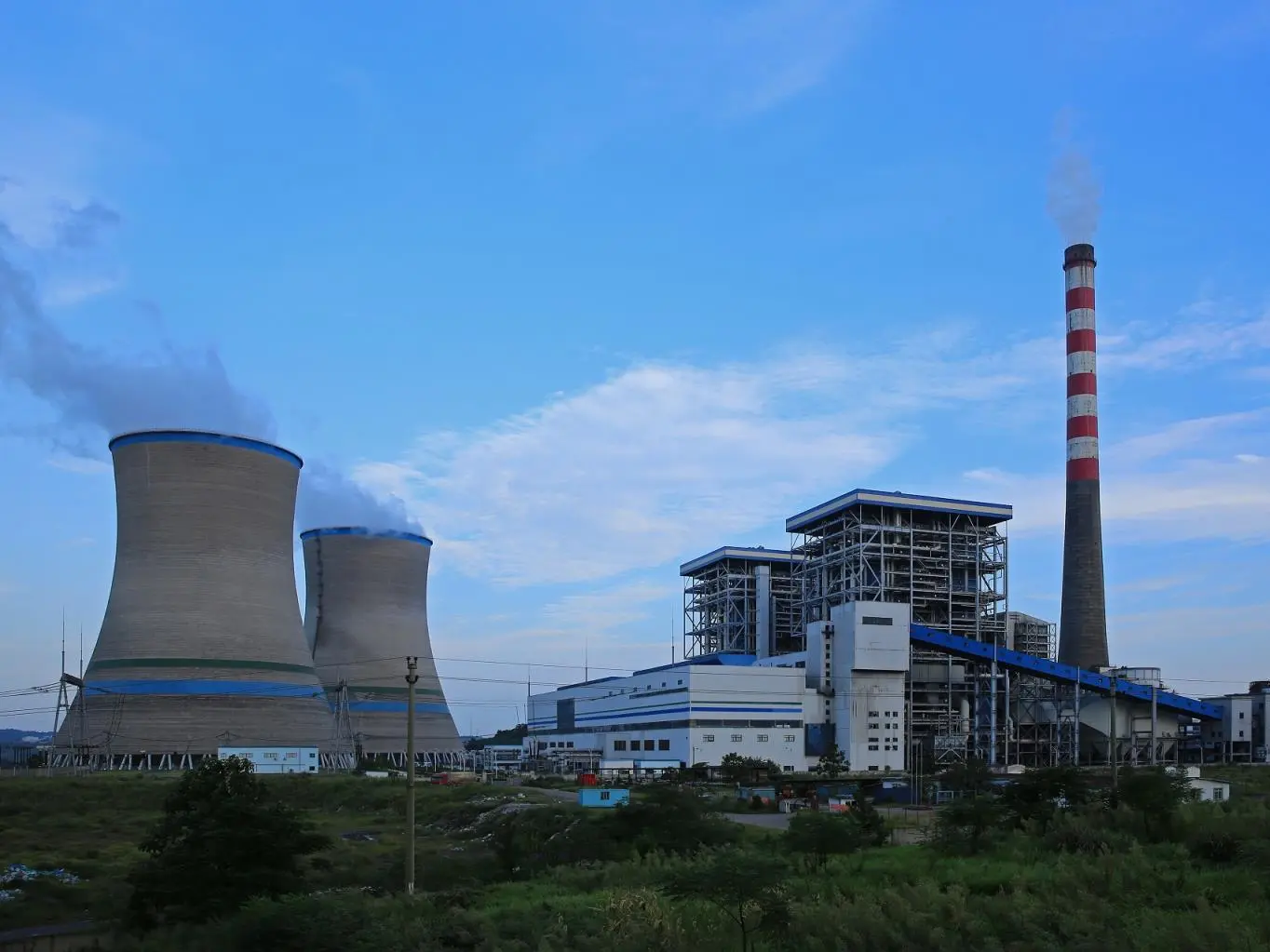
We provide hardfacing coatings for fan blades, fuel chutes, pulverizer rollers, and hopper liners to prevent abrasion from pulverized coal and fly ash.
See Case Studies >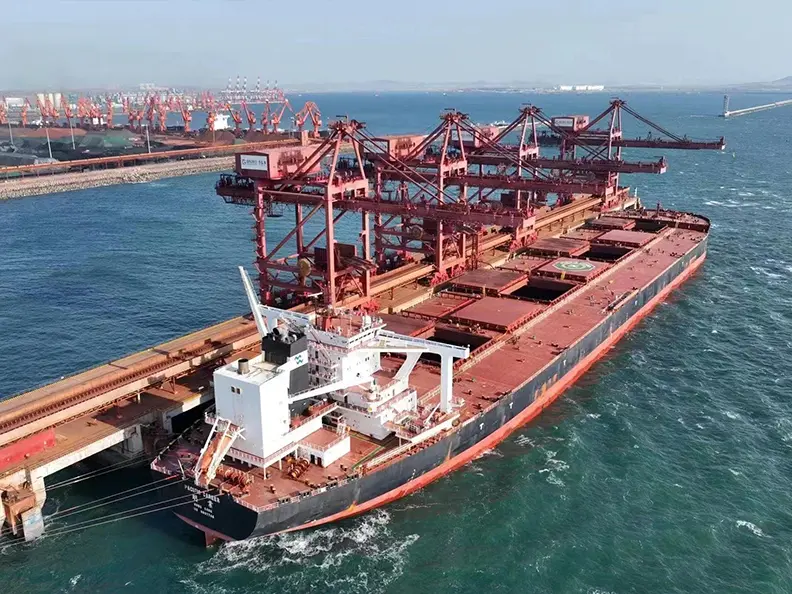
Our alloys protect bulk loading chutes, conveyor transfer points, and grab bucket edges from abrasive materials handling during transshipment.
See Case Studies >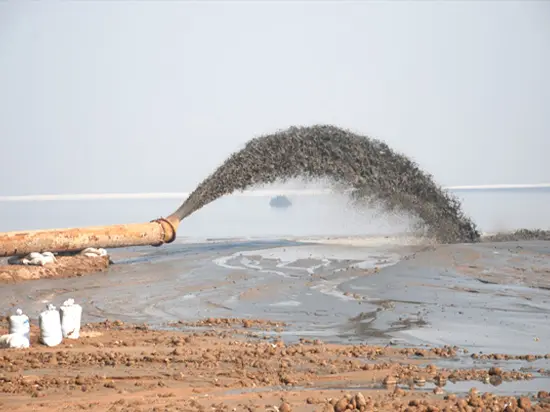
For systems experiencing extreme fine particle abrasion, we integrate high-purity alumina ceramics (sintered at high temperature) to provide localized protection.
See Case Studies >
We continue to develop new hardfacing alloys, custom formulations, and automated surfacing machinery profiles to meet evolving industrial requirements.
See Case Studies >
Our logistics network supports shipping, customs clearance, and delivery to international mining operations, steel mills, and cement plants.
See Case Studies >The hardfacing sector is shifting toward materials with lower environmental impact and higher wear resistance. Key developments driving current R&D include:
Standard hardfacing relies on high concentrations of carbon and chromium. While effective for basic sliding abrasion, this configuration can crack under heavy impact. Modern formulations use micro-alloying elements like vanadium, niobium, and boron to form complex multi-component carbides. These refine the weld structure and improve crack resistance while maintaining target hardness values.
A structured guide for procurement managers selecting hardfacing and arc welding electrode partners.
Select suppliers that offer custom metallurgical adjustments. Small variations in carbon, chromium, or niobium content allow you to optimize the wear resistance of your components for specific operational conditions.
Verify that your manufacturing partner runs comprehensive QA inspections, including chemical testing, hardness checks, concentricity evaluations, and moisture analysis of the electrode coatings.
Ensure your supplier has dedicated export management, like Hebei Yuwan International Trade, to handle customs documentation, container logistics, and payment terms, preventing project delays.
We participate in international trade exhibitions and collaborate with academic institutions to share developments in wear-resistant surfacing technology.
We presented our hardfacing consumables and automated surfacing solutions at the 2024 South Africa International Construction & Mining Machinery Exhibition in Johannesburg, meeting with regional operators.
read more >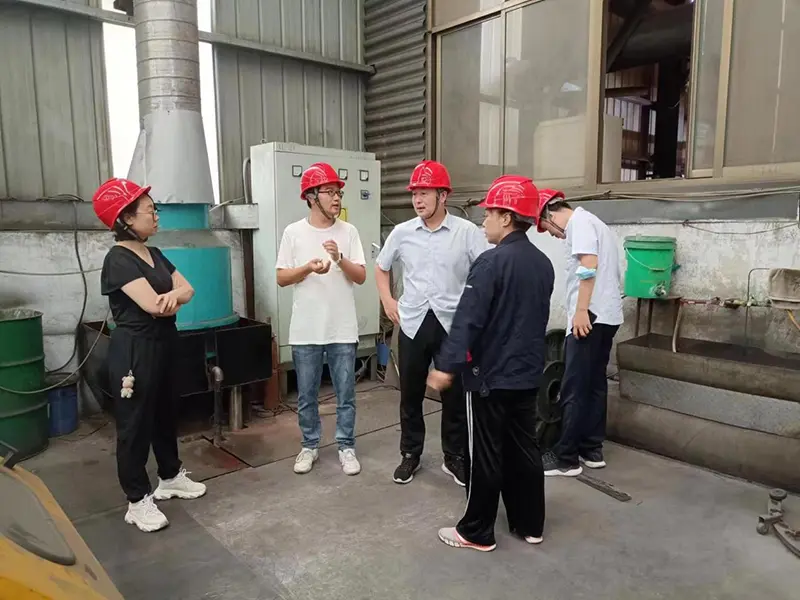
Dean Yuan Shaoqiang, Vice Dean Li Jing, and Professor Yang Yuehui visited our plant to inspect metal materials forming research, welcomed by GM Li Xiuhua and VP Cui Jianying.
read more >
For six consecutive years since 2019, Tangshan Runxing Machinery has served as a qualified agent for VAUTID Germany, integrating premium European materials into custom solutions.
read more >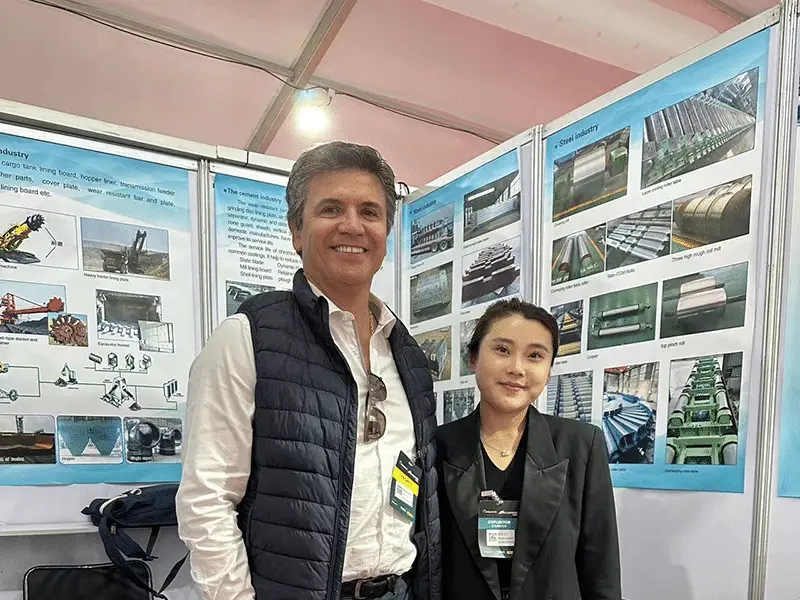
Runxing Machinery exhibited at EXPOMIN 2023 in Chile, presenting our chromium carbide overlay plates and hardfacing consumables to South American mining operators.
read more >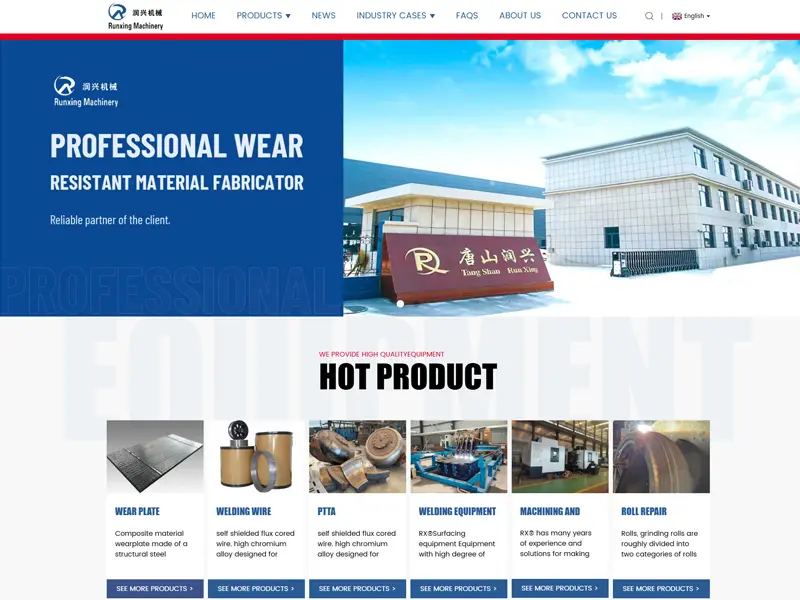
Our digital portal (www.runxing-machinery.com) is operational, providing technical documentation and procurement support for industrial wear protection products.
read more >Answers to common questions regarding our ODM welding electrodes, application procedures, and logistical coordination.
Review our gallery of CCO plate shipments, technical tests, and on-site applications across our global operations.




 Runxing machinery