Technical Whitepaper & Industrial Analysis
In modern heavy industries—ranging from mineral extraction to thermal power generation—equipment degradation due to severe sliding abrasion, impact, and high-temperature oxidation constitutes a multi-billion-dollar maintenance challenge. Industrial wear surfaces are subjected to continuous three-body abrasion where hard particulate matter cuts, grooves, and micro-ploughs traditional steel substrates. To mitigate these degradation mechanisms, surface engineering via hardfacing overlays has emerged as the premier cost-effective method to prolong service life and maintain operational efficiency.
This document presents a comprehensive analysis of modern weld overlay technologies, with specific focus on Chromium Carbide Overlay (CCO) composites, high-alloy flux-cored wires, and autonomous cladding equipment. Through rigorous metallurgical design, manufacturers can synthesize a hypereutectic microstructure characterized by primary chromium-rich hexagonal M7C3 carbides embedded within a tough, shear-resistant eutectic matrix. The resulting material system provides unmatched protection against high-stress grinding abrasion, ensuring maximum service availability in critical industrial systems.
Pioneering Wear-Resistant Engineering
Founded in 2010, Tangshan Runxing Machinery Co., Ltd. is a premier professional manufacturer located in Tangshan, Hebei Province—the steel heartland of China. We specialize in the research, development, manufacturing, and on-site engineering service of hardfacing wear-resistant metal materials and automated cladding machinery. Our primary objective is to engineer high-integrity surface solutions that significantly reduce operational downtime and replacement costs.
For over six consecutive years since 2019, Runxing Machinery has maintained a highly successful collaboration as a qualified partner for VAUTID brand welding materials in Germany. By combining European metallurgical standards with Chinese supply chain flexibility, we deliver top-tier wear-resistant structures tailored to the harshest industrial applications globally, with a dominant market footprint in Russia, Central Asia, and beyond.
Advanced Production Capabilities
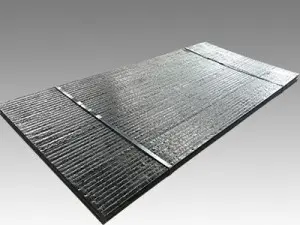
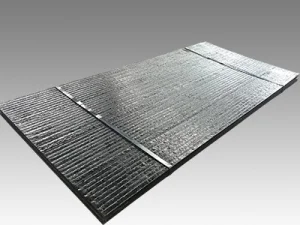
Engineered using structural carbon steel backing (DIN 8555 compliant) and clad with high-density chromium carbide. RX®wp 7600 offers excellent sliding wear resistance, high shear integrity, and works perfectly under extreme loading.
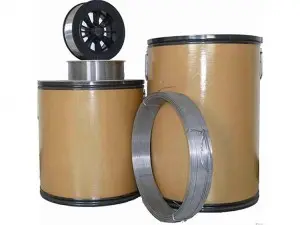
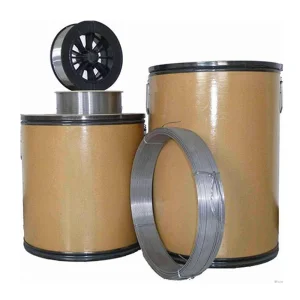
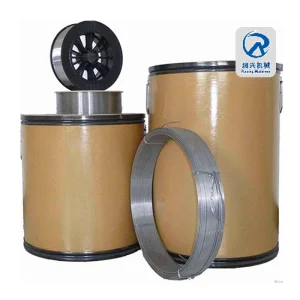
Self-shielding and open-arc high-alloy wires optimized for maximum wear resistance. Designed to deposit a rich hypereutectic microstructure that resists high-stress grinding abrasion under low-impact environments.
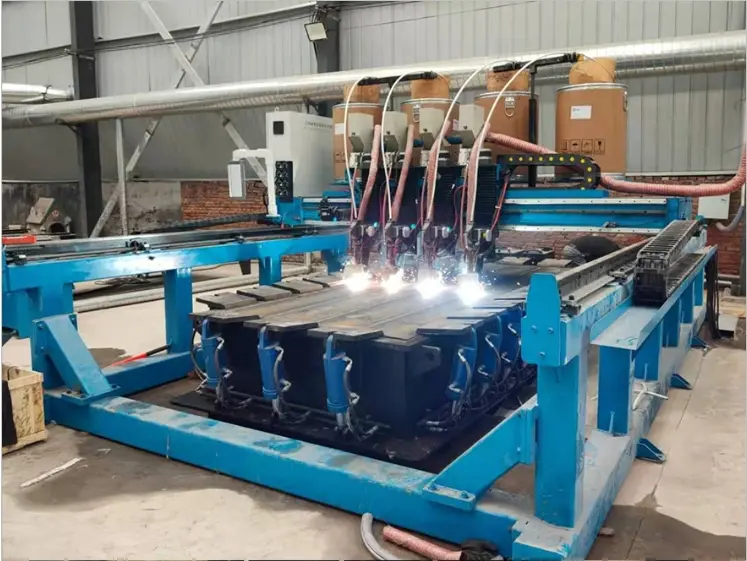
High-efficiency PLC-controlled open-arc cladding machines. Incorporating a 10.2-inch industrial touch screen, configurable swing parameters, and 4 independent welding torches for simultaneous high-deposition output.
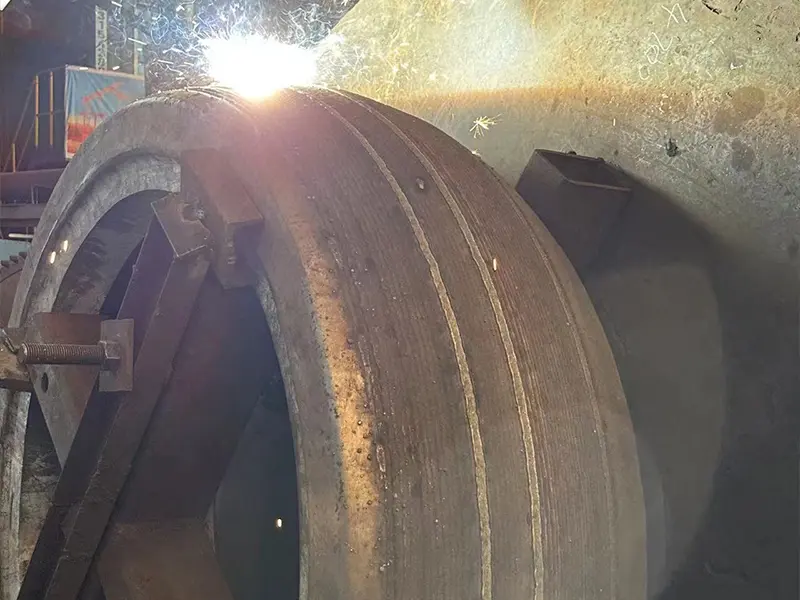
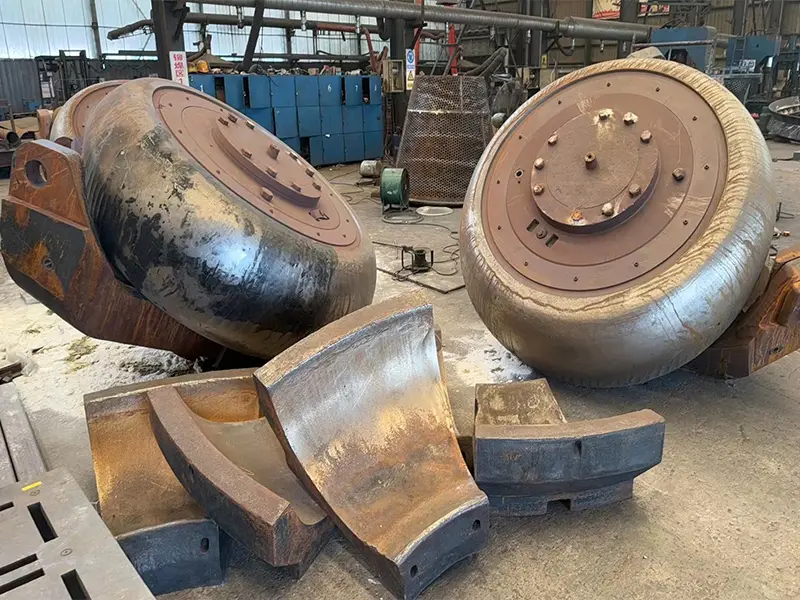
Comprehensive wear rebuild and cladding services for vertical mill grinding rolls, table segments, and high-pressure grinding rollers (HPGR) to ensure extended operation in cement plants and coal pulverizers.
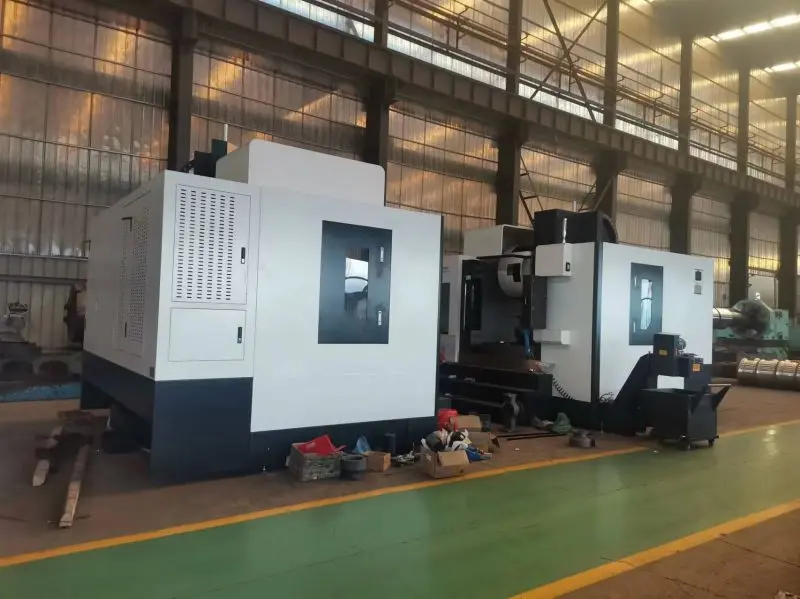
Fully equipped precision engineering workshop providing mechanical customization, custom-fit liner plates, complex piping systems, elbow fabrications, and structural integration services.
The field of surface engineering is undergoing rapid technological transitions. While conventional open-arc surfacing and submerged-arc welding have long served as workhorses, they suffer from higher thermal inputs. High thermal input causes a broad Heat-Affected Zone (HAZ), leading to geometric distortion and a high dilution rate from the parent carbon steel plate into the chromium carbide overlay deposit.
To overcome these challenges, our technological roadmap focuses on two primary vectors:
Global Sector Applications
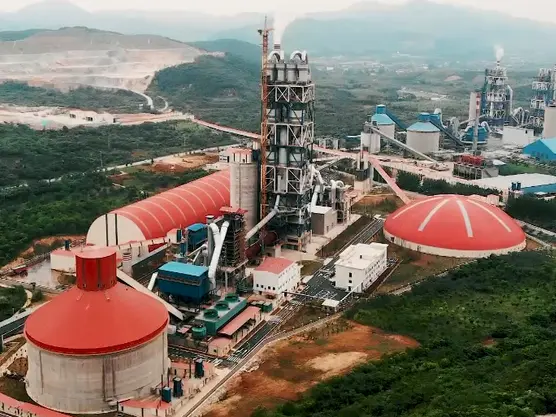
Critical machinery availability relies directly on wear protection. Our solutions optimize vertical raw mills, chutes, clinker discharge liners, and cyclones, preventing high-stress abrasive wear and increasing system runtime.
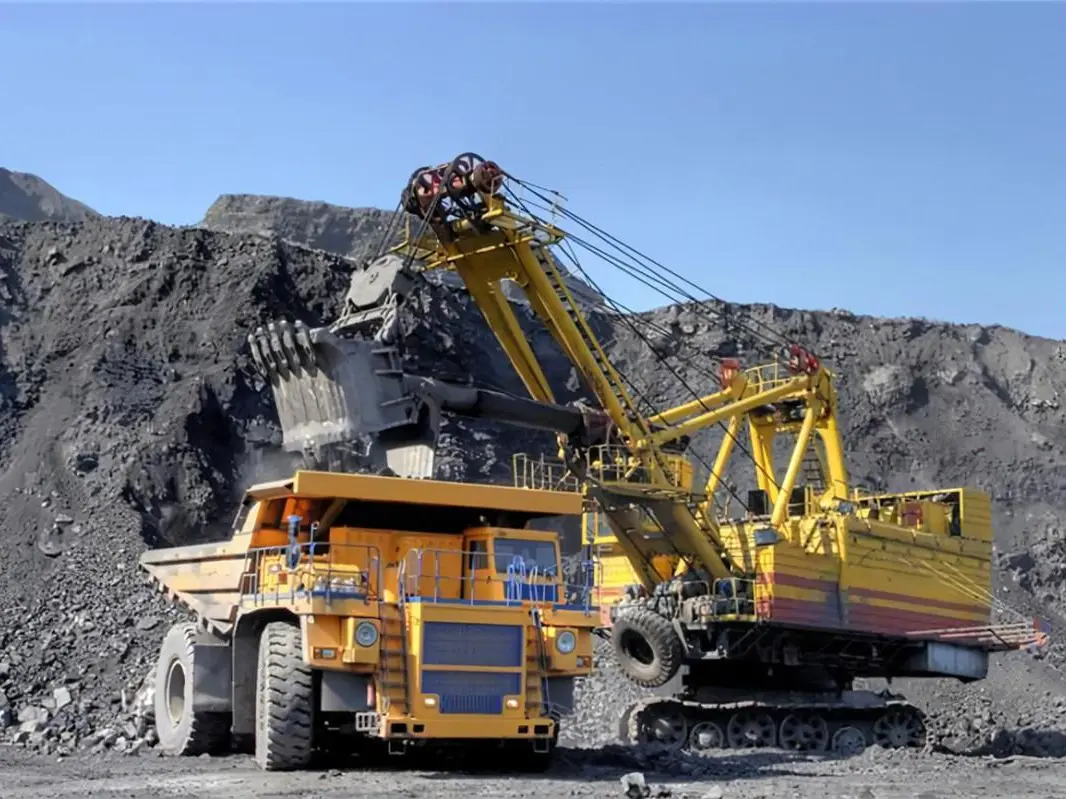
We provide long-life solutions for excavators, dump trucks, conveyor chutes, and vibrating screens. Our high-carbide composite plates withstand severe impact and sliding friction from abrasive ore bodies.
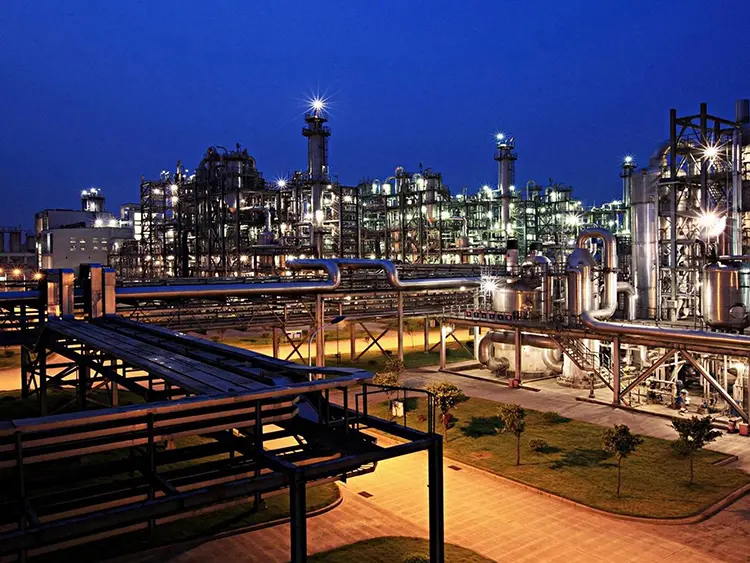
Blast furnace feed systems, sinter crushers, coke guide plates, and skip cars are subject to both high temperatures and abrasive dust. Our hot-wear resistant overlays extend these parts' lifetimes significantly.
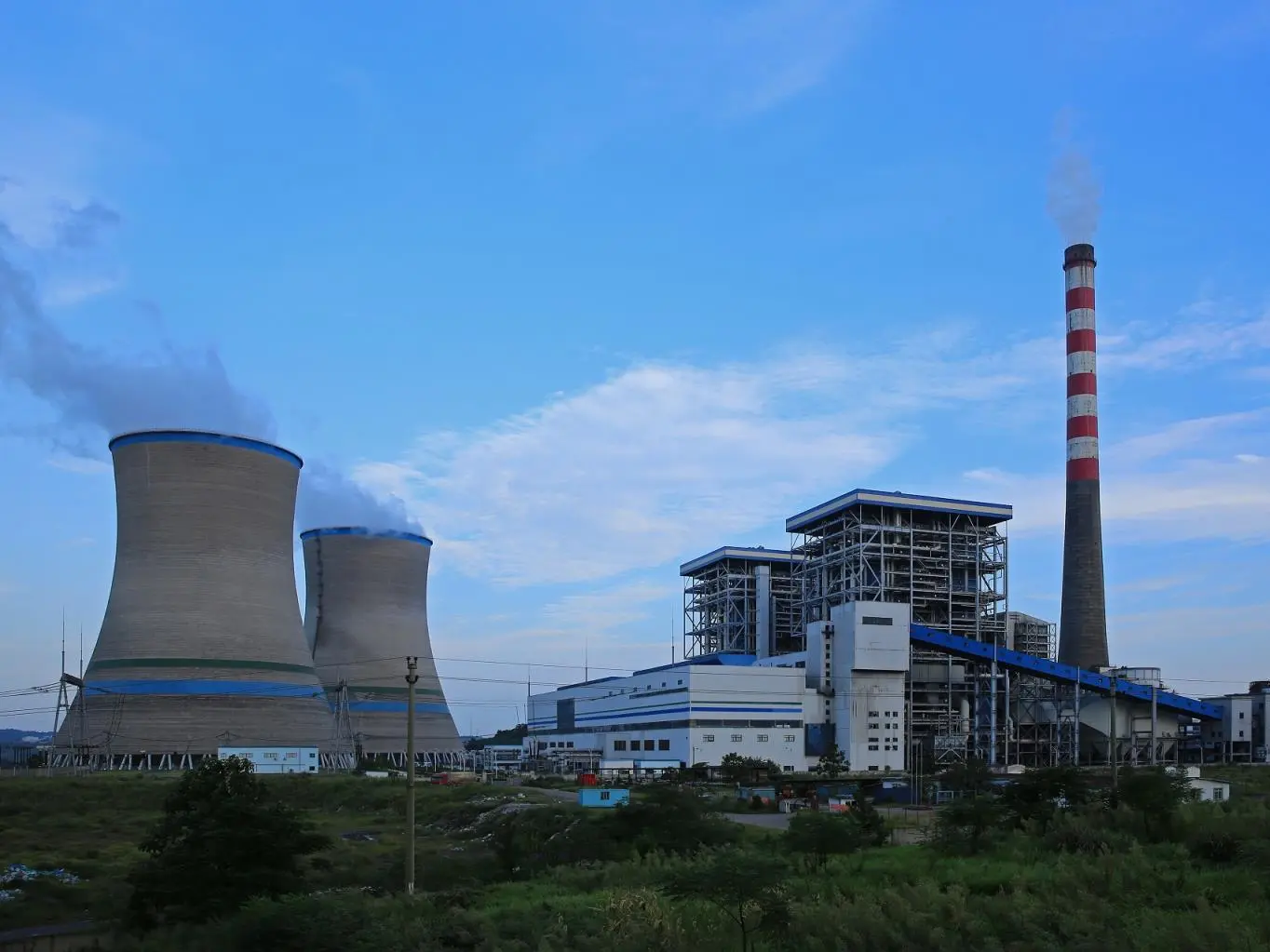
Combating severe erosion on induced-draft fan blades, coal pulverizer segments, burner nozzles, and pneumatic ash handling pipes. We prevent premature structural failures and keep units online.
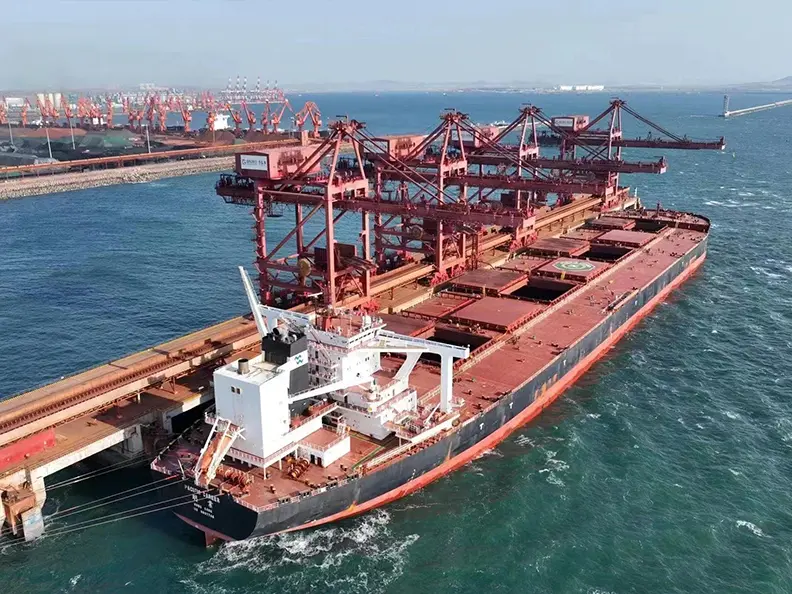
Bulk materials (coal, iron ore, grain) cause heavy abrasion inside chutes, reclaimers, and transfer hoppers. Installing our custom CCO liners ensures reliable transshipment and minimum downtime.
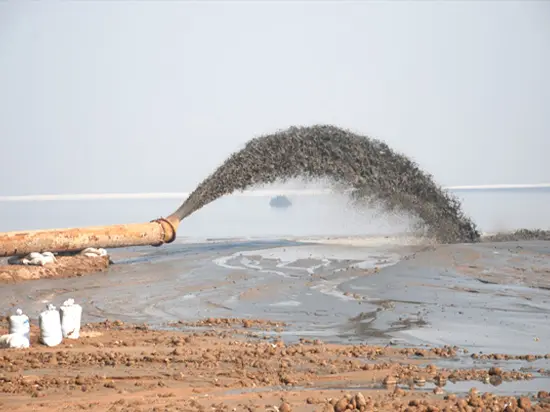
To complement our metallic hardfacing solutions, we supply high-purity sintered alumina ceramics. Ideal for applications with high flow velocities, chemical corrosion, and extreme temperatures.

We regularly develop new metallurgical solutions. We design custom matrix architectures specifically for corrosive, high-impact, or high-temperature industrial environments.

Custom lining assemblies engineered using 3D drawings. We provide modular wear plates that are ready to bolt or weld directly into place at your facility, minimizing installation errors.
Located in the heavy industrial heartland of Tangshan, Hebei Province, Tangshan Runxing Machinery Co., Ltd. benefits from a robust regional industrial ecosystem. Tangshan is China’s largest steel manufacturing hub, offering immediate access to premium steel backing substrates (such as Q235B and Q355 structural carbon steel plates) and specialized alloying powders. This close geographic proximity eliminates long-distance domestic logistics costs, providing a direct pricing and speed advantage to global buyers.
Under our Factory 4.0 initiative, we have deployed automated cladding equipment, advanced dust collection units, and smart monitoring systems. The core benefits include:
International Standards & Trust
Global procurement teams in mining, power, and cement industries require rigorous quality compliance and supply chain transparency. A product's initial price is secondary to its Total Cost of Ownership (TCO). A failure in a wear plate inside a primary hopper can stall an entire mining operation, resulting in significant hourly financial losses. At Runxing Machinery, we maintain a comprehensive Quality Management System (QMS) aligned with international standards to manage these operational risks.
Every production batch of our chromium carbide overlay plates is tested according to ASTM G65 Standard Test Method for Measuring Abrasion Using the Dry Sand/Rubber Wheel Apparatus. This ensures consistent wear performance before shipment.
Our hardfacing materials and flux-cored wires are classified under DIN 8555. For instance, our standard high-chrome overlay deposits align with DIN 8555 MSG 10-GF-60-G, ensuring material performance equivalence on the global stage.
From the initial melt of structural steel backing to the precise chemical analysis of the cladding wire, each batch is assigned a unique tracking number. We provide Material Test Reports (MTRs), microstructural analysis images, and hardness profile charts upon delivery.
Industry Connection & Academic Research
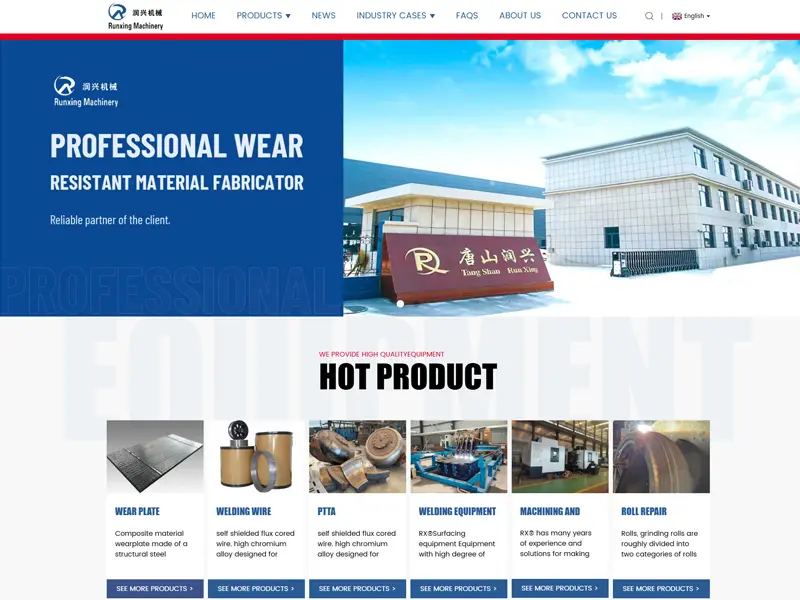
Our official website platform has successfully launched. Designed to serve the global wear-resistant community, it provides direct access to product data sheets, technical downloads, and an integrated procurement gateway.
From September 2 to 6, 2024, our sales and engineering team presented our latest line of chromium carbide wear plates and automated repair equipment in Johannesburg, expanding our presence in the African mining market.
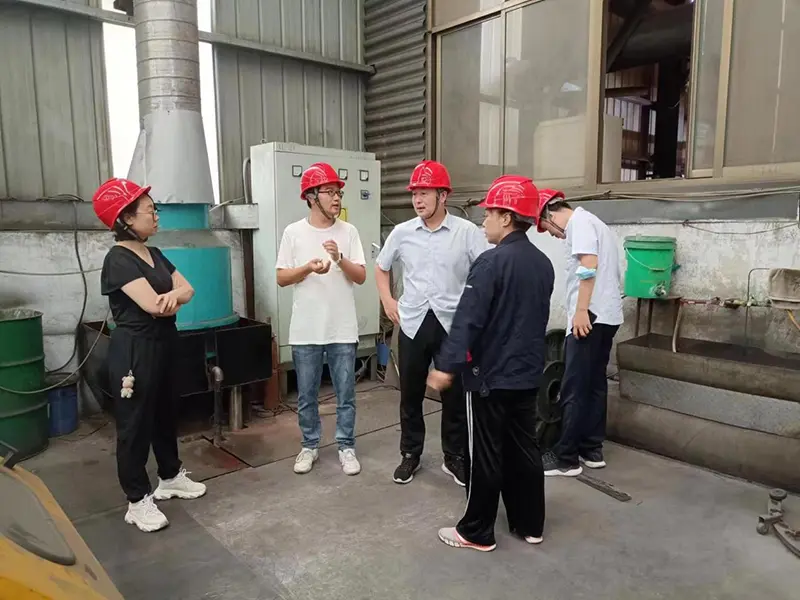
Dean Yuan Shaoqiang, Vice Dean Li Jing, and Professor Yang Yuehui (Metal Materials and Forming Technology Team Leader) visited our plant to review our metal surface engineering processes and research collaborations.
Since 2019, Runxing Machinery has partnered with Germany's VAUTID brand to utilize high-end welding consumables and coordinate technical standards.
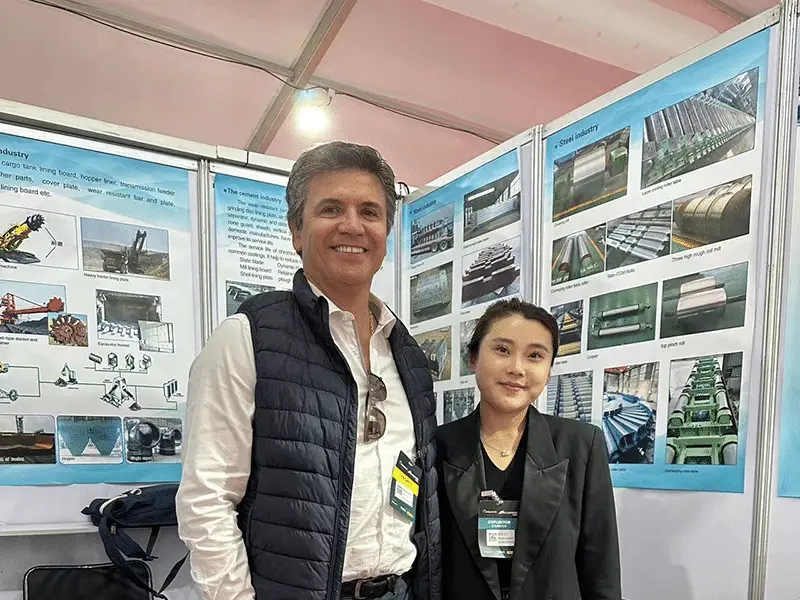
We debuted our range of wear plate liners and cladding materials in Santiago, Chile, connecting with South American mine operators and equipment manufacturers.
Metallurgical FAQ
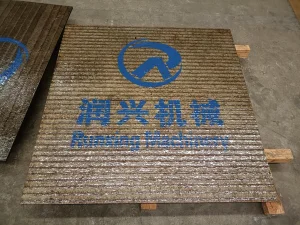
The fine micro-cracks visible on the cladding overlay are stress relief cracks. During the welding process, the deposition of the alloy overlay at high temperatures creates thermal stresses due to different coefficients of thermal expansion between the cladding and the carbon steel backing plate. These cracks are normal and run perpendicular to the welding bead, releasing stress without propagating into the base steel. They do not affect the plate's abrasive wear performance or structural integrity.
Our CCO plates feature a hypereutectic microstructure, containing a high volume fraction (typically 30-45%) of primary M7C3 chromium carbides embedded in a tough eutectic matrix. These primary carbides have a micro-hardness of up to 1500-2000 HV (Vickers), which is significantly harder than quartz and other abrasive media. Traditional martensitic steels lack these primary carbide structures, making them susceptible to micro-cutting under continuous abrasion.
Yes, our wear plates are designed to be easily processed. They can be cold-formed or rolled using heavy plate rolls to suit curved chutes or hopper throats. The structural carbon steel backing (such as Q235B) remains soft and weldable, allowing for standard welding installation on-site. The overlay cladding itself cannot be machined but can be cut using plasma arc processes.
Standard chromium carbide overlay plates maintain their high hardness and wear resistance at temperatures up to 350°C (660°F). For high-temperature applications exceeding this range, we formulate custom alloys containing elements like Niobium, Tungsten, and Boron, which prevent carbide degradation up to 600°C.
Dilution occurs when the base plate steel melts and mixes with the cladding material, reducing the carbon and chromium concentration of the overlay. We control dilution by optimizing our welding parameters: using low thermal input settings, adjusting torch oscillation speeds, and utilizing dual or multi-wire setups. This ensures that the cladding layer maintains its intended chemical formulation starting from the first pass.
Self-shielded flux-cored wire does not require an external shielding gas supply. This makes it ideal for outdoor applications and windy site conditions, such as on-site mining maintenance. The flux core contains gas-generating agents that protect the molten weld pool, simplifying equipment setup and reducing operational overhead.
Our partnership with VAUTID ensures that we use premium-grade consumables and adhere to strict European production standards. We receive ongoing metallurgical support, helping us design high-performance surface protection systems for complex and severe wear applications.
Hebei Yuwan International Trade is our authorized export partner. They manage all aspects of international trade, including custom packaging, harbor delivery, export declarations, and shipping documents. This arrangement ensures that products are delivered on-time and in compliance with local regulations.
Operational Capacity



 Runxing machinery