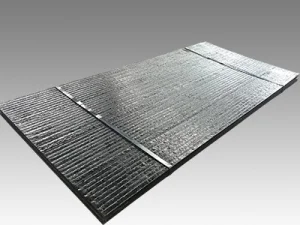
Premium wear protection engineered via chromium carbide overlay (CCO) composite steel plates.
Read Specifications >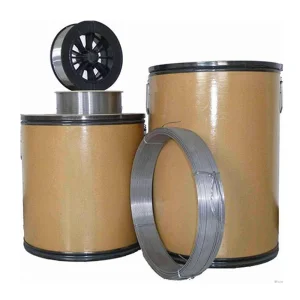
Industrial-grade wholesale hardfacing flux-cored welding wires optimized for high-stress abrasion.
Read Specifications >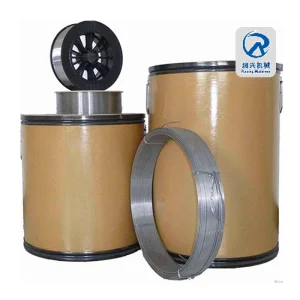
Advanced self-shielded wires tailored for extreme onsite weld overlay repairs without gas protection.
Read Specifications >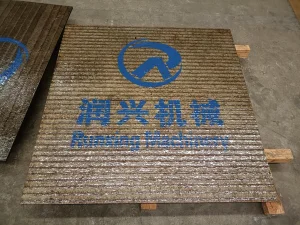
Ultra-high hardness CCO plate designed specifically for heavy-duty mining and cement chutes.
Read Specifications >
Factory-direct customized CCO wear plates engineered for severe erosion and friction environments.
Read Specifications >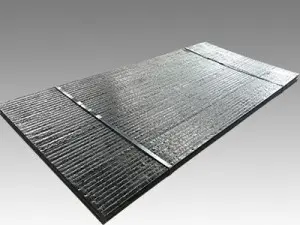
Structural steel backing fused with hard weld surfacing, conforming to European DIN 8555 standards.
See more products >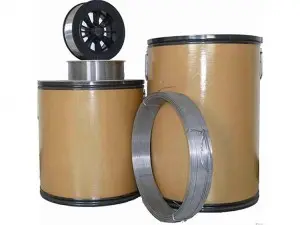
Designed specifically to combat high-stress grinding abrasion under low-impact conditions.
See more products >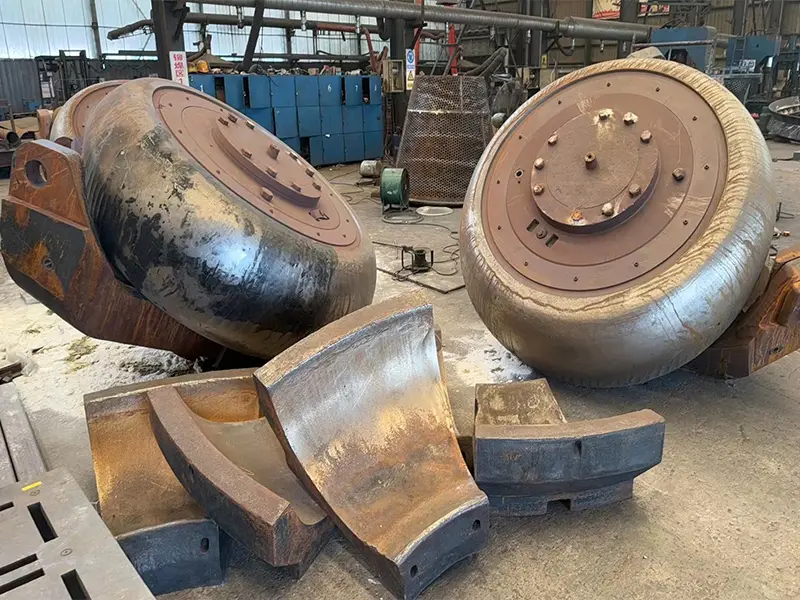
Advanced welding wire formulated for optimal weld pool fluidity and crack-free deposition.
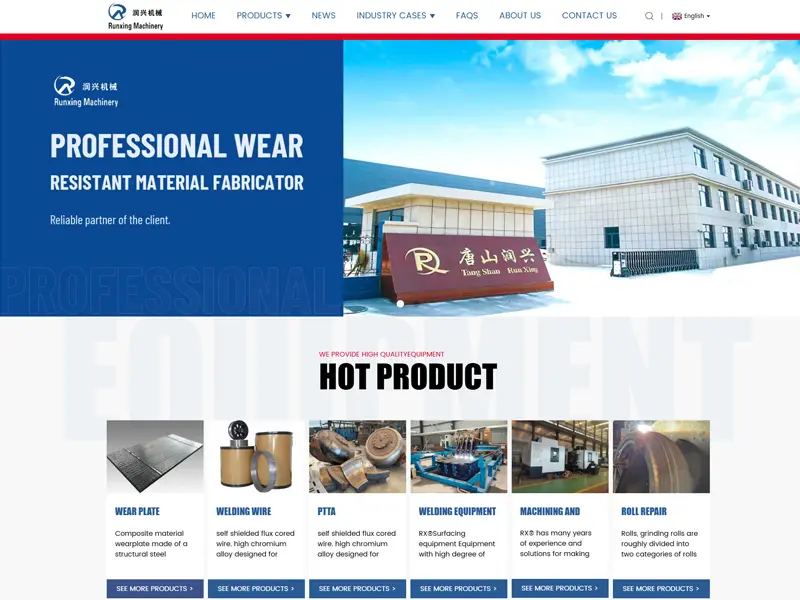
See more products >Tangshan Runxing Machinery Co., Ltd., founded in 2010 in Tangshan, Hebei Province, is a world-class leader in the research, development, manufacture, and site-application of hardfacing wear-resistant metal products. Backed by state-of-the-art metallurgical technologies, our core focus lies in providing comprehensive surface engineering solutions for heavy industries facing extreme mechanical stress, erosion, and impact.
Our expansive industrial catalog includes high-durability Chromium Carbide Overlay (CCO) wear plates, custom-engineered wear liners, wear-resistant pipe systems, hardfacing flux-cored welding wires, and automated welding systems. We proudly maintain a long-term strategic partnership as a qualified regional agent for VAUTID (Germany) for six consecutive years, leveraging top-tier German technology with local manufacturing flexibility.
To support global supply chains, all export operations are securely handled by Hebei Yuwan International Trade Co., Ltd., guaranteeing efficient customs clearance, logistics, documentation, and payment processing for international industrial buyers.
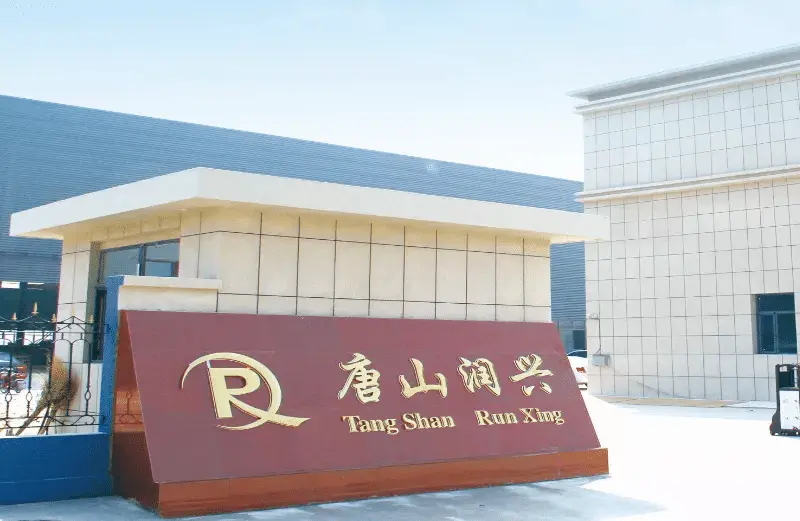
Our integrated business model isolates production excellence at the Tangshan plant from the complex logistics and customs clearance procedures managed by Yuwan Trade, securing 100% compliance across international borders.
A comprehensive guide to wear mechanics, chemical compositions, and procurement optimization for global mining, cement, and steel operations.
In heavy industrial operations, components are subjected to aggressive operating environments where friction, impact, thermal stress, and corrosive media accelerate structural deterioration. The primary modes of degradation include low-stress scratching abrasion, high-stress grinding abrasion, gouging, and erosive wear. Left unchecked, surface wear results in catastrophic failure, unplanned maintenance shutdowns, and massive operational expenditures.
To combat this, modern industrial metallurgy relies heavily on hardfacing—the deposition of a wear-resistant alloy layer onto a carbon or low-alloy steel substrate. Flux-cored arc welding (FCAW) wires represent the pinnacle of this solution. Unlike solid welding wires, flux-cored wires feature a tubular metal sheath packed with a highly customized core containing micro-alloys, carbide formers, deoxidizers, and slag agents. During welding, this core composition melts to create a dense, microstructurally optimized overlay capable of resisting extreme abrasive wear.
Primary Wear Mode: High-stress grinding abrasion occurs when particles are crushed between two surfaces, destroying the substrate's structural integrity. Hardfacing with high-density chromium-carbide alloys provides a secondary barrier that disperses localized loads and extends service life up to 10-fold.
The performance of a hardfaced overlay depends almost entirely on its resulting microstructure. The most widely trusted alloy system for general wear resistance is the iron-chromium-carbon system. This chemistry forms primary M7C3 chromium carbides embedded within a tough, supportive eutectic matrix.
During the solidification process, these carbides crystallize as hexagonal rods or needles oriented perpendicular to the wear surface. With hardness values ranging from 1200 to 1600 HV (compared to only 200-300 HV for typical mild steel), these carbides effectively prevent abrasive particles from cutting into the base metal. The surrounding matrix absorbs mechanical impacts, preventing the carbides from cracking or dislodging prematurely.
| Alloy System Type | Typical Carbon (C)% | Typical Chromium (Cr)% | Average Hardness (HRC) | Best Application Environment |
|---|---|---|---|---|
| Standard Chromium-Carbide | 3.5 - 5.0% | 22.0 - 30.0% | 55 - 62 HRC | High abrasion, moderate-low impact (chutes, hoppers) |
| Complex Carbides (Nb, W, V added) | 4.0 - 6.0% | 25.0 - 35.0% | 60 - 67 HRC | Extreme wear, high operating temperatures (>500°C) |
| Martensitic Tool Steel | 0.3 - 0.7% | 5.0 - 12.0% | 48 - 55 HRC | Metal-to-metal friction, high impact loads |
Under the European DIN 8555 standard, these materials are classified based on their alloy content and resulting properties. For example, our signature RX®wp 7600 composite wear plate features an overlay composition designed to meet the rigorous demands of DIN 8555 groups, guaranteeing reliable performance across diverse operating conditions.
When selecting the proper flux-cored wire for hardfacing or equipment reclamation, design engineers and maintenance managers must choose between gas-shielded (FCAW-G) and self-shielded (FCAW-S) systems. This decision directly impacts productivity, deposition rate, and weld appearance.
Gas-shielded wires require an external shielding gas, typically Carbon Dioxide (CO2) or a Carbon Dioxide-Argon mix. The external gas supply ensures a very stable arc, minimal spatter, and a highly uniform weld bead contour. The protective atmosphere minimizes nitrogen and oxygen ingress from the air, resulting in incredibly clean weld overlays. This process is ideal for automated shop environments where large-scale wear plate production takes place, such as in our Tangshan manufacturing facility.
Self-shielded wires do not require an external shielding gas supply. The flux core contains specific elements—such as aluminum, magnesium, and fluorides—that react in the arc zone to form a localized vapor barrier, shielding the molten weld pool from atmospheric contamination. This offers key advantages:
Procuring wear-resistant metals and welding consumables involves complex international logistics, strict customs regulations, and demanding product specifications. For procurement officers in areas like Russia, Central Asia, South America, and Africa, identifying a dependable supply chain partner is critical to minimizing operational risk.
Through the strategic division of responsibilities between Tangshan Runxing Machinery and Hebei Yuwan International Trade, we address these challenges directly. Runxing concentrates all resources on metallurgical research and manufacturing quality control, while Yuwan handles the complexities of international trade. This ensures:
By deploying Runxing's high-hardness CCO wear plates and self-shielded flux-cored wire in a copper mining operation in Zambia, chute maintenance cycles were extended from 3 weeks to 11 months. The integration of Yuwan's door-to-port shipping protocol prevented over $120,000 in potential customs delays.
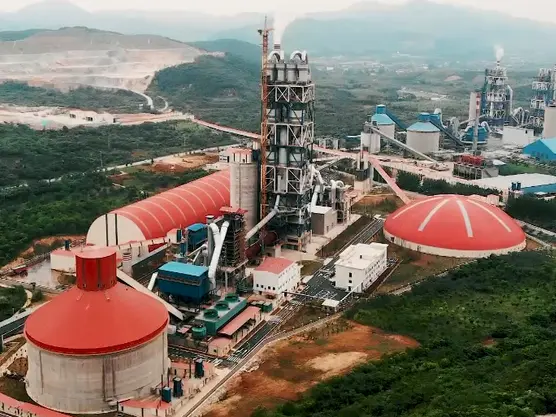
Reliable equipment operation is vital. Wear-resistant linings in chutes, raw meal mills, and hoppers determine overall mill uptime and efficiency.
See Solutions >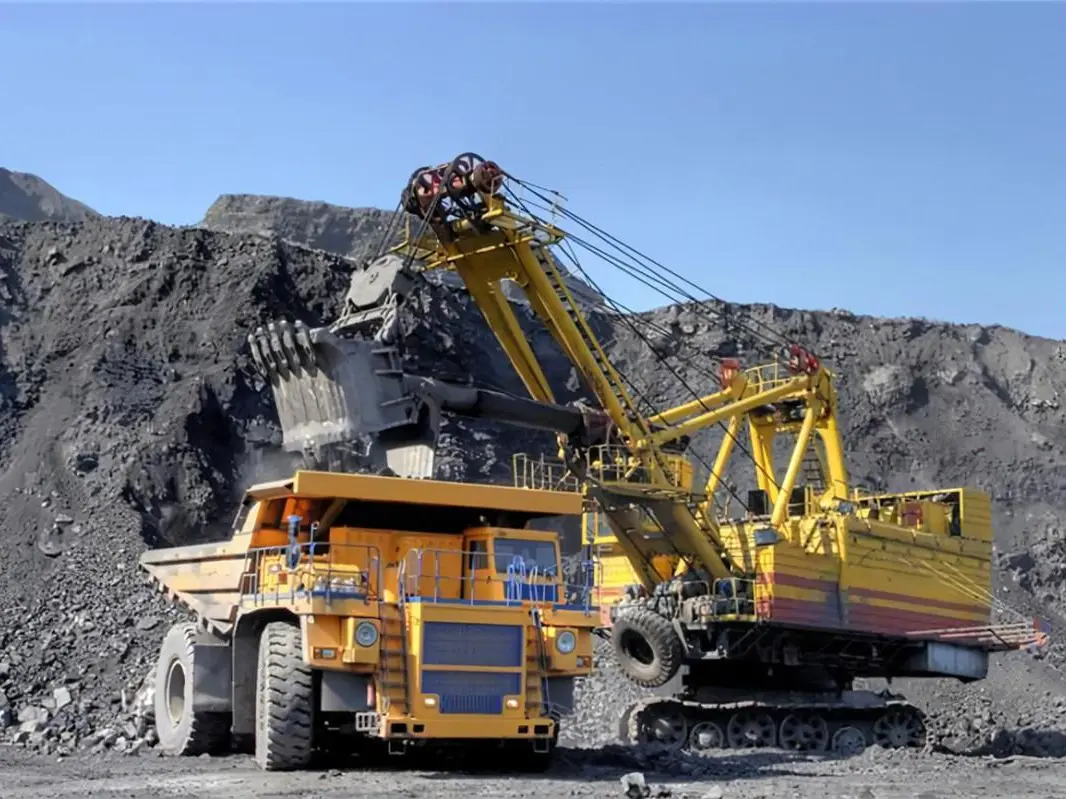
Maximize productivity and profitability. We supply high-impact, abrasion-resistant wear plates and liners for ore transfer chutes and loaders.
See Solutions >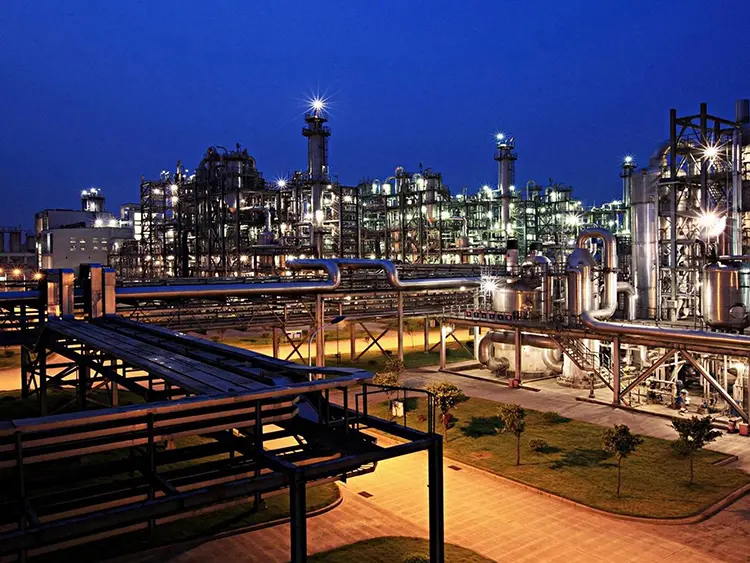
Steel plants present harsh environments with raw ores, high temperatures, and corrosion. Our solutions extend equipment service life in these demanding areas.
See Solutions >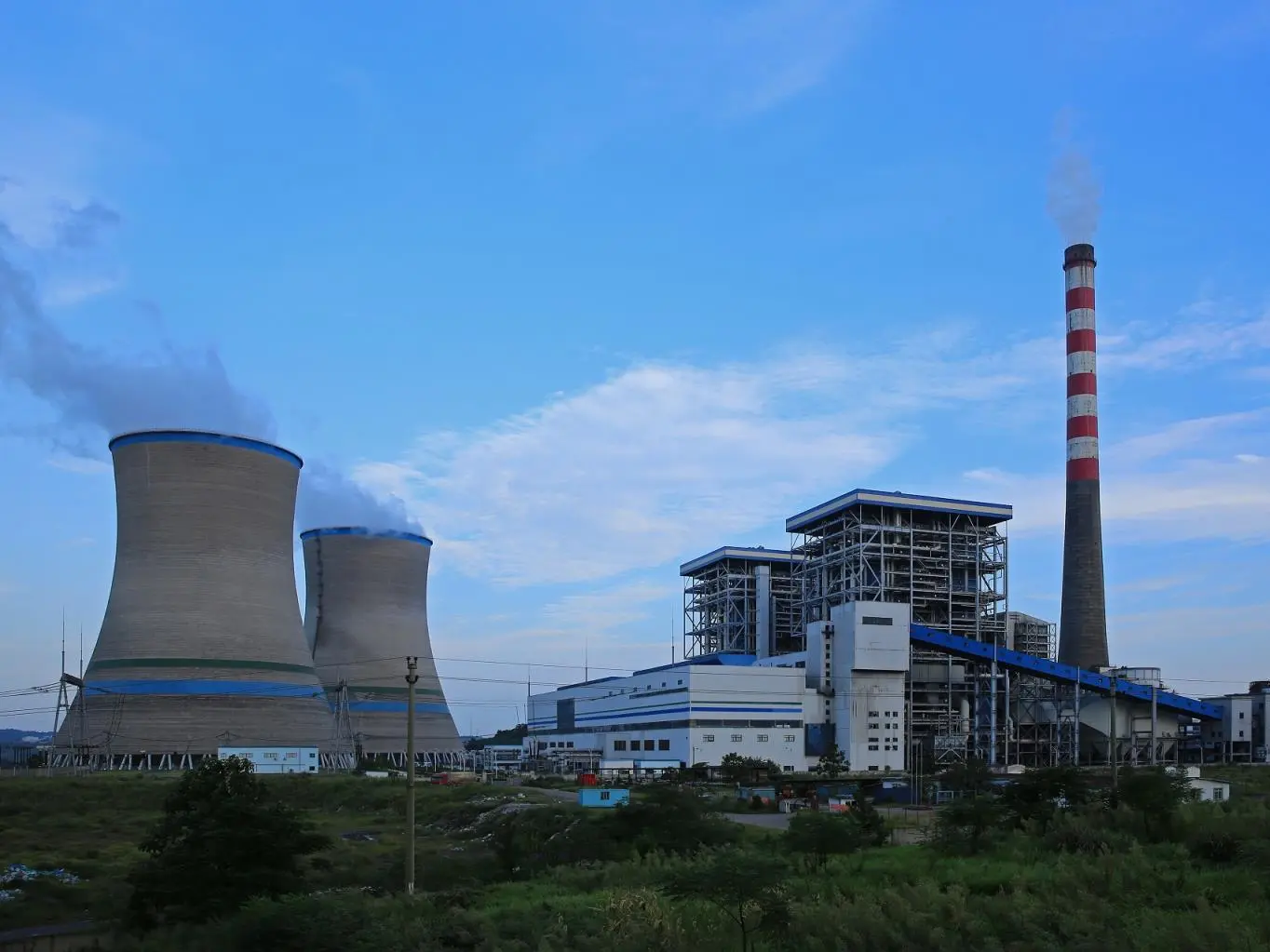
We provide wear protection for fan blades, coal pulverizers, hopper liners, dust removal systems, and fuel handling conveyor lines.
See Solutions >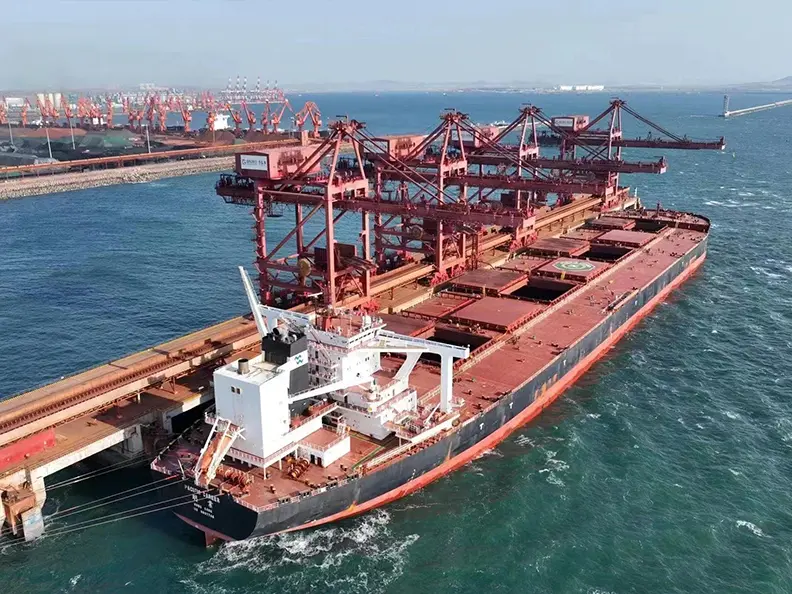
Handling dry bulk materials subjects crane grabs, transfer chutes, and hoppers to constant abrasive wear, making robust surface protection essential.
See Solutions >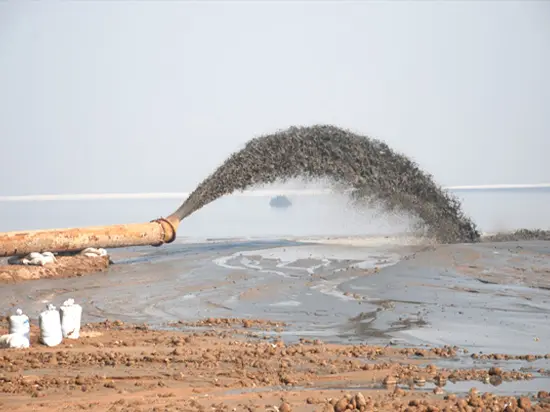
For specific high-wear, low-impact applications, we offer high-purity alumina ceramics sintered at high temperatures for excellent wear resistance.
See Solutions >More customized wear-resistant applications and metallurgy case studies will be posted soon.
Developing new complex-carbide formulations for environments exceeding 700°C.
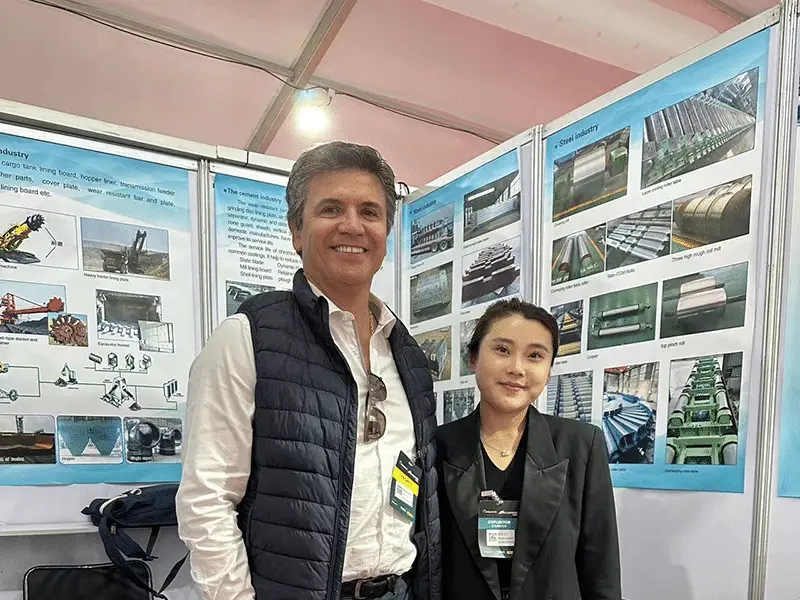
Tangshan Runxing Machinery Co., Ltd. has launched its updated website, providing a one-stop portal for procurement, product specifications, and hardfacing support.
Read Article >In September 2024, Runxing exhibited its range of heavy wear plates and automated welding systems at the Johannesburg International Convention Centre.
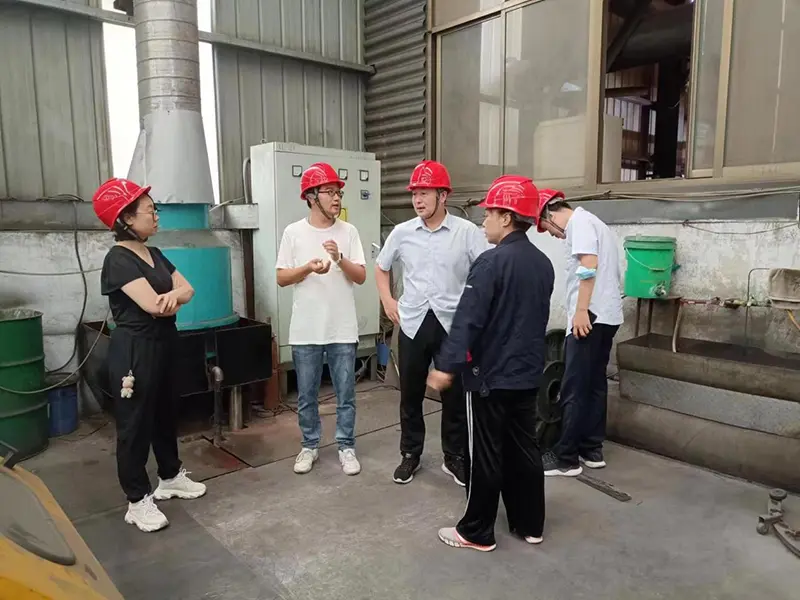
Read Article >Academic leaders and metal forming experts visited our facility to collaborate on metallurgical developments in overlay materials.
Read Article >We have maintained our status as a qualified agent for VAUTID for six consecutive years, ensuring access to high-quality German-engineered alloys.
Read Article >Runxing participated in EXPOMIN in Santiago, Chile, showcasing customized wear plates and hardfacing solutions to South American mining companies.
Read Article >



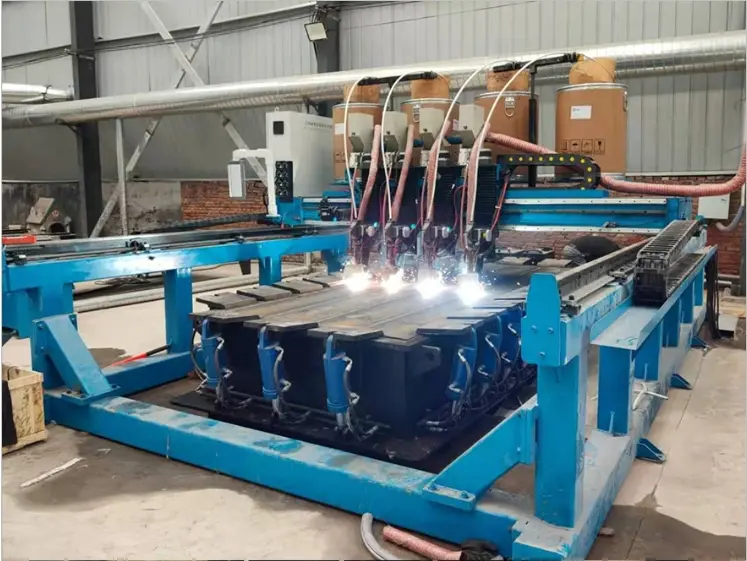
Automated system designed for high efficiency, simple maintenance, and consistent weld overlay deposition.
Read Specifications >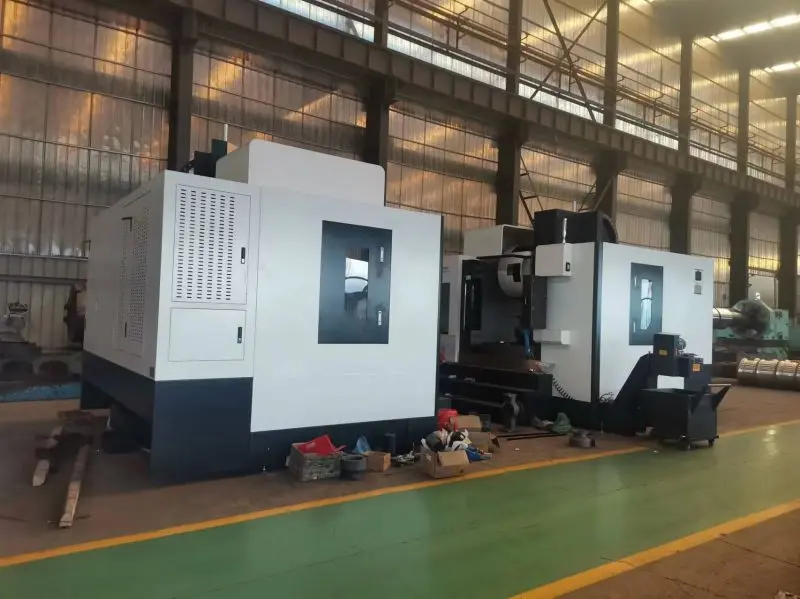
Custom processing, machining accessories, and engineering project layouts tailored to customer drawings.
Read Specifications >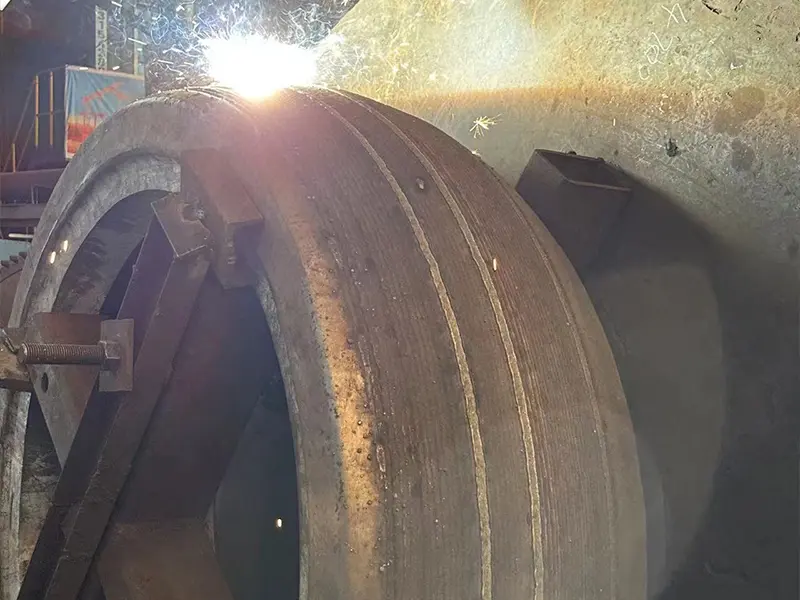
Specialized rebuild services for grinding rolls and table segments used in steel, cement, and power plants.
Read Specifications >
Premium wear protection engineered via chromium carbide overlay (CCO) composite steel plates.
Read Specifications >
Industrial-grade wholesale hardfacing flux-cored welding wires optimized for high-stress abrasion.
Read Specifications >
Advanced self-shielded wires tailored for extreme onsite weld overlay repairs without gas protection.
Read Specifications >
Ultra-high hardness CCO plate designed specifically for heavy-duty mining and cement chutes.
Read Specifications >
Factory-direct customized CCO wear plates engineered for severe erosion and friction environments.
Read Specifications > Runxing machinery