Explore our premium product line manufactured to resist high-stress grinding abrasion, erosion, and structural impact.
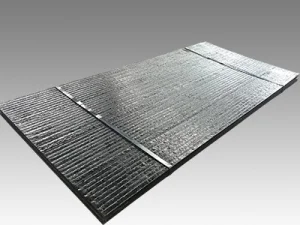
Providing exceptional abrasive wear resistance under severe sliding conditions. Perfect for industrial chutes, hoppers, and screens.
Learn More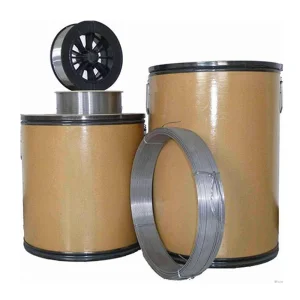
Specially formulated alloy designs delivering extreme hardness and low impact wear capabilities for weld overlays and reconstruction.
Learn More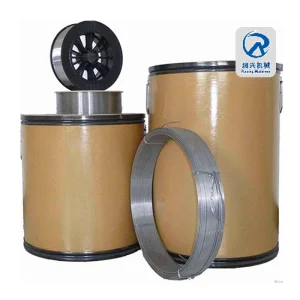
Designed for field operations without the need for external shielding gas. High deposit efficiency and easy slag removal.
Learn More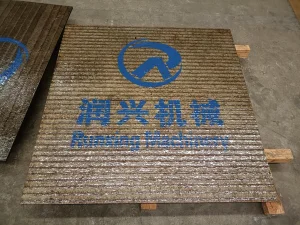
Premium wear-resistant overlays on structural steel backings. Engineered to DIN 8555 specifications for high-impact protection.
Learn More
Runxing RX-m Series specifically designed for Mining and Cement Chute Liners to maximize equipment operating lifespan.
Learn More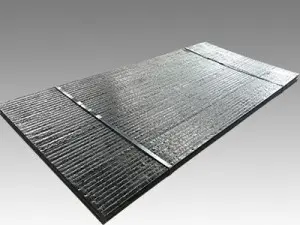
Composite material wearplate made of a structural steel backing & a hard weld surfacing, corresponding to DIN 8555 standards.
Learn More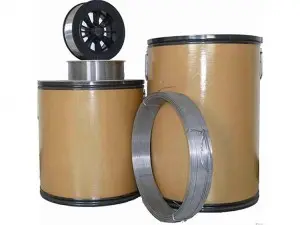
High chromium alloy designed specifically for resisting high stress grinding abrasion with low impact. Optimizes service longevity.
Learn More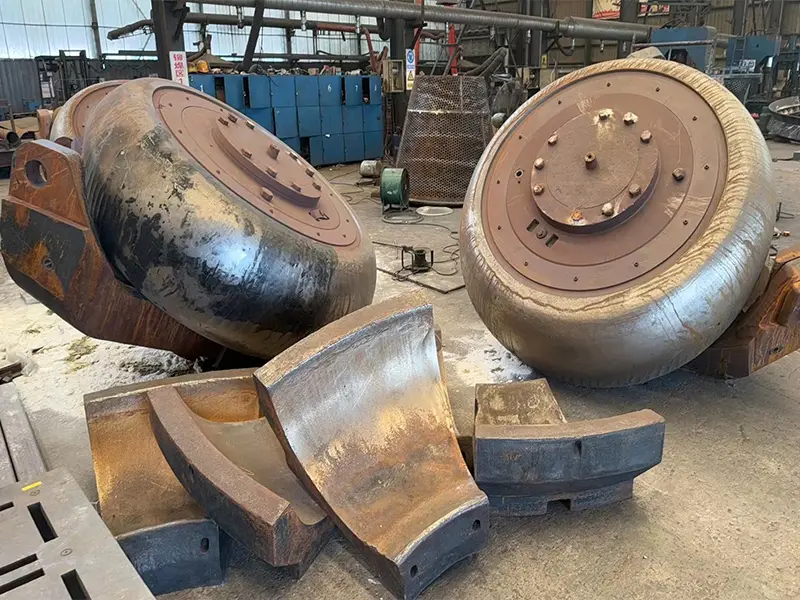
Self shielded flux cored wire containing high chromium alloys. Designed for high stress sliding abrasion with minor impact resistance.
Learn MoreUnlocking Total Cost of Ownership (TCO) Reduction in Mining, Steel Production, and Infrastructure Projects Through Advanced Tribology
Heavy industries—specifically mining extraction, cement processing, steel production, thermal power generation, and port dredging—are operating under increasingly severe mechanical stresses. Standard structural carbon steels lack the physical metallurgy to resist continuous abrasive wear, erosion, and high-impact conditions. In mechanical systems, wear is generally defined as the progressive loss of material from the operating surface of a solid body due to relative motion.
Within bulk material handling, the primary culprit is abrasive wear. This includes two-body abrasion (where hard particles cut or gouge the metal surface directly) and three-body abrasion (where loose particulates slide and roll between two moving metallic components, acting as microscopic grinding media). When high-velocity material streams hit transfer chutes, hoppers, or fan blades, they also induce erosive wear. If left unmanaged, these tribological forces lead to micro-cracking, catastrophic mechanical failure, and unscheduled plant shutdowns.
The most effective engineering solution for these high-wear zones is the integration of Chromium Carbide Overlay (CCO) Wear Plates. The manufacturing process involves depositing a highly alloyed weld metal onto a ductile structural steel backing plate (commonly Q235B or Q355). This bimetallic configuration balances extreme wear resistance with structural toughness, allowing the plates to be welded, bolted, and cold-formed to match custom mechanical geometries.
From a metallurgical perspective, the superior performance of Runxing CCO plates originates from their unique microstructural composition. During the surfacing process, a high concentration of chromium and carbon forms primary M7C3 chromium carbides (with hardness levels reaching up to 1500 HV). These carbides are suspended within a tough, iron-rich eutectic matrix. The presence of these hard carbides acts as a barrier to cutting and scratching, while the surrounding matrix supports the carbides and prevents premature fracturing under impact.
When procurement directors evaluate hardfacing products, the initial acquisition cost should never be analyzed in isolation. Instead, a comprehensive Total Cost of Ownership (TCO) model must be applied. The math behind TCO in heavy industries highlights the substantial economic returns of high-quality CCO products:
Hardfacing is not a one-size-fits-all process. The selection of welding consumables must align with the specific wear dynamics of the equipment. Flux-Cored Wires (FCW) represent the pinnacle of modern overlay cladding efficiency. Unlike solid welding wires, FCWs contain a blend of core powders—including ferro-alloys, deoxidizers, and slag-forming agents—encased in a metallic sheath.
Runxing's technological roadmap highlights three primary categories of hardfacing wires:
Founded in 2010 | Leading Innovator in Hardfacing Technology & Surface Metallurgy
Tangshan Runxing Machinery Co., Ltd., established in 2010, is a professional manufacturer located in Tangshan, Hebei Province, focusing on the research, development, production, and on-site construction services of hardfacing wear-resistant metal products. Our factory features mature, advanced metal surface hardfacing technologies.
We provide customized wear-resistant solutions for cement, steel, mining, port, and dredging industries globally, having built a solid market reputation in Russia and Central Asia.
All export business is fully authorized and managed by Hebei Yuwan International Trade Co., Ltd. This trading partner completes all export procedures—including customs clearance, logistics, documentation, and payment collection. This structure allows our factory to focus entirely on R&D and production, ensuring stable product quality and on-time delivery.
Qualified Agent for VAUTID Germany (Since 2019)How we address extreme wear environments across specialized industrial sectors.
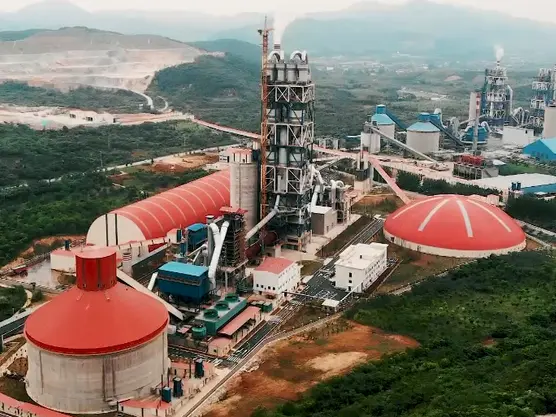
Critical equipment availability is paramount. We supply CCO plates and wear-resistant liners for vertical roller mill chutes, separator guides, and cyclone collectors, protecting them from extreme high-temperature raw mineral wear.
See Industry Cases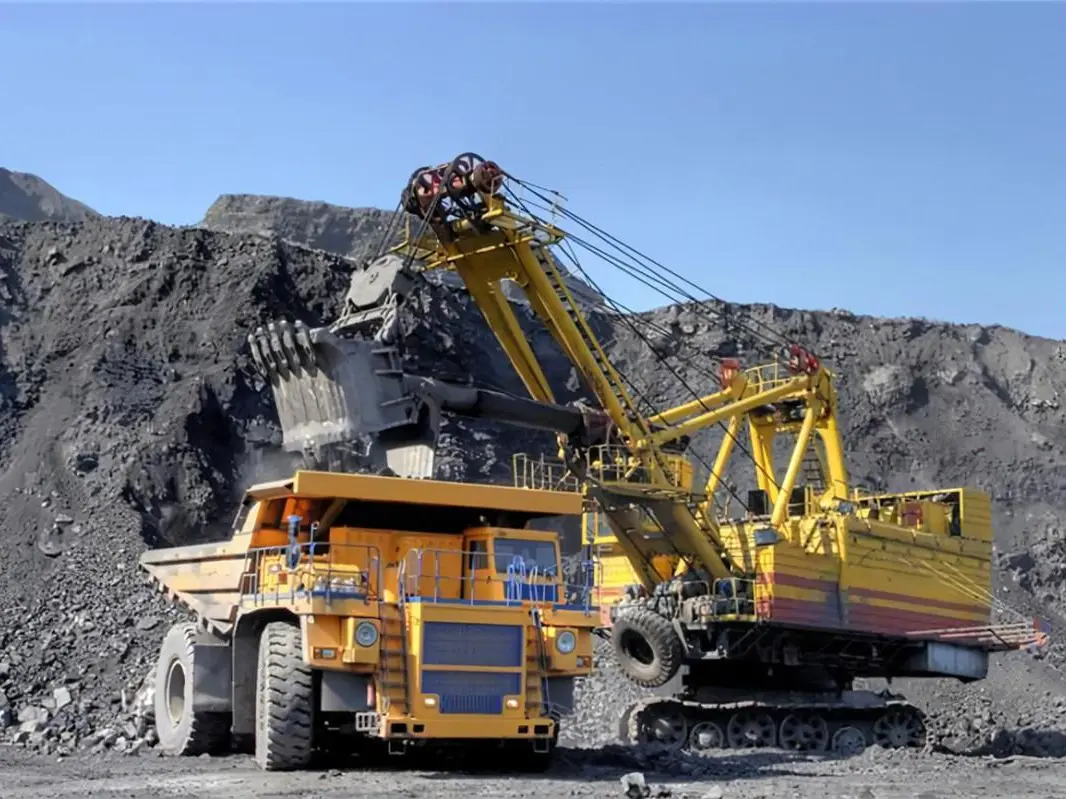
Mine operators require productivity and sustainability. We supply heavy-duty dump truck bed liners, bucket liners, chute plates, and hopper assemblies engineered to resist the high-impact forces of raw ores.
See Industry Cases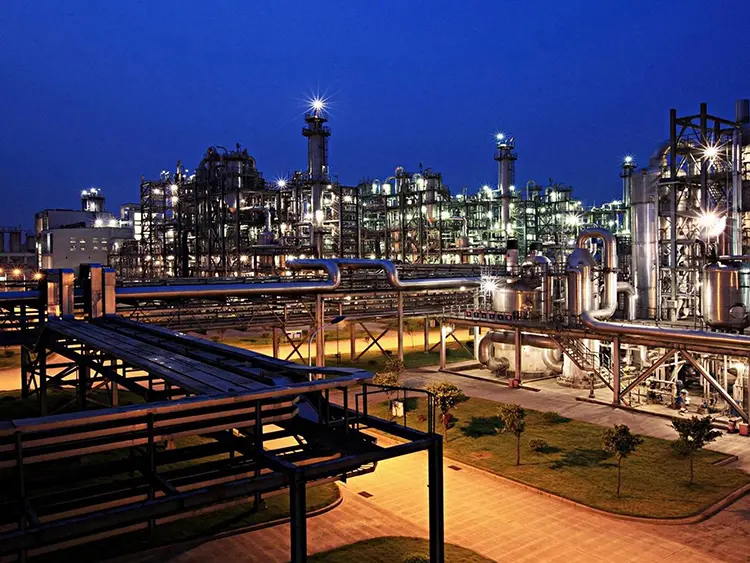
Steel plants expose equipment to harsh combinations of abrasive raw materials, intense heat, and corrosive gases. Our solutions focus on coke chute liners, continuous caster roller rebuilds, and furnace charging system components.
See Industry Cases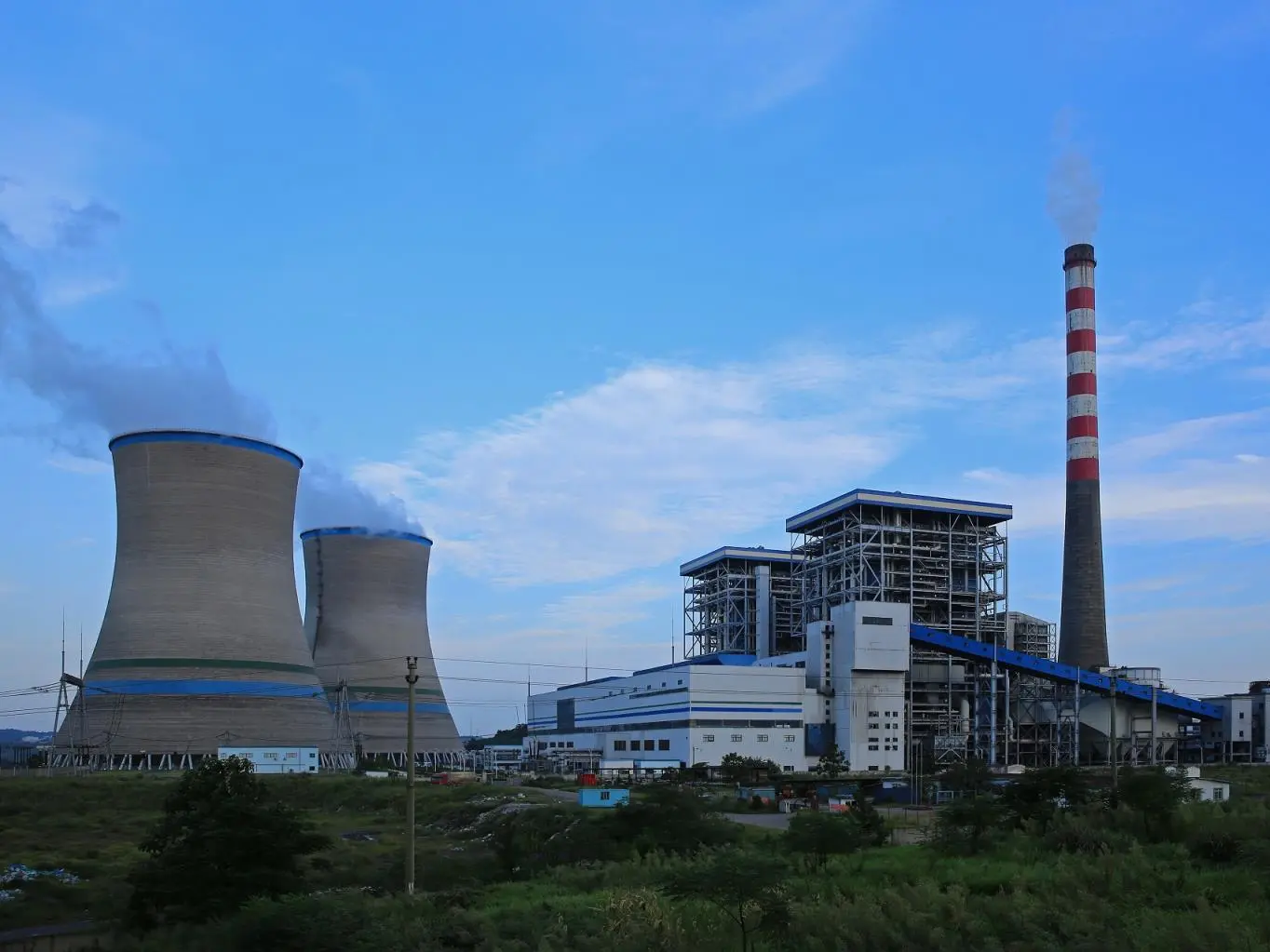
Coal-fired power generation plants rely on our wear protection for coal pulverized piping, fan blades, conveyor chutes, coal bunkers, dust removal systems, and hopper liners to prevent mechanical degradation.
See Industry Cases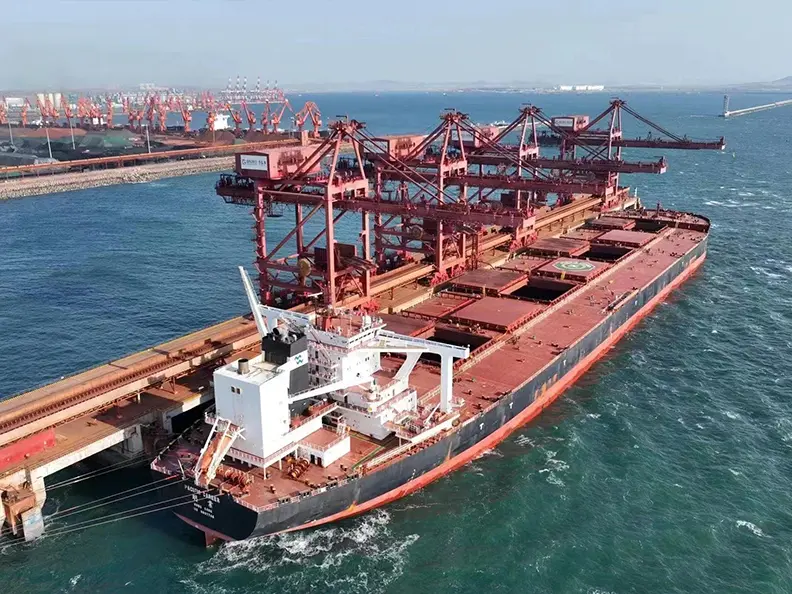
Ports handle continuous bulk shipments of coal, grain, and minerals. We manufacture high-performance wear plate liners for grab buckets, receiving hoppers, feeder troughs, and transport chute transitions.
See Industry Cases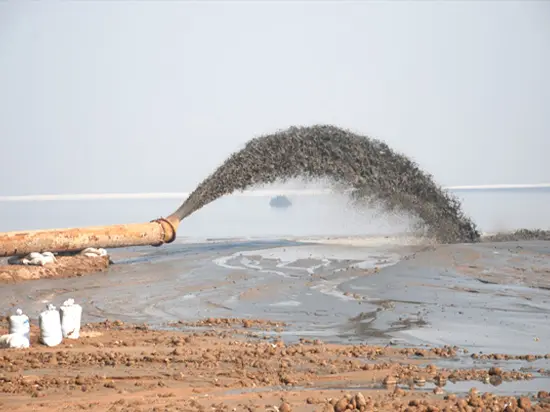
For operations facing high abrasion but low impact, we manufacture high-purity superfine alumina ceramic components sintered at high temperatures to provide optimal structural protection.
See Industry CasesStay updated with our latest international projects, academic research partnerships, and global footprints.
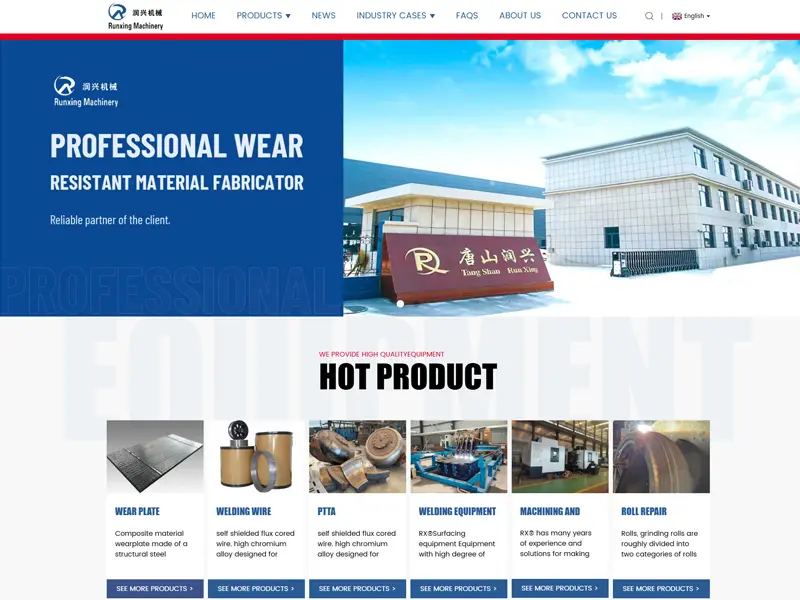
Our official web portal has launched, serving as an integrated resource and digital procurement channel for global wear-resistant solutions.
Read More >
Showcasing our latest chromium carbide overlay wear plates and hardfacing flux-cored wires in Johannesburg, South Africa.
Read More >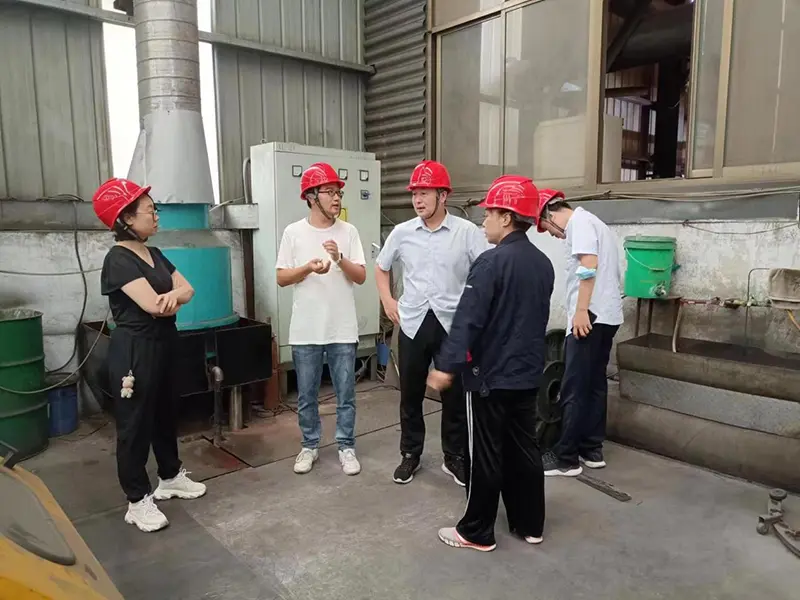
Leaders of Tangshan University visited our facility to coordinate research on advanced metal forming and surfacing technologies.
Read More >
Runxing has operated as a qualified agent and integration partner for German brand VAUTID, delivering elite material properties.
Read More >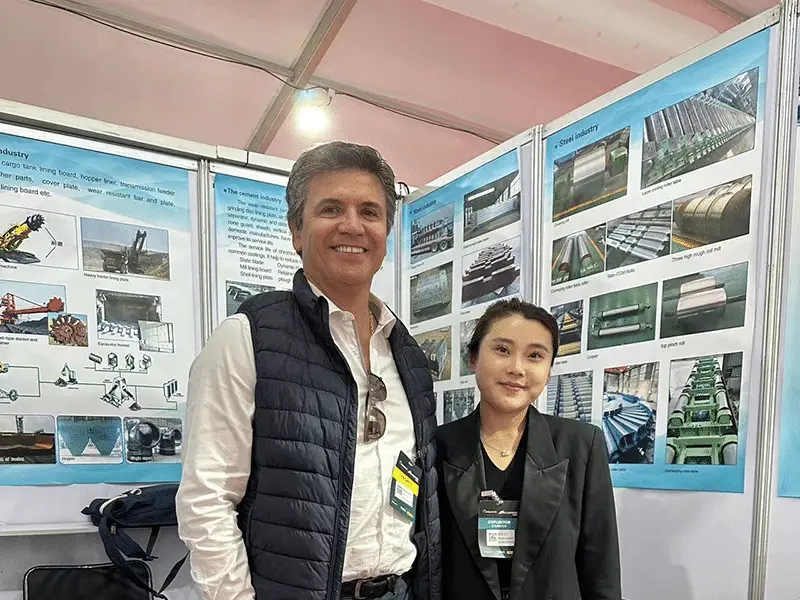
Participated in the world's second-largest professional mining exhibition in Santiago, Chile, presenting high-hardness alloy solutions.
Read More >Analyzing Metallurgy, Automation Systems, and Environmental Compliance in Heavy Industrial Hardfacing
As manual labor costs rise and requirements for quality consistency tighten, automated hardfacing has become standard. Modern cladding lines utilize computer numerical control (CNC) multi-torch surfacing machines. These systems regulate welding velocity, oscillation width, step length, and voltage parameters.
Automation prevents defects such as over-dilution (where the base carbon steel mixes with the overlay, reducing chromium levels) and heat-affected zone (HAZ) embrittlement. Precise thermal controls ensure uniform primary carbide distribution, providing consistent wear properties throughout the entire plate.
Selecting the correct material requires analyzing the target system's wear mechanism:
Detailed technical answers addressing common questions from procurement managers and mechanical engineers.
Quenched and Tempered (Q&T) steel plates rely on rapid heat treatment of carbon steel to achieve hardness levels up to 400-500 HB. However, their wear resistance drops significantly when exposed to operational heat. CCO plates feature a composite structure where a chromium-carbide-dense weld layer (55-62 HRC) is welded onto structural steel. CCO plates resist wear through these micro-carbides, maintaining performance at temperatures up to 600°C.
Yes, CCO plates are engineered for easy fabrication. The mild steel backing plate supports structural welding to machinery, while the overlay handles the wear. They can be plasma cut from the back side and cold-rolled into curved liners or chutes, though the overlay surface will develop stress-relief cracks during bending.
Surface cracks (stress-relief cracks) are normal in CCO plates. They form during the cooling phase of welding to relieve thermal stress and prevent warping. These cracks run perpendicular to the weld beads, stop at the boundary of the backing steel, and do not compromise structural performance.
We manage quality through strict raw material selection, automated welding controls, hardness testing, and metallurgical microstructure inspections. All export logistics, customs documentation, and transactions are managed by Hebei Yuwan International Trade Co., Ltd., ensuring full regulatory and financial compliance.
Premium surfacing machinery, engineered processing systems, and professional refurbishment services.
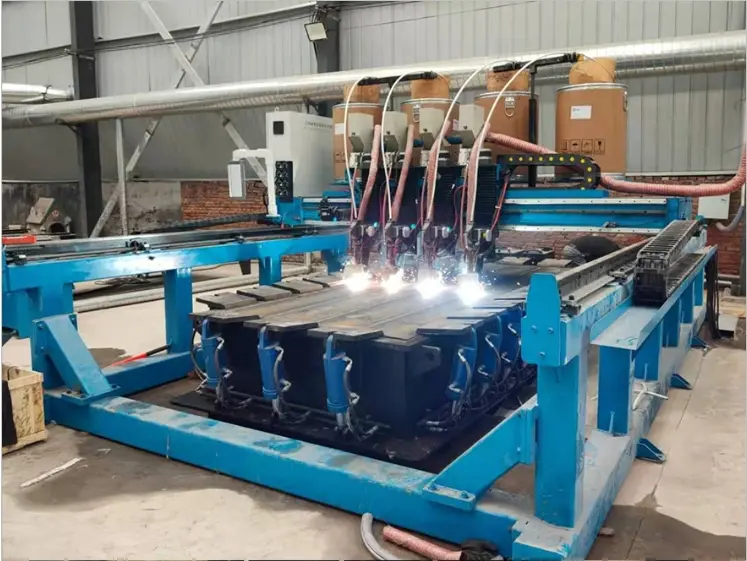
Advanced numerical control systems with 10.2-inch touchscreens. Equipped with four welding guns that operate independently or simultaneously for high-efficiency CCO plate manufacturing.
See Equipment Specs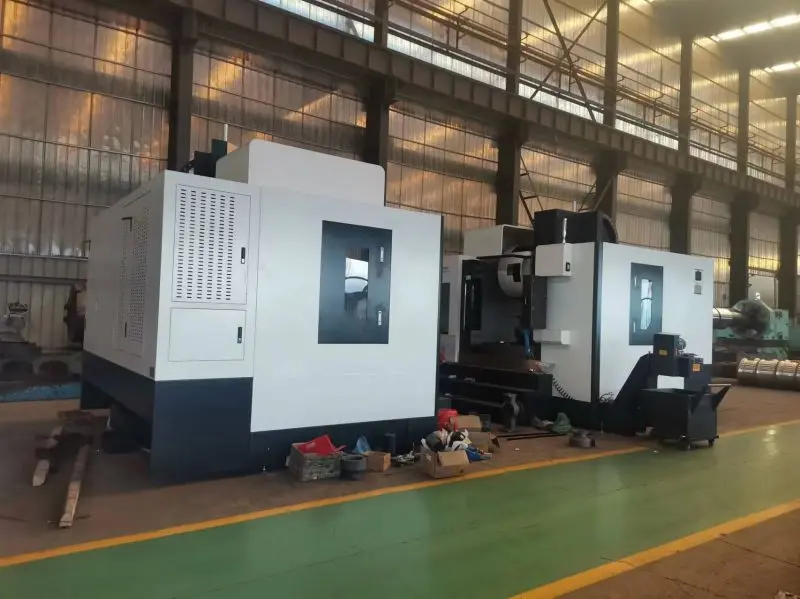
Over a decade of experience designing and fabricating custom machinery components, replacement assemblies, and structural steel structures to client blueprints.
See Solutions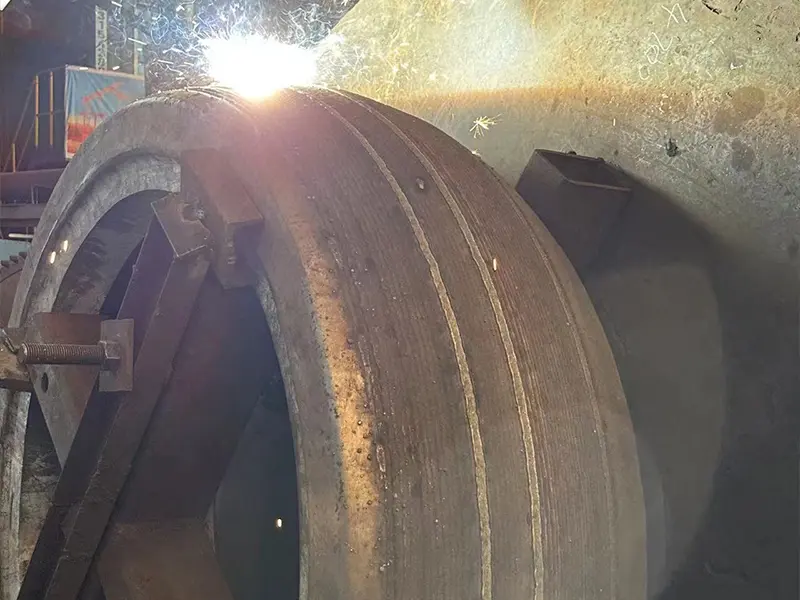
Refurbishment services for steel continuous caster rollers, vertical cement mills, coal pulverizers, and roller presses to restore original geometries and extend component lifespans.
See Repair Projects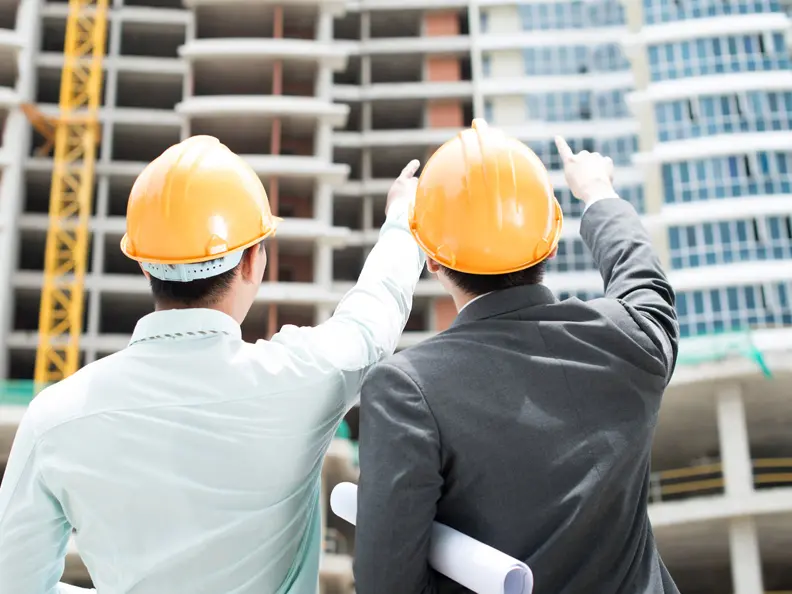
Optimized wear-resistant plates and custom-welded assemblies engineered for high-temperature and highly corrosive operations.
See More Specs
Innovative surface treatment technologies designed to minimize base metal dilution while maximizing wear resistance on complex surface geometries.
See More Specs
Custom-fabricated bimetallic liner plates designed for blast furnace hoppers, hopper cars, and cement plant transport paths.
See Chute Liners
Impact-resistant hardfaced liner solutions designed to protect heavy earthmoving equipment during high-impact loading cycles.
See Bucket Liners
Automated weld overlay services designed to restore dimensional tolerances and heat-abrasion resistance on hot roller tables.
See Roller RebuildsVisual overview of our factory floor, automated welding lines, material testing laboratories, and completed orders.



 Runxing machinery