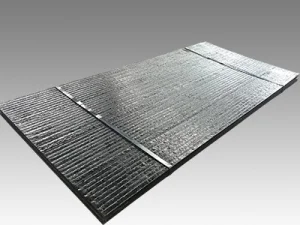
Designed with structural steel backing and high-hardness cladding for intense abrasion protection.
Request Specifications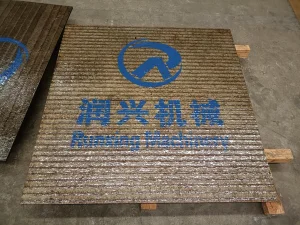
Runxing RX-m Series optimized specifically for heavy-duty mining and cement chute liner systems.
Examine Hardness Data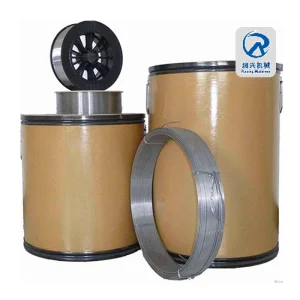
High-alloy cladding wire designed for onsite repair without requiring external MIG shielding gas.
View Alloys Info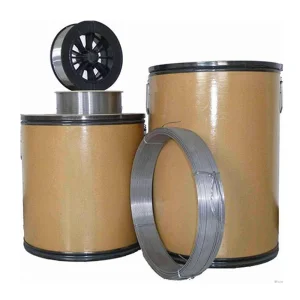
Bulk industrial welding wires offering premium deposition and resistance to low impact sliding wear.
Enquire Factory Prices
Precision engineered wear overlay plates developed for high-stress grinding and abrasive impact zones.
Configure Dimensions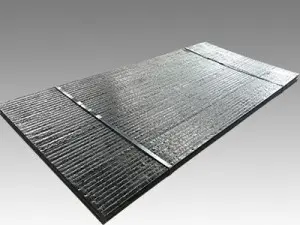
Engineered to DIN 8555 standards with structural base backing plate and dense chrome carbine weld overlay.
See More Products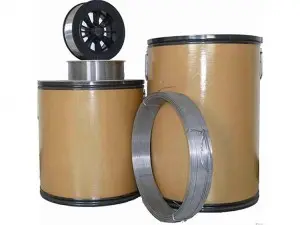
Optimized for high-stress grinding abrasion and severe dry friction applications across industries.
See More Products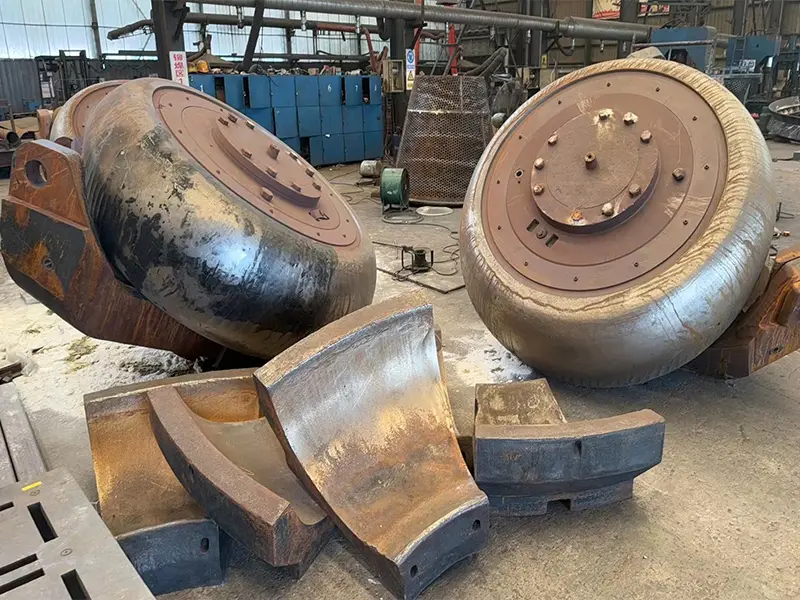
Ultra-low dilution overlay materials with supreme hardfacing wear matrices for modern plants.
See More ProductsIn the modern landscape of heavy industrial operations, component wear and failure account for significant portions of maintenance budgets and unplanned downtime. In industries such as cement manufacturing, mining, steel production, and power generation, components are subjected to extreme wear dynamics, including high-stress abrasion, erosion, sliding friction, and heavy impact.
The technology of Metal Inert Gas (MIG) and Metal Active Gas (MAG) shielded welding—collectively referred to as gas metal arc welding (GMAW)—paired with flux-cored arc welding (FCAW), has undergone a dramatic technological evolution. These processes, combined with advanced metallurgy, represent the absolute pinnacle of wear mitigation and hardfacing restoration. By introducing specialized shielding gases (such as argon-CO2 blends or pure carbon dioxide) alongside highly specialized chromium-carbide and complex carbide flux-cored wires, manufacturers can deposit wear-resistant overlays that exhibit extraordinary life cycles.
Traditional high-carbon steel plates offer structural support but quickly degrade when exposed to the high shear forces of heavy raw material sliding. Our bimetallic wear plates utilize a structural base steel plate overlaid with a dense layer of chromium carbide. Within the weld metal matrix, chromium combines with carbon to form M7C3 primary chromium carbides.
These primary carbides exhibit a hexagonal rod-like structure that disperses throughout a tough, austenitic matrix. While the matrix absorbs shock and prevents macro-cracking from physical impact, the chromium carbide particles act as armor-grade blockades against sliding abrasive particles. This balance between ductility and hardness is what drives our components' performance.
The function of gas in MIG/MAG welding extends far beyond protecting the weld pool from atmospheric oxygen and nitrogen contamination. The composition of the shielding gas dictates the transfer mode (globular, spray, or short-arc), droplet size, penetration depth, and spatter behavior of the hardfacing wires.
For flux-cored wires loaded with heavy alloy powders (such as chromium, niobium, or boron), selecting the optimal gas mix is critical. Mixing Argon with Carbon Dioxide (typically 75% Ar / 25% CO2 or 80% Ar / 20% CO2) provides a highly stable arc, reduced spatter levels, and superior weld pool control. This results in uniform bead profiles and minimal post-weld machining requirements, ensuring the industrial wear plates are flat and chemically consistent from edge to edge.
In today's complex macroeconomic environment, global procurement executives in heavy engineering industries faces unprecedented pressure. The total cost of ownership (TCO) of heavy machinery is directly linked to the operational efficiency of critical wear-prone areas. Equipment failures in mine extraction sites, cement vertical mills, and power plant conveyors can result in production losses reaching hundreds of thousands of dollars per day.
Therefore, procurement strategies are shifting away from cheap, uncertified structural components toward long-life bimetallic CCO plates and automated hardfacing repairs. Buyers seek certified suppliers who can offer documented metallurgy, repeatable weld quality, and international logistical networks.
With Hebei Yuwan International Trade Co., Ltd. acting as our authorized export handler, Tangshan Runxing Machinery Co., Ltd. ensures a seamless international purchasing process. From strict customs clearances to reliable ocean freight documents and secure payment collections, our partnership provides a zero-risk sourcing framework for global buyers.
Tangshan Runxing Machinery Co., Ltd., established in 2010 in Tangshan, Hebei Province, sits at the heart of China's heavy steel and manufacturing hub. This location gives us direct access to raw raw materials, metallurgical research facilities, and logistics networks. Over more than a decade, our factory has integrated Industry 4.0 principles into our wear-resistant products production lines.
By deploying advanced CNC automated overlay welding machines, which utilize multi-torch setups, we have removed the variability associated with manual hardfacing. Our centralized control systems feature 10.2-inch touchscreen interfaces, allowing operators to adjust swing speed, welding width, wire feed speed, and voltage parameters in real time. This level of automation delivers precise bead overlaps, lower dilution rates from the base plate, and consistent carbide distributions.
Furthermore, our long-term partnership with VAUTID in Germany (acting as an authorized agent for six consecutive years since 2019) validates our expertise. By using premium VAUTID materials for high-stress applications, we combine European metallurgical standards with Chinese manufacturing scale and efficiency. This integration guarantees stable quality control, quick production runs, and cost structures that maximize return on investment for our partners.
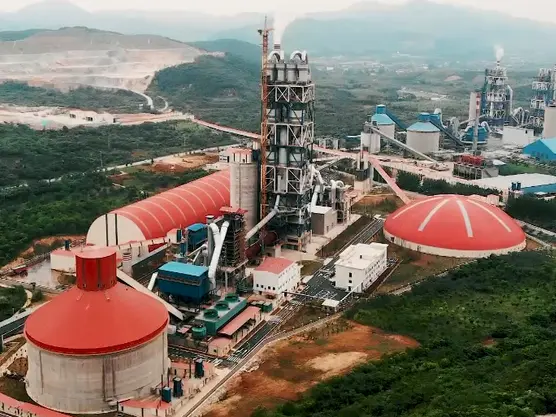
Ensures maximum availability of critical equipment. Wear protection products are optimized for feed chutes, cyclones, vertical mill bodies, and hopper liners.
See Wear Protection Products >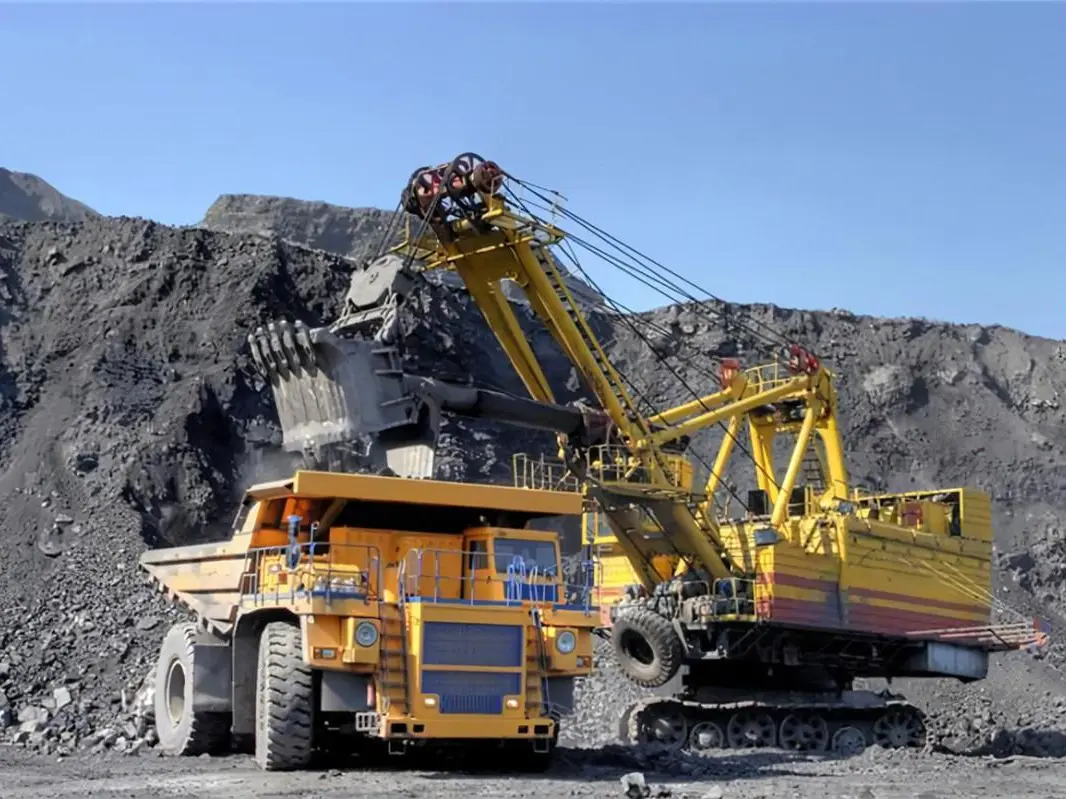
Provides robust wear solutions for harsh extraction environments. Protects excavators, haul truck liners, dump hoppers, and vibrating screen decks.
See Wear Protection Products >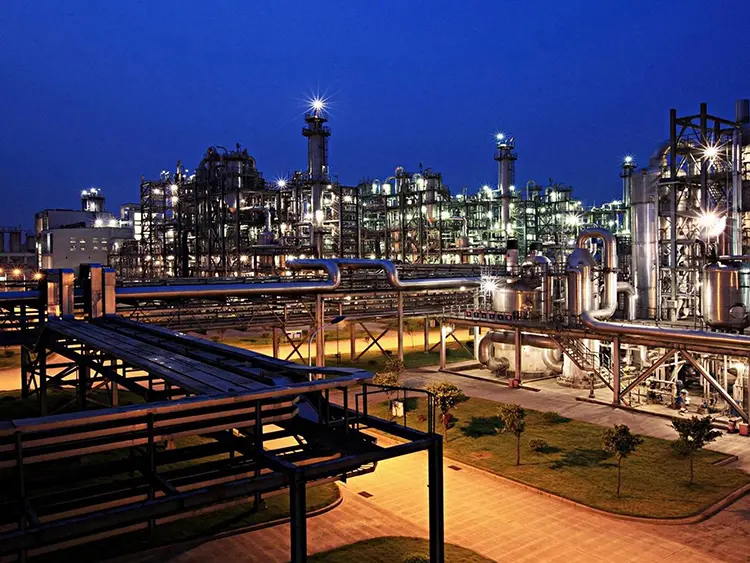
Designed for extreme conditions involving high temperatures, heavy impact, and chemical corrosion in blast furnace charging systems and sinter screens.
See Wear Protection Products >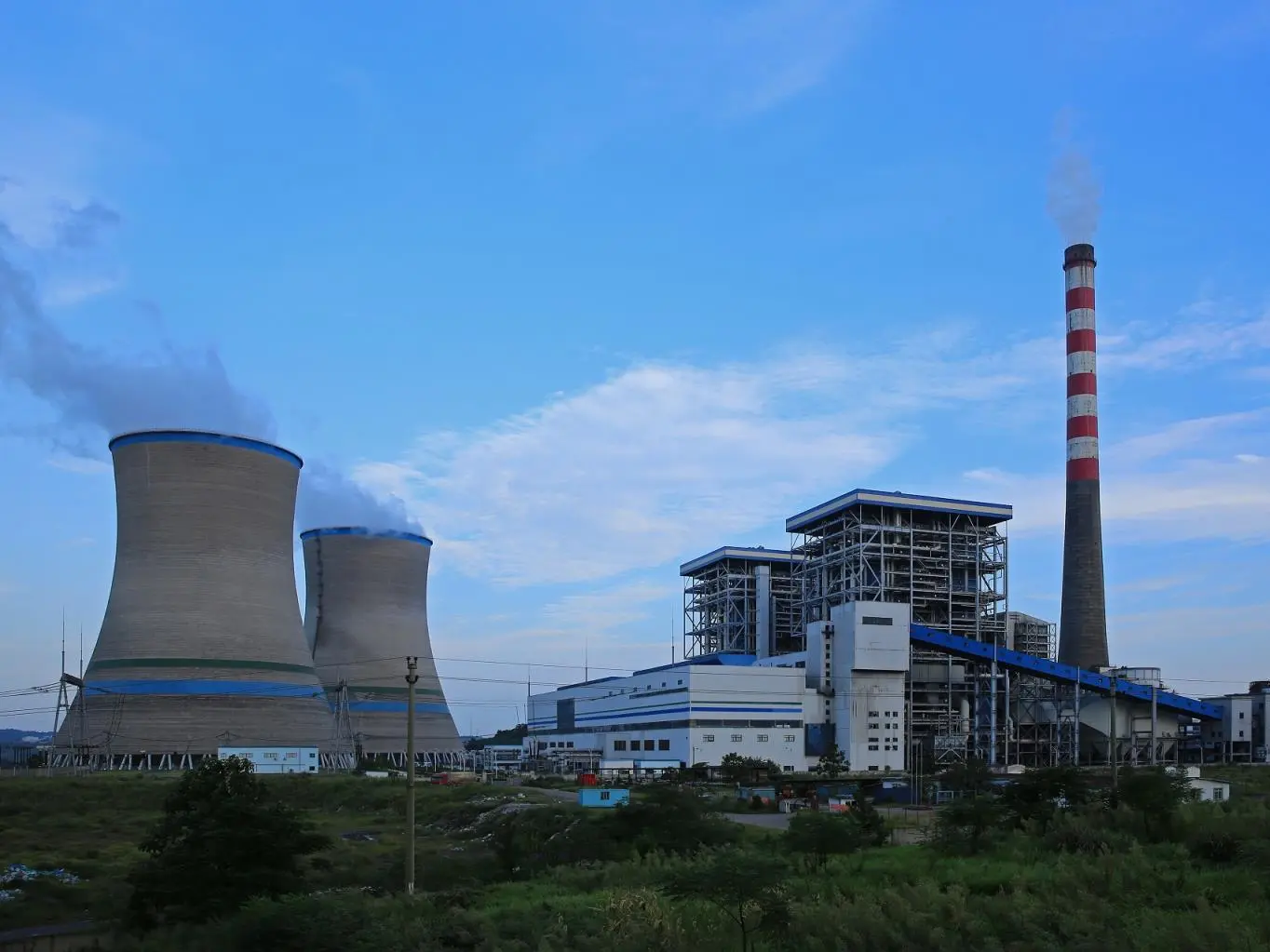
Wear protection solutions for coal pulverizer components, exhauster fan blades, conveyor systems, and dust collector hoppers in thermal stations.
See Wear Protection Products >
During the September 2024 exhibition in Johannesburg, we showcased our latest multi-component alloy MIG wires and bimetallic wear liners to operators across the continent.
Read More >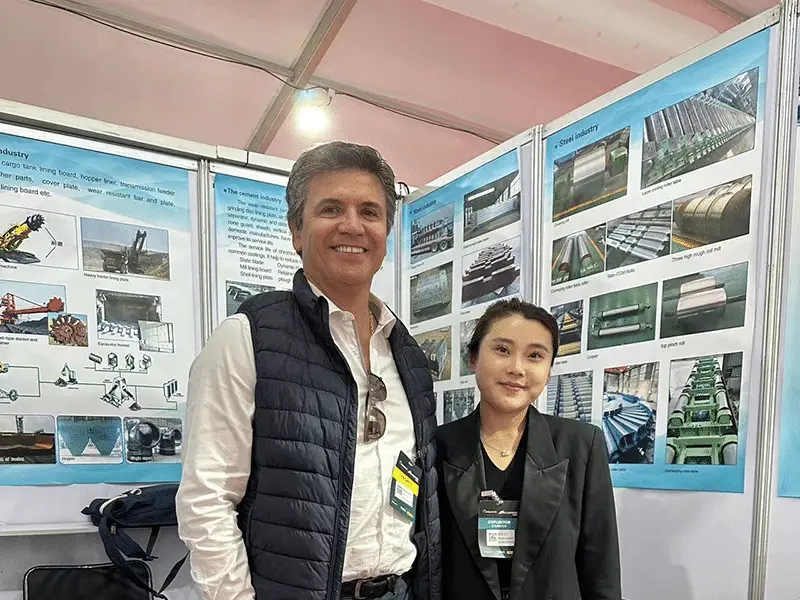
We exhibited our CCO wear-resistant chute liners at the world's second-largest mining trade fair, expanding our footprints across Latin American mining industries.
Read More >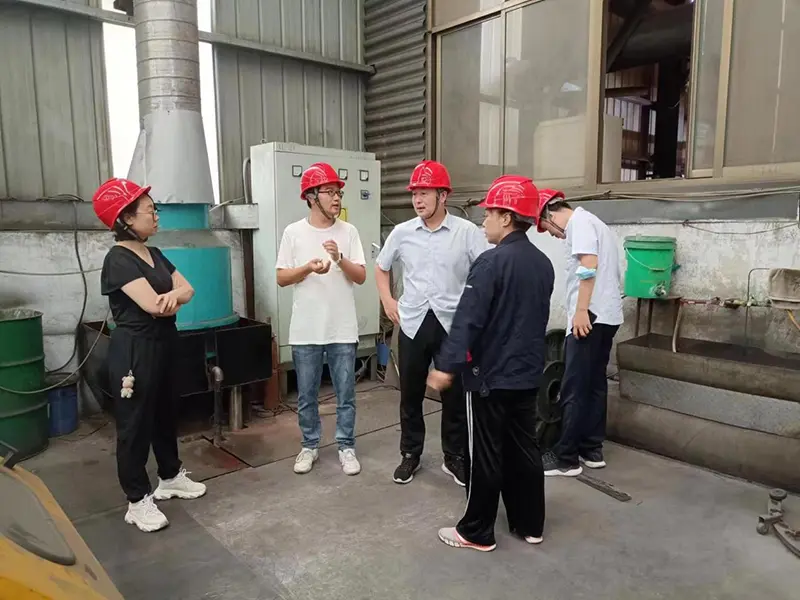
Yuan Shaoqiang, Dean of Tangshan University, along with the Metal Materials Forming Technology team, visited our facility to collaborate on R&D for advanced hardfacing weld microstructures.
Read More >



Designed with structural steel backing and high-hardness cladding for intense abrasion protection.
View Specifications
Runxing RX-m Series optimized specifically for heavy-duty mining and cement chute liner systems.
Examine Hardness Data
High-alloy cladding wire designed for onsite repair without requiring external MIG shielding gas.
View Alloys Info
Bulk industrial welding wires offering premium deposition and resistance to low impact sliding wear.
Enquire Factory Prices
Precision engineered wear overlay plates developed for high-stress grinding and abrasive impact zones.
Configure Dimensions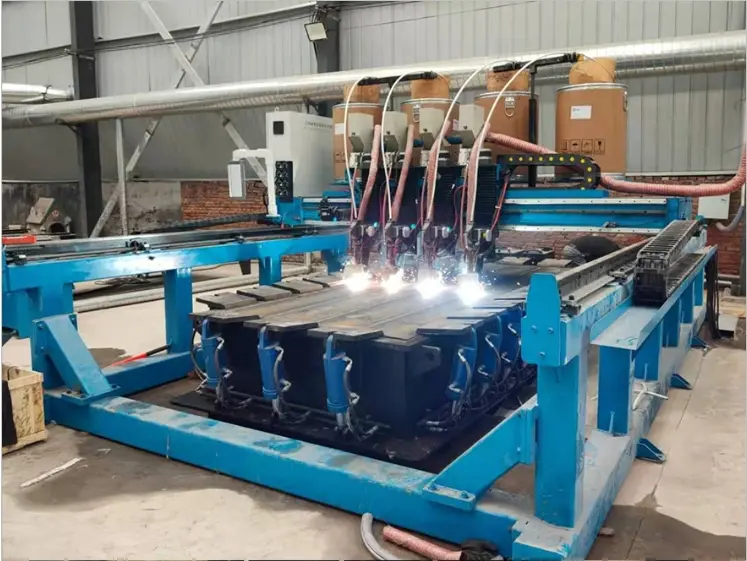
High automation, multi-torch system with 10.2-inch touchscreen CNC panel for uniform overlay consistency.
See More Products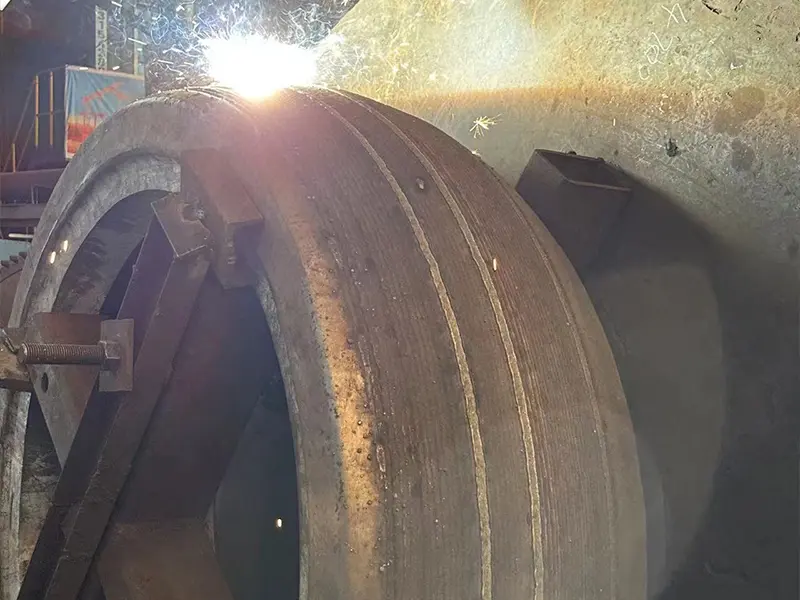
Expert surfacing restoration for cement mill grinding rollers, vertical mills, and steel casting rollers.
See More Products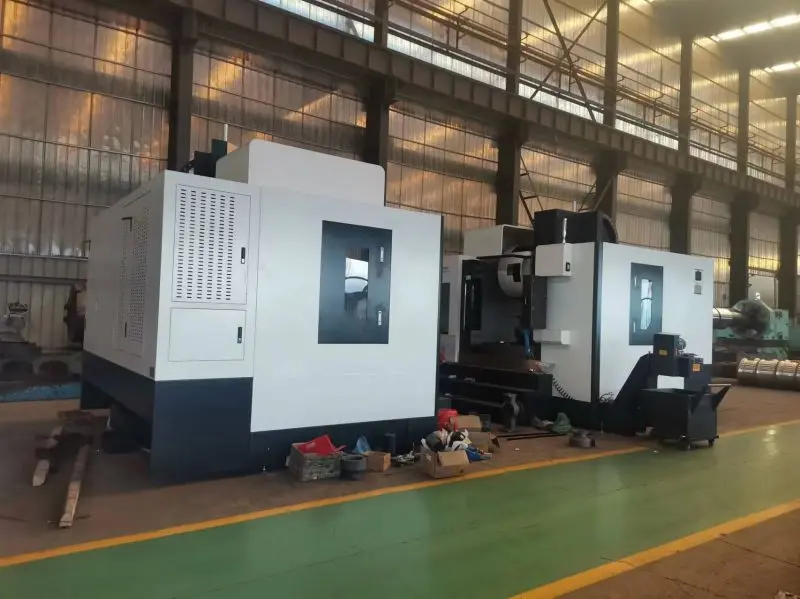
Custom engineering solutions, mechanical accessories fabrication, and complete project integration.
See More Products Runxing machinery