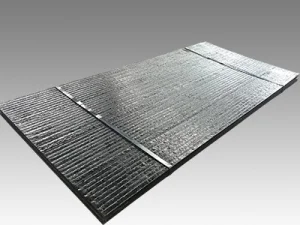
Dual-layer high carbon, high chromium deposition engineered to combat intense abrasive stress under low-to-medium impact conditions.
Technical Specifications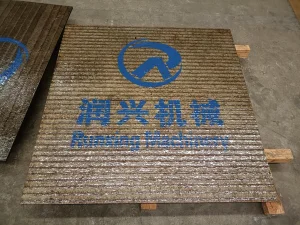
Runxing RX-m Series specifically formulated for heavy industrial applications like cement and mining chute liners, maximizing system uptime.
Request Quote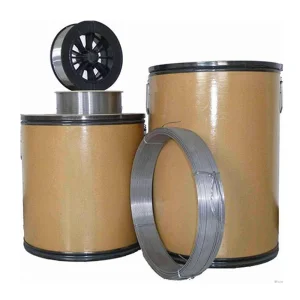
Premium grade flux-cored wire line offering uniform deposition rates and superior microstructure control for restoration processes.
Product Matrix
Designed for onsite repairs without gas protection, offering ease of deployment in field conditions with minimum dilution rates.
Get Sample
Engineered with structural backing steel and hard weld surfacing (conforming to DIN 8555 standards) to handle wear mechanisms.
Details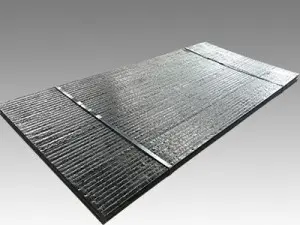
A dual-phase structural steel backed plate with high density primary chromium carbide deposition for extreme shear wear protection.
See More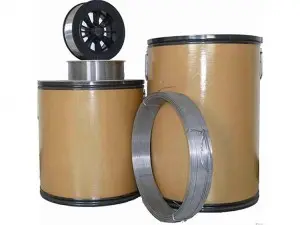
A customized chromium-iron alloy engineered to handle severe sliding abrasion and mild impact in mineral processing plants.
See More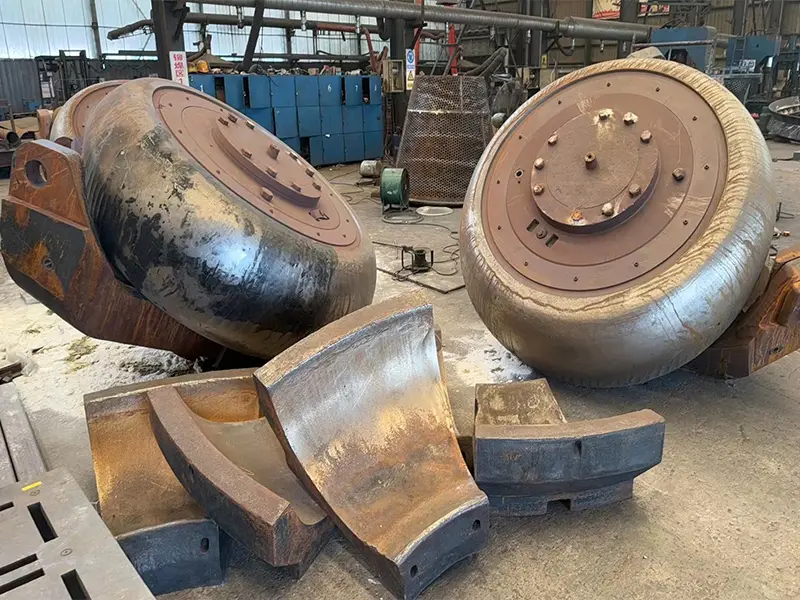
Precision-controlled overlay deposits featuring high carbide distribution densities and low base-metal dilution rates.
See MoreIndustrial machinery operating in sectors such as cement, mining, heavy power generation, steel mills, and dredging faces severe abrasion, impact, and chemical deterioration. The selection of materials like Hardox wear parts and Chromium Carbide Overlay (CCO) plates determines the operational limits and profitability of these facilities. This comprehensive industrial guide analyzes the critical microstructural dynamics of premium wear parts, comparing alloy chemistry, industrial applications, and how advanced manufacturing processes drive structural life extension.
Wear is not a single process but a combination of sliding abrasion, gouging impact, corrosion, and thermal cycling. Choosing the right material requires understanding these destructive forces. Quenched and tempered wear plates, like Hardox, rely on a martensitic microstructure. Through precise heat treatment, steel manufacturers create a high-hardness matrix that combines strength and tough deformation behavior. This structure is highly effective at absorbing impact forces without cracking, making it the standard for structural elements of earthmoving buckets, dump trunks, and heavy chutes.
Conversely, Chromium Carbide Overlay (CCO) represents a composite approach to wear management. A ductile structural steel backing plate (often Q235B or Q355) is surfaced with an ultra-hard overlay of high-carbon, high-chromium alloy using open-arc welding. This process creates a microstructure composed of primary M7C3 chromium carbides embedded in a tough eutectic matrix. The microhardness of these carbides ranges from 1200 to 1600 HV, significantly harder than standard martensitic steels. The result is a composite material that resists severe sliding wear, even under high-stress grinding abrasion.
"Selecting the proper wear material is a balance of hardness and toughness. Martensitic steels absorb impact energy, while Chromium Carbide Overlays provide unmatched resistance to sliding particles. Choosing the right combination can reduce maintenance downtime by up to 300%."
The performance of a bimetallic composite wear plate is determined by its chemical makeup. Typical premium CCO plates feature carbon contents between 3.5% and 5.5% and chromium contents between 25% and 35%. This ratio ensures the formation of a high volume fraction of chromium carbides. When deposited correctly, these carbides align perpendicular to the wear surface, forming a barrier that blocks abrasive particles.
Introducing secondary carbides through elements like Niobium (Nb), Boron (B), and Titanium (Ti) further improves wear resistance at high temperatures. These secondary carbides are smaller and harder than chromium carbides, filling the gaps in the microstructure. This design prevents fine abrasive particles from washing away the matrix, a common failure mode in standard hardfacing overlays. At our factory, we design custom overlay chemistries (such as our RX-m series) to meet specific high-stress requirements in mining, cement, and power plant operations.
Manufacturing high-performance bimetallic steel plates requires precise process control. In high-quality factories, automated hardfacing welding machines apply the overlay to ensure consistent chemical composition and thickness. The welding parameters—current, voltage, travel speed, and cooling rate—must be controlled to minimize base-metal dilution. Dilution occurs when the backing plate melts into the weld puddle, lowering the chromium and carbon levels in the overlay and reducing its hardness.
To prevent this, our production facility uses advanced, multi-gun automated welding systems. These systems maintain a stable arc and uniform temperature, keeping dilution levels below 10%. Thermal tension during welding also creates contraction cracks in the overlay. These check cracks are normal and relieve stress, preventing the plate from warping during installation. However, they must not penetrate the backing plate. We use ultrasonic testing (UT), dye penetrant inspections, and metallographic cross-section analysis to verify that the backing plate remains structurally sound and that the overlay maintains its bond under high stress.
Choosing between Hardox and CCO plates depends on the specific wear environment. Use the comparison below to guide your material selection:
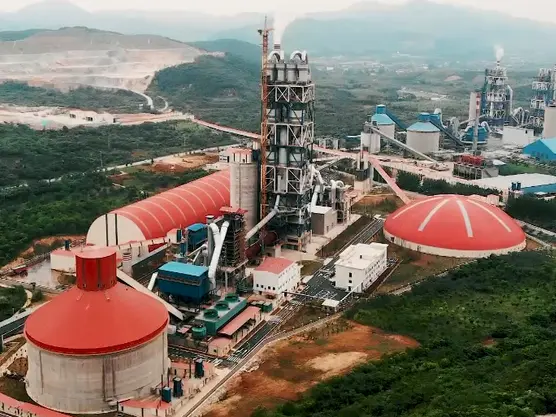
Reliable equipment is critical for cement plant operations. Our wear-resistant products extend the service life of chute liners, classifier cones, and raw mill components, reducing maintenance costs.
Case Study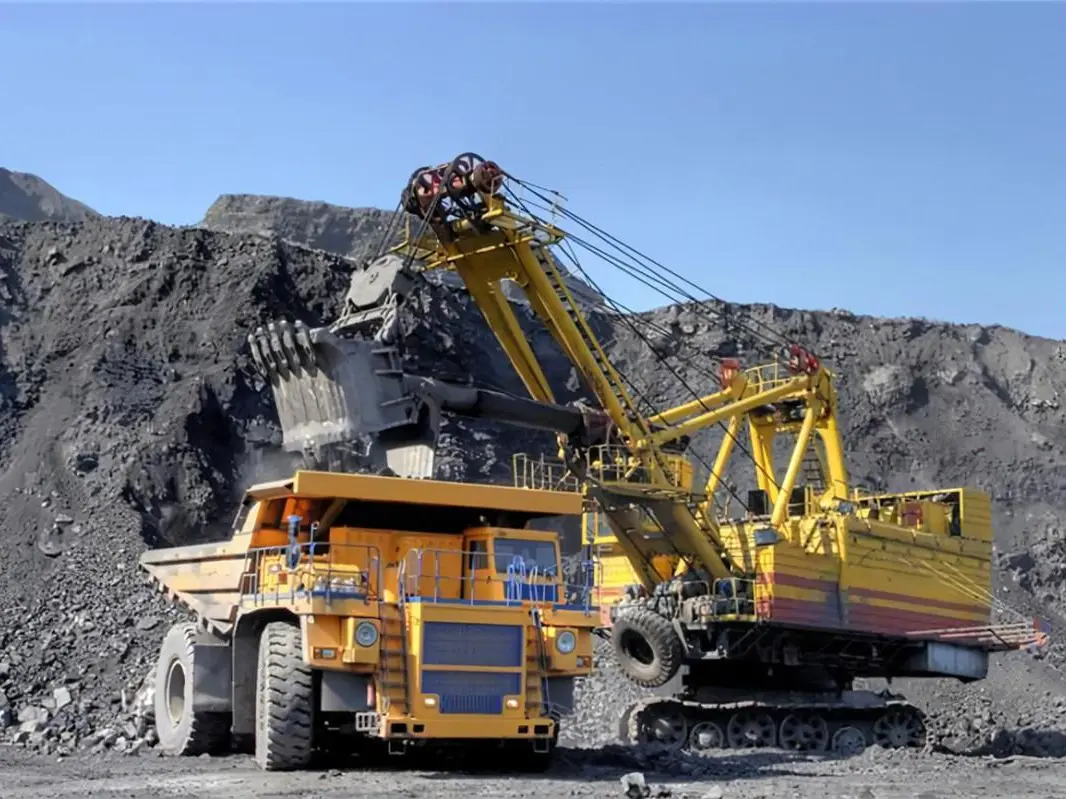
Mine operators need to maximize productivity and lower cost-per-ton. We supply heavy-duty bimetallic liners, wear plates, and components built to withstand high abrasion and impact.
Case Study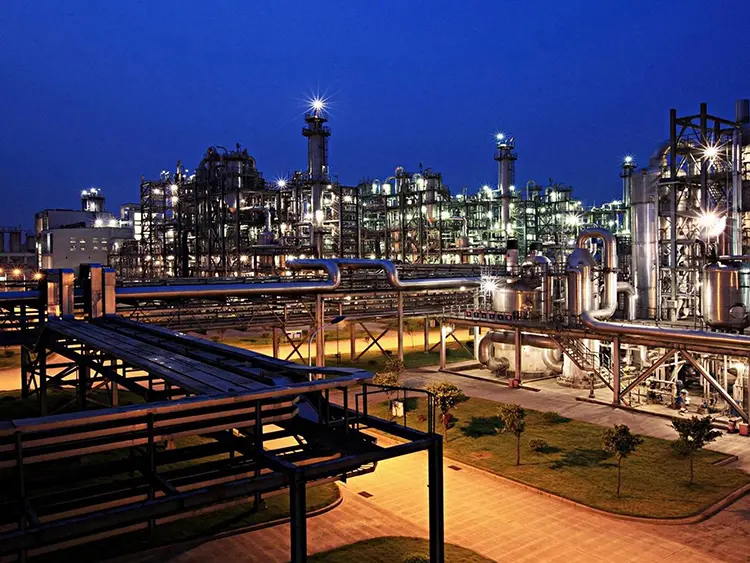
Steel plants present harsh working environments involving raw minerals, high temperatures, and corrosion. Our heat-resistant overlays and plates protect equipment in coke chutes and sinter plants.
Case Study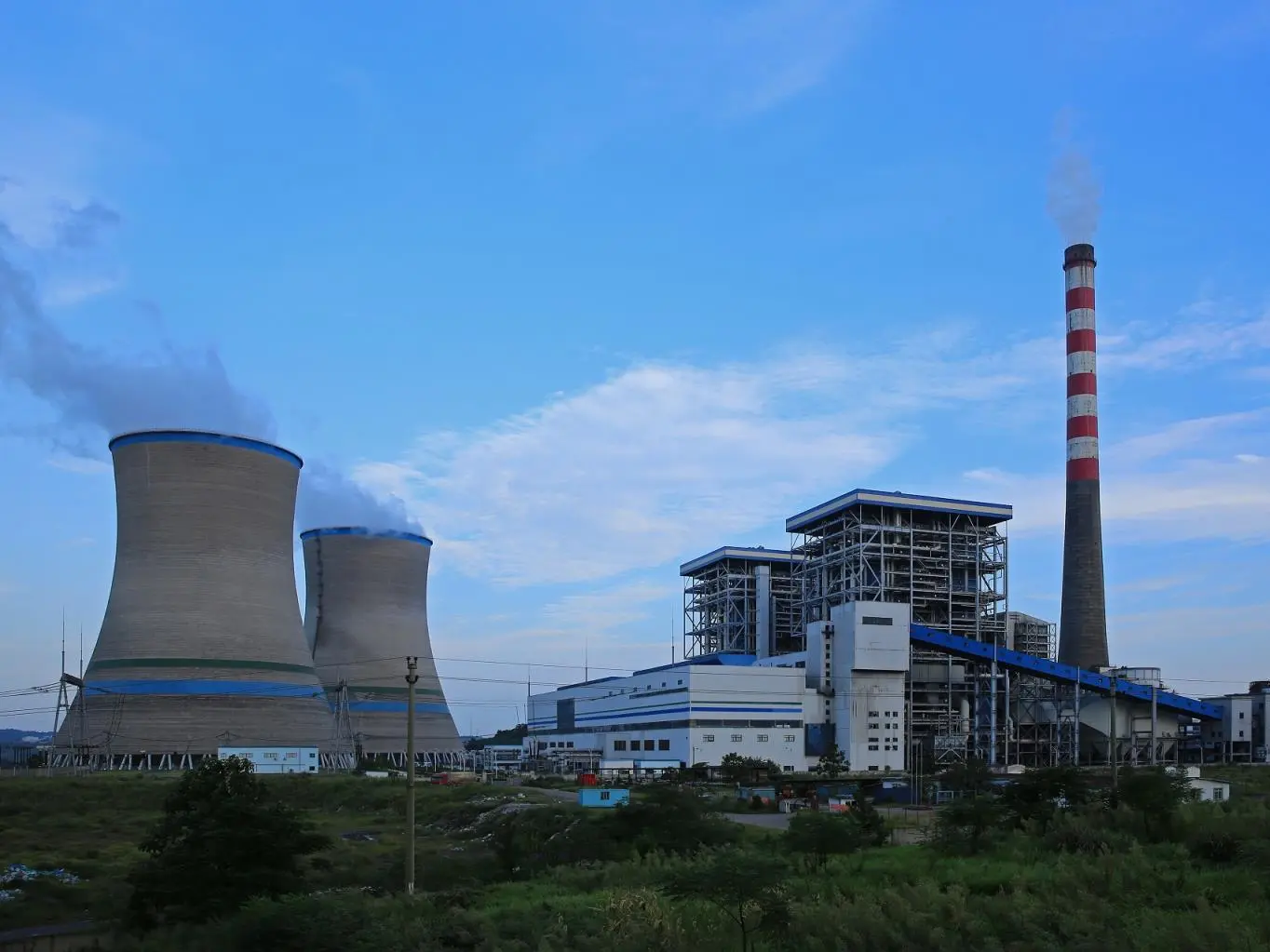
Protecting fan blades, conveyor systems, hopper liners, coal mills, dust collectors, and coal feeders from continuous abrasive wear is essential for uninterrupted power generation.
Case Study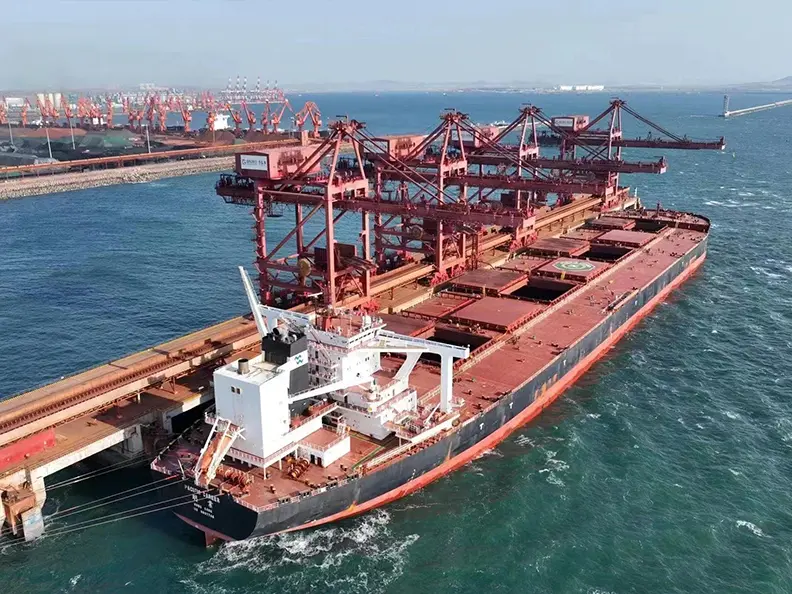
Bulk material handling systems, loaders, grab buckets, and transfer chutes handle high tonnage daily. Wear on this equipment directly impacts port throughput and costs.
Case Study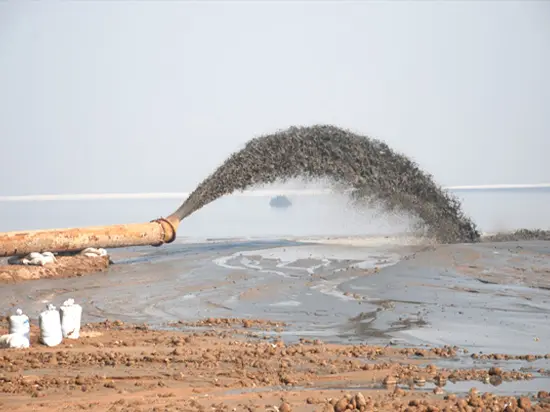
For high-velocity sliding abrasion without severe impact, we offer wear-resistant alumina ceramics, made from high-purity alumina powder and sintered at high temperatures.
Case Study
Our engineering team designs custom-milled shapes, wear elbows, and pipe components. We continuously update our products to meet changing operating conditions.
Learn More
We research and implement new surface treatment options, including laser cladding and complex carbide matrices, to handle high temperature and corrosive environments.
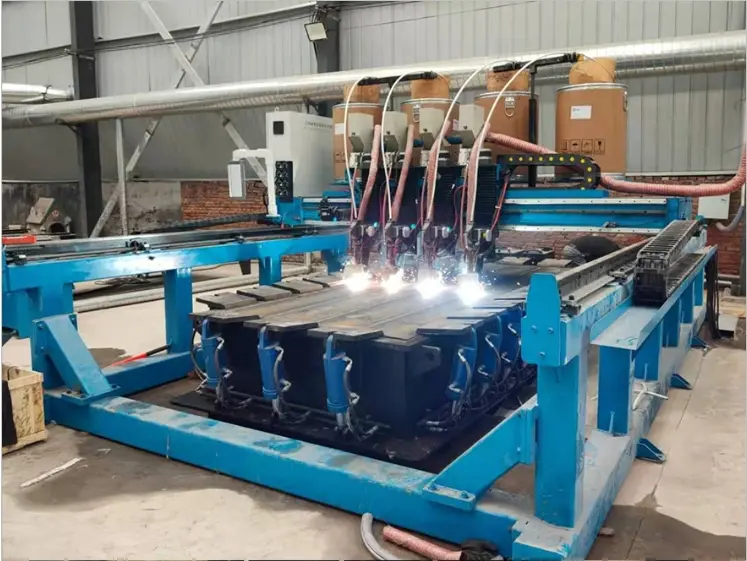
Learn MoreOur factory operates advanced RX® Surfacing Equipment to ensure uniform deposit quality and reliable performance. This automated machinery has a compact footprint and delivers consistent welding quality. It supports solid, flux-cored, and self-shielded wires across open-arc, powder-addition, and submerged-arc processes.
The system features an advanced CNC controller with a 10.2-inch touch screen, allowing operators to adjust the swing speed, width, and path of the weld. Four independent welding heads can operate simultaneously or separately, providing the flexibility needed for large wear plates or complex geometries like roll shells and vertical grinding mills.
Automated control helps maintain consistent dilution, hardness, and wear resistance across every square meter of material. It is designed to handle demanding repair jobs, including vertical coal grinding rolls and cement mill table liners.
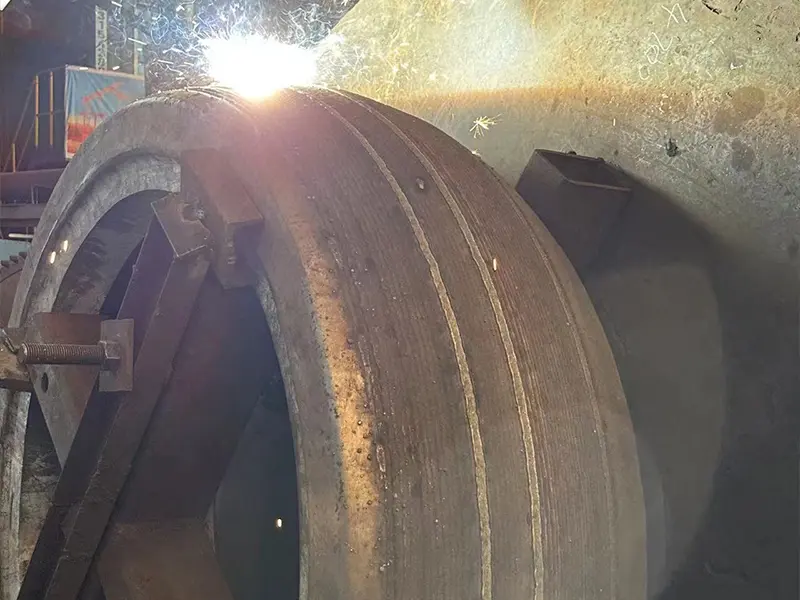
Industrial rollers, including conveyor pulleys, casting rolls, coal crushers, and vertical roller mills, are subjected to heavy continuous loads. General wear on these parts can cause structural damage and unplanned downtime, which increases operating costs.
Our reclamation services use specialized welding wire formulations to build up worn areas. By matching the thermal expansion and chemical properties of the overlay to the roll core, we restore dimensions and increase resistance to cracking, thermal fatigue, and abrasion.
Through careful preheating, controlled welding, and post-weld cooling, we prevent thermal cracking and preserve the structural integrity of the roll. Refurbished parts often outlast original equipment, providing a cost-effective alternative to replacement.
Chinese factories are a key part of the global industrial supply chain. Tangshan, located in Hebei Province, is a major steel-producing region that offers distinct advantages for manufacturing wear parts:
For international buyers, smooth logistics and clear transaction processes are as important as product quality. To optimize export operations, Tangshan Runxing Machinery Co., Ltd. works in partnership with Hebei Yuwan International Trade Co., Ltd.
Hebei Yuwan manages our international trading processes, handling customs clearance, ocean shipping, banking documentation, and international payments. This partnership allows our factory teams to focus on manufacturing, quality control, and custom engineering. This division of tasks helps ensure that orders meet international specifications and are delivered on schedule to clients in North America, Europe, Australia, Russia, and Central Asia.
The industrial wear industry is shifting toward thinner, lighter, and more durable composite designs. Key trends include:
Founded in 2010 in Tangshan, Hebei Province, Tangshan Runxing Machinery Co., Ltd. specializes in the R&D, manufacture, and installation of hardfacing wear-resistant metal products. Our product line includes chromium carbide overlay (CCO) wear plates, custom processed liners, wear-resistant pipes and fittings, hardfacing flux-cored wires, automatic welding equipment, and specialized roller rebuilding services.
We are committed to delivering reliable wear solutions for the cement, steel, mining, port, and dredging industries globally. Over the past decade, we have established a strong market presence in Russia, Central Asia, and beyond, building a reputation for durable products and technical expertise.
Since 2019, Tangshan Runxing has been a qualified agent for VAUTID, integrating their premium welding materials into our wear-resistant products to meet demanding international standards.
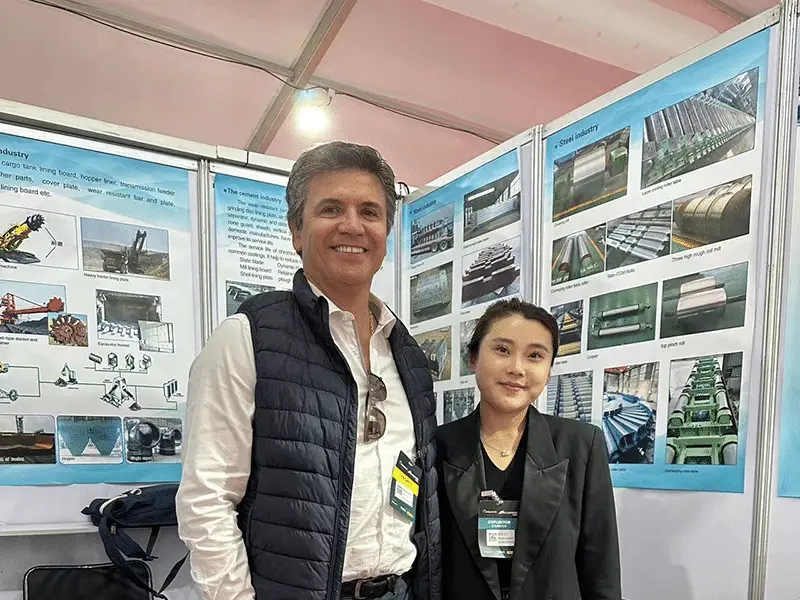
We regularly showcase our products at global industry events, including EXPOMIN in Chile and the 2024 South Africa International Construction Machinery Exhibition in Johannesburg.
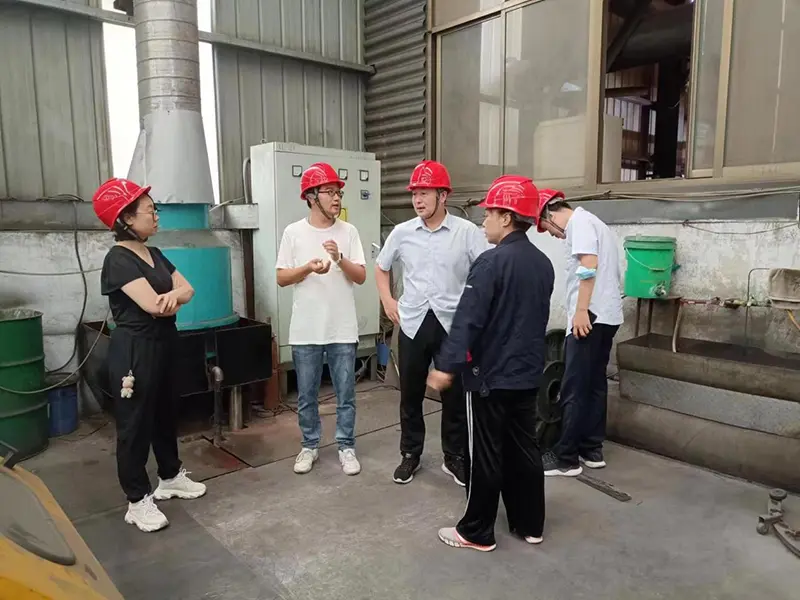
In 2023, leaders from Tangshan University visited our facility to collaborate on research in metal materials and forming technology, supporting our product development initiatives.



 Runxing machinery