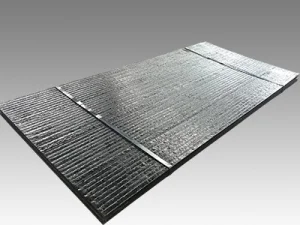
Engineered for extreme sliding abrasion environments, our bimetallic composite wear plate features a heavy deposition of primary chromium carbides bound in a tough matrix.
Explore Product Details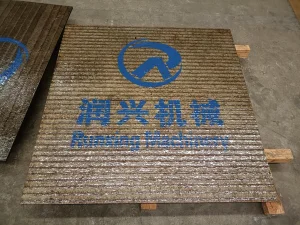
Designed specifically for mining chutes and cement liners. Features a hyper-eutectic microstructure with elevated hardness values for continuous throughput operations.
Explore Product Details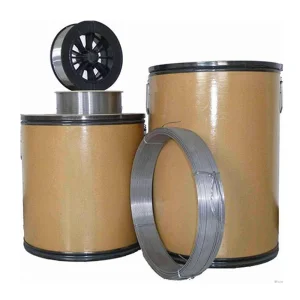
Premium alloyed flux-cored wires optimized for MIG cladding operations. Delivers high deposition rates with minimal spatter and exceptional wear properties.
Explore Product Details
Precision-manufactured overlay plates using state-of-the-art MIG/open-arc surfacing technologies. Fully customizable thickness and configuration.
Explore Product Details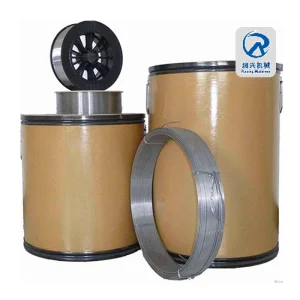
Self-shielded open arc welding wires developed for outdoor hardfacing and field operations where gas shielding is impractical. Excellent arc stability.
Explore Product Details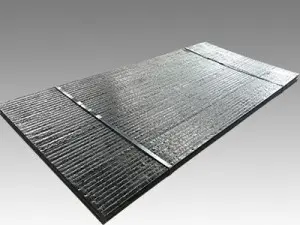
Premium composite wear plate consisting of a structural base plate bonded to a high alloy weld surfacing, fully compliant with DIN 8555 standards.
Explore Product Details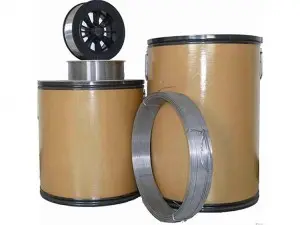
Engineered for extreme high-stress grinding abrasion with minimal impact. Perfect for reclaiming worn crusher rolls and industrial chutes.
Explore Product Details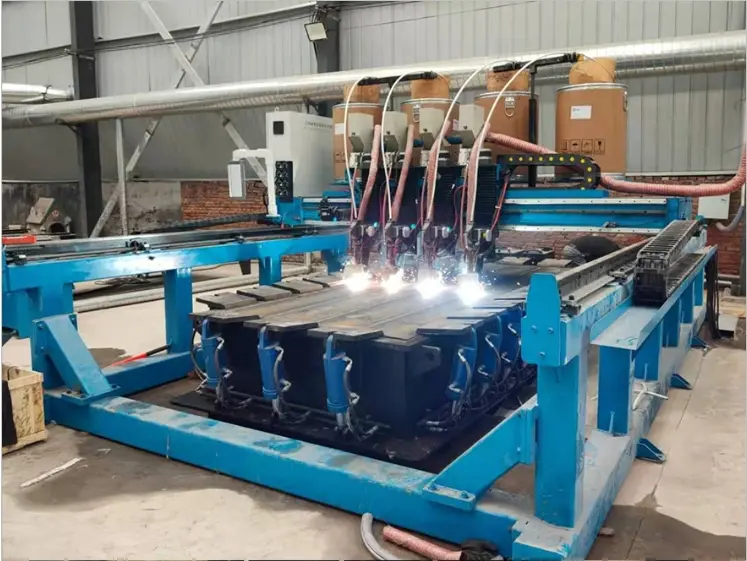
Four-gun multi-arc automated welding machine featuring 10.2-inch CNC touch controls, variable swinging speeds, and high-efficiency deposition capabilities.
Explore Product DetailsIn heavy industries such as mining, cement manufacturing, steel production, and power generation, mechanical systems undergo continuous surface degradation. The destructive combination of high-stress sliding abrasion, severe impact, thermal shock, and chemical corrosion results in billions of dollars lost annually to unplanned maintenance and premature equipment decommissioning. Hardfacing via Metal Inert Gas (MIG) welding—strictly defined in modern metallurgical engineering as Gas Metal Arc Welding (GMAW) or Flux Cored Arc Welding (FCAW)—stands as the premier technology to combat surface wear. By depositing a dense, wear-resistant layer of high-alloy material onto a structural base metal, hardfacing extends the working life of industrial machinery by 300% to 1000%.
The performance of a hardfaced surface is determined not merely by surface hardness (measured in HRC), but by the microstructure of the weld deposit. During MIG hardfacing, a high-chromium flux-cored wire is fused to a carbon steel or low-alloy steel backing plate. The resulting weld deposit cools to form a hyper-eutectic structure composed of primary M7C3 chromium carbides embedded within a tough, supporting austenitic matrix.
These M7C3 carbides possess a hexagonal crystal structure with micro-hardness values reaching up to 1500 HV. They act as microscopic barriers against abrasive particles (such as quartz, granite, or clinker), while the softer, ductile matrix absorbs mechanical shocks, preventing the premature spalling and delamination of the overlay. Proper alloy design requires optimizing the volume fraction of these primary carbides (ideally between 30% and 50%) and ensuring they are uniformly distributed throughout the cladding depth.
While various welding methods exist for hardfacing, including Submerged Arc Welding (SAW), Shielded Metal Arc Welding (SMAW), and Plasma Transferred Arc (PTA), MIG/FCAW offers a unique set of technical and economic advantages:
The global demand for hardfacing materials and automated cladding machinery is undergoing a major structural shift. Historically concentrated in Western industrial hubs, the production of wear-resistant composite plates and specialized consumables has decentralized. Developing economies throughout Asia-Pacific, Latin America, and Africa are experiencing unprecedented infrastructure and extraction growth, making them key regional hubs for heavy wear protection solutions.
China, led by advanced industrial regions such as Hebei Province, has emerged as the global powerhouse for both high-volume CCO plate production and high-efficiency cladding machinery design. This industrial shift is driven by extensive domestic supply chains, proximity to raw steel inputs, and a deep pool of metallurgical talent. Simultaneously, the focus in North American and European markets has transitioned toward highly specialized alloys (such as complex borocarbides and nano-structured alloys) and automated robotic repair workflows to minimize high labor costs.
Furthermore, ESG (Environmental, Social, and Governance) mandates are forcing multinational enterprises to re-evaluate their resource footprint. By utilizing advanced MIG hardfacing to rebuild worn steel parts instead of manufacturing brand-new replacements, companies can reduce carbon emissions associated with steel fabrication by up to 75%. Hardfacing has transformed from a simple maintenance technique into a core strategic driver for corporate circular economy initiatives.
The transition from single-wire manual systems to CNC-guided gantry systems equipped with four or more weld heads working in parallel. This guarantees perfectly uniform carbide distribution and eliminates thermal distortion across large plates.
Going beyond standard chromium alloys by incorporating micro-additions of Niobium (Nb), Titanium (Ti), and Boron (B). These element additions generate secondary nanoscale carbides that refine the grain structure, providing wear resistance up to 700°C.
Integrating high-speed optical sensors and artificial intelligence monitoring systems directly into MIG welding heads. These systems measure bead width, penetration depth, and temperature in real-time, automatically correcting parameters to prevent defect formation.
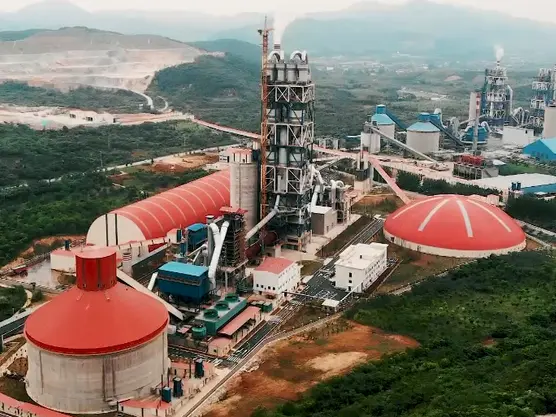
Raw materials such as limestone, clay, and coal cause severe sliding abrasion. We hardface vertical roller mill components, separator guides, and transport chutes to prevent abrasive downtime.
See Case Studies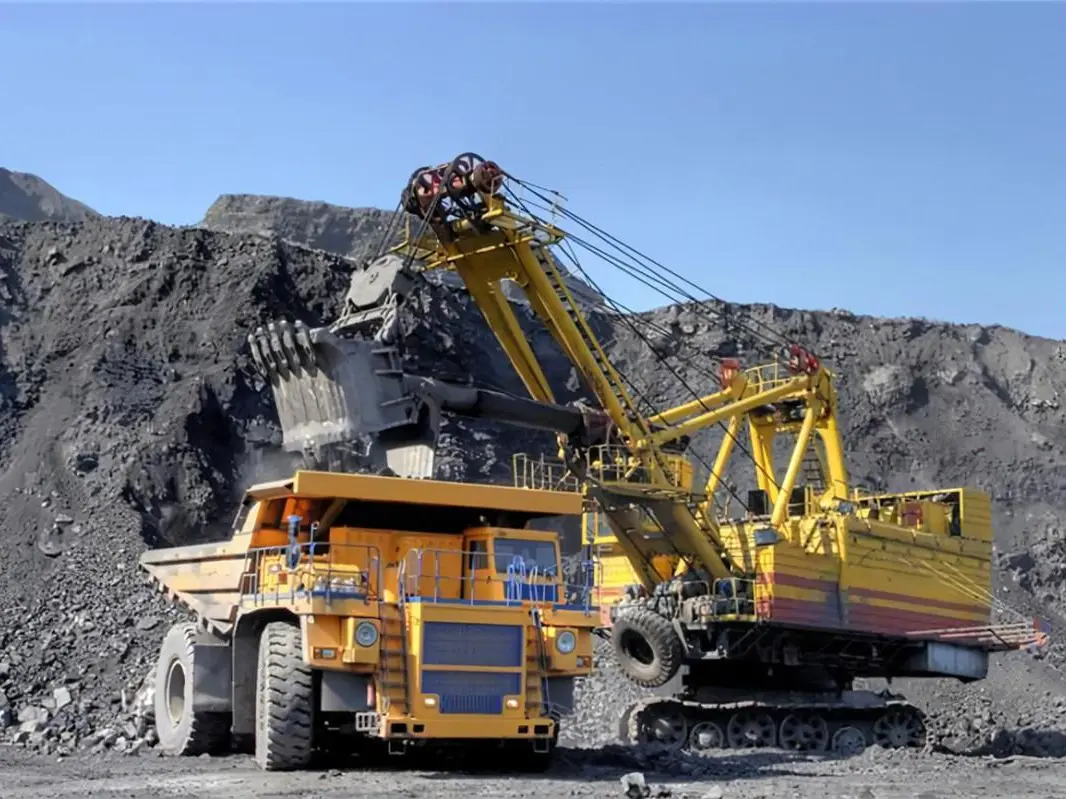
For open-pit and underground operations, our CCO wear plates are custom fabricated for heavy shovel buckets, dump truck beds, hopper liners, and crushing jaw linings.
See Case Studies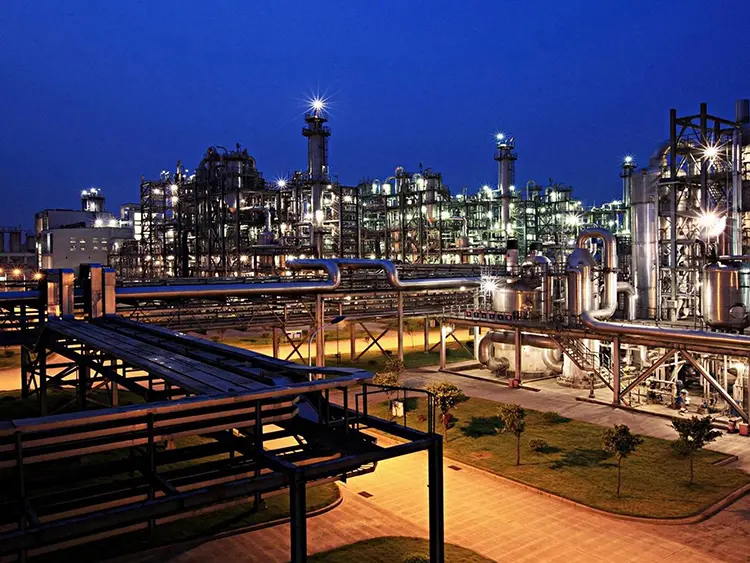
Managing raw minerals at extreme temperatures requires wear plates capable of handling combined abrasive wear, impact force, and oxidation. Applied in coke screens and blast furnace bells.
See Case Studies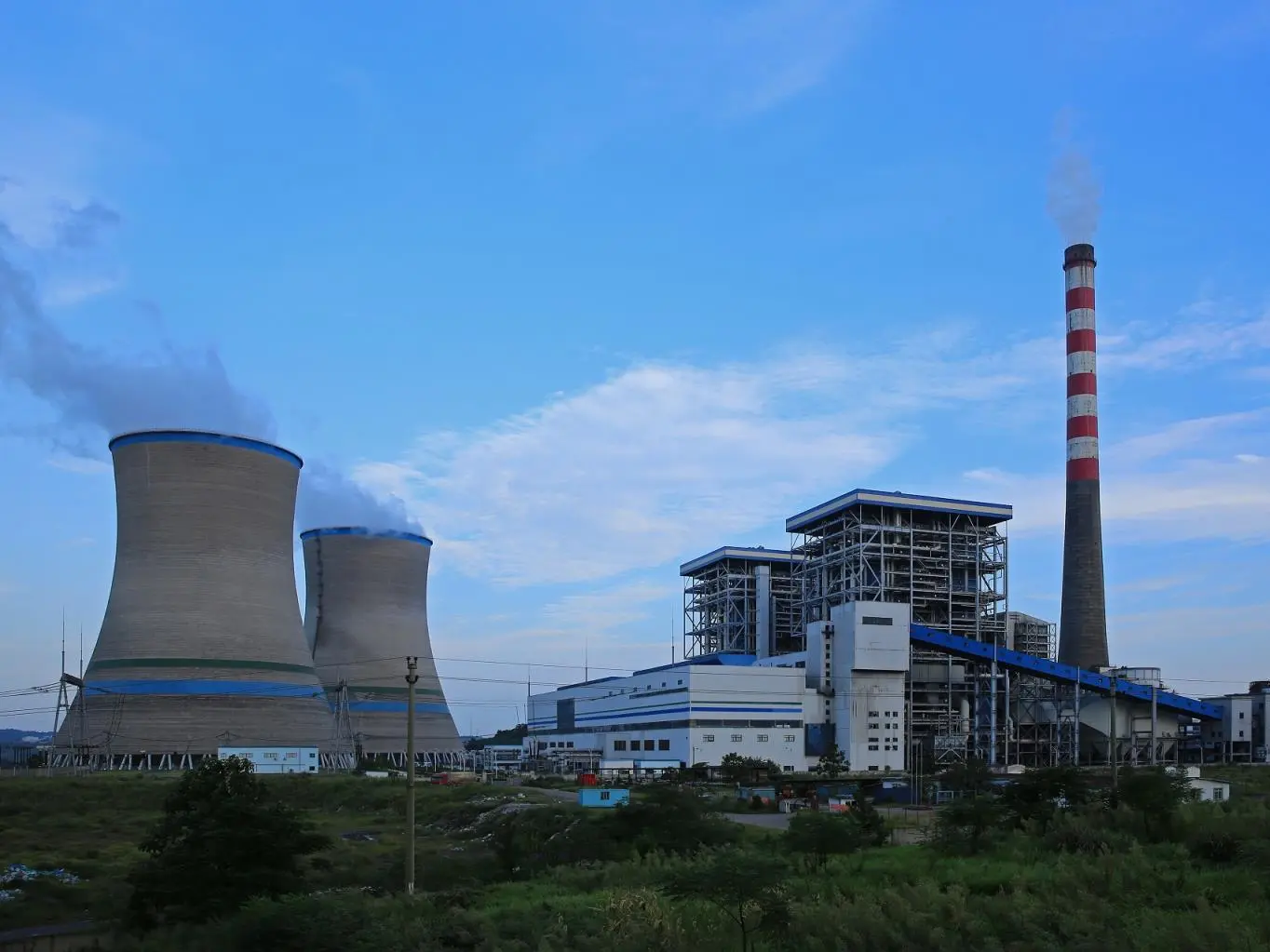
Pulverized coal transport systems experience severe erosion from high-velocity particles. We protect fan blades, separator cones, and classifier vanes with specialized thin-overlay plates.
See Case Studies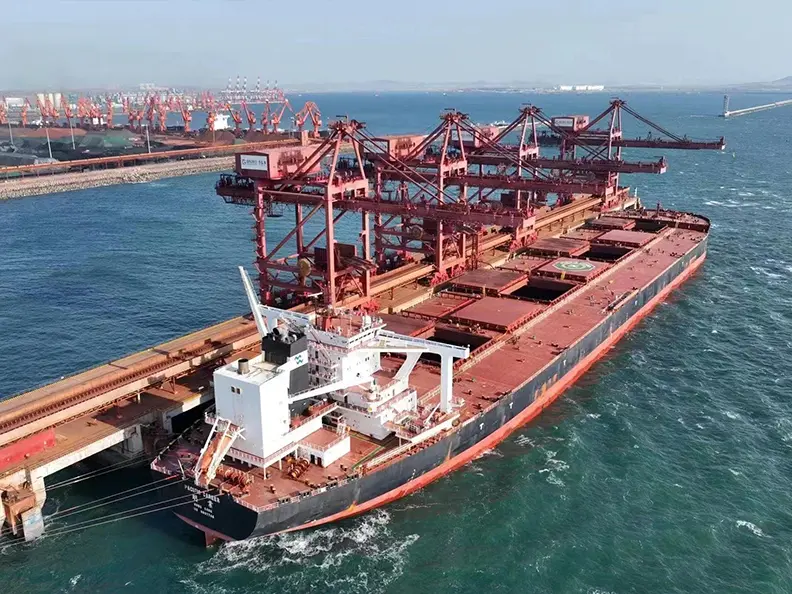
Bulk handling equipment, grab buckets, loading chutes, and dredge pipes handle wet abrasive slurries and minerals continuously. Custom wear plates significantly reduce system wear.
See Case Studies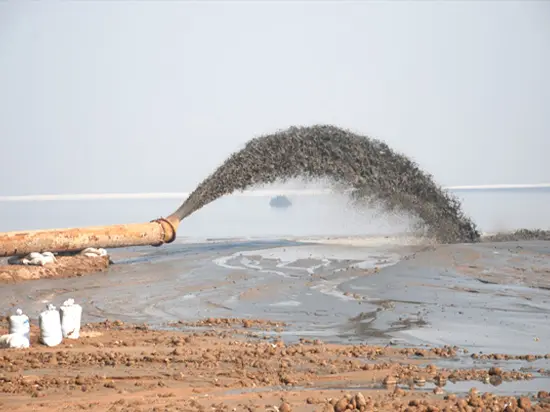
For applications where metallic overlays reach their thermal or chemical limits, we offer wear-resistant alumina ceramic linings sintered at high temperatures.
See Case Studies
Comprehensive wear engineering, including on-site wear mapping, thickness measurement, finite element analysis (FEA), and custom wear panel mapping.
See Case Studies
Precision hardfacing repair for coal pulverizer rolls and vertical cement mill rollers. Restores profile geometries, restoring mill throughput to design parameters.
See Case Studies

Founded in 2010, Tangshan Runxing Machinery Co., Ltd. is a highly specialized manufacturer based in Tangshan, Hebei Province, focusing on the research, development, production, and on-site engineering of high-hardness metal wear products. Over the past decade, we have established ourselves as a reliable global provider of bimetallic chromium carbide overlay (CCO) wear plates, custom-fabricated wear liners, hardfacing flux-cored wires, and automated surfacing machinery.
To guarantee quality standards, our engineering team works in partnership with the metal materials laboratories at Tangshan University. We are proud to have been a qualified agent for VAUTID (Germany) for six consecutive years, utilizing their high-performance alloys for specialized applications. All export operations are managed by Hebei Yuwan International Trade Co., Ltd., ensuring smooth logistics, custom clearance, and international payment processing.
Read More About Our Company
Our dedicated platform www.runxing-machinery.com has entered trial operations, serving as a comprehensive one-stop portal for wear plate sourcing and hardfacing consulting globally.
Read Press Release
We showcased our latest high-stress CCO plates and automated mill roll repair equipment in Johannesburg, expanding our supply network in Africa's mining and mineral sectors.
Read Press Release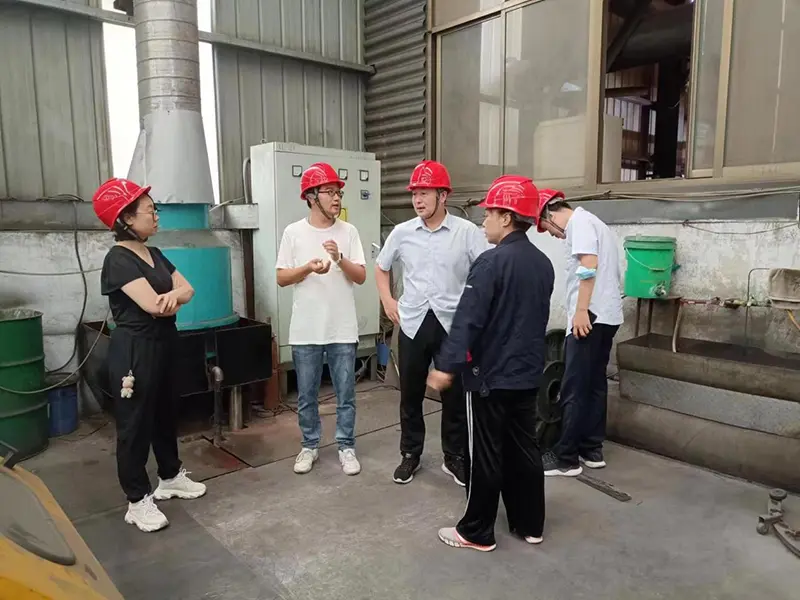
Dean Yuan Shaoqiang and the metal forming research team visited our facilities to study microstructural optimization of chromium overlay layers under different cooling profiles.
Read Press ReleaseSelecting the optimal hardfacing alloy requires balancing the primary wear modes active within the system. The table below details common industrial wear types and their corresponding alloy recommendations:
| Wear Environment | Primary Degradation Mode | Recommended Overlay Metallurgy | Typical Hardness |
|---|---|---|---|
| Cement Chutes & Hopper Linings | Low-impact sliding abrasion | Hypereutectic Chromium Carbide (Cr7C3) | 58 - 62 HRC |
| Coal Pulverizer & Mill Rolls | High-stress grinding abrasion | Niobium-doped Chromium Carbides | 60 - 64 HRC |
| Sinter Clinker Crusher Tips | Extreme heat & metal-to-metal abrasion | Complex Borocarbides with Tungsten (W) | 62 - 67 HRC |
| Excavator Bucket Teeth & Lips | Severe impact and Gouging | Austenitic Manganese or Low-Alloy Carbides | 45 - 55 HRC (Work Hardens) |
During the MIG hardfacing process, operators frequently encounter metallurgical anomalies. Here is how our engineering team ensures crack-free, high-integrity cladding:






Engineered for extreme sliding abrasion environments, our bimetallic composite wear plate features a heavy deposition of primary chromium carbides bound in a tough matrix.
Explore Product Details
Designed specifically for mining chutes and cement liners. Features a hyper-eutectic microstructure with elevated hardness values for continuous throughput operations.
Explore Product Details
Premium alloyed flux-cored wires optimized for MIG cladding operations. Delivers high deposition rates with minimal spatter and exceptional wear properties.
Explore Product Details
Precision-manufactured overlay plates using state-of-the-art MIG/open-arc surfacing technologies. Fully customizable thickness and configuration.
Explore Product Details
Self-shielded open arc welding wires developed for outdoor hardfacing and field operations where gas shielding is impractical. Excellent arc stability.
Explore Product Details
Premium composite wear plate consisting of a structural base plate bonded to a high alloy weld surfacing, fully compliant with DIN 8555 standards.
Explore Product Details
Engineered for extreme high-stress grinding abrasion with minimal impact. Perfect for reclaiming worn crusher rolls and industrial chutes.
Explore Product Details
Four-gun multi-arc automated welding machine featuring 10.2-inch CNC touch controls, variable swinging speeds, and high-efficiency deposition capabilities.
Explore Product Details Runxing machinery