Explore our foundational range of chromium carbide overlay (CCO) wear plates, industrial flux-cored wires, and custom hardfacing machinery designed to optimize equipment availability.
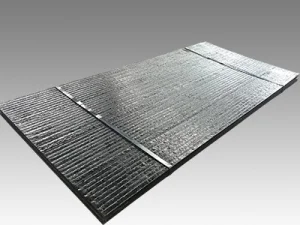
Engineered for extreme abrasive environments. Our bimetallic plates feature a structural steel backing fused with a rich, uniform chromium carbide wear overlay.
See more products >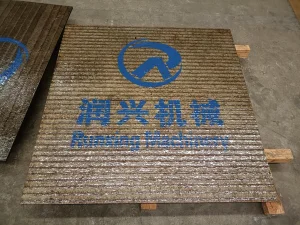
Specifically optimized for mining and cement chute liners. Delivers unmatched resistance against heavy sliding abrasion and material impact.
See more products >
Custom fabrication options from our state-of-the-art foundry. Tailored thickness, dimensions, and alloy composition mapping to match exact operational profiles.
See more products >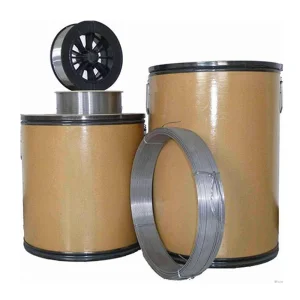
High deposition rate flux-cored wires designed for seamless weldability. Ideal for open-arc build-up, repair operations, and wear-resistant cladding.
See more products >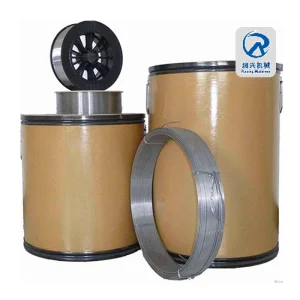
Engineered for outdoor maintenance and site construction. Eliminates the need for external shielding gas while maintaining strong microstructural protection.
See more products >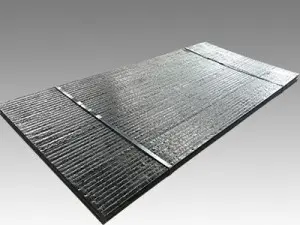
Premium composite wear plate. Constructed from structural steel backing fused with high-hardness chromium carbide hardfacing corresponding to DIN 8555 standards.
See more products >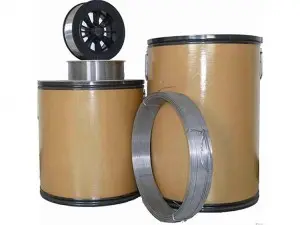
High chromium alloy wire designed specifically to resist severe high-stress grinding abrasion under low-impact regimes. Ideal for wear plate fabrication.
See more products >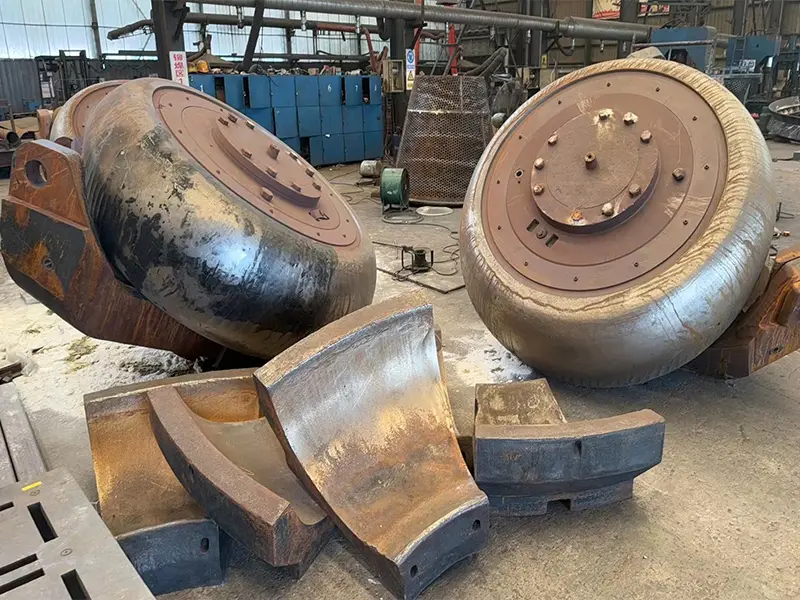
Advanced plasma cladding system for precision surface engineering. Provides refined carbide distributions and minimizes base metal dilution rates.
See more products >Founded in 2010 in Tangshan, Hebei Province, Tangshan Runxing Machinery Co., Ltd. has established itself as an authoritative leader in the research, development, manufacture, and site application of hardfacing wear-resistant metal products. By cultivating advanced metallurgical techniques, we deliver superior wear-prevention solutions that secure operational reliability across extreme heavy industries globally.
To support global supply chains, all export operations are fully authorized and professionally managed by our dedicated subsidiary, Hebei Yuwan International Trade Co., Ltd. This integration guarantees seamless international customs clearance, logistics, robust documentation, and secured financial collection, enabling our manufacturing facility to remain entirely focused on product engineering and rigorous QA standards.
Notably, Runxing Machinery has been recognized as a qualified agent for VAUTID (Germany) for six consecutive years since 2019, implementing premium alloy additives to secure standard-compliant performance in demanding environments.
A rigorous review of sliding wear, solid particle erosion, and technological alloy designs engineered to maximize equipment life-cycles in severe working environments.
Our hardfacing wires are engineered to deposit a dense network of primary hexagonal chromium carbides (M7C3) within a tough austenitic matrix. Featuring carbon content up to 5.5% and chromium up to 30%, the microstructures are optimized to resist micro-cutting, grooving, and severe abrasive wear under extreme mechanical loads.
By balancing internal deoxidizers and denitriders within the tubular core, our self-shielded open arc wires protect the weld pool dynamically without requiring external shielding gases. This ensures low porosity, zero cracking propagation, and optimal deposition efficiency even in unstable outdoor field conditions.
Base metal dilution alters the chemical balance of weld overlays. Our proprietary flux-cored wire compositions feature low thermal penetration curves, resulting in a minimum dilution rate (often under 10% in a single pass), which secures the designed wear properties right from the first weld layer.
In heavy industrial applications, selecting the appropriate hardfacing welding wire requires analyzing structural mechanics and localized environment parameters. Broadly, wear can be classified into two-body/three-body abrasion, erosion, impact, and corrosive/thermal degradation. Standard carbon steels fail rapidly under high-stress grinding abrasion because their ferrite-pearlite structure lacks the localized hardness to prevent micro-ploughing by quartz or clinker particulates.
By depositing high-alloy cladding materials, we introduce complex metallurgical matrices. Primary M7C3 carbides present a hardness of roughly 1200-1600 HV, which is significantly harder than quartz particles (around 900-1100 HV). These carbides act as barriers against cutting actions, while the supporting iron-based matrix absorbs structural impacts and prevents early spalling or carbide loss.
The following parameters map typical industrial configurations for hardfacing flux-cored welding wires and overlay composite wear plates:
| Alloy Family | Typical Chemistry (%) | Typical Hardness | Primary Application Environment |
|---|---|---|---|
| Chromium Carbide (Fe-Cr-C) | C: 4.0 - 5.5, Cr: 25 - 30 | 58 - 62 HRC | Severe abrasion, low-to-medium impact, temp up to 350°C. |
| Complex Carbide (Nb, V, W added) | C: 4.5, Cr: 22, Nb: 5.0, Mo: 1.5, W/V: 1.0 | 62 - 66 HRC | Fine sand abrasion, high-temperature wear up to 650°C. |
| Martensitic Iron | C: 0.5, Cr: 5.0, Mo: 1.0, V: 0.5 | 50 - 55 HRC | Metal-to-metal sliding, medium-to-heavy impact resistance. |
Custom-engineered overlay solutions and hardfacing operations built to handle the harshest operational conditions across key international industries.
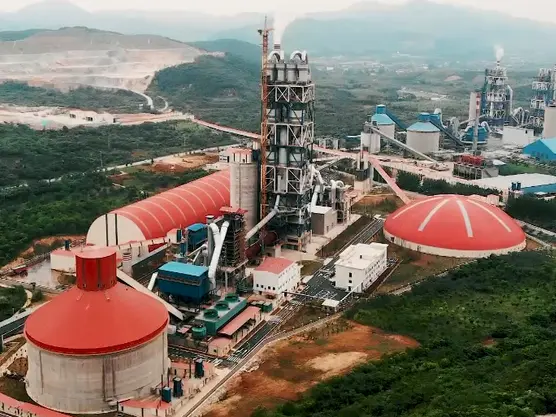
Clinker and raw meal processing components suffer from severe sliding abrasion. We provide custom wear plates for chutes, separators, hopper liners, and roller presses to extend equipment uptime.
See more products >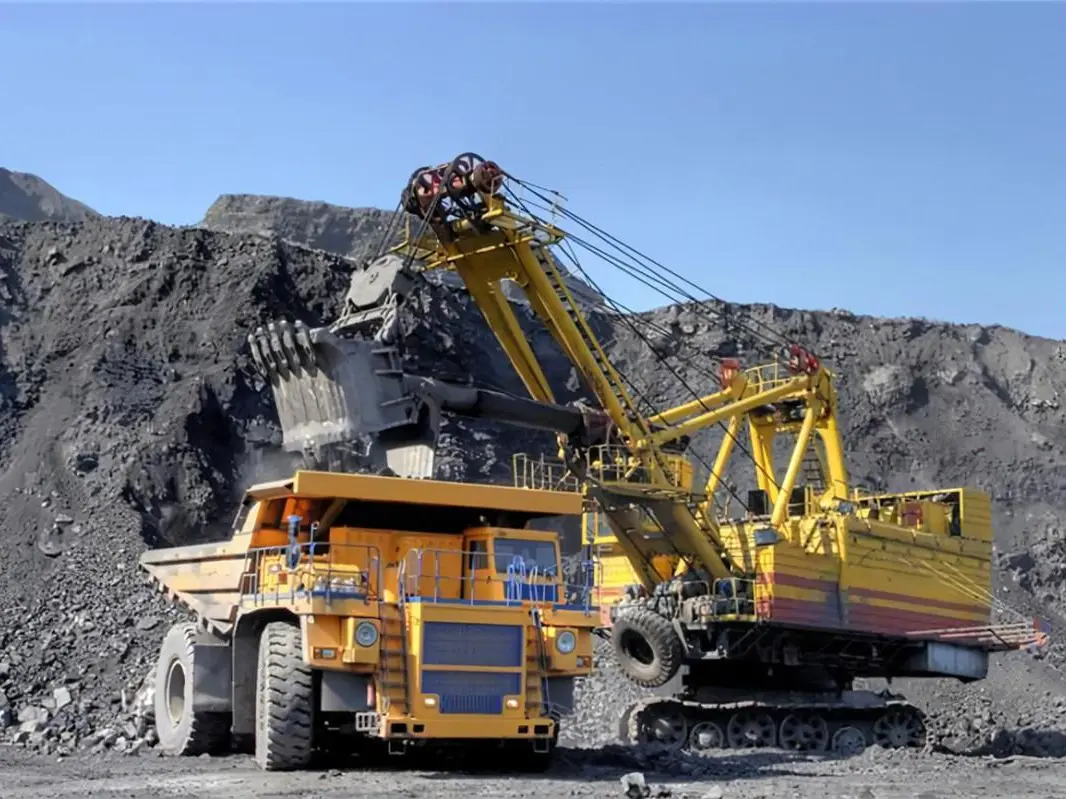
Earthmoving and ore-processing equipment are subjected to high-stress gouging abrasion. Our chromium carbide overlays protect haul truck body liners, dragline buckets, and primary crusher jaws.
See more products >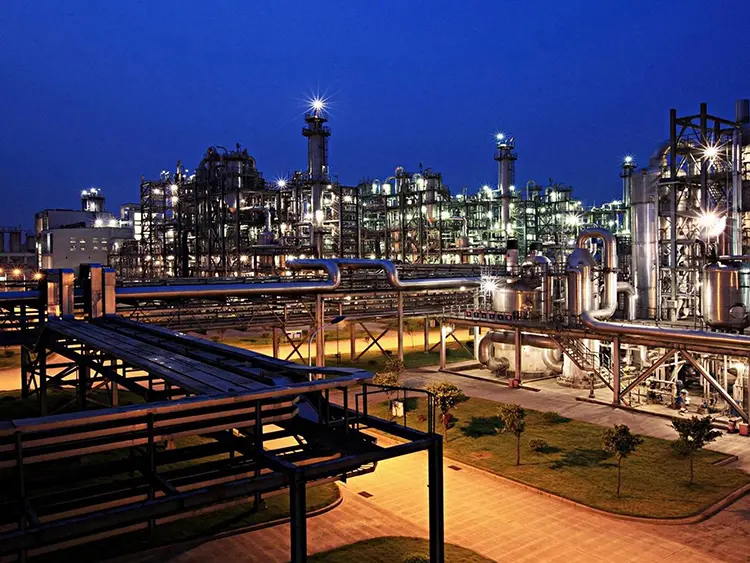
Handling raw iron ore, coke, and hot slag requires high-temperature structural integrity. We rebuild continuous casting rolls, blast furnace distribution chutes, and guide rolls.
See more products >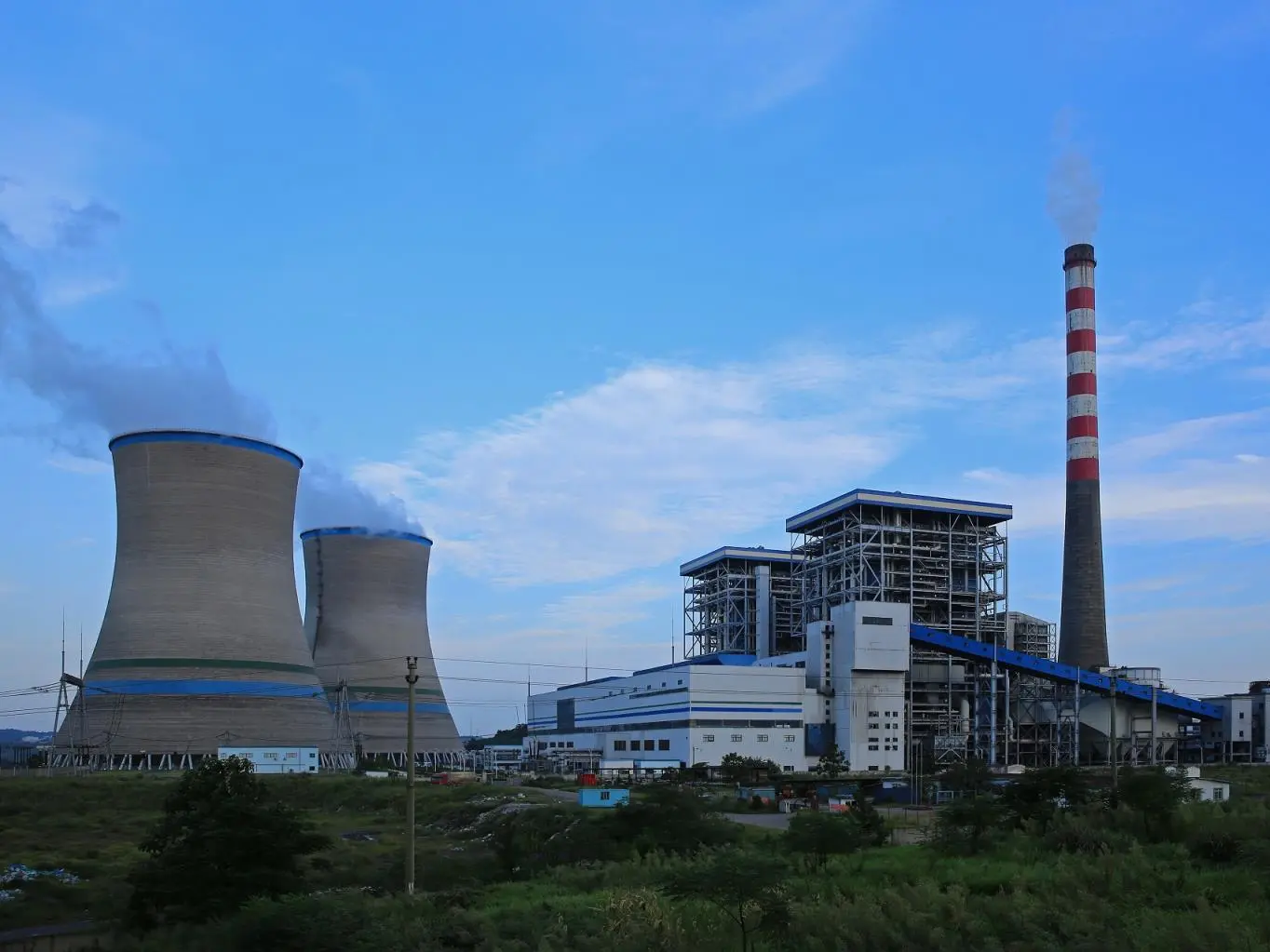
Coal pulverization requires high-duty, impact-resistant wear protection. We refurbish coal mill grinding segments, exhauster fan blades, and transport pipelines using high-alloy hardfacing wires.
See more products >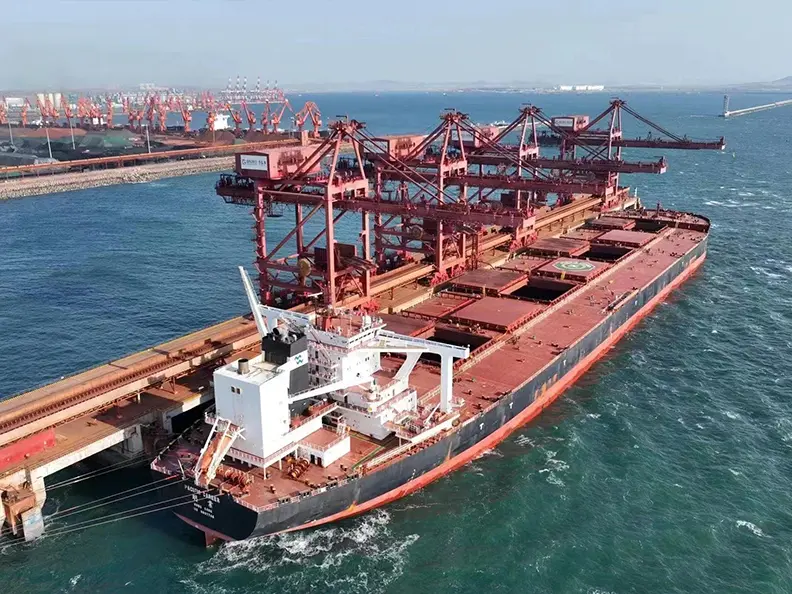
High throughput loading and unloading equipment can suffer from severe impact and friction. We supply customized liners for ship loader hoppers, grab buckets, and transfer chutes.
See more products >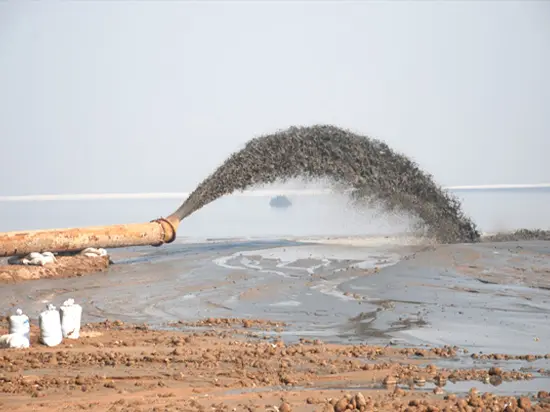
To tackle localized high-velocity erosion, we supply high-purity alumina ceramics. Sintered at high temperatures, these tiles provide optimal resistance for pneumatic transport systems.
See more products >
We continually optimize our chemical compositions to adapt to new industrial wear modes. Custom projects are analyzed by our metallurgical laboratory for maximum performance.
See more products >
Our R&D team works closely with leading academic researchers to engineer bespoke weld wire formulas, supporting client operations from analysis to site installation.
See more products >Adhering to strict international testing standards ensures consistent material properties, wear performance, and reliable logistics.
Our hardfacing welding wires and bimetallic wear plates are manufactured and verified according to international standards, including DIN 8555 (alloy classification specifications for hardfacing) and AWS A5.21 (bare electrodes and rods for surfacing). Every production batch undergoes extensive quality control testing:
Runxing Machinery actively collaborates with academic institutions, including the metal materials and forming technology teams at Tangshan University. This research partnership accelerates alloy development, helping us create high-alloy, crack-free flux-cored wires designed for high-stress industrial applications.
Through our export partner, Hebei Yuwan International Trade Co., Ltd., we serve major projects across South Africa, Central Asia, Russia, and South America, coordinating shipping logistics and customs compliance for global deliveries.
Adapting to tougher global standards by developing eco-friendly, highly automated wear solutions.
Integrating multi-axis CNC gantries and robotic arms with real-time laser tracking. This system adjusts welding speed, swing width, and power parameters on the fly, ensuring highly consistent overlay quality and low weld dilution.
Developing iron-based amorphous alloys that form sub-micron grain sizes during cooling. These structures deliver high hardness (up to 70 HRC) along with improved toughness, resisting impact and stress-cracking.
Improving workshop safety by optimizing core flux formulas to minimize particulate emissions and hexavalent chromium fumes. This design supports green manufacturing initiatives without compromising arc stability.
Expert metallurgical insights to help you select, apply, and optimize hardfacing materials.
Open-arc (self-shielded) wires contain specific deoxidizing, denitriding, and slag-forming minerals within their core. These compounds react in the welding arc to generate a protective gas shield and slag cover, making them ideal for outdoor site repairs where wind can disrupt gas shielding.
Gas-shielded wires require an external shielding gas (such as 100% CO2 or an Argon/CO2 mix). This setup produces less slag and spatter, offering clean, high-deposition welds under controlled workshop conditions.
Yes, stress-relief cracks (cross-checking) are normal and expected in high-alloy chromium carbide overlays. The overlay has a higher thermal expansion coefficient than the structural backing steel. As the weld cools, the overlay experiences shrinkage stress, which is relieved by fine vertical cracks.
These cracks terminate at the fusion boundary and do not propagate into the backing plate. They do not impair the wear resistance of the plate during sliding abrasion.
Minimizing base metal dilution ensures the weld overlay retains its intended chemical composition and wear performance. Dilution can be controlled by:
Yes, composite plates can be processed using standard workshop tools. They can be cold-formed or rolled into curved sections to fit chutes and pipes, with the wear overlay on either the inner or outer surface. Cutting is typically performed using plasma arc systems or high-pressure water jets. The structural backing plate can also be welded to equipment supports using standard low-hydrogen mild steel electrodes.
As a certified VAUTID agent for six consecutive years, Runxing incorporates VAUTID's specialized metallurgical additives and formulations into custom wear products. This integration ensures our overlays meet global standards for microhardness and carbide distribution in extreme industrial conditions.
Browse our full catalog of flux-cored welding wires, specialized rebuilding machinery, and expert roller maintenance services.
Self-shielding flux-cored wire for tough field applications, eliminating the need for external shielding gas systems.
See more products >
High-deposition welding consumables engineered to rebuild worn equipment and extend service life.
See more products >
Premium wear plates made from structural backing steel fused with a high-hardness carbide overlay, corresponding to DIN 8555.
See more products >
High-chromium alloy wire engineered to resist high-stress grinding abrasion under low-impact conditions.
See more products >
Precision plasma transferred arc overlays, offering uniform carbide structure and minimal base metal dilution.
See more products >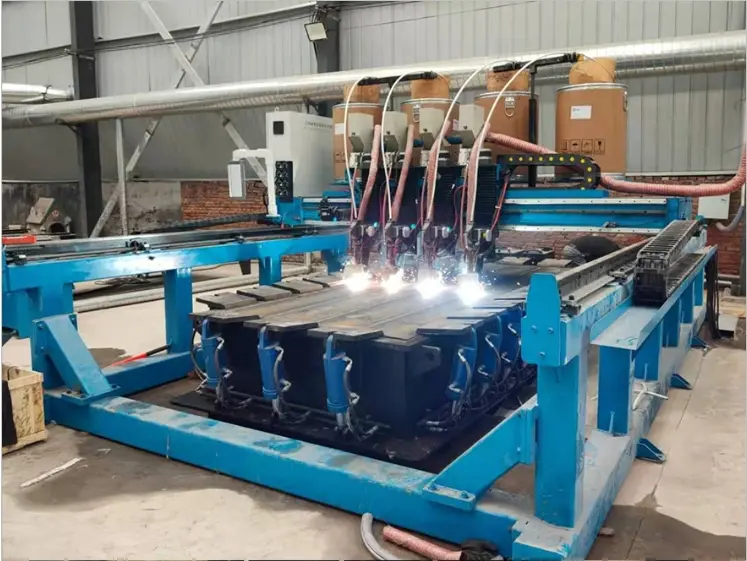
Automated cladding systems featuring 10.2-inch touch screens, adjustable swing paths, and four-gun configurations for high-efficiency wear plate production.
See more products >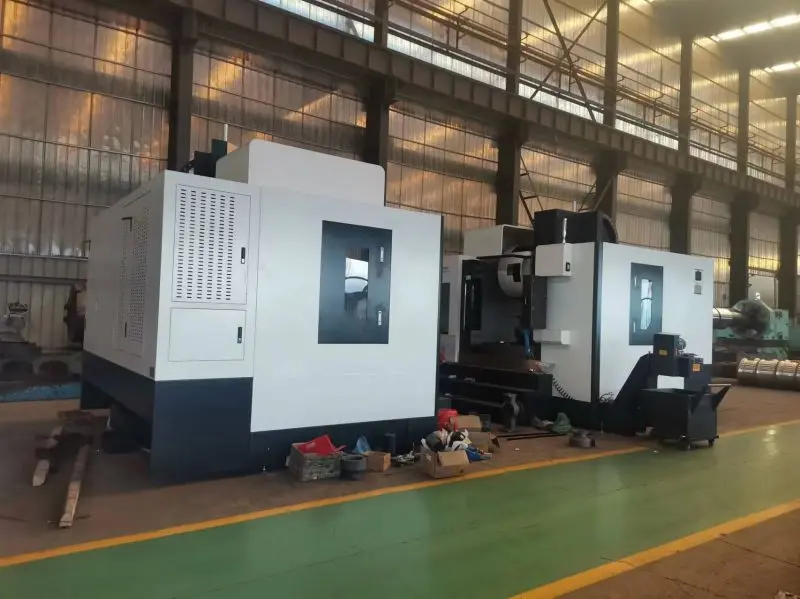
Custom steel fabrication, machining accessories, and wear liner assemblies tailored to complex technical drawings.
See more products >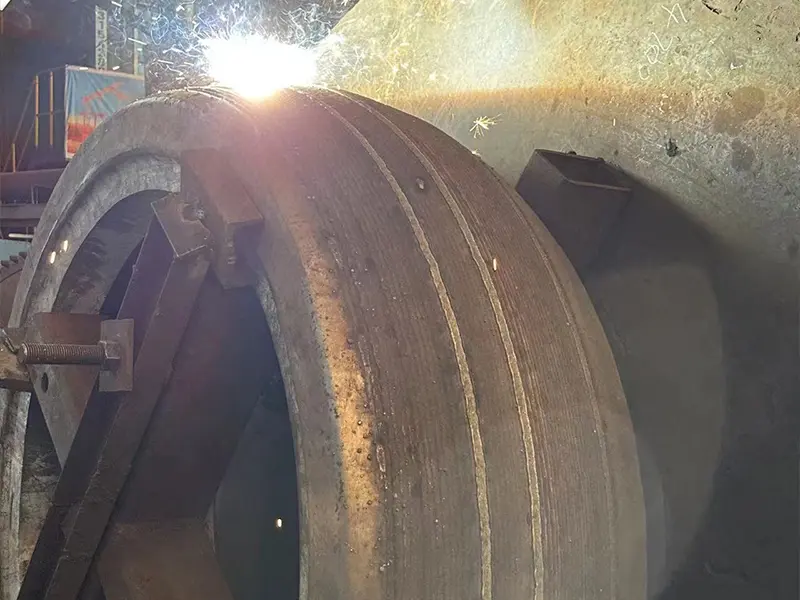
Rebuilding and repairing worn vertical mill rollers, conveyor rolls, and steel mill rolls to restore baseline operational geometry.
See more products > Runxing machinery