Explore our primary range of hardfacing overlay plates, automated welding equipment, and self-shielded flux-cored wires manufactured to international standards.
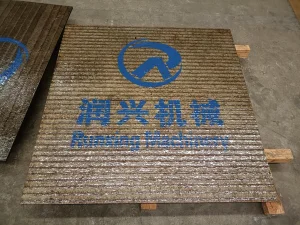
Designed specifically for mining and cement chute liners. Offers premium surface hardness and extreme wear mitigation capabilities.
See Details >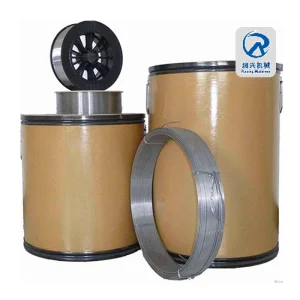
Self-shielded high-chromium flux-cored wire. Engineered for outstanding grinding and wear resistance with lower impact requirements.
See Details >
Standard bimetallic plates customized with premium hardfacing layers to extend the service life of heavy industrial equipment.
See Details >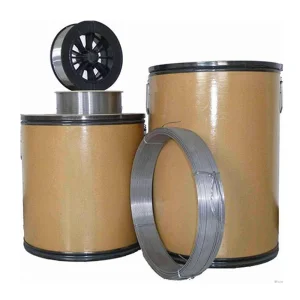
A complete portfolio of hardfacing wires matching international metallurgy standards for field repairs and workshop cladding.
See Details >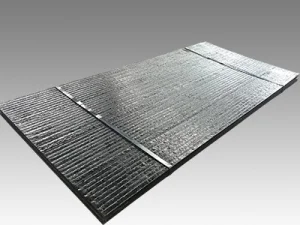
Bimetallic structural configuration providing high toughness on the backing steel and maximum hardness on the surfacing side.
See Details >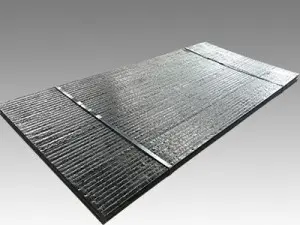
Composite wearplate consisting of a weldable structural backing steel and a hard wear-resistant surfacing layer conforming to DIN 8555.
See Details >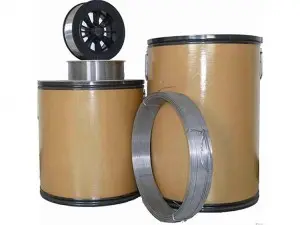
Specifically developed high-chromium alloy designed to endure extreme sliding abrasion with minimal impact degradation.
See Details >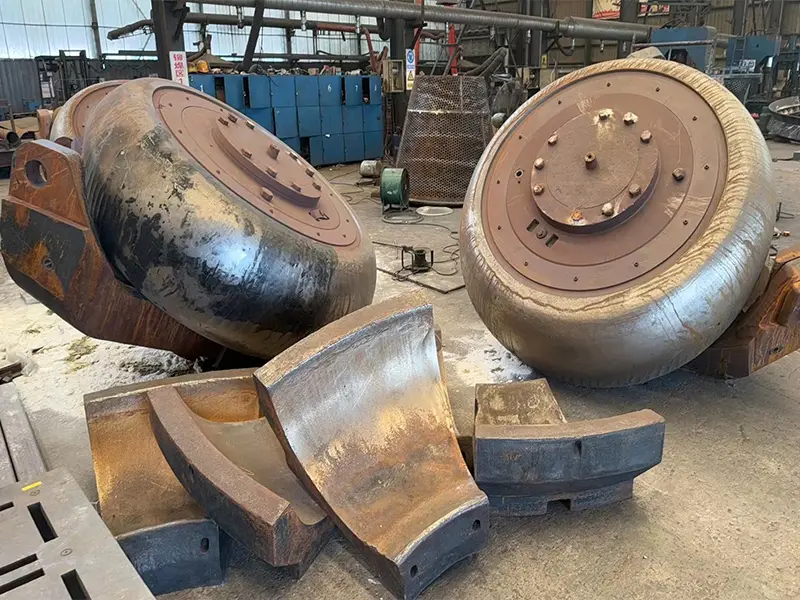
High-alloy wear-resistant system formulated for complex environments experiencing aggressive material flow and thermal exposure.
See Details >Industrial components in processing plants suffer from continuous degradative mechanisms such as abrasion, erosion, impact, and thermal breakdown. To maximize operational uptime and prevent catastrophic failures, modern engineering turns to bimetallic structures. Among these, Chromium Carbide Overlay (CCO) wear plates stand out as the industry benchmark for heavy sliding wear protection.
The wear resistance of a CCO plate is determined by its microstructure. During the automated weld overlay process, a high-chromium, high-carbon alloy is fused onto a ductile structural backing plate (commonly ASTM A36 or Q235B steel). The resulting metallurgy consists of primary hexagonal M7C3 chromium carbides embedded within a tough, supportive austenitic matrix. These primary carbides reach a micro-hardness of 1200 to 1600 HV (Vickers), providing a barrier that resists penetration from quartz, iron ore, clinker, and other highly abrasive materials.
“According to ASTM G65 Dry Sand Rubber Wheel testing standards, premium CCO plates demonstrate up to 30 times greater abrasion resistance than standard carbon structural steels, and up to 4 to 8 times the durability of quenched-and-tempered steels (AR400/500).”
Strict carbon (4.5%–5.5%) and chromium (25%–35%) formulations ensure a dense carbide volume fraction (>35%), providing deep protection against abrasive particulate fields.
The structural backing plate absorbs impact energy and permits standard fabrication methods like welding, studding, and countersunk mounting on existing equipment walls.
Reduces equipment maintenance cycles, minimizes costly plant shutdowns, and reduces overall structural steel mass requirements for chutes, hoppers, and ducting.
Founded in 2010, Tangshan Runxing Machinery Co., Ltd. is a leading manufacturer specializing in the R&D, fabrication, and field construction service of hardfacing wear-resistant composite products. Based in Tangshan, Hebei Province—the heartland of Chinese steel production—our factory leverages supply chain advantages to supply chromium carbide overlay (CCO) wear plates, custom fabricated wear liners, wear-resistant pipe fittings, hardfacing flux-cored wires, and automated surfacing machinery globally.
Our operation is built on the business core of "Integrity, Superior Quality, Innovation & Sustainable Development". Through strategic partnerships, including acting as a qualified agent for VAUTID Germany for six consecutive years, we integrate European metallurgical standards with high-efficiency Chinese production capabilities. This combination ensures that our products meet demanding global specifications while maintaining cost competitiveness.
Compliance & Logistics Notice: All international export trade, customs clearance, and global logistics operations are managed by Hebei Yuwan International Trade Co., Ltd. This division ensures compliance with import regulations, handling shipping documentation, customs clearance, and international payment transactions, allowing our manufacturing center to focus entirely on quality assurance and metallurgical testing.
Our facilities combine specialized processing machinery and metallurgical testing procedures to ensure consistent quality in every wear plate produced.
Our bimetallic wear plates and hardfacing materials are deployed across demanding industries worldwide to protect critical equipment components.
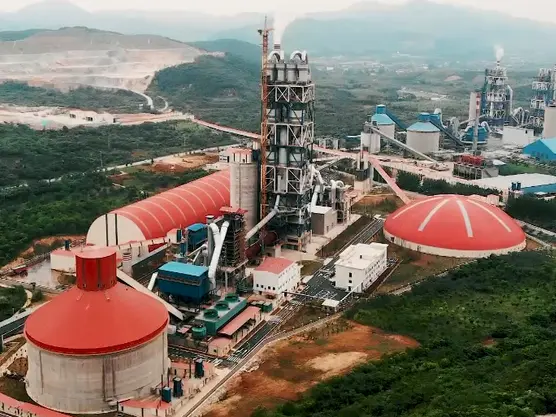
Protects raw meal chutes, cyclone separator separators, and guide vanes from intensive clinker abrasion, ensuring continuous process reliability.
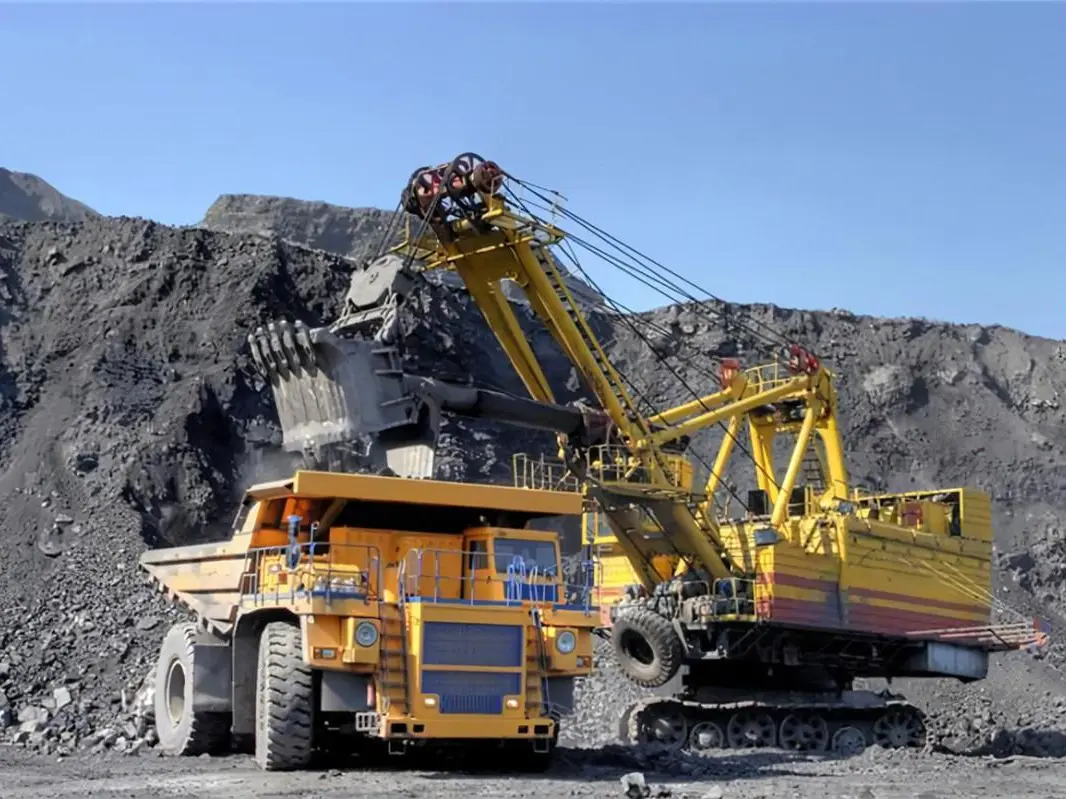
Applied to haul truck bed liners, hopper bins, and loading buckets to handle continuous impact and friction from abrasive minerals and rock.
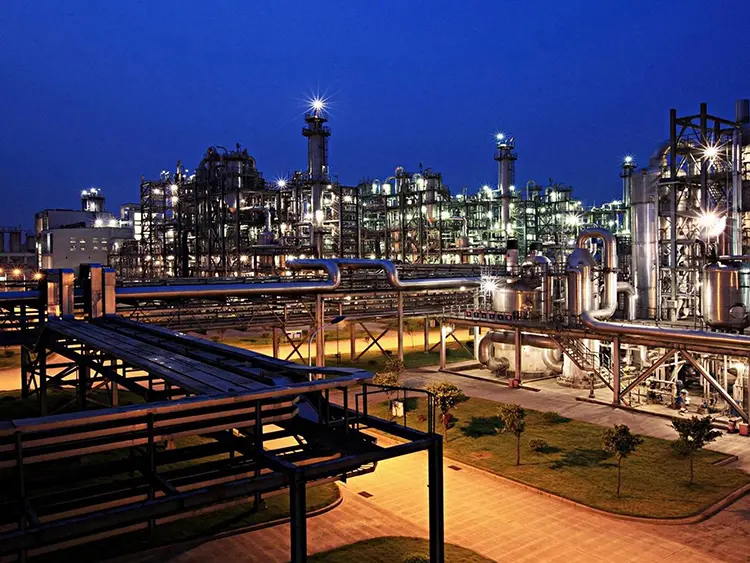
Deploys in blast furnace charging systems, sinter plant screening decks, and coke guide plates experiencing thermal and abrasive wear.
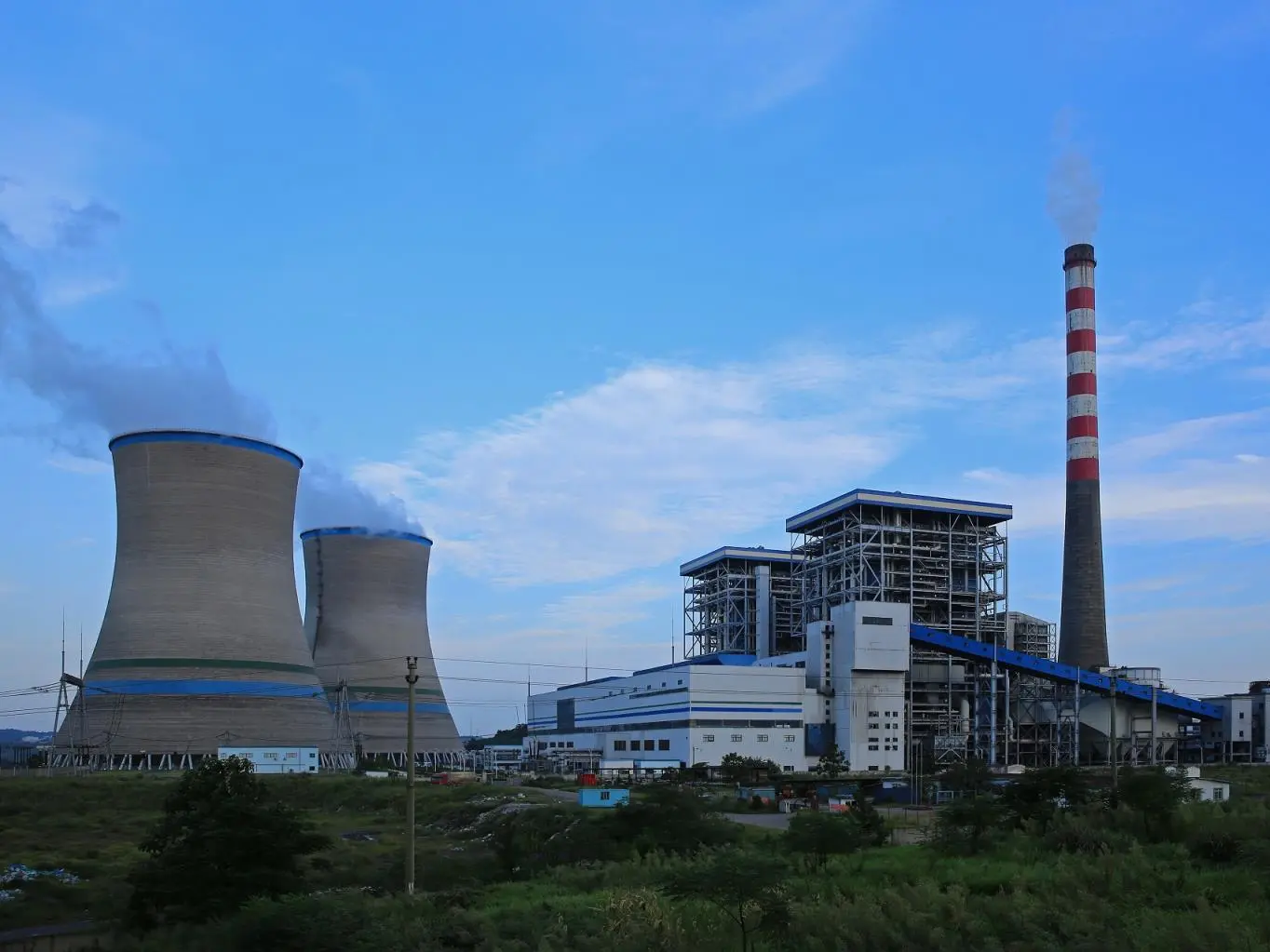
Optimized for pulverized coal pipes, coal mill liners, and exhaust fan blades subject to high-velocity erosive wear.
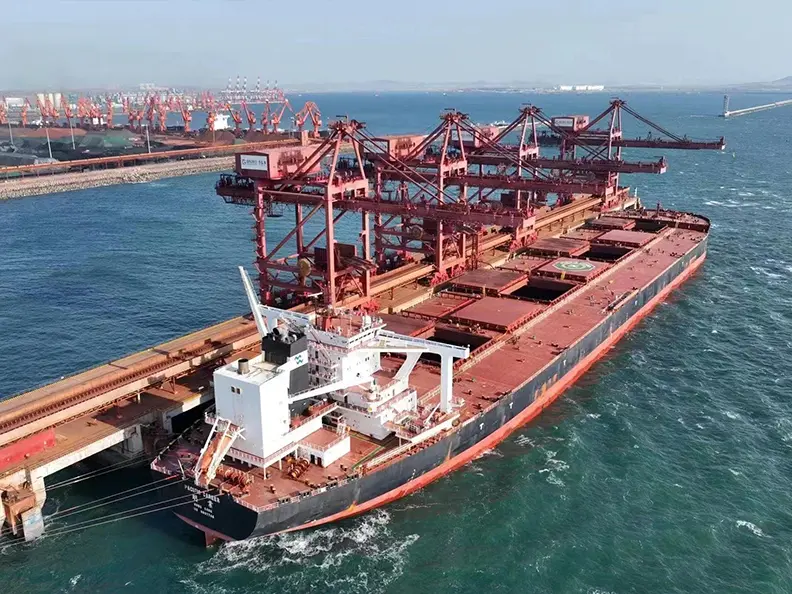
Protects bulk material transfer chutes, hopper bins, grab bucket lips, and slurry pipes from friction during high-volume handling.
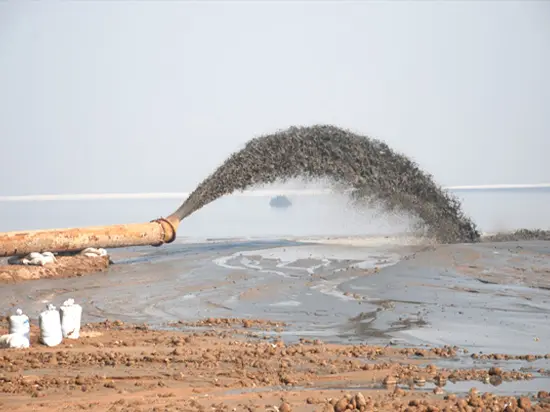
Provides high-purity sintered alumina ceramics alongside hardfacing materials to offer diverse options for specialized wear environments.

Enables precise cutting, bending, and stud installation to deliver ready-to-install, custom-configured wear liners directly to your site.

Focused on continuous refinement of hardfacing chemistry to develop alloys suited for specialized temperature and wear requirements.
Purchasing wear-resistant components globally requires balancing product performance with logistical reliability. Tangshan Runxing Machinery, through its integration with Hebei Yuwan International Trade, coordinates production and logistics to meet international industrial demand.
Tangshan, located in Hebei Province, is a major global center for iron and steel production. This proximity provides our manufacturing facility with direct access to high-quality structural steel substrates (like Q235B, Q355B, and high-tensile grades). It minimizes internal transport costs, shortens lead times, and guarantees stable chemical properties for our base plates.
Rather than relying on outsourced cladding services, we design and build our own automated welding machines. This technical capability ensures precise control over the overlay deposition parameters, including voltage stability, swing rate, and cooling cycles. The result is a clean weld overlay surface with uniform carbide distribution and controlled dilution from the backing plate.
We work to align our manufacturing with global industrial standards. Every batch of CCO plates undergoes testing for hardness (HRC), chemical composition verification via spectrometer, and check measurements of the dilution zone. Our bimetallic wear plates meet the requirements of DIN 8555 (Grade 10) and are designed to perform reliably under ASTM G65 dry sand abrasion standards.
Through Hebei Yuwan International Trade Co., Ltd., we manage export logistics, customs classification, and maritime documentation. We ship to ports globally under CIF, FOB, and DDP terms, providing transparent delivery scheduling and tracking for international industrial operations.
Technical details, metallurgical properties, installation methods, and trade policies for Chromium Carbide Overlay (CCO) plates.
A typical high-quality CCO wear plate features a cladding deposit containing 4.5% to 5.5% Carbon (C) and 25% to 35% Chromium (Cr). The remaining balance includes Iron (Fe) along with controlled trace additions of Manganese (Mn) and Silicon (Si). This chemistry ensures the formation of primary M7C3 chromium carbides within the microstructure, yielding a surface hardness typically between 58 and 62 HRC.
Yes, bimetallic CCO plates can be formed. Because the overlay has a high concentration of hard carbides, it will develop fine check-cracks during the bending process. These hairline cracks are normal relief cracks and do not compromise the plate's wear properties. Generally, the plates can be rolled or pressed with the weld overlay on the inside (concave) or on the outside (convex), depending on the radius and thickness of the backing plate.
CCO wear plates are installed using standard mechanical or welding methods: 1) Plug welding through pre-cut holes on the backing plate; 2) Rear-mounting studs welded directly to the backing plate; 3) Countersunk bolt mounting; or 4) Direct perimeter fillet welding to the structural frame of the machine or hopper.
Quenched & Tempered steel plates (like AR400, AR500, or AR600) rely on heat treatment to achieve their hardness, which can decline if exposed to heat. CCO plates rely on the inherent metallurgical hardness of chromium carbides (M7C3). Under high-stress sliding wear, CCO plates provide significantly longer service life than AR steels and maintain their wear resistance at elevated temperatures up to 350°C (660°F), with specialized alloys handling up to 600°C.
The check-cracks, or relief cracks, visible on the hardfaced surface are a natural result of stress relief during the weld deposition process. As the molten weld alloy cools, the difference in thermal contraction between the backing plate and the overlay creates stresses that are relieved by these fine transverse cracks. They do not penetrate into the structural base steel and do not affect the wear performance or integrity of the plate.
Through our authorized trade division, Hebei Yuwan International Trade Co., Ltd., we handle the export process for international buyers. This includes logistics coordination (such as container packing and ocean freight booking), customs clearance, and securing trade documents (like certificates of origin, mill test certificates, and compliance reports), ensuring delivery to your specified destination port or warehouse.
Tangshan Runxing Machinery participates in international mining and construction exhibitions to connect with industry partners and showcase our hardfacing product range.
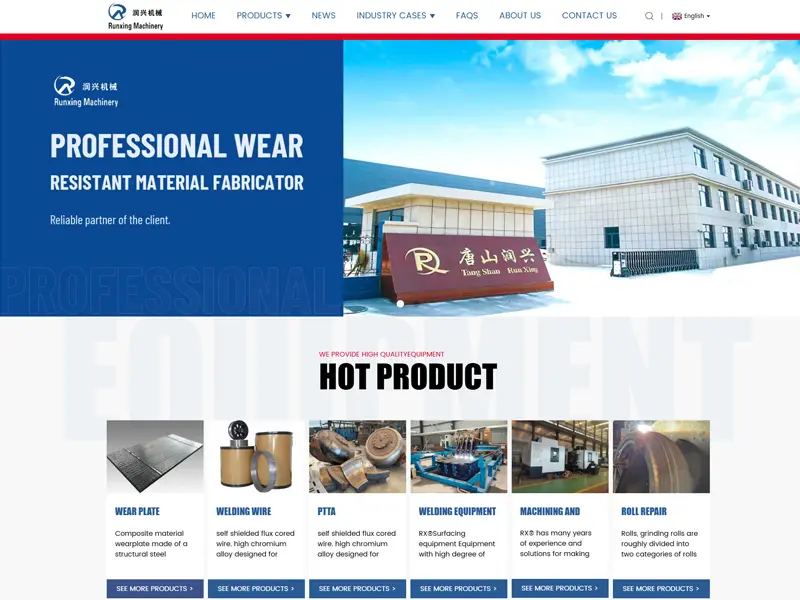
The launch of www.runxing-machinery.com provides global procurement managers with direct access to our wear product catalog, technical specifications, and factory contact portals.
We participated in the South Africa International Construction Machinery, Mining Machinery, and Power & Energy Equipment Exhibition in Johannesburg, presenting our hardfacing solutions to regional mining operations.
For six consecutive years since 2019, Tangshan Runxing Machinery has been recognized as a qualified agent for VAUTID, integrating high-alloy German materials into our specialized wear-resistant products.
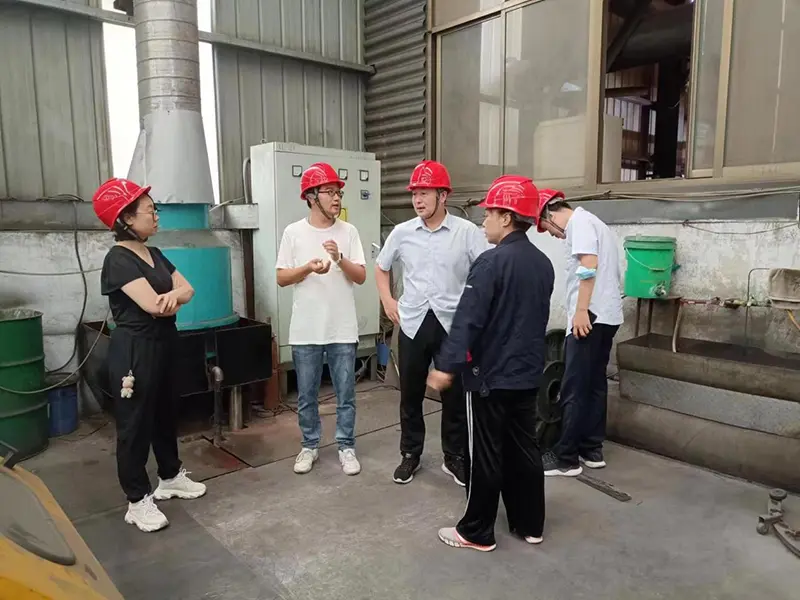
Deans and professors from the Metal Materials and Forming Technology team of Tangshan University visited our facility to collaborate on surfacing technology and heat treatment processes.
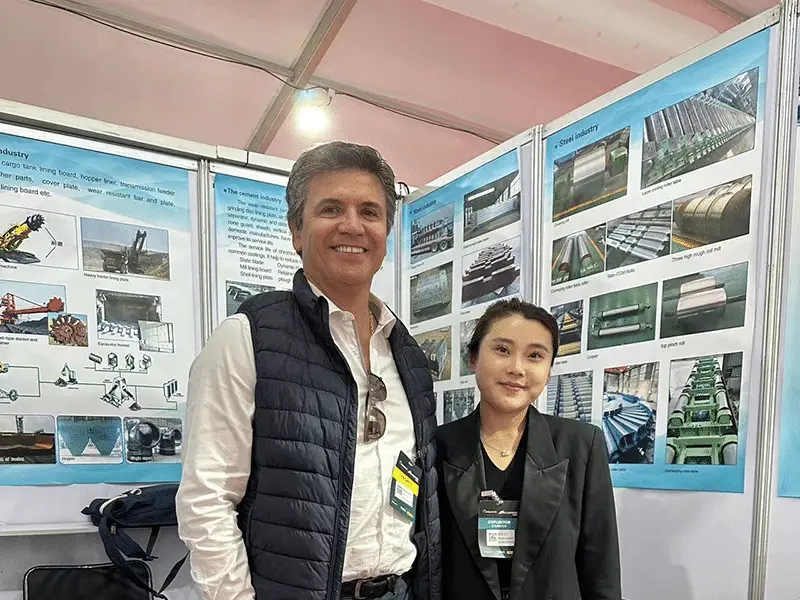
Runxing Machinery participated in EXPOMIN 2023 in Chile, showing our customized CCO wear plates and pipe liners designed for South American copper and lithium mining operations.
Our production facilities include automated surfacing lines, CNC cutting equipment, plate levelers, and metallurgical analysis laboratories.






Browse our equipment, surfacing, and repair services designed to extend the service life of heavy processing machinery.
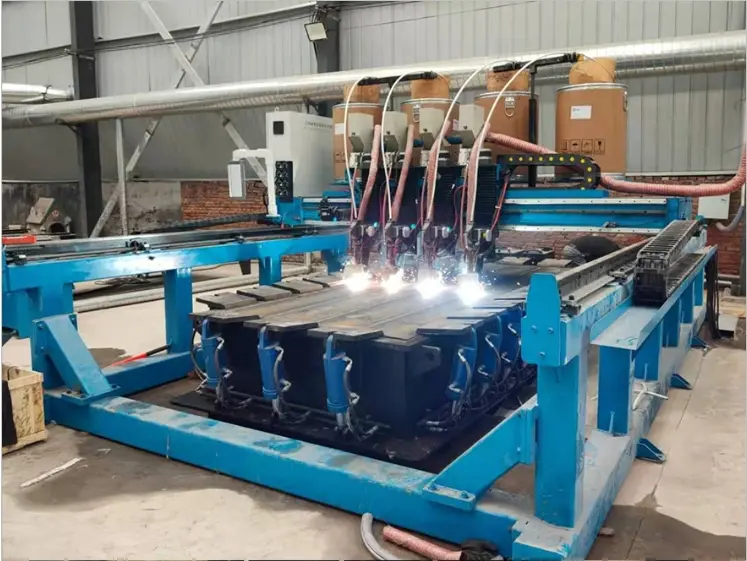
Equipped with a 10.2-inch CNC touch screen control system, featuring four welding guns operating simultaneously or independently for uniform swing-arc deposition.
See Details >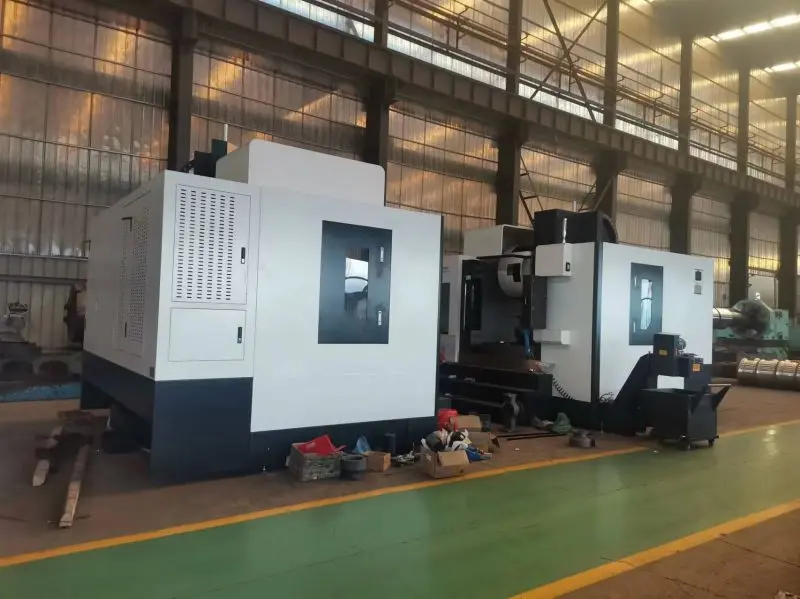
Engineering solutions for customized equipment parts, mechanical accessories, and complex wear liner structures fabricated to client specifications.
See Details >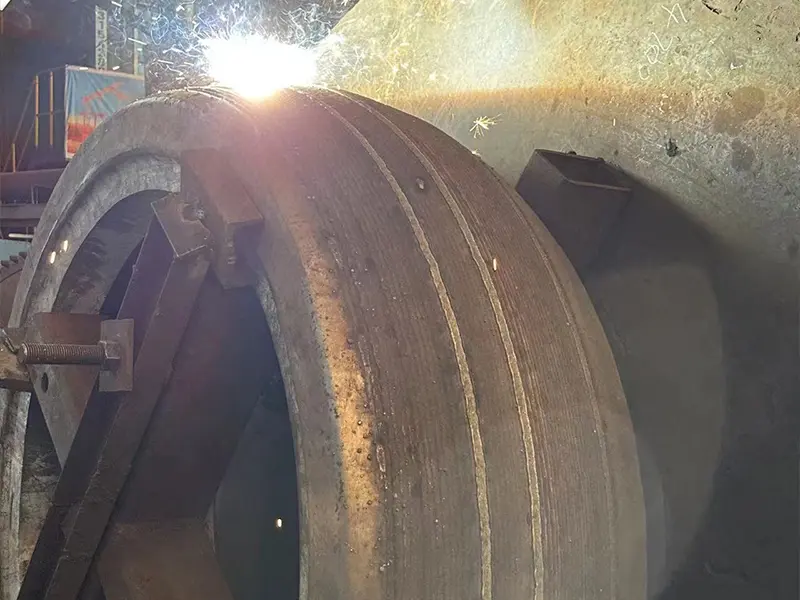
Extends the service life of heavy rolls, continuous casting rolls, and vertical coal mill grinding rollers through automated hardfacing deposition.
See Details >
Designed for mining chutes, cement liners, and severe impact areas. Standard bimetallic structure matching DIN 8555 specifications.
See Details >
High-chromium alloy flux-cored wire engineered to resist high-stress grinding abrasion under low-impact conditions.
See Details >
Bimetallic wear plate production featuring customized chemical structures and plate sizing for high-volume wear protection.
See Details >
Provides welding wires suitable for manual, semi-automatic, and fully automated hardface cladding operations.
See Details >
Industrial wear plate featuring a tough structural steel base and a chromium carbide alloy overlay for abrasion and erosion resistance.
See Details > Runxing machinery