Premium Hardfacing Alloys and Composite Wear Plates Engineered for Heavy Industrial Applications
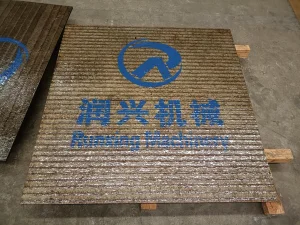
Hypereutectic carbide microstructures on premium mild steel backing. Perfect for extreme abrasive environments with minor impact stress.
Learn Technical Specifications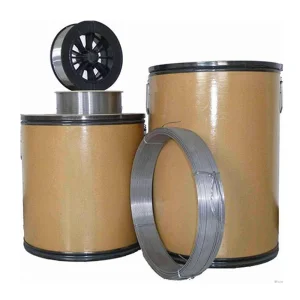
Premium tubular hardfacing wires designed for open-arc and submerged-arc cladding. Engineered for rapid deposition and uniform carbide distribution.
Learn Technical Specifications
Runxing RX®-m Series developed explicitly for mining and cement chute liners. Exhibits matrix hardness of 58-62 HRC for optimal tribological resilience.
Learn Technical Specifications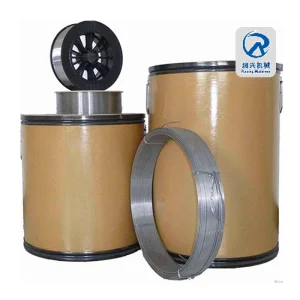
High-chromium alloyed welding wire that does not require shielding gas. Offers maximum flexibility for on-site construction and maintenance work.
Learn Technical Specifications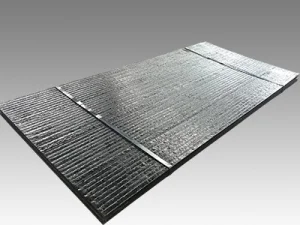
Dual-layer configuration merging tough structural carbon steel backing with an ultra-hard overlay designed to combat extreme abrasive scraping wear.
Learn Technical Specifications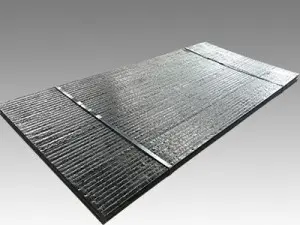
Constructed according to DIN 8555 specifications. Engineered with high-density hexagonal M7C3 primary carbides for premium structural integrity.
Learn Technical Specifications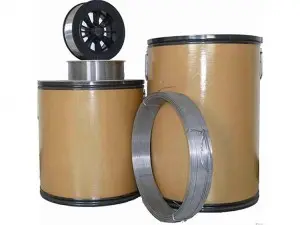
A specialized high-chromium alloy designed to resist high-stress grinding abrasion. Prevents micro-fractures under low impact pressures.
Learn Technical Specifications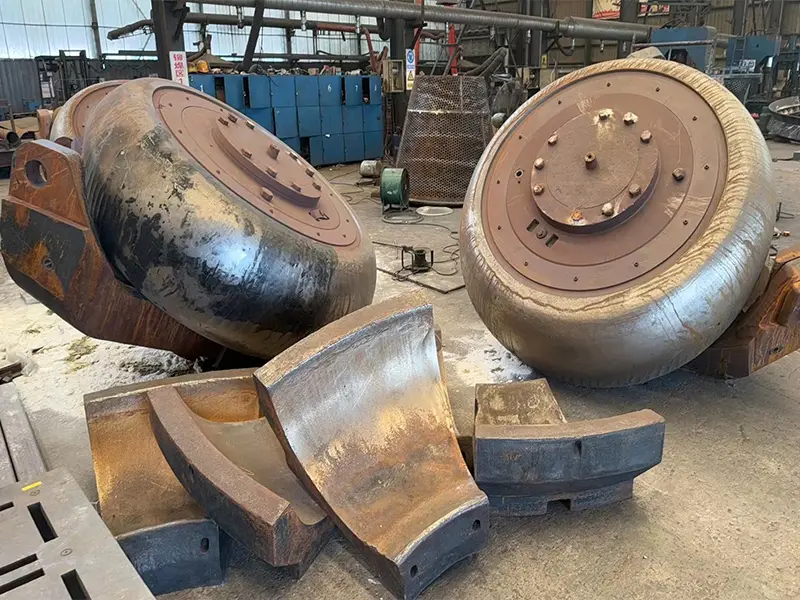
Plasma Transferred Transfer Arc (PTTA) components. Ideal for localized high-temperature cladding where minimal dilution of the base material is necessary.
Learn Technical SpecificationsAt the heart of wear protection engineering lies tribological optimization. Chromium Carbide Overlay (CCO) plates are composite materials combining a structural weldable base plate (typically mild steel such as Q235, Q355, or ASTM A36) with an alloyed layer designed specifically for severe sliding abrasion and erosion resistance. The high resistance is achieved through the formation of primary M7C3 chromium-rich carbides embedded in a tough, austenitic-martensitic matrix.
During the automated surfacing welding process, high levels of Carbon (typically 3.5% to 5.5%) and Chromium (typically 22% to 35%) are deposited onto the base steel. The heat cycle forms a hypereutectic microstructure where hexagonal-shaped primary carbides are distributed perpendicular to the direction of sliding wear. These chromium carbides have a micro-hardness exceeding 1200 HV to 1600 HV (Vickers), while the overall bulk hardness ranges between 58 and 62 HRC. This configuration effectively deflects aggressive abrasive particles, significantly mitigating material loss in raw material handling and processing.
| Alloy Classification | C (%) | Cr (%) | Other Elements (Mn, Si, Mo, B) | Bulk Hardness | Micro-Hardness (Carbides) |
|---|---|---|---|---|---|
| Standard RX® CCO | 3.8 - 5.2 | 22.0 - 30.0 | < 2.5 | 58 - 62 HRC | 1200 - 1500 HV |
| High-Hardness RX-m Series | 4.2 - 5.8 | 25.0 - 35.0 | Added Mo, W, V | 60 - 64 HRC | 1400 - 1750 HV |
| Premium VAUTID Alloys | Proprietary | Proprietary | Optimized Balance | 59 - 63 HRC | 1300 - 1600 HV |
Experienced wear engineers know that a high-quality CCO plate must exhibit fine, uniform transverse hairline cracks. These are not defects but structural stress relief cracks formed during cooling, relieving the thermal tension of the high-heat surfacing process. They must terminate at the fusion boundary line and never propagate into the base carbon steel, ensuring the structural backing remains ductile, weldable, and easy to form.
Established in 2010 in the heavy industrial heartland of Tangshan, Hebei Province, Tangshan Runxing Machinery Co., Ltd. has developed into a professional manufacturer specializing in the research, development, production, and on-site engineering service of hardfacing wear-resistant metal components. Runxing operates on a foundation of Factory 4.0 automation, utilizing customized CNC cladding systems that eliminate human error and uneven weld beads.
Our facility’s automated surfacing machinery features multi-gun structures (up to four guns operating simultaneously or independently), which provide a uniform swing path and adjustable welding parameters via a 10.2-inch digital touch-screen numerical control system. By stabilizing the cooling rate, optimizing dilution levels of the base steel, and maintaining a constant arc distance, Runxing guarantees a standard wear layer thickness consistency within ±0.5mm.
Supply chain resilience is maintained through key raw material partnerships and specialized export management. Tangshan Runxing Machinery has been a qualified agent for the premium German wear protection brand VAUTID for six consecutive years (since 2019). We combine German metallurgic technology with cost-effective Chinese manufacturing.
All international export logistics, export customs clearance, documentation, and payment processing are managed by Hebei Yuwan International Trade Co., Ltd., ensuring our engineers focus on manufacturing quality, customized mechanical design, and ASTM G65 wear compliance.
Forging long-term reliability in severe industrial settings
Tangshan Runxing Machinery Co., Ltd. is a specialized manufacturer based in Tangshan, China. Since 2010, the company has provided premium CCO wear plates, custom fabricated liners, wear-resistant pipe elbows, hardfacing flux-cored welding wires, and automated surfacing machinery to heavy industrial enterprises globally.
We focus on advanced metal surfacing technologies, and our products have achieved a strong market presence throughout Russia, Central Asia, Europe, and Africa. Supported by a strategic academic research partnership with metal materials professors from Tangshan University, we continually improve our weld-overlay microstructure to meet the evolving demands of our clients.




Minimizing downtime and maximizing equipment service life across critical sectors
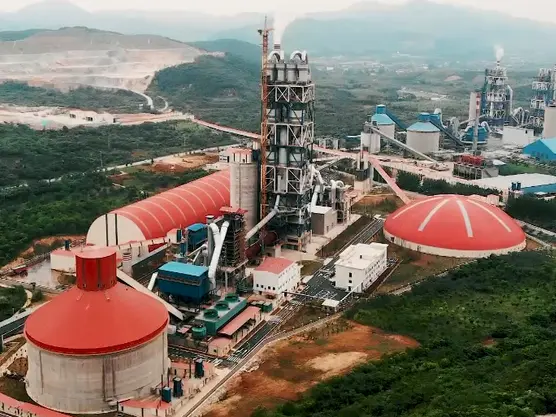
Cement production involves handling highly abrasive raw meals, clinker, and coal. We reinforce vertical mill components, separator guide vanes, fan housings, and chute liners to extend plant runtime.
See Case Details >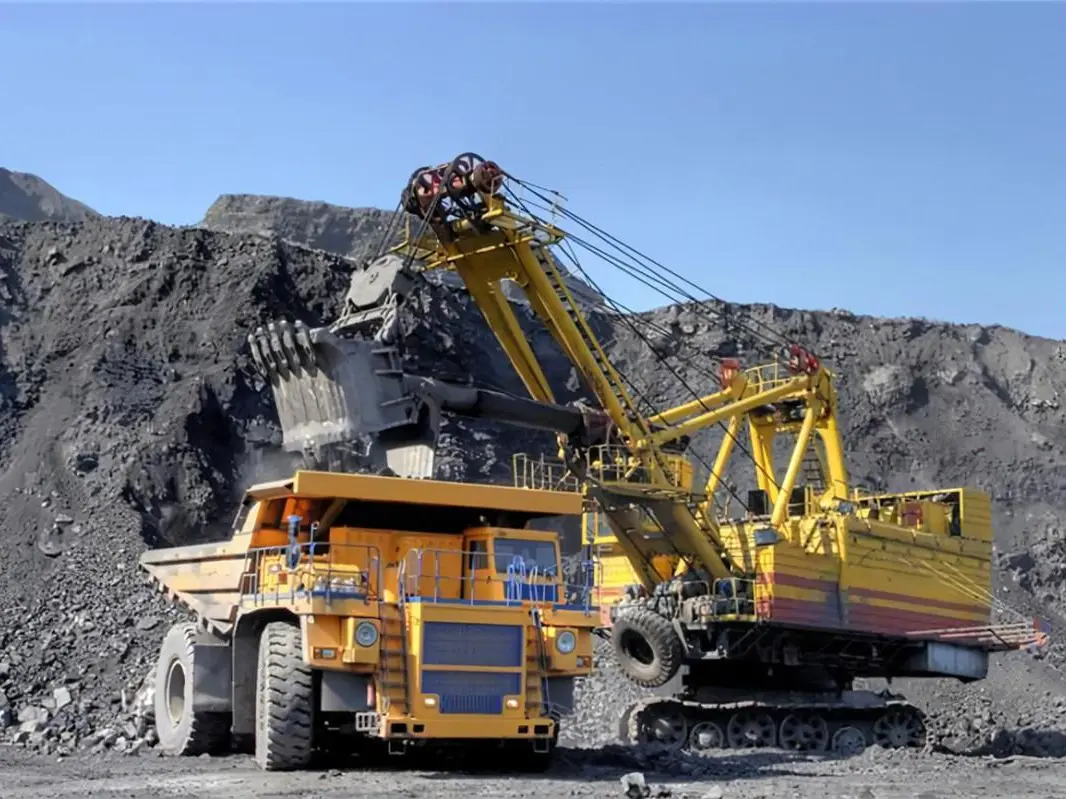
Our solutions support global mining operators seeking to boost yield and reliability. We manufacture wear liners for excavator buckets, heavy hopper assemblies, vibratory screens, and crusher chutes.
See Case Details >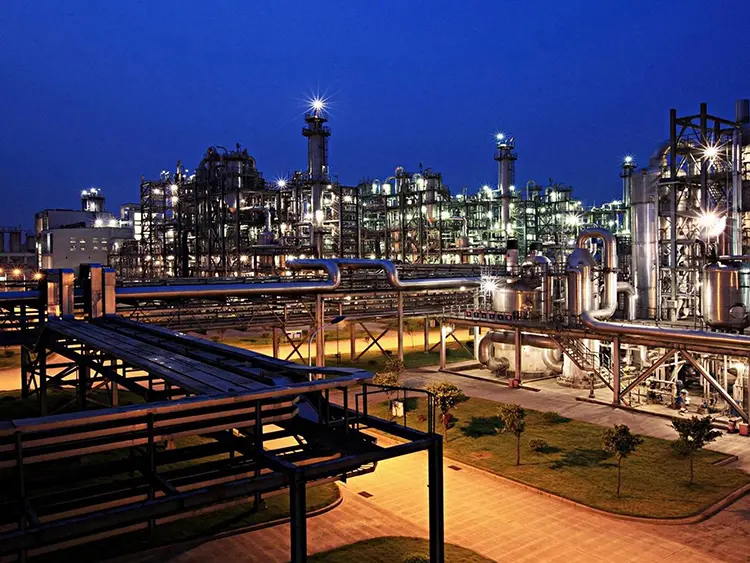
Steel plants expose equipment to raw iron ore, coke, and slag at elevated temperatures. Runxing's high-temperature alloy overlay plates provide thermal and mechanical protection for sintering chutes and blast furnace charge systems.
See Case Details >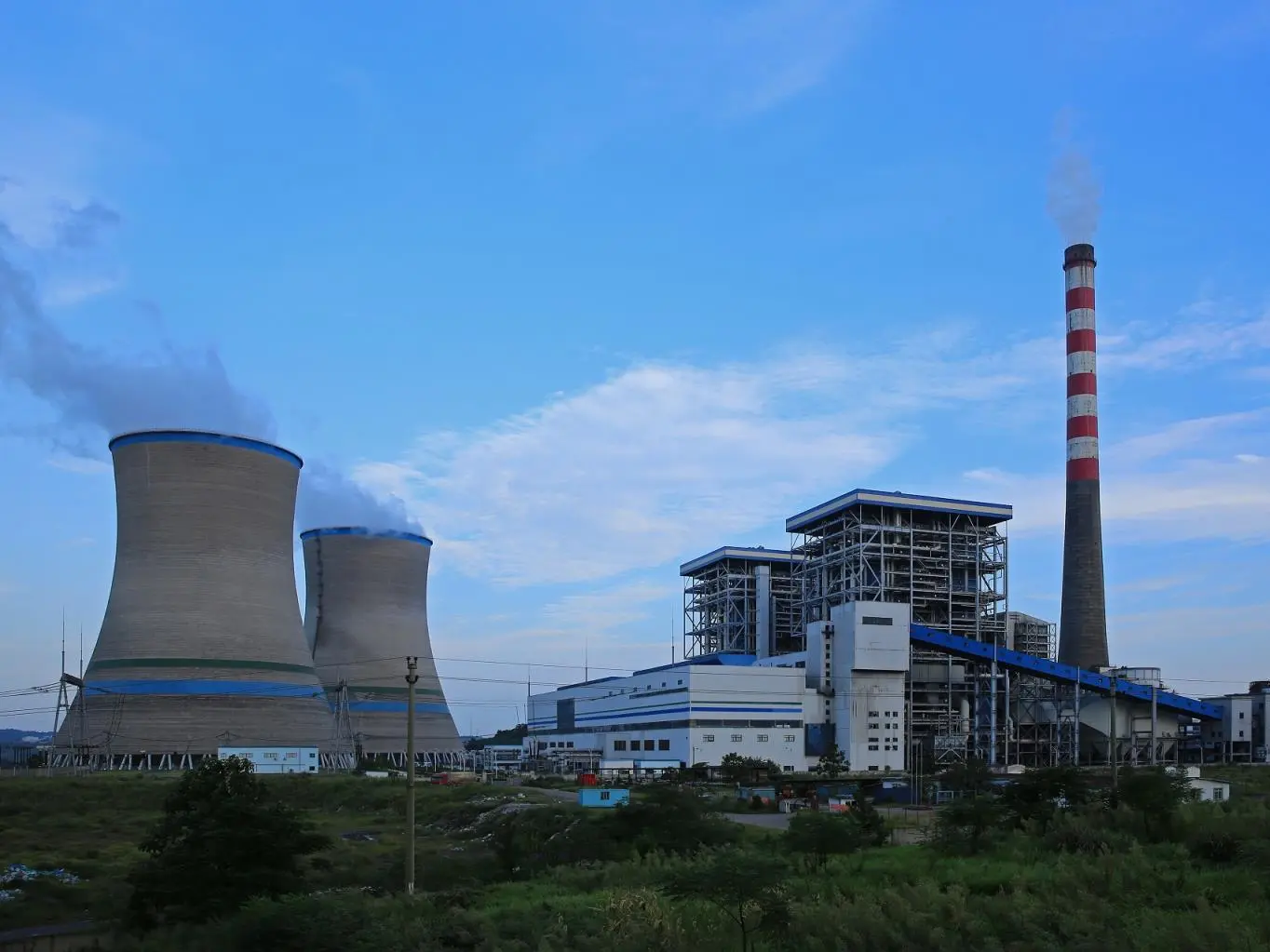
Fly ash erosion and pulverized coal abrasion degrade coal pulverizers, pipe bends, separator bodies, exhaust fan blades, and raw coal bunkers. Our thin-overlay CCO sheets resolve localized wear without adding excessive weight.
See Case Details >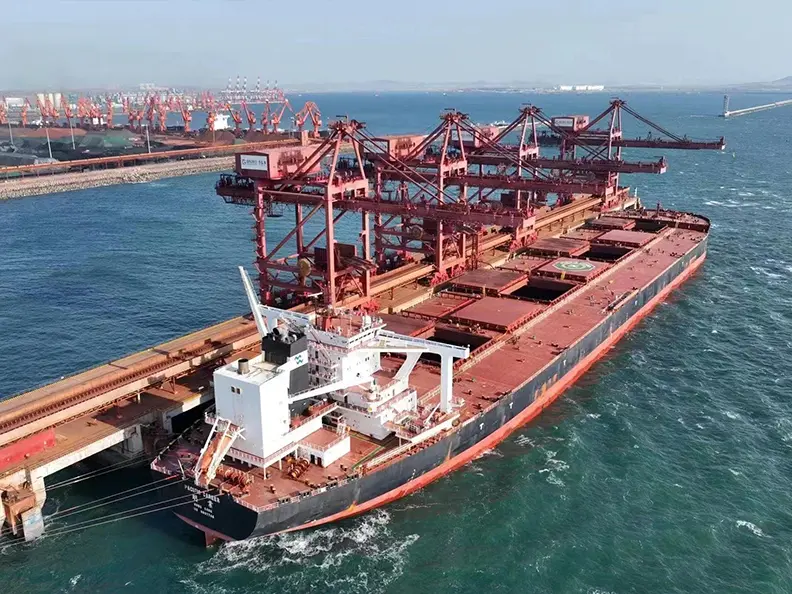
Port operations rely on high-speed conveying of bulk materials. Grab buckets, transfer hoppers, and sand/slurry discharge lines are vulnerable to abrasive wear, which we address with targeted hardfacing clads.
See Case Details >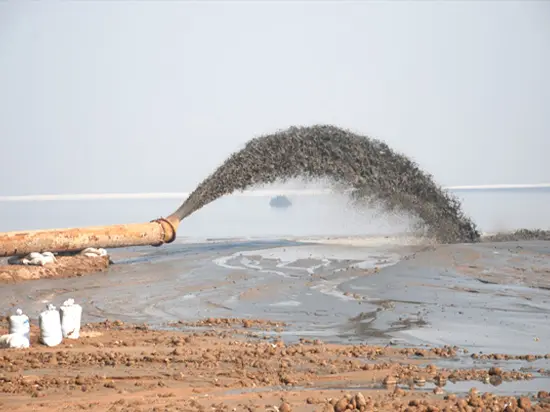
For high-angle impact combined with fine abrasive powder flow, we design alumina ceramic composite solutions. These components utilize high-purity superfine alumina powder sintered at high temperatures to provide high hardness.
See Case Details >Procurement teams at international mining and industrial plants frequently evaluate the trade-offs between Initial Purchase Price and Total Cost of Ownership (TCO). While standard structural carbon steels or quenched-and-tempered Abrasion Resistant (AR) plates (such as AR400 or AR500) present lower initial acquisition costs, they fall short in severe sliding abrasion environments.
Under high-abrasion conditions, a CCO plate containing 30% chromium typically delivers 4 to 6 times the service life of an AR500 plate, and up to 15 to 20 times the service life of standard structural steel.
Using CCO plates reduces maintenance interventions, minimizes structural repair labor costs, and limits lost production revenue from unplanned downtime. Furthermore, Tangshan Runxing’s customized fabrication capabilities allow us to supply pre-cut, pre-formed, and pre-drilled liners designed to install directly into existing chutes, hoppers, or pipelines.
The wear protection sector is shifting from basic binary iron-chromium-carbon systems toward multi-alloy systems. Tangshan Runxing’s research division, in collaboration with metal materials departments at Tangshan University, is developing next-generation cladding options.
Adding strong carbide-forming elements such as Niobium (Nb), Boron (B), Titanium (Ti), and Tungsten (W) refines the primary carbides, yielding smaller, more densely packed structures. This refinement helps prevent micro-cracks from propagating under impact stress.
Our manufacturing roadmap also includes automated Plasma Transferred Arc (PTA) cladding and laser cladding capabilities. These methods reduce the heat-affected zone on the base plate and minimize carbon dilution from the backing steel, enabling the production of thin, wear-resistant layers (under 2mm) suitable for precision components.
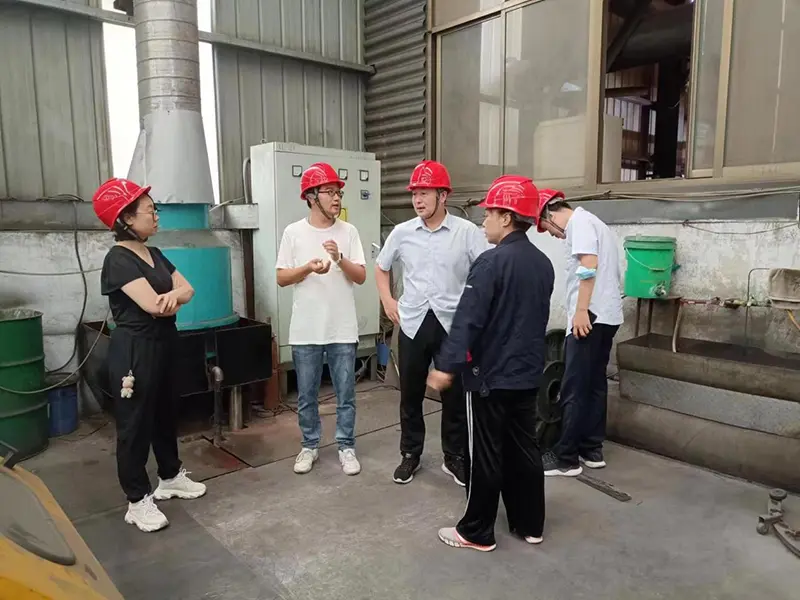
To maintain high E-E-A-T credentials in metallurgical development, Tangshan Runxing Machinery collaborates closely with domestic academic institutions. In 2023, Yuan Shaoqiang (Dean of Tangshan University), Li Jing (Vice Dean), and Professor Yang Yuehui (Team Leader of Metal Materials and Forming Technology) visited Runxing's manufacturing plant for technical research and evaluation.
This partnership connects academic metallurgical research with field performance data. It supports our efforts to optimize wear plate performance in extreme environments and ensure that our products meet domestic and international standards.

Expert insights on metallurgy, welding, fabrication, and performance metrics
A look inside our automated production lines, testing laboratories, and custom fabrication workshops



Explore our full range of bimetallic overlays, hardfacing materials, and automated cladding machinery
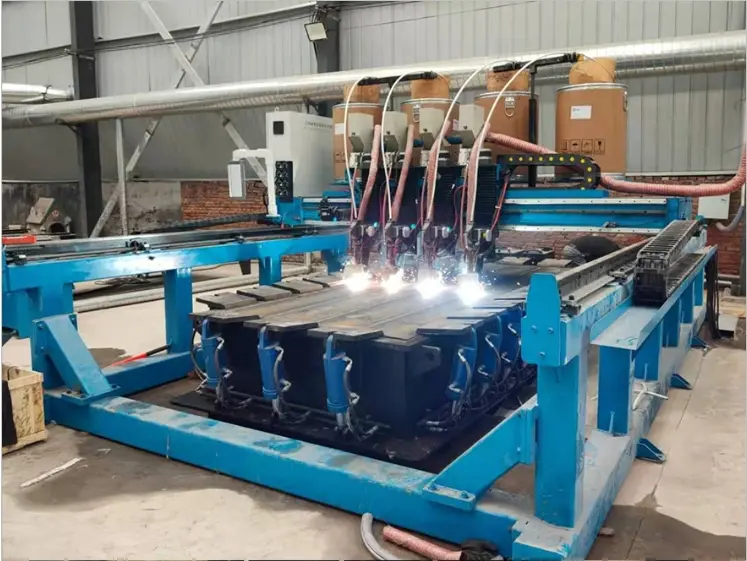
High-efficiency automated surfacing machinery. Equipped with 4 independent welding guns and a 10.2-inch CNC touch screen for uniform cladding.
Learn Technical Specifications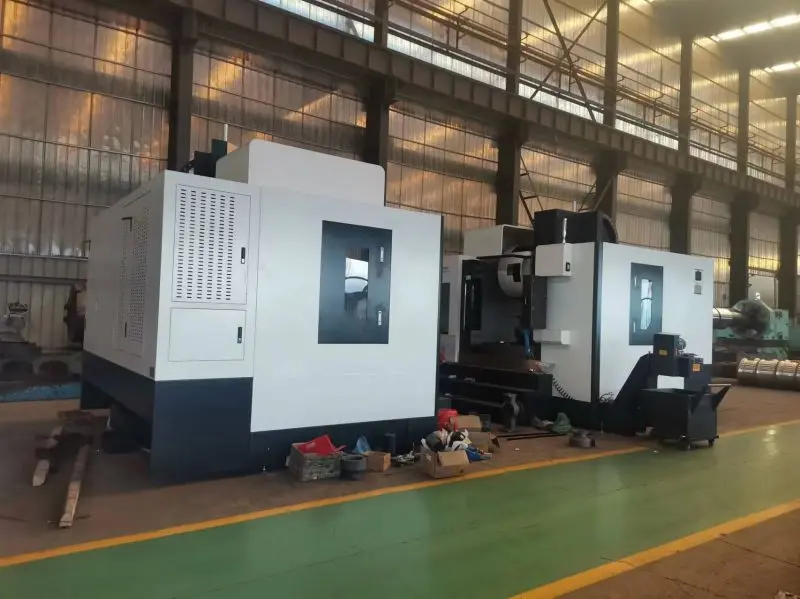
Custom design, cutting, rolling, and fabrication of complex bimetallic wear parts. Designed to fit industrial drawings and operational parameters.
Learn Technical Specifications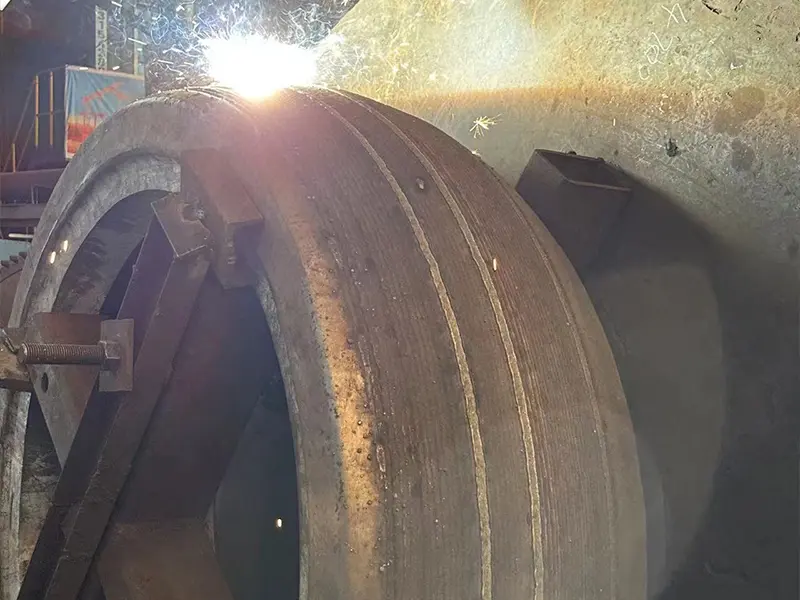
Restoration and overlay cladding of worn crushing rolls, grinding mill disks, vertical roller press components, and continuous caster rolls.
Learn Technical Specifications
Hypereutectic carbide microstructures on premium mild steel backing. Perfect for extreme abrasive environments with minor impact stress.
Learn Technical Specifications
Premium tubular hardfacing wires designed for open-arc and submerged-arc cladding. Engineered for rapid deposition and uniform carbide distribution.
Learn Technical Specifications
Runxing RX®-m Series developed explicitly for mining and cement chute liners. Exhibits matrix hardness of 58-62 HRC for optimal tribological resilience.
Learn Technical Specifications
High-chromium alloyed welding wire that does not require shielding gas. Offers maximum flexibility for on-site construction and maintenance work.
Learn Technical Specifications
Dual-layer configuration merging tough structural carbon steel backing with an ultra-hard overlay designed to combat extreme abrasive scraping wear.
Learn Technical Specifications Runxing machinery