The Inverter Flux Core Welder is an essential tool for many welders today. This device offers versatility and ease of use that traditional welders often lack. It operates with a unique flux-cored wire, providing a strong weld without needing an external gas supply. This feature makes it suitable for various environments, even outdoors.
Using the Inverter Flux Core Welder requires some practice and understanding. It's not just about plugging it in and starting to weld. Setting the correct voltage and wire feed speed is crucial. Many beginners struggle with these adjustments, leading to inconsistent weld quality. Finding the right settings can be a trial-and-error process.
Safety is another vital aspect when using this welder. Proper protective gear is necessary to prevent injuries. Many new users underestimate the importance of safety equipment. The learning curve can be steep, and every mistake is an opportunity for growth. Understanding these factors will make using an Inverter Flux Core Welder more effective and rewarding.
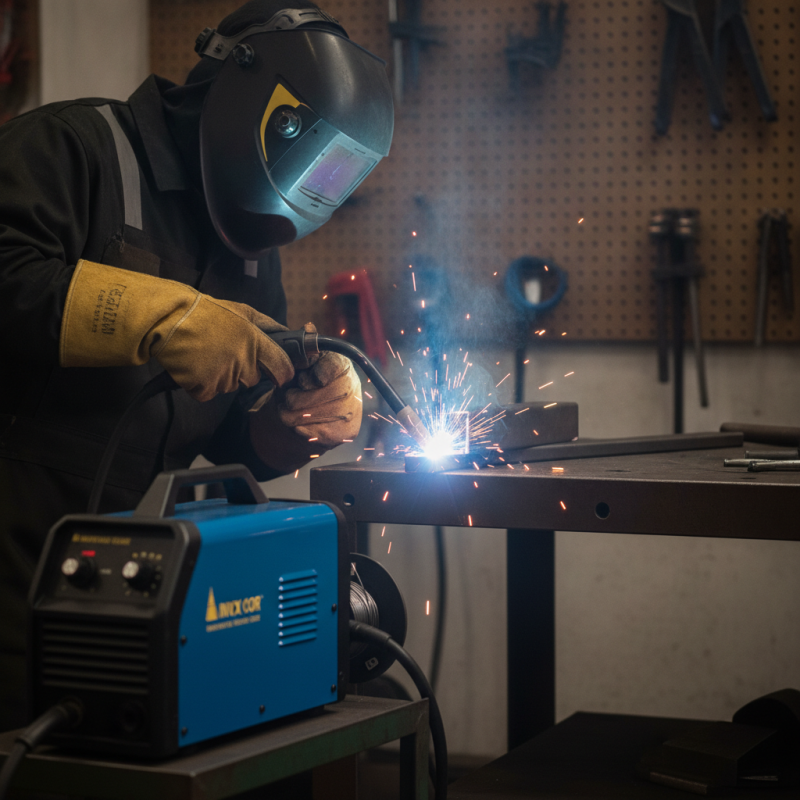
An inverter flux core welder is a versatile tool used in metal fabrication and repair. It is specifically designed for flux-cored welding processes. These welders are compact and lightweight, making them highly portable. Their design incorporates advanced inverter technology, which provides stable arc performance and reduces energy consumption. This makes them an excellent choice for both beginners and seasoned welders.
Using an inverter flux core welder requires some basic understanding of its components. You need to set the right voltage and wire feed speed before starting your project. Safety gear, such as gloves and a welding helmet, is vital. Proper joint preparation helps ensure a strong bond. However, achieving clean welds might take practice.
One common challenge is dealing with spatter. Beginners often encounter this issue, which can affect the final appearance of the weld. Taking the time to adjust settings can improve results. Remember, even skilled welders encounter difficulties. It's crucial to evaluate your technique and learn from mistakes. Reflecting on these challenges can lead to better outcomes in future projects.
Inverter flux core welders have been revolutionizing welding techniques in recent years. These devices use a unique inverter technology that enhances efficiency and portability. The compact design allows for easy transport, making them ideal for both professional and DIY welders.
Key features often mentioned include their ability to handle various materials and thicknesses. Reports indicate that these welders operate effectively on steel, stainless steel, and even aluminum to some extent. Inverter flux core welders typically range in output from 40 to 200 amps, accommodating a wide spectrum of welding tasks. Users can often achieve better arc stability due to built-in features, which significantly reduces the chances of defects or errors.
Despite these advancements, some challenges exist. For those unfamiliar with inverter technology, ease of use can be a concern. The learning curve may be steep for beginners. Additionally, the cost of inverter welders can be higher than traditional models. Evaluating technical specs is essential to ensure that the device meets project needs. In conclusion, understanding the features of inverter flux core welders allows users to make informed choices and enhances their welding experience.
Inverter flux core welders are becoming increasingly popular due to their numerous advantages. These machines are known for their lightweight, portable design, making them ideal for on-site projects. Recent industry reports indicate that the use of inverter technology improves efficiency by up to 30%, which is significant for welders managing tight timelines.
One remarkable advantage of inverter flux core welders is their adaptability to different environments. They can be operated on various power sources, enhancing flexibility in various situations. Additionally, these welders produce minimal spatter, resulting in cleaner welding jobs and less post-weld cleanup. This efficiency saves time and resources, making them a preferred choice for both professionals and hobbyists.
### Tips:
When using an inverter flux core welder, ensure that you are familiar with the settings. Each project may require adjustments. Regularly inspect the equipment for wear and tear. A well-maintained welder operates more efficiently. Also, practice different techniques on scrap materials before starting your main project. This can lead to better results.
Inverter flux core welders are essential tools for tackling various welding projects. They are lightweight and portable, making them ideal for both professional and home use. Understanding how to use these machines effectively can enhance your welding skills while increasing productivity.
When using an inverter flux core welder, it's crucial to familiarize yourself with its settings. Adjust the voltage and wire feed speed based on the material thickness you plan to work with. Industry reports indicate that using the correct settings can improve weld quality by up to 30%. Ensure that the welding wire is properly fed to avoid jams and inconsistencies.
Tip: Always maintain a clean workspace. Contaminants can affect the weld, leading to weak joints. Before starting, wear appropriate safety gear, including gloves and a helmet. It’s also wise to practice on scrap materials. Try different settings and techniques, refining your skill through experimentation.
Welders often face challenges, such as inconsistent arcs or excessive spatter. Troubleshooting these issues requires patience and experience. If your weld isn’t sticking, adjust the voltage. Otherwise, check the wire feed. Embracing the learning curve can vastly improve your welding capabilities over time, making each project a little more successful.
| Feature | Description |
|---|---|
| Welding Process | Uses a continuously fed flux-cored wire for welding, eliminating the need for shielding gas. |
| Power Source | Operates on a 120V or 240V input, making it versatile for different locations. |
| Portability | Lightweight and compact, allowing for easy transport and storage. |
| Ease of Use | Designed for both beginners and experienced welders, with user-friendly settings. |
| Types of Materials | Suitable for mild steel, stainless steel, and some aluminum applications. |
| Safety Features | Includes thermal overload protection and safety interlocks to prevent accidental operation. |
| Common Applications | Ideal for construction, automotive repair, and home projects. |
Flux core welding is popular due to its versatility. However, safety must be emphasized. Misuse can lead to severe injuries. The American Welding Society reports that welding accidents account for about 30% of workplace injuries in the industry.
Wearing appropriate personal protective equipment (PPE) is essential. This includes gloves, helmets, and protective clothing. A helmet with a proper shade protects eyes from intense light. Gloves should be flame-resistant and fit well. Opting for loose clothing can increase the risk of burns.
Ventilation is crucial when using flux core welders. Inhalation of fumes can cause respiratory issues. The National Institute for Occupational Safety and Health notes that some welding fumes are carcinogenic. An exhaust fan or outdoor workspace can significantly reduce this risk. Always maintain a clean work area to avoid tripping hazards. Ignoring these precautions could lead to life-altering accidents. Safety in welding isn't just a recommendation—it's a necessity.
This chart compares the hourly cost associated with different welding techniques, highlighting Flux Core Welding as the most budget-friendly option.
: They use inverter technology for efficient welding. They're portable, ideal for professionals and DIY projects.
They work well on steel, stainless steel, and limited aluminum. Their versatility is a significant advantage.
It enhances efficiency by up to 30%. Better arc stability reduces defects and errors during the welding process.
Inexperienced users may struggle with the learning curve. Adjusting settings correctly can be complex initially.
Regularly inspect your equipment for wear. A well-maintained welder performs better and reduces project delays.
Familiarize yourself with settings. Practice on scrap material and maintain a clean workspace for optimal results.
Proper adjustments improve weld quality. Incorrect settings lead to inconsistent results and increased spatter.
Yes, wearing gloves and a helmet is crucial. Safety gear protects against harmful sparks and injuries.
Adjust the voltage or check the wire feed for jams. Patience and experience will lead to better results over time.
An Inverter Flux Core Welder is a versatile and efficient welding tool that utilizes a flux core wire, allowing for effective welding even in outdoor conditions. Unlike traditional welders, the inverter technology offers portability and higher energy efficiency, making it ideal for various welding projects. Key features include adjustable welding current, lightweight design, and the ability to cater to different metal types.
The advantages of using an Inverter Flux Core Welder are numerous, including ease of use, quicker setup times, and the capability to weld thicker materials. To effectively utilize this equipment, it’s essential to follow a step-by-step guide, which includes preparing the workspace, selecting the appropriate settings, and executing the weld. Additionally, safety precautions must be adhered to, such as wearing protective gear and ensuring proper ventilation, to ensure a safe and successful welding experience.

Runxing machinery