In the realm of welding, understanding various wire types is crucial. Flux Core Wire Types play a vital role in different welding applications. According to the American Welding Society, more than 30% of welding processes utilize flux-cored wires. This statistic highlights their importance in the industry.
Flux Core Wire Types are designed for specific environments and materials. They offer advantages in speed and versatility, but they also come with limitations. For instance, while they can be used outdoors, wind can affect weld quality. Industry reports indicate that improper wire selection can lead to increased costs and rework.
Choosing the right type requires knowledge and experience. Many welders overlook the significance of flux composition, which affects the final product's strength. Understanding how these wires interact with different metals is essential. As technology evolves, continuous learning in this area is critical for any welding professional aiming for excellence.
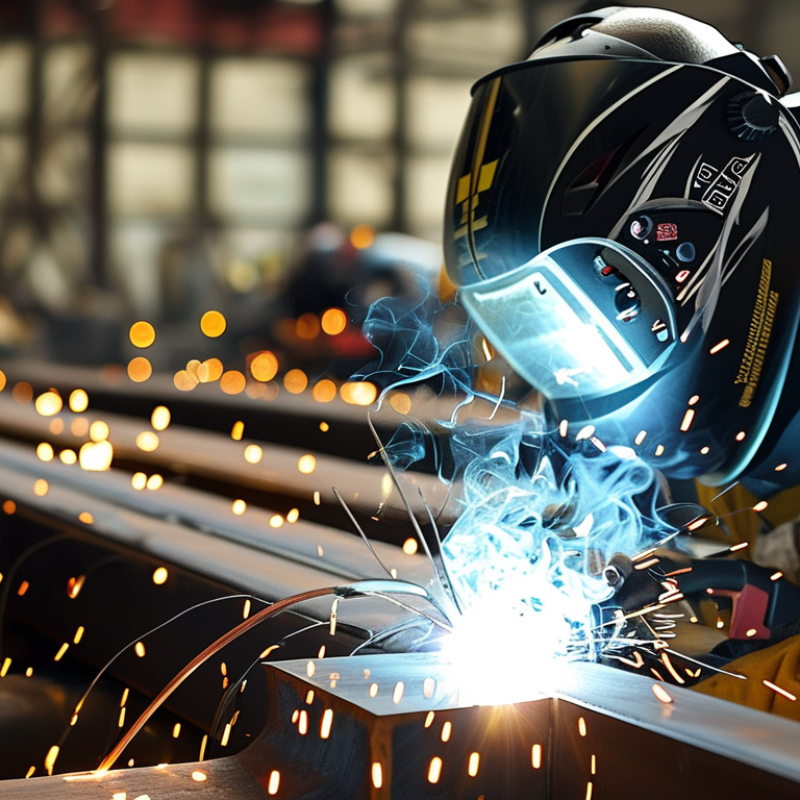
Flux core wire is essential in welding, providing flexibility and strength. Various types of flux core wires cater to different needs. Each type serves a specific purpose, influenced by the material being welded and environmental conditions.
Self-shielded wires do not require external shielding gas. They are perfect for outdoor projects. These wires produce their own gas shield during welding. This feature helps protect the molten weld pool from contamination. In contrast, gas-shielded flux core wires need a shielding gas. They produce cleaner welds and are ideal for indoor work. These wires are less effective in windy conditions.
Different applications may also call for different alloy compositions. Some wires have higher carbon content for added strength. Others prioritize ductility and toughness. Choosing the right type is crucial for ensuring a quality weld. Yet, many welders may overlook this detail. An improperly chosen wire can result in weak bonds. Awareness and experience are key to avoiding common mistakes.
Flux core wire is essential in the welding industry, with two primary types: self-shielded and gas-shielded. Understanding their differences can greatly impact your project outcomes. Self-shielded flux core wire relies on a flux within the wire to protect the weld from contaminants. It is often used in outdoor applications, where wind might disrupt gas shielding. This type generally moves faster and does not require an external gas supply, making it versatile and efficient.
On the other hand, gas-shielded flux core wire requires an external shielding gas. This wire produces a smoother arc and less spatter, often resulting in cleaner welds. A report from the American Welding Society notes that gas-shielded wires can achieve higher tensile strength in many applications. However, they are less suitable for windy conditions. This makes self-shielded wires more popular in construction sites and outdoor settings.
Choosing the right type influences factors like cost and effectiveness. Many welders grapple with their decision. Considerations such as job environment and material type play crucial roles. Clarifying these factors before initiating a project can save time and resources. The nuances between these flux core wires shape not just the welding results but also the welding experiences themselves.
Flux core welding offers several advantages. It allows for efficient welding in various positions, making it versatile. The self-shielding nature of flux core wire means you can weld outdoors. This is a significant benefit when working in windy conditions. Additionally, it can penetrate thick materials well, which makes it suitable for heavy-duty work.
However, there are some drawbacks to consider. The welds may require more cleanup due to slag formation. This can add extra time to your project. The spatter produced during welding can also be problematic, impacting the overall finish. Moreover, it may not be suitable for all applications, particularly those requiring high aesthetic quality.
Welders must also be mindful of the potential for inconsistency in weld quality. It can vary based on the operator’s skill level. Understanding these factors is crucial for achieving optimal results. Thus, effective training and practice are necessary to master flux core welding techniques.
Flux core wire is widely used in the welding industry due to its versatility and efficiency. Its common applications span various sectors, including construction, manufacturing, and shipbuilding. In construction, flux core welding can join thick steel plates used in structural frames. This technique is preferred for its ability to work in windy conditions, something solidly supported by a report from the American Welding Society, which states that 70% of construction sites benefit from this method.
In manufacturing, flux core wire allows for rapid weld speeds and optimal penetration in thicker materials. Industries like automotive and aerospace rely heavily on this technology. A study by Welding Journal highlights that using flux core wire can increase productivity by 30% compared to traditional methods.
Tips: Always test your welding parameters before starting on actual projects. Adjusting voltage and speed can minimize defects. Remember, practice makes perfect. Another valuable tip is to keep your workspace clean; it reduces contamination risks, leading to fewer weld failures.
When selecting flux core wire for welding, consider your project’s specific needs. The type of material you are working with is crucial. For instance, mild steel requires different wire than stainless steel. Generally, E71T-GS is a top choice for outdoor applications. It can handle wind better, making it suitable for various environmental conditions.
Choosing the right diameter also matters. Thicker wires are best for heavy-duty jobs, while thinner wires work well for lighter materials. Always match the wire's thickness to your welding machine's capability. A mismatch can lead to poor weld quality.
Tips: Always test a few welds before starting on the actual project. This helps identify any adjustments needed to ensure solid welds. Also, pay attention to the wire's flux type; some wires enhance arc stability while others are better for penetration. Don't hesitate to consult with experienced welders for insights—they often have invaluable tips based on their projects.
: Flux core wire is essential for welding, providing both flexibility and strength in various applications.
Self-shielded wires do not need external gas. They create their own gas shield, ideal for outdoor projects.
These wires require a shielding gas. They produce cleaner welds, making them suitable for indoor work.
An improperly chosen wire can lead to weak bonds. Experience matters in selecting the best type.
It is widely used in construction, manufacturing, and shipbuilding due to its versatility and efficiency.
It can join thick steel plates in windy conditions. About 70% of construction sites prefer this method.
It allows rapid weld speeds and optimal penetration in thicker materials. Productivity can increase by 30%.
Always test your parameters before actual work. Adjust voltage and speed to minimize defects.
Keeping your workspace clean is vital. It helps lower contamination risks, leading to fewer failures.
Practice is key. Regularly refining techniques will help you produce better quality welds.
Flux Core Wire Types are essential in welding applications, offering a variety of choices to meet different project needs. The two main categories are self-shielded and gas-shielded flux core wires, each with distinct characteristics and ideal uses. Self-shielded wires are convenient for outdoor welding, as they do not require an external gas supply, while gas-shielded wires provide a cleaner weld and are typically used in indoor settings.
The advantages of flux core welding include higher deposition rates and portability, making it a favored choice in many industrial applications. However, it also has drawbacks, such as potential for slag inclusions and higher levels of spatter. Understanding the common applications and selecting the appropriate flux core wire type is crucial for ensuring quality and efficiency in welding projects across various industries.

Runxing machinery