Ultimate Tips for Flux Core Welding Stainless Steel Success?

Time:2026-06-16 Author:Aria
0%

Mastering Flux Core Welding Stainless Steel requires both skill and knowledge. This welding technique is essential for creating strong joints in stainless steel. Yet, it can be challenging, especially for beginners.

Understanding the unique properties of stainless steel is crucial. This metal requires specific settings and techniques for optimal results. Mistakes can lead to weak welds or defects. Proper preparation can make a significant difference. Cleaning the surface of the metal ensures better adhesion.

Investing time in practice is vital. Focus on developing your technique and understanding the equipment. Reflecting on past welds will help you improve. Learning from every attempt sharpens your skills. Ultimately, success in Flux Core Welding Stainless Steel is achievable with dedication and attention to detail.
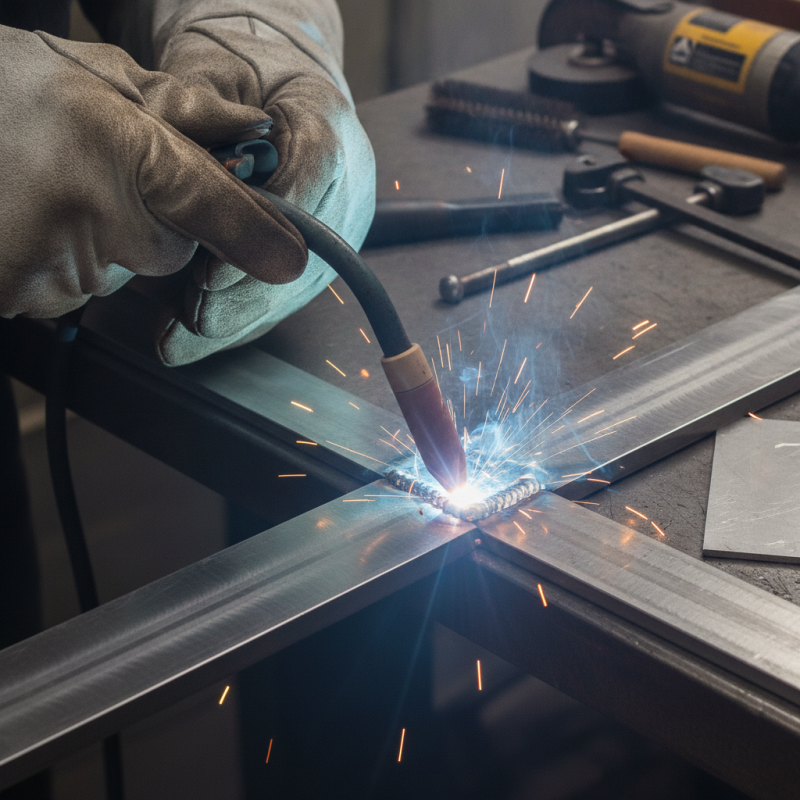
Ultimate Tips for Flux Core Welding Stainless Steel Success?

Understanding Flux Core Welding and Its Applications for Stainless Steel

Flux core welding is a versatile technique, especially when working with stainless steel. It involves using a tubular wire filled with flux, which protects the weld pool from contamination. This method is commonly chosen for its speed and flexibility. Enthusiasts appreciate its effectiveness, but challenges exist.

When starting, ensure proper joint preparation. Clean the stainless steel surface thoroughly. Contaminants can cause weak welds. Use a wire brush or grinder. This step can significantly influence the quality of the weld. Use slight downward or horizontal angles for your welding gun. It can improve penetration and reduce spatter.

Tip: Adjust your wire feed speed carefully. A slow feed can lead to burn through, while a fast feed may cause lack of fusion. Consider practicing on scrap pieces to perfect your technique. Every welder faces obstacles, such as inconsistent bead appearance. These moments offer learning opportunities, encouraging adjustments for future projects. Always reflect on your welds; understanding imperfections is key to mastering flux core welding.

Essential Tools and Equipment for Successful Flux Core Welding

When considering the essential tools for flux core welding stainless steel, a reliable welding machine is vital. It should have the capacity to handle the thickness of the materials you plan to weld. A good wire feeder is also essential. This ensures a consistent flow of wire for smoother welds. Choosing the right welding wire is equally important. Copper-coated wires are commonly preferred because they provide better arc stability.

Protective gear is a must. A quality welding helmet protects your eyes from harmful rays. Gloves made of heat-resistant material shield your hands from burns. Don't overlook work surfaces either; make sure your table is sturdy and free from debris. A clean workspace minimizes contamination, leading to better weld quality.

Practice is crucial, but so is the assessment of your technique. Check your welds for defects. Look for holes or undercuts. This reflection can highlight areas for improvement. Gathering feedback from others can also provide new insights. Remember, even experienced welders encounter challenges; learning from these obstacles is part of mastering the craft.

Preparing Stainless Steel for Optimal Flux Core Welding Results

Preparing stainless steel for flux core welding is a crucial step toward achieving strong and durable joints. Begin by cleaning the surface thoroughly. Use a wire brush or grinder to remove any mill scale, rust, or contaminants. This ensures proper fusion between the weld and the base material. Take your time; missing spots can lead to weak welds.

Next, consider the fit-up of your pieces. A tight and proper fit enhances the welding process. Gaps can cause instability in the weld and lead to defects. Additionally, it’s essential to maintain the correct temperature prior to welding. Preheating the stainless steel can help reduce warping and improve penetration.

While preparing your materials, reflect on your setup. Ensure your workspace is organized and free from distractions. It may be easy to overlook details in a cluttered environment, but this can result in costly mistakes. Don’t hesitate to check your equipment frequently. A well-maintained welder will improve your results significantly.

Techniques for Achieving Strong Welds in Stainless Steel Using Flux Core

Flux core welding is a powerful technique for joining stainless steel. When done correctly, it produces strong, robust welds. However, achieving quality results requires a solid understanding of specific techniques. Not every welder achieves the same level of success. A report from the American Welding Society indicates that improper technique leads to nearly 30% of weld failures.

One essential technique is maintaining an appropriate travel speed. A slow speed can lead to excessive burn-through, while too fast can create weak bonds. A study found that perfecting travel speed can improve overall weld integrity by up to 20%. Another critical factor is the angle of the torch. The ideal angle is usually between 10 and 15 degrees. A slight misalignment can drastically affect the weld quality. Welder experience plays a pivotal role here, as novices often struggle with angle consistency.

Additionally, using the right shielding gas enhances weld protection against contamination. Increased shielding reduces the risk of defects like porosity. Industry data shows that a significant percentage of weld defects are linked to inadequate shielding gas coverage. Attention to minor details can greatly influence the end result. Yet, many welders overlook these factors, leading to dissatisfaction. Always reflect on your technique and remain open to improvement.

Common Mistakes to Avoid in Flux Core Welding of Stainless Steel

When it comes to flux core welding stainless steel, many novice welders make critical mistakes. One common error is improper voltage settings. Using too high voltage can lead to burn-through spots. Adjusting voltage to match the thickness of your material is essential. This may require trial and error, but it’s worth the effort for better results.

Another frequent mistake is lacking proper joint preparation. Cleanliness matters in welding. Rust, oil, and debris can weaken the weld. Ensure surfaces are free from contaminants. A simple wipe down can save you a lot of headache. Sometimes, welders overlook this step, leading to inconsistent welds.

Lastly, a significant issue is neglecting to control the welding speed. Going too fast can create weak joints, while too slow can lead to excess heat. Finding a balanced pace takes practice. Pay attention to the puddle. Learning how to read it can guide your speed. It's vital to reflect on these aspects and adjust accordingly for improved welding success.

Common Mistakes to Avoid in Flux Core Welding Stainless Steel

FAQS

: What is flux core welding?

: Flux core welding uses a tubular wire filled with flux to protect the weld pool.

Why is surface preparation important in welding?

Proper surface preparation prevents contaminants from weakening the weld.

How should I clean stainless steel before welding?

Use a wire brush or grinder to remove rust and debris.

What affects the quality of my weld?

Joint fit-up, cleanliness, and temperature significantly impact weld strength.

How can I adjust my welding speed?

Control your speed to avoid weak joints or excess heat during welding.

What common mistakes should I avoid in flux core welding?

Neglecting voltage settings, joint preparation, and speed can lead to poor results.

How can I ensure proper voltage settings?

Match the voltage to the material thickness, adjusting as needed through practice.

What should I do if my welds look inconsistent?

Reflect on your technique and adjust your approach to improve appearance.

Why is preheating the stainless steel beneficial?

Preheating helps reduce warping and enhances penetration of the weld.

How can I improve my welding setup?

Keep your workspace organized and check equipment frequently for optimal results.

Conclusion

Flux core welding stainless steel is a specialized welding technique that combines the principles of flux-cored wire welding with the unique properties of stainless steel. To achieve successful results, understanding the process and its applications is crucial. Essential tools and equipment, such as the right welding machine and protective gear, play a significant role in ensuring quality. Preparing the stainless steel surfaces properly is also vital for optimal adhesion and strength of the welds.

Techniques for achieving strong welds include controlling the heat input and maintaining a steady motion to prevent defects. Welders should also be aware of common mistakes, such as insufficient cleaning of the metal or improper settings, which can compromise the integrity of the weld. By mastering these elements, welders can enhance their capabilities in flux core welding stainless steel and produce durable, high-quality joints.

Aria

Aria

Aria is a dedicated marketing professional with a deep passion for innovative strategies and a keen understanding of our company's product offerings. With a wealth of experience in the industry, Aria excels at crafting engaging content that highlights the unique features and benefits of our......