In the competitive landscape of manufacturing and construction, the choice of materials is paramount. Selecting the right components can significantly impact project longevity and effectiveness. One compelling option is the Abrasion Resistant Steel Sheet. These advanced materials are engineered to withstand harsh conditions. Reports indicate that industries using these sheets experience a reduction in wear-related costs by up to 30%.
Abrasion Resistant Steel Sheets are designed for challenging environments. Mining, construction, and agricultural sectors often rely on their durability. A study published by the American Institute of Steel Construction highlights their ability to improve operational efficiency. Notably, projects employing these sheets demonstrated better performance metrics, such as extended equipment life and decreased downtime.
Despite these advantages, some engineers still hesitate to adopt this material. Concerns about initial costs and long-term benefits can cause scrutiny. However, with empirical evidence supporting their value, it’s time to reassess the use of Abrasion Resistant Steel Sheets. By doing so, businesses can position themselves for greater resilience and profitability in the face of wear and tear.
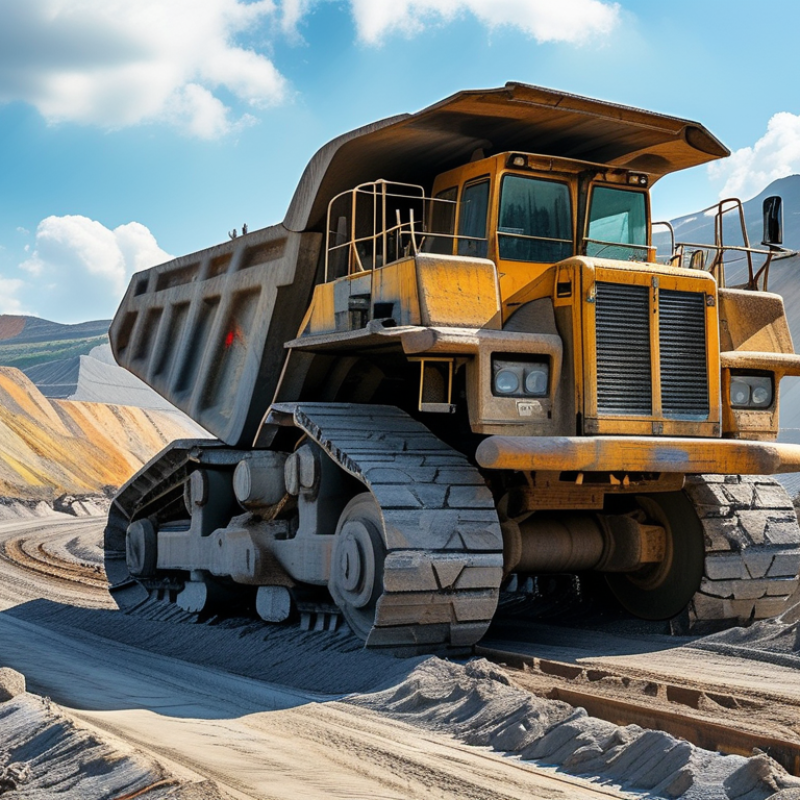
Abrasion resistant steel sheet is a specialized material designed to withstand wear and tear. Its primary feature is the ability to resist scratches and impacts. This quality makes it ideal for various applications in harsh environments. Industries like mining, construction, and manufacturing often rely on such materials to enhance durability.
The manufacturing process involves combining iron and carbon. This results in a steel sheet that has a hardness level significantly higher than standard steel. Users should be aware that while these sheets provide excellent protection, they can be challenging to work with. Cutting or welding this steel requires specialized tools.
Furthermore, the high hardness can lead to cracks if not handled properly. It's essential to weigh the benefits against potential difficulties in installation. Ensuring that the right techniques are applied during the project can save time and reduce risks. Understanding these nuances can greatly impact the end result of your project.
Abrasion resistant steel sheets are highly valued in various industries. These materials stand out due to their exceptional hardness and durability. They are designed to withstand harsh conditions, making them ideal for applications in mining, construction, and heavy machinery.
One key property is their hardness, often measured on the Brinell scale. Higher hardness means better resistance to wear and tear. These sheets can endure impacts and friction that would damage standard steel. Another important feature is their toughness. Toughness allows these materials to absorb energy without cracking or breaking. This property is crucial for maintaining safety in challenging work environments.
Despite their many advantages, choosing the right steel sheet requires careful consideration. Not all projects demand the same level of hardness or toughness. Sometimes, a less resistant material may suffice, saving costs without sacrificing performance. Understanding the specific needs of your project can lead to better decision-making. Therefore, consulting with experts can help clarify these requirements.
Abrasion-resistant steel sheets are increasingly the preferred choice for various industrial projects. They offer unique benefits that can enhance the durability and longevity of structures. According to a report by the International Institute of Welding, abrasion-resistant steel can extend equipment life by 20% to 50%. This reduction in wear translates to lower maintenance costs and less frequent replacements.
These steel sheets have a higher hardness rating than standard steel, making them suitable for heavy-duty applications. Industries like mining and construction often face harsh conditions. Using abrasion-resistant materials in these settings can significantly enhance operational efficiency and safety. For instance, studies have shown that incorporating these materials reduces the risk of equipment failure, leading to fewer accidents on job sites.
However, the benefits might come with complexities. Proper selection and handling are crucial for maximizing performance. Not all abrasion-resistant steel is created equal. Some grades may not perform as expected under specific conditions. Therefore, evaluating the project requirements and environmental factors is essential. Investing time in these assessments can help avoid costly mistakes down the line.
Abrasion resistant steel sheets have significant applications in various industries. These materials excel in environments where wear and tear are common. They are widely used in construction equipment and mining machinery. Their superior hardness makes them ideal for bolstering machinery subject to heavy abrasion.
Manufacturers appreciate their role in the automotive sector. They enhance the longevity of components exposed to friction. In manufacturing, these sheets protect vital equipment and support safer operations. Moreover, their durability reduces maintenance costs over time.
Tips: When selecting abrasion resistant steel, consider the specific environment where it will be used. Evaluate the potential wear factors. Look for optimal thickness to meet operational demands. Small details like these matter in project planning. Ensure proper measurements to avoid unnecessary waste.
In the agricultural industry, these sheets are used in tractor bodies and plows. They withstand harsh conditions and improve efficiency. However, not every type of application will benefit equally. Assess the unique needs of your project carefully. Sometimes, a more conventional material might be a better fit.
Selecting the right abrasion resistant steel sheet is crucial for project success. Consider the material's thickness, hardness, and impact resistance. These factors directly influence the sheet's performance and longevity in demanding environments.
Industry reports highlight the increasing demand for abrasion resistant steel. In industries like mining and construction, wear-related costs can exceed 30% of total maintenance. The right choice can significantly cut these costs. Aim for materials that meet ASTM standards, ensuring a reliable performance basis.
It's essential to understand your specific application needs. For instance, a sheet with a Brinell hardness of 500 may be optimal for extreme conditions. However, often overlooked is the welding compatibility of the chosen sheet. Improper choices can lead to cracking or reduced strength. Evaluating the trade-offs between cost and performance is vital for long-term savings.
: It is a specialized material that can withstand wear and tear.
Industries like mining, construction, and manufacturing rely on them for durability.
It is made by combining iron and carbon, resulting in higher hardness than standard steel.
No, it can be challenging to cut or weld, requiring specialized tools.
High hardness can lead to cracks if not managed correctly during use.
They can extend equipment life by 20% to 50%, reducing maintenance costs.
No, some grades may not meet expectations under certain conditions.
It maximizes performance and avoids costly mistakes in projects.
Yes, it reduces equipment failure risk, leading to fewer accidents.
Yes, understanding those factors is crucial for successful outcomes.
Abrasion Resistant Steel Sheet is a specialized type of steel designed to withstand wear and tear in demanding environments. Its key properties include high hardness, enhanced toughness, and durability, making it ideal for applications where materials are exposed to heavy abrasion. The benefits of using this steel sheet in various projects include improved equipment lifespan, reduced maintenance costs, and increased safety.
These sheets find applications across multiple industries, including mining, construction, and manufacturing, where they are used in machinery parts, protective barriers, and structural components. When selecting the right Abrasion Resistant Steel Sheet, it's essential to consider factors such as thickness, hardness level, and specific application requirements to ensure optimal performance and protection in your project.

Runxing machinery