Choosing the best China manufacturer for Flux Stainless Steel Welding Wire requires more than comparing prices or polished websites. Welders need stable feeding, clean arc performance, and predictable corrosion resistance. A reliable supplier should explain its wire grades, shielding gas recommendations, surface treatment, and storage conditions clearly.
Real production details matter. Look for consistent spool winding, smooth wire surfaces, accurate diameter, and controlled batch identification. Certificates should match the actual product, not merely appear in a brochure. Relevant standards may include AWS, EN, or ISO requirements, depending on the project and destination market. Test reports, chemical analysis, tensile data, and weld samples can reveal more than marketing language.
Not every supplier qualifies.
An experienced manufacturer should provide traceability from raw material inspection to final packing. Factory audits can examine drawing equipment, annealing control, laboratory testing, and moisture protection. Photos of production are useful, but independent verification remains stronger. Samples should be tested on realistic joints, using the intended welding machine and shielding gas. Small changes in arc stability can affect bead appearance and rework costs.
The word “best” also needs careful reflection. A large exporter may not suit a demanding custom order. A smaller factory may offer closer technical support, but weaker documentation. Delivery speed, minimum order quantity, packaging quality, and after-sales response deserve equal attention. This article compares these factors to identify a dependable China-based partner for Flux Stainless Steel Welding Wire, while recognizing that no supplier is perfect for every application.
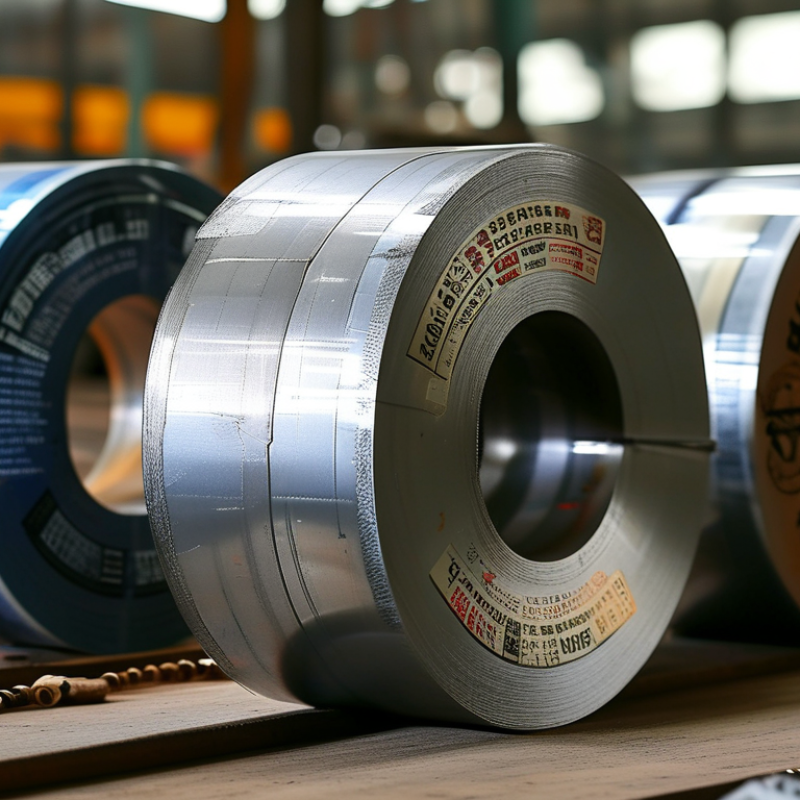
Flux stainless steel welding wire is a tubular electrode with a stainless steel sheath and a powdered flux core. During welding, the sheath melts with the base metal. The flux may generate shielding gas and forms slag over the cooling weld pool. Some wires need external gas, while self-shielded types depend mainly on their internal flux. Wind can still affect gas coverage.
The International Stainless Steel Forum reported 58.4 million tonnes of stainless crude steel production in 2023. The World Steel Association recorded global steel demand near 1.75 billion tonnes in 2024. These figures reflect strong demand for fabrication, maintenance, and corrosion-resistant structures. Flux-cored stainless wire suits many of these jobs because it can provide high deposition rates and useful positional performance. Outdoor work can be practical, but fume control remains essential.
Wire selection needs more than a stainless label. 308L wire is commonly considered for 304 stainless steel, while 316L suits many 316 applications. 309L is often selected for stainless-to-carbon-steel joints. The actual choice depends on chemistry, service temperature, dilution, polarity, and shielding gas. A qualified welding procedure should confirm amperage, travel speed, and interpass temperature. The first trial is rarely perfect. Excessive slag, irregular bead shape, or poor arc stability may reveal a mismatch. I would inspect the root, remove slag completely, and review the procedure before changing the manufacturer or wire size.
Technical overview of flux-cored stainless steel welding wire, commonly used for corrosion-resistant fabrication and repair applications.
| Data Dimension | Technical Information | Practical Importance |
|---|---|---|
| Definition | Flux-cored stainless steel welding wire is a tubular consumable with a stainless steel sheath and a flux-filled core. It is used primarily with the flux-cored arc welding (FCAW) process. | The flux supports arc stability, slag formation, and weld-metal protection during welding. |
| Main Wire Types |
|
Gas-shielded products are commonly selected for controlled workshop conditions, while self-shielded products are useful where wind, mobility, or limited gas access is a concern. |
| Common Stainless Grades |
Common classifications include stainless weld-metal families comparable to:
|
The selected grade should match the base metal, service environment, corrosion requirements, and applicable welding procedure. |
| Typical Standards | Relevant specifications may include AWS A5.22 for stainless steel flux-cored electrodes and ISO 17633 for tubular cored electrodes used for welding stainless and heat-resisting steels. | Standards define classification, chemical composition, mechanical properties, usability, and testing requirements. |
| Flux Functions |
The flux system may provide:
|
Flux formulation affects spatter, slag detachability, deposition behavior, weld appearance, and usability in different positions. |
| Shielding Gas | Gas-shielded stainless flux-cored wires commonly use argon-based mixtures. The exact gas composition and flow rate must follow the wire classification and welding procedure. | Incorrect gas selection or excessive drafts can cause porosity, unstable transfer, oxidation, and reduced corrosion performance. |
| Typical Diameters | Commercial diameters commonly include approximately 1.0 mm, 1.2 mm, 1.6 mm, and 2.0 mm, although availability depends on the product classification and application. | Smaller diameters support lower-current work and thinner materials; larger diameters generally provide higher deposition rates for heavier sections. |
| Current and Polarity | Many gas-shielded stainless flux-cored wires are designed for direct current electrode positive (DCEP), but the correct polarity depends on the specific classification and manufacturer’s technical data. | Using the wrong polarity can lead to poor arc characteristics, excessive spatter, inadequate penetration, or unstable deposition. |
| Welding Positions | Position capability varies by wire design. Some products are intended mainly for flat and horizontal welding, while others are classified for all-position work. | Position-rated wire can improve productivity on fabricated structures, tanks, piping, and maintenance components requiring vertical or overhead welding. |
| Base Materials | Typical applications include austenitic stainless steel, stainless-clad steel, carbon-steel-to-stainless-steel joints, and selected heat-resistant stainless components. | Base-metal identification is essential because filler selection affects dilution, cracking susceptibility, corrosion resistance, and service life. |
| Common Applications |
|
Flux-cored welding is often chosen where higher deposition rates and productivity are required compared with manual covered-electrode welding. |
| Advantages |
|
These characteristics can reduce welding time and improve consistency in medium- and high-volume fabrication. |
| Limitations |
|
Ventilation, operator protection, correct parameter control, and suitable environmental conditions are necessary for safe and reliable welding. |
| Corrosion Considerations | Weld deposits should be selected to provide suitable alloy content and corrosion resistance for the service environment. Heat tint, slag residue, and surface contamination should be removed when required. | Cleaning and passivation practices can be important for restoring the surface condition of stainless steel after welding. |
| Storage Requirements | Store unopened wire in a clean, dry area at stable room conditions. Protect opened packages from moisture, condensation, dust, and chemical contamination. | Moisture or contamination can contribute to porosity, hydrogen-related concerns, poor feeding, and inconsistent weld quality. |
| Selection Checklist |
Confirm the following before purchase or welding:
|
A technically suitable wire should be selected according to the complete welding procedure rather than price or appearance alone. |
Note: Exact operating parameters, shielding-gas requirements, classifications, and position ratings must be verified against the applicable product technical data sheet and welding procedure specification.
Production starts with stainless strip, alloy powder, and blended flux. The strip is leveled, slit, and formed into a narrow U-shaped channel. Workers fill the channel with flux under controlled conditions. The strip closes around the powder. Drawing dies then reduce the wire diameter. Annealing may follow. Testing checks composition, moisture, ovality, tensile strength, and weld appearance.
The core commonly contains metal powders, arc stabilizers, slag formers, and deoxidizers. Each ingredient affects welding behavior. Small powder-density changes can disturb arc stability. They can also change slag release. Automated filling helps, but it is not flawless.
Grade 308L commonly suits 304 stainless steel. Grade 316L suits molybdenum-bearing stainless alloys. Grade 309L supports stainless-to-carbon steel joints. Grade 347 can help where carbide precipitation is a concern. Always match the classification with the approved welding procedure.
Common sizes range from 0.9 to 2.0 millimeters. Practical shop sizes include 0.045 inch and 1/16 inch. Smaller wire helps control heat on thin sheet. Larger wire increases deposition on heavy sections. Bigger is not always better. Oversized wire may reduce arc stability during positional welding.
Buyers should confirm the required shielding gas, polarity, welding positions, and amperage range. Common gas choices include carbon dioxide or argon-based mixtures. Gas selection affects spatter, penetration, and bead shape. Check the technical data sheet carefully. I would not guess here.
Request chemical analysis, mechanical test results, ferrite data, and lot traceability. Review moisture control and dimensional checks. Ask for records showing consistent powder filling. Certificates are useful. They do not guarantee perfect weld performance.
Applications include food equipment, chemical processing, marine systems, and energy facilities. Chlorides may cause pitting. High temperatures can reduce corrosion resistance. Process vessels require clean slag removal. Select wire according to the base metal, joint design, and service temperature.
Conduct a practical trial before approving large quantities. Check arc stability, slag removal, spatter, restart behavior, and bead profile. Inspect weld appearance after cleaning. Test on similar steel and joint designs. A wire can look excellent on paper yet perform poorly on damp steel.
Store the wire in a dry, controlled environment. Protect spools from humidity and sudden temperature changes. Moisture can alter arc behavior and increase defects. Keep batch records visible. Storage is easy to overlook. That mistake can become expensive.
Flux Stainless Steel Welding Wire is a specialized consumable designed to support stable arc performance, reliable weld formation, and corrosion resistance in demanding fabrication environments. Its flux-filled structure can help improve shielding, slag control, and productivity while reducing the need for separate shielding materials in suitable applications. In China, manufacturing typically involves selecting stainless steel strip and flux ingredients, forming the tubular wire, filling it uniformly, sealing the strip, and applying drawing, surface treatment, inspection, and controlled packaging processes.
Buyers should compare available grades, diameters, weld positions, and specifications according to the base metal and service conditions. A qualified Chinese manufacturer should demonstrate consistent raw-material control, precise production equipment, batch traceability, and effective testing procedures. Important evaluation points include tensile performance, chemical composition, deposition efficiency, feeding stability, and weld appearance. Applications may include chemical equipment, food-processing machinery, pressure-related fabrication, marine structures, and general stainless steel maintenance. Quality standards, certification requirements, technical documentation, and export support should also be reviewed before selecting a supplier.

 Runxing machinery